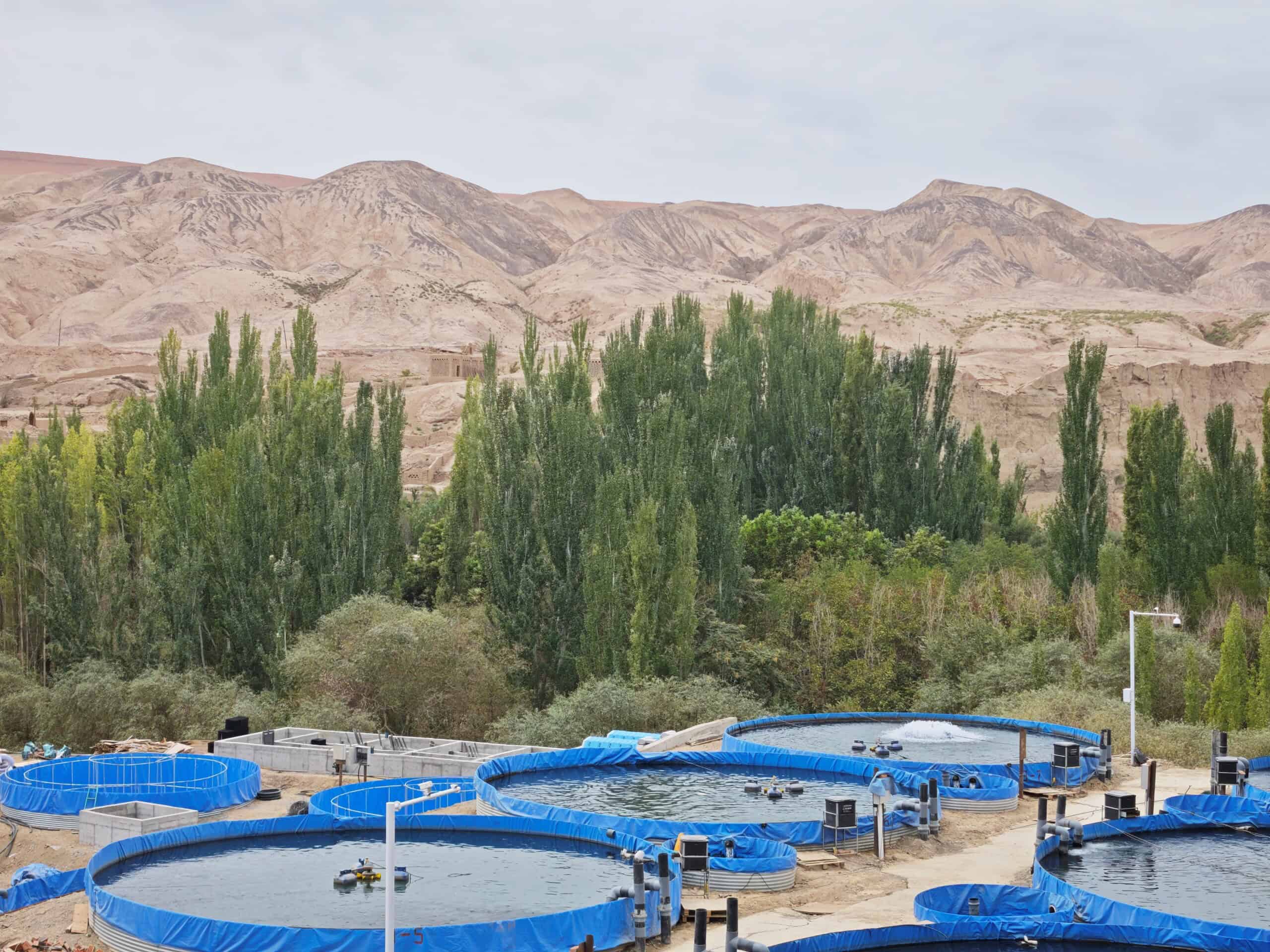
China’s Xinjiang region, located on the country’s far northwest frontier, is a land of unforgiving extremes. At Xinjiang’s southwest border stands K2, the second-highest mountain in the world at 28,251 feet.
The Karakoram Range, where K2 is situated, is just one of four major ranges abutting, slicing through, or ringing Xinjiang. The Kunlun runs along the province’s southeastern border; the Altai is found in Xinjiang’s northern reaches, and the Tian Shan spans its center. Together, the mountains, while breathtaking to look at, work to keep much of Xinjiang starved of moisture. Barely six inches of rain fall every year across Xinjiang’s 600,000 square miles.
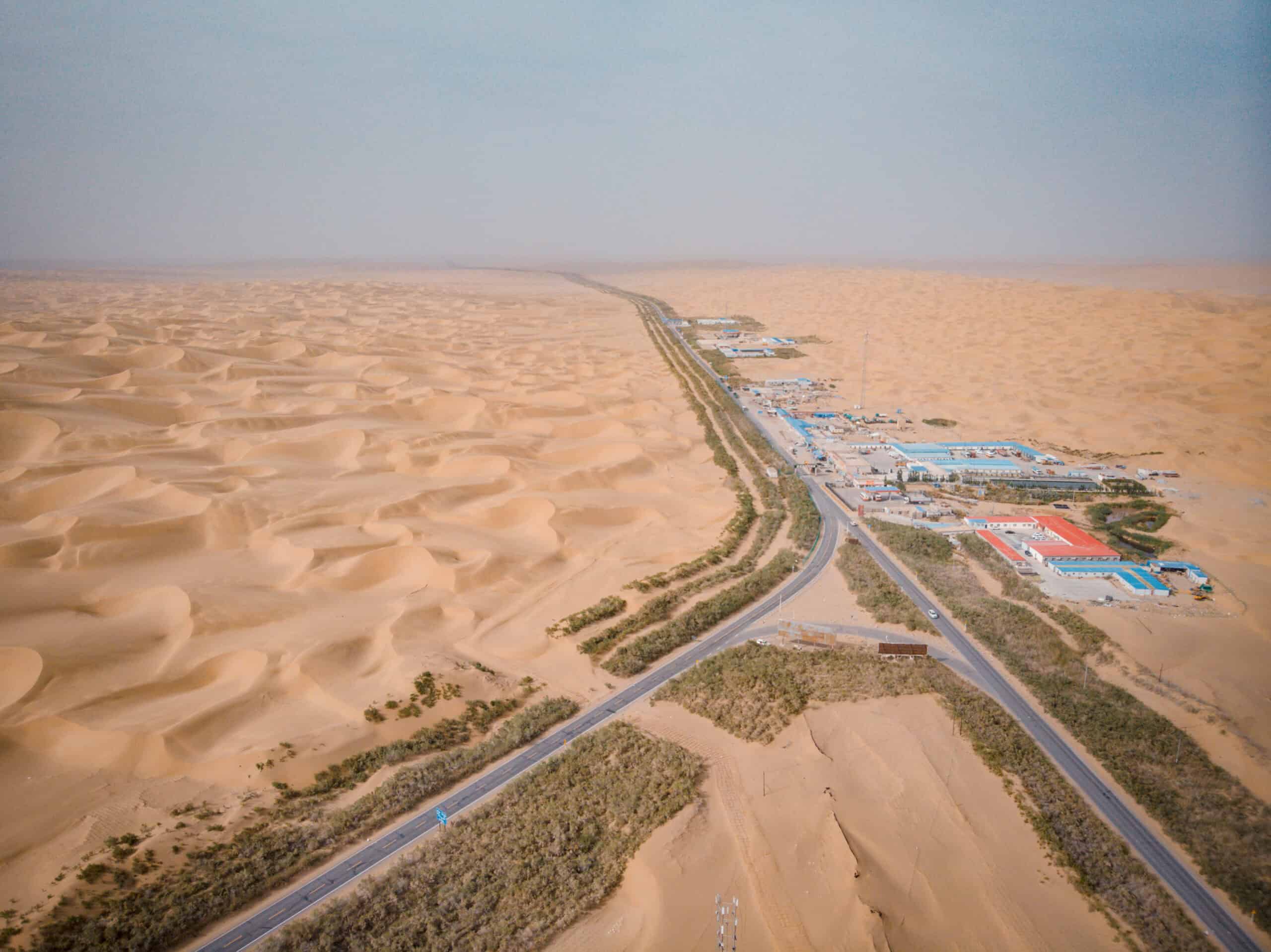
A huge swath of Xinjiang is taken up by China’s largest desert, the Taklamakan. The Taklamakan’s ever-shifting dunes can top 600 feet, taller than the Great Pyramid of Giza in Egypt.
In total, less than 10 percent of Xinjiang has ever been fit for human habitation. Those who have eked out an existence have mostly been nomadic herdsmen, with refuge for them and their families found around a modest number of oases fed by mountaintop glaciers in the Tian Shan and Kunlun. Historically, Xinjiang’s native populations have included Turkic Uyghurs, Han Chinese, Kazakhs, Mongols, and Tajiks.
Central Chinese authorities were long content to regard Xinjiang as a remote and rugged strategic buffer against an outside threat from the west. Shortly after the 1949 revolution, though, the state began to imagine Xinjiang as more than a wild outpost, and rather as a valuable territorial holding to be tamed and exploited, its people persuaded or conscripted to join China’s emergence into the modern world, and, in time, its campaign for global economic supremacy.
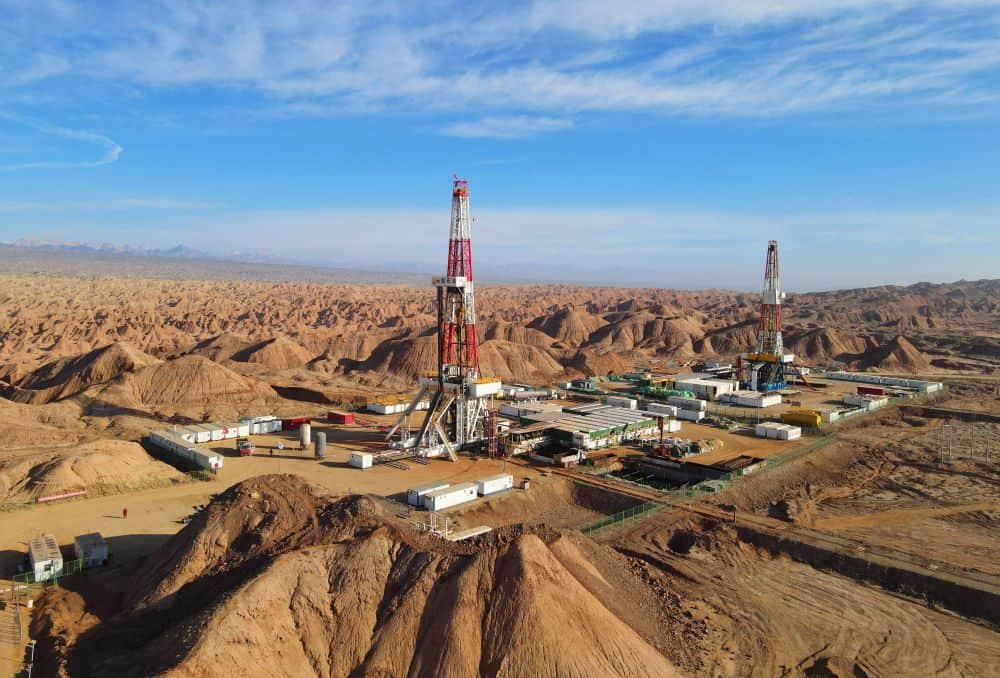
Beginning in the 1950s, Chinese government geologists discovered oil and gas in three of Xinjiang’s topographical basins — the Tarim, Junggar, and Tuha — and mounted some of the deepest drilling programs ever seen. Xinjiang became the western anchor of what was called the West-East Gas Pipeline, a monumental project completed in 2004 that sends natural gas over 2,400 miles to cities such as Shanghai.
At the same time, the state reengineered the Tarim River, Xinjiang’s longest, in a bid to turn the province’s hard and dry soil into farmable land. Reservoirs were built on the Tarim’s tributaries; diversion gates measured and allocated flow, and lined canals carried water to what would become newly leveled farmland. The Tarim, once an unremarkable waterway prone to seasonal flooding in an otherwise parched landscape, was suddenly a highly regulated and reliable supply system. The controlled use of the Tarim would help jumpstart the growing of a range of crops in Xinjiang, including an aggressive push to plant and harvest cotton.
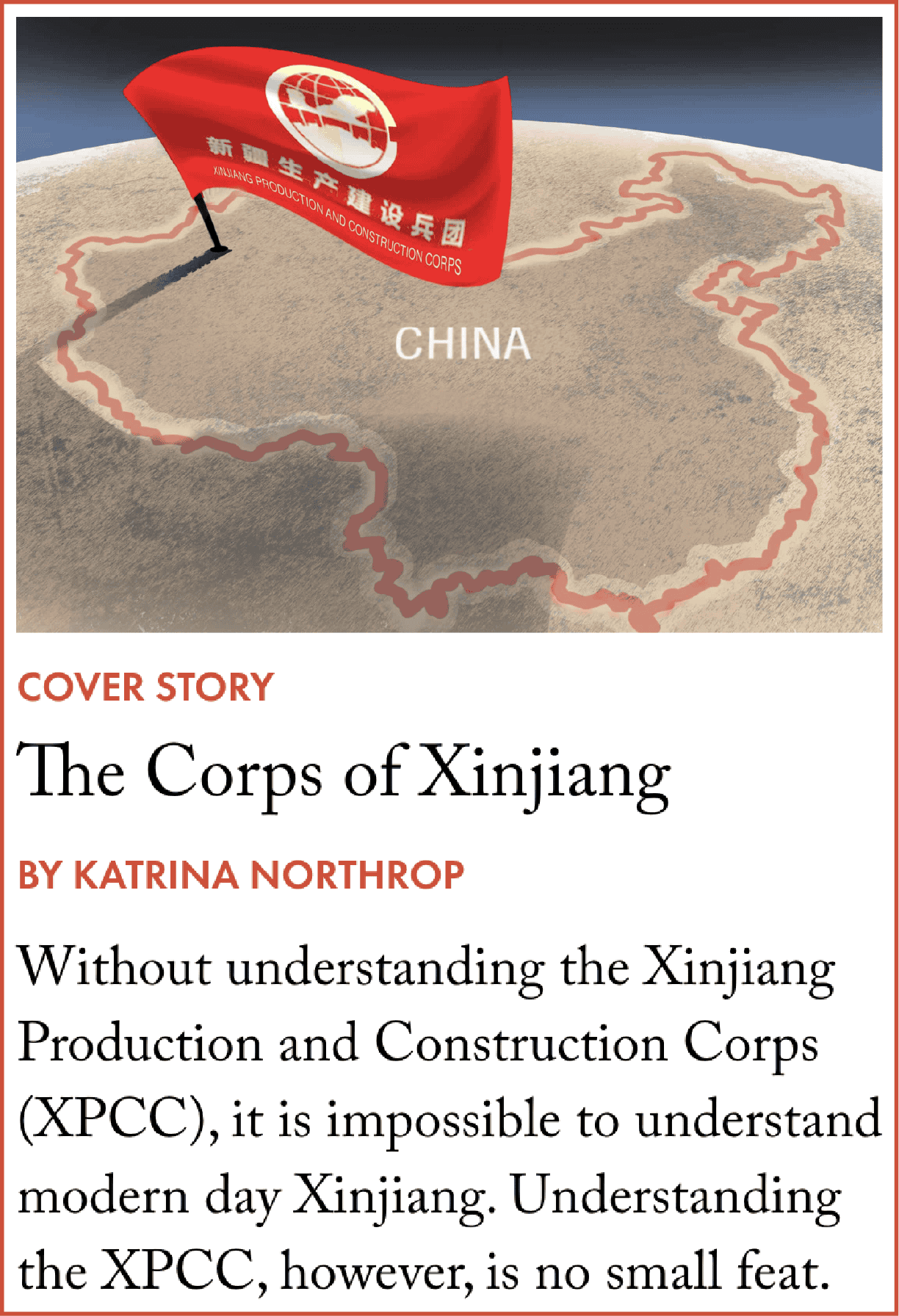
Troops from the People’s Liberation Army entered Xinjiang in 1949. Demobilized troops became part of the XPCC, Xinjiang Production and Construction Corps, established under a directive to “cultivate and guard border areas” in 1954. Credit: VideoChinaTV, Channel 4
Amid the discovery of natural resource riches and the marvels of technology, there was always the daunting human project of somehow creating a workforce for the state’s ambitions in Xinjiang. The Xinjiang Production and Construction Corps would handle that feat of reinvention. The XPCC is a corporate unit of the Chinese army, made up of former soldiers turned economic developers. They were sent to Xinjiang as the government agents meant to convert herdsmen into farmers. Land was seized, training programs were implemented and enforced, state-backed companies were launched, the reluctant were threatened with detention, and many were shipped out of Xinjiang to work in China’s larger eastern cities.
The company’s record of coercive tactics in Xinjiang has earned it a notorious international reputation. Over the past decade, the XPCC has seized more than half a million acres in Xinjiang to use for growing cotton, as well as for a variety of other industries, from fruit farming to solar fields. The company has also helped the government relocate more than 10 percent of Xinjiang’s population — over 2.5 million people between 2014 and 2019 — through labor transfers. If brutal, the XPCC’s work in Xinjiang has been effective. Today, Xinjiang produces roughly 20 percent of the world’s cotton supply and is a major source of export crops such as tomatoes, lavender, and wine grapes.
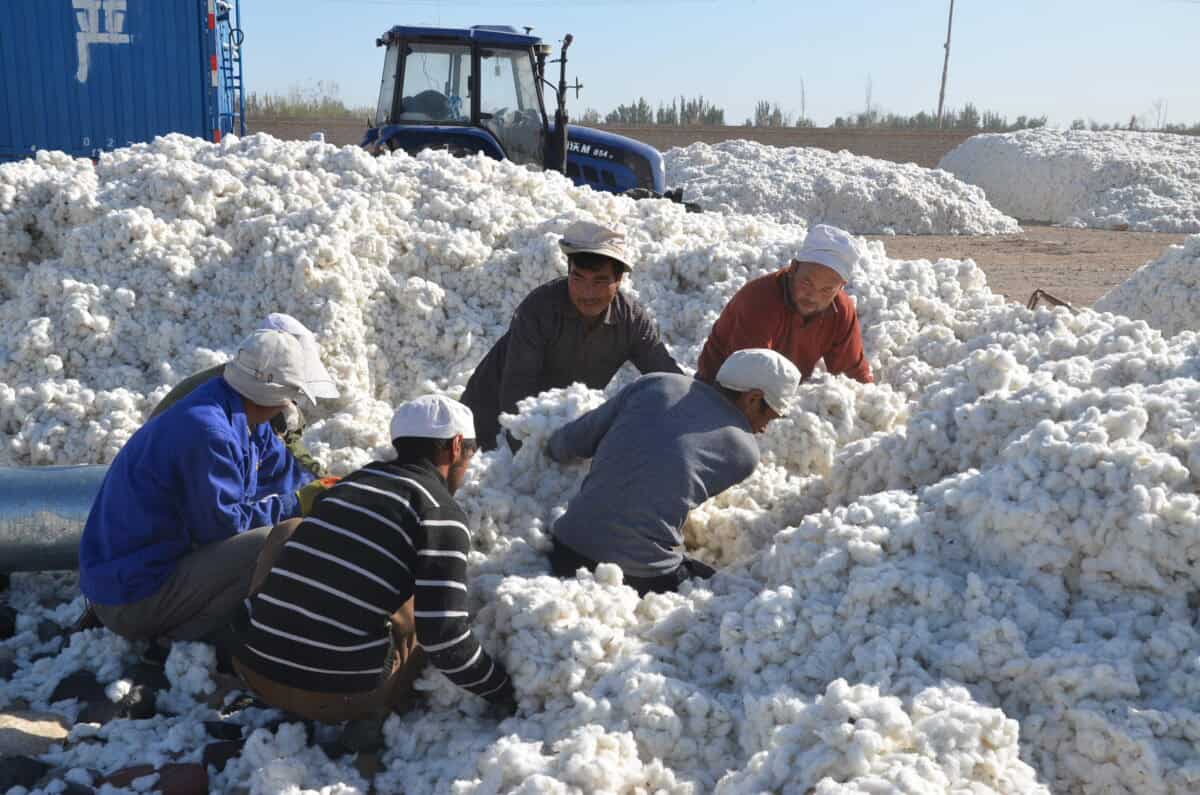
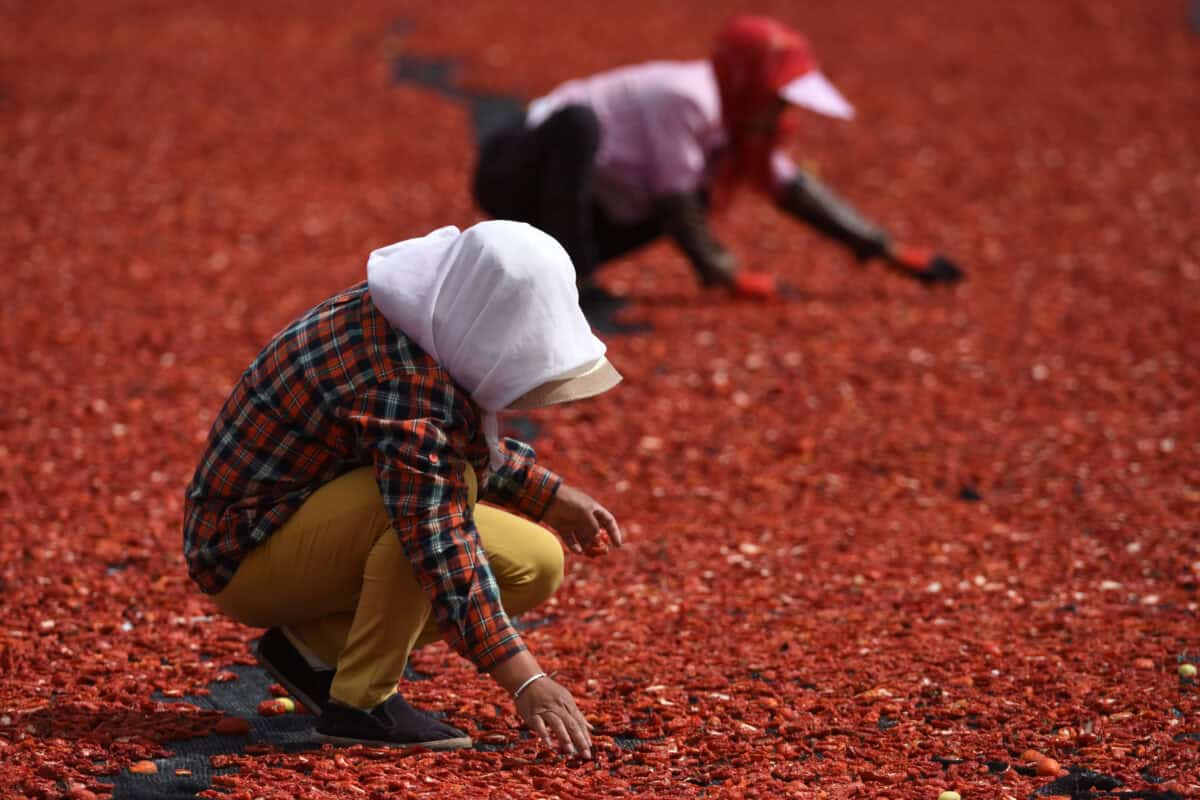
Left: Workers load cotton onto a truck in Alar, Xinjiang. Right: Farmers put harvested tomatoes on a sunning ground for air-drying in Yanqi Hui Autonomous County, Xinjiang. Credit: IC Photo via Depositphotos
Of all the successes in Xinjiang over the last 75 years none may be as remarkable as the latest: The Chinese are growing fish in Xinjiang, a place often referred to as the most landlocked spot on the planet.
China’s desert fish farming project is actually as much a consequence of self-preservation as creative ingenuity… Aquaculture, a 2024 report by the Center for Strategic and International Studies explained, is central to Beijing’s efforts “to bolster food security.” As a result, China has been perhaps the most aggressive practitioner of fish farming.
It turns out that in China’s earliest efforts to pull oil out of Xinjiang, its government drilling teams were regularly turning up evidence of underground aquifers, including underneath the Taklamakan. Researchers knew that the Taklamakan had once been entirely underwater, connected to one of Earth’s oceans. The desert’s sand and soil were littered with ancient coral fragments, microscopic plankton, bivalves, and gastropods. The Taklamakan’s salty soil, in fact, helped explain why some of the world’s best-preserved mummies had been unearthed there.
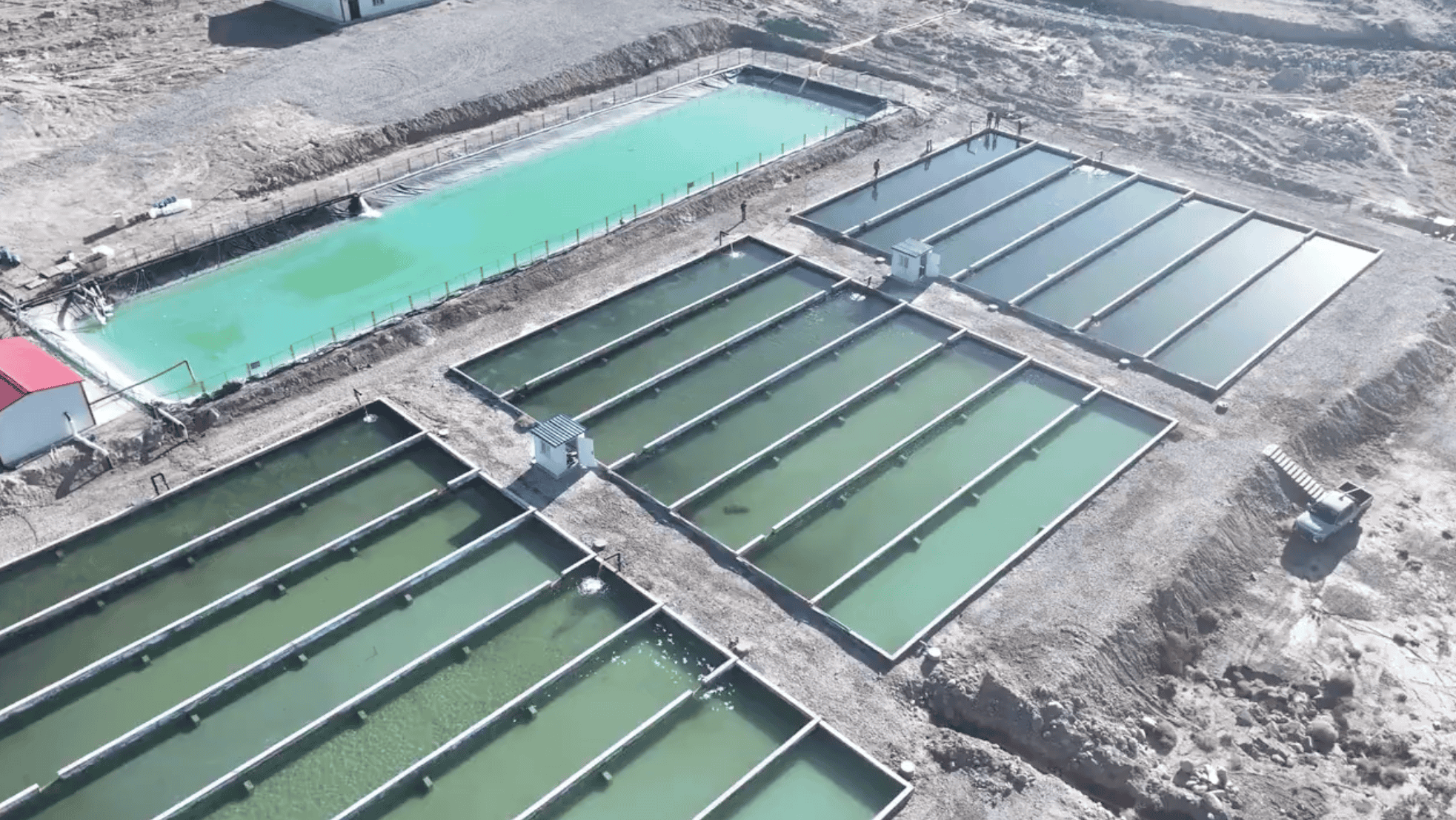
Qiemo County Shishixian Aquatic Products built a roughly eight-acre fish farm on the southeastern edge of the Taklamakan Desert in March 2024. Today, the farm raises golden pomfret, grouper, and mullet in two outdoor ponds and an indoor greenhouse with 68 tanks. Credit: Xinhua
The aquifers found beneath Xinjiang’s arid vastness would eventually be mapped, and tests would be done on the discovered water — to see both how pressurized and just how salty the water was. Initially, the tests suggested the waters under the Taklamakan and elsewhere across Xinjiang were too salty to be used for farming, too bitter to be consumed by humans. Chinese scientists eventually realized that the underground waters in Xinjiang could be adjusted to mimic seawater.
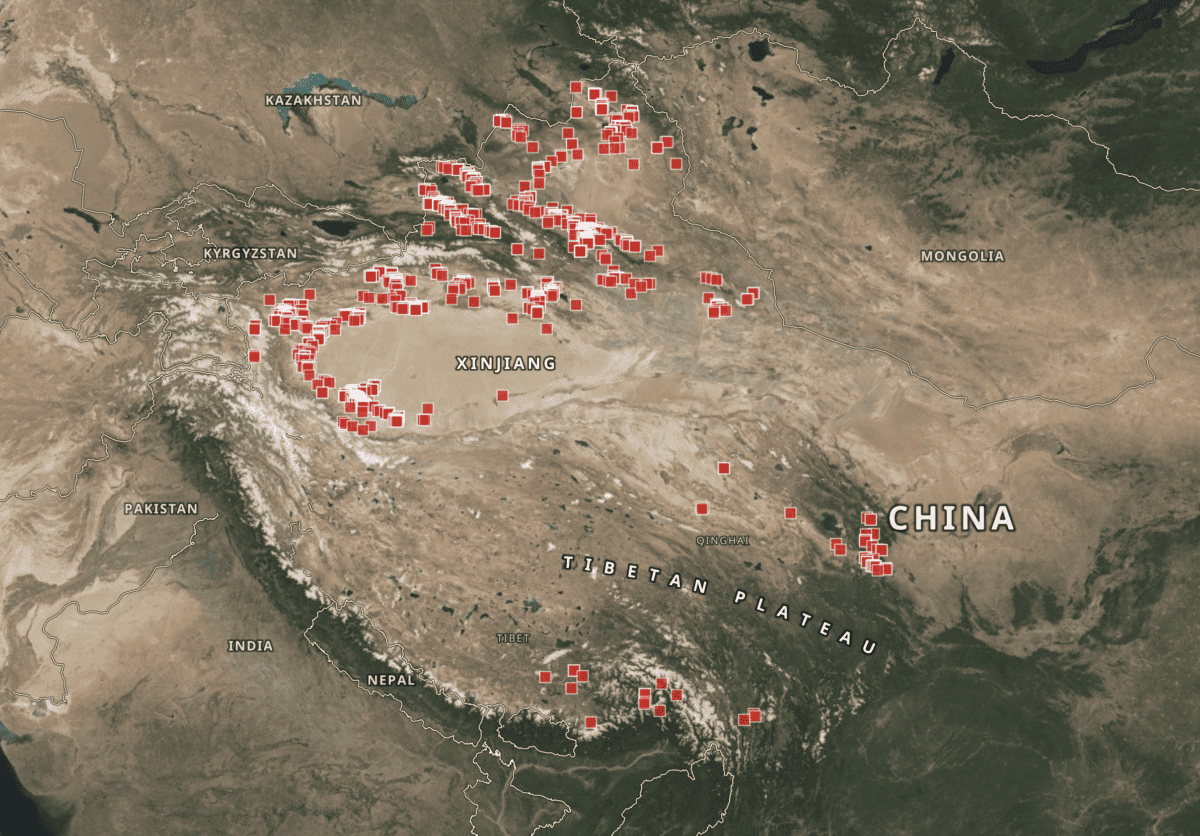
As a result, over 1,000 fish farms now dot Xinjiang, producing about 200,000 tons of seafood annually. Atlantic salmon, lobster, bass, carp, crab, shrimp — all of them and more raised in Xinjiang. Chinese media calls it the “Blue Miracle,” a maritime economy in a frontier home to what is known as the Eurasian Pole of Inaccessibility. The Outlaw Ocean Project, a news organization in Washington, DC, mapped these farms as part of a sweeping investigation showing how much seafood is reaching the U.S., including government facilities, in violation of the Uyghur Forced Labor Prevention Act (UFLPA).
“Raising fish in the desert?” China’s state broadcaster CCTV wrote in a 2025 article. “It sounds impossible, but in Xinjiang, it’s becoming a reality.”
FARMERS OF FISH
Aquaculture is a global phenomenon. More than half of all seafood the world consumes now comes from aquaculture rather than wild catch. India alone produces some 11 million metric tons of farmed fish products every year. The raising of clams, oysters, scallops, and mussels — distinctive aquaculture marvels because they require no feed and very little freshwater — has driven much of the explosive growth. In a 2019 report, the Nature Conservancy argued that by 2050, sustainably managed fish farms should become humanity’s primary source of seafood.
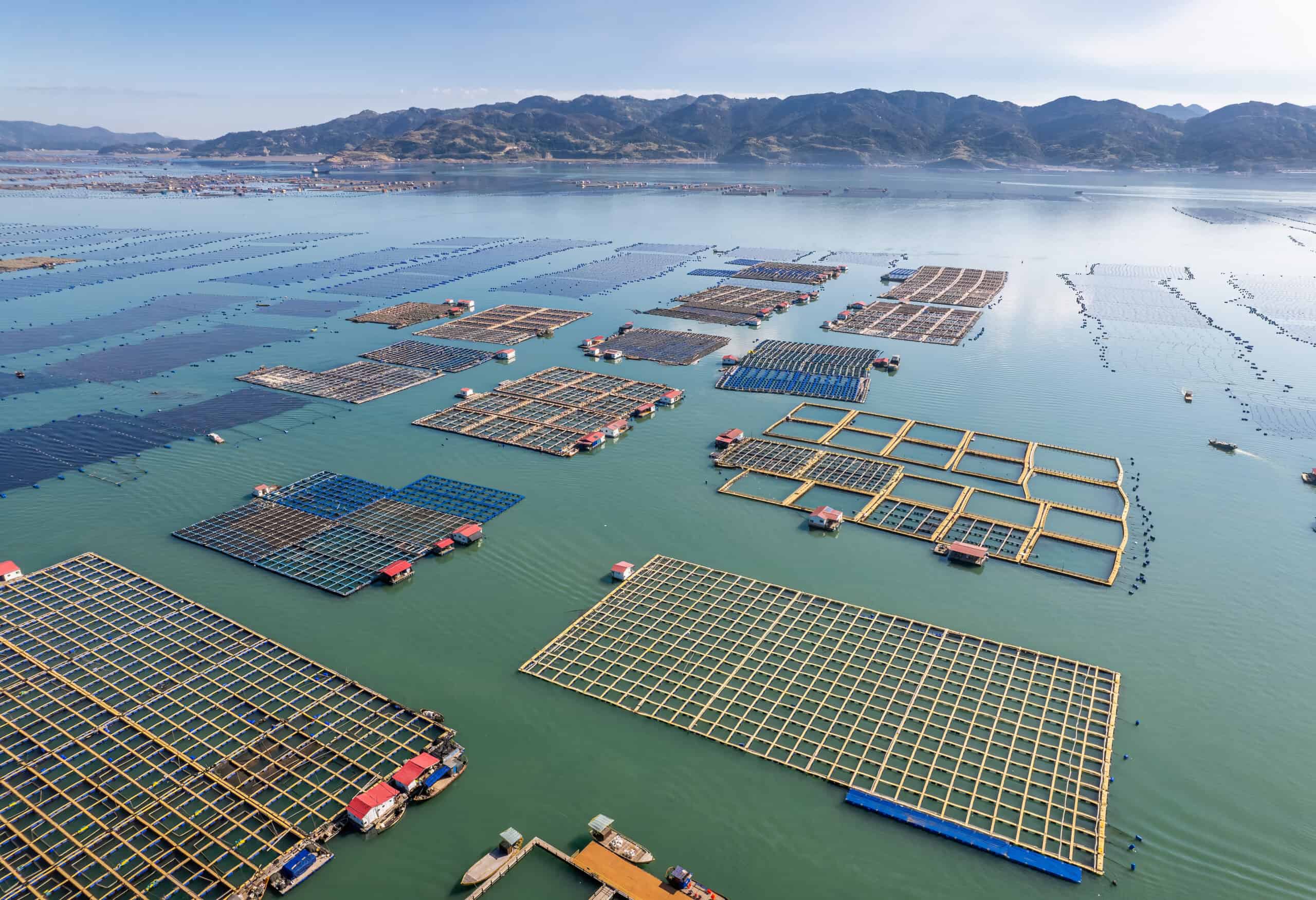
Most ambitious fish farming falls into a small handful of models. In Asia, the dominant system is the freshwater pond: excavated basins stocked with hatchery-raised juveniles, fed daily, and aerated mechanically to prevent oxygen crashes. Along coasts, floating net pens hold fish in open water, relying on currents to disperse waste. Some fish farms operate fully enclosed recirculating systems, filtering and reusing water inside warehouses.
The $313 billion industry has generated varied and extraordinary benefits. In India, it is a major source of employment, particularly for women. In Bangladesh, the expansion of fish farming has helped drive down prices, making seafood more affordable for poorer households. The industry, even accounting for transporting the farmed fish around the world, is a far smaller source of carbon emissions than beef or pork.
Recent efforts to push the nature and reach of the business have wound up pushing the boundaries of the imagination and technology. The Norwegians have built enormous, semi-submersible structures in the open ocean, capable of holding volumes of water great enough to house 1.5 million salmon. The Chinese have built “aquaculture ships,” huge vessels sent to sea with 15 breeding cabins capable of holding 90,000 cubic meters of water.
On the southern rim of the Taklamakan Desert in Xinjiang, two companies, Hotan Yujianjianglai and Qiemo Shishixian, began farming fish around 2024. Roughly 250 fish farms in and around the Taklamakan produce $100 million in desert seafood — including species like cod and grouper — every year. Credit: Hotan Yujianjianglai Aquaculture, Xinhua News
In Scotland, underwater robots are used to combat the threat of sea lice, a parasite that feeds on salmon. The robots identify the lice and fire laser pulses to eradicate them. The inventions have not been exclusive to major commercial farm fishing. Modest fish farms in Indonesia have been using smartphone apps to manage timed, more cost-effective feeding schedules at their ponds.
And then there is the engineering of the fish themselves. In the U.S., the seafood company AquAdvantage has won approval to raise cloned salmon. Fish farming, therefore, isn’t only about cages, pumps, and sensors anymore. It’s also about re-writing biology — treating growth rates and production timelines as variables that can be redesigned, not just managed.
But as with many feats of human ingenuity and profit-making, aquaculture is freighted with a multitude of downsides. Crowding millions of fish together produces enormous volumes of waste. In shallow coastal pens, solid waste settles into thick sludge on the seafloor, smothering plants and animals. Excess nitrogen and phosphorus fuel algal blooms, kill wild fish, and drive away beachgoers. Fish bred to grow faster and larger sometimes escape, threatening native species.
Perhaps most vexing for the sustainability of the industry is the zero-sum question of feeding the world’s farmed fish. Aquaculture was supposed to be the solution to the dangerously depleted fish stocks in the oceans. More than 80 percent of the wild fish stocks have collapsed or are being harvested beyond safe biological limits. But what farmed fish eat is other fish, many of them drawn from those same depleted stocks.
THE RE-EDUCATION OF VILLAGER DUMAN

On July 25, 2021, at an outdoor theater located in northern Xinjiang, 50 villagers gathered. Officials with the Xinjiang Tianyun Organic Agriculture company were there to hand out cash — as much as $25,000 per village, or about $200 per household.
The Xinjiang Tianyun Organic Agriculture company is China’s poster child for its aquaculture breakthroughs in Xinjiang. Tianyun owns at least half a dozen aquaculture-related enterprises, including a breeding center, a processing plant, a cold-storage facility, and multiple salmon ponds. The company sells roughly $30 million worth of seafood annually, producing more than 6,000 tons of fish a year and around 40 percent of China’s domestically produced salmon.
The production of fish has been impressive but, for the state, Tianyun is a government darling for the ways it has allegedly managed to enlist and excite a local population for whom the idea of raising fish in the desert first felt like some kind of dark fantasy, or government scam. Tianyun has generated jobs and invited workers, their families, and other villagers across the region to become shareholders in the desert seafood business.
In northern Xinjiang, villagers received cash payments from Xinjiang Tianyun Organic Agriculture at annual profit distribution ceremonies, which began in 2017. Villagers received interest-free loans to invest in a company subsidiary, and each year, Tianyun paid investors a percentage of their initial pay-in. In total, Tianyun has paid out about $1 million USD. Credit: CCTV, Xinjiang Tianyun
The cash being handed out at the village gathering was one of the latest dividend payouts. When the first had happened years earlier, the locals weren’t entirely sure what to make of it. “Is this money really being given to me?” one local asked a reporter from CCTV. “Can I take it home?” Four years later, they’d grown a lot more comfortable with the returns on their investments. That July day, with music playing from speakers near the outdoor theater stage, state television was there to capture the moment.
“There’s a real joy in counting money,” the CCTV reporter said.
China’s desert fish farming project is actually as much a consequence of self-preservation as creative ingenuity. The country is both the world’s largest producer and consumer of seafood. Its extraordinary fleet of fishing vessels — more than 6,500 fishing boats working the world’s oceans, and another 220,000 operating in China’s coastal waters — is the stuff of legend and international alarm. And yet it has not been enough to satisfy the government. Aquaculture, a 2024 report by the Center for Strategic and International Studies explained, is central to Beijing’s efforts “to bolster food security.”
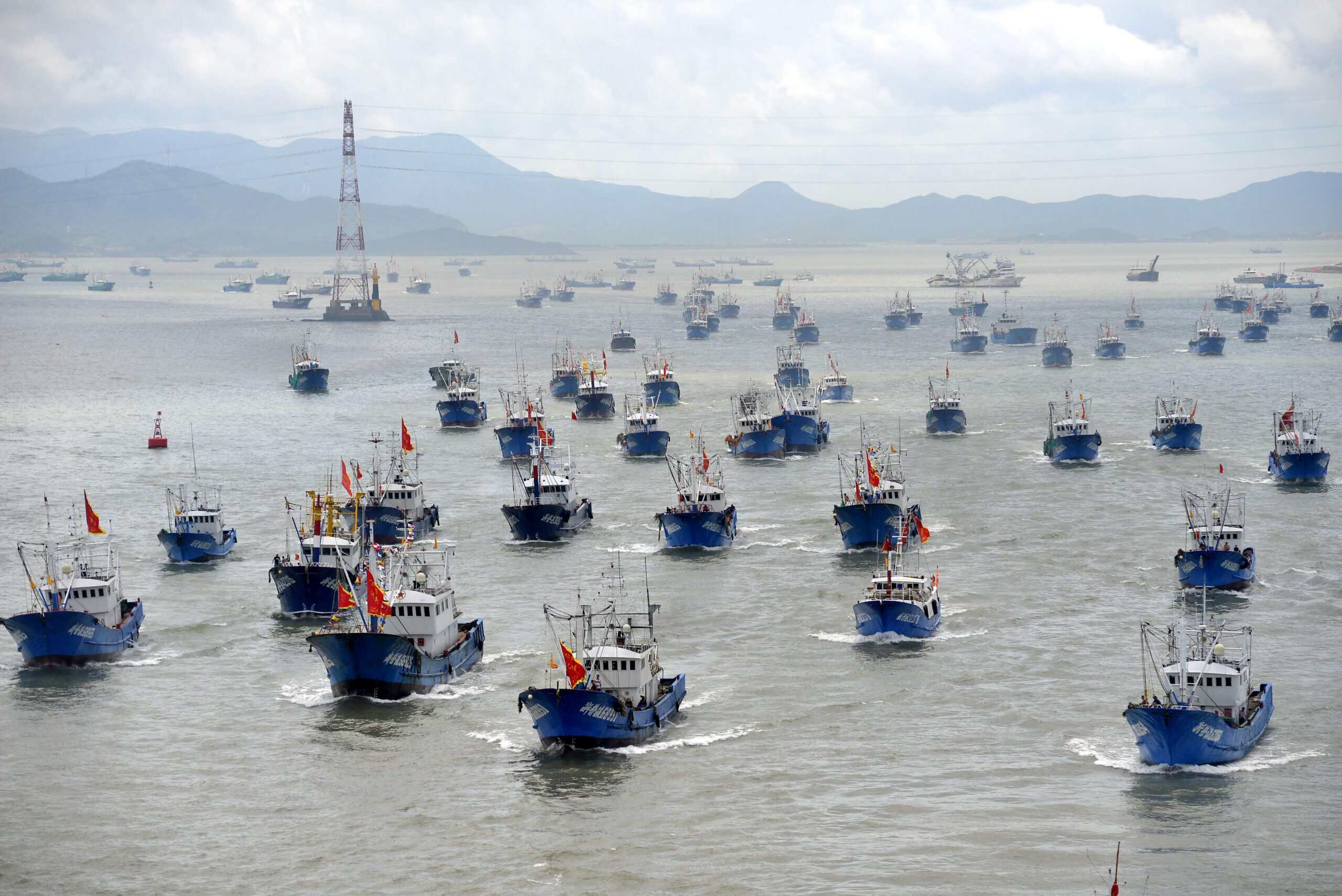
As a result, China has been perhaps the most aggressive practitioner of fish farming. Through the 1980s and 1990s, local governments converted tidal flats and estuaries into shrimp ponds and marine cages, building hatcheries, feed mills, and export infrastructure. At first, most Chinese fish farms were concentrated along the eastern coast, particularly in Guangdong, Fujian, Zhejiang and Shandong provinces, where sheltered bays and river deltas were rapidly transformed into aquaculture zones. By 2014, aquaculture installations dotted more than 30 percent of China’s shoreline.
Chinese fish farms did great business — and great damage. A 2015 study by researchers at China’s Academy of Fishery Sciences and Institute of Oceanography linked coastal aquaculture to algal blooms, nutrient depletion, and the fragmentation of wetlands by disrupting tidal flows. In the Yellow River Delta, salt marshes shrank by nearly 80 percent between 1984 and 2014. Waste runoff from fish farms became a major source of pollution: A 2019 study by the Nanjing Institute of Environmental Science warned that nearly 80 billion gallons of wastewater — containing feces, excess feed, dead fish, antibiotics, and sedatives — were being discharged annually. This pollution has degraded critical waterways, including the Yangtze River, which supplies freshwater to Shanghai, and the Pearl River Delta, which supplies Hong Kong. “While China’s fishery has made great achievements, it has also paid a great price,” the head of the fisheries authority said at a national conference in 2014, citing “unbalanced, uncoordinated, and unsustainable development.”
To further reassure and convince the locals, Tianyun and state media outlets have engaged in an elaborate advertising campaign of sorts, making films trumpeting the benefits of fish farming, and not so subtly warning of what resisting the province’s economic transformation might entail.
In response, Beijing restructured the aquaculture industry. Officials called for reducing aquaculture in overcrowded coastal waters and expanding it inland. Within two years, authorities had removed roughly 300,000 coastal farming cages. In 2019, the Ministry of Agriculture and Rural Affairs issued new guidance on the “green development of aquaculture,” urging provinces to “actively develop” fish farming in places such as Xinjiang, with its supplies of underground waters rich in salt.
Converting the native populations of Xinjiang into eager fishermen, Beijing realized, was going to require a mix of salesmanship, propaganda, and coercion.
Over a million people were sent to detention camps in Xinjiang from 2017 to 2023, as locals were driven to give up their historic livelihoods and dig for oil or farm the land. By the end of 2024, the XPCC partially or fully ran at least 50 fish farms in Xinjiang that collectively produced over $290 million worth of seafood.
In northern Xinjiang, where Tianyun is headquartered, the largest ethnic group is the Kazakhs, a people who had practiced nomadic pastoralism for ages. Tianyun partnered with a government-affiliated rural credit union to provide interest-free loans — typically about 10,000 yuan, or $1,500 — to hundreds of local residents, allowing them to buy shares in a subsidiary that would support the fish farm through tasks like labor contracting and sales. Collectively, these households funded almost half of the subsidiary’s startup capital. In return, each household received fixed annual payments for several years, followed by dividends as a percentage of their initial pay-in tied to profits. Villagers were also offered paid work operating equipment or harvesting fish.
To further reassure and convince the locals, Tianyun and state media outlets have engaged in an elaborate advertising campaign of sorts, making films trumpeting the benefits of fish farming, and not so subtly warning of what resisting the province’s economic transformation might entail. “Villagers have dismounted from horses and stepped onto fishing boats,” a reporter said in a Xinhua News video. Another video featured an interview with a young local man, Alalebai, who in 2014 was a sheep herder in the village of Jiaertuohan. “Life was difficult,” he later told a local news outlet. “When I went out to herd, I didn’t dare close my eyes for more than ten hours in a row, for fear of losing the sheep.”

In 2017 Tianyun, working with a state-run poverty-alleviation program, established a salmon breeding outpost in Keshikalasu, a village near Alalebai’s home. Alalebai was hired to work at one of Tianyun’s fish farms. By 2023, he was earning 48,000 yuan annually, more than four times his former income, according to a local news report. Zhang Xiu, the company’s chairman, said Tianyun aimed to create 10,000 jobs and generate three billion yuan — about $421 million — in revenue by 2025.
In a 2020 television segment, Alalebai gave reporters a tour of an apartment provided by Tianyun, with polished red floors, large windows, and a modern kitchen. “After my husband gained a stable job, our life changed tremendously,” his wife said. “This was all provided by the party and the government.” By 2023, Tianyun had purchased around a hundred homes in and around Kalasu Township for other employees.
‘Land of Hope,’ a short film about a fledgling fish farm in Xinjiang, was posted to a Chinese government account on WeChat on May 12, 2024. Drawing on the “viral online buzz” around Xinjiang seafood, the post wrote, this film would showcase the “captivating transformation” of farming fish in the desert. The movie was part of a broader state campaign celebrating the rapid growth of Xinjiang aquaculture, especially as a tool for economic development and social stabilization in China’s far-inland west. Credit: Xinjiang Public Security Department on WeChat
A second, more recent government film shot mostly at Tianyun, titled “Land of Hope,” had a rougher edge. It tells the story of a fledgling fish farm and the local man, Qairat, behind it. He meets resistance from his neighbors, who fear chemicals used in fish farming might kill their cows and sheep. “Is this little bastard Qairat trying to wipe us all out?” one villager shouts.
Qairat tries to pacify and persuade his friends. There will be profit sharing, and a future they could not have otherwise imagined. “The kids can’t afford college. The elderly can’t afford doctors,” Qairat’s girlfriend pleads on his behalf. “Is this really the life you want?”
One local man, Duman, is not on board, and he sets out to do damage to the fish farm. He is arrested and sentenced to a year in prison, but in a show of mercy by the court, he’s given the chance to avoid incarceration by maintaining good behavior during a two-year probation. When he returns, he’s a convert. Law enforcement officers sit down for tea with a group of people in town, among them company officials, police, Qairat and his wayward friend Duman. Platters of shrimp, crab legs, and salmon sashimi are stacked on a table. (Seafood is not native to the region’s cuisine; in 2023, Xinjiang residents consumed roughly six pounds of seafood per person — less than a fifth of the national average.) Teased by the others, Duman agrees to try some salmon. Qairat drapes an arm around his shoulders.
“Our hometown has vast waters suitable for aquaculture,” Qairat says. An elder rises, slaps a stack of cash on the table, and declares, “To save our hometown, I’ll be the first to invest.”
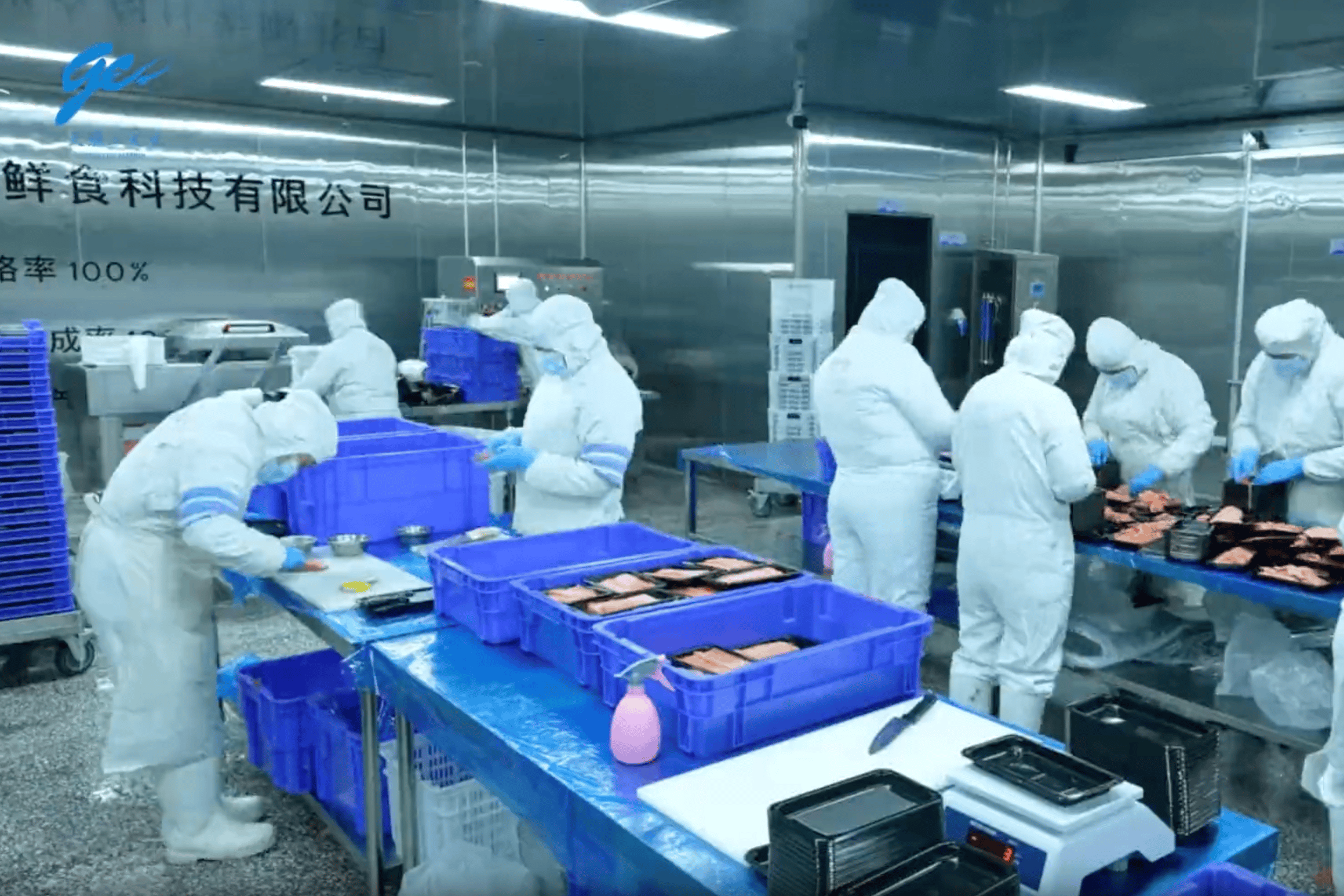
Tianyun said in a statement that claims of systemic forced labor “are completely factually unfounded” and described the UFLPA as an unreasonable and politically motivated framework that violates the principles of fair international trade. Tianyun strictly abides by China’s laws on labor and contracts and resolutely protects the legitimate rights and interests of every employee. “Our company has never been involved in, nor will it ever participate in, any form of forced labor,” Tianyun said. “On the contrary, we provide competitive compensation, comprehensive occupational health and safety protections, and career development opportunities.” The XPCC did not respond to a request for comment.
FOOD AUTONOMY REQUIRES FEED AUTONOMY
The Shi Shi Xian fish farm sits on the southeastern edge of the Taklamakan Desert. Built in just three months in 2024, the roughly three-acre site was carved out of the Taklamakan’s dunes.
The Taklamakan remains a place of wonder and menace, marked by searing heat and arctic chill, with both sometimes experienced inside the same 24 hours.
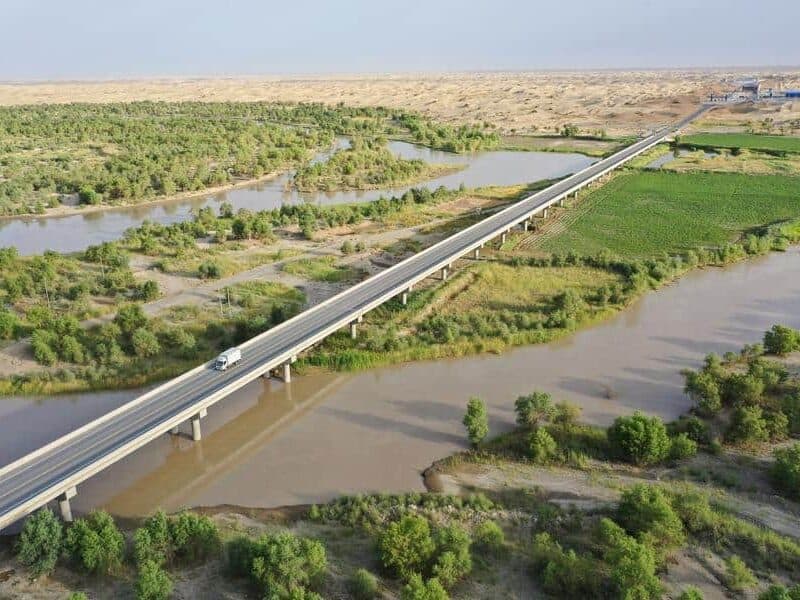
Chinese authorities have been trying to rein in the Taklamakan for decades. In 1978, for instance, the government undertook an epic afforestation plan, known as the Green Great Wall project. The aim was to employ hundreds of thousands of people to plant 88 million acres of desert poplar and red willow trees at the edges of the Taklamakan, thereby creating a massive fence to stunt its growth and disrupt sandstorms. The trees were also meant to protect a 1,700-mile rail line that the government finished in 2022, which fully encircles the Taklamakan. That rail line now serves more than 10 million people across southern Xinjiang.
To create fish farms in the Taklamakan, bulldozers flatten and compact the sand. Then engineers drill shallow wells — about six feet deep — to tap brackish groundwater. Lined ponds are created and filled, and technicians seed them with specialized microorganisms, adjusting the water’s chemistry to something closer to seawater, and thus effectively transforming desert groundwater into a marine environment.
“China wants food autonomy,” said Philip Chou, a China specialist with the environmental group Oceana. “But to get there, it’s also going to need feed autonomy.” Right now, Chou said, China has neither.
Today Shi Shi Xian includes two outdoor ponds — one for grow-out, one for breeding — and an indoor ecological greenhouse housing 68 circular tanks, each roughly 16 feet in diameter. Paddlewheel aerators churn the ponds, flinging arcs of spray into the scorching air. Automatic feeders and pumps can be controlled remotely from a small workshop. Pond water, kept between 20 and 30 degrees Celsius, runs on a near full-recirculation model, whereby it is filtered and reused rather than discharged into the surrounding sand. Against a backdrop of dunes, the farm raises grouper, mullet, sillago, and millions of pearl-bivalve and oyster seedlings. The farm did not respond to a request for comment.
That roughly 250 fish farms exist in and around the Taklamakan — producing $100 million in seafood every year — is yet one more striking accomplishment for the Chinese aquaculture industry, perhaps its most memorable one. But for all its accomplishments in the Talamakan, and in Xinjiang more broadly, authorities in Beijing have yet to crack what might be the single greatest challenge to its aquaculture aspirations – feeding the fish.
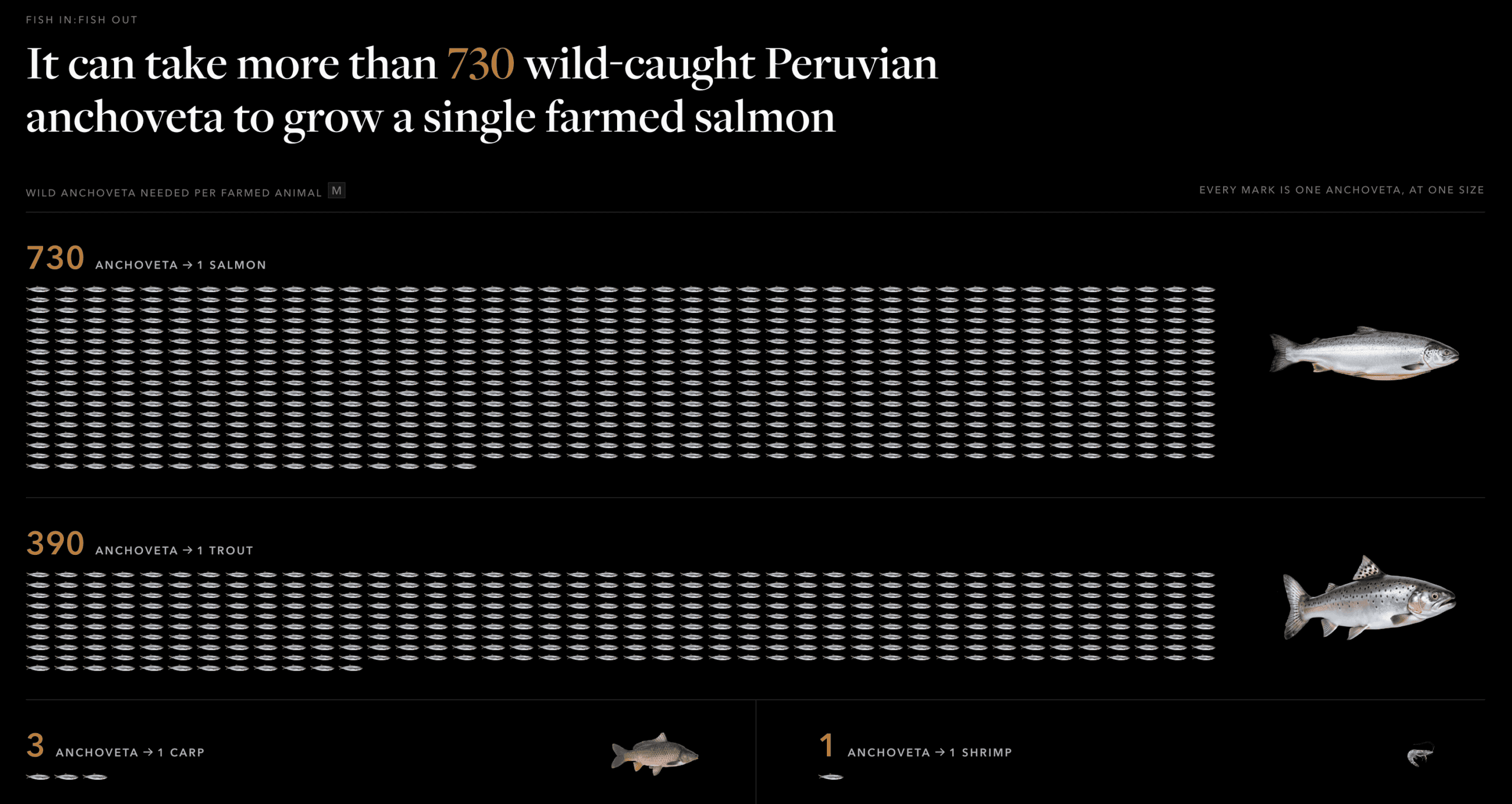
This is the most expensive aspect of fish farming, accounting for 70 percent of industry costs. The only commercially viable option at scale remains fishmeal: a pulverized, protein-rich powder made from wild fish caught at sea. More than a fifth of all fish harvested globally ends up as fishmeal or other non-human feed. The conundrum, then, is stark: The volume of fish needed to farm some of the world’s most popular species — salmon, shrimp, sea bass — far outstrips what the fish farms ultimately produce.

Farmed salmon has long been marketed as a modern answer to the limits of wild fishing. Yet after moving the cages inland, automating the ponds, filtering and recirculating the water, the arithmetic still leads back to the sea. Much of the industry remains dependent on turning wild fish into feed.
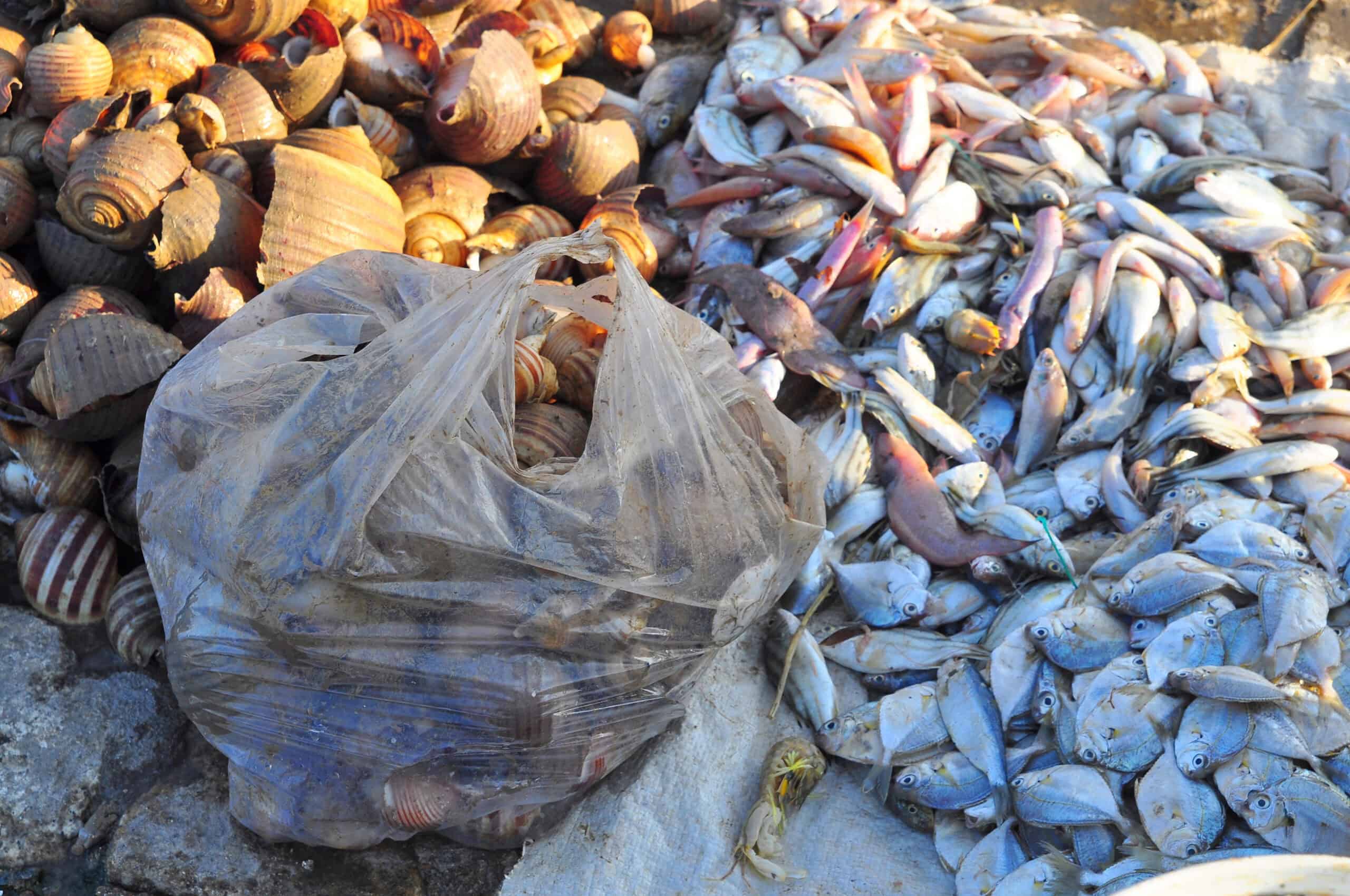
There are also other collateral costs. The inexpensive fish the fishmeal industry targets are the very populations relied on for basic sustenance in poorer countries. Much of the fish destined for fishmeal processing comes from Thailand, Vietnam, Peru and Mauritania. The environmental impact of fishmeal production — waste that fouls clean waterways, stenches blanketing entire communities — is considerable. Not least, the rapacious race to meet the demand for fishmeal has also led to spikes in illegal fishing across the world.
Researchers have explored alternative protein sources for farmed fish — seaweed, cassava waste, black soldier fly larvae, even single-cell proteins derived from fungi or bacteria. But none are yet affordable at scale. As a result, global fishmeal consumption is projected to rise nearly 10 percent between 2022 and 2032, according to the United Nations Food and Agriculture Organization.
Historically, China’s fish farms relied on forage fish pulled from coastal waters. By 2016, more than 30 percent of China’s coastal catch consisted of these species.
The pressure proved unsustainable. Of 15 fish species assessed in a 2019 study, 11 were overfished, depleted or outside safe biological limits. Five of these 11 were forage fish. To ease the strain, China cut its near-shore fleet by roughly 40,000 vessels in 2020 and increasingly turned to imported fishmeal, especially from Peru. Today, China imports more than 40 percent of the world’s fishmeal, a share projected to rise to 55 percent by 2032, according to a 2023 UN report.
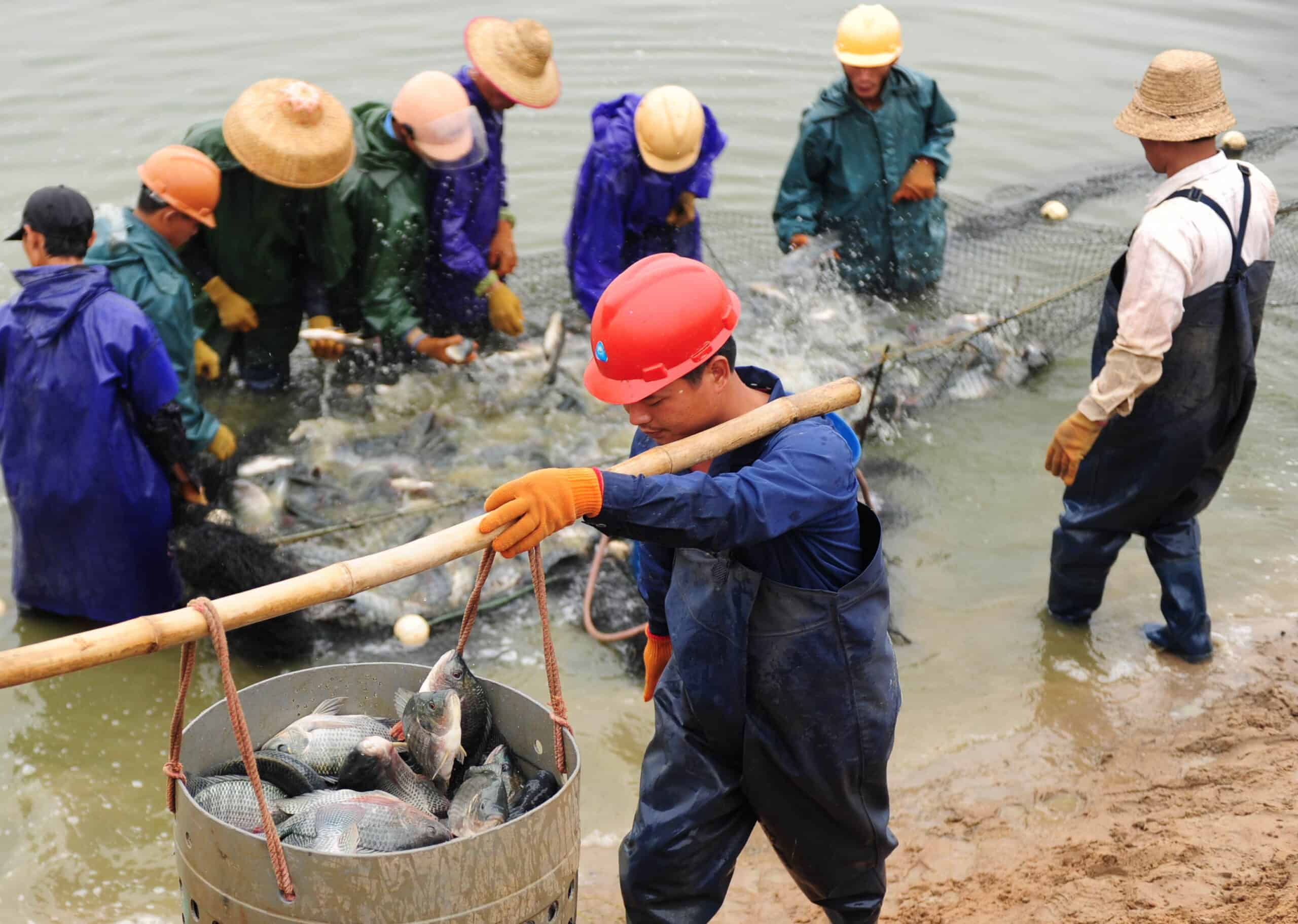
“China wants food autonomy,” said Philip Chou, a China specialist with the environmental group Oceana. “But to get there, it’s also going to need feed autonomy.” Right now, Chou said, China has neither.
China also suffers from a credibility problem. Growing evidence shows that its companies often misrepresent to an unwitting public what kinds of farmed fish they are bringing to market. Fish priced and sold as salmon are actually rainbow trout. What’s labeled “cod” is often pollock.
Chinese companies have sought help from seafood quality-assurance outfits to reassure consumers that forced labor and or dangerous amounts of antibiotics weren’t used in the production of its farmed fish. Those organizations, such as Best Aquaculture Practices, claim they are independent entities with exacting standards. But many researchers and ocean-sustainability advocates regard BAP and similar firms as unable or unwilling to root out real problems. The Chinese government, in any case, does not typically allow unannounced inspections of factories or farms, and it tightly restricts the activities of journalists investigating labor, environmental, or human-rights abuses.
And so, with increasing frequency, investigators have found illegal quantities of drugs in Chinese farmed fish — antibiotics at levels that threaten human health, as well as the dangerous use of sedatives to calm the fish during transport.
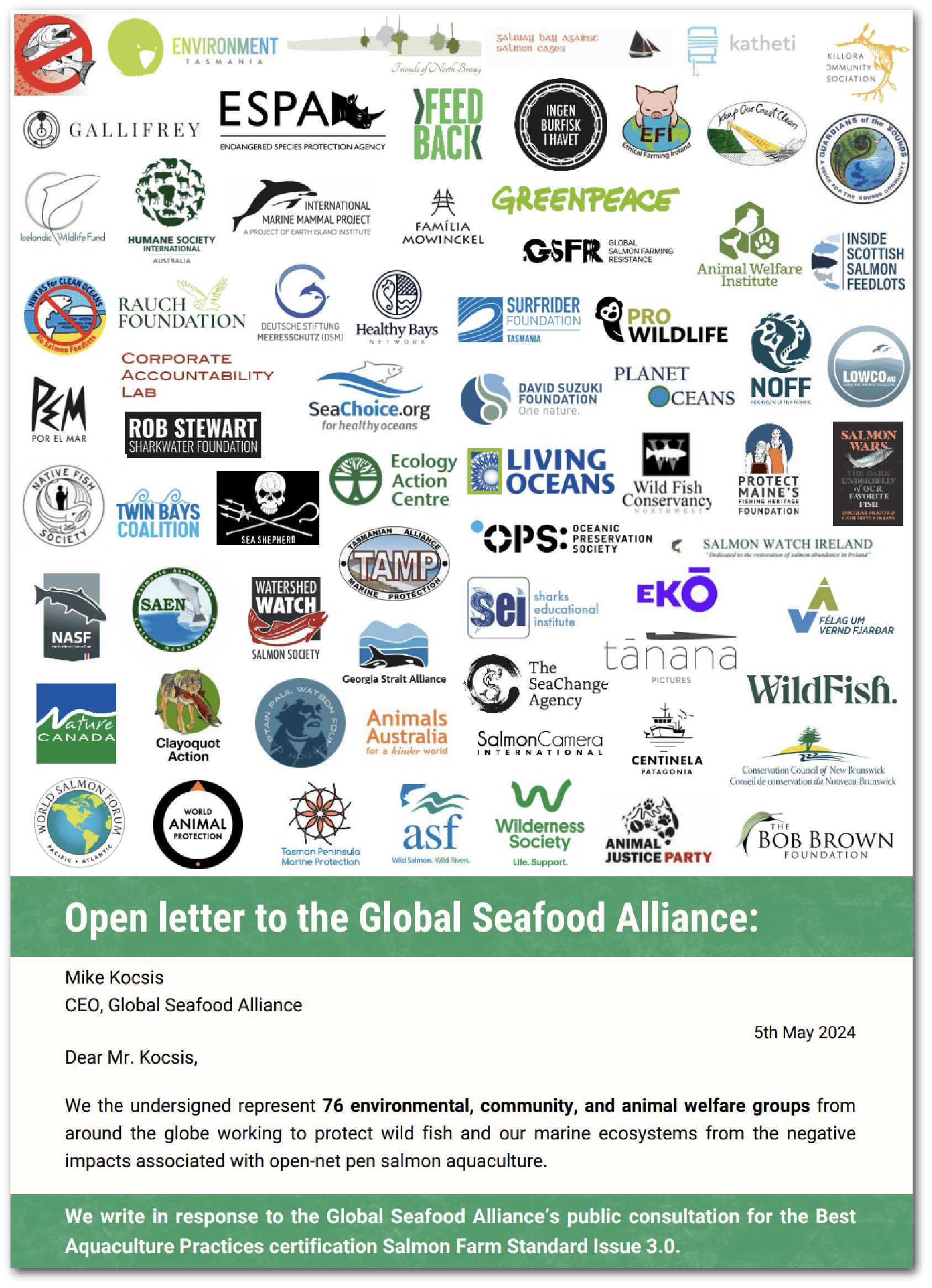
In a May 2024 open letter, more than 70 environmental, animal welfare and community organizations accused BAP of “greenwashing,” arguing that certified farms are “rarely, if ever, held to account for adverse outcomes” tied to their operations. The Aquaculture Stewardship Council, the other major global certification body, announced in 2024 that it would withdraw from China. While financial considerations were cited, industry reporting linked the decision to an investigation documenting the widespread use of state-sponsored forced labor involving Uyghur and North Korean workers in Chinese seafood-processing plants.
“REIMAGINING” FOOD SECURITY
China’s efforts to sell the world on its fish farmed in Xinjiang have gone well beyond touting certifications by supposedly independent monitors. There is, after all, much at stake — feeding its own people first of all. As China’s president, Xi Jinping, put it in a 2012 speech, “The Chinese people’s rice bowls must be firmly in their own hands at all times.”
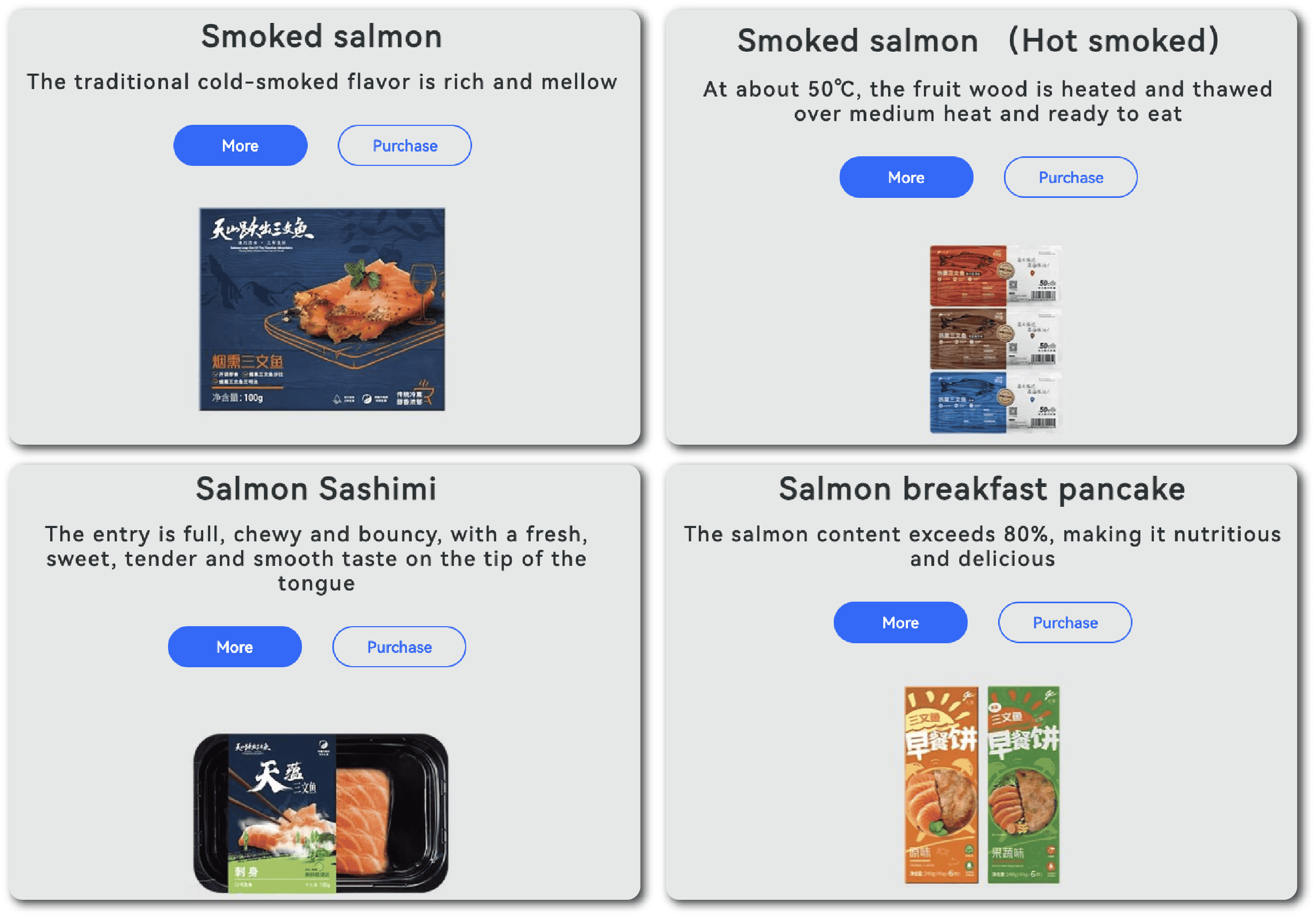
And then there is the exploding global market for seafood. Tianyun exports its farmed seafood products to more than a dozen countries, according to Bait to Plate, an online tool that tracks the fishing and seafood industries. “Tianyun’s salmon products will be exported to all parts of the world,” Zhang Yuru, the company’s deputy general manager, said in 2024. The firm is also branching into salmon collagen peptide drinks and peptide tablets — protein supplements marketed as slowing the aging of skin and joints.
In Xinjiang today, a fledgling tourism business has grown up around the region’s fish farming success. The Xinjiang Saihu Fishery Technology Development Company runs what it calls a fish-farm theme park.
Xinjiang’s aquaculture boom is indeed proof that technology can conquer geography. But it also demonstrates how modern food systems draw feed from distant seas, labor from vulnerable populations, and trust from consumers asked to believe that abundance can be manufactured without meaningful sacrifice somewhere else.
This features a museum and a restaurant that serves white salmon, Sichuan pepper whitefish, whitefish sashimi and caviar. “You can catch fish on site, weigh them and take them to the town restaurant for processing,” wrote one happy visitor in 2025 on Dianping, a Chinese website similar to Yelp. The company has also invited professional caviar makers from Finland to visit every year to teach its workers how to make caviar. Xinjiang Saihu did not respond to a request for comment.
A Russian student named Melissa toured Tianyun’s fish farm in November 2025. Videos by “frontier influencers” are often amplified by state media outlets and state-run channels on YouTube and Facebook. Credit: China Daily, China Matters, Barrett
Chinese fish breeders have also organized media tours for foreign reporters, and recruited foreign food vloggers or “frontier influencers” to record and post videos about the wonders of growing fish in Xinjiang.
Among the most popular frontier influencers is a Russian student named Melissa. “Today, we’ve come to a salmon farm in Nilka, Xinjiang, to be an employee for a day,” she said in her September 2025 video “Encounter Xinjiang: Fish Swimming out of the Mountains”. Such videos are subsequently amplified by media outlets affiliated with the XPCC, as well as on state-run channels on YouTube and Facebook. Melissa’s video, and many others, included footage from Tianyun.
“Jack”, an American vlogger, offered a similar perspective in “Exploring Xinjiang with Jack: Technology Paves the Way for Green Development”. The video showcased his tour of a fish farm located on the edge of the Taklamakan: “It’s incredible how they have developed such a barren land to this extent.”
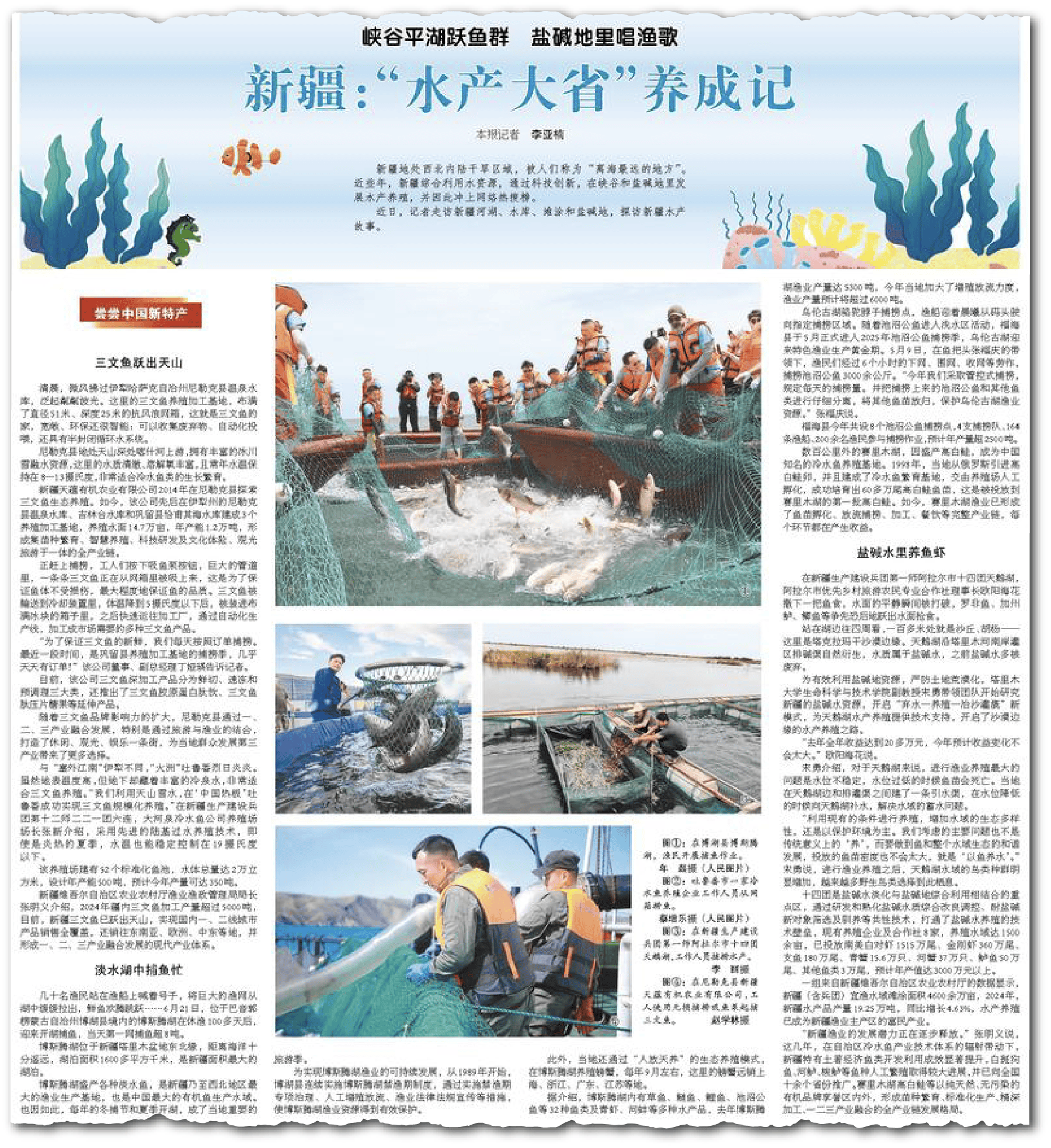
But nobody frames Xinjiang’s unlikely industry in grander terms than the Chinese government.
In a 2025 article published by state media, Xinjiang aquaculture was declared “a testament to human ingenuity and resilience.”
“Xinjiang’s aquaculture is not merely about producing fish,” it continued. “It is about reimagining how inland regions can contribute to the nation’s protein security, how technology can redefine agriculture, and how harmony between people and nature can be sustained in the most challenging of environments. From snow-fed rivers to desert oases, Xinjiang has shown that blue dreams can indeed flourish on dry land.”
Xinjiang’s aquaculture boom is indeed proof that technology can conquer geography. But it also demonstrates how modern food systems draw feed from distant seas, labor from vulnerable populations, and trust from consumers asked to believe that abundance can be manufactured without meaningful sacrifice somewhere else.
This story is part of a larger investigation conducted by an international team of journalists based at The Outlaw Ocean Project, a news organization in Washington, D.C.

Ian Urbina is the founder and executive editor of The Outlaw Ocean Project.