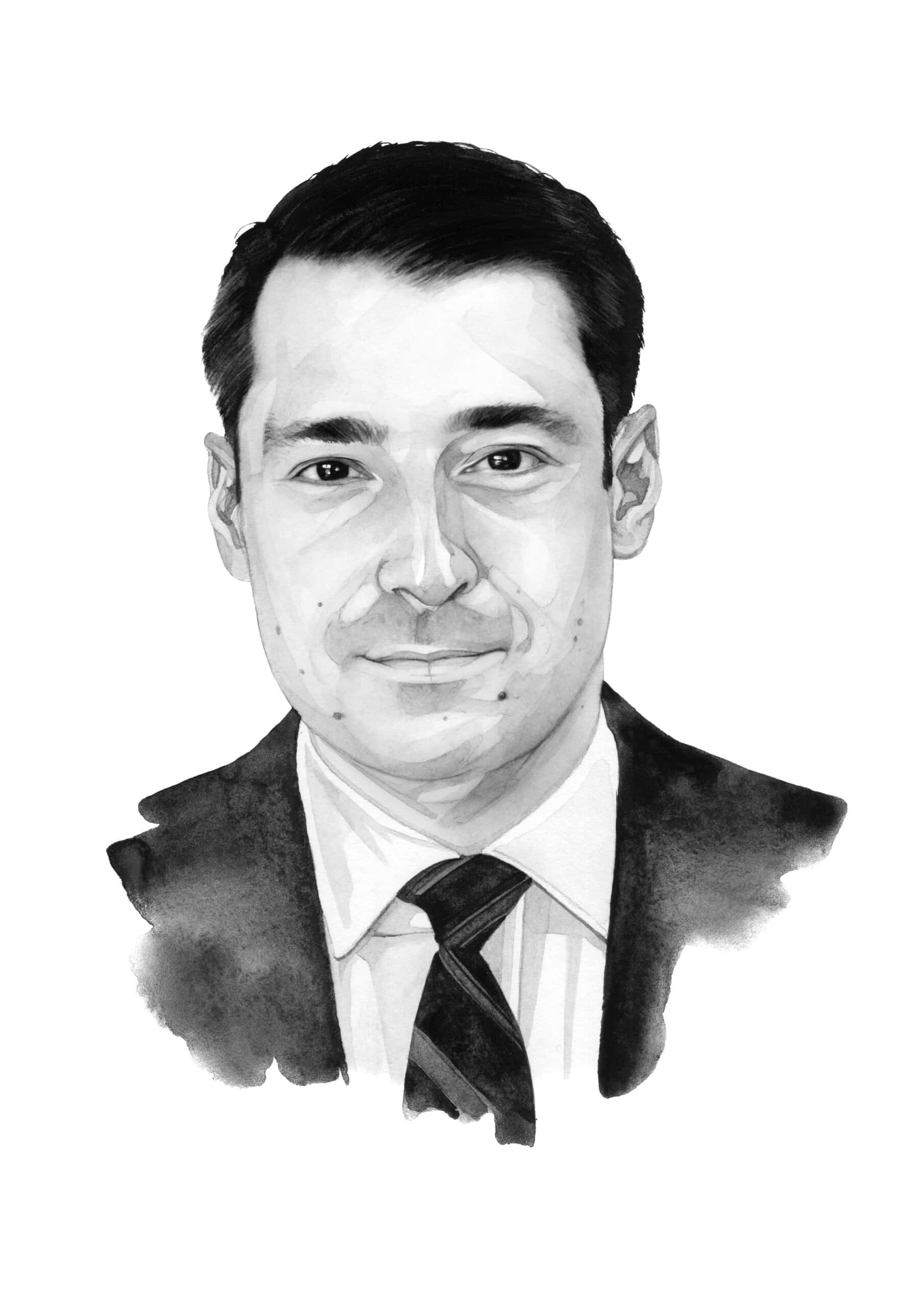
Good evening. Elite clan politics in the Philippines does not often have significant reverberations beyond the archipelago nation. But the 2022 transfer of presidential power from the Dutertes, headed by pro-China Rodrigo, to the Marcos family, now fronted by Americaphile Ferdinand “Bongbong” Jr, did exactly that, ushering in a much closer relationship between the Philippine and U.S. governments. This, in turn, appears to have led to an intensification of Chinese intelligence operations in the Philippines, given the strategic role the country could play in any U.S. effort to foil a Chinese invasion of Taiwan. In an excerpt from their new book, The Great Heist, former Defense Intelligence Agency officials David R. Shedd and Andrew Badger write about the apparent links between an alleged Chinese spy ring operating out of Manila and China’s next generation of hypersonic missile systems. They also look at, on the other side of the Pacific, alleged efforts by China’s state security ministry to steal vital defense technologies from the U.S.
Also in this week’s issue: China and Japan: geopolitical enemies but also resilient economic partners; the Chinese company making robots that Americans can’t get enough of; best-selling author Jung Chang on where the wild swans flew; and Yanmei Xie on learning from China, “Reverse Deng” style.
Want this emailed directly to your inbox? Sign up to receive our free newsletter.

Hard Lessons in Hypersonics
Were six Chinese nationals, arrested at the beginning of this year in the Philippines, mapping military facilities in the country for the potential targeting of U.S. forces in the event of conflict between China and America over Taiwan? Was a China-born U.S. national, recently convicted in California, stealing American technologies that could be vital for the Chinese military’s next generation of hypersonic missiles? In an excerpt from their new book about allegedly expansive Chinese efforts to steal a wide range of secrets critical to American national security, two former DIA officials examine these questions, as well as China’s recent advancements in the development of hypersonic weapons.
China vs Japan, the Economic Stakes
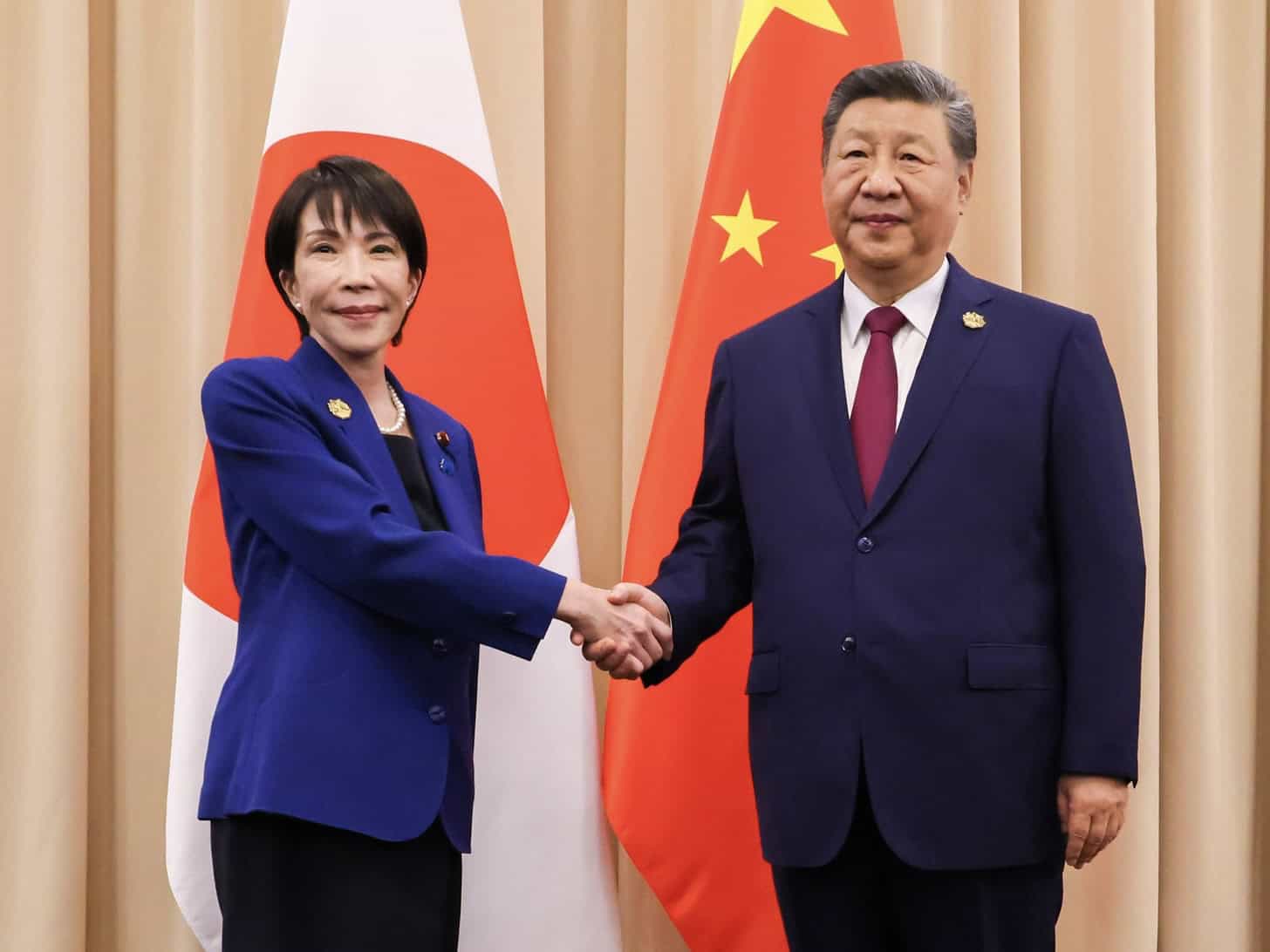
If it is ever united with China, Taiwan would become the Chinese navy’s largest aircraft carrier, and an unsinkable one at that, anchored on Japan’s southern flank. It would also shatter the “first island chain”, extending from Hokkaido in the north to Luzon in the south, and allow the People’s Liberation Army Navy unfettered access to the western Pacific. In other words, Japanese Prime Minister Sanae Takaichi’s recent comments that a Chinese invasion of Taiwan might constitute a “survival-threatening situation” for her country were not wrong. But speaking truth to Xi Jinping can be dangerous. Takaichi’s comments have sparked the worst Sino-Japanese diplomatic crisis in years with no signs of a resolution in sight. In this week’s Big Picture, Noah Berman examines what’s at stake economically — and also the surprising resilience of the two countries’ economic and trade relationship through past crises.
Calling all units! Robodog down!
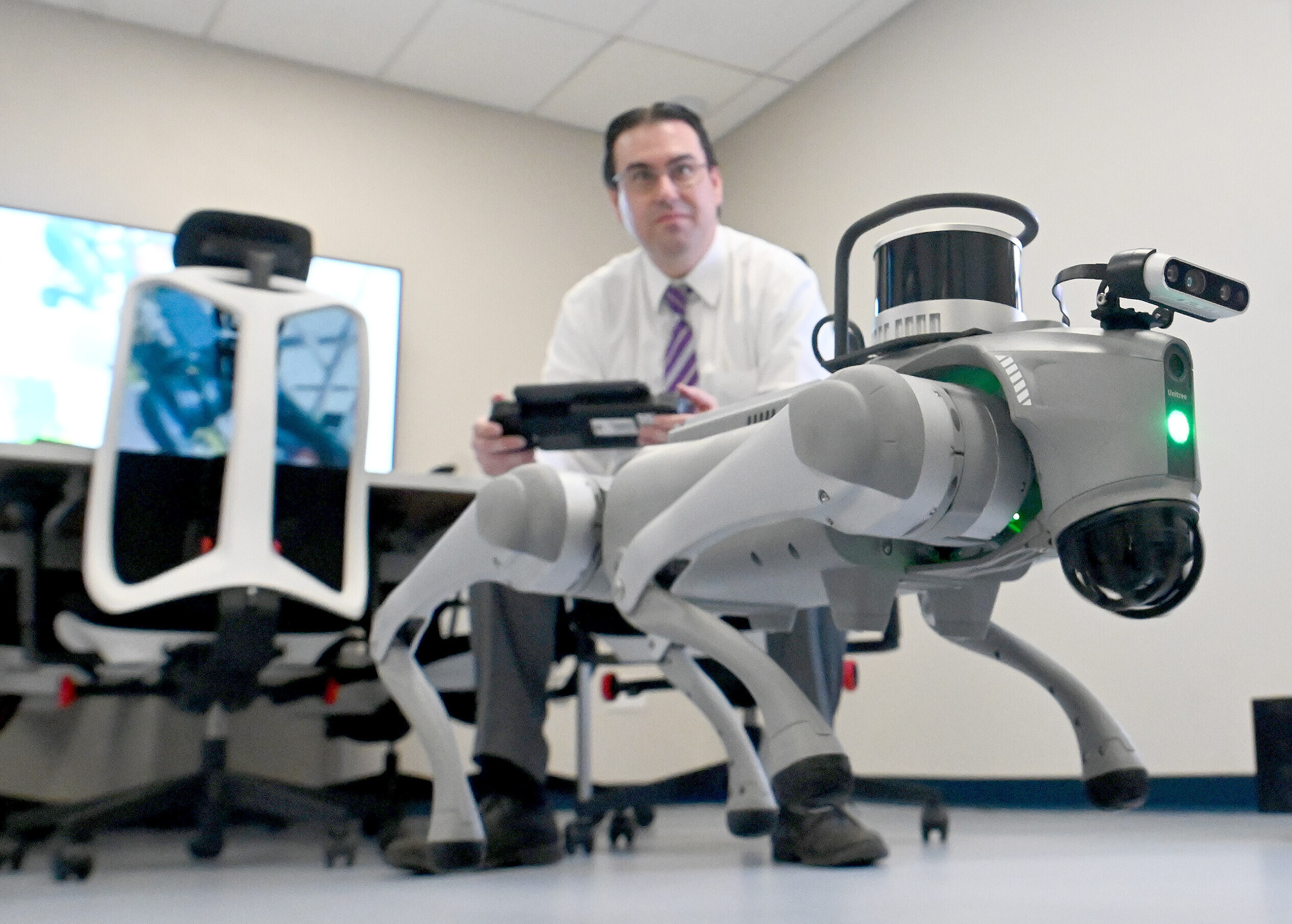
How much for that robodog in the window? If it’s a Made-in-China Unitree quadruped, as little as $4,625.50. That is what the police department in Topeka, Kansas recently paid for two Unitree robodogs each, reports Noah Berman. By comparison, an American-made alternative from Boston Dynamics costs $278,000. Prices that low are also winning over other American buyers, including the U.S. Army and university forestry researchers. This is raising the usual security concerns in certain quarters. But for police captains who want a cheap, reliable and camera-equipped robodog to send video feeds from hostile environments before their officers storm them, where it was made is not their top concern.

A Q&A with Jung Chang

Jung Chang is best known for her widely popular first book Wild Swans, about her Shanghai family, published in 1991. Her sequel to that work, Fly, Wild Swans, came out in September.
In an interview with Andrew Peaple, Chang speaks about her life outside China since leaving the country in 1970; her other works including an unflattering biography of Mao Zedong; and why she doesn’t visit China any more. “When Xi effectively made himself the permanent ruler of China [by removing term limits in 2018], one of the first orders he gave was to make it a crime punishable by imprisonment if you were deemed to have insulted revolutionary heroes,” she says. “I realized then that it would be dangerous for me to go back.”
Jung Chang
Illustration by Lauren Crow
The “Reverse Deng”
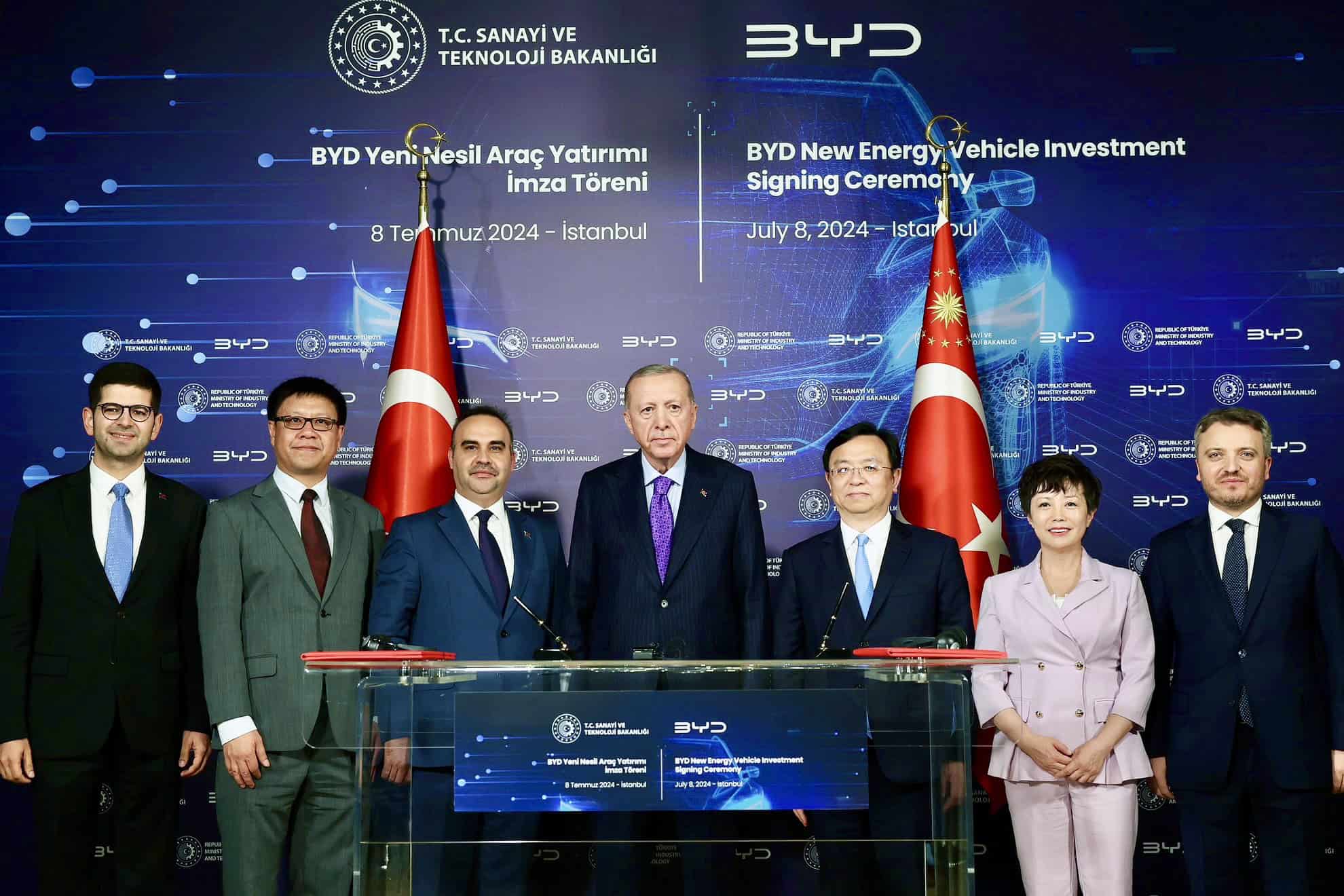
Technology-sharing was the price western companies had to pay in return for access to China’s markets when Deng Xiaoping launched his reform and opening program in the late 1970s and 80s. Now this is being reversed, Yanmei Xie writes in this week’s op-ed, as more and more countries covet advanced made-in-China technologies, such as those related to electric vehicles and green energy.
Subscribe today for unlimited access, starting at only $25 a month.