Good evening. In October, the Chinese Communist Party got a small taste of what life is like for Democrats on Capitol Hill as a Trump family whirlwind was felt in its near-abroad. The U.S. President first appeared in Malaysia to preside over the signing of a peace agreement that he helped broker between Thailand, which has generally succeeded in its efforts to get along with both Washington and Beijing, and Cambodia, a de facto Chinese client state. Then Donald Trump and Xi Jinping negotiated their trade truce in South Korea. And though it received far less attention, at the beginning of the month the President’s son, Don Jr, made a triumphant appearance at a crypto industry conference in Singapore, where he was feted alongside Chinese entrepreneurs who have been pioneers in an industry that has effectively been banned back in China. As Grady McGregor writes in this week’s cover story, Don Jr crowed that dollar-backed stablecoins, including one launched by his family, will help ensure the continued global dominance of the greenback. China is not convinced and seems happy to not interrupt its main global rival while that rival is, in its view, making a grave mistake.
Also in this week’s issue: The growing popularity of Chinese AI models; the post-Covid struggles of China’s airlines; CSIS’s Gracelin Baskaran on reducing America’s rare earths risks; and Yanran Yao writes in praise of China’s underappreciated overseas students.
Want this emailed directly to your inbox? Sign up to receive our free newsletter.
China’s Crypto Conundrum
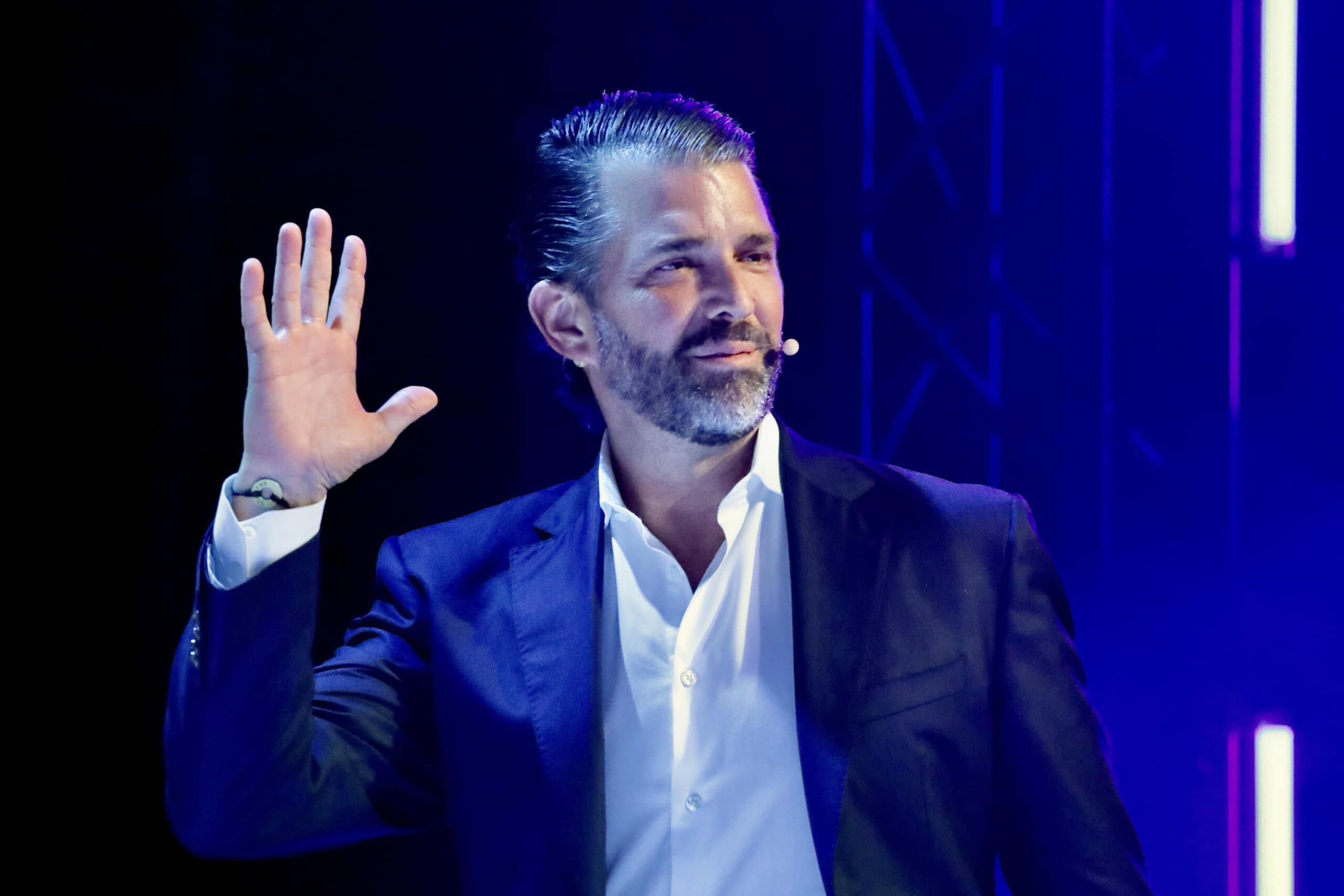
Chinese policy makers knew what to expect from Trump 2.0 — sudden trade wars and last-minute brinkmanship to secure temporary truces. One thing that probably wasn’t on their radar screen was Donald Trump’s enthusiastic embrace of the crypto industry, which was initially driven by Chinese private-sector entrepreneurs but banned by the Chinese government in 2019. At a big Singapore crypto conference in early October, the U.S. President’s son, Don Jr, crowed that dollar-backed stablecoins will “maintain the dollar hegemony that’s allowed Americans to lead the world.” Speaking a few weeks later, China’s central bank governor was less impressed, saying stablecoins could be too easily abused by money launderers and terrorists. Grady McGregor looks at another arena in which the U.S. and China are at odds with each other.
Surging Chinese AI Models
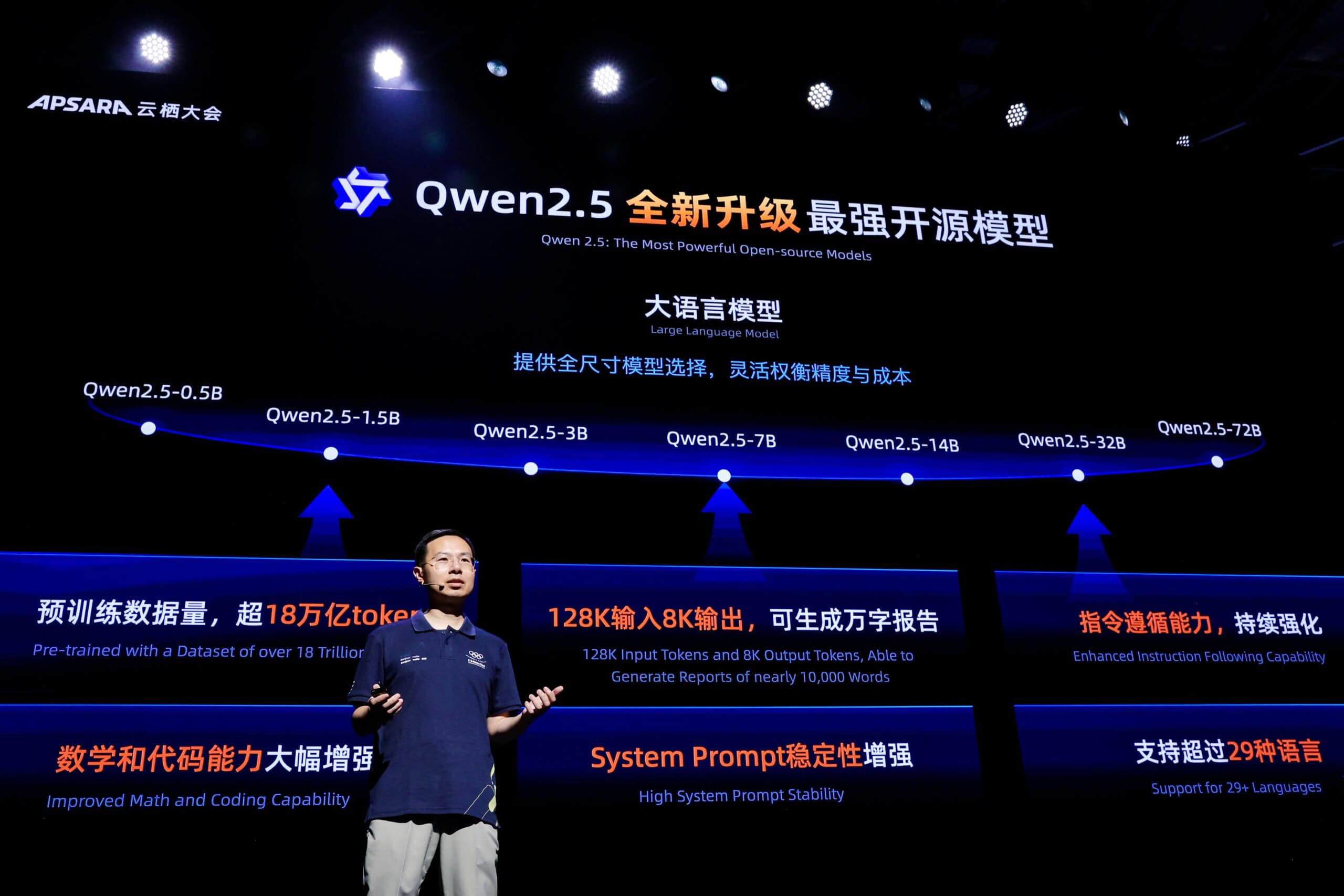
Is America’s AI superstructure being built on a Chinese foundation? A number of flattering recent comments from U.S. executives about the cost, performance and reliability of Chinese AI models suggests it is, and that has some people worried, Rachel Cheung writes. The Commerce Department’s Center for AI Standards and Innovation has warned that Chinese models are “cutting into U.S. developers’ historic global lead”.
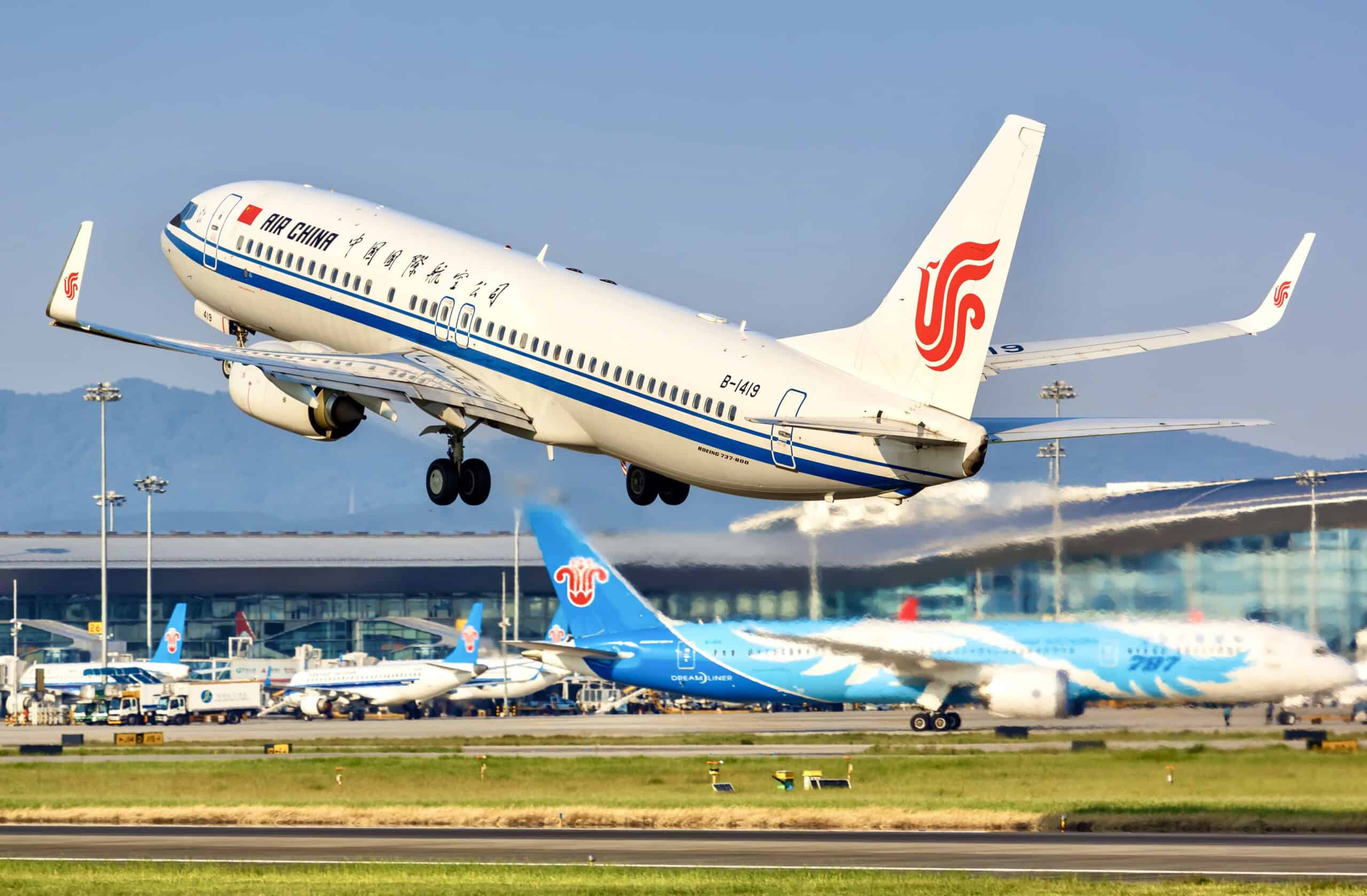
Unfriendly Skies for China’s Airlines
Chinese airlines should have recovered quickly from the Covid pandemic. For one thing, their staff costs are far lower than those of many of their international peers. In 2025 United’s staff costs were more than three times higher than Air China’s, despite the two having comparable headcounts. Yet United’s net profit over the first nine months of this year was still more than twice as large as Air China, China Eastern and China Southern’s combined net profits over the same period. In this week’s Big Picture, Noah Berman looks at the reasons for this under-performance. Having to compete against the world’s best high-speed rail network is one, and being state-owned doesn’t help if that means an airline has to operate unprofitable routes because doing so serves the Chinese Communist Party’s larger political interests.

A Q&A with Gracelin Baskaran

As director of the Critical Minerals Security Program at the Center for Strategic and International Studies in Washington, Gracelin Baskaran is an expert on one of the hottest areas in Sino-U.S. relations — rare earths.
In a conversation with Noah Berman, Baskaran says China’s decision to postpone a new licensing regime for rare earths exports — part of the trade truce negotiated last month by Presidents Xi and Trump — was in the interest of both countries. She also believes that the U.S. is making progress in its efforts to lessen its dependency on Chinese-mined, and Chinese-refined, rare earths. “Does China retain short and medium-term leverage? Yes,” she says. “But … we are rapidly bringing new capabilities online to ensure that this vulnerability does not continue.”
Gracelin Baskaran
Illustration by Lauren Crow
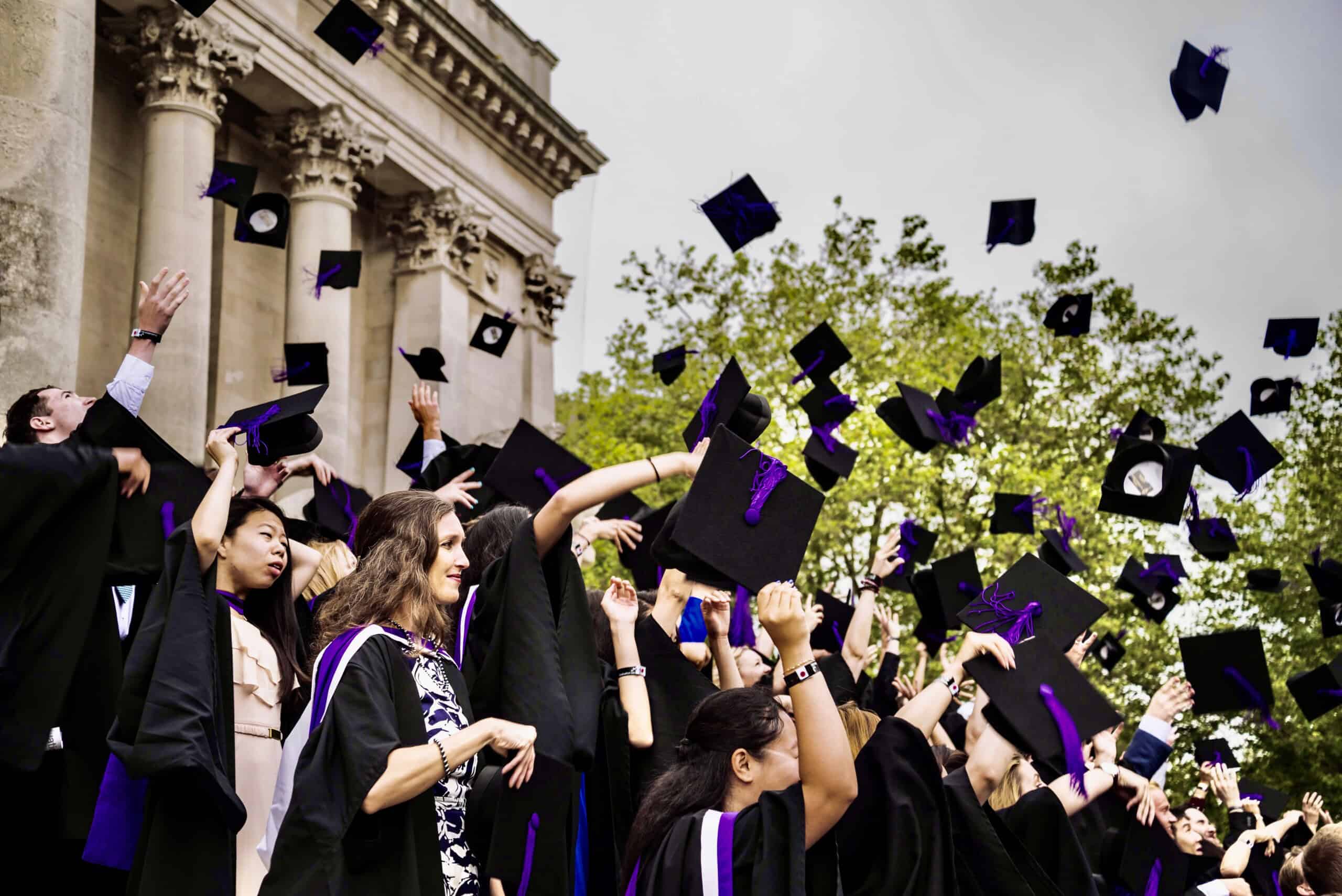
A Raw Deal
More than one million Chinese youth are studying overseas. The vast majority of them are simply looking for ways to improve their future prospects. All of them are a boon to the academic institutions that pocket their fees. Yet as Yanran Yao writes, they are increasingly greeted with suspicion if not outright hostility. They deserve better.
Subscribe today for unlimited access, starting at only $25 a month.