Good evening. In a saner parallel universe where China-U.S. relations are not so fraught, the two countries would be natural agricultural partners. China is as poor in arable land as America is rich in it, so selling the latter’s surpluses to the former is in the interests of both nations. And there is another, less well known dynamic at work. Because arable land is so precious in China, the country invests heavily in agricultural science and many of its best researchers work in the U.S., thus benefiting both countries. But as Brent Crane writes in this week’s cover story, Chinese agriscientists are increasingly viewed by American authorities as potential, if not actual, “spies”. Even researchers who have never been suspected of any wrongdoing can suddenly find their funding is under review for no other reason than that they were born and raised in China. Under Xi Jinping, the Chinese Communist Party has also contributed to the mutual distrust, by stressing the importance of achieving agricultural self-sufficiency at home and targeting U.S. food exports during the two countries’ all-too-frequent trade wars.
Also in this week’s issue: Noah Berman on the trail of Cambodia’s Prince Group; a Big Picture snapshot of Apple’s China supply chain; Jennifer Lind on how “smart” autocracies tack between control and innovation; and Mark L. Clifford on Wall Street big wigs heading to Hong Kong.
Want this emailed directly to your inbox? Sign up to receive our free newsletter.
Valid Fears or Red Scare?
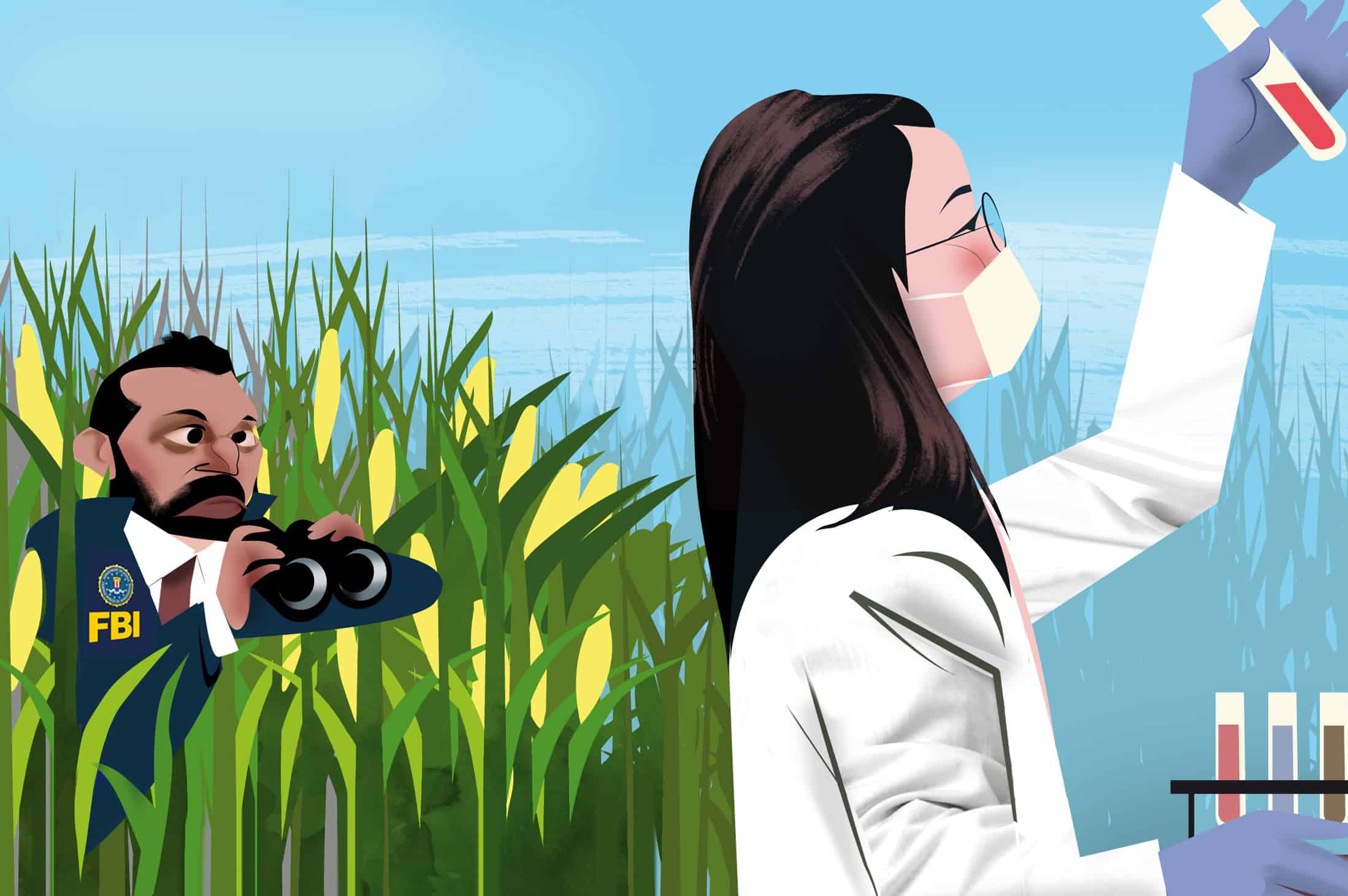
In June a Chinese agricultural researcher was accused of trying to enter the U.S. with what FBI Director Kash Patel described as a destructive crop fungus and “agroterrorism agent”. The researcher was deported while his girlfriend, a Chinese national working at the University of Michigan, was arrested. Was this really a plot to decimate the American heartland? Or was it simply an irresponsible attempt to circumvent bureaucratic import rules and use the sample for research aimed at boosting crops’ ability to withstand blights and other diseases? For China hawks on Capitol Hill, the answer was clearly the former. Many U.S. experts, however, fear the fears have gone too far and will ultimately deprive American agriculture of valuable research and talented scientists.
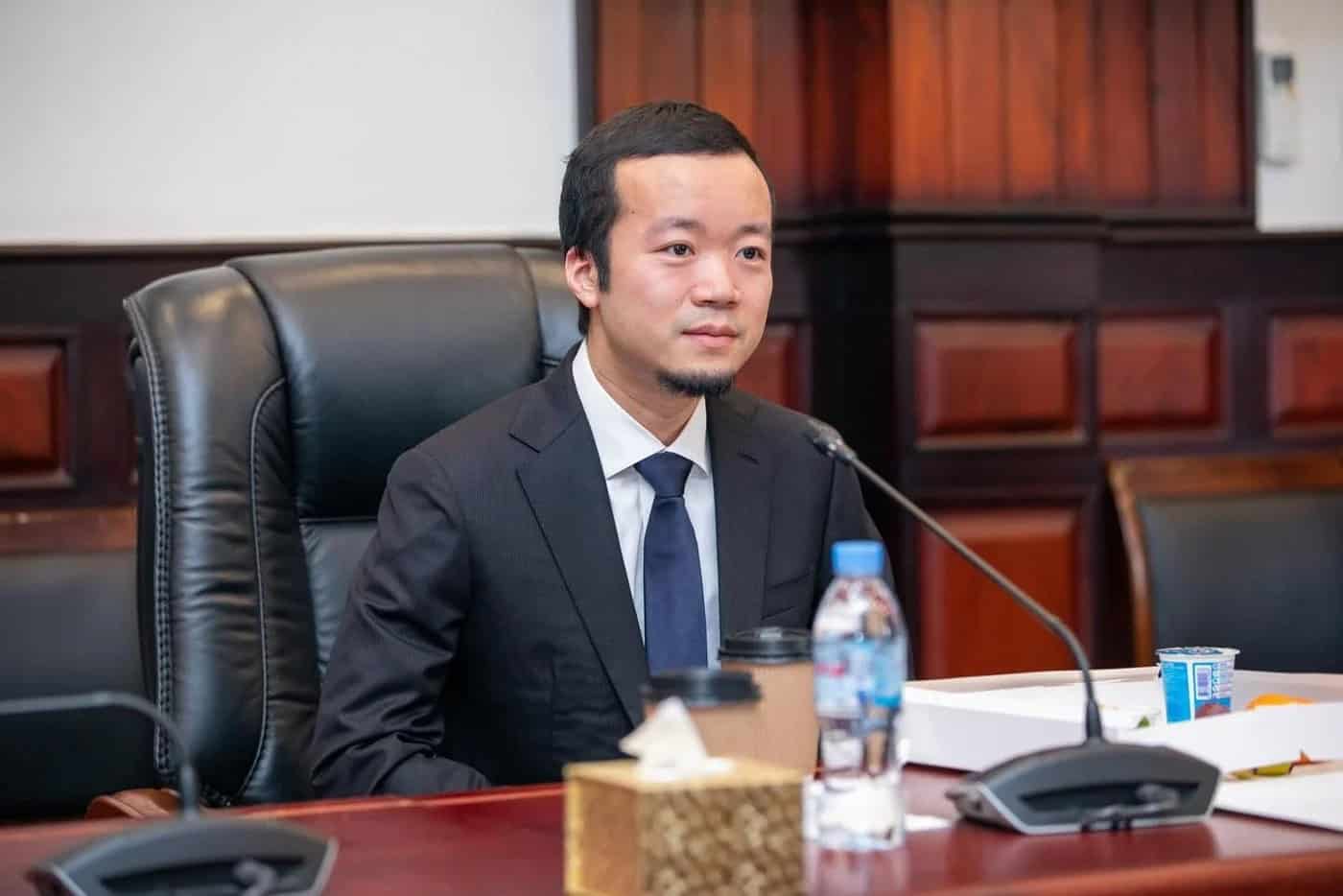
On the Trail of the Prince Group
According to the U.S. government, Chen Zhi and his Cambodia-based Prince Group are guilty of alleged fraud, money laundering, industrial-scale scamming and human trafficking. In October the Justice and Treasury Departments sanctioned Chen in absentia — his whereabouts are unknown — and seized cryptocurrency and other assets worth more than $14 billion. Prince Group allegedly funneled its illicit proceeds through shell companies in the British Virgin and Cayman islands, Hong Kong, Singapore and Taiwan. In this week’s issue Noah Berman tracks Chen’s network to his native China, California and Texas.
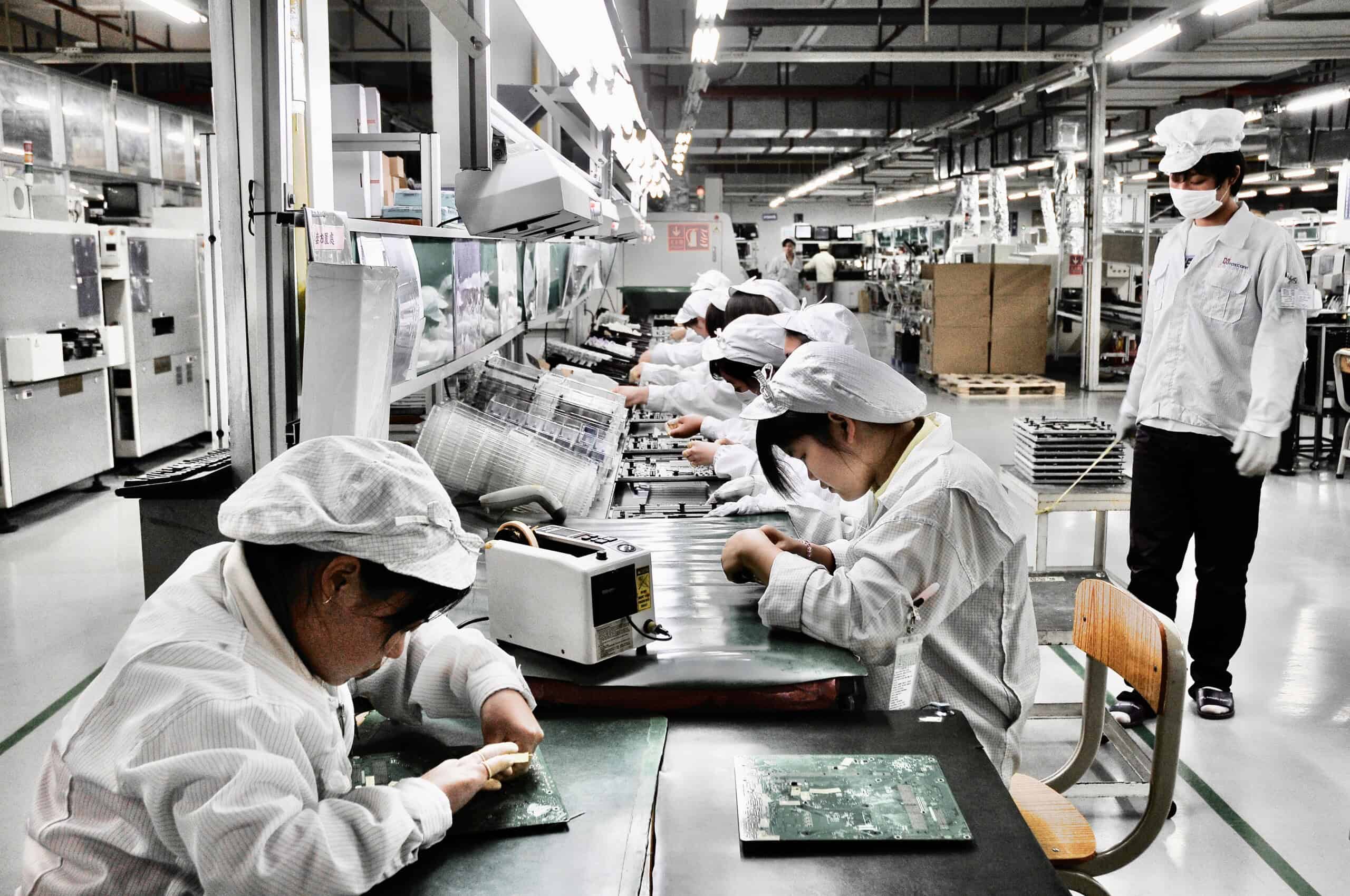
Apple in China
President Donald Trump wants Apple to reduce, or better yet eliminate, its China manufacturing footprint. In this week’s Big Picture, Noah Berman outlines just how difficult that would be. According to WireScreen’s review of Apple data, it has 321 suppliers in China, about 60 percent of which are located in either Guangdong or Jiangsu provinces. The number of suppliers with head offices in China or Hong Kong also exceeds the number with headquarters in Taiwan. The vast majority of Apple’s mainland China based suppliers are private-sector companies. But the top shareholder of one of the largest, BOE Technology, with operations in Anhui, Chongqing and Sichuan, is the Beijing municipal government.
A Q&A with Jennifer Lind
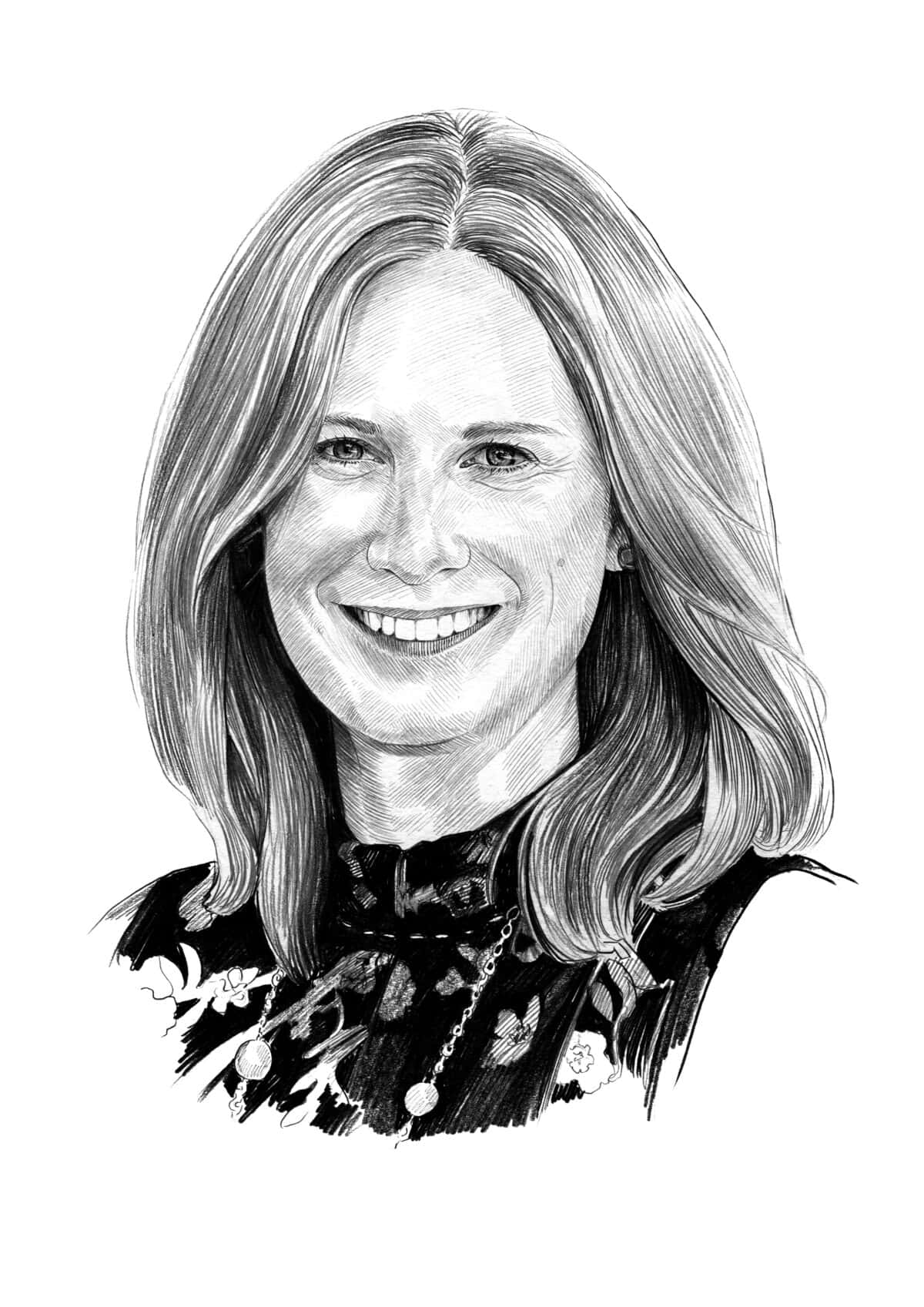
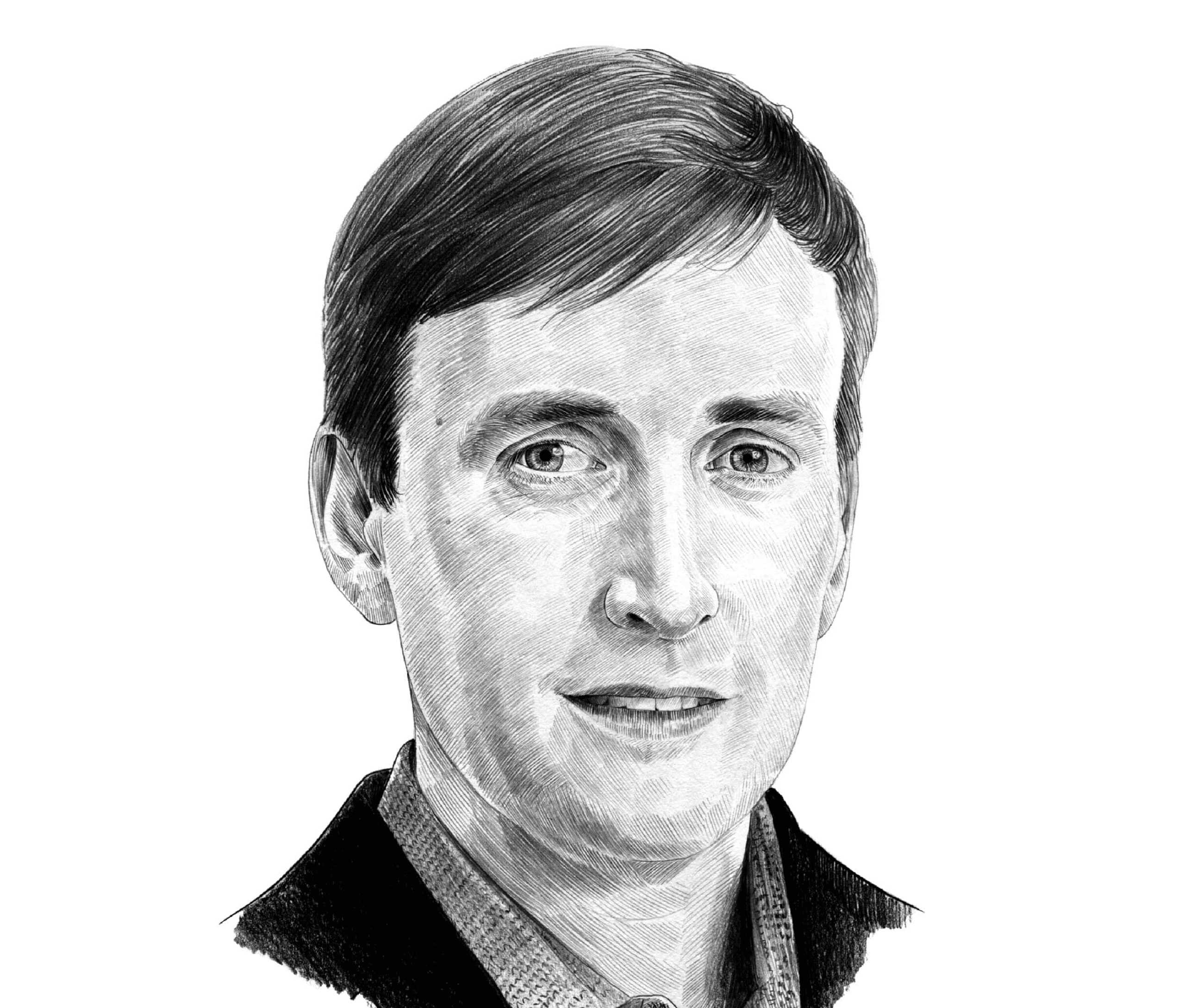
Jennifer Lind, an East Asia specialist and associate professor of government at Dartmouth College, is the author of a provocative new book — Autocracy 2.0: How China’s Rise Reinvented Tyranny.
In this week’s Q&A with Andrew Peaple, Lind talks about how China became a rare example of an autocracy that has been able to foster innovation across a wide range of industries; what makes an autocracy “smart”; and an insight from Aristotle. “I’m not arguing [China’s] method is superior,” she says. “But it’s really important that we study the strengths of smart authoritarian systems … Before we were just looking at their weaknesses.”
Jennifer Lind
Illustration by Lauren Crow
See No Evil
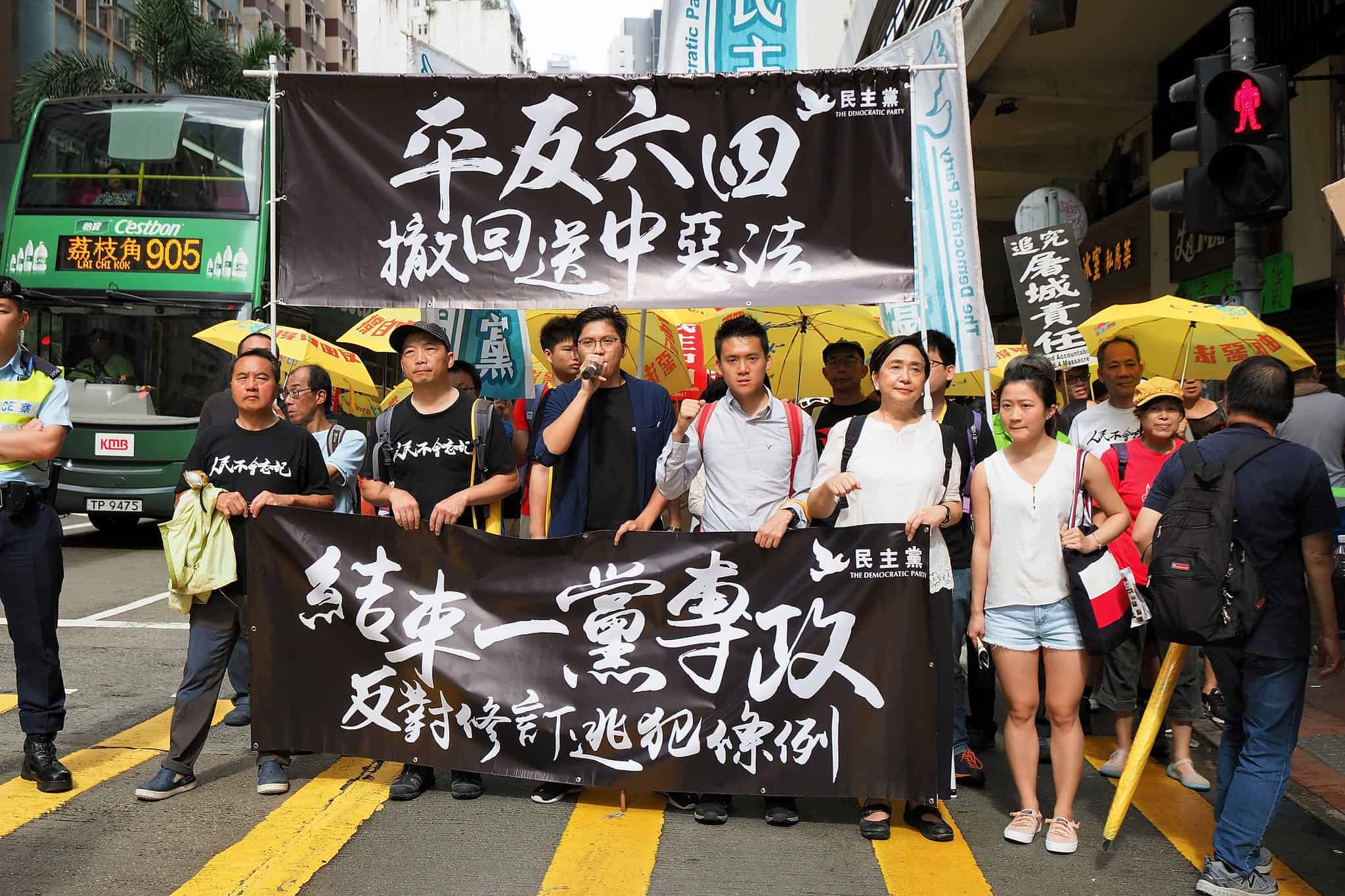
By attending a big investment summit in Hong Kong, Western financiers are showing what really drives them, argues Mark L. Clifford in this week’s op-ed. They are willing to ignore the territory’s repression and jailing of pro-democracy activists in order to secure short-term profits.
Subscribe today for unlimited access, starting at only $25 a month.