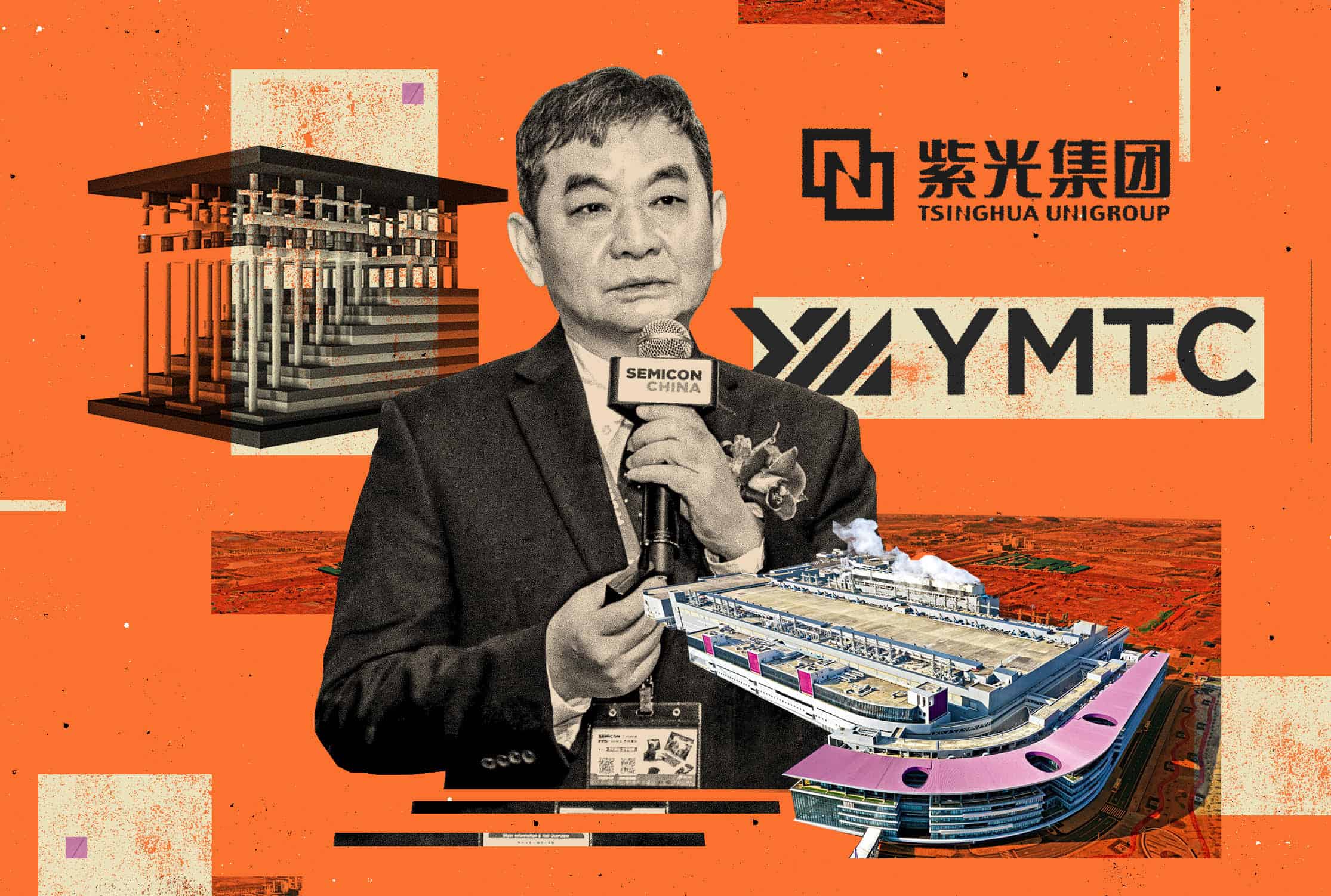
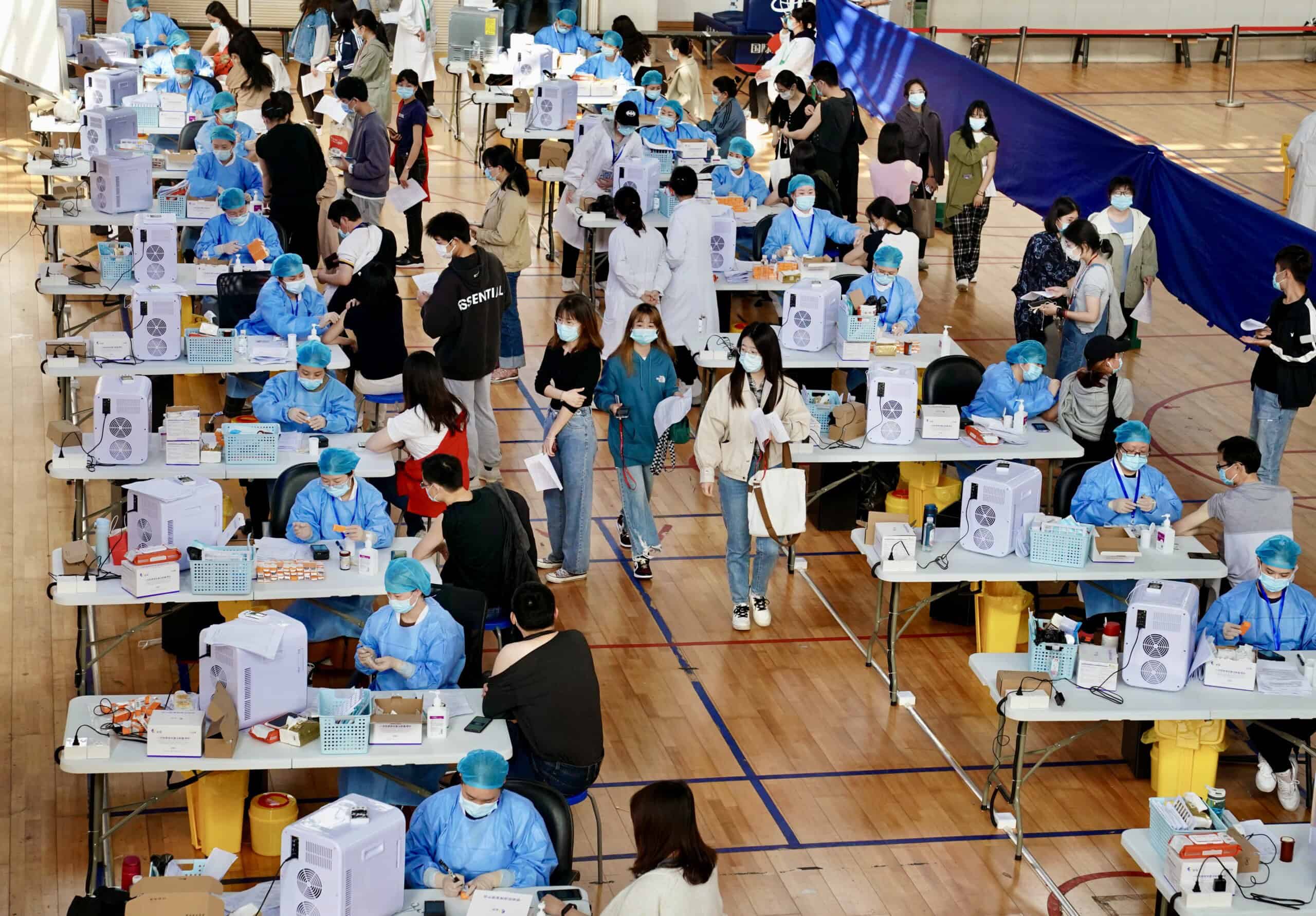
Good evening. Nasdaq-listed Sinovac was an unlikely Chinese Covid hero. The private-sector firm was founded by Yin Weidong, an entrepreneurial former epidemiologist and survivor of the 1976 Tangshan earthquake, and developed one of China’s two successful Covid vaccines. Billions of doses of that vaccine, Coronavac, were distributed in more than 60 countries. As a result, Sinovac is estimated to be sitting on a revenue windfall of about $10 billion. But, write Grady McGregor and Eliot Chen in this week’s cover story, Sinovac’s success would prove fleeting as its Beijing-based management and U.S.-based activist investors escalated a long-running war for control of the company and its cash. The war’s battles have been fought on three continents: court showdowns in Antigua, appeals to the UK Privy Council in London, and scuffles at Sinovac’s Beijing offices over the company chop.
Also in this week’s issue: China’s “legacy chip” ambitions; America’s self-inflicted soybean crisis; a historian of slavery and expert on modern day forced labour discusses Xinjiang’s tragedy; and Kerry Brown addresses the UK spy case that wasn’t.
Want this emailed directly to your inbox? Sign up to receive our free newsletter.
The Fight for Sinovac
Sinovac, the once promising Covid vaccine developer, has become a corporate microcosm of the parlous state of broader China-U.S. relations. The company’s legally recognized board — as recognized by western judges including the UK’s Privy Council — is led by a Boston-based activist investor. Chinese media have portrayed Sinovac’s Beijing-based management team as noble defenders of the famous company against greedy foreigners. The investors counter that the dispute is really about the rule of law and shareholder rights.
The Chinese Chips in Your Living Room and Kitchen
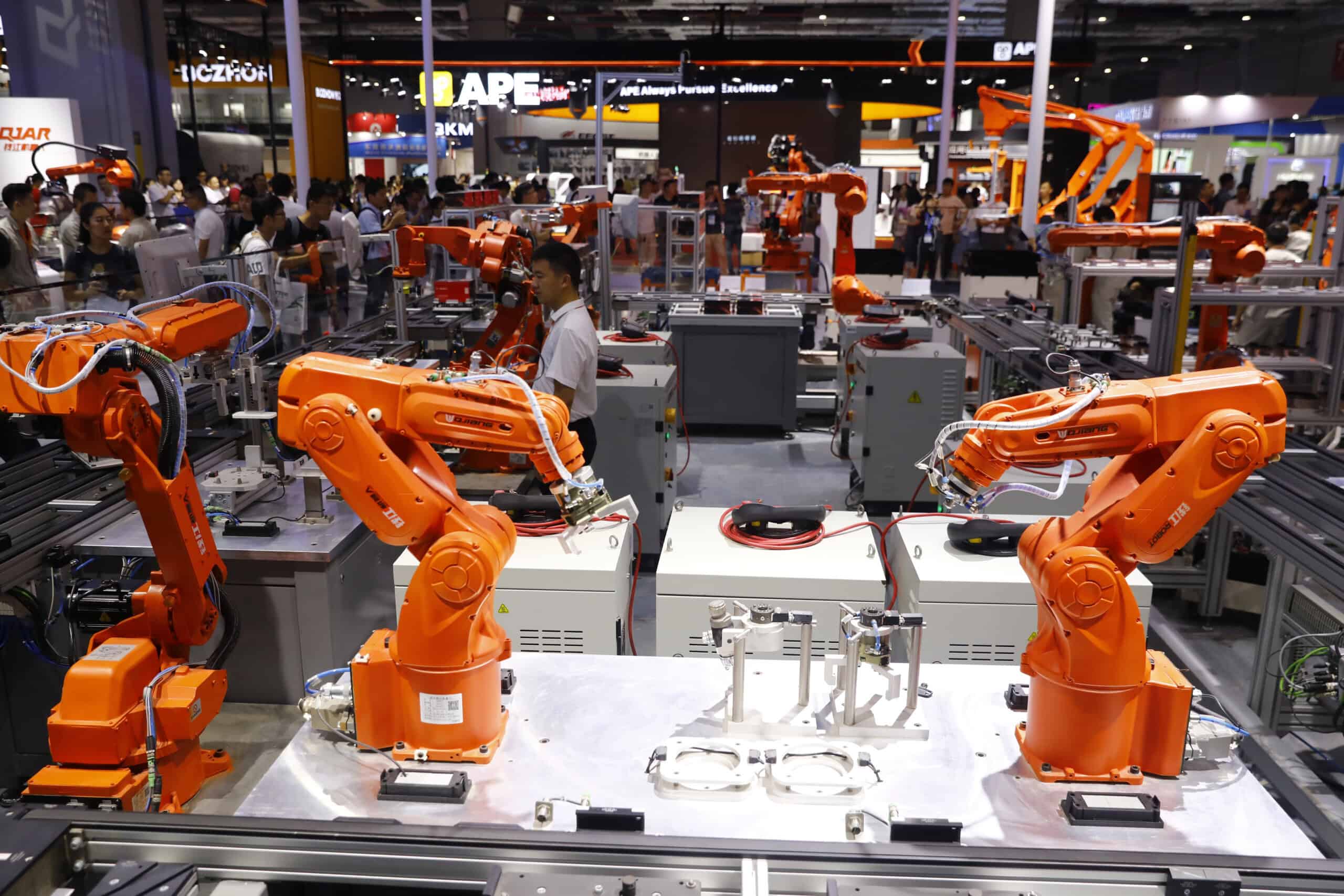
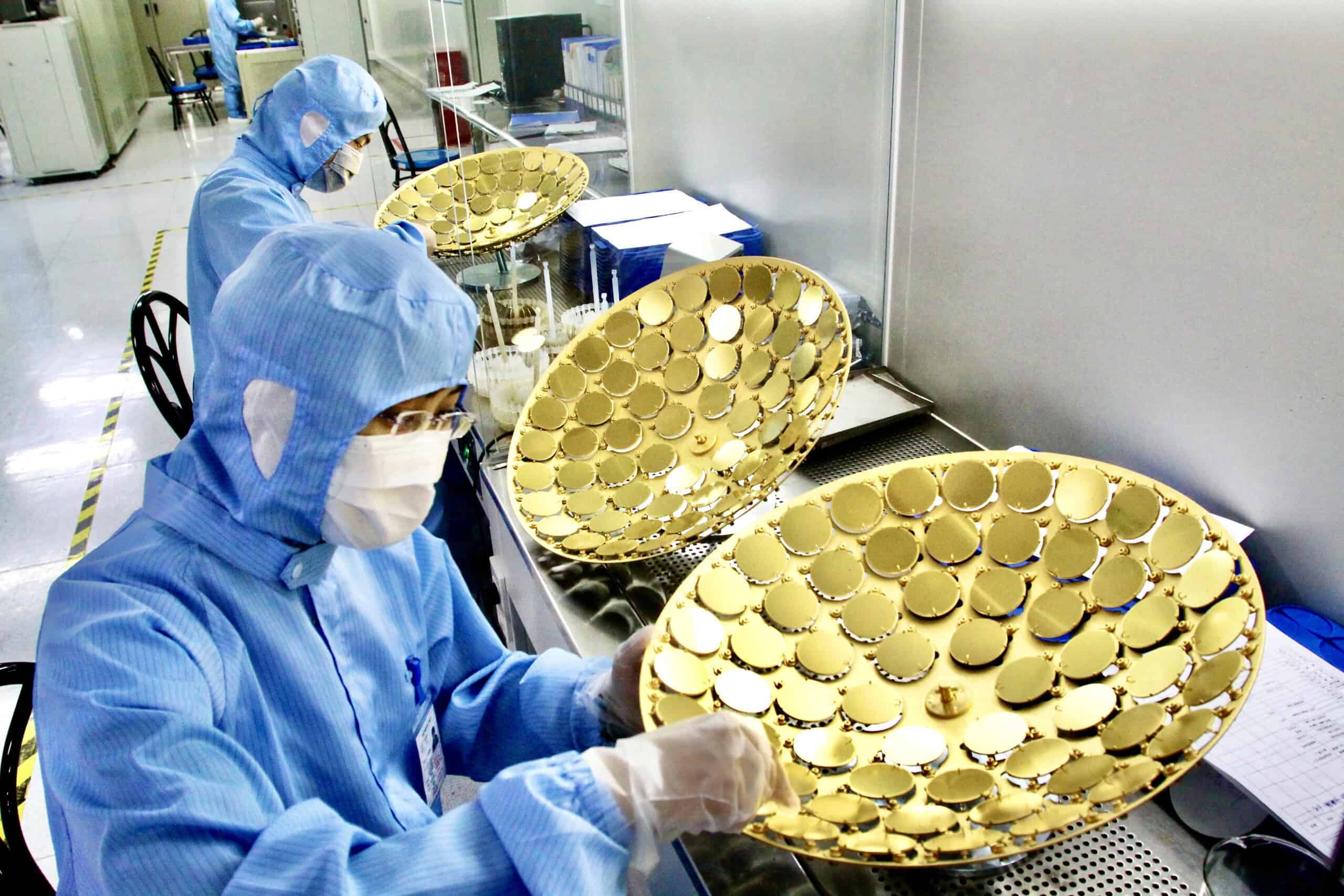
China wants U.S. semiconductor chips, but not all of them. American “legacy” or “foundational” chips, which are used in TVs and refrigerators, are the subject of a Chinese anti-dumping probe. As Eliot Chen writes, the Chinese government wants appliance makers to use Chinese legacy chips instead and also export them abroad. Over the past decade, China’s share of the global legacy chip market is estimated to have more than doubled, from 17 percent to 40 percent.
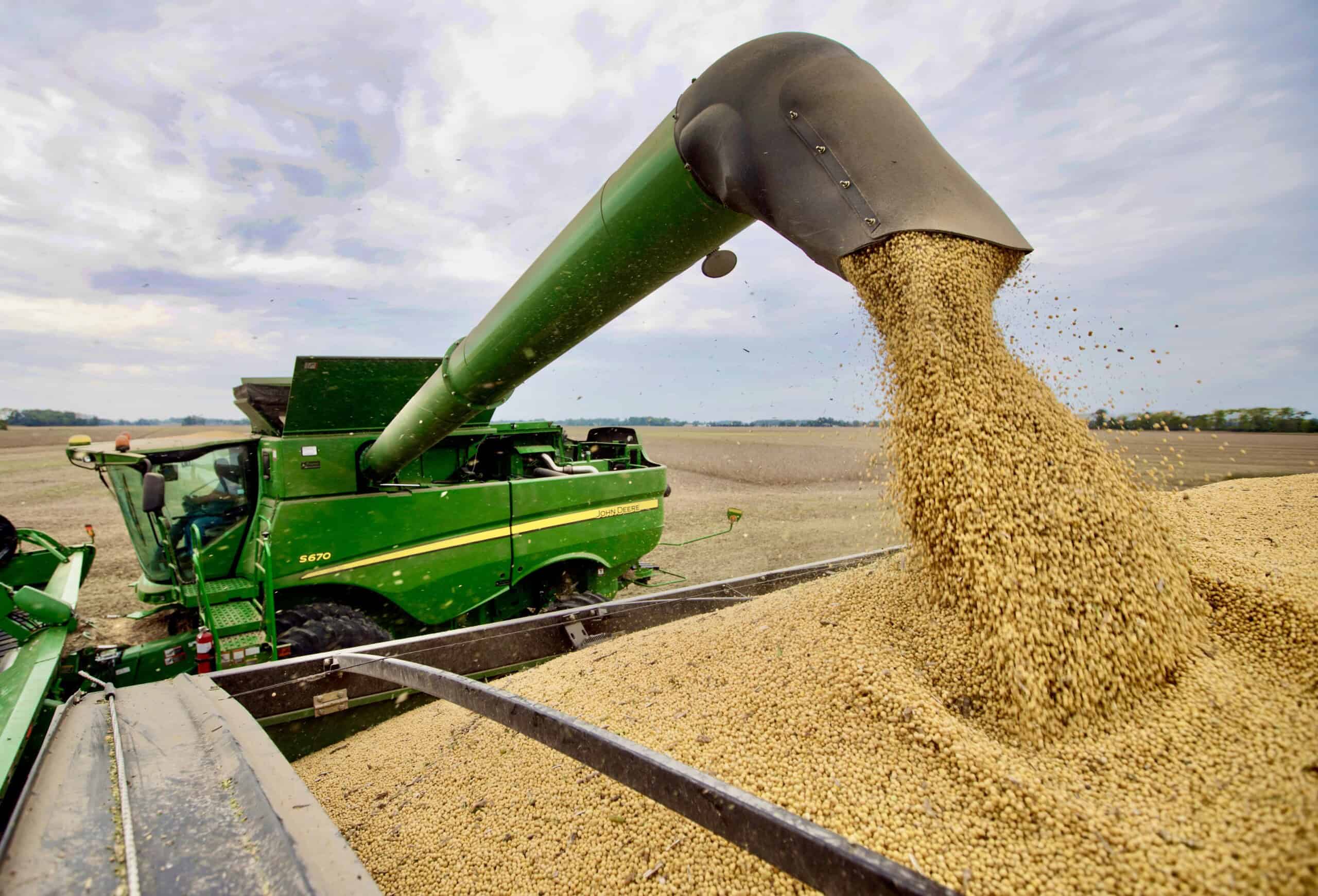
“Our Greatest Fear is Being Realized”
As predictably as night follows day, Donald Trump’s tariff war on China triggered retaliatory tariffs on one of China’s biggest imports from the U.S. — soybeans. As predictably as day follows night, Chinese buyers shunned the suddenly more expensive American soybeans for Brazilian and Argentinian ones. The president and his advisers are shocked — shocked — at this turn of events, Noah Berman writes in our Big Picture this week. China, the biggest buyer of U.S. soybeans from 2020 through 2024, hasn’t bought a single American soybean since May and Trump-voting, red-state farmers who didn’t see any of this coming are in a panic. Cue another taxpayer bailout for one of America’s most coddled industries.
A Q&A with Laura Murphy

Laura Murphy, a human rights professor at Sheffield Hallam University, is an expert on forced labour in Xinjiang and how banned products made by Uyghur prisoners infiltrate global supply chains. She has also advised the Department of Homeland Security on policy issues.
In this week’s Q&A with Eliot Chen, Murphy talks about how her interest in the history of slavery led her to her current area of expertise, forced labor in Xinjiang; China’s “colonial presence” in the region; and the central role that coal plays in developing industry there. “Uyghur incarceration in China … is a system of mass arbitrary detention,” she says. “These are folks who are being put away for life for being an anthropologist, for going to a sermon, for being at a party where there were religious events happening.”
Laura Murphy
Illustration by Lauren Crow
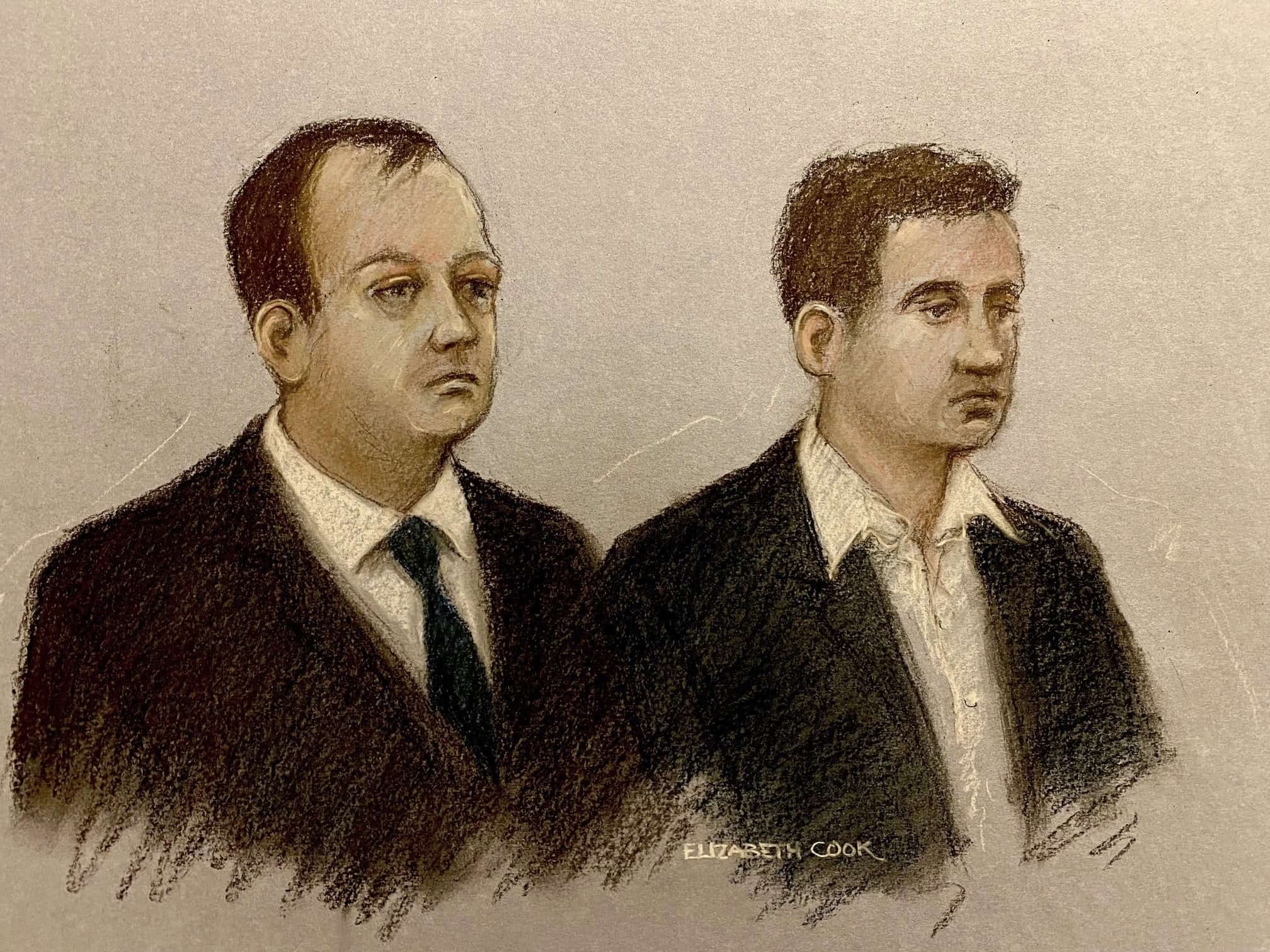
The Case of the Two Christophers
In our latest opinion piece, Kerry Brown examines the collapsed case against two British men, Christopher Berry and Christopher Cash, originally accused of passing secrets to China. The decision not to prosecute them created a major political and media furore last week in London. Brown, a Sinologist and former British diplomat in Beijing, delves into the reasons behind the dropped prosecutions and the core question around which the case revolved: Should Britain define China as an ‘enemy’?
Subscribe today for unlimited access, starting at only $25 a month.