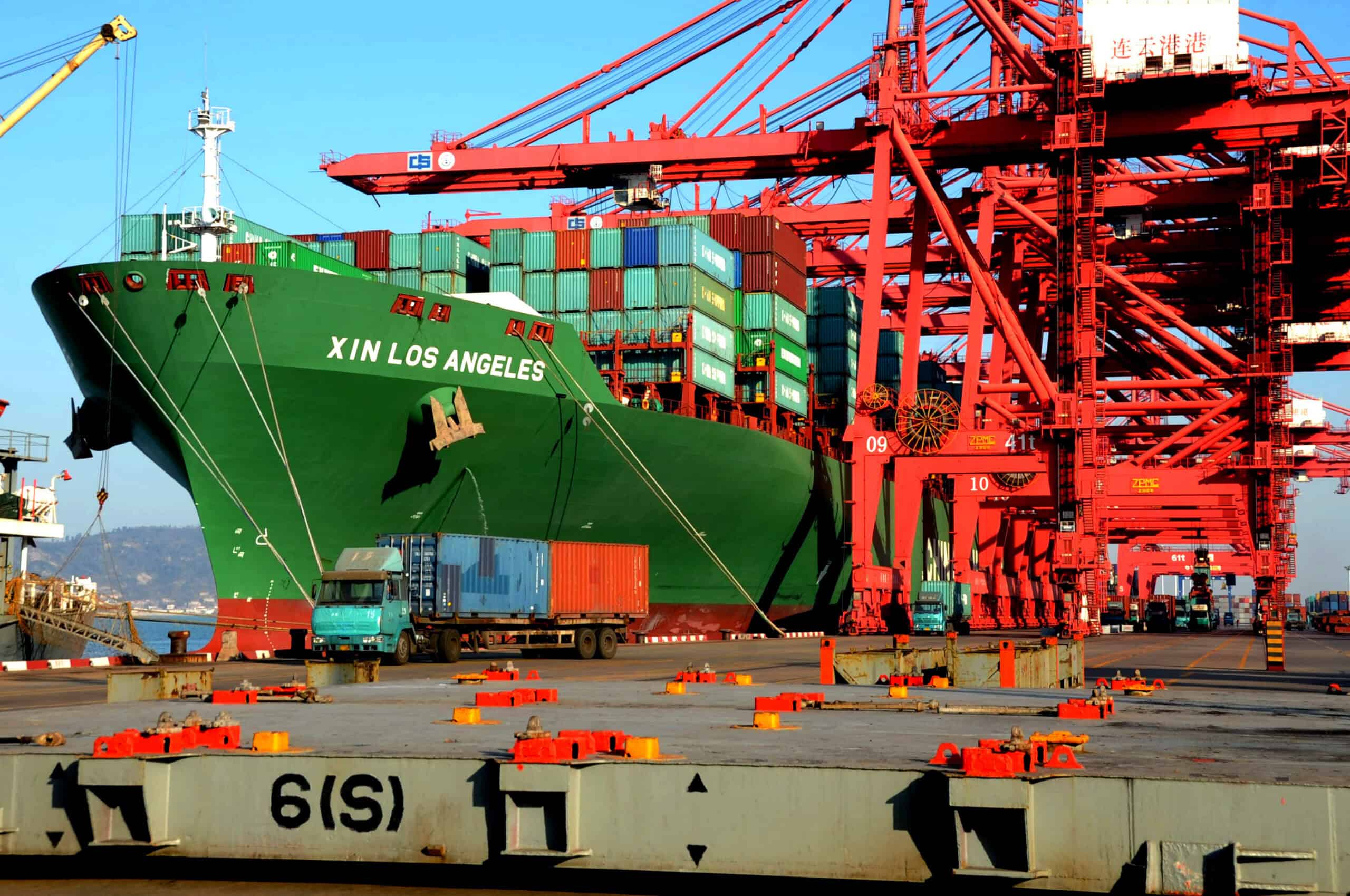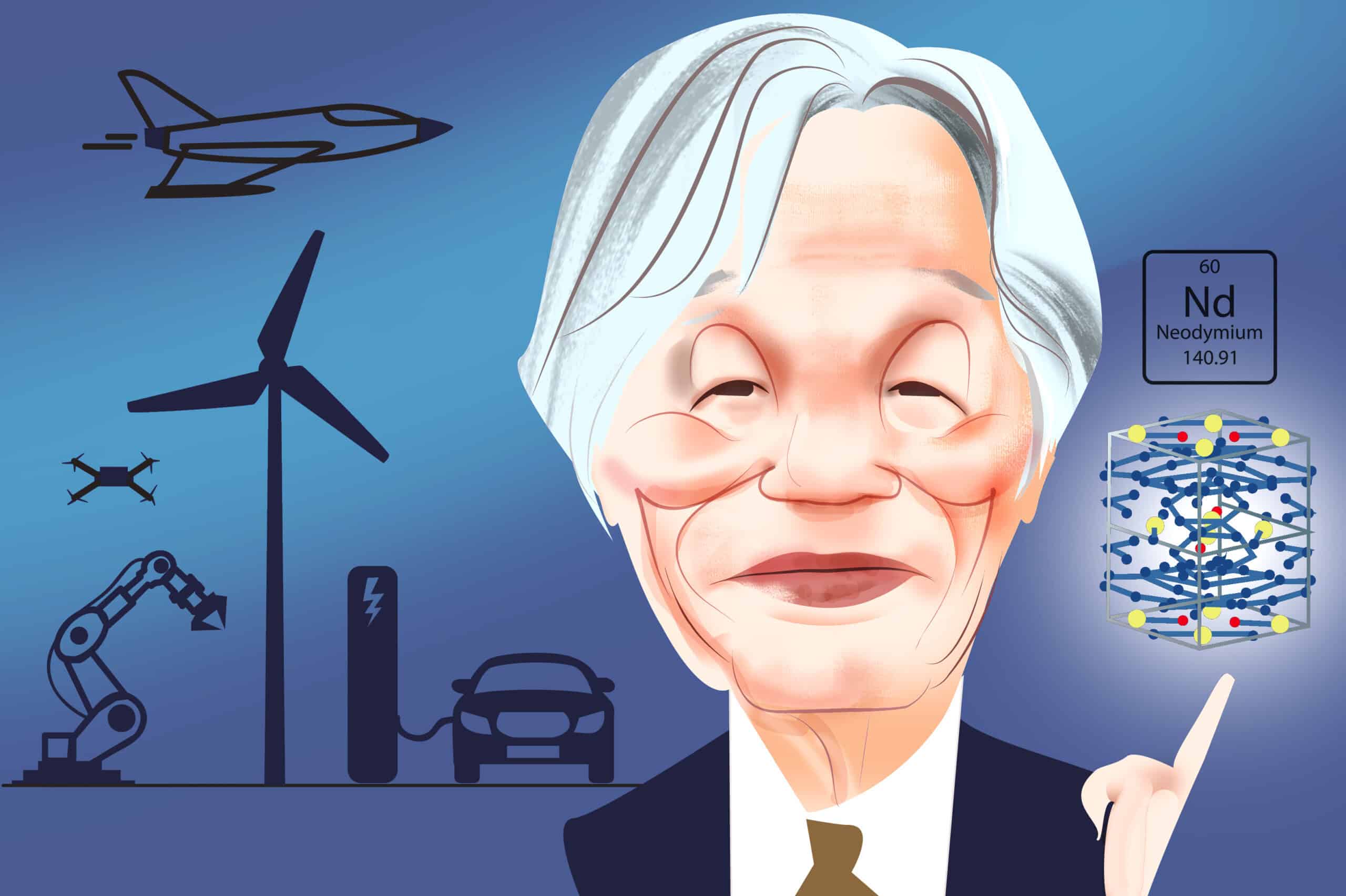
Masato Sagawa, the Japanese inventor of a critical new magnet technology in the 1980s, is hoping to change the world again by producing the “ultimate” magnet. The magnet would eliminate — or significantly reduce — the use of the heavy rare earth element dysprosium, which resists extremely high temperatures that would otherwise erode magnets’ strength in jet engines, electric vehicle motors, and other industrial and high-tech applications.
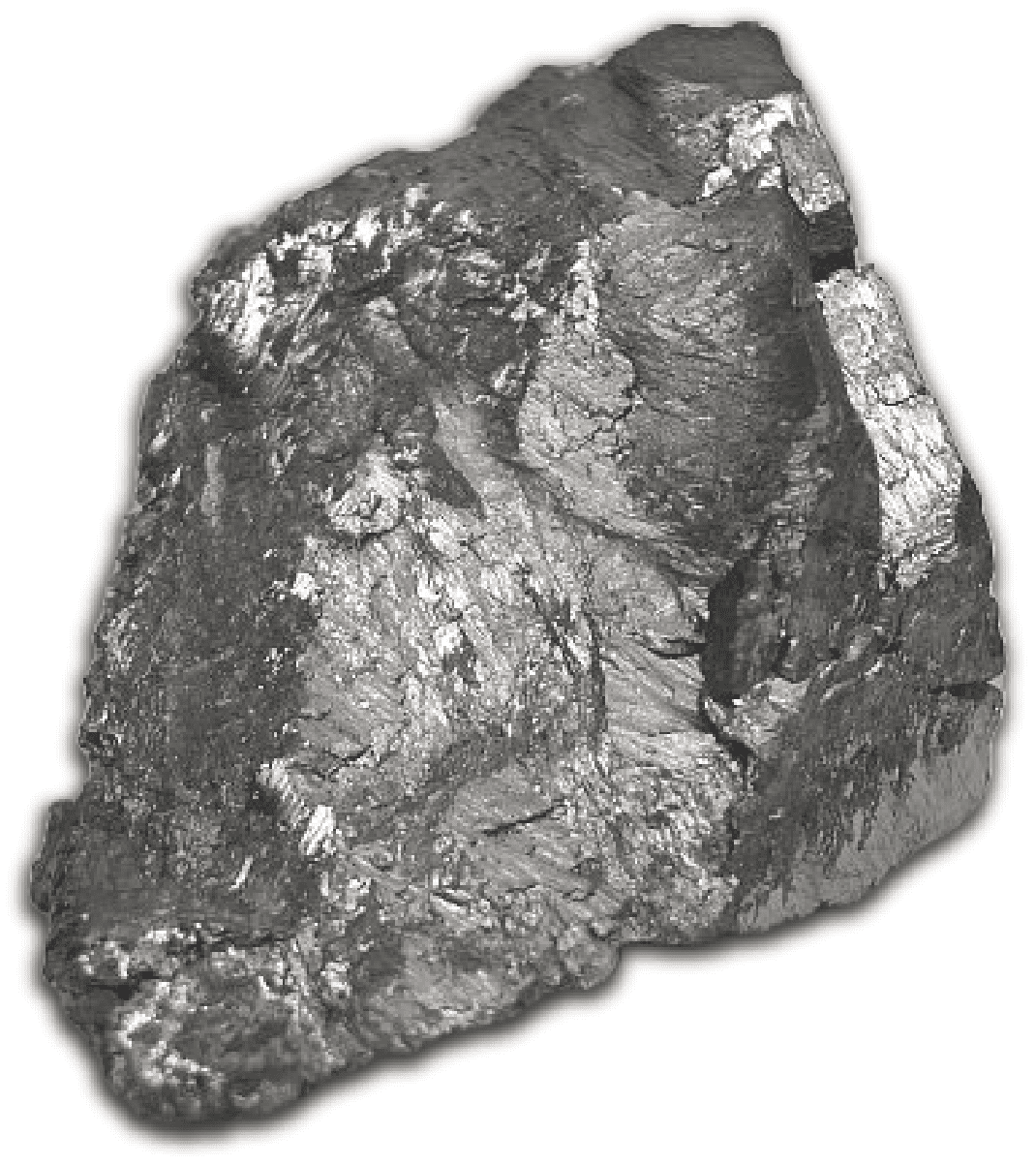
Dysprosium gets its name from the Greek word dysprositos, meaning “hard to get”. And it is just that — except in China, which has 99.9 per cent of the world’s dysprosium processing capacity.
The challenges are daunting. One scientific process Sagawa has experimented with in recent years required hydrogen, which can be dangerously explosive. Sagawa now reckons the risk is too great and is exploring other methods. But if he is successful, his research could help reduce a key strategic advantage that China enjoys over the U.S.
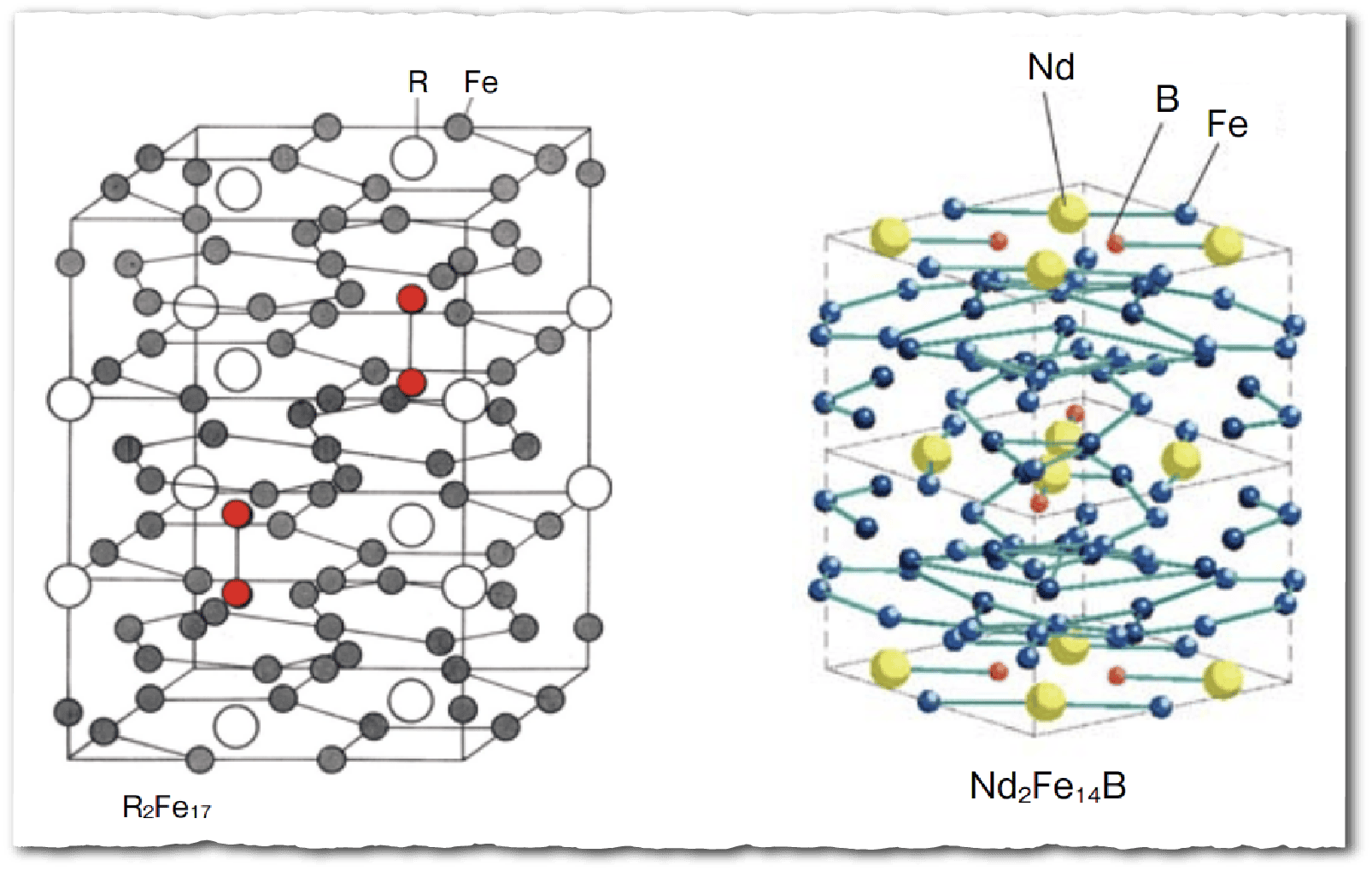
Sagawa’s original invention exploited the highly magnetic properties of the light rare earth neodymium to produce a so-called permanent magnet with ten times the force of the standard ferrite variety that adorns fridges around the world.
Everyone talks about the importance of the battery in electric and hybrid vehicles, but neodymium-based magnets are the unsung heroes of high-performance drivetrains. Their use ensures the most efficient conversion of electrical energy into mechanical energy.
Nora Dempsey at Institut Néel in Grenoble
A highly complex technology with many varieties, grades, and end uses, permanent magnets are essential to the performance of many industrial, digital, and green technologies. Used extensively in the automobile industry and as vital components in the guidance, propulsion and other systems in fighter aircraft, modern submarines and drones, permanent magnets are at the center of President Donald Trump’s latest trade war with China.
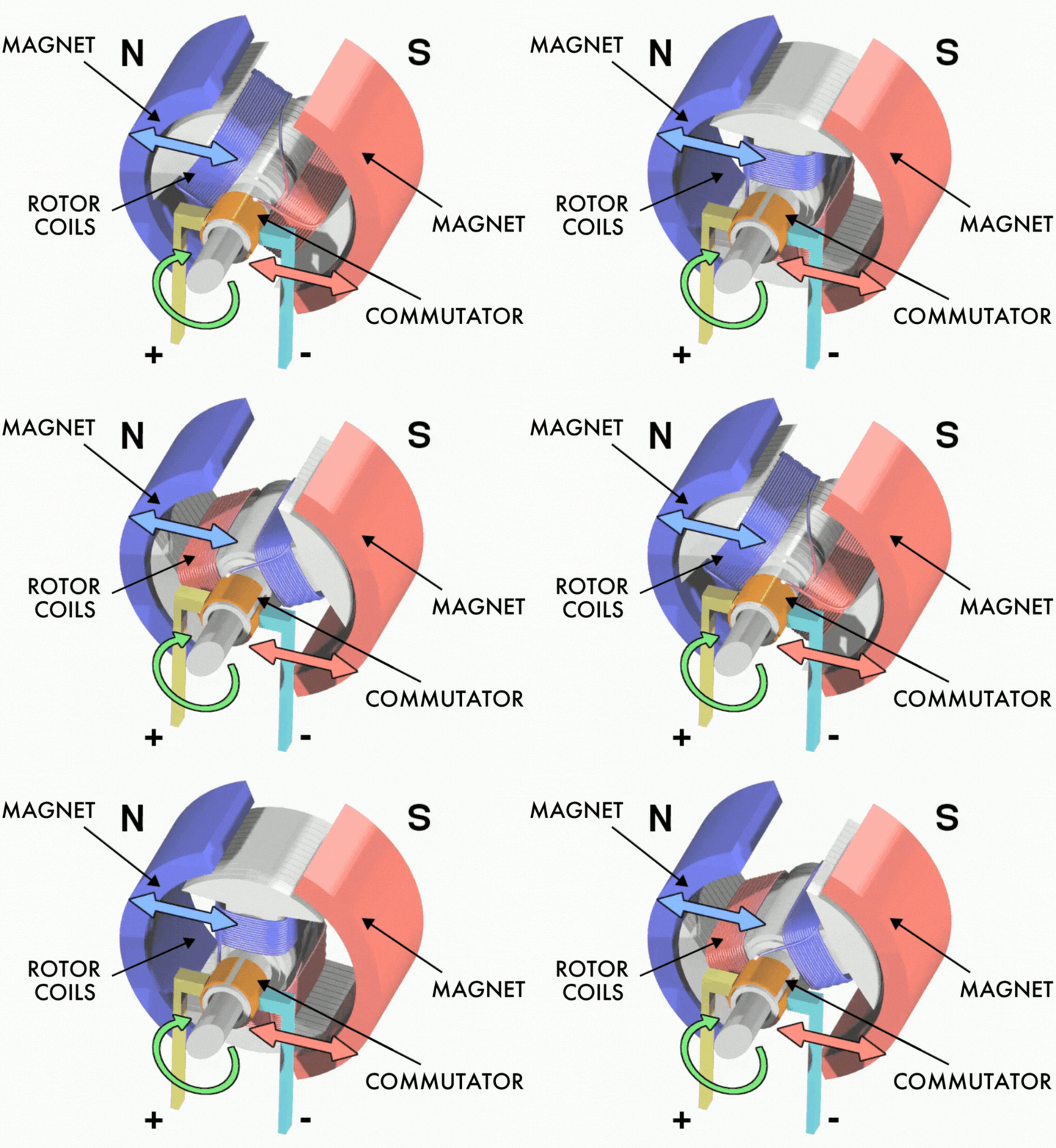
“Neodymium-based magnets make the world turn,” says Nora Dempsey at Institut Néel in Grenoble, a flagship laboratory of the French National Centre for Scientific Research.
“Everyone talks about the importance of the battery in electric and hybrid vehicles, but neodymium-based magnets are the unsung heroes of high-performance drivetrains. Their use ensures the most efficient conversion of electrical energy into mechanical energy,” she says.
China has demonstrated that it has the power and willingness to deny the U.S. and its allies access to permanent magnets and other technologies at the heart of modern industrial and military power.
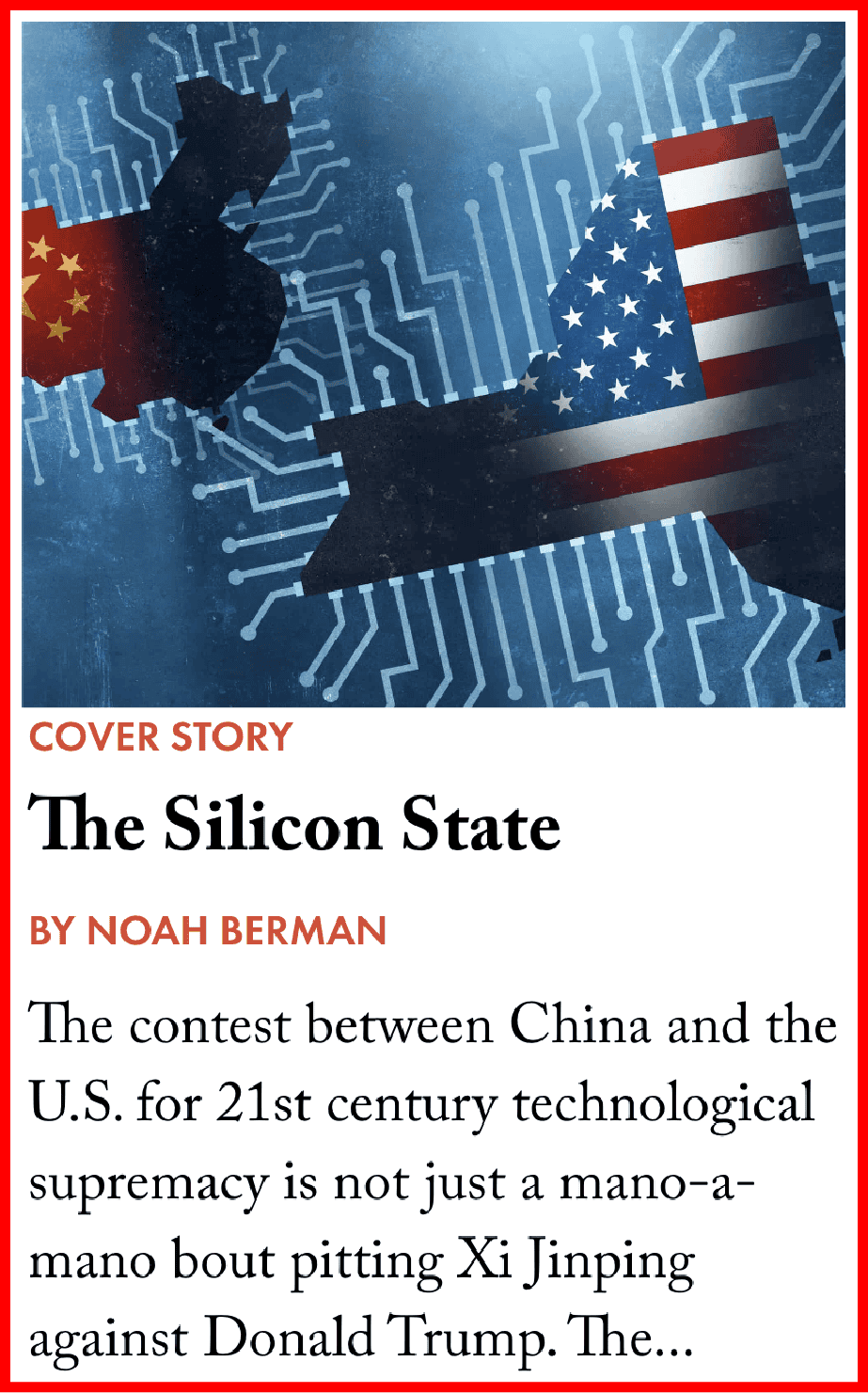
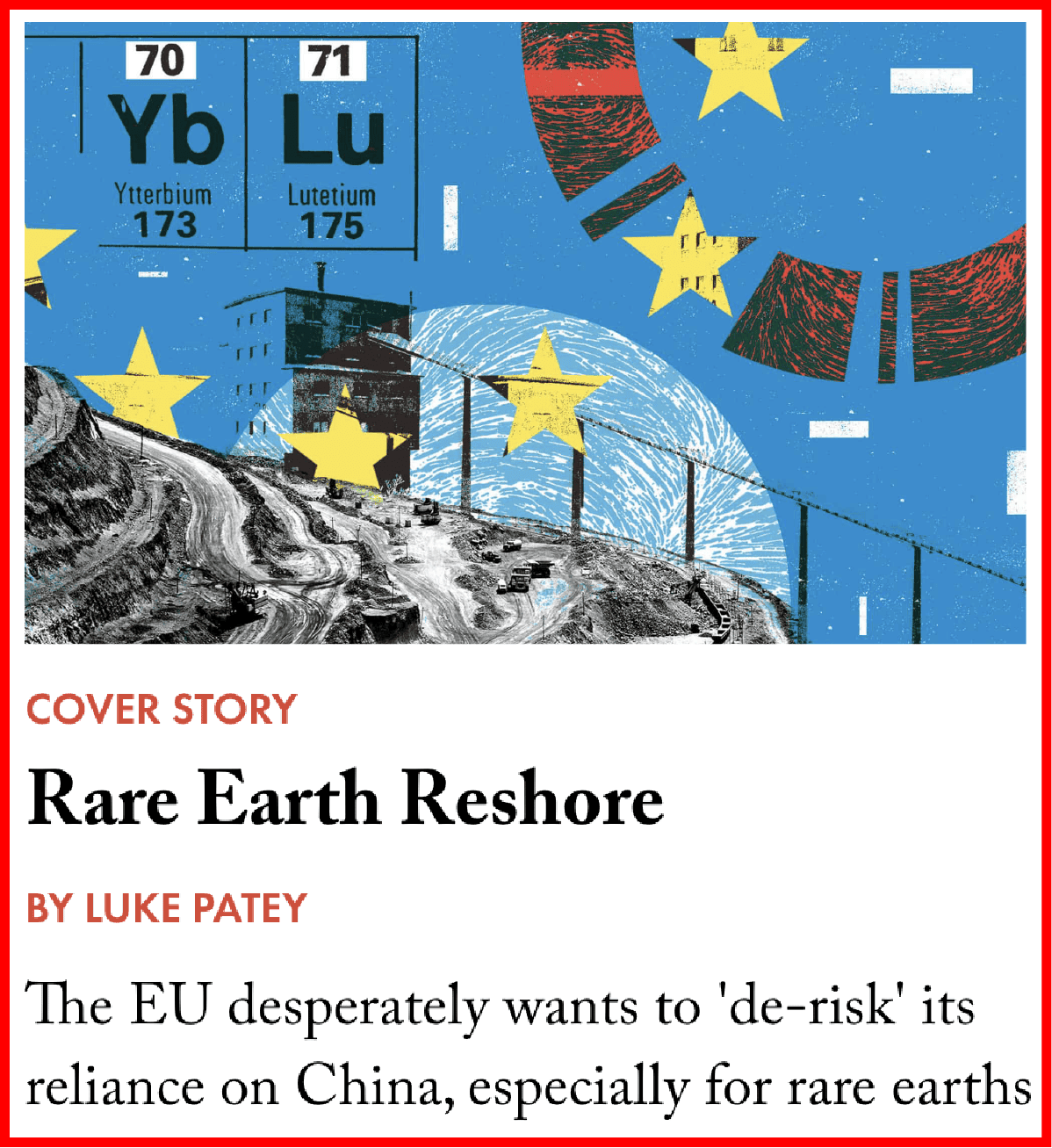
China banned exports of rare earth processing and separation technology necessary for magnet making in late 2023. Then, a year later, it placed new controls on a long line of critical minerals essential for semiconductor chip and battery manufacturing. This April, in response to Trump’s “Liberation Day” and other unilateral tariff declarations, Beijing added new restrictions on seven different rare earths as well as permanent magnets.
Over 40 per cent of all rare earths are mined because they are needed in permanent magnets, and China controls roughly 90 percent of global capacity for the processing, metallization, alloying, and final stages of magnet-making. More than two-thirds of America’s permanent magnet imports come from China.
Indian businesses have warned that China’s new rare earth export rules threaten tens of thousands of manufacturing jobs. European companies in strategic industries also recently complained that China’s Ministry of Commerce has started demanding sensitive product and business information to secure access to rare earths and permanent magnets.
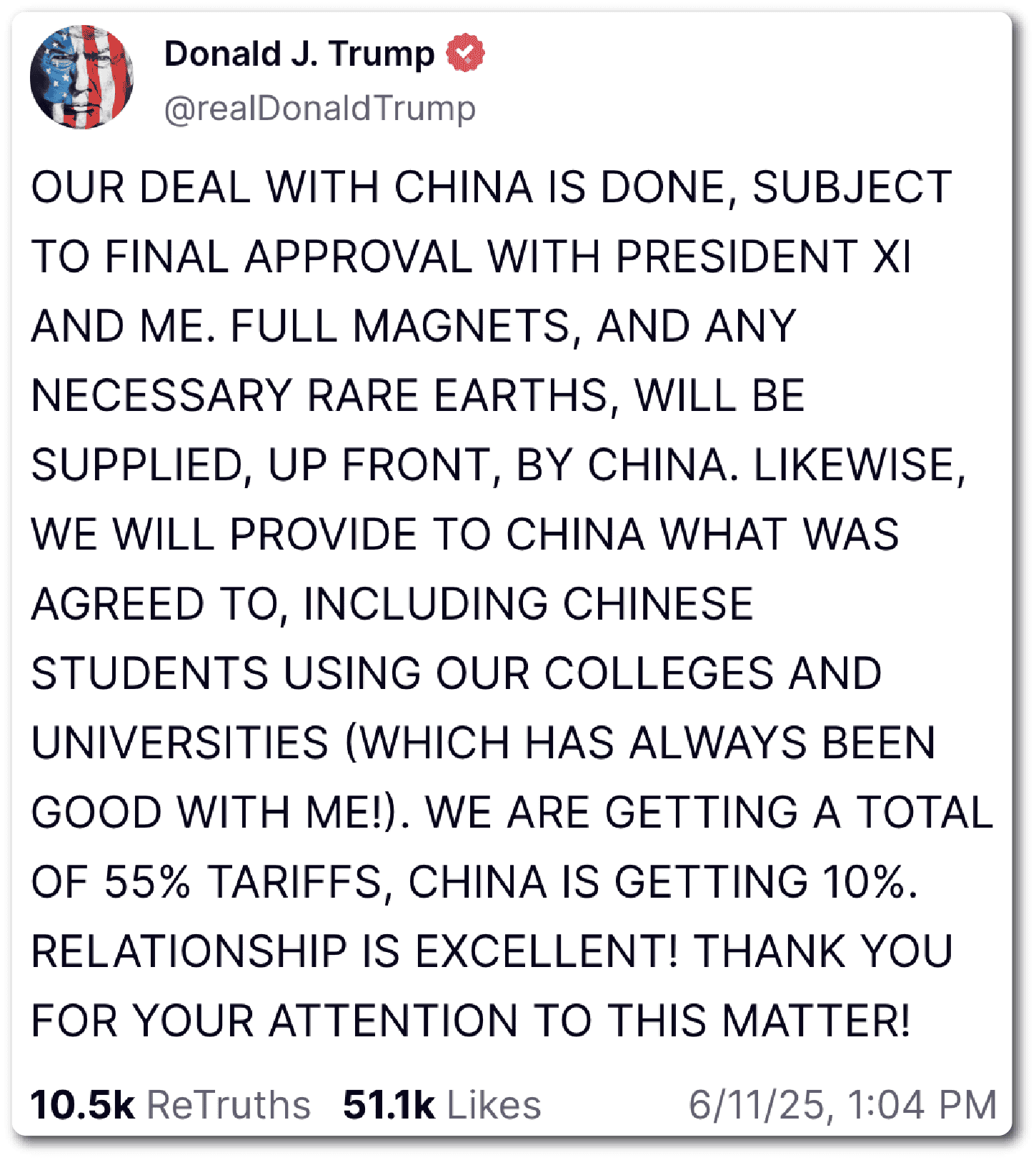
On May 30, Trump, in an all-caps social media tirade, claimed Beijing had “TOTALLY VIOLATED” the two countries’ “Geneva truce” trade agreement because Chinese authorities were continuing to restrict the flow of permanent magnets. Authorities in Beijing retorted that the U.S. had reneged on the truce by, among other moves, halting sales of computer chip design software to China.
Two weeks later, after the two sides concluded a follow-up set of negotiations in London, Trump announced that “FULL MAGNETS, AND ANY NECESSARY RARE EARTHS, WILL BE SUPPLIED, UP FRONT, BY CHINA.”
On June 27 China’s commerce ministry confirmed that it would not block rare earth exports in return for Washington doing the same with regards to American energy and technology exports that Beijing desperately needs. But even if the deal holds, tensions between the two countries over this critical technology will remain tense.
“WE JUMPED FOR JOY”
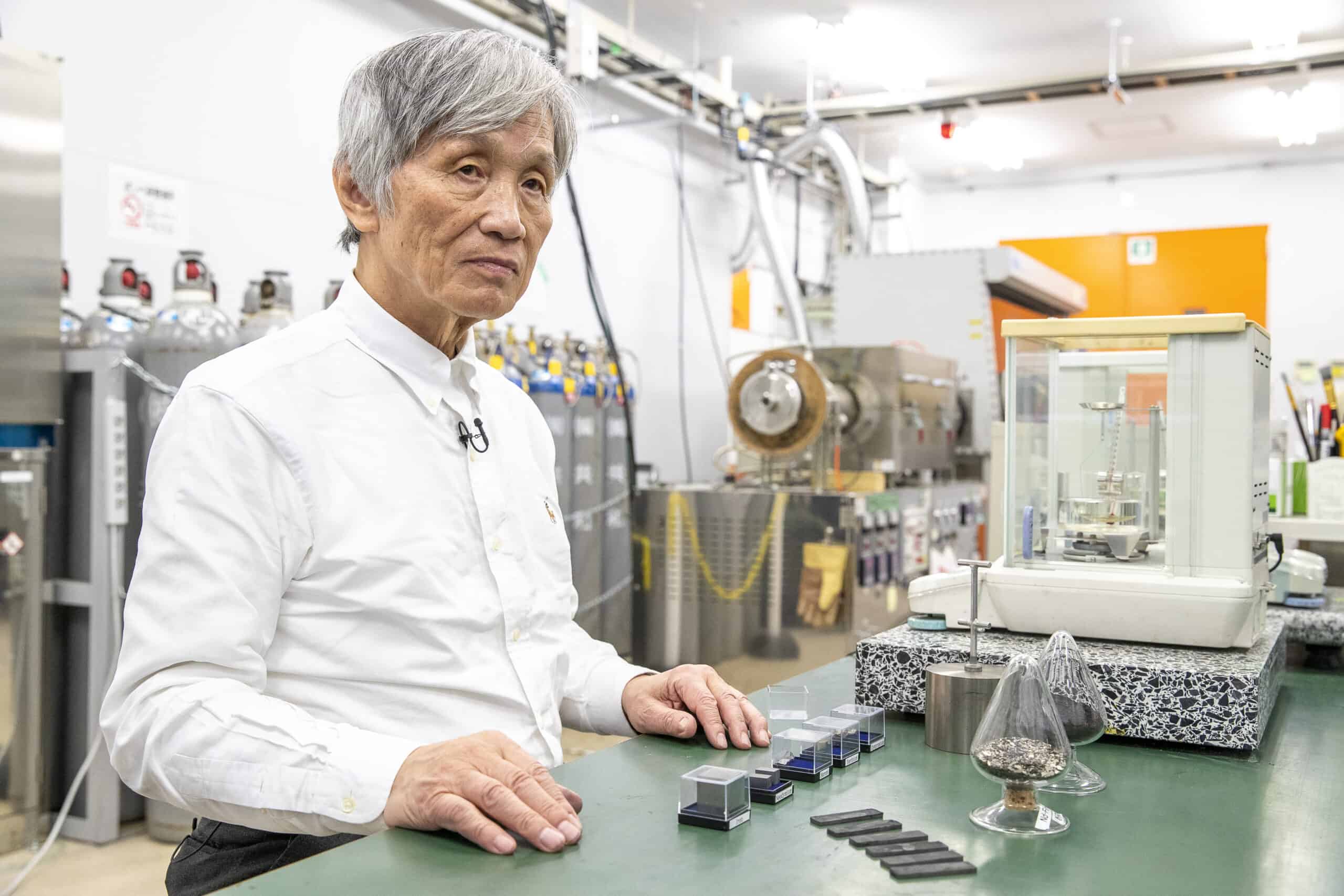
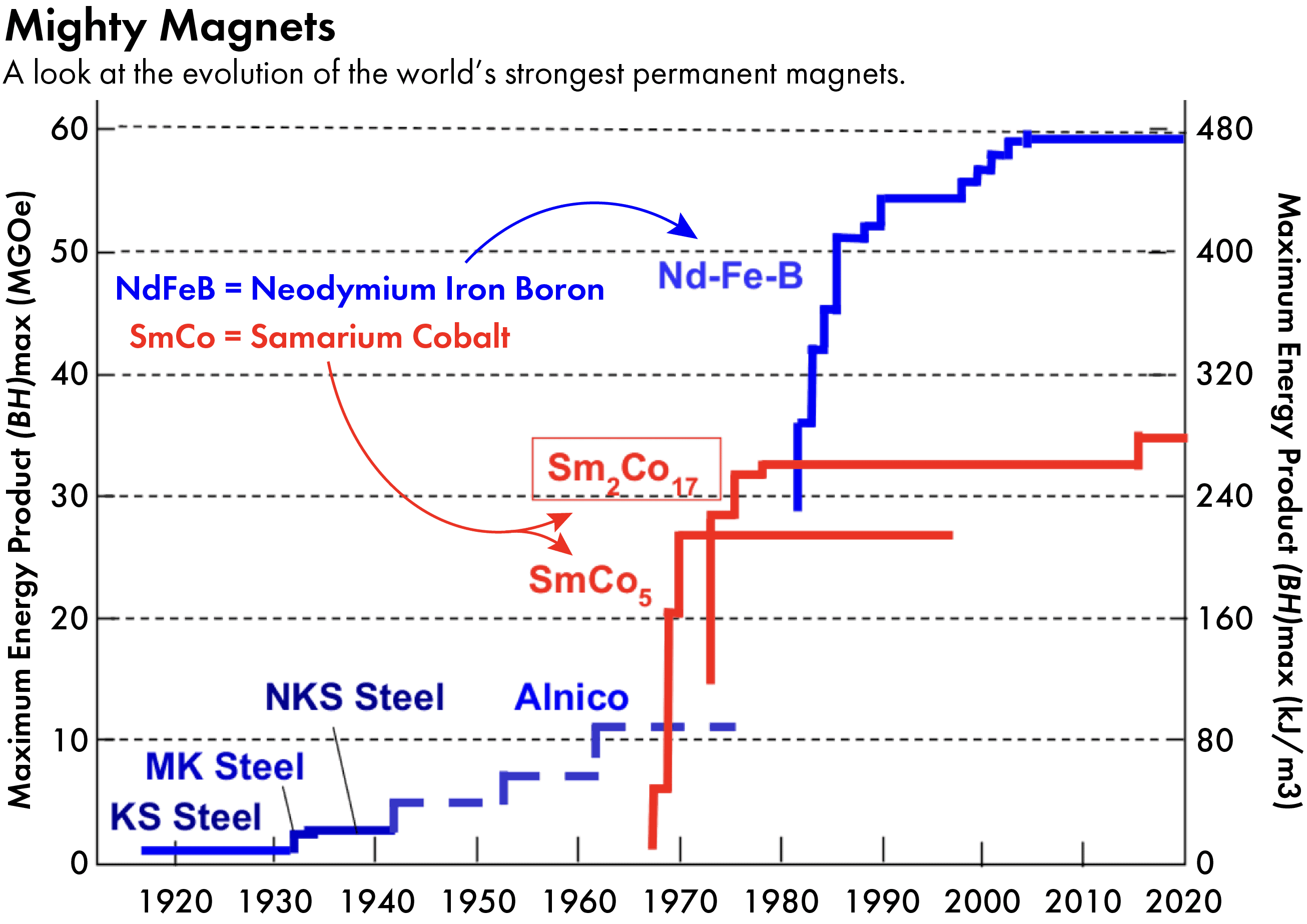
The story of the “the man behind the magnet” — as Dempsey refers to Sagawa — may very well offer clues on where this critical industry, and the science that underlies it, are headed next. For if Sagawa is able to develop and help commercialize a dysprosium-reduced magnet, it will not be the first time that he has revolutionized the industry. In 1982 his invention of neodymium permanent magnets, which were one-third stronger than then leading samarium-cobalt magnets, changed the world.
“When we discovered that one of our compositions was the world’s strongest magnet, we jumped for joy,” Sagawa told The Wire China in a recent interview.
Dressed in a gray suit and white shirt at his Kyoto offices, the 81 year-old scientist recalls how his research team, then working for Sumitomo Special Metals, moved fast to capitalize on the discovery. “Just three years after the invention, we established a mass production process.”
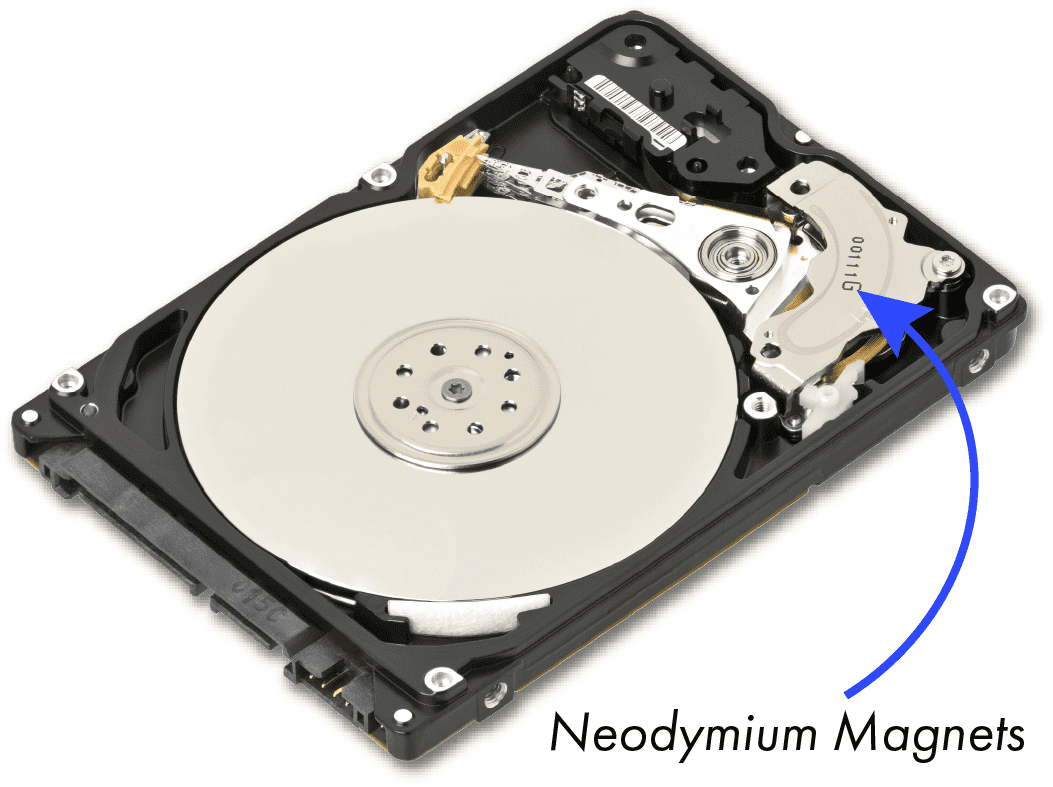
The neodymium magnet improved energy consumption in air conditioners and household appliances. It also helped usher in the information age, most notably by allowing for the miniaturization of hard disk drives and, as a result, the consumerization of laptops.
Today, it is essential for wind turbines and other green energy technologies, as well as industrial robots.
In cars they are used in power steering, fuel injection systems and auto parts. In electric vehicles, they drive efficient motors. And many iPhone models have over a dozen compact neodymium magnets inside, utilized in wireless charging, camera autofocus, vibration and other functions.
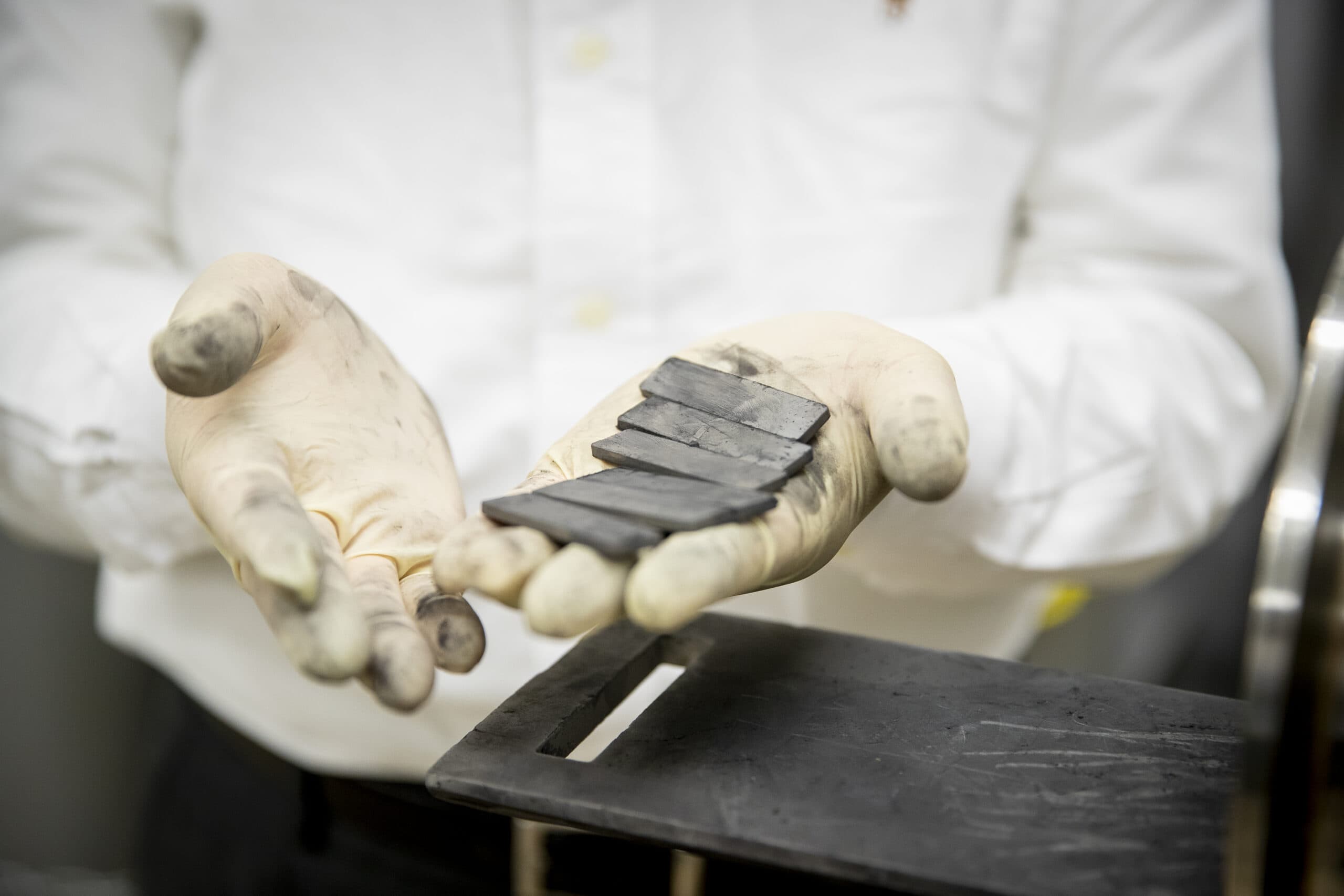
“What was so amazing with what Masato Sagawa did was that he discovered a very promising material and then fabricated a record-breaking magnet on such a short time scale,” says Dempsey.
“The magnets are invisible to most people because they are inside technologies, but we are all the owners of hundreds of neodymium iron boron magnets without even knowing it.”
In addition to their superior strength and small size, Sagawa’s neodymium magnets had another key advantage over cobalt-based magnets — the global supply of neodymium was not threatened by a war in Africa.
In the late 1970s in Zaire, known today as the Democratic Republic of Congo, Soviet-backed insurgents invaded the mineral-rich Shaba region. At the time Zaire accounted for some two-thirds of the world’s mined cobalt. The DRC maintains this near monopoly today and, like its predecessor, faces internal strife as the government battles Rwandan-backed rebels in its eastern region.
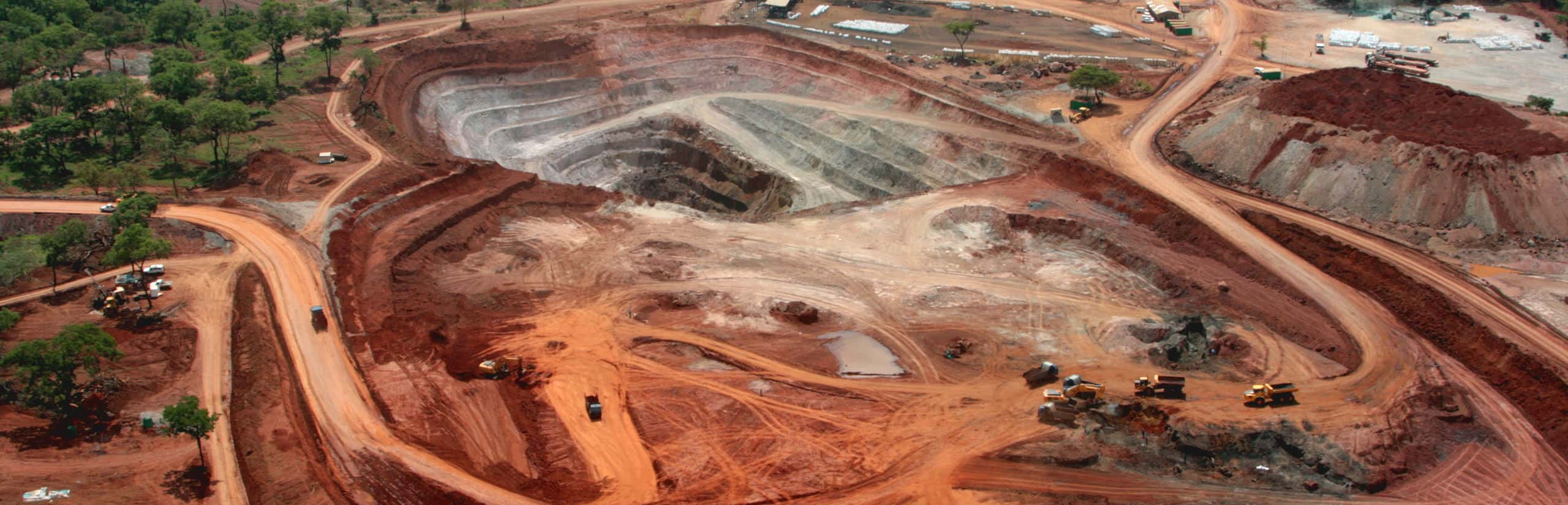
The Shaba incursion sent prices for samarium-cobalt magnets, still essential in many aerospace and defense applications today, skyrocketing. In response, industry leaders in the United States and Japan urged researchers to find lower cost alternatives.
Sagawa and his team got there first.
“I’M GOING TO WIN THE NOBEL PRIZE TOO”
For Sagawa, the discovery and development of neodymium magnets was a childhood dream come true. From a young age he wanted to be a world-famous scientist.
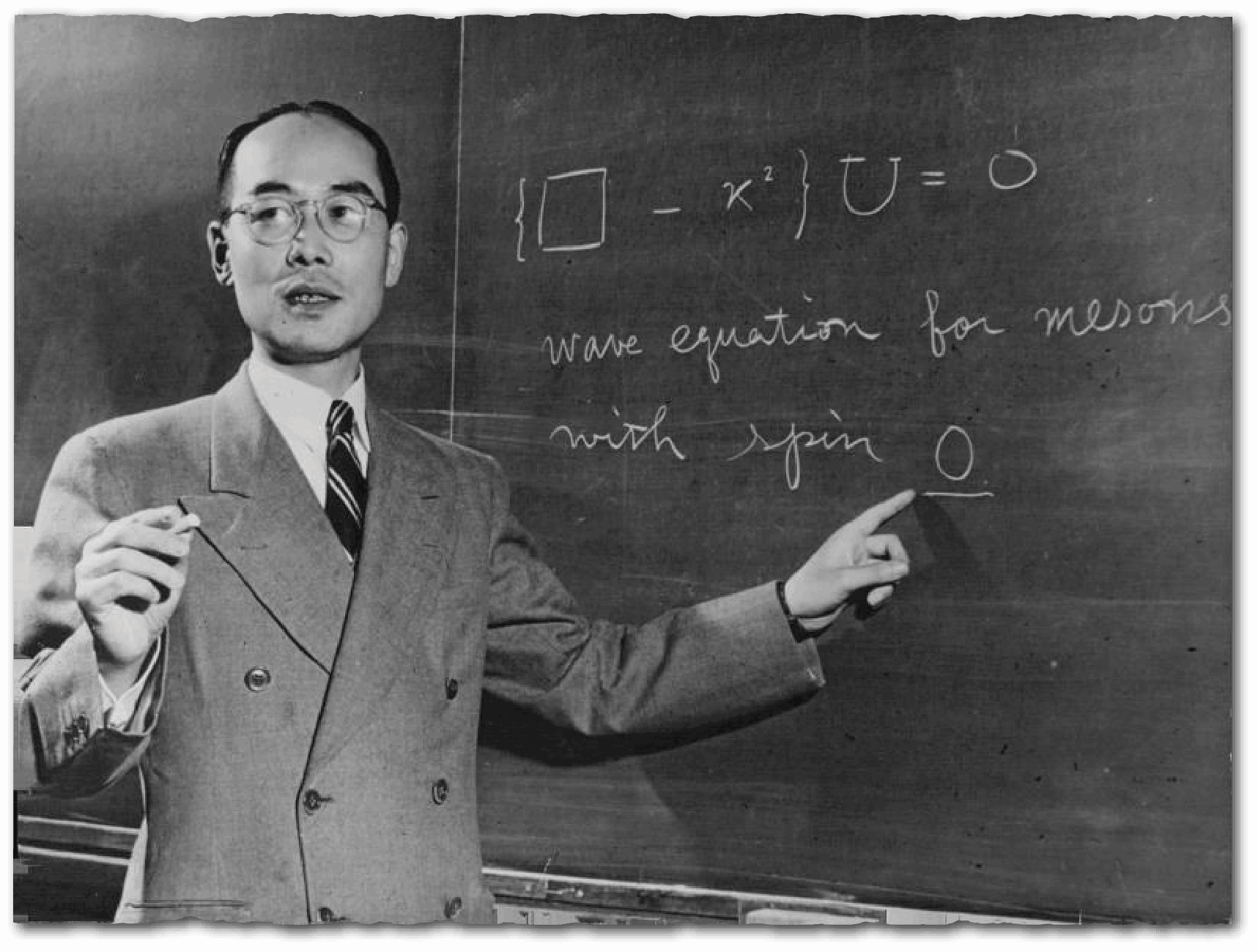
“When I was in kindergarten, my father read me a newspaper article about the Japanese physicist Hideki Yukawa winning the Nobel Prize,” he says. “I told him that one day, I’m going to win the Nobel Prize too.” Yukawa received the prestigious award in physics in 1949 for discovering the subatomic particle meson, which led to practical applications in cancer treatments and provided an important confidence boost for post-war Japan.
Born in 1943 on Shikoku island, Sagawa enjoyed an idyllic childhood. His parents ran a successful retail business and made great efforts to support his education. “I remember weekends spent picking clams on the banks of the Yoshino River and eating bento lunch boxes with my grandmother,” he says.
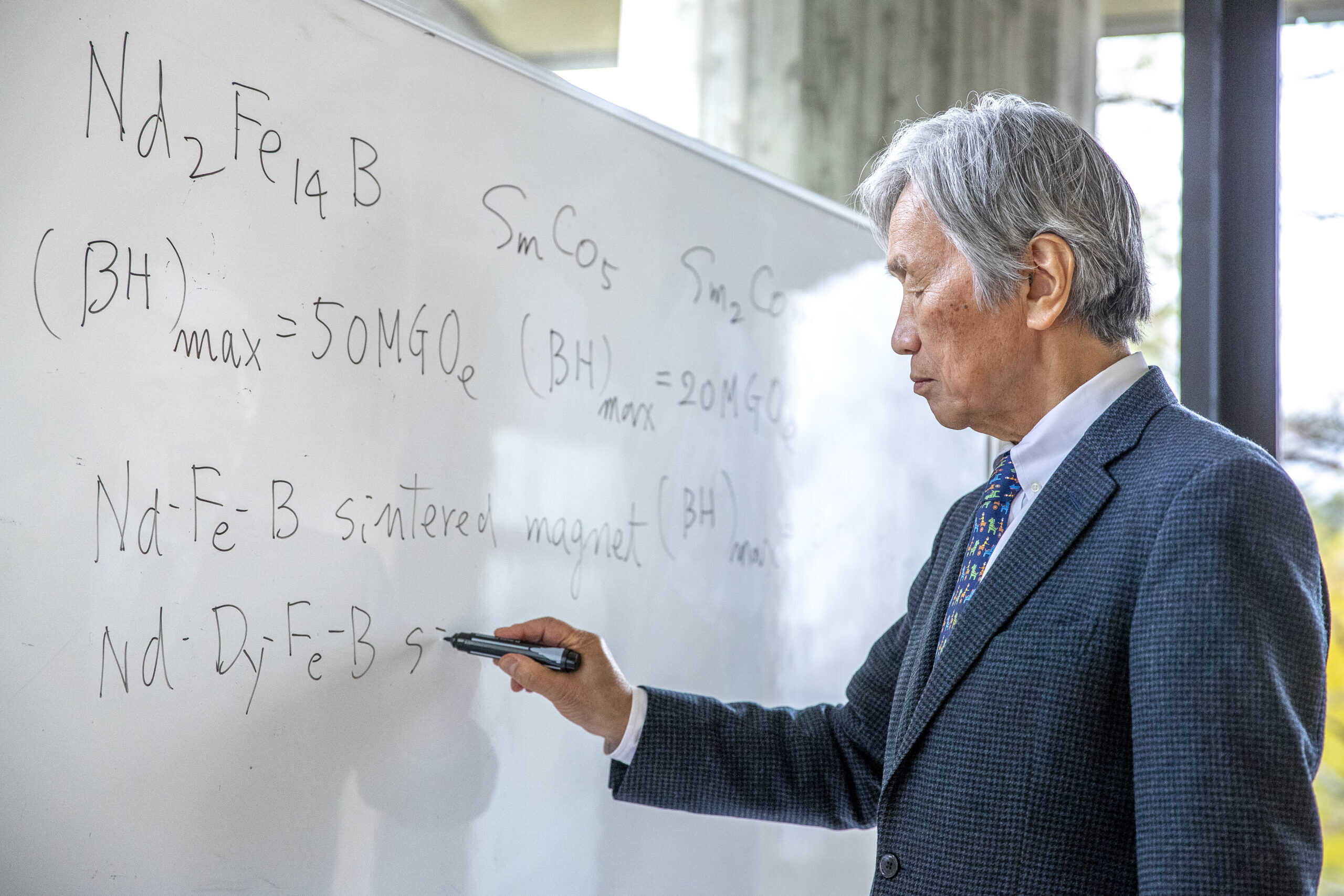
He studied electrical engineering at Kobe University in the mid-1960s and later obtained a PhD in metallurgical engineering at Tohoku University in Sendai.
Sagawa, however, could not find a university position after finishing his doctorate. Disappointed by this failure, he reluctantly went into the private sector, joining Fujitsu Laboratories.
In 1977, still disheartened by the trajectory of his career, Sagawa was assigned to a project to improve the strength of samarium-cobalt magnets.
Engaged in the field of magnetism for the first time, the new challenge rekindled Sagawa’s love for science. “I became fascinated with the study of magnets,” he recalls. “While working on the research, I wondered why magnets must be made of a material as rare as cobalt and not iron.”
Absorbed in his research, Sagawa studied new magnet compounds, poured through textbooks, and engaged with other researchers and laboratories.
In 1979, after listening to arguments against the use of iron in permanent magnets even though it was far more abundant and cheaper than cobalt, Sagawa began exploring what elements might be used to create a strong magnet. He settled on a combination of rare earths and boron.
But in yet another professional setback, Fujitsu dismissed Sagawa’s proposal to carry out research on his idea. “I felt I was on the verge of a great new discovery, but no one believed in me,” he later recalled.
What was so amazing with what Masato Sagawa did was that he discovered a very promising material and then fabricated a record-breaking magnet on such a short time scale.
Nora Dempsey at Institut Néel in Grenoble
Fujitsu did, however, promote Sagawa to a management position and assigned him a project involving neodymium. While this gave him time to master his knowledge of the rare earth and its potential uses in magnets, he was also unable to secure Fujitsu’s support to develop a neodymium magnet. So he handed in his resignation and, in 1982, took his idea to Sumitomo Special Metals.
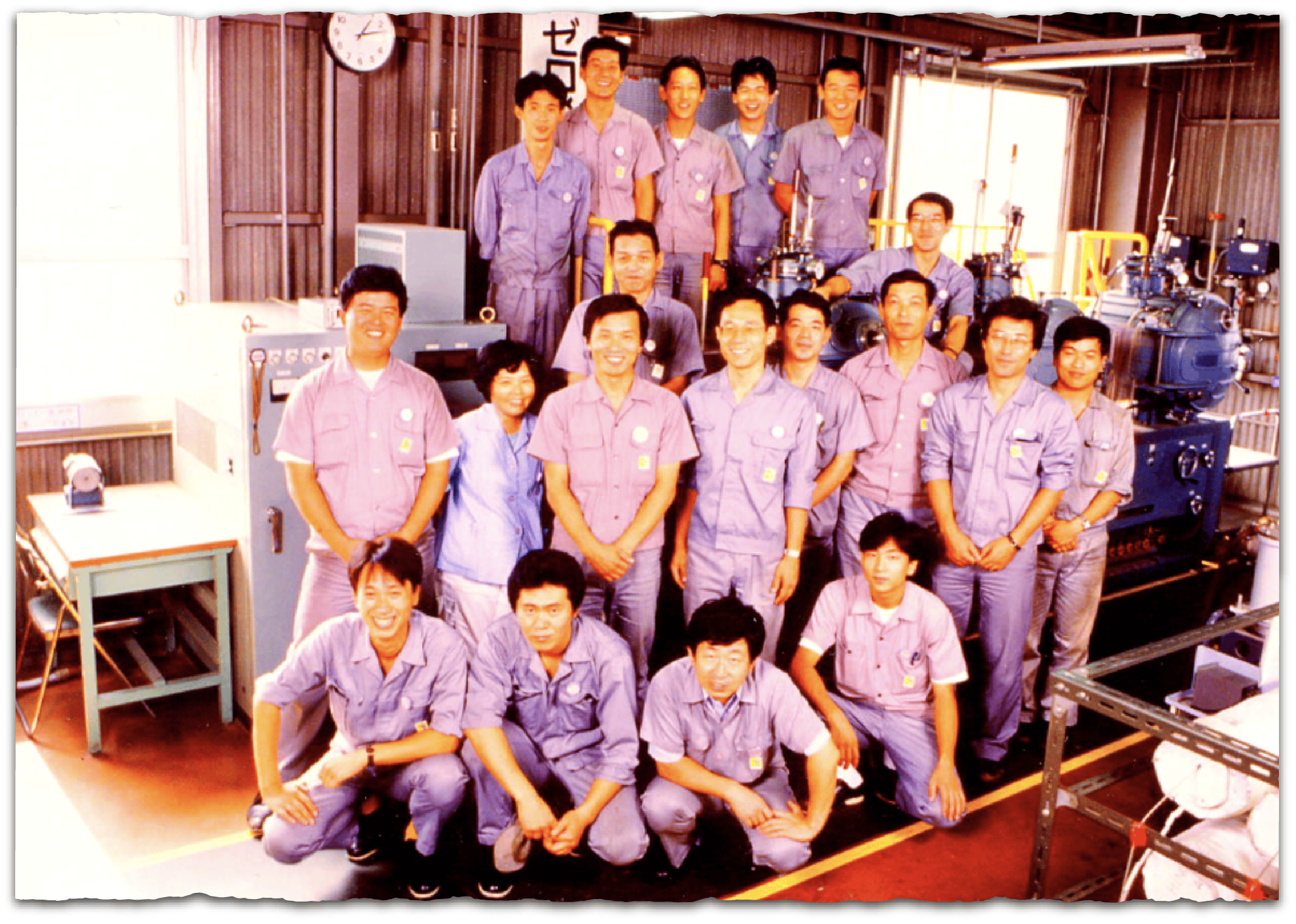
SSM’s president, Norishige Okada, didn’t think twice. He provided Sagawa with ample funds and a strong research team. Just three months later, Sagawa’s team filed a patent for a neodymium iron boron magnet.
ENTER CHINA
One of Sagawa’s competitors in the race to build a better permanent magnet was John Croat, an American researcher at General Motors.
In November 1983, at a conference in Pittsburgh, Sagawa presented his discovery to the world, only to be taken back when Croat revealed his own work on a neodymium magnet at the very same event.
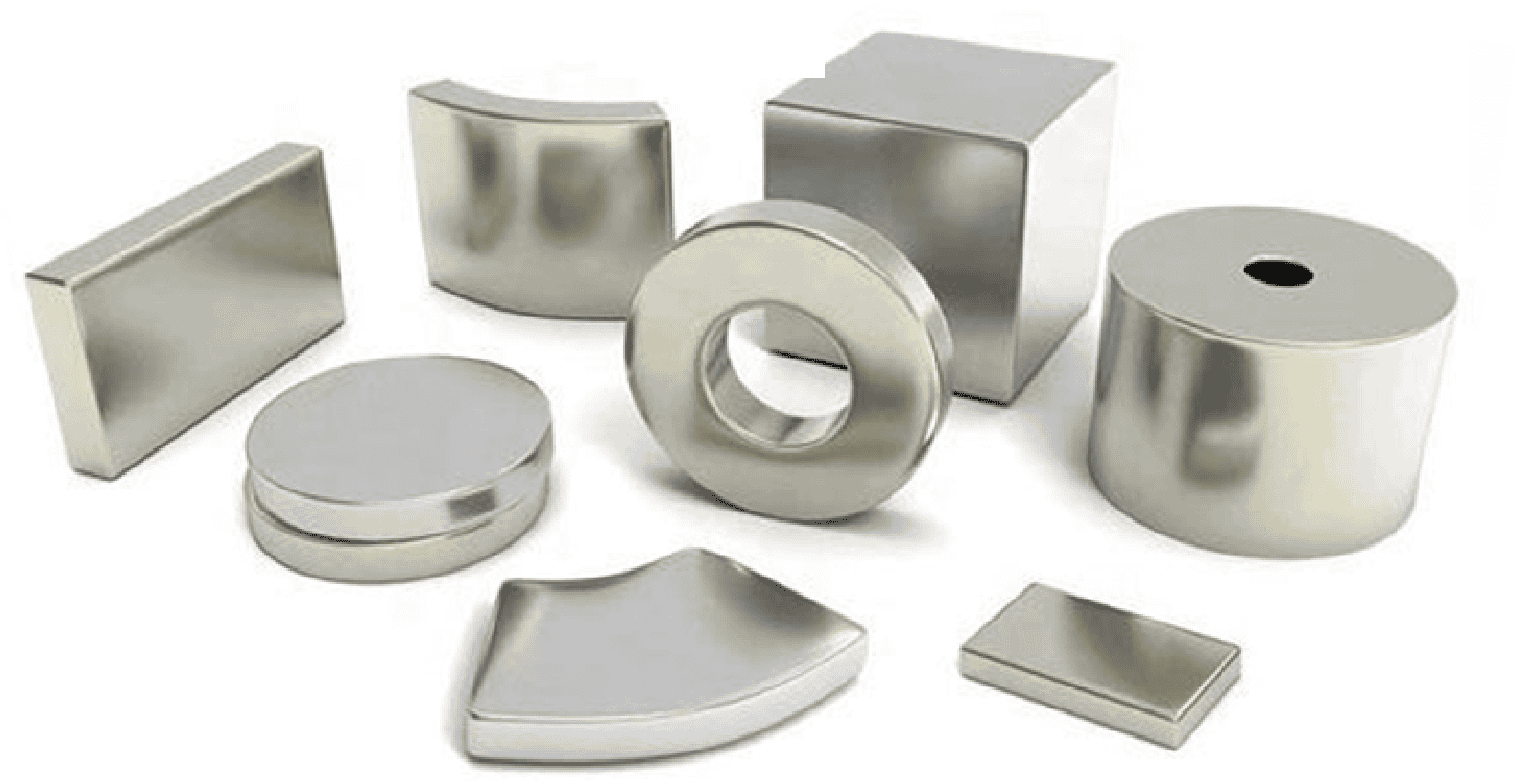
Unbeknownst to one another, the two scientists were working with the same rare earth compound but using different manufacturing processes.
Croat’s magnet was best suited for smaller devices with complex shapes. Sagawa’s was more costly but stronger; it quickly became the leading permanent magnet.
In the end, however, it would be China rather than Japan or the U.S. that capitalized on Sagawa and Croat’s discoveries.
While Sagawa was developing the manufacturing process for his neodymium magnets, China was laying the groundwork to dominate the industry that would grow out of his invention.
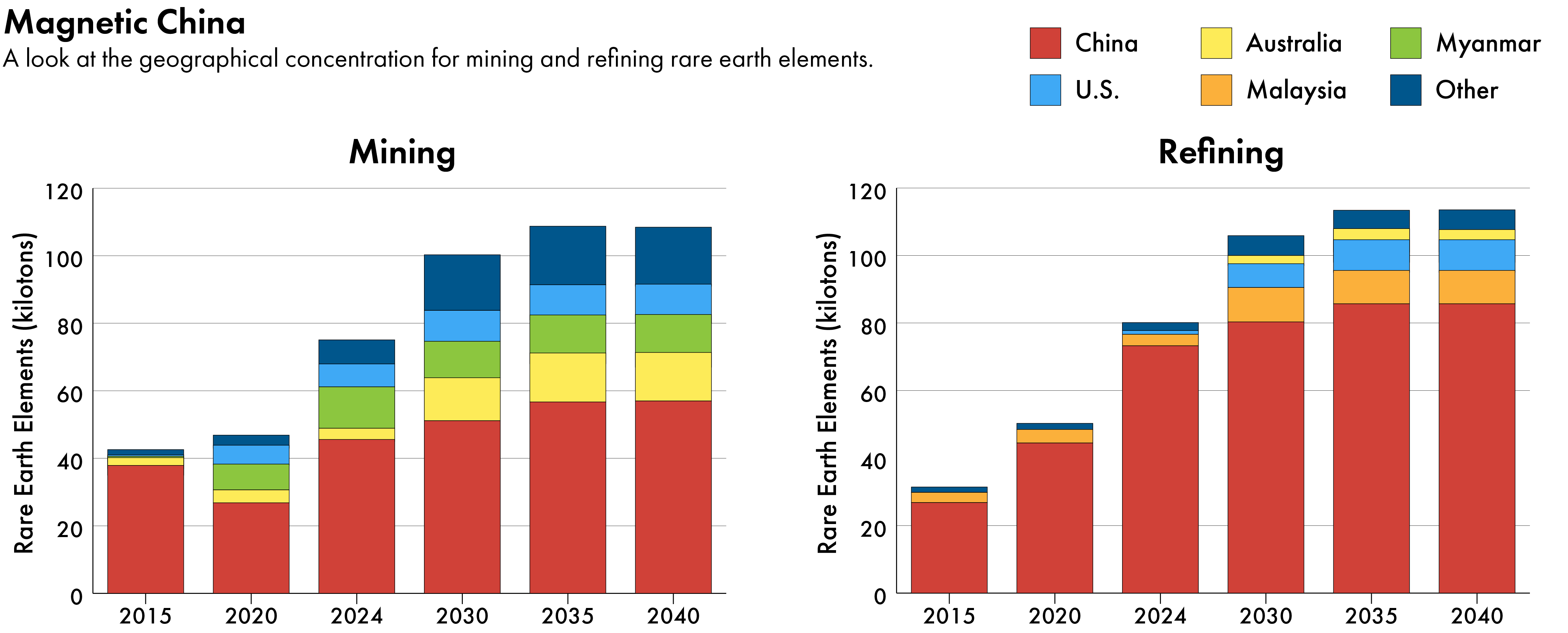
Neodymium and other rare earth elements are nearly as abundant in the earth’s crust as common metals such as zinc and copper. The challenge is to find rare earths in high enough concentrations to make mining them worthwhile — and then building the refining capacity to process them.
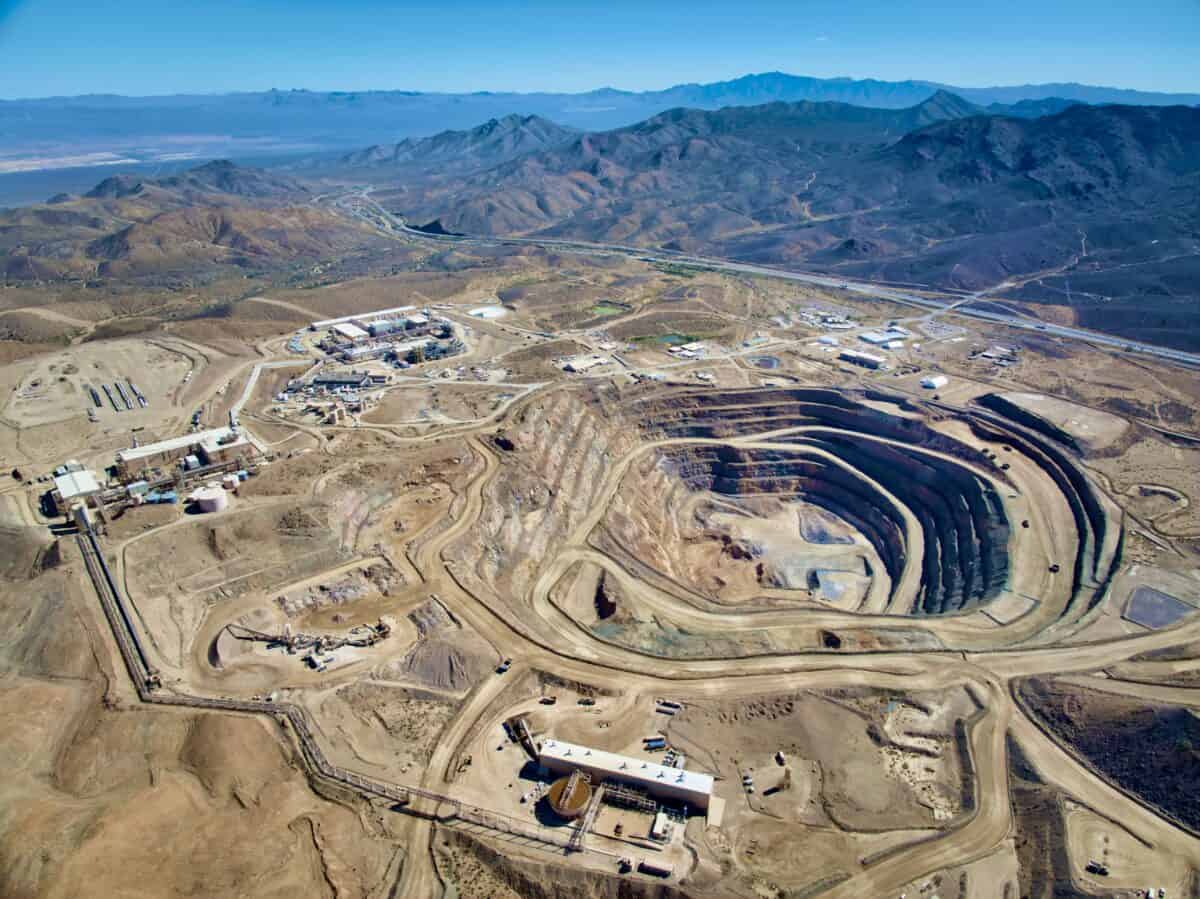
In the 1980s an American company, Molycorp and its Mountain Pass mine in southern California, dominated the rare earth mining and processing industry.
But China had spied an opportunity. It too had land rich in rare earths, such as the vast clay pits at Bayan Obo in Inner Mongolia. More importantly, its government had the vision, the ability and the determination to catch up with and eventually surpass America’s rare earths industry.
“If you follow the intellectual thread of how the rare earths industry developed in China back in the 1980s and 90s, there has long been investment in research,” says Kristin Vekasi, an associate professor at the University of Maine. “The Chinese recognized that they had this resource that has a lot of different end uses.”
China also had, by the turn of the century, generous state subsidies, low labor costs and relatively lax environmental regulations, allowing it to flood global markets with cheap rare earths.
Sagawa has little interest in the geopolitical context in which he has pursued his engineering projects. “The guiding principle of a scientist is to consider all of humanity,” he told an audience this March at the Royal Swedish Academy of Engineering Sciences in Stockholm. “This is nothing to do with geopolitics.”
Three days later, at an address to the Royal Swedish Academy of Sciences, and also in his interview with The Wire, Sagawa said that the aim of his research is to reduce the need for natural resources in magnet production. The energy savings made possible by his technology, he adds, will also help lower global CO2 emissions. The Academy of Sciences selects the annual winner of the Nobel prize for physics — an award Sagawa has been nominated for but has yet to add to his long list of accolades.

Croat, his American colleague, did not shy away from the topic. In 2004 Croat warned that China’s ability to underprice all other comers was “driving everyone out of business”.
As part of a cost-savings project in 1995, GM, Croat’s former employer, sold its Magnequench magnet subsidiary to two Chinese mining companies for $70 million.
Democratic and Republican members of Congress protested the eventual closure of the company’s American plant on national security grounds: Magnequench supplied permanent magnets to the U.S. military for precision guided missiles. But George W. Bush’s administration ignored their pleas.
The US government also largely stopped funding for new rare earths research and started strengthening environmental regulations, which were costly for the industry. Research and private sector collaborations that helped revolutionize the global industry petered out.
It was a similar story in Japan. While Japanese magnet-makers continued to produce their highest-quality neodymium magnets at home, Hitachi Metals, Daido Steel and others shifted manufacturing capacity to China.
Sagawa, who left SSM in the late 1980s, set up his own research and development firm to advise Japanese magnet makers. One of his clients, Showa Denko, ramped up production in China with local partners in the early 2000s.
“In the U.S., Japan and Germany, voices have consistently warned there could be a real problem down the road if China gains control over these strategic sectors. But for not so sizeable financial sums, market logic often prevails over any sense of national strategic resilience,” says Kyle Chan, a postdoctoral researcher at Princeton University.
“China has the opposite mentality. Its approach is to identify chokepoints regardless of internal economics. This might seem extremely wasteful, but China then gains a key input in a long line of high-value downstream industries,” Chan adds.
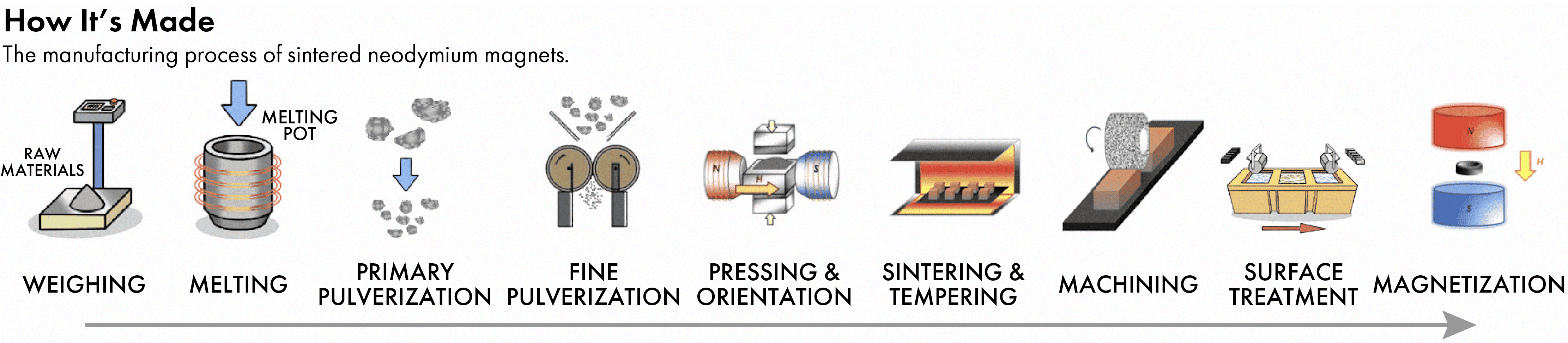
JAPAN WAKES UP
In 1999 China’s then president, Jiang Zemin, pledged to transform his country’s “resource advantage into economic superiority” in the magnet industry.
Tatsuya Terazawa, director of the Institute of Energy Economics in Tokyo, remembers the moment in 2010 when, for the first time, China decided to use its new found leverage over the global rare earths industry.
I was not aware of the rare earths issue until the director of our automobile division came into my office and told me that the whole of Japan’s auto supply chain was in deep trouble.
Tatsuya Terazawa, director of the Institute of Energy Economics in Tokyo
As part of a dispute over the Senkaku islands in the East China Sea — which Japan controls but China also claims and refers to as the Diaoyu islands — Chinese authorities briefly banned the sale of rare earths to Japanese companies.
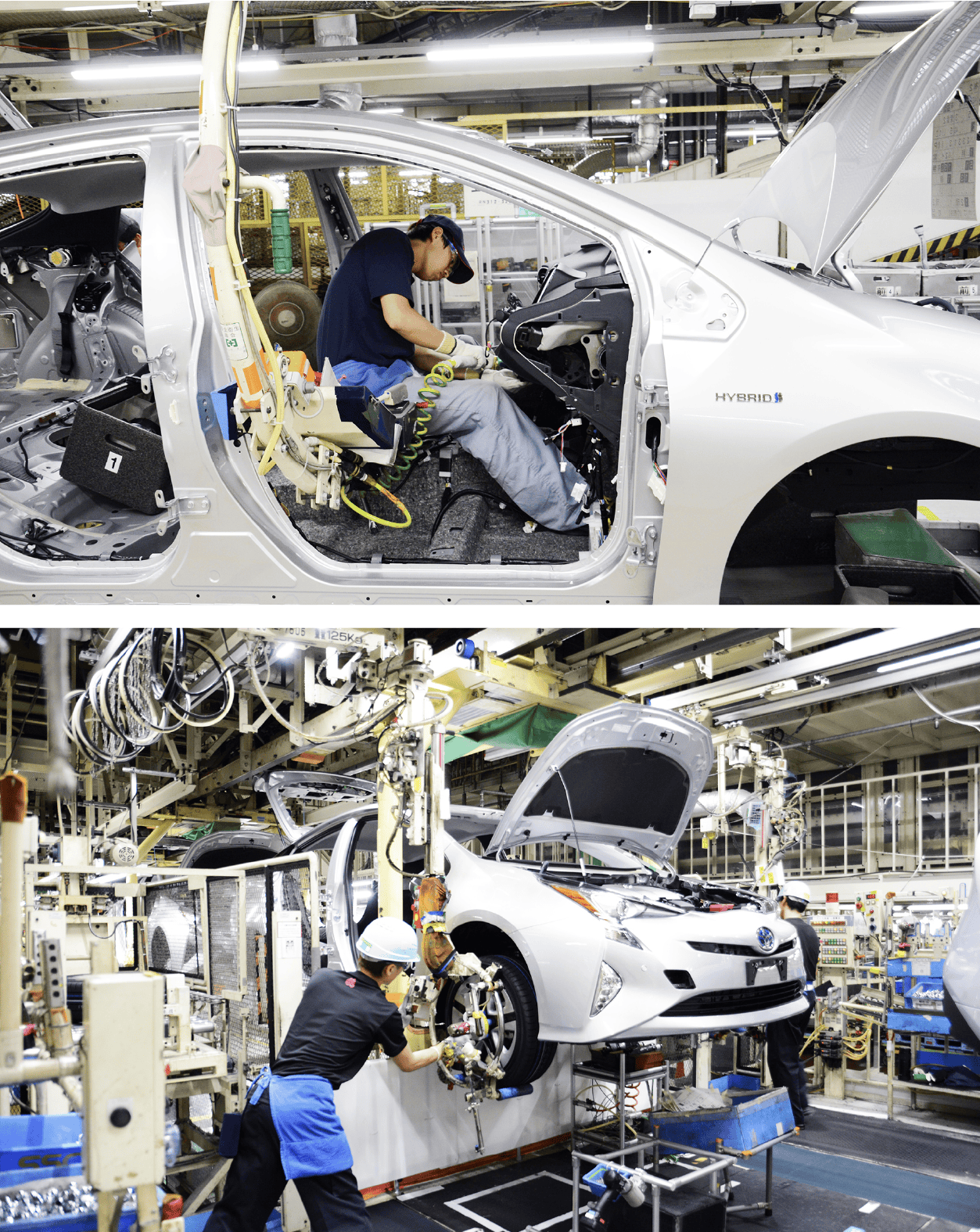
At the time Terazawa was head of economic and industrial policy at the powerful Ministry of Economy, Trade and Industry. “I was not aware of the rare earths issue until the director of our automobile division came into my office and told me that the whole of Japan’s auto supply chain was in deep trouble,” he told The Wire China.
Car-makers’ demand for neodymium magnets was soaring at the time. Toyota, in particular, needed large numbers of permanent magnets for its Prius hybrid vehicles.
“Back then, some people thought I was crazy for allocating $1 billion of the next economic policy budget to rare earths, but they understand better today,” says Terazawa. “It was a very painful lesson that overdependence could be weaponized by China,” he says.
In 2008, Molycorp had restarted operations at its Mountain Pass mine and the 2010 Sino-Japanese crisis caused rare earth prices to soar. But after the crisis had passed, China rescinded its export restrictions and prices crashed. The American rare earth miner went bankrupt.
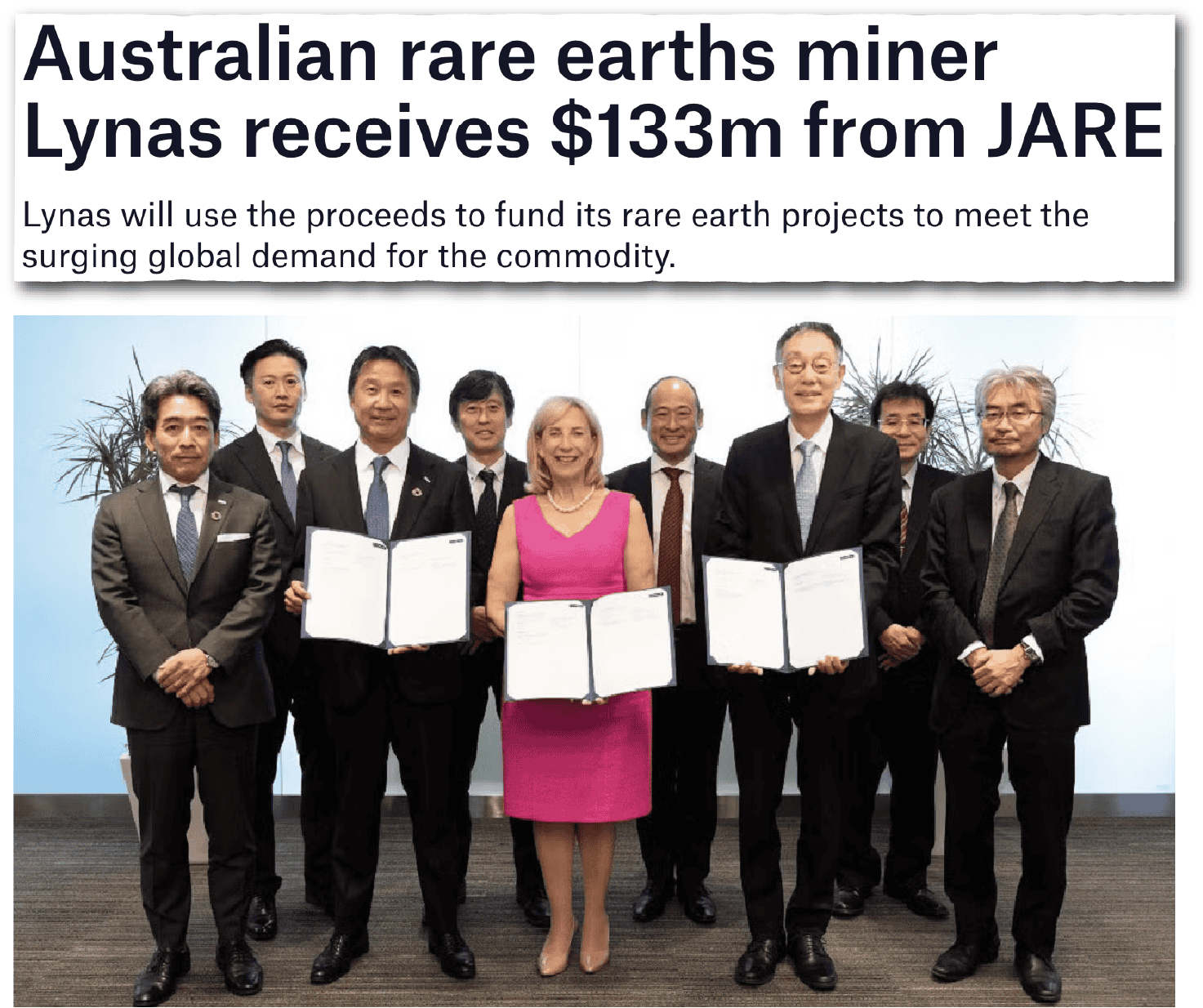
Scarred by the Senkakus crisis, Japan was able to reduce its rare earth dependency on China from 90 per cent in 2008 to about 60 per cent by 2020. (Some Japanese officials worry the figure has since creeped back up.) Backed by state support, in 2011 Japanese companies loaned $250 million to rescue Australian rare earths miner Lynas, which has a processing facility in Malaysia. The loan was restructured in 2016 and Lynas’ white knights bought equity in it in 2022.
Japanese magnet makers claim they now have access to neodymium processed outside China to supply the country’s leading automakers.
But even a 60 per cent rare earth dependency on China is still too high for many Japanese officials. They also fear that if the recent deal agreed in London by U.S. and Chinese negotiators does in fact keep permanent magnets flowing from China to American industries, complacency might creep in.
“Whatever Japan did in lowering our dependencies on China for rare earths was marginal because we did it on our own,” says Terazawa. “Not even the United States can do it alone.”
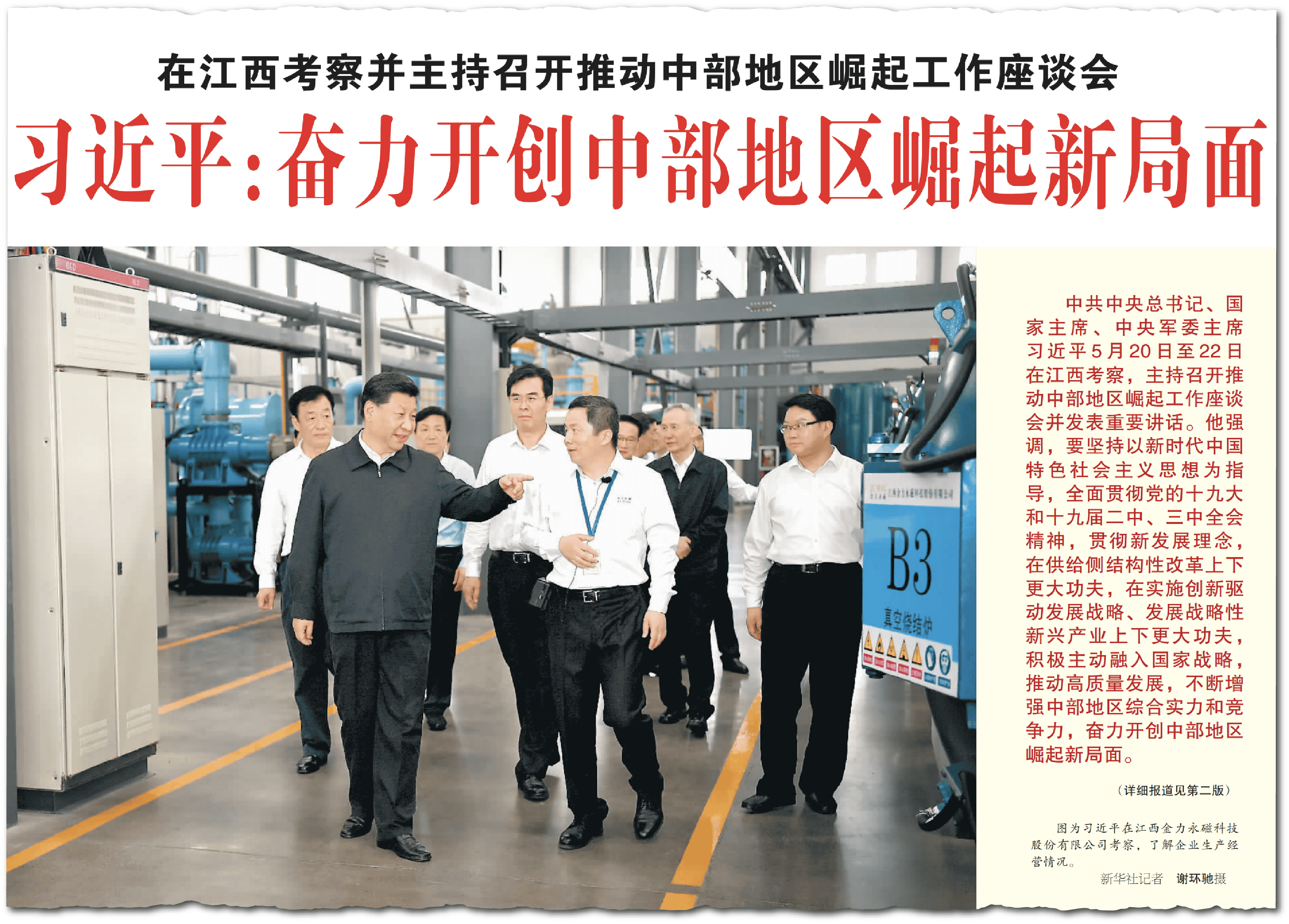
“It is human nature but after a crisis, you must not be tempted to go back to normal,” he adds. “In addition to diversifying our mining and processing sources, we need joint efforts to scale and develop new technologies that do not require rare earths in large amounts. There must be a collective approach to economic security.”
“Japan may have the advantage in magnet technology, but China has the advantage in manufacturing magnets,” adds Takashi Ito, Deputy Executive Director at the DENTSU SOKEN Center for Economic Security Research.
Others see a penny-wise, pound-foolish mentality in the Trump administration’s imposition of high tariffs on key allies and partners. Tense trade relations with Japan, the E.U., Australia and Canada — also key and potential suppliers of critical minerals and magnet technologies — could undermine the development of alternative supply chains for permanent magnets.
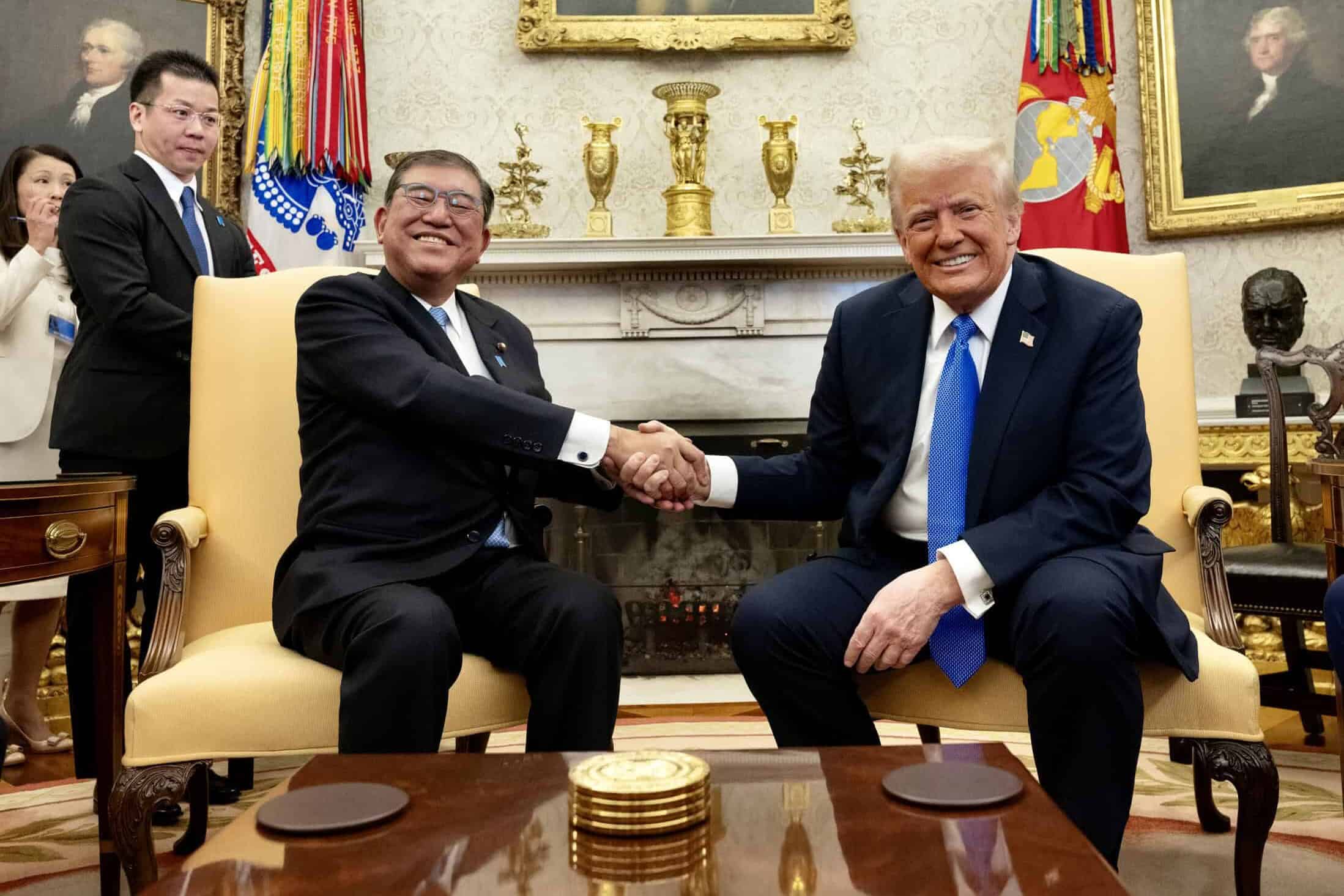
Chan argues that “it is not going to help lowering dependencies on China if the U.S. is tariffing and alienating allies”.
“Trump has been the biggest headache for Japan, not China,” agrees Kazuto Suzuki, director of the Institute of Geoeconomics at International House of Japan. “Japan should limit its exposure to China, but it hurts a lot when the U.S. takes protectionist actions against trade and investment.”
Geopolitical analysts and scientists fear that the Trump administration’s assault on the Inflation Reduction Act, Joe Biden’s landmark legislation to promote clean tech manufacturing, will also make it more difficult for the U.S. to develop and scale up production of permanent magnets outside of China.
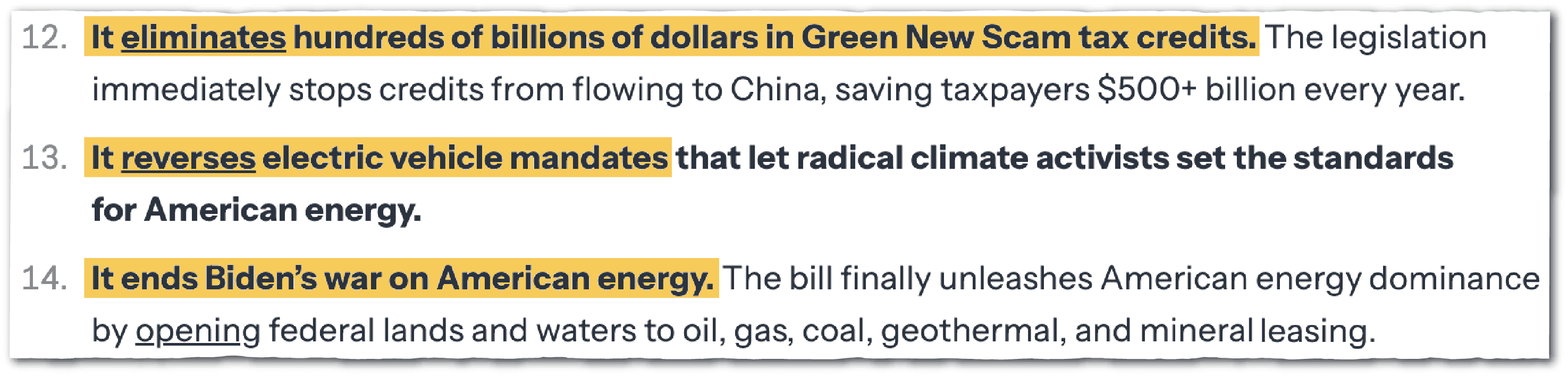
“The Trump administration has an appetite for natural resource extraction, but its aims and policies are internally incoherent,” says Vekasi.
“CHOKEPOINTS ARE NEVER ABSOLUTE”
To wean the U.S. off its dependency on China for permanent magnets, science may offer the answers American strategists long for.
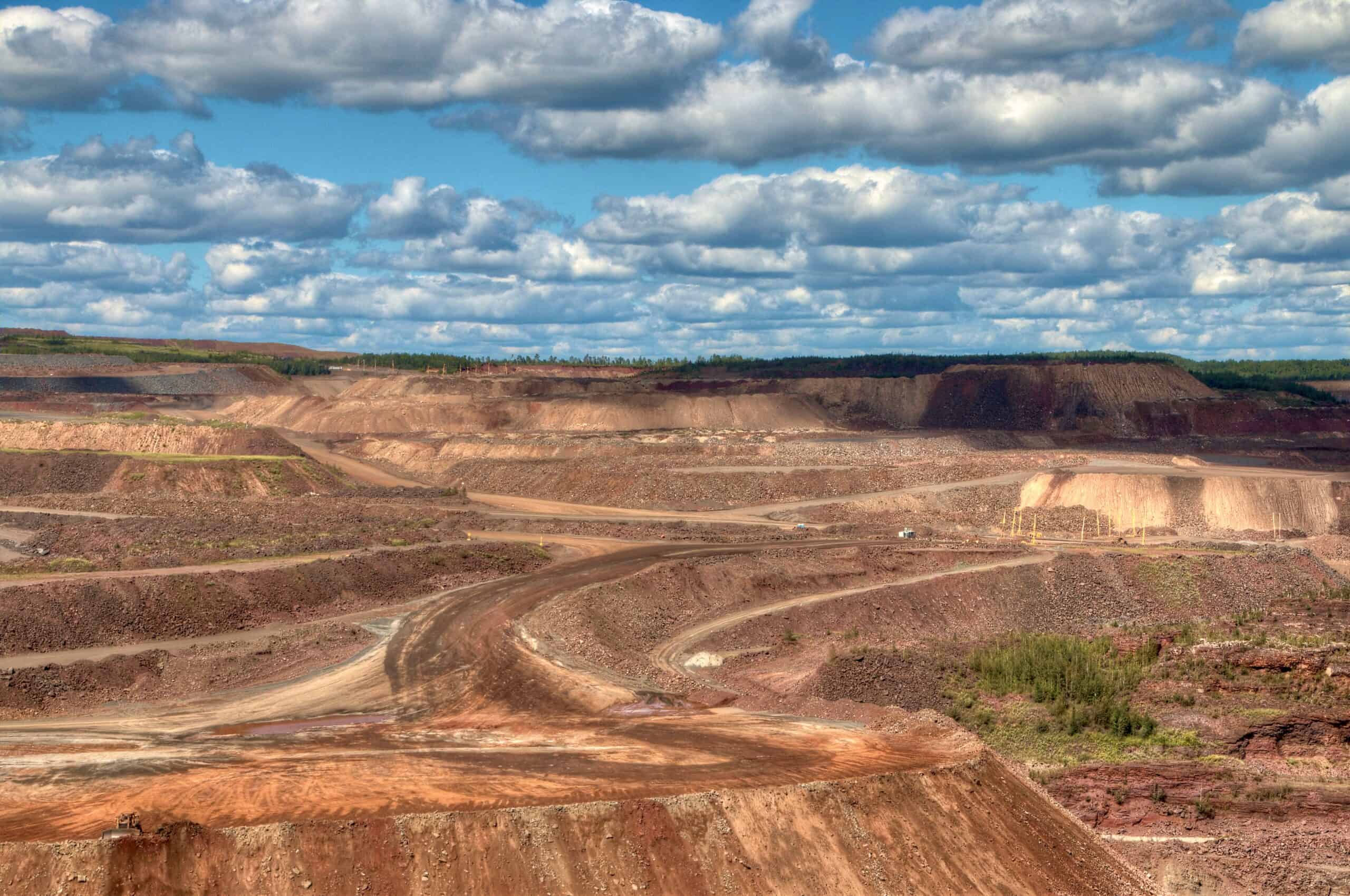
While Sagawa continues his hunt to perfect the neodymium magnet, Jian-Ping Wang at the University of Minnesota has been pursuing another potential breakthrough — iron nitride magnets that, he says, “don’t need rare earths or other critical minerals”.
The main materials for the iron nitride magnet are abundantly available in the U.S., including at the massive Mesabi Iron Range mine in north Minnesota.
“Iron nitride material was largely abandoned by the magnetic research community before 2000,” says Wang. At the time, he adds, researchers were frustrated by unresolved theoretical gaps and scientific and technological limits in confirming the material’s potential.
“When there is no theory and no reliable samples, people run away,” he explains. “This made the first ten years of my fundamental research very hard.”
But Wang didn’t run away. He obtained his PhD in physics from the Chinese Academy of Sciences in Beijing in 1995 and, after a stint in Singapore, arrived in the U.S. in 2002.
With support from the University of Minnesota, the National Science Foundation, and Department of Energy, Wang and his research group made a series of breakthroughs that he believes demonstrate the viability of iron nitride magnets.
But while the Trump administration says it is prioritizing research on energy and critical minerals, it is also reducing funding for the institutions responsible for these areas. For example, it is cutting the DoE programs that supported Wang by almost 60 percent.
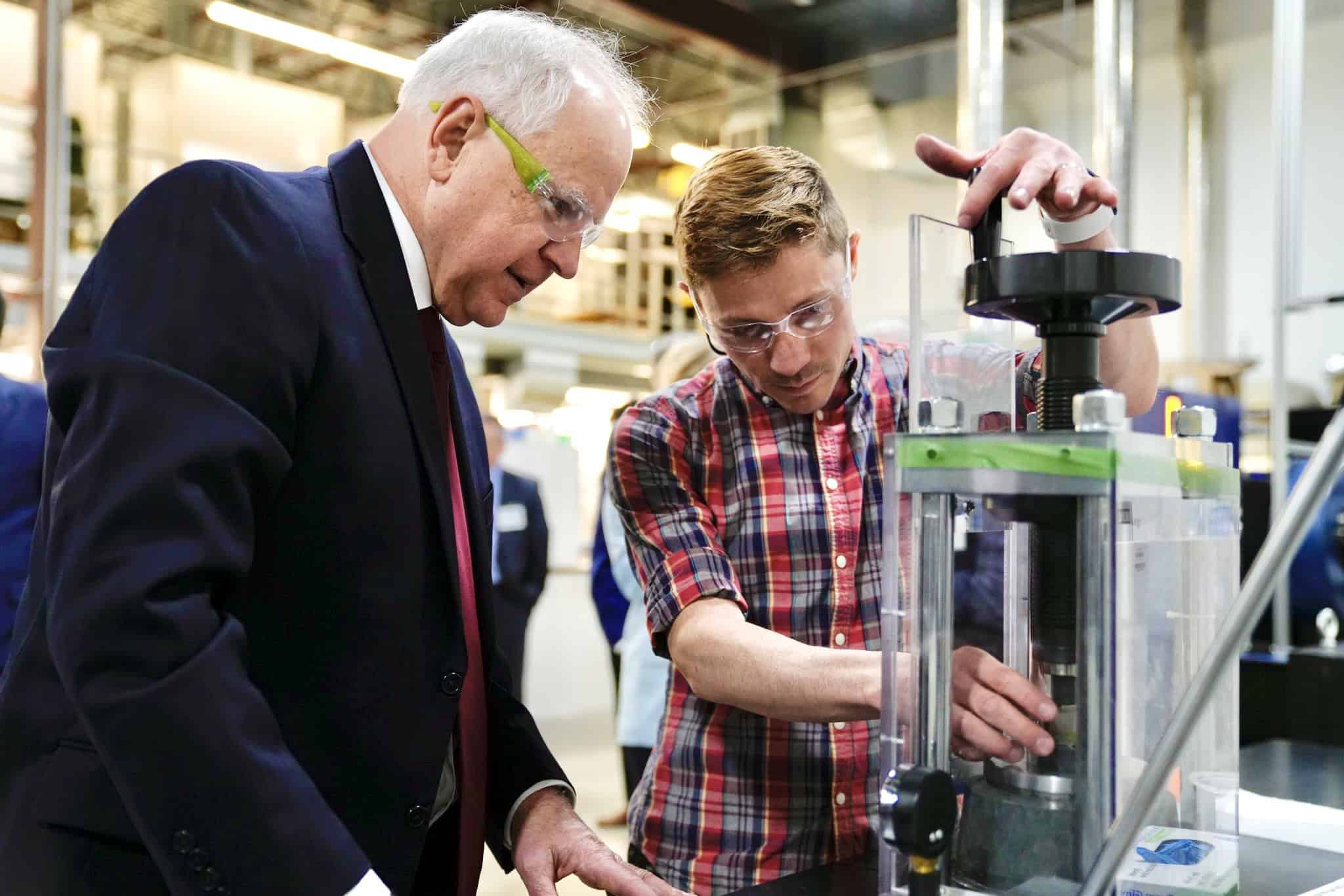
Last October Niron Magnetics, the company Wang co-founded in 2014, opened a pilot plant with a capacity of 5 tons of iron nitride magnets in Minneapolis, with plans to finish a 1,500-ton plant in Sartell, Minnesota next year.
Wang believes iron nitride magnets might be used first in audio devices, such as headphones and speakers, then industrial applications, and ultimately could help address “the challenges that automakers currently face with rare earth-dependent magnets.”
Niron has obtained $140 million in initial venture capital backing. GM, Stellantis and Samsung are also collaborating with the start-up on product development.
But unlike Sagawa’s well entrenched neodymium magnets, and like other alternatives, it remains uncertain if iron nitride magnets have the necessary coercivity (a magnet’s resistance to demagnetization) and can be manufactured at scale.
Chokepoints are never absolute. Sacrifices to performance and cost efficiency in permanent magnets could be made to reduce dependencies on China. The overarching realization is that this needs to happen contrary to prevailing market forces.
Kyle Chan, a postdoctoral researcher at Princeton University
“I don’t think we’ll be replacing neodymium-based magnets anytime soon. Their excellent magnetic properties combined with their manufacturability are gifts from nature,” says Institut Néel’s Dempsey.
GM, for example, has entered a long-term supply agreement for neodymium magnets with MP Materials, which currently owns the Mountain Pass rare earth mine. MP Materials has established a new processing facility in California. It also plans to finalize, by 2026, a new separation plant for heavy rare earths and a 1,000-ton magnet plant in Fort Worth, Texas.
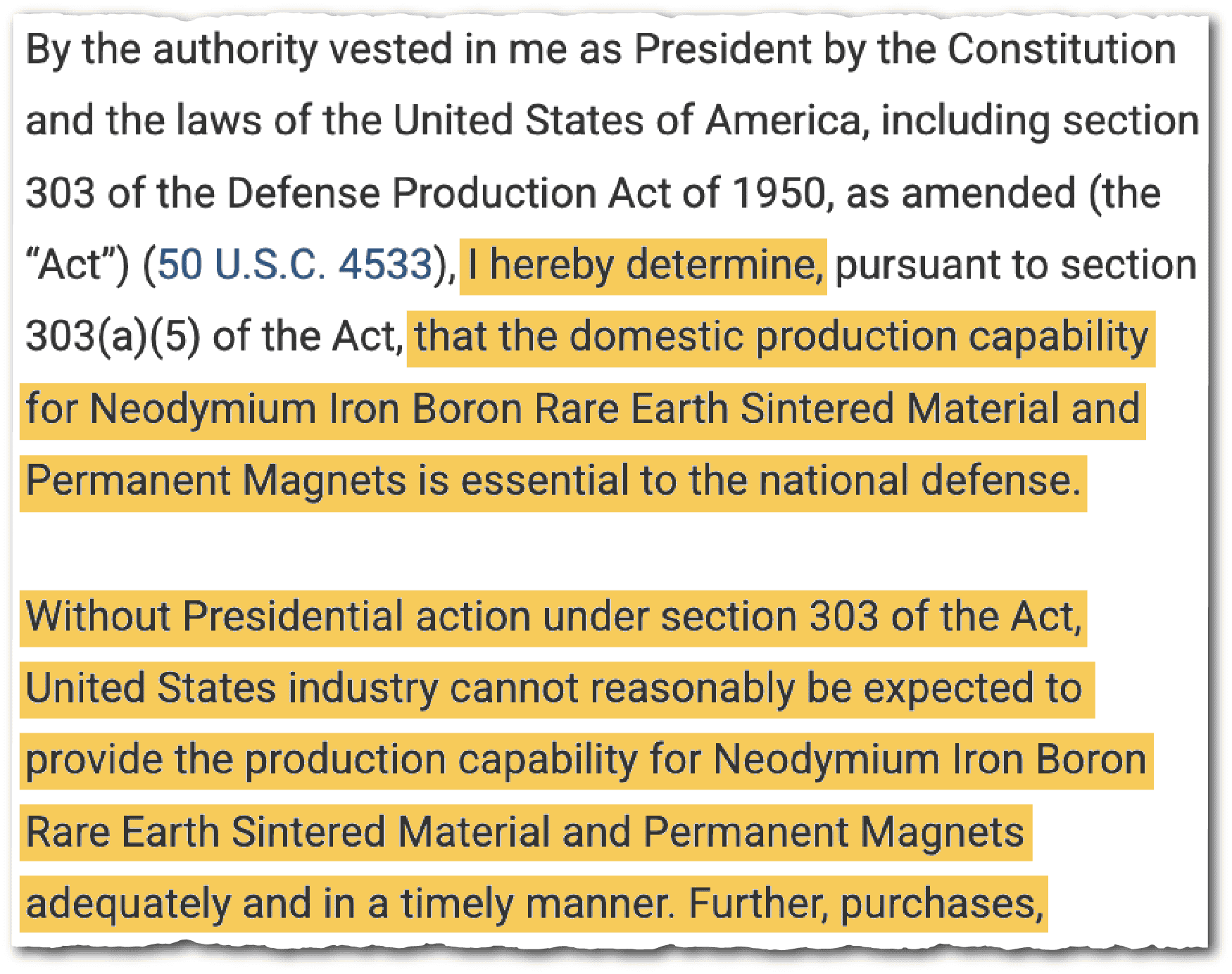
Among other projects, E-VAC , a German battery manufacturer, is finishing a rare earth magnet plant in South Carolina.
Experts credit President Trump for, during his first term, issuing executive orders and developing new strategies to build a domestic supply chain for rare earth minerals. In 2019, for example, Trump issued presidential determinations under the Defense Production Act allocating $250 million to develop a U.S. permanent magnet supply chain.
This support continued under President Biden with new funding for the Department of Defense, the Department of Energy and, most significantly, ample tax credits and other benefits included in the Inflation Reduction Act.
These measures should help the U.S. reduce its imports of permanent magnets from China — estimated at 7,500 tons in 2024. This figure does not include the magnets embedded in China-made products that are exported to the U.S.

But even with the recent advances by MP Materials and others to increase domestic magnet production, the U.S. would still lag far behind China’s estimated annual output of 300,000 tons.
Nonetheless, some see ways for the U.S. and others to make up more ground. “Chokepoints are never absolute,” says Princeton’s Chan. “Sacrifices to performance and cost efficiency in permanent magnets could be made to reduce dependencies on China.
“The overarching realization is that this needs to happen contrary to prevailing market forces,” he says.
For example, in partnership with Daido Steel, Honda introduced a neodymium magnet in 2016 that does not require heavy rare earth elements.
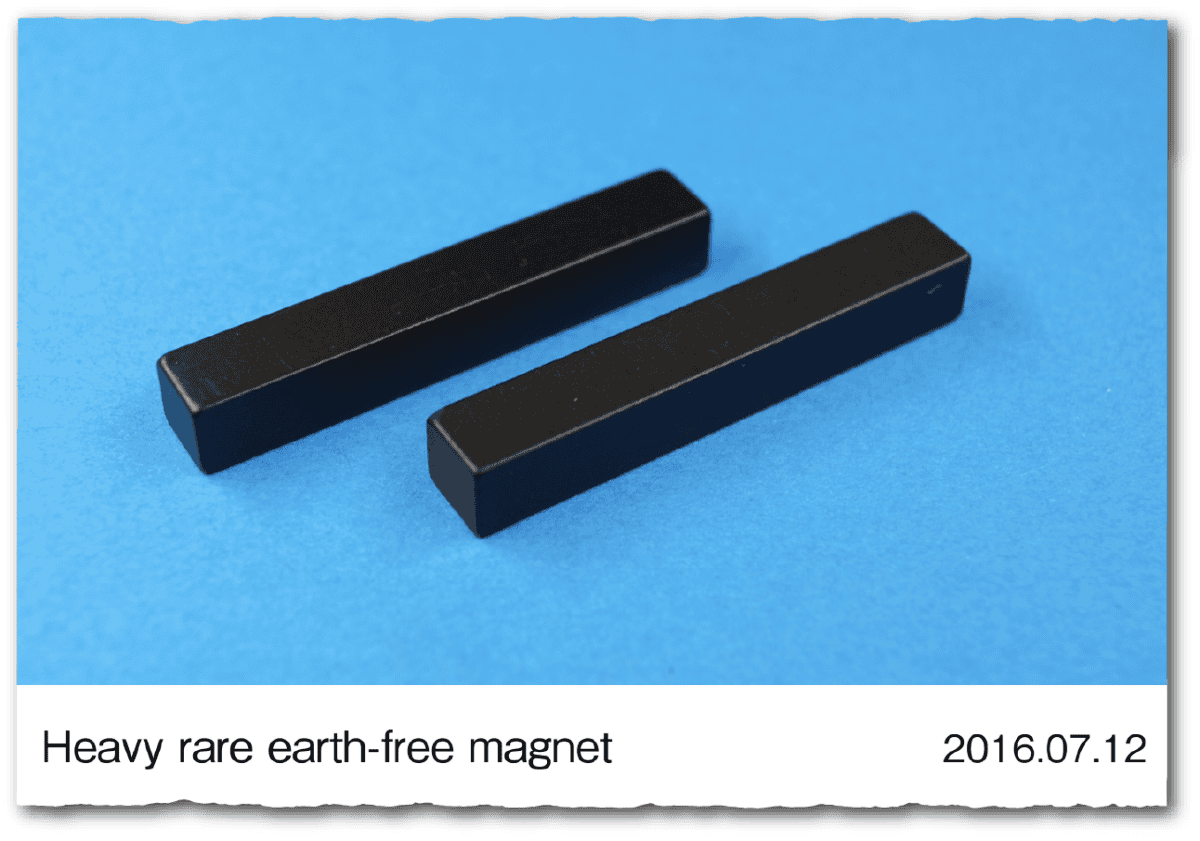
The Japanese car maker has since used the new magnet in some hybrid models, but experts argue that it does not typically perform as well as Sagawa’s original neodymium magnets and is also more difficult to produce, especially at scale.
Chan recommends that the Trump administration launch a new “Operation Warp Speed” initiative for rare earth magnets, modelled on its original one to accelerate the development and roll-out of Covid-19 vaccines in 2020.
In his second term, President Trump has signed more executive orders to bolster domestic rare-earth mining, and Congress is also getting in on the act. There is strong bipartisan support for The Rare Earth Magnet Security Act of 2025, which is working its way through Congress and would provide new tax credits for domestic magnet production.
“You need to have very long committed capital not just for mining, but also for processing and manufacturing,” says Terazawa.
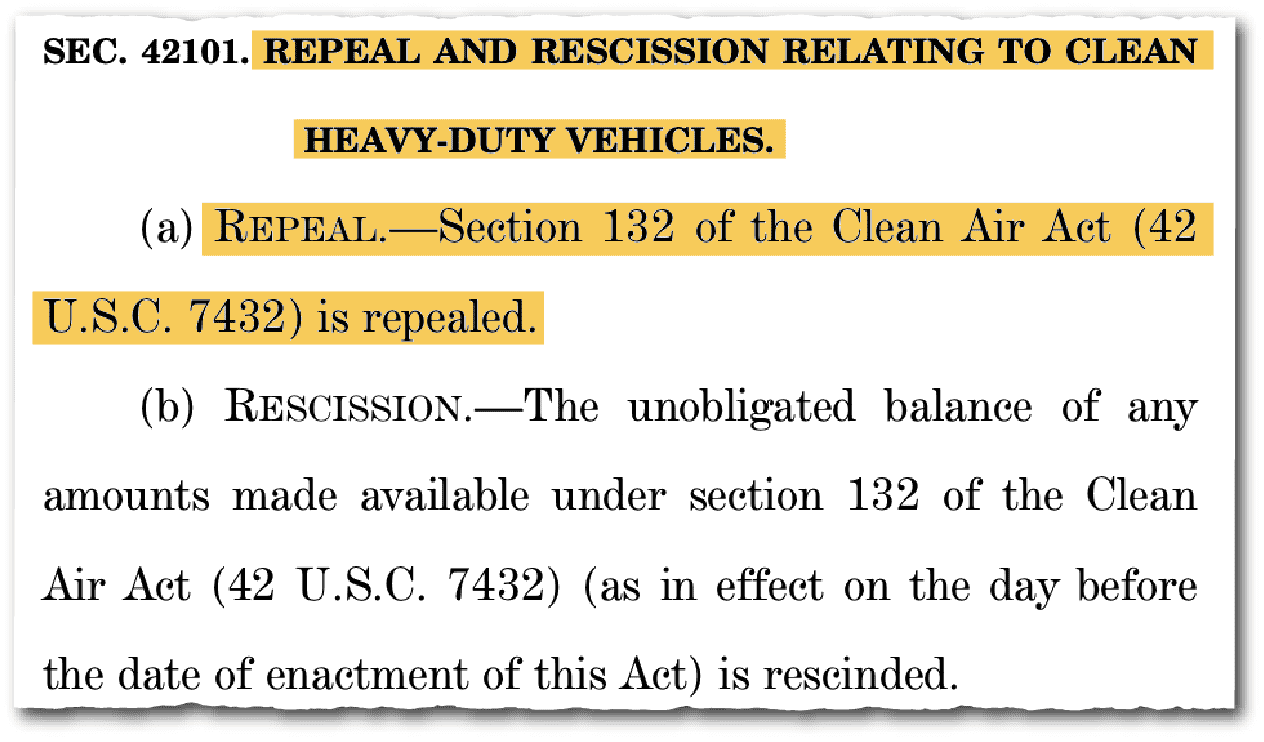
Some fear, however, that Trump’s efforts to gut the Inflation Reduction Act could prove hugely counterproductive.
“If we want to reduce dependencies on China, we should not be pulling back from the investment in the IRA but investing in more R&D and encouraging firms to invest in these long-term technologies,” says Vekasi.
In its current iteration, Trump’s “One Big Beautiful Bill Act” would roll back IRA incentives for the production and adoption of electric vehicles and wind turbines, as well as for the mining and processing of critical minerals. In doing so, analysts argue, the bill will undermine the president’s other efforts to scale up U.S. magnet production and thus help China tighten its hold on the supply chain.
“Business and expert analyses project that China will continue to leverage its power in producing basic minerals to force companies to share new technologies with them,” says Kazumi Nishikawa, head of the Economic Security Office at Japan’s METI. “The Japanese government is very keen in establishing a global coalition to diversify critical minerals supply chains.”
Dempsey agrees: “We must explore as extensively as possible the idea of element substitution to reduce dependence on the most critical elements, and in parallel, the U.S. and Europe need to secure their own reliable permanent magnet supply chain.”
If the U.S. and other western governments do not do this, she adds, “they will remain completely dependent on China”.

Luke Patey is a senior researcher at the Danish Institute for International Studies. He is author of How China Loses: The Pushback Against China’s Global Ambitions. His work has been published in The New York Times, Financial Times, The Guardian, The Hindu, Foreign Affairs and Foreign Policy. @LukePatey