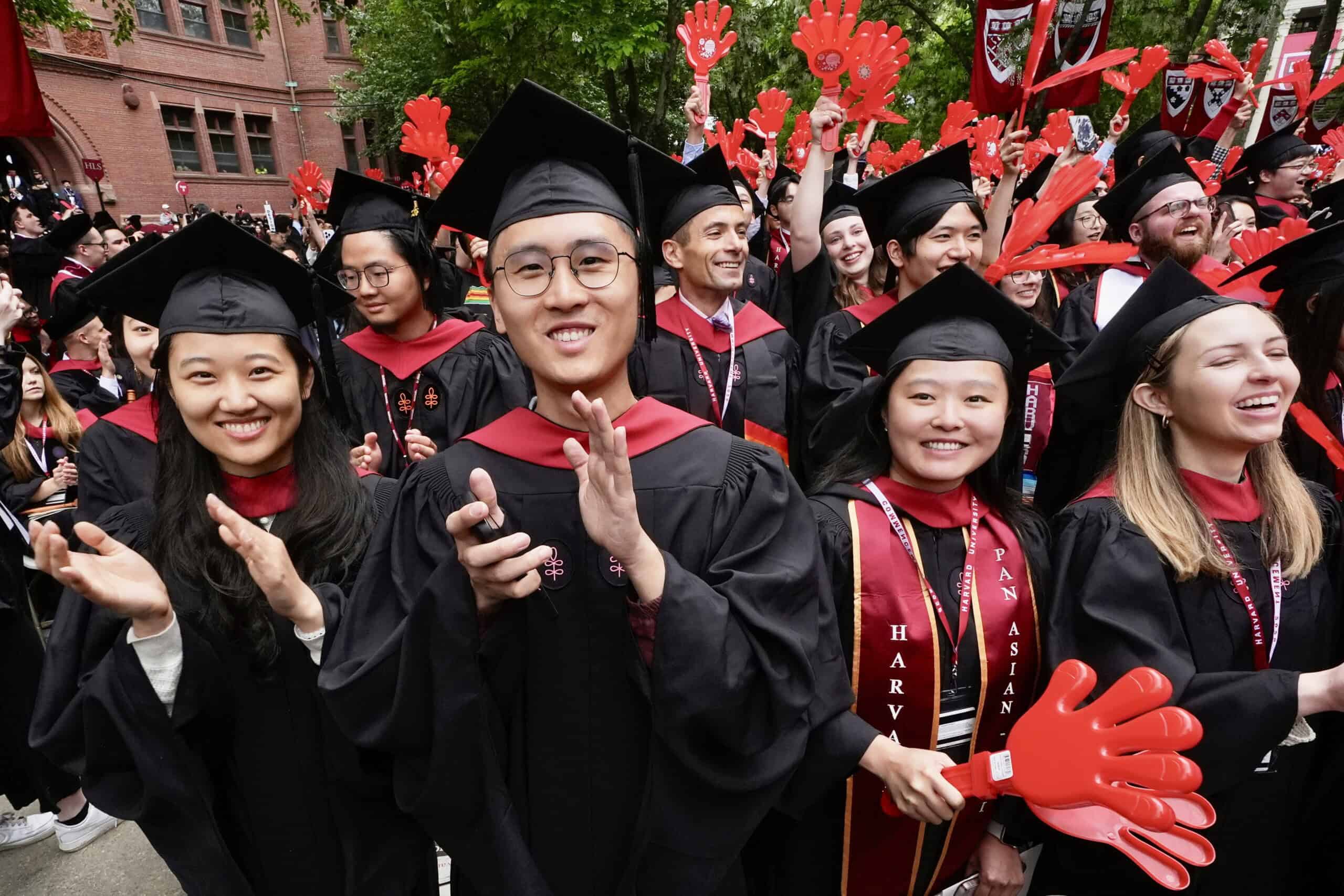
As American and Chinese negotiators met in London this week, Chinese students in the U.S. won a possible reprieve.
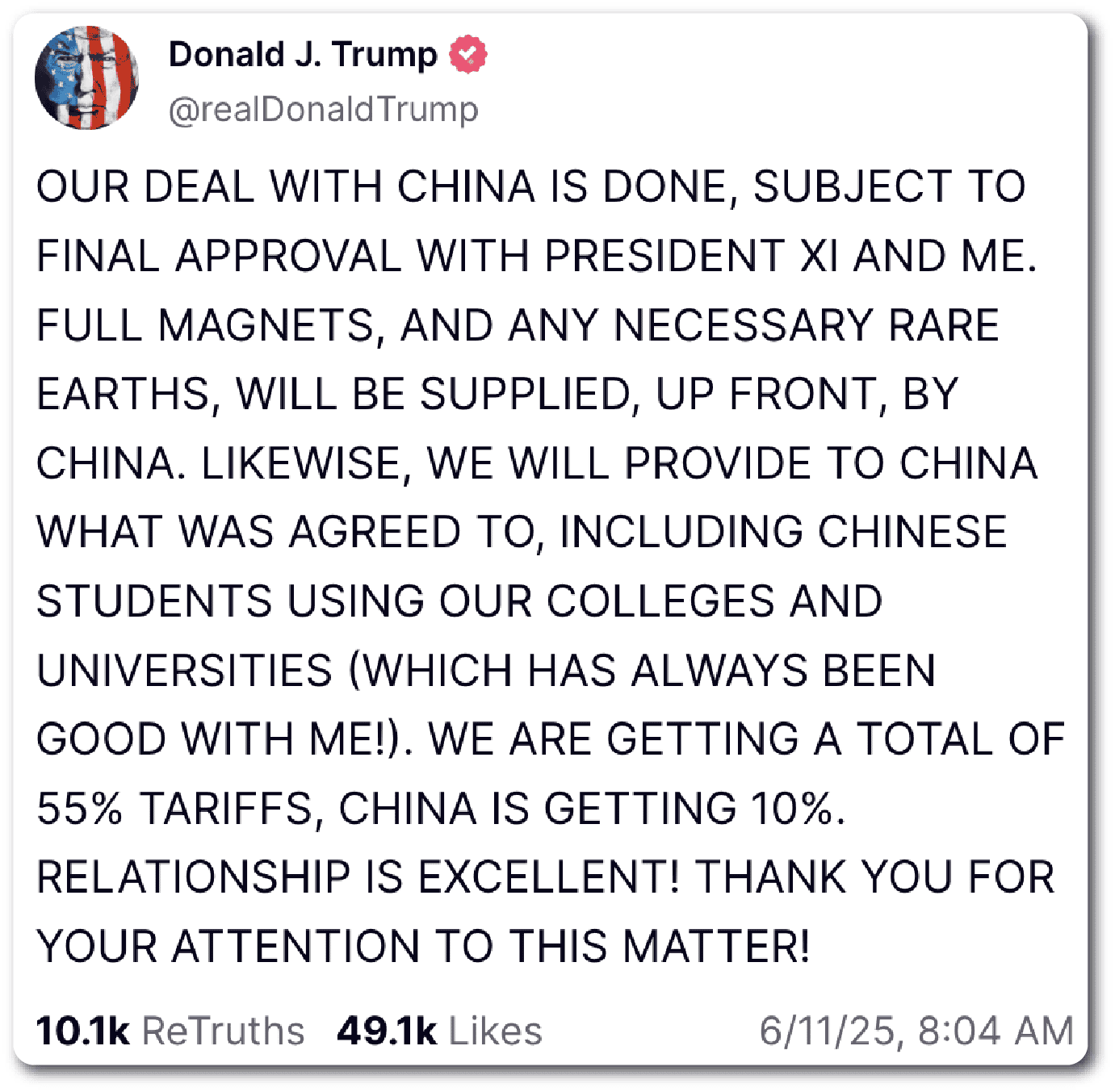
Recapping the trade talks in a social media post on Wednesday, U.S. President Donald Trump said — in a characteristic all-caps social media post — that the U.S. and China agreed to a deal that includes “CHINESE STUDENTS USING OUR COLLEGES AND UNIVERSITIES (WHICH HAS ALWAYS BEEN GOOD WITH ME!).” He did not offer further details.
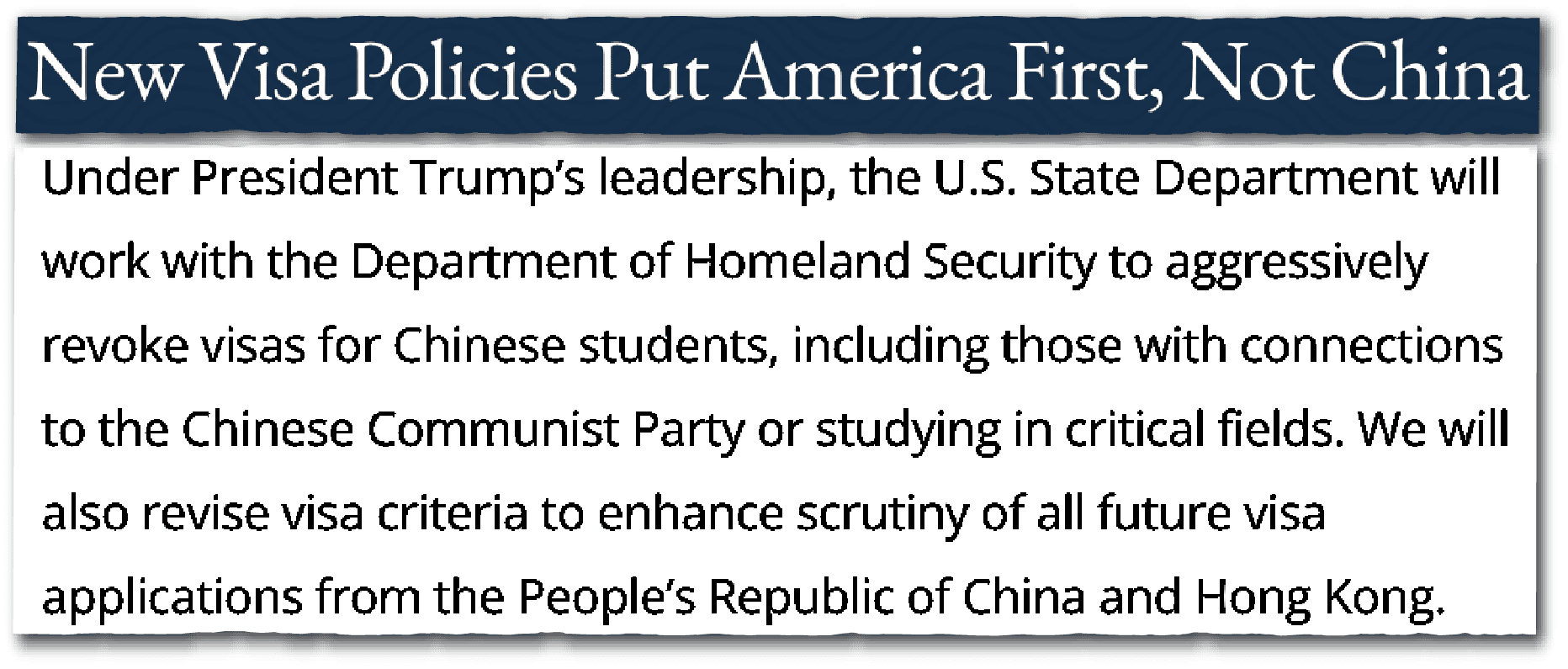
The statement marked an about-face from Secretary of State Marco Rubio’s pledge last month to “aggressively revoke” their visas.
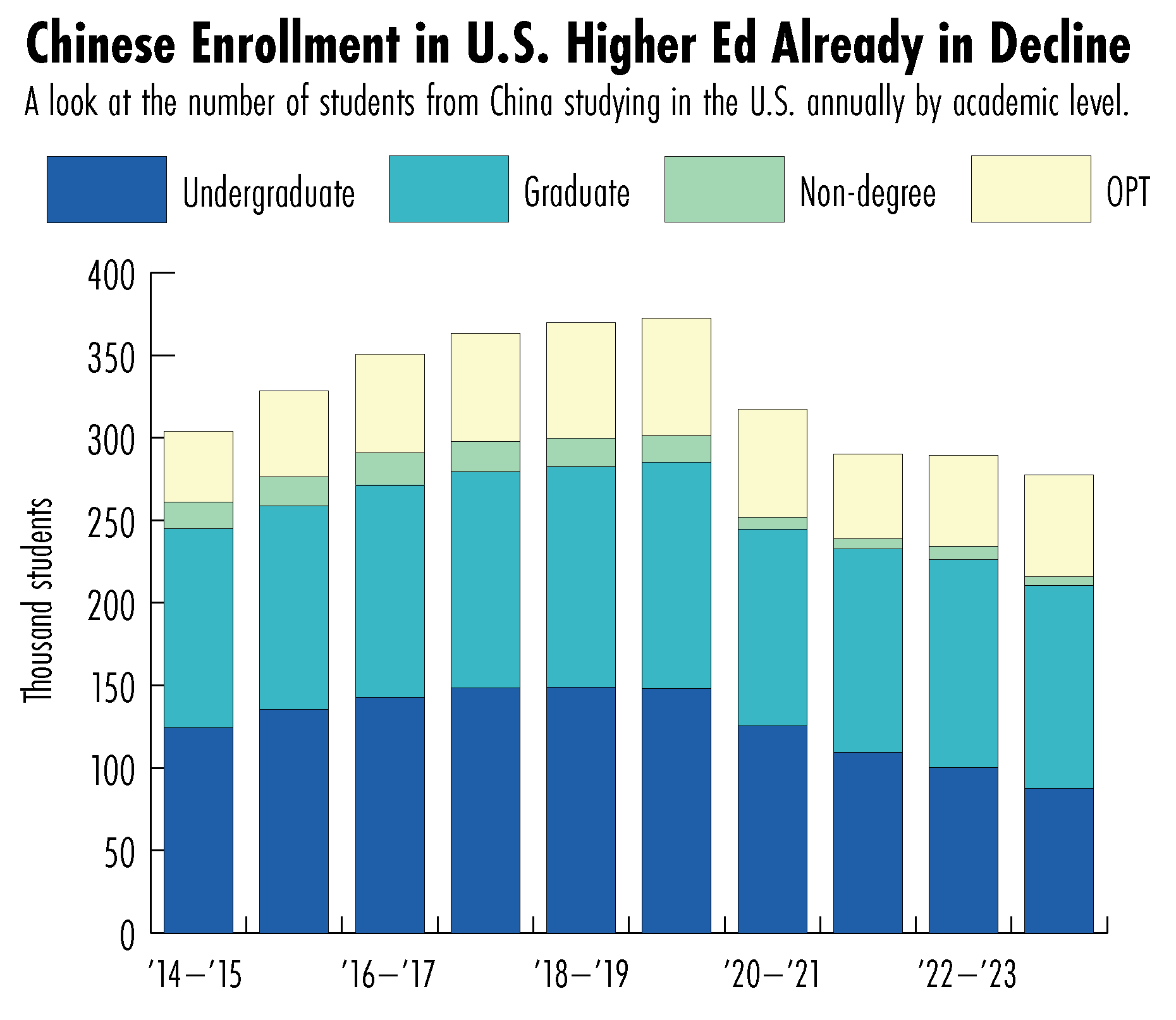
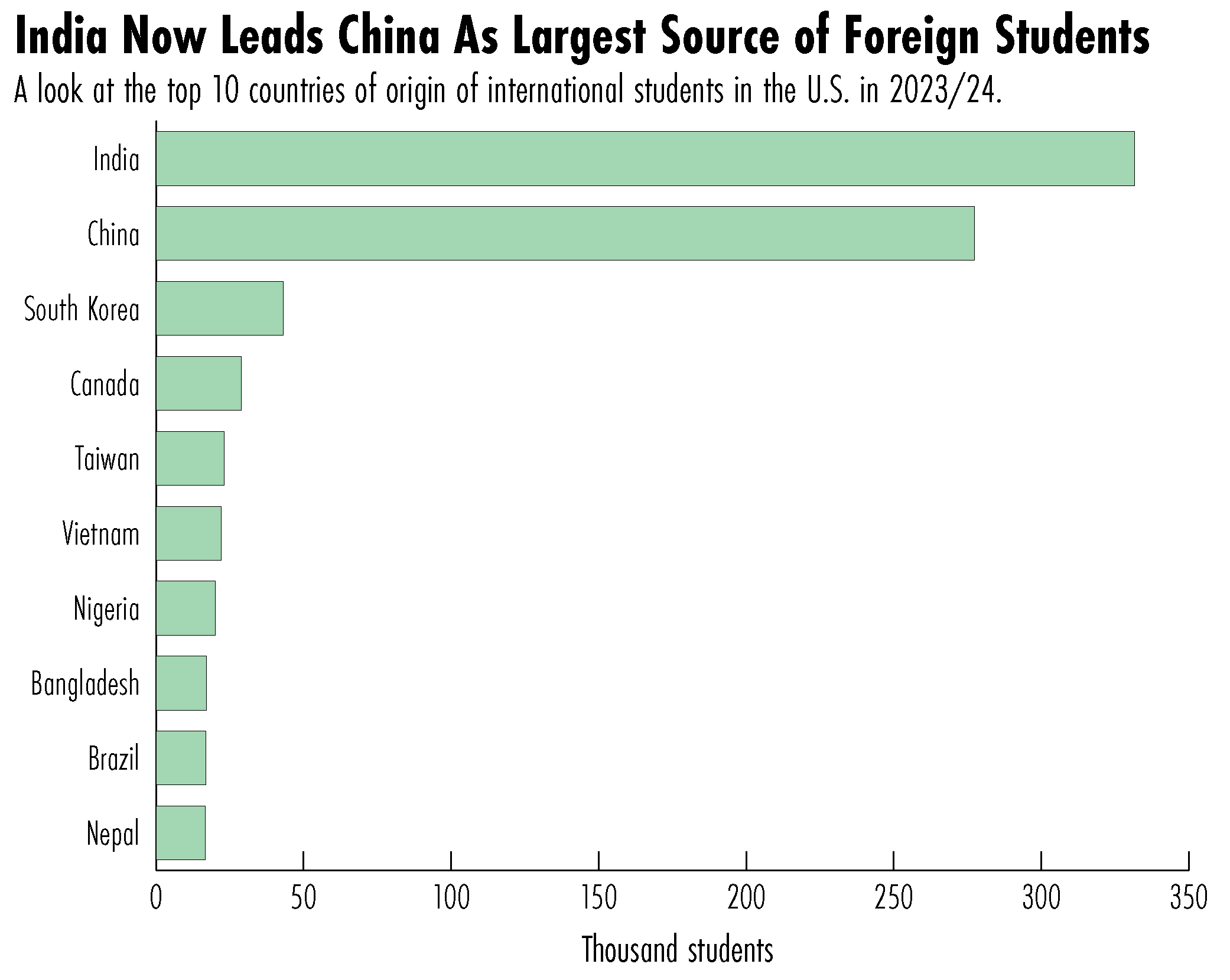
The back-and-forth has created high-stakes confusion for roughly a quarter of the international students in the United States. More than 277,000 Chinese nationals studied in the U.S. in the 2023–24 academic year, good for 24.6 percent of all international students in the country. That figure marked a decline from a prepandemic peak of over 370,000 students.
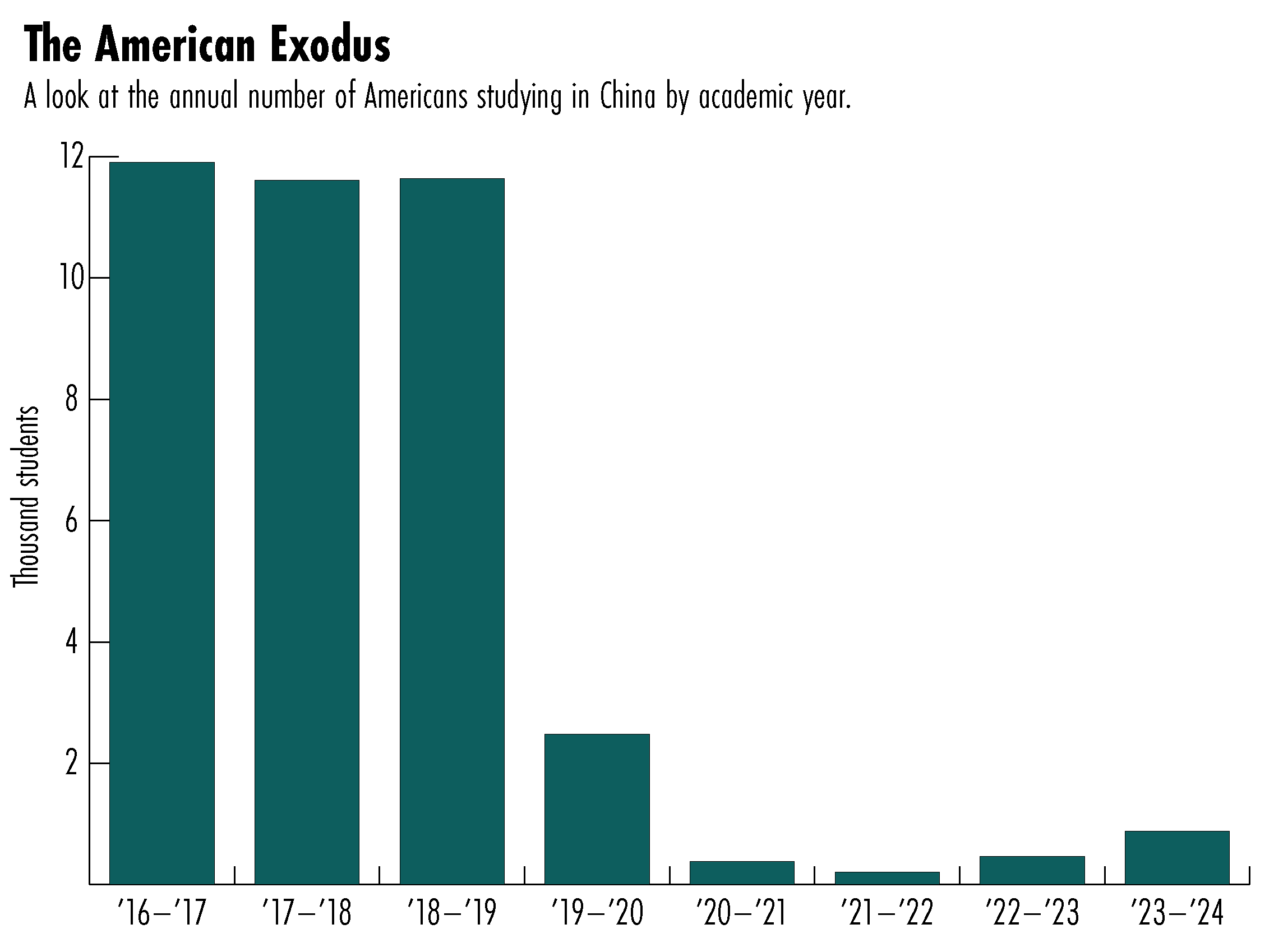
The number of U.S. students studying in China has fallen far more drastically. Less than a tenth as many Americans studied in China last year as in 2018–19, according to government-sponsored data and an interview last year with former U.S. Ambassador to China Nicholas Burns.
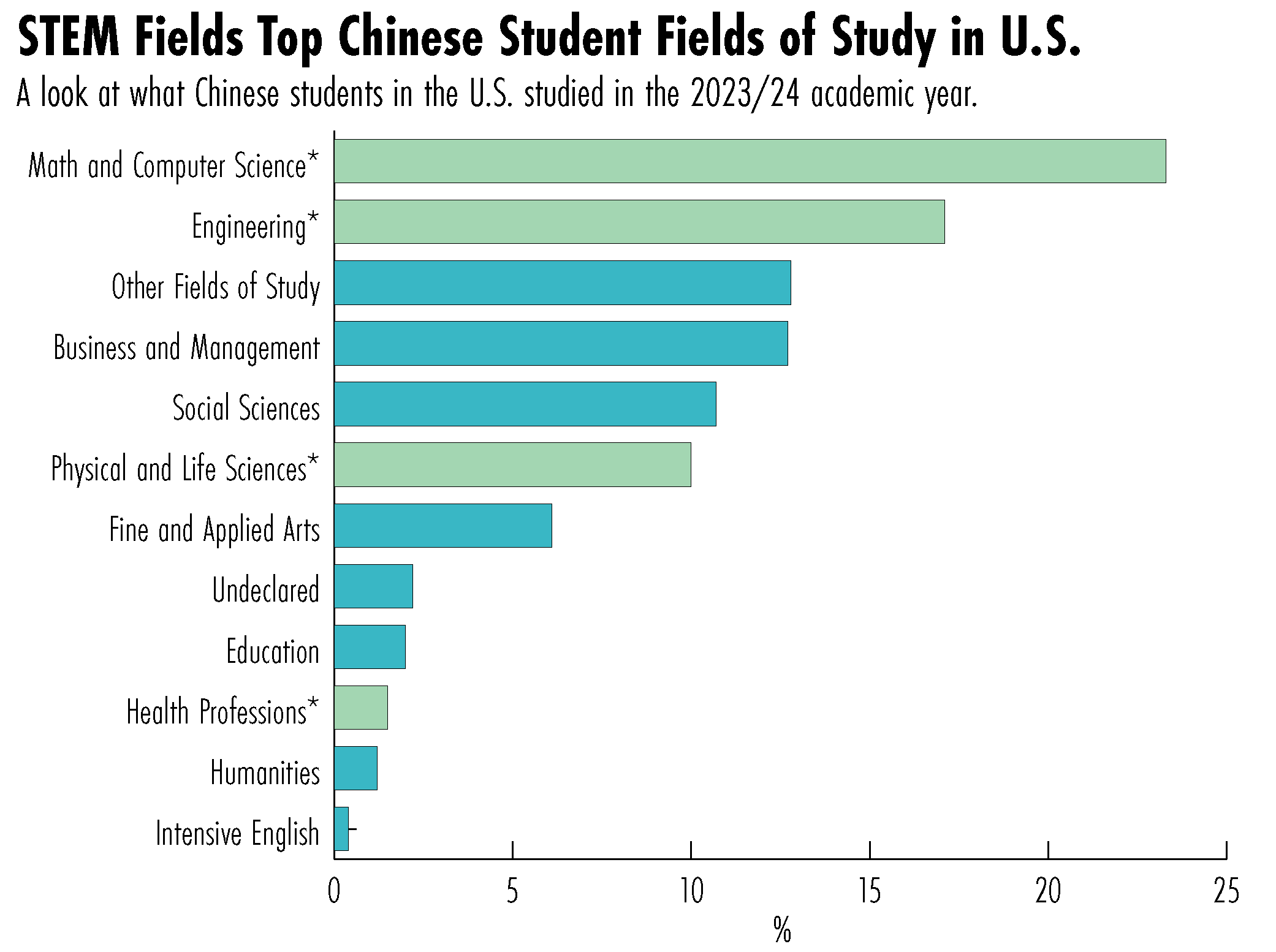
Like many international students in the U.S., Chinese students study science, math, engineering and technology (STEM) more than anything else, according to the Institute of International Education. About half of Chinese students in the United States study STEM disciplines, compared to about three-quarters of their peers from India, the leading supplier of international students to the United States. Foreign students with STEM degrees can generally stay in the country for up to three years after graduation, compared to one year for students with other degrees.
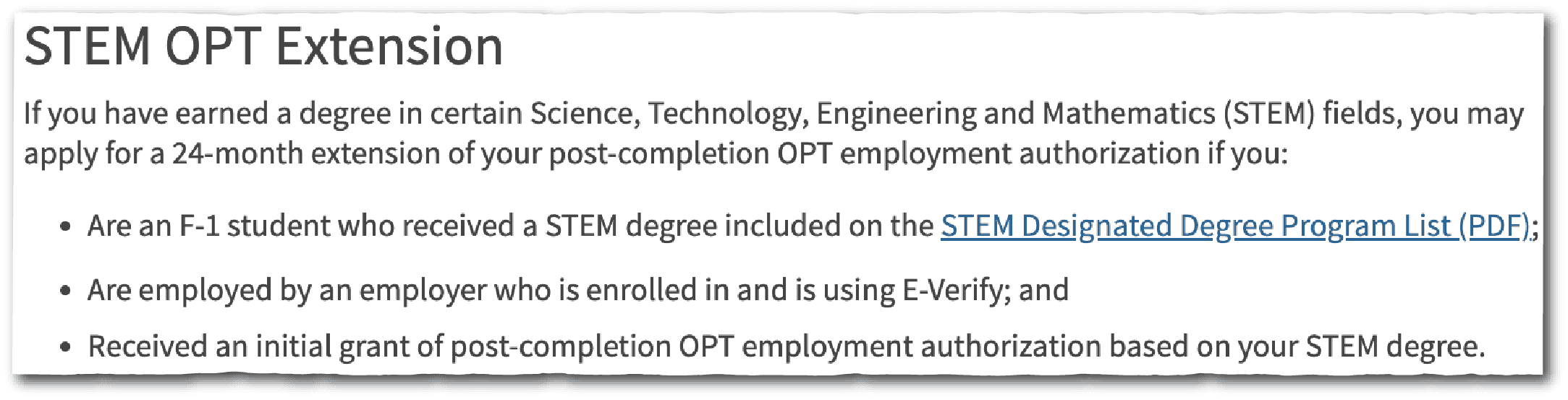
One recent Chinese graduate from a master’s program at Georgetown University said she had chosen a data science-focused program in part because of the extra two years of work authorization it would confer. She still plans to work in the U.S., but most of her Chinese classmates have returned home.
It really shakes my understanding about the U.S.. I feel like it’s a country based on evidence, based on law, but now you want to stop international students, even though we really did nothing.
A recent Chinese graduate from a master’s program at Georgetown University
Trump’s commitment to allow Chinese students to remain at American schools has done little to calm her nerves. “I feel very panicked,” she said. “It really shakes my understanding about the U.S.. I feel like it’s a country based on evidence, based on law, but now you want to stop international students, even though we really did nothing.”
Rubio and other China hawks see risks in training Chinese students to do cutting-edge research with potential military applications. Bills currently circulating through the House of Representatives and the Senate would halt all student visas for Chinese nationals.
However, research suggests that more highly educated Chinese STEM students stay in the U.S. than return home. About 90 percent of the roughly 55,000 Chinese nationals who graduated from U.S. STEM PhD programs between 2000 and 2015 were still in the United States in 2017, a 2022 report by the Georgetown University Center for Security and Emerging Technology (CSET) found.
A chemistry PhD student from Beijing who is studying at Princeton University said he wants to stay in the U.S. after graduation and start a biotech company to “make useful drugs that will cure diseases.”
“If any bad things happen, like my visa getting revoked, the worst situation is I’ll go back to China and find a job there,” he said.
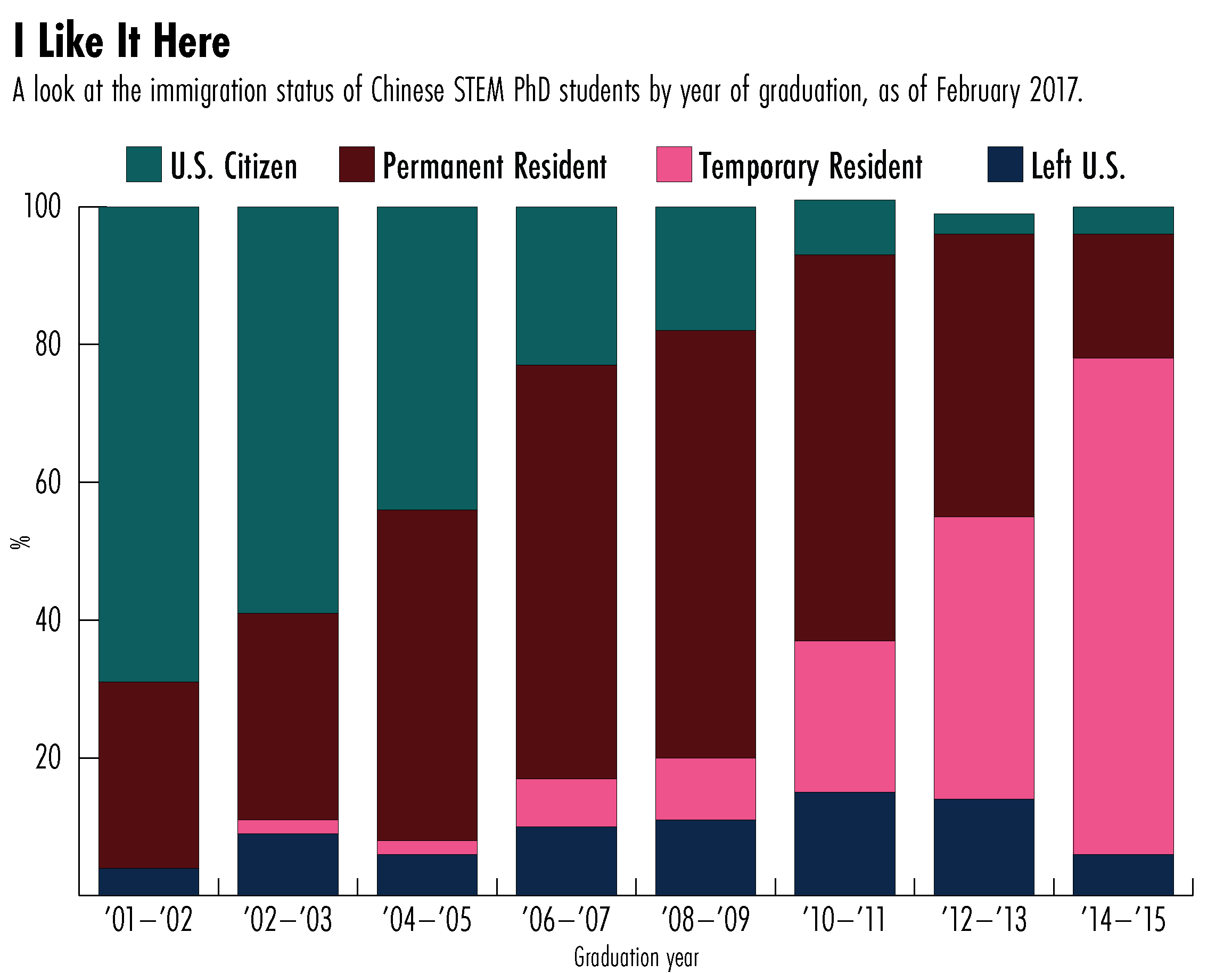
Heightened scrutiny of Chinese students could lead more to leave the United States in the coming years. Official data suggests this has not yet happened, though. Surveys by the National Center for Science and Engineering Statistics, a wing of the National Science Foundation, shows that 83 percent of Chinese nationals on temporary visas who received science and engineering doctorates between 2017 and 2019 remained in the U.S. as of 2023.
An incoming Harvard University doctoral student said that before the Trump administration turned its attention to Chinese students, she “100 percent” wanted to stay in the U.S.. “Now if you would give me an opportunity in the UK, I would be considering it more.” China is less of a consideration, she said, because she is “not a fan of the CCP.”
Other Chinese students might choose to avoid the United States in the first place. This trend is already underway. India overtook China last year as the leading source of international students in the U.S..
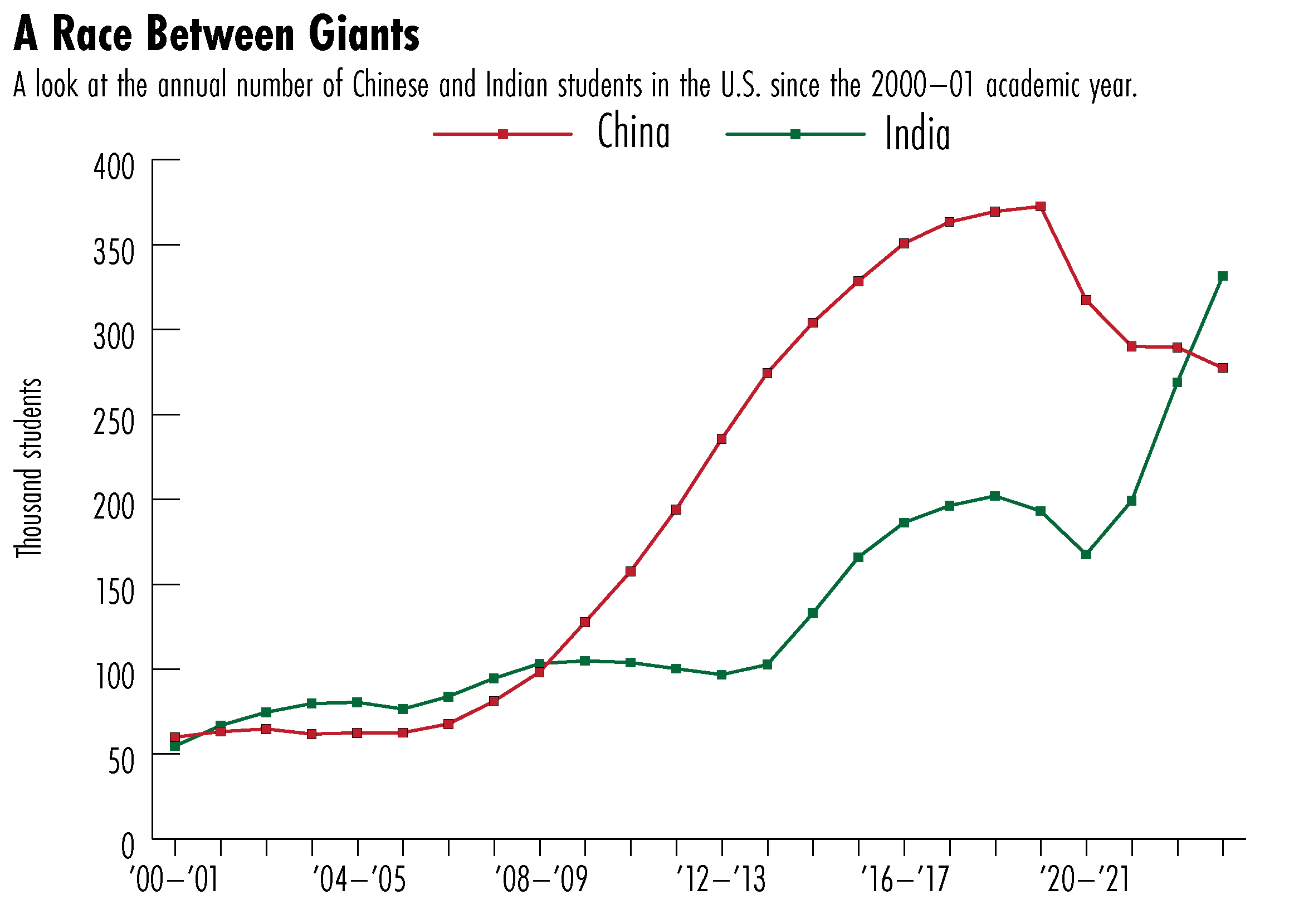
The world’s two most populous countries have long been the largest suppliers of students to American universities. With uncertainty looming around the future of U.S.-China relations, and for Chinese students in particular, American academia’s foreign crown could remain India’s for the years to come.

Noah Berman is a staff writer for The Wire based in New York. He previously wrote about economics and technology at the Council on Foreign Relations. His work has appeared in the Boston Globe and PBS News. He graduated from Georgetown University.

Dean Minello was a summer staff writer for The Wire based in New York. He is a junior at Princeton University studying Public & International Affairs with a minor in East Asian Studies, and does research at Princeton’s Center for Contemporary China. Proficient in Mandarin, Dean is interested in authoritarian politics, human rights, and U.S.-China relations.