China’s latest economic stimulus measures are likely to provide only a temporary boost: much more fundamental change is needed to shift the country’s growth higher.
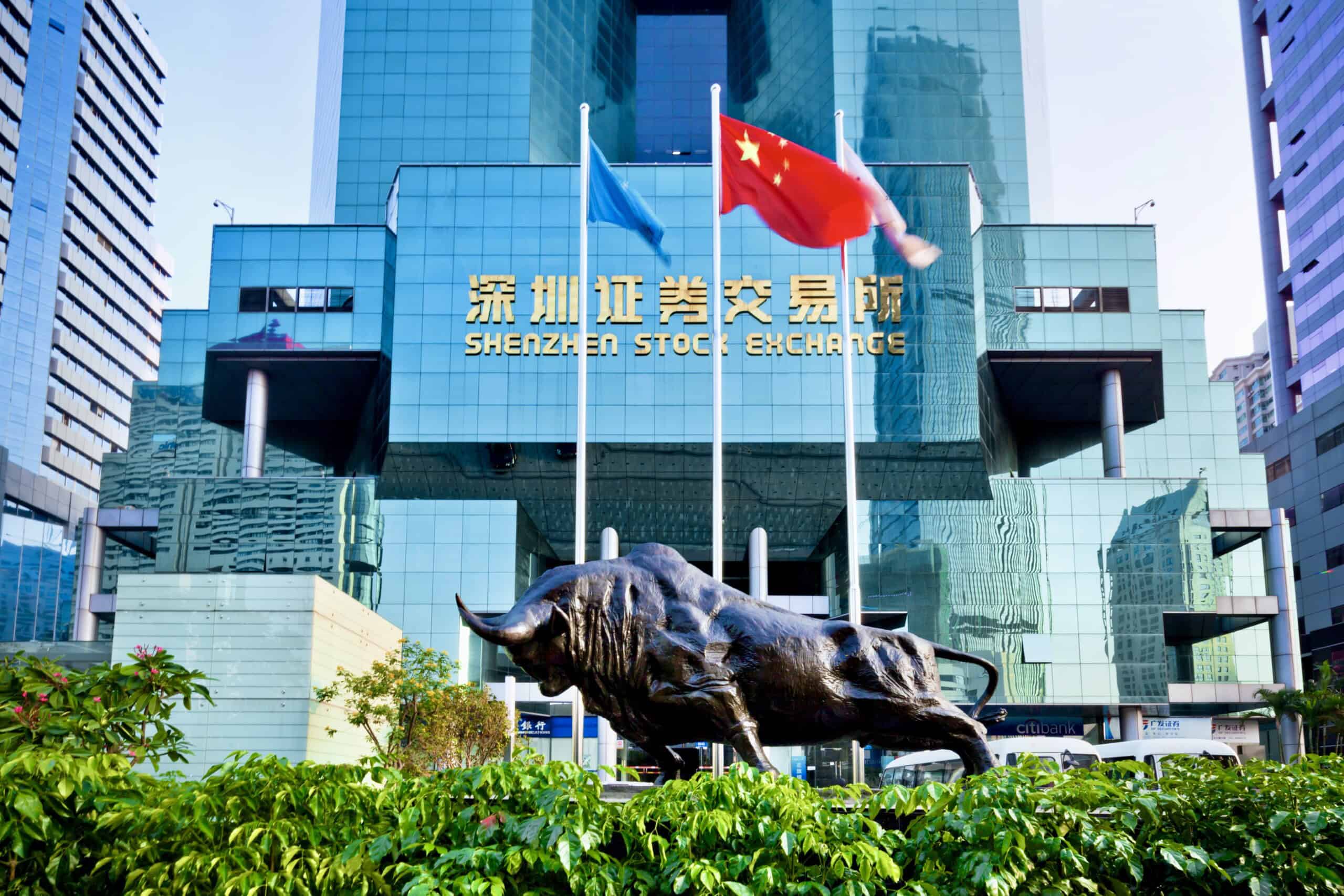
The Shenzhen Stock Exchange building in Shenzhen, China. Credit: Nikada via iStock.com
The series of fiscal and monetary stimulus policies either announced by the Chinese government or speculated upon by the market in recent days have provided a substantial boost to China’s previously gloomy stock market. Measures such as lowering interest rates, reducing the banks’ reserve requirement ratio — which on paper should allow them to lend more — and targeted support for local governments, the industrial sector, and households with children have lifted investors’ growth expect
Exclusive longform investigative journalism, Q&As, news and analysis, and data on Chinese business elites and corporations. We publish China scoops you won't find anywhere else.
A weekly curated reading list on China from Andrew Peaple.
A daily roundup of China finance, business and economics headlines.
We offer discounts for groups, institutions and students. Go to our Subscriptions page for details.
The U.S. and EU are restricting Chinese inverters over cybersecurity and supply-chain concerns, but replacing them may create new challenges for the renewable-energy industry.
The former Trump official argues that the president’s approach to China is working, and explains why time is on the American side as the U.S. and China continue to move apart.
Corporate Risk Intelligence for National Security, Compliance & Due Diligence
We use cookies to ensure that we give you the best experience on our website. If you continue to use this site we will assume that you are happy with it.