China and the United States are both seeing high levels of private investment in electric vehicles, but is public infrastructure development keeping pace?
Credit: Oregon Department of Transportation via Flickr
The electric vehicle and battery industry has become a key battleground in the strategic competition between China and the United States. In the U.S. alone, that has translated into an investment boom: Since 2021, private companies have announced $137 billion worth of investment into the sector, according to data recently published by the White House.
Getting the tech right is one thing, however: also vital to the future of EVs is putting the infrastructure in place, such as charging st
Exclusive longform investigative journalism, Q&As, news and analysis, and data on Chinese business elites and corporations. We publish China scoops you won't find anywhere else.
A weekly curated reading list on China from Andrew Peaple.
A daily roundup of China finance, business and economics headlines.
We offer discounts for groups, institutions and students. Go to our Subscriptions page for details.
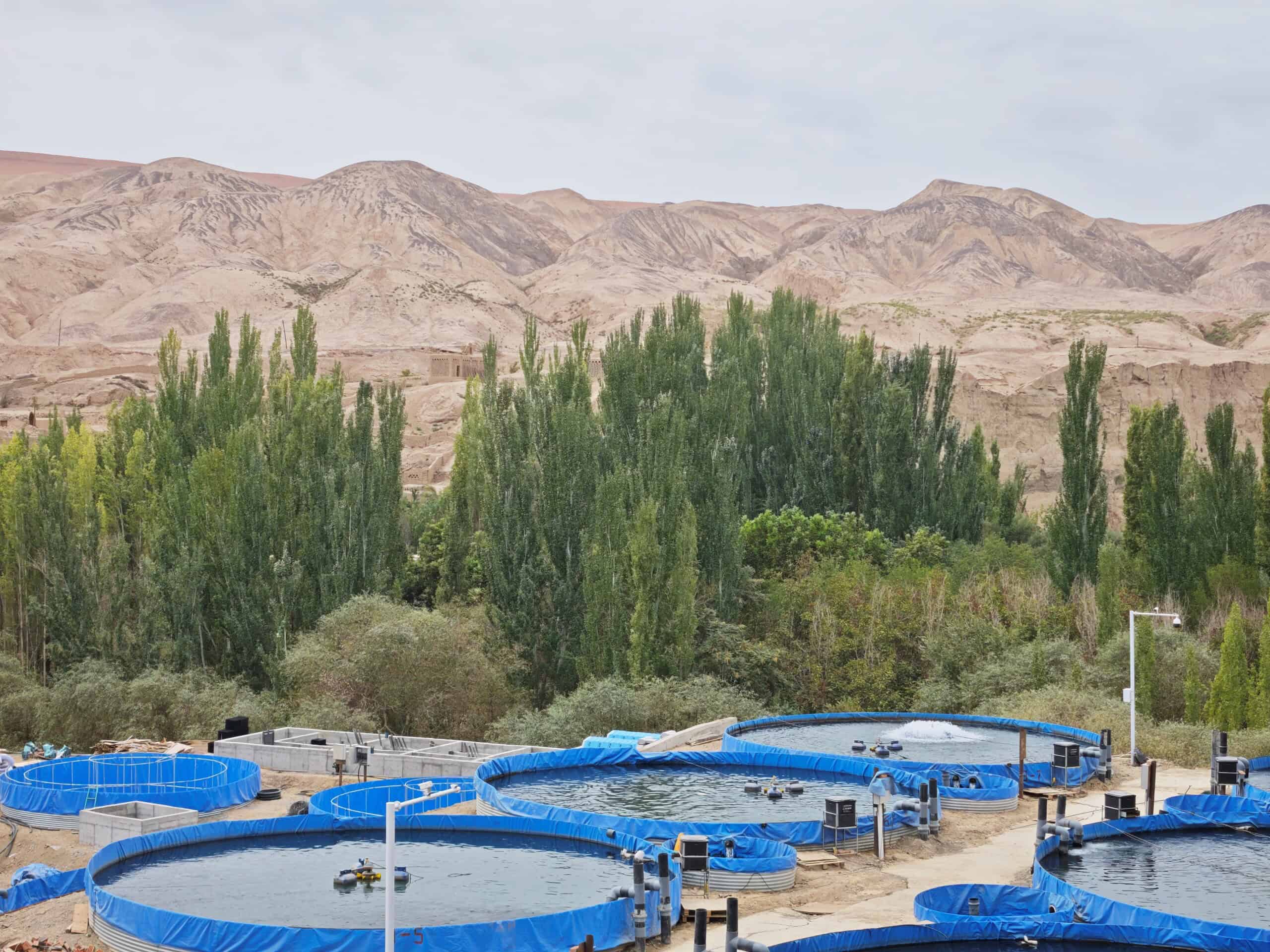
Fish farming in Xinjiang is being sold as proof that technology can overcome geography. The reality is more complicated: a desert seafood boom built on political control, imported feed and a food system that masks its real burdens.
The foreign correspondent describes meeting with the Uyghurs from Xinjiang who played a key role in the Syrian civil war, but who now find themselves potentially stateless.
Corporate Risk Intelligence for National Security, Compliance & Due Diligence
We use cookies to ensure that we give you the best experience on our website. If you continue to use this site we will assume that you are happy with it.