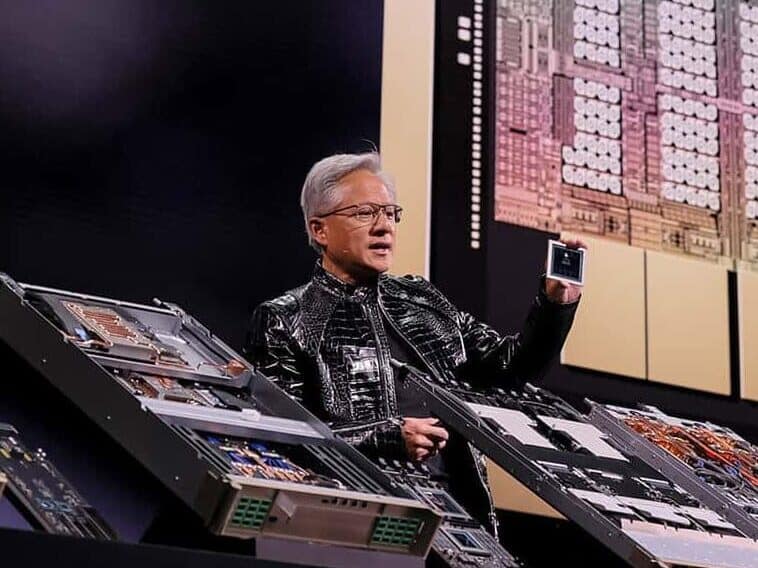
When Nvidia pitched the Trump administration last year to let it sell advanced AI chips to China, the world’s biggest chipmaker issued a clear warning: Huawei, its most formidable Chinese rival, could soon dominate the global industry.
In a report that Nvidia presented to the U.S. government — which The Wire has reviewed — the company warned that Huawei’s stockpile of chips, along with growing capacity at its manufacturing partner Semiconductor Manufacturing International Corp. (SMIC), give it “the flexibility to satisfy global AI chip demand.”
“If Nvidia is kept out of the China market, Huawei production and sales will soar,” the report said, although it did not specify a timeframe or refer to the differences in performance between Nvidia and Huawei chips.
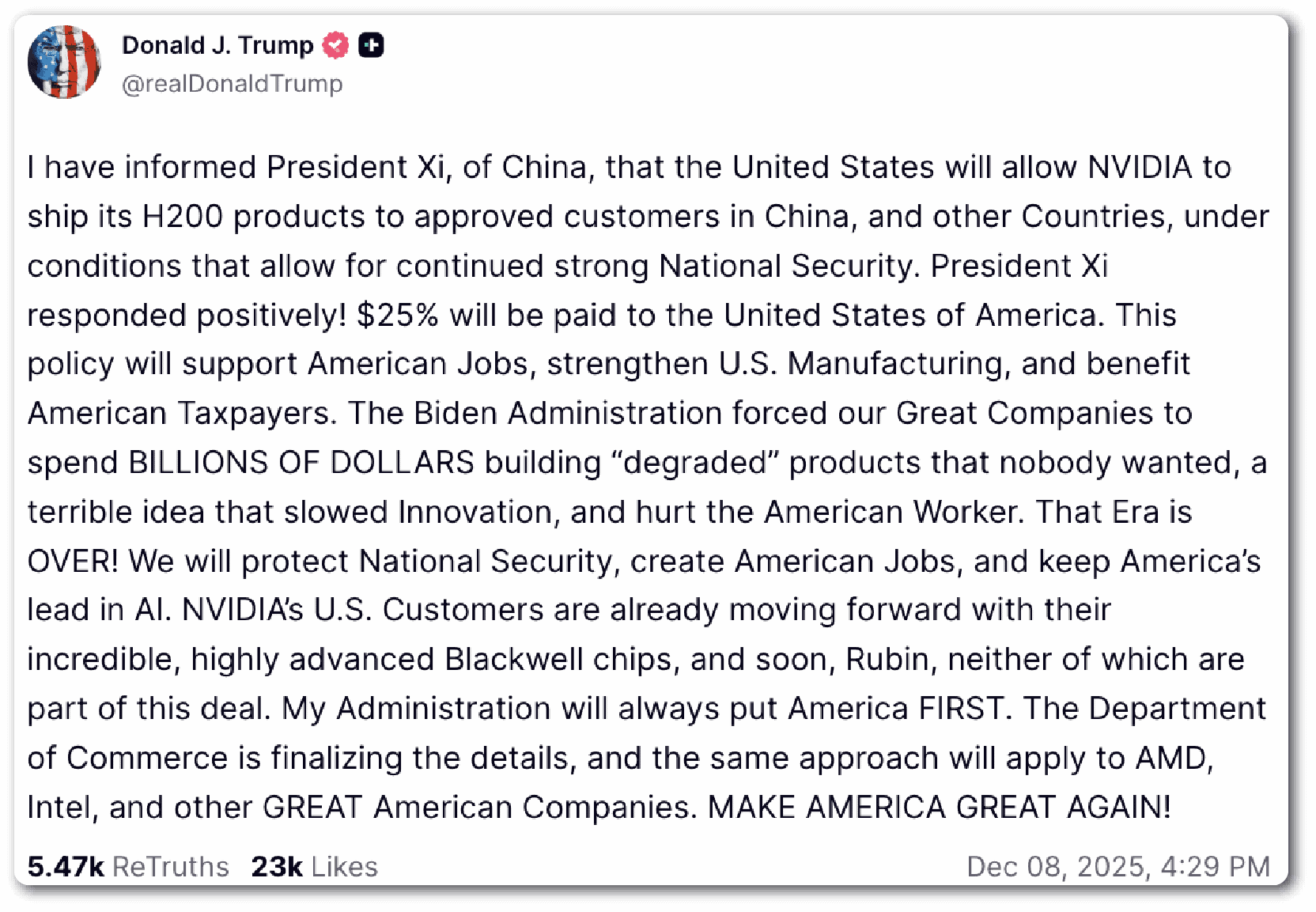
The pitch — alongside Nvidia Chief Executive Jensen Huang’s personal diplomacy — worked. President Trump announced that his administration would allow Nvidia to sell its H200 chips to China last December. The government had previously restricted Nvidia from selling China the chip, which it launched in 2023, due to export controls the Biden administration put in place.
Nvidia’s analysis sheds light on how the world’s most valuable company has presented Huawei’s growing capabilities as justification for it to be able to sell more to China, the world’s second-largest market for chips after the U.S.
Nvidia is attempting to “scare U.S. policymakers that Huawei is this great big threat,” says Gregory Allen, an expert on semiconductor export controls. “They are, but not in the way Nvidia is claiming.”
“[But] there is no apples-to-apples comparison between Nvidia chips and Huawei chips,” says Allen, who supports export controls. “Having a lot of chips is not a synonym for being competitive in the marketplace.”
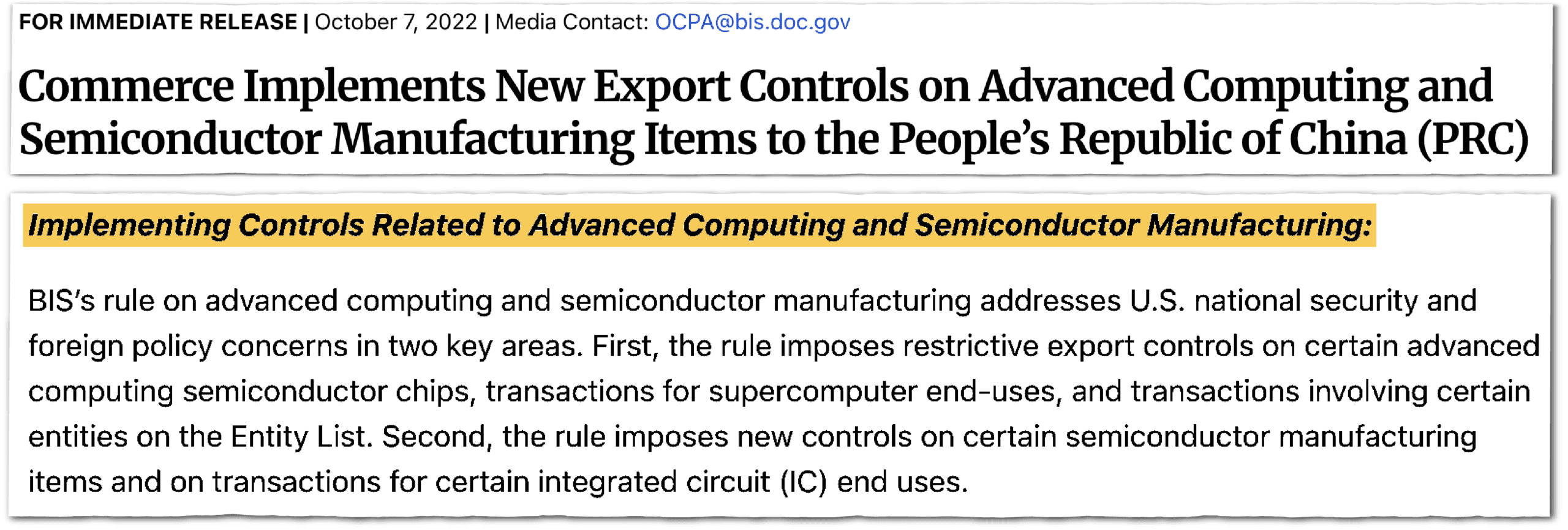
Since the Biden administration first imposed export controls on AI chips in 2022, Nvidia’s market share in China has fallen to zero, Huang has said.
In the report it presented to the government, Nvidia estimated that Huawei sold between 200,000 and 450,000 AI chips in 2024 and that it would sell 1 million in 2025. It also estimated that by the end of this year SMIC — which manufactures chips based on Huawei’s design and technology — will have made more than 700,000 Ascend 910C chips, one of Huawei’s most advanced, with production reaching 50,000 of these chips per month. By 2027, the report said, SMIC would be producing several million of Huawei’s less advanced 910B chips.
Huawei simply does not pose a competitive threat to Nvidia globally right now. Huawei’s chips are nowhere near as good, and it can’t make nearly enough of them.
Chris McGuire, a senior fellow at the Council on Foreign Relations
Those numbers far exceed Commerce Secretary Howard Lutnick’s estimate in congressional testimony last June that China could make just 200,000 advanced chips in 2025.
A Nvidia spokesperson declined to comment on the report. “The ability of China’s domestic ecosystem to yield and scale competitive AI systems is a fact, evidenced by leading Chinese models that are optimized to perform on domestic hardware,” the spokesperson said.
But even on Nvidia’s numbers, Huawei would remain way short of the American company’s chip output, let alone being able to “satisfy global demand.”
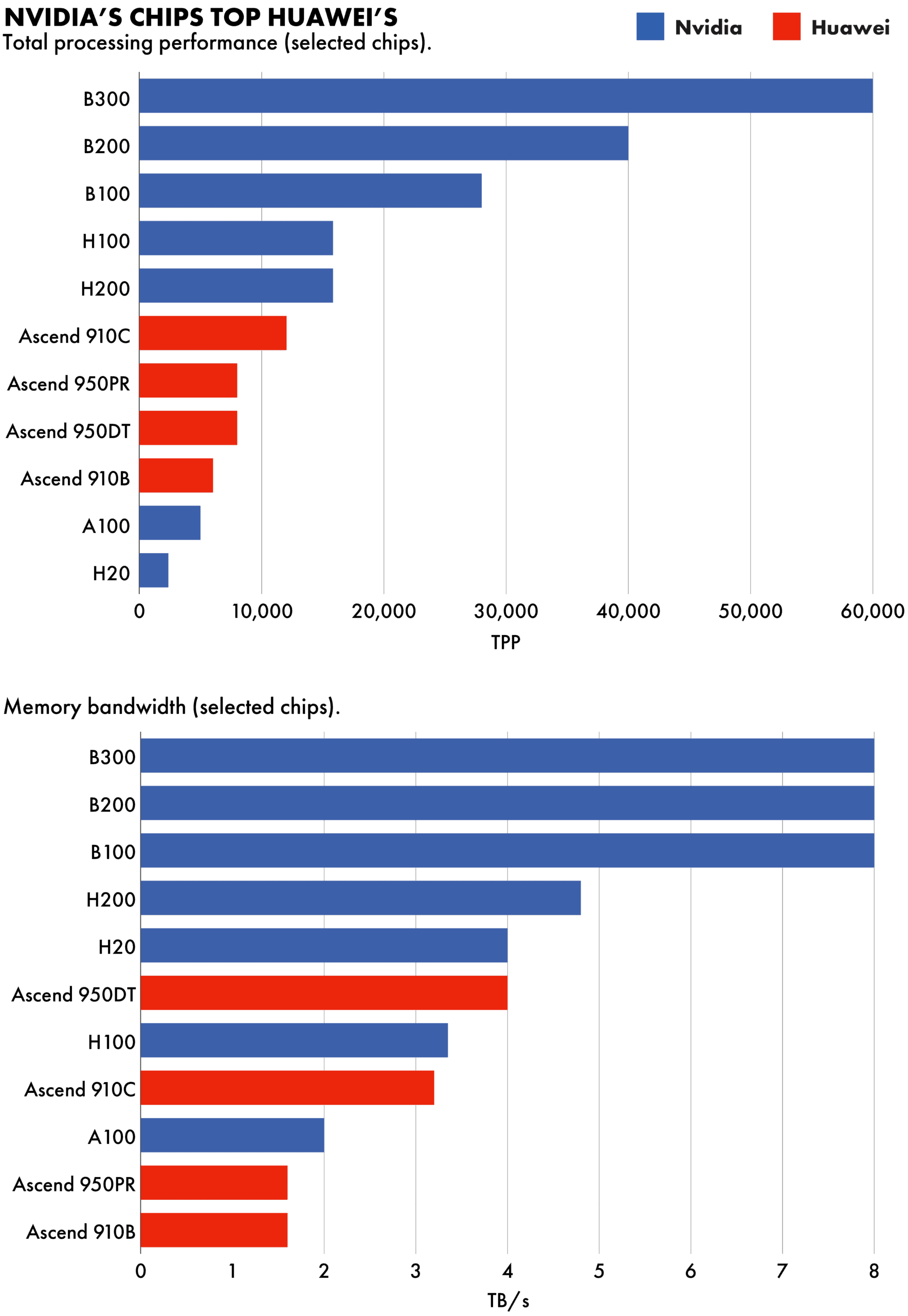
In a report published in December, Chris McGuire, a senior fellow at the Council on Foreign Relations, estimated that if Huawei made 800,000 Ascend 910C chips in 2025 — a figure at the high end of several estimates — that would amount to just 5.3 percent of the total processing power of Nvidia’s chip production that year.
McGuire also estimates that Nvidia’s lead by performance will only grow, even if Huawei were to make 2 million AI chips this year and 4 million in 2027. Industry analysts measure performance by how many calculations a chip can do per second and how fast it can move data around, with Nvidia’s best chips capable of doing far more than those of Huawei.
“Huawei simply does not pose a competitive threat to Nvidia globally right now,” says McGuire, formerly a national security official who helped design U.S. chip controls. “Huawei’s chips are nowhere near as good, and it can’t make nearly enough of them.”
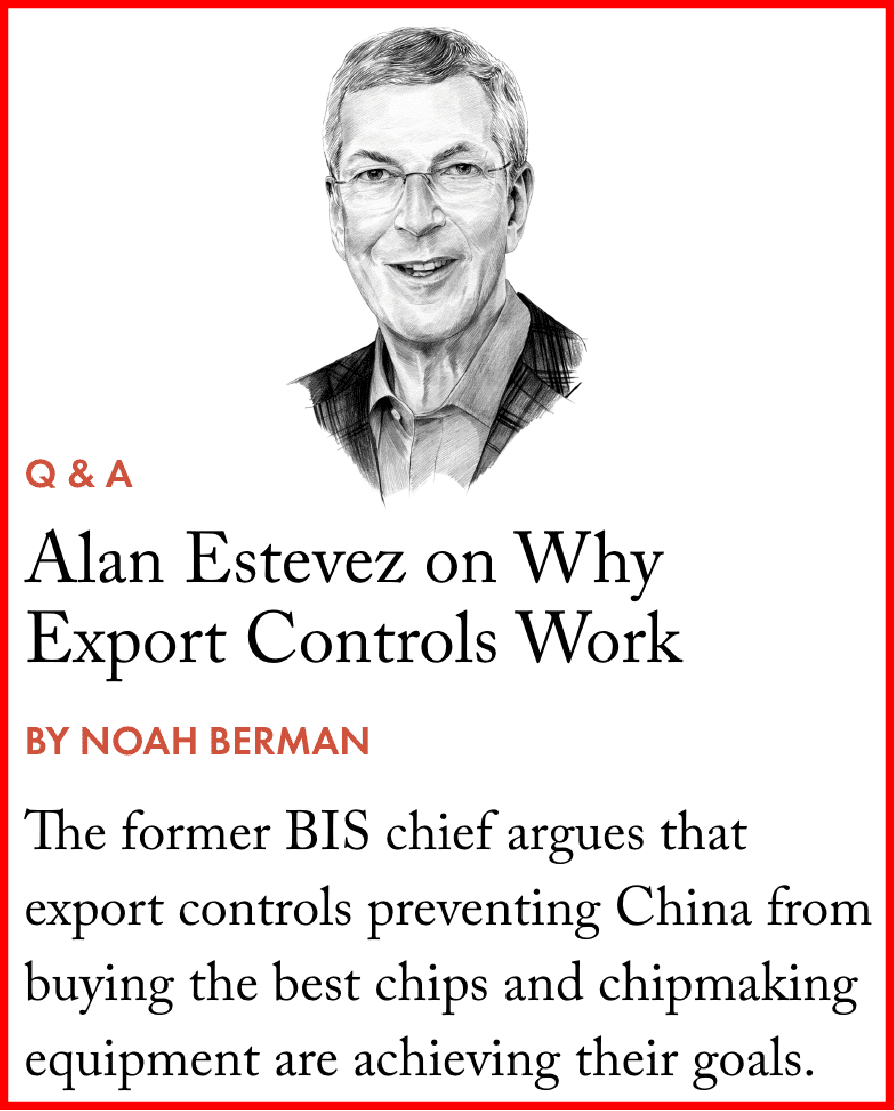
Ironically, he adds, Nvidia has a lead over Huawei largely because of U.S. export controls on semiconductor manufacturing equipment, the lack of which has degraded China’s ability to make AI chips.
Nvidia’s analysis did not contain any of its own new modeling of Huawei’s capabilities. Instead its report cited estimates from outside research groups, including think tank the Center for Strategic and International Studies, the consultancy Semianalysis, and a handful of Wall Street firms including Bernstein and Morgan Stanley.
The report also cited Reuters reporting that Huawei had built a stockpile of between 2 and 3 million of its own AI chips made by Taiwanese chipmaker TSMC, which it had obtained via illegal diversion by the Chinese company Sophgo. Companies such as TSMC that make chips using American technology must follow U.S. export controls, which effectively prevent sales to Huawei.
By choosing to highlight that stockpile in its report, Nvidia is in fact underscoring how export controls are succeeding in holding Huawei back, says Lennart Heim, an independent researcher who studies chip and AI policy.
“If they were able to produce that many chips themselves, why would they go to TSMC?” he asks. Even though figures such as 2 to 3 million AI chips sound significant, “this number is tiny” relative to the more than 60 million 910C-equivalent chips that the U.S. will have produced between January 2025 and the end of this year, Heim adds.
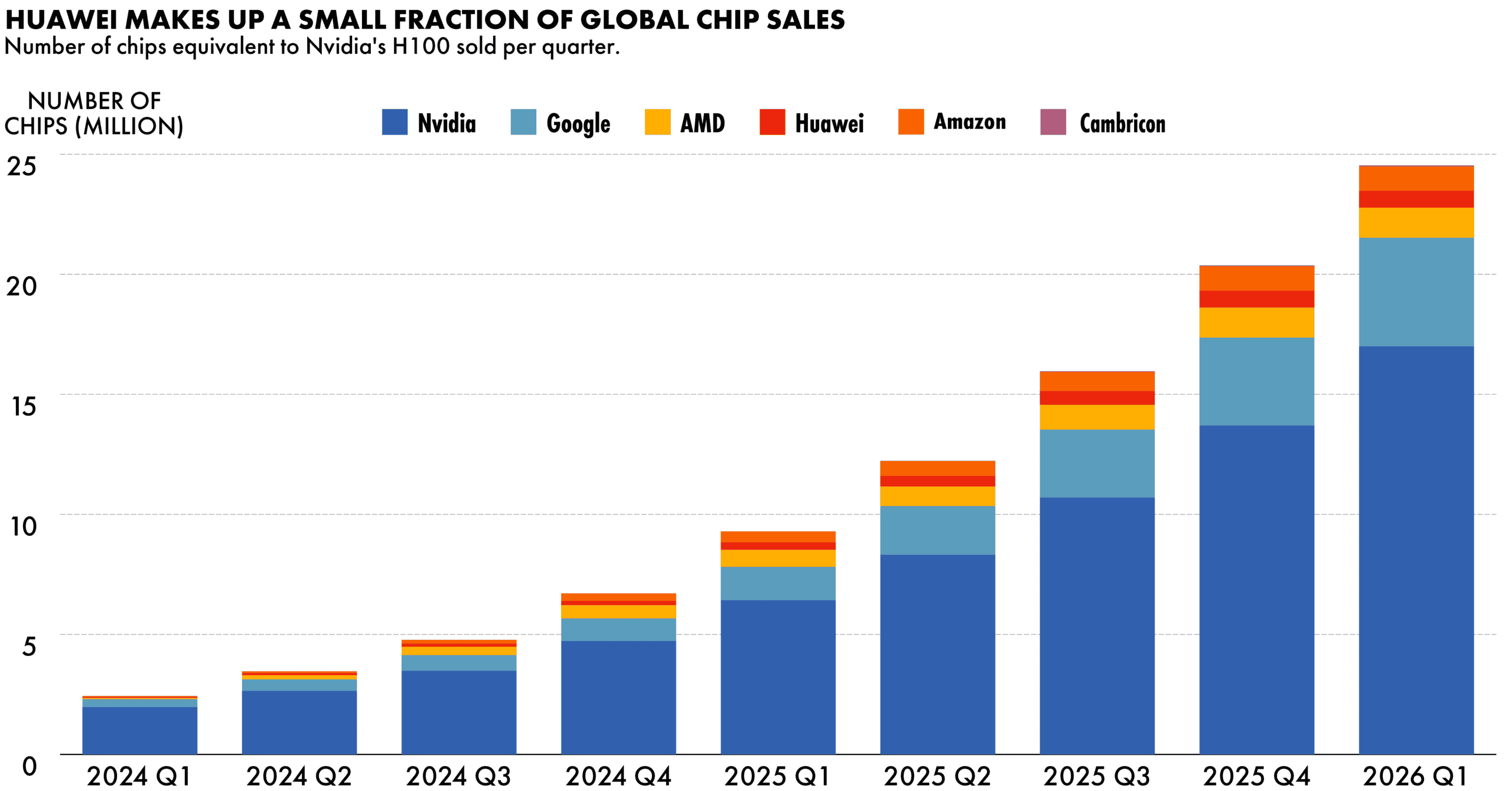
Huawei made just 6 percent of the total AI chips sold worldwide during the first quarter of this year, and half that amount after adjusting for the fact that the company’s chips are not as powerful as Nvidia’s, according to Epoch AI, a research institute.
While Nvidia’s report framed its argument on AI chip export controls around its competition with Huawei, others argue that a more important issue is that the restrictions will incentivize Chinese companies to try to catch up with their American rivals.
“There are good arguments against export controls,” Heim says. But instead of articulating those, Nvidia is “trying to use technical terms to confuse people.”
Nvidia has really damaged their credibility on Capitol Hill by saying things that were incredibly difficult to believe. I hope that would give members of Congress and staffers and the White House pause about taking numbers, and the interpretation of those numbers, at face value.
Gregory Allen, an expert on semiconductor export controls
“Huawei has no way right now to satisfy global demand,” he adds.
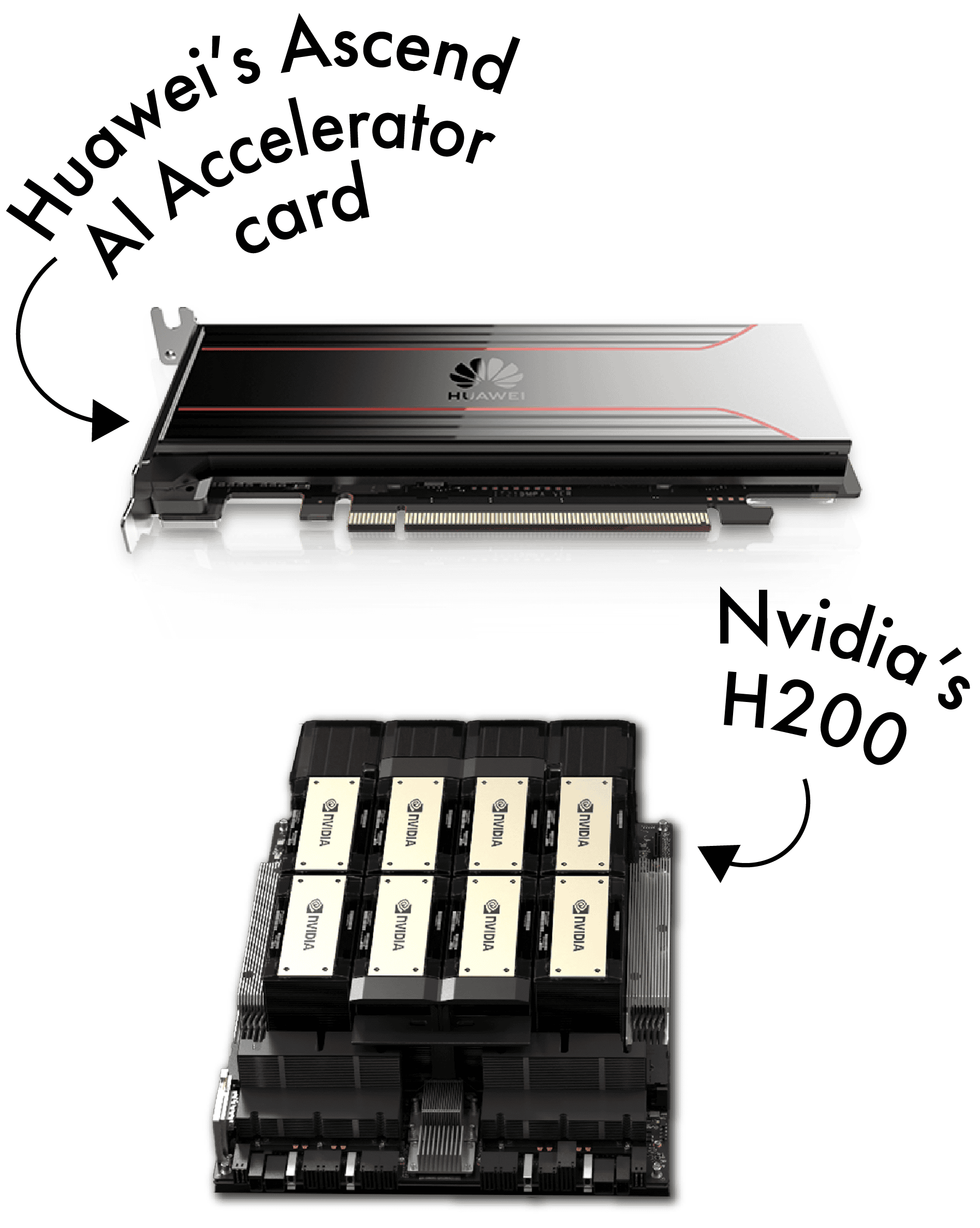
Huawei has certainly been trying to improve its offering. In March, it introduced a new chip, the 950PR, and is preparing to launch another later this year. Yet even those chips fail to match the quality of the H200 because they have slower memory, according to Heim. They lag even further behind Nvidia’s most advanced Blackwell chips.
Huawei and SMIC did not respond to requests for comment.
The Chinese government has to date locked Nvidia out of the China market, despite the Trump administration having cleared its path for H200 exports.
“We sell the first, best and most of our technology to America and offer competitive products in China to commercial users vetted and approved by the U.S. government,” says the Nvidia spokesperson. “National security is first and foremost. Where commercial opportunity conflicts with U.S. national security, national security comes first.”
But Nvidia is losing sympathy in Washington, says Allen, the analyst.
“Nvidia has really damaged their credibility on Capitol Hill by saying things that were incredibly difficult to believe,” he says. “I hope that would give members of Congress and staffers and the White House pause about taking numbers, and the interpretation of those numbers, at face value.”

Noah Berman is a staff writer for The Wire based in New York. He previously wrote about economics and technology at the Council on Foreign Relations. His work has appeared in the Boston Globe and PBS News. He graduated from Georgetown University.