After Venezuelan dictator Hugo Chavez died of cancer in 2013, his successor and former foreign minister Nicolás Maduro drove the country further into economic despair and authoritarian capture.
Many citizens voted with their feet. From 2014 to 2024, nearly eight million Venezuelans fled what had become a failed state. Despite sitting on the biggest oil reserves in the world, the Venezuelan economy shrunk by over 75 percent between 2013 and 2021, according to the IMF. It was the largest peacetime contraction in nearly half a century and was largely due to, the IMF said, “economic mismanagement”.
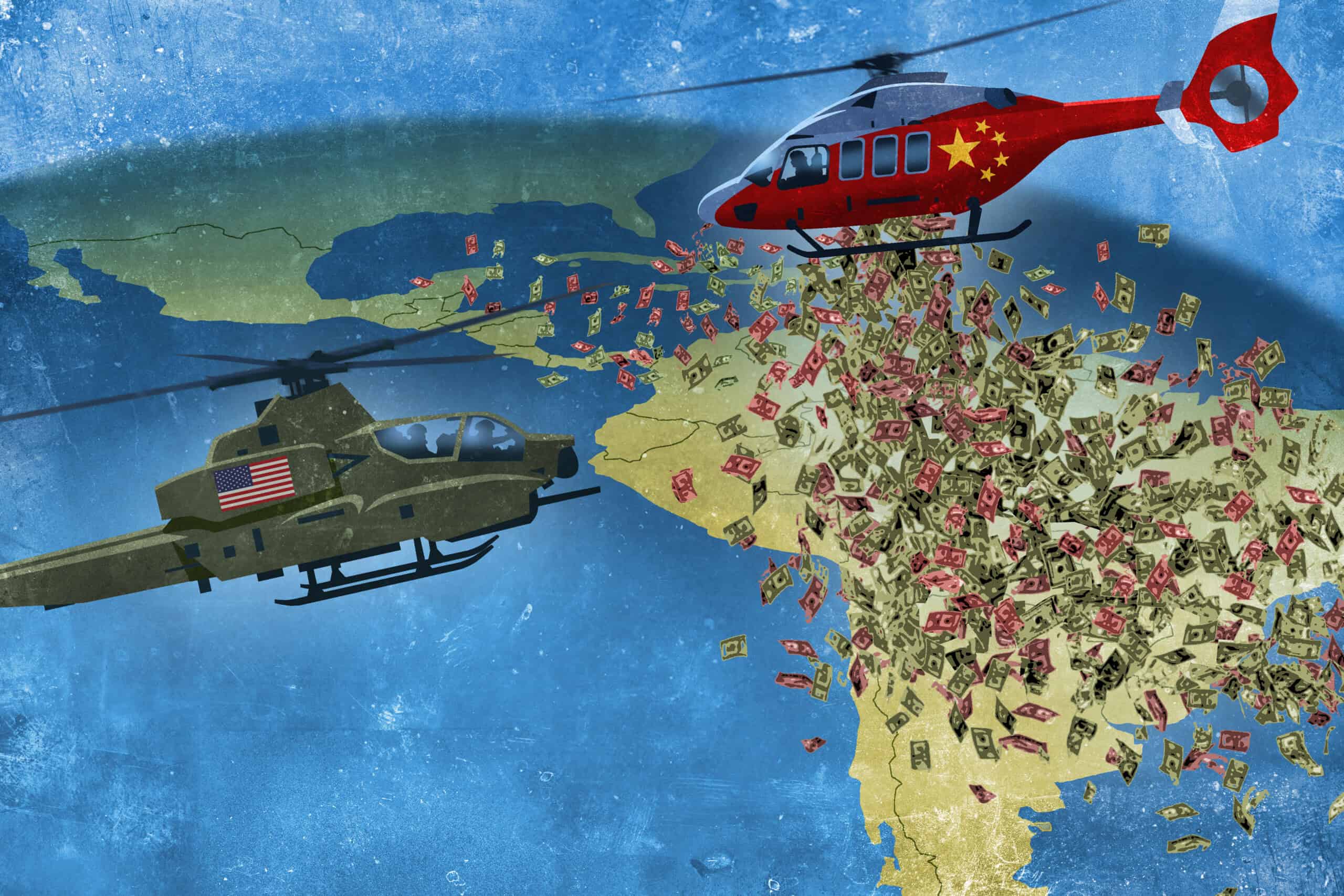
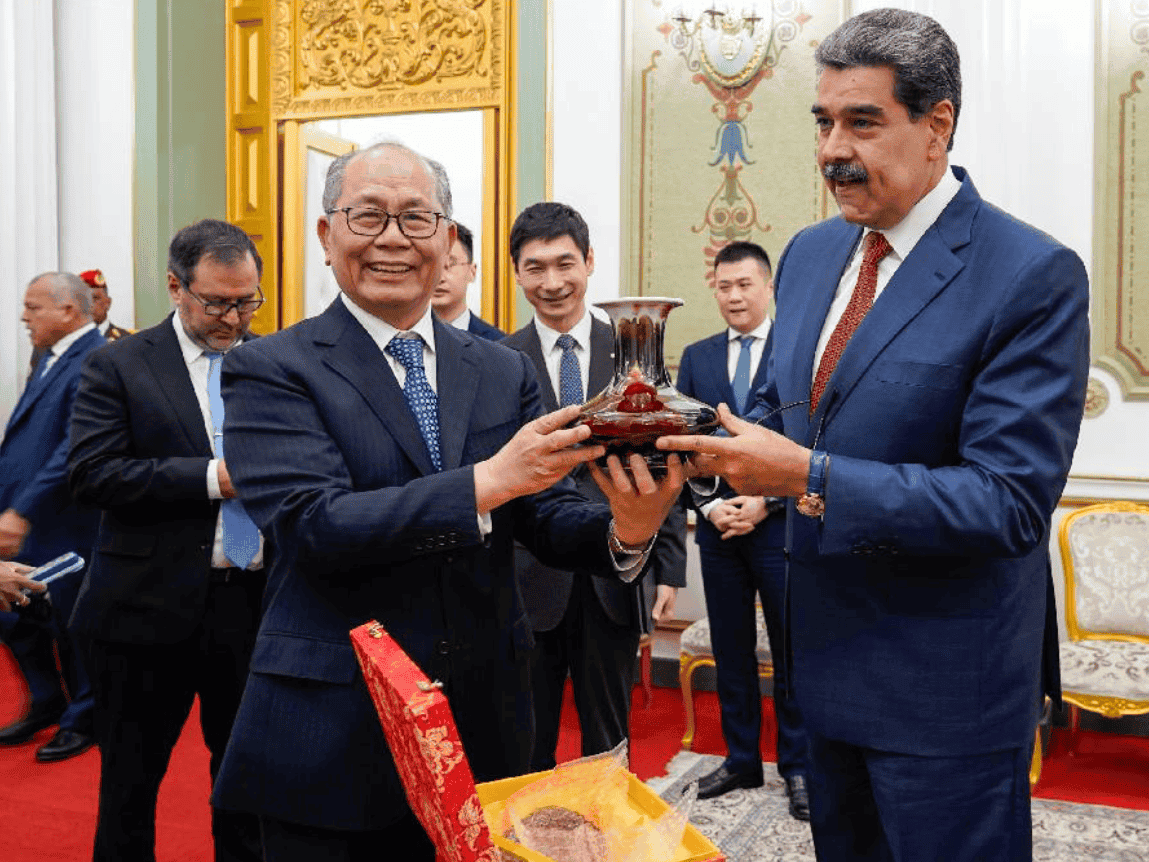
As Venezuela’s state capacity collapsed, so too did the the patience of Chavez and Maduro’s biggest backer — China. Over the past quarter century, China has poured around $100 billion into the South American pariah, mostly in oil-backed loans offered through state banks. Between 2007 and 2013 alone, China lent Venezuela some $40 billion, primarily for development of its oil industry. At the time, it was the largest amount China had lent to any nation.
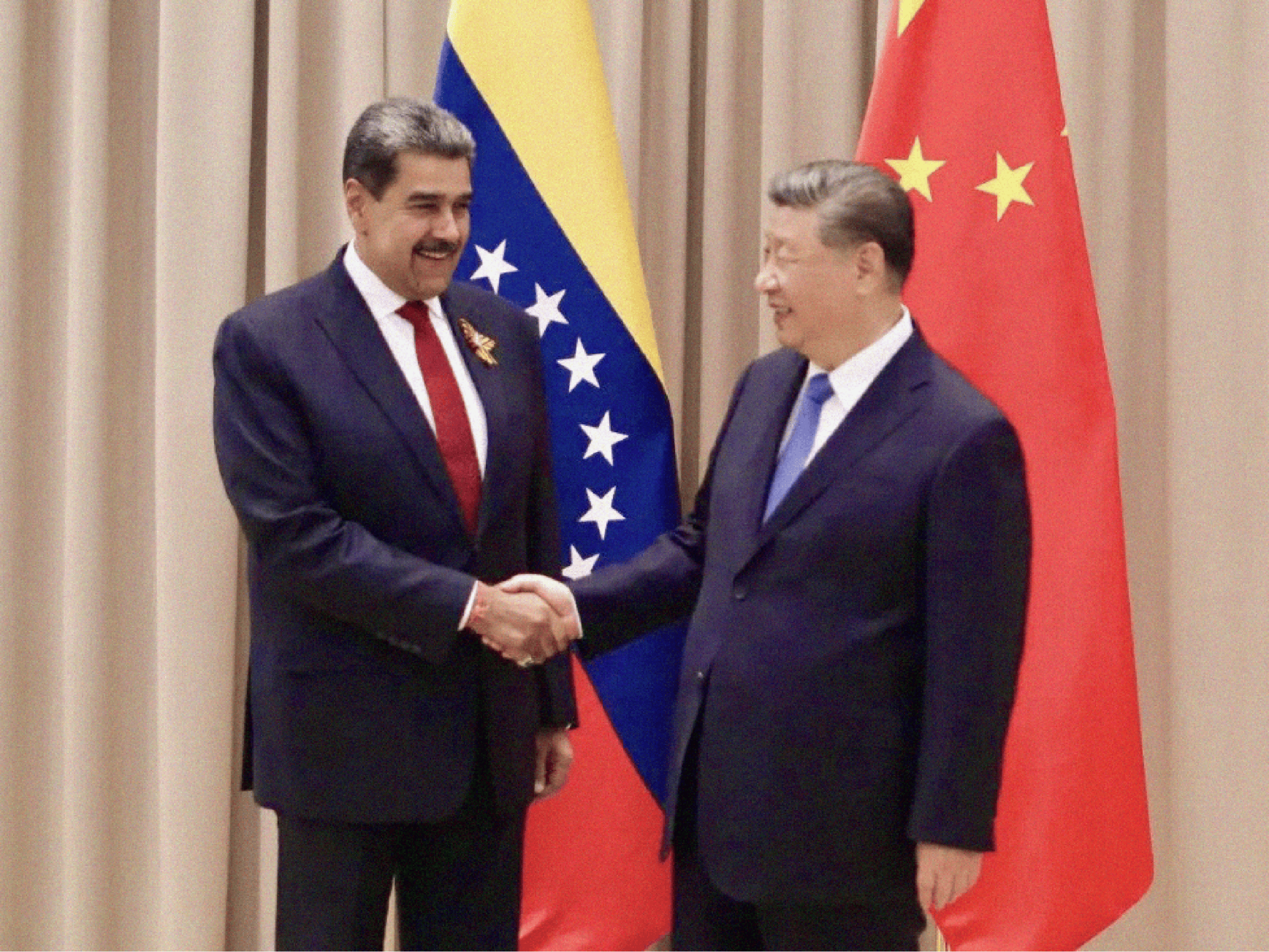
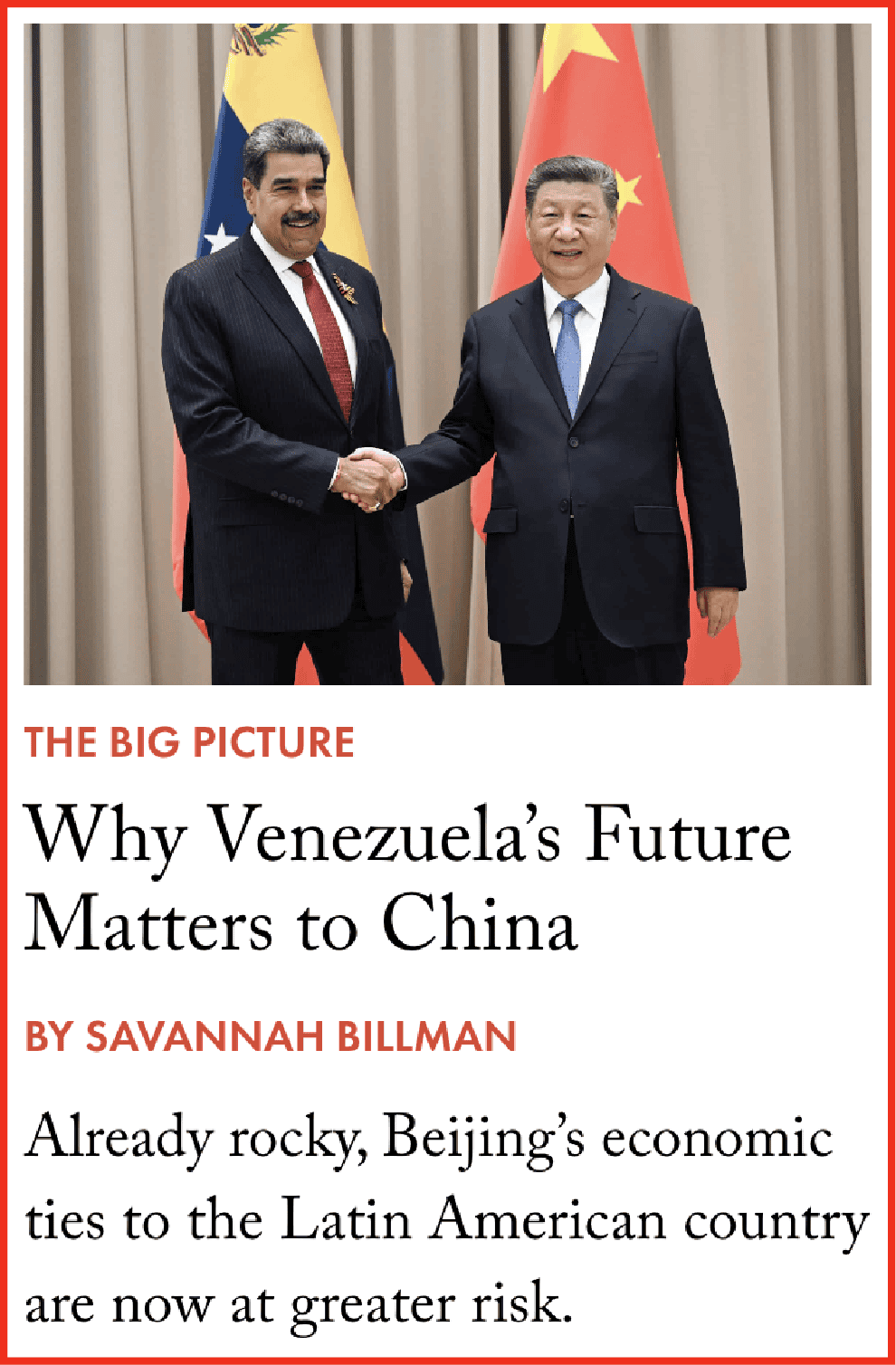
Even though Caracas was defaulting on its debts and Chinese companies in the country were struggling, Beijing continued to support the regime with military sales, diplomatic succor and aid. In 2016, after oil prices crashed, China stopped making new loans to Venezuela but lengthened the maturity of its existing ones. They were never repaid. Two years later, Caracas rolled out digital ID cards developed by ZTE, the Chinese telecom giant, which critics called a form of social control. During Maduro’s 2023 state visit to Beijing, President Xi Jinping declared that the two nations enjoyed an “all-weather strategic partnership”.
“China thought Maduro was a clown,” says Ryan Berg, head of the Future of Venezuela Initiative at the Center for Strategic and International Studies. “But he was their clown.”
In the predawn hours of January 3, the laughing stopped. Maduro was apprehended by U.S. special forces in the stunningly brazen Operation Absolute Resolve. He is now jailed in Brooklyn, alongside his wife, and faces prosecution by the Southern District of New York for cocaine trafficking, stemming from a 2020 indictment.
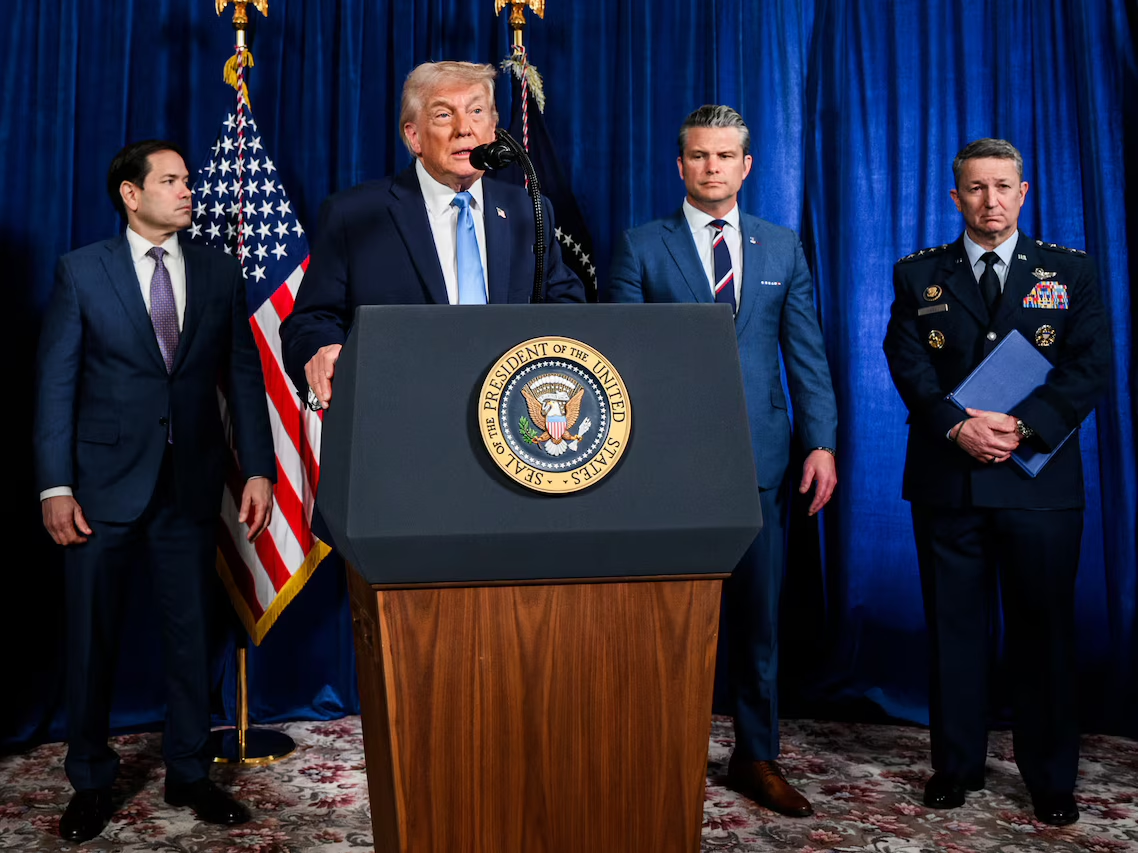
These federal charges notwithstanding, the Trump administration made clear in subsequent statements that part of its calculus in removing Maduro was blunting China’s presence in the region. “The Chinese are moving incredibly aggressively into the western hemisphere, into South America,” Mike Waltz, the U.S. envoy to the UN, told Fox News the day after Maduro’s capture. “President Trump and Secretary Rubio are pushing back on that hard.”
China has played a long game for resource and market security. As a result, Beijing has built a rich web of economic ties in the region.
Benjamin Creutzfeldt, a Latin America and China expert at the University of Leipzig
Trump echoed this days later. “I told China and I told Russia … We don’t want you there, you’re not gonna be there,’” he said in a meeting with oil executives at the White House. In another statement, he remarked that Venezuela had been “hosting foreign adversaries” and asserted that “American dominance in the Western Hemisphere will never be questioned again”.
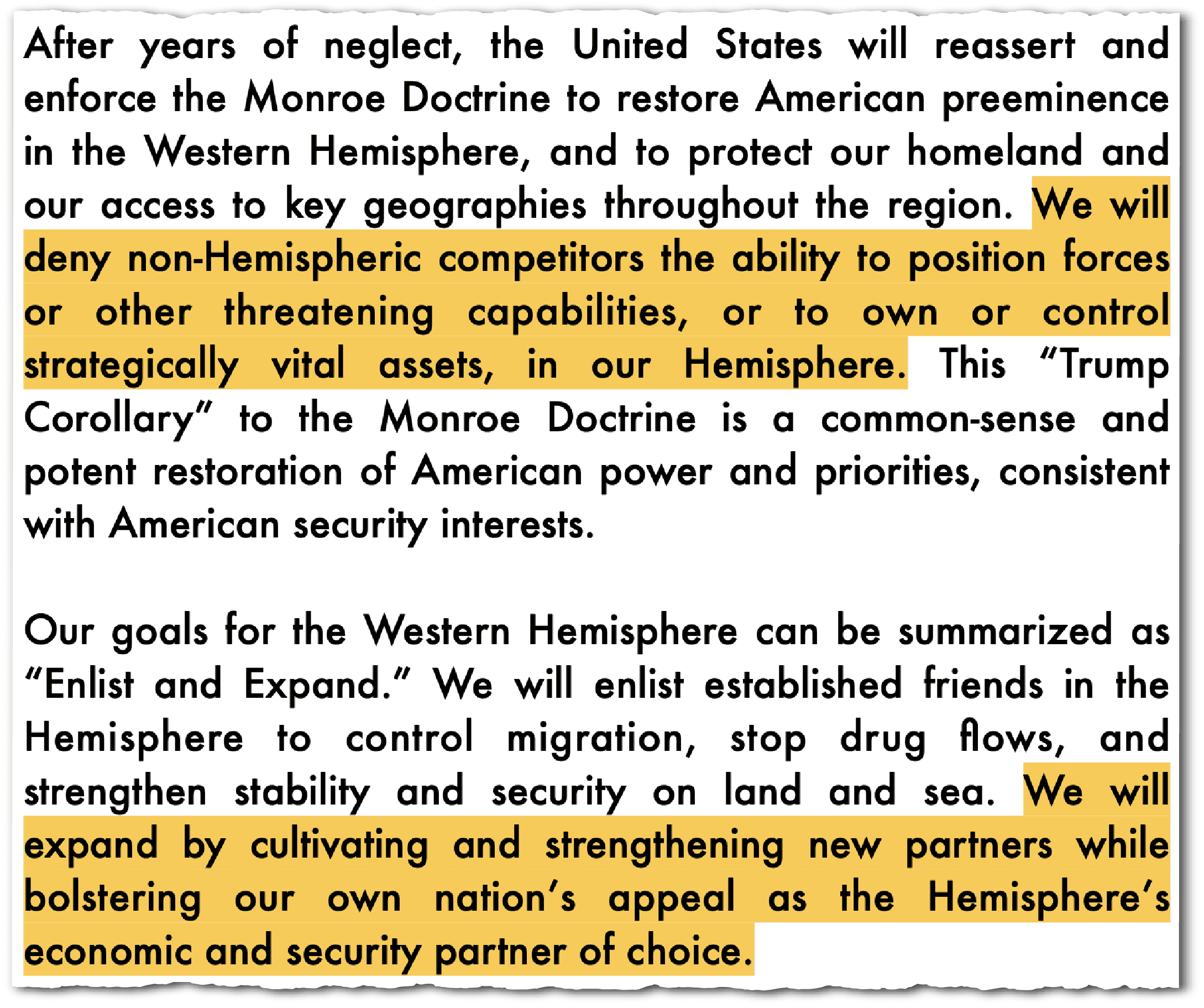
Operation Absolute Resolve was a real-world enactment of the “Trump Corollary” to the Monroe Doctrine as stipulated in the administration’s new National Security Strategy — the so-called “Donroe Doctrine”. Washington, the strategy document said, would henceforth seek to “deny non-Hemispheric competitors” in Latin America as well as aim to become the “first-choice partner” for regional countries.
Outside of daring nighttime raids, though, it is not clear how the administration intends to accomplish this.
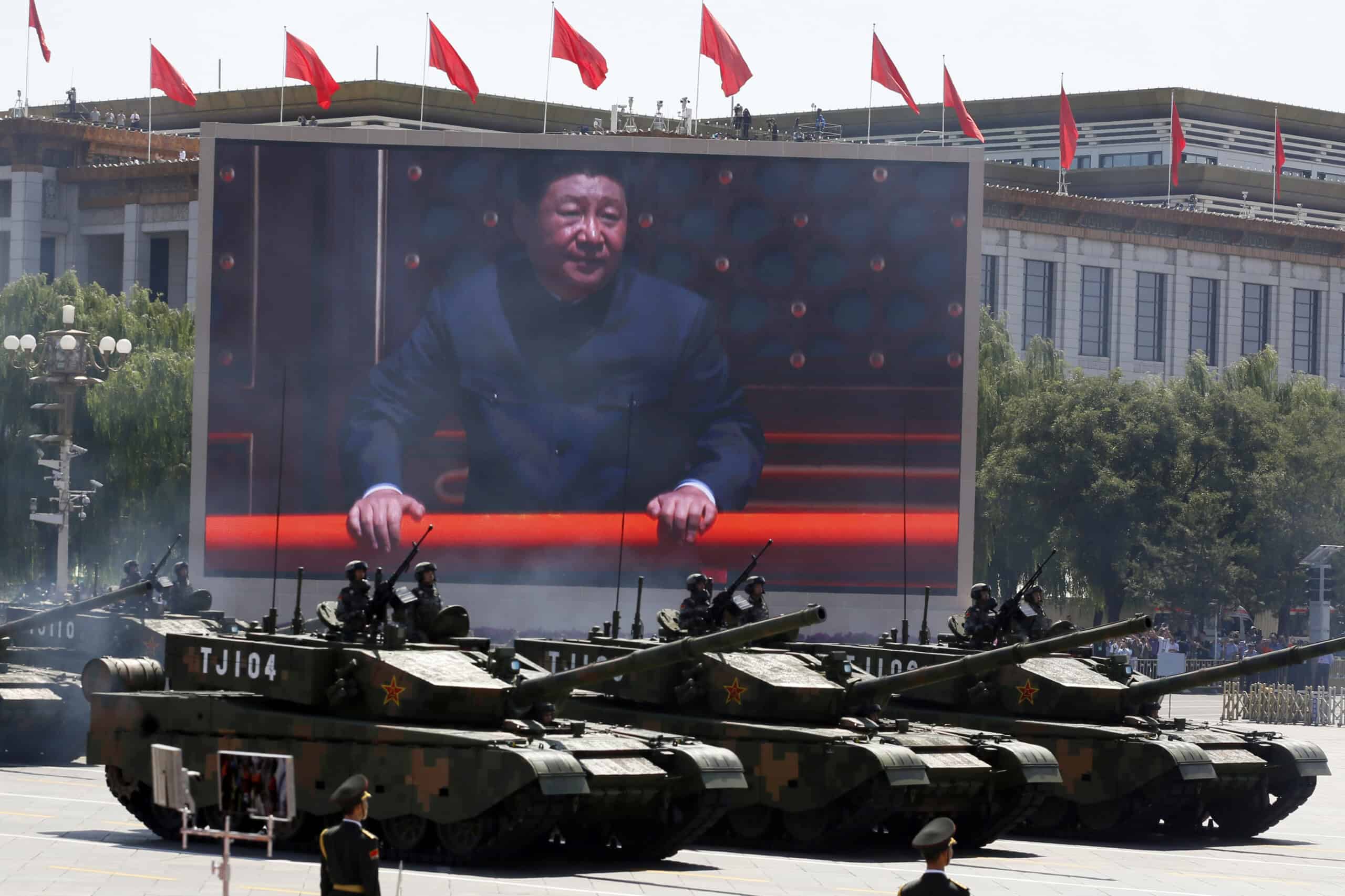
In the fallout from Maduro’s capture, Beijing was seen to suffer two humiliations. The regime’s Chinese-made air defense systems proved useless against American aircraft and Beijing’s own diplomats, who had met with Maduro only hours before, were still in-country during the ensuing firefight in which upwards of 100 security personnel were killed. “It’s the year of the horse and we gallop onward in perfect union,” Maduro had assured Chinese diplomats before his swift apprehension.
Beijing announced that it was “deeply shocked” by the raid and condemned Washington’s “hegemonic behavior”. An editorial in Xinhua noted that America’s “true colors are revealed” and its actions risked returning “the world to a barbaric colonial era of plunder”.
“The world today is undergoing changes and turbulence not seen in a century,” President Xi said in a subsequent statement, “with unilateral acts of hegemony severely undermining the international order.”
“You will have to go back at least four decades to see this kind of operation where U.S. military intervention targets a head of state,” says Parsifal D’Sola Alvarado, a former China advisor to the interim government of Venezuela — a parallel, opposition-led administration established in 2019 to challenge Maduro’s legitimacy. “For contemporary U.S.-China relations, this is something new.”
Since then, Beijing has signalled not retrenchment but resolve. “China and Latin American and Caribbean countries maintain friendly exchanges and cooperation,” a Chinese embassy spokesman in Washington told Reuters soon after the raid. “No matter how the situation may evolve, we will continue to be a friend and partner.”
In mid-January, a Chinese state-owned company took a controlling stake in the mining group Raura, one of the largest companies in Peru. Even in Venezuela, as the political dust settles, there are scant signs of a Chinese drawback. At the opening of a new bridge five days after Maduro’s capture, acting-president Delcy Rodriguez praised Chinese assistance in the project.
“Our relationship with China is an ironclad brotherhood, based on respect and mutual development” she said.
Latin China
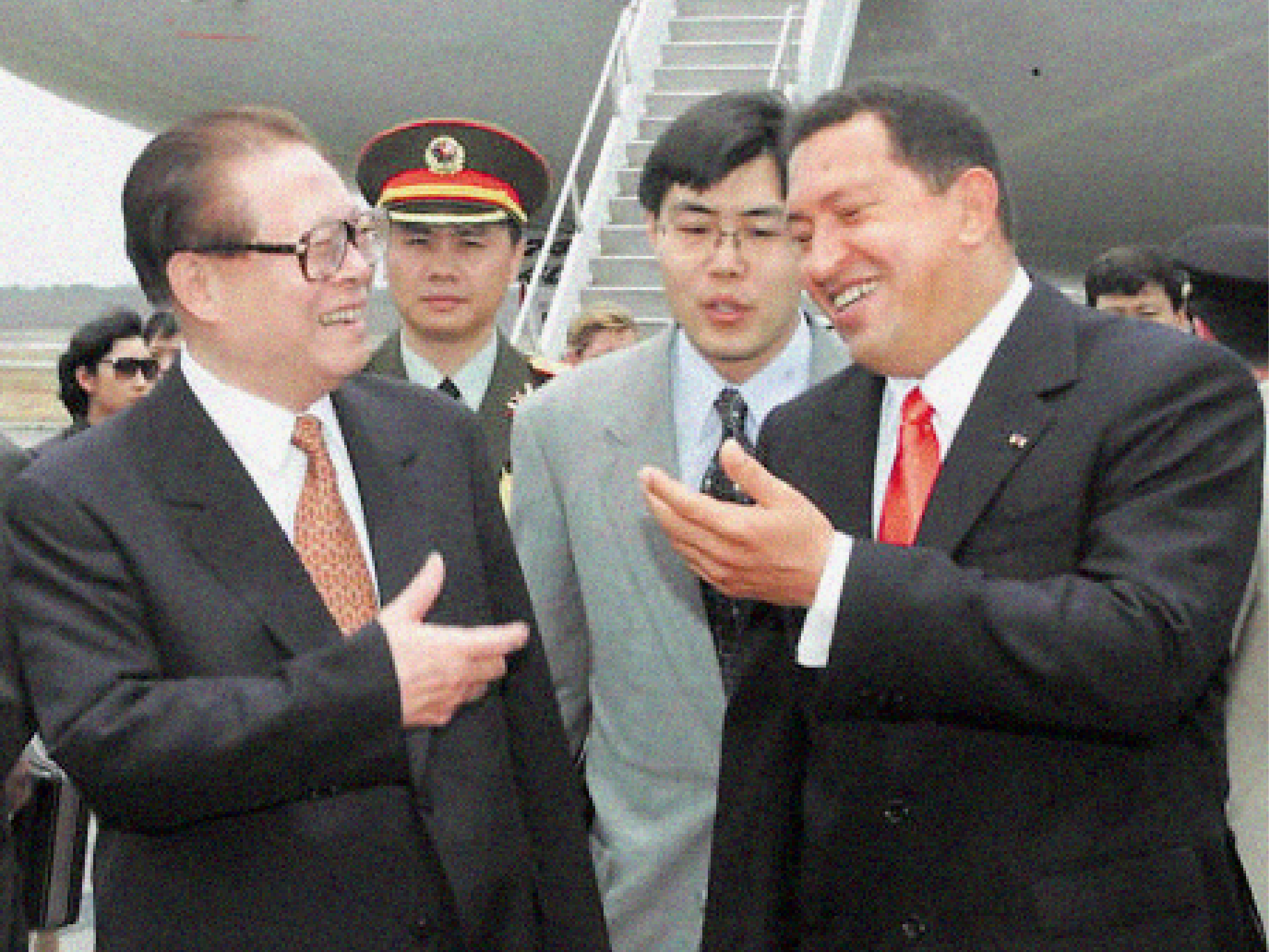
Venezuela looked like a much better bet to the Chinese Communist party when, in April 2001, eight months before China’s ascension to the World Trade Organization, President Jiang Zemin flew to Caracas. Venezuela’s capital was the final stop on a six-nation tour of Latin America. President Chavez, the recently inaugurated communist revolutionary, greeted the Chinese delegation at the airport with a 21-gun salute. “Our people are in rapture over your coming,” Chavez said, “with flowers in full blossom.”
As global trade supercharged China’s economy over the ensuing years, Beijing sought foreign sources of commerce and resources. Latin American countries, plentiful in hydrocarbons, foodstuffs and minerals, became prime targets. The region was receptive, desperate for just the kinds of investment, aid and infrastructure development Beijing was eager to provide. Between 2000 and 2020, trade between China and Latin America rose exponentially, from $12 billion to $315 billion, according to the World Economic Forum. In 2023, the total value of Sino-Latin American trade was $478 billion, according to the International Monetary Fund. It is projected to reach $700 billion by 2035.
“China has played a long game for resource and market security,” says Benjamin Creutzfeldt, a Latin America and China expert at the University of Leipzig. “As a result, Beijing has built a rich web of economic ties in the region.”
No ties have been richer than those with Venezuela. After Jiang’s visit in 2001, Chavez made his first of five trips to Beijing.
As Chavez transformed his country into a one-party police state, Beijing continued to lean in: Huawei built out Venezuela’s telecommunications infrastructure, Chinese state-owned companies constructed its railroads and highways, and Chinese oil firms entered into joint ventures. Alongside these business interests, the Chinese Communist Party was also keen to support an ideological ally in Chavez, who had entered Miraflores Palace on an explicitly anti-American platform. (Addressing the United Nations in 2006, Chavez referred to then-president George W. Bush as “the devil”.)
“It was win-win cooperation,” says Cui Shoujun, an international affairs professor at Renmin University in Beijing. “China’s relations with Venezuela were getting better and better.”
It also wasn’t the first time that what Beijing initially regarded to be the beginning of a beautiful friendship in Latin America turned out to be instead an embarrassment.
In November 1960, the Argentinian revolutionary Che Guevara met Mao Zedong in Beijing. He was part of a delegation representing newly communist Cuba. They discussed the possibility of others in the region going red. “You have influenced Latin America, and even Asia and Africa,” Mao said. “They will be influenced as long as you do well.”
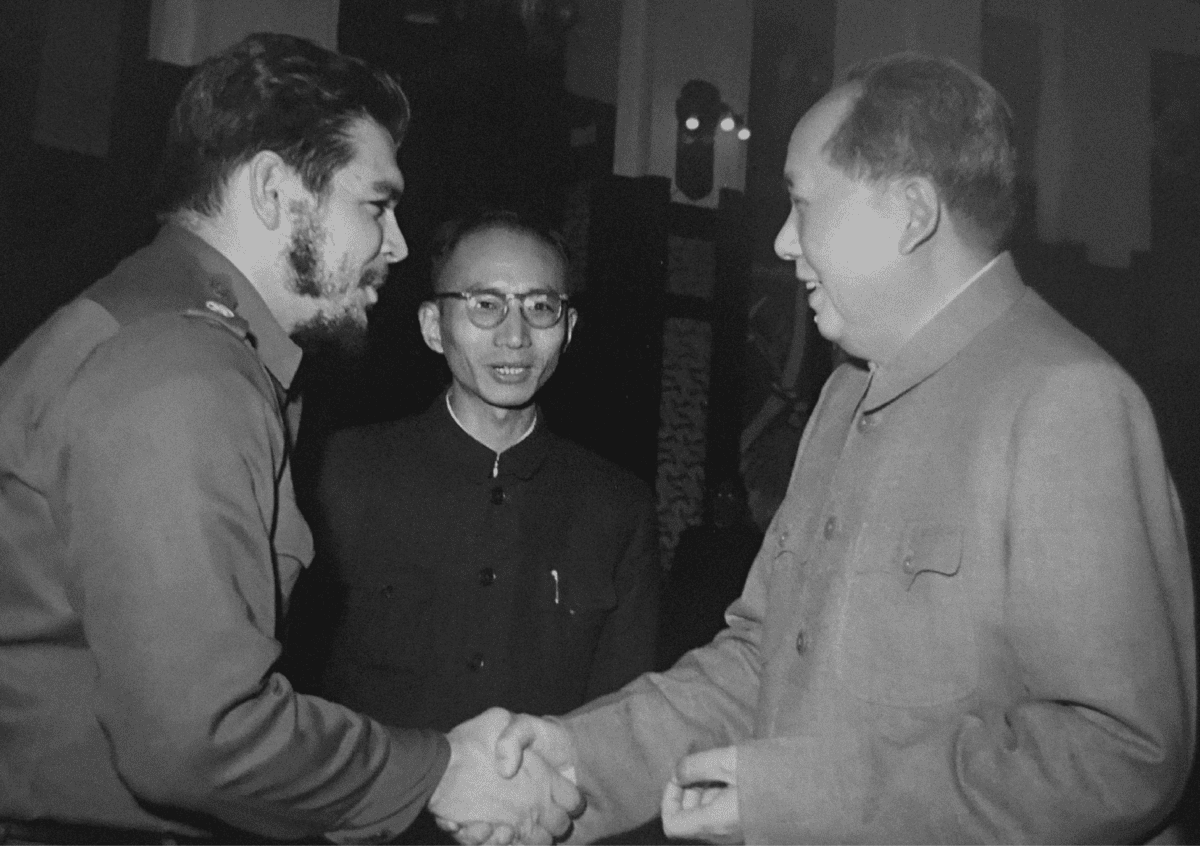
Cuba did not do well. Its abysmal economic performance is second only to Haiti in the region. And while Beijing still maintains close ties with Havana, with high-level political exchanges and Chinese-led infrastructure projects, it is far more invested in other, wealthier neighbors like Peru, Brazil and Argentina.
You have the U.S. demonizing China but not really offering an alternative … this sort of narrative doesn’t resonate with most countries in Latin America because what the region really wants is opportunities for development.
Leolino Dourado, a researcher at the Center for China and Asia-Pacific Studies at the Universidad del Pacífico in Lima
“The Chinese simply had to start somewhere in Latin America,” says Francisco Urdinez, a Brazilian political scientist in Chile and the author of Economic Displacement: China and the End of US Primacy in Latin America. “At first, they relied on country-to-country relations and ideological affinities. But then ideology stopped being important. They learned to be pragmatic.”
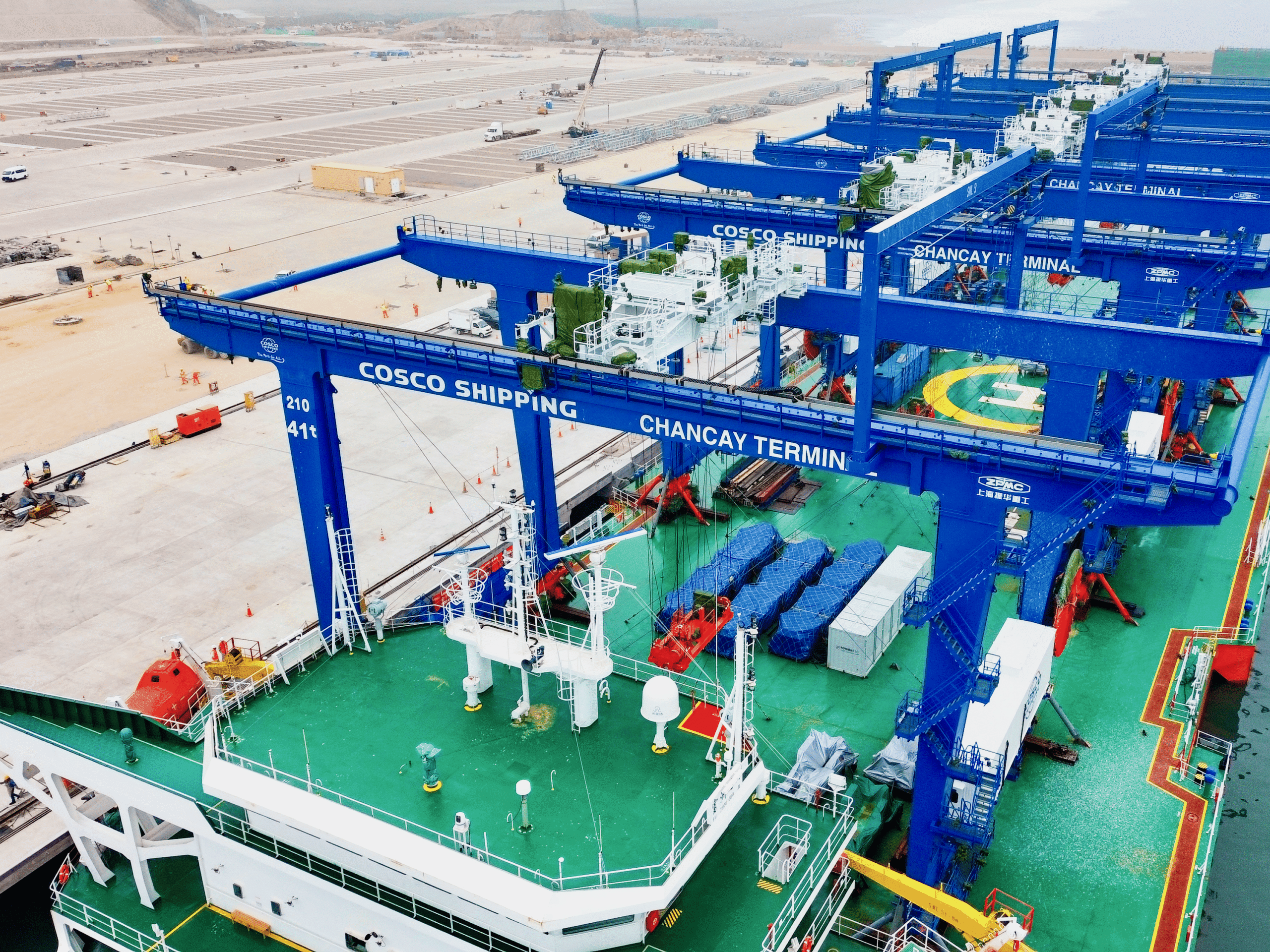
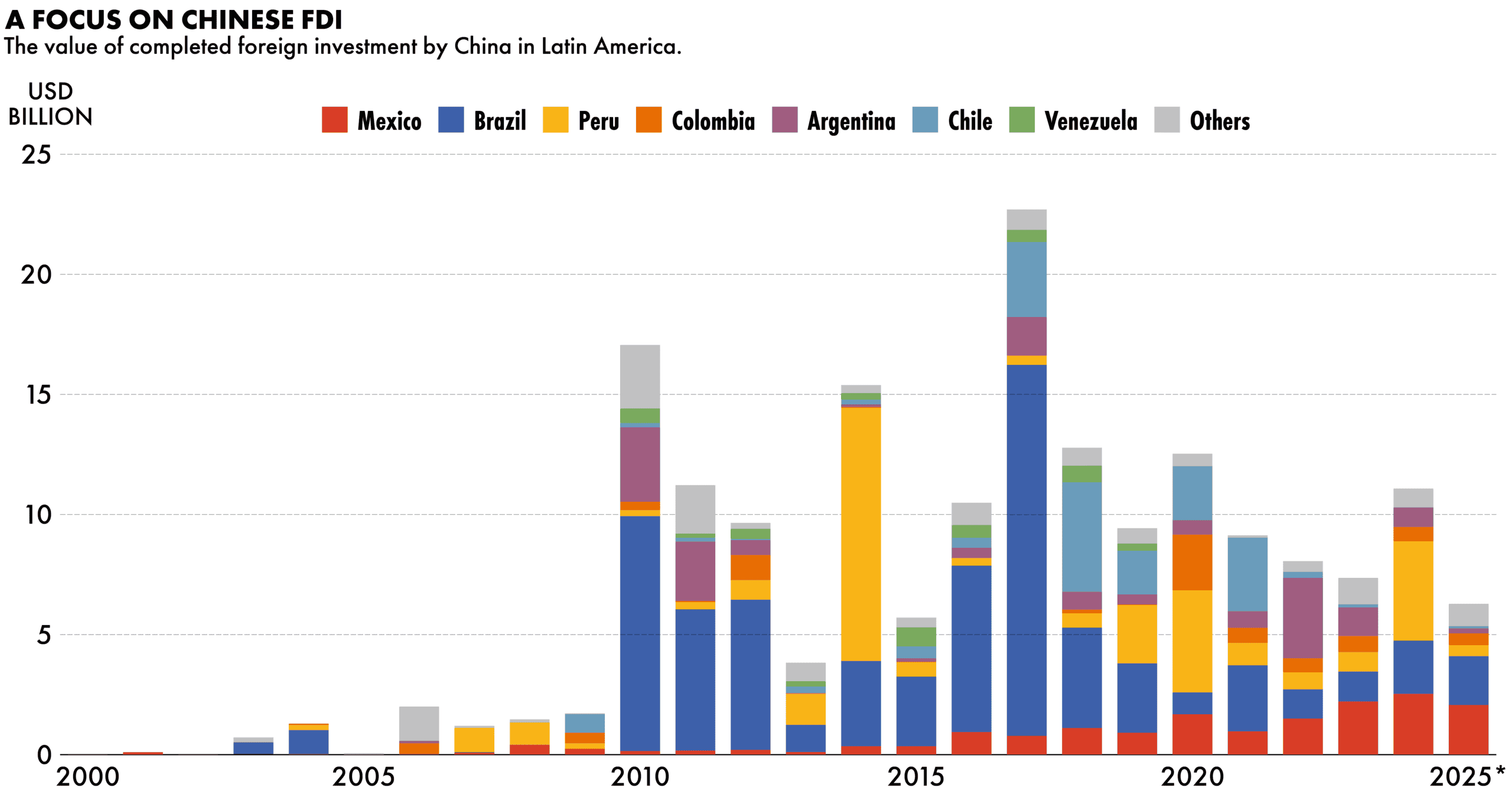
Over the last two decades, Chinese capital, companies and workers have built roads, dams, ports, mines, advanced manufacturing plants, space infrastructure and other megaprojects across Latin America. These include a $1.3 billion megaport in Peru, a $300 million Huawei research and telecommunications center in Brazil, and a $1.4 billion bridge over the Panama Canal. Though American and European firms are still competitive in the region, largely in the services industry, China’s economic influence has surpassed that of the U.S. in 14 of the region’s 33 countries since the start of the century, according to research from Bloomberg Economics.
With some notable exceptions, like the contentious $3.2 billion Coca Codo Sinclair megadam in Ecuador, many Chinese projects have been welcomed by locals for providing needed infrastructure at competitor-beating rates.
“Most South American countries, besides Brazil, don’t have enough of their own companies to do the big infrastructure projects that we need,” says Cynthia Sanborn, a China-focused political scientist at the Universidad del Pacífico in Lima. “Yet the Chinese tend to agree with the U.S. idea that this is [Washington’s] hemisphere. They just want to do business.”
Latin Americans are increasingly buying up Chinese products too: Huawei smartphones and Lenovo electronics, DJI drones, and BYD and Chery electric cars. (In Brazil, Chinese brands accounted for 89 percent of total EVs sold in the first half of 2024.)
“In general, this has been a very profitable market for China,” says Urdinez. “The relationship is pretty positive despite a few exceptions.”
Last year, Pew conducted polling on views of China across 25 countries. In Mexico, the share of respondents with a positive rather than negative view of China was 56 percent, in Brazil 51 percent and in Argentina 47 percent. These positive views contrasted sharply with wealthier nations such as Canada, Japan, Australia and the U.S., where public sentiment toward China was overwhelmingly negative. Washington would rather Latin Americans felt similarly.
“You have the U.S. demonizing China but not really offering an alternative — only rhetoric, telling countries, ‘Oh, you should be careful with the Chinese,’ ” says Leolino Dourado, a researcher at the Center for China and Asia-Pacific Studies at the Universidad del Pacífico in Lima. “But this sort of narrative doesn’t resonate with most countries in Latin America because what the region really wants is opportunities for development.”
Unlike in the U.S. and Europe, China issues rarely stir the waters of Latin American politics, even on the right. Jair Bolsonaro, the far-right former president of Brazil, bashed “heartless” China frequently while campaigning in 2018 and went so far as to visit Taiwan. “China is not buying in Brazil,” he was fond of saying. “It is buying Brazil.” But even Bolsonaro was forced to moderate after complaints from agricultural interest groups, whose members export enormous quantities of foodstuffs to China.
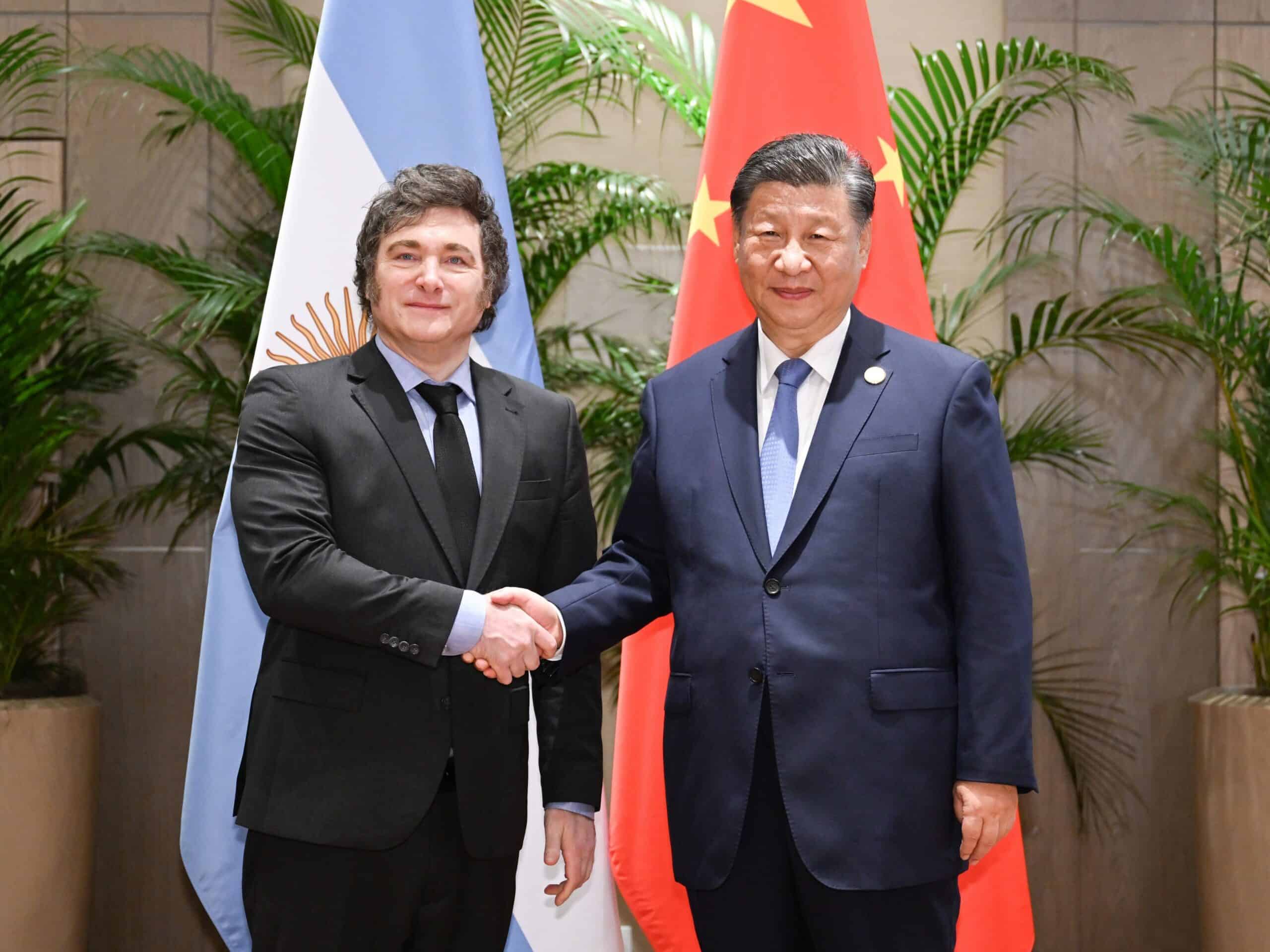
Argentine president Javier Milei, a libertarian firebrand, followed a similar trajectory. While campaigning he called Xi a “thief” and “murderer” and vowed to sever relations with China in favor of “the civilized side” of the world. Yet under his presidency, China remains Argentina’s second-largest trading partner and biggest buyer of Argentinian soybeans and beef.
China’s broader commercial relations with Argentina have also prospered under Milei. Chinese companies including BYD and CNOOC have profited immensely from his free-market policies. Milei has not even moved to shut down the controversial Espacio Lejano Station, a Chinese-run deep-space tracking facility near the Chilean border.
“[Brazil and Argentina] help illustrate precisely how China tends to value long-term ties over politics,” says Dourado. “They don’t risk relations because of individuals or because of ideology.” In both countries, he adds, Chinese companies side-stepped hostile federal officials to work with more hospitable governors and other regional authorities.

Brazil, the region’s largest economy, has nurtured a particularly profitable relationship with Washington’s chief geopolitical rival, regardless of the right or left-leaning tendencies of its various presidents over recent years. Beijing has backed ambitious railway projects there such as the $50 billion Transoceanic Railway to link the Pacific and Atlantic, by connecting Peru’s Chinese-run Chancay port to Brazilian ports.
In 2017, the two nations established a $20 billion Brazil-China Cooperation Fund for the Expansion of Productive Capacity, intended “to implement China’s Belt and Road Initiative and Going Global strategy”, according to the Chinese government.
Between 2007 and 2024, China invested $35 billion into Brazilian power-sector projects, representing 45 percent of China’s total investments in the country, according to the nonprofit Brazil-China Business Council. In October BYD opened its biggest manufacturing facility outside of Asia in Brazil, on the site of a shuttered Ford plant, with plans to build 600,000 EVs per year. China, Brazil’s largest trading partner since 2009, is also the destination for upwards of 80 percent of its soybeans, half of its beef and more than 40 percent of its oil.
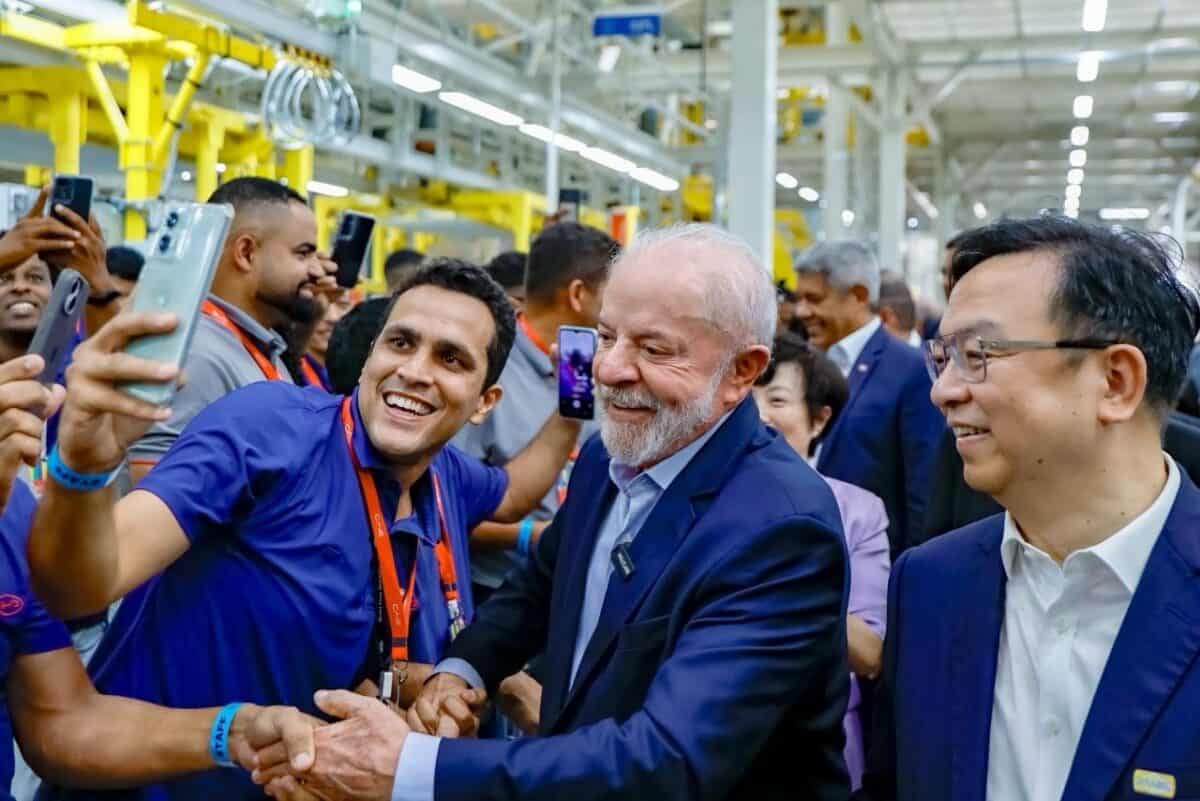
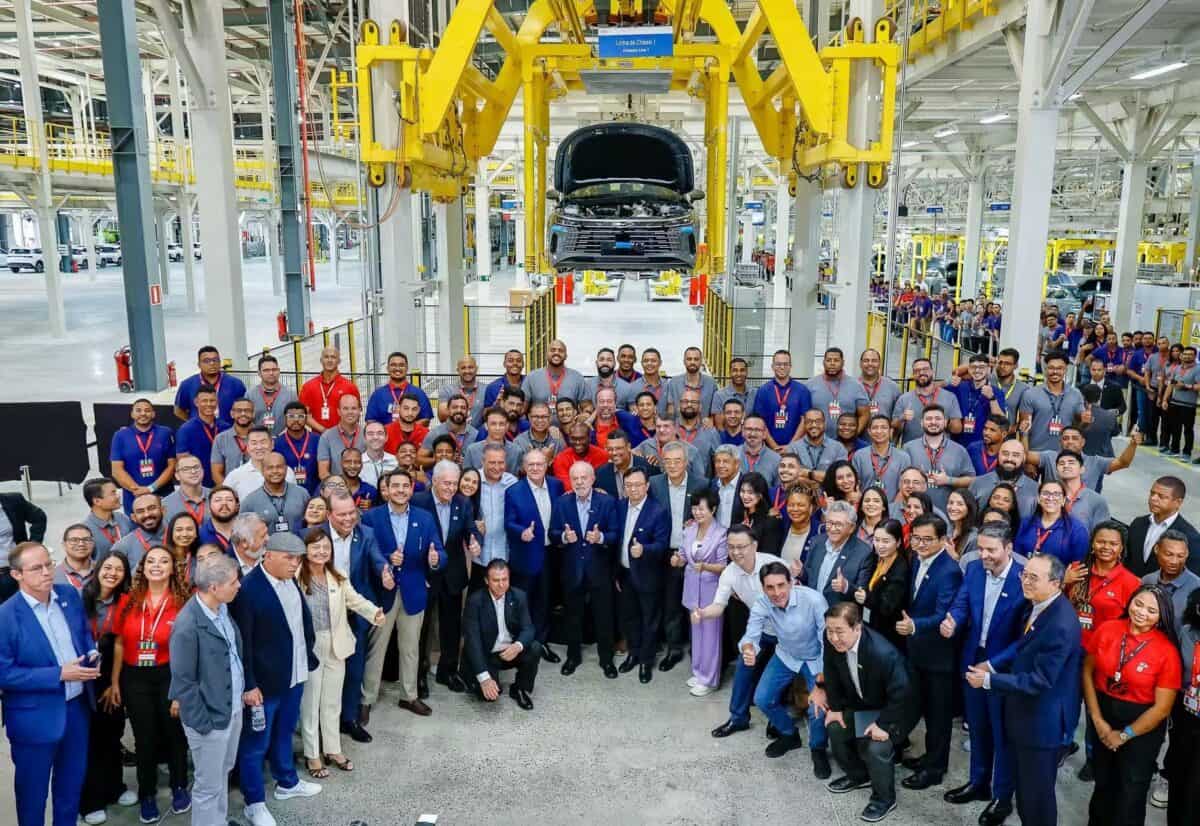
Brazilian President Luiz Inácio Lula da Silva and BYD CEO Wang Chuanfu celebrate the start of operations at BYD’s plant in Camaçari, Bahia, Brazil, October 9, 2025. Credit: Luiz Inácio Lula da Silva, BYD Global
“The U.S. has strong influence in Latin America, but that doesn’t mean Brazil cannot cooperate with China,” says Cui at Renmin University. “Donald Trump can take Maduro away, but can he do [something like] that in Brazil? I don’t think so.”
Even Central America, where economic and political ties to the U.S. tend to be stronger, China is a major player. It has suffered setbacks in Panama, where the government recently seized Panama Canal port terminals from Hong Kong-based CK Hutchison. But in Nicaragua, a leftist dictatorship, Chinese companies have invested in airports, railways and mining operations and even explored digging an alternative canal across the country. China recently became Mexico’s second-largest trading partner after the U.S. Meanwhile, Chinese manufacturers are flocking to its border states to sidestep American tariffs.
Marco Rubio testifies on U.S. policy towards Venezuela in front of the Senate Foreign Relations Committee, January 28, 2026. Credit: Foreign Relations Committee
Washington has repeatedly indicated that it wishes to blunt all of this.
“The primary way that China plays in the Western Hemisphere is through commercial relations,” Secretary of State Marco Rubio said last month. “They’ve secured many leases for many years because of neglect on our part in allowing them to do that.”
But for many regional observers, such rhetoric comes across as not only hollow and paternalistic but commercially unrealistic. This is largely because, in renewable energy, infrastructure development and other industries dominated by China, U.S. companies are largely absent.
“If you look at where they’re operating, by and large Chinese companies and U.S. companies are not even competing,” says Alvarado, the Venezuelan China specialist. “Where American foreign direct investment is actually going is to services, like finance … It’s a completely different world than where China is participating.”
Backyard Bully
In 2010 the Wilson Center, the nonpartisan Washington think-tank, hosted a seminar entitled “China, Latin America, and the United States: The New Triangle”. Scholars and analysts from both sides of the Pacific discussed Sino-Latin American relations. Sanborn, the political scientist in Peru, recalls a general consensus among participants that China’s presence would ultimately benefit the U.S. At the time, many others in the U.S. government felt similarly.
Trump 2.0 has increased the pressure. Now anything that the U.S. finds sensitive involving China — 5G [telecoms technology], space infrastructure, ports — may very likely be directly opposed by the Americans, with pressure to abort those projects.
Francisco Urdinez, a Brazilian political scientist in Chile and the author of Economic Displacement: China and the End of US Primacy in Latin America
“It was not entirely rose-colored but the tone was very different from more recent years,” she says. “The emphasis was on complementarity rather than hostile competition.”
“Back then there was such optimism about China’s presence in the region,” adds Dourado. “There was an expectation of triangular cooperation.”
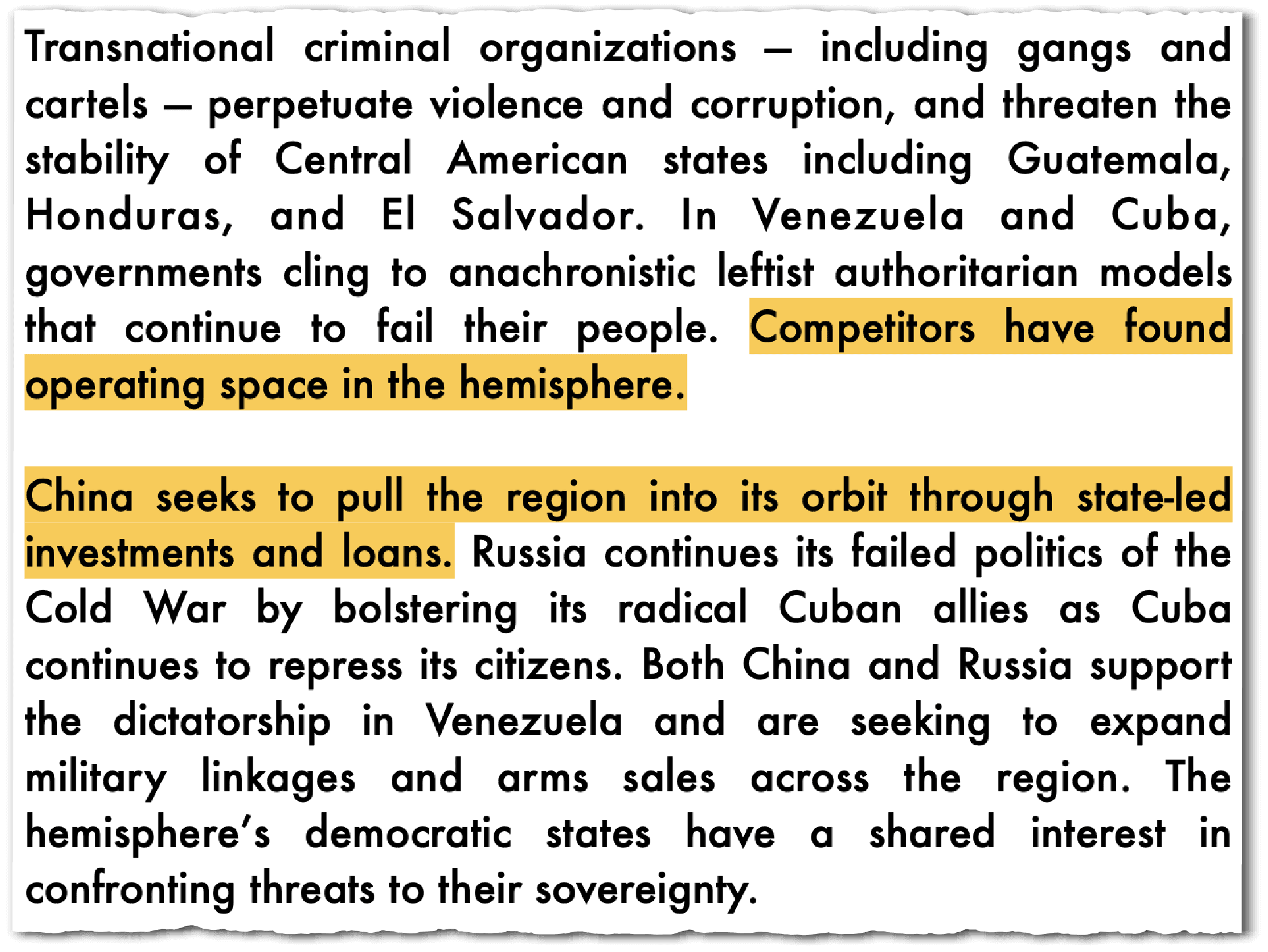
American anxieties began to emerge during the first Trump administration, as part of its larger strategic reorientation vis-a-vis Beijing. In a speech about Latin America at the University of Texas, then-Secretary of State Rex Tillerson summed up the view: “Today China is gaining a foothold in Latin America, using economic statecraft … The question is, at what price?”
Tillerson was echoing the administration’s 2017 National Security Strategy, which claimed that “China seeks to pull [Latin America] into its orbit through state-led investments and loans”.
Despite speaking loudly, the first Trump administration nonetheless failed to erode China’s presence in Latin America. From 2017 to 2020, Panama, El Salvador and the Dominican Republic broke with Taiwan to establish diplomatic relations with China. (Two more, Nicaragua and Honduras, have done so since.) Argentina, Uruguay, Panama and others signed on to Beijing’s Belt and Road Initiative, which former Vice President Mike Pence called “a constricting belt [and] a one-way road”. Chinese trade and investment ballooned.
“Was the first Trump administration successful in limiting China’s commercial exposure in the Western Hemisphere?” asks John Feeley, ambassador to Panama from 2016 to 2018. “I think the record speaks for itself and the answer, in my estimation, is no.”
Under Biden, the U.S. continued to do little but scowl at China’s inroads. After Operation Absolute Resolve, many in the region are wondering if Washington is finally ready to wield a big stick.
“Trump 2.0 has increased the pressure,” says Urdinez, the Brazilian political scientist. “Now anything that the U.S. finds sensitive involving China — 5G [telecoms technology], space infrastructure, ports — may very likely be directly opposed by the Americans, with pressure to abort those projects.”
In January Chile cancelled a proposed Chinese-run space observatory that Washington had repeatedly criticized on security grounds. This followed President Milei’s announcement of a U.S.-Argentina joint naval base project near the country’s southernmost point, which effectively terminated an alternative Chinese proposal that had stalled after U.S. pressure, including a 2024 visit to the proposed site by former SOUTHCOM commander Laura Richardson. Six months later, Trump extended a $20 billion credit line to Argentina.
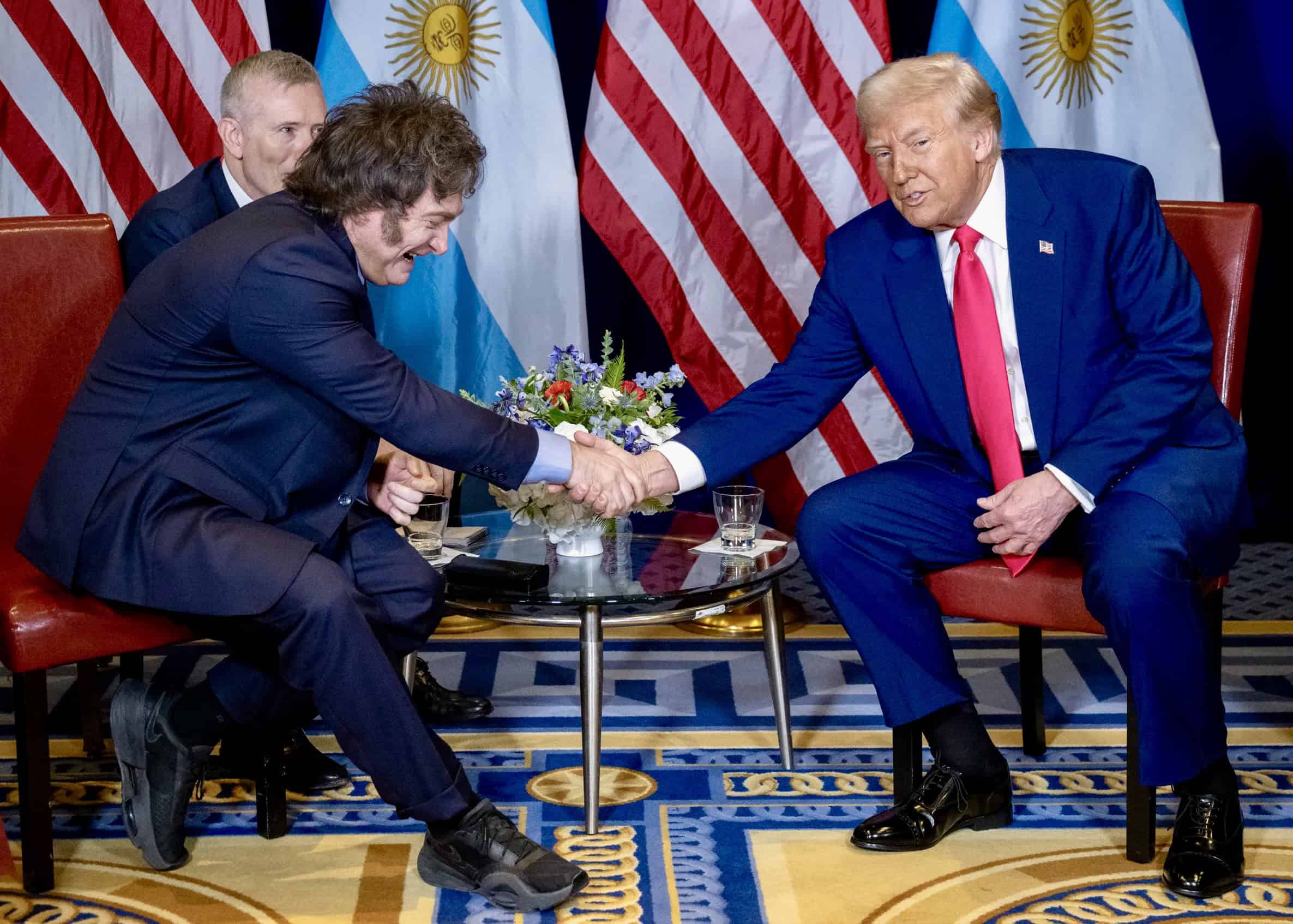
Sergio Cesarin, a China-focused economics professor in Buenos Aires, calls Argentina’s pivot an obvious “quid pro quo”, noting that “Trump was very clear on this point to Milei: ‘Okay, the U.S. will help Argentina but you need to stop this project’ ”. (The White House did not provide comment; the Milei administration did not respond to requests for comment.)
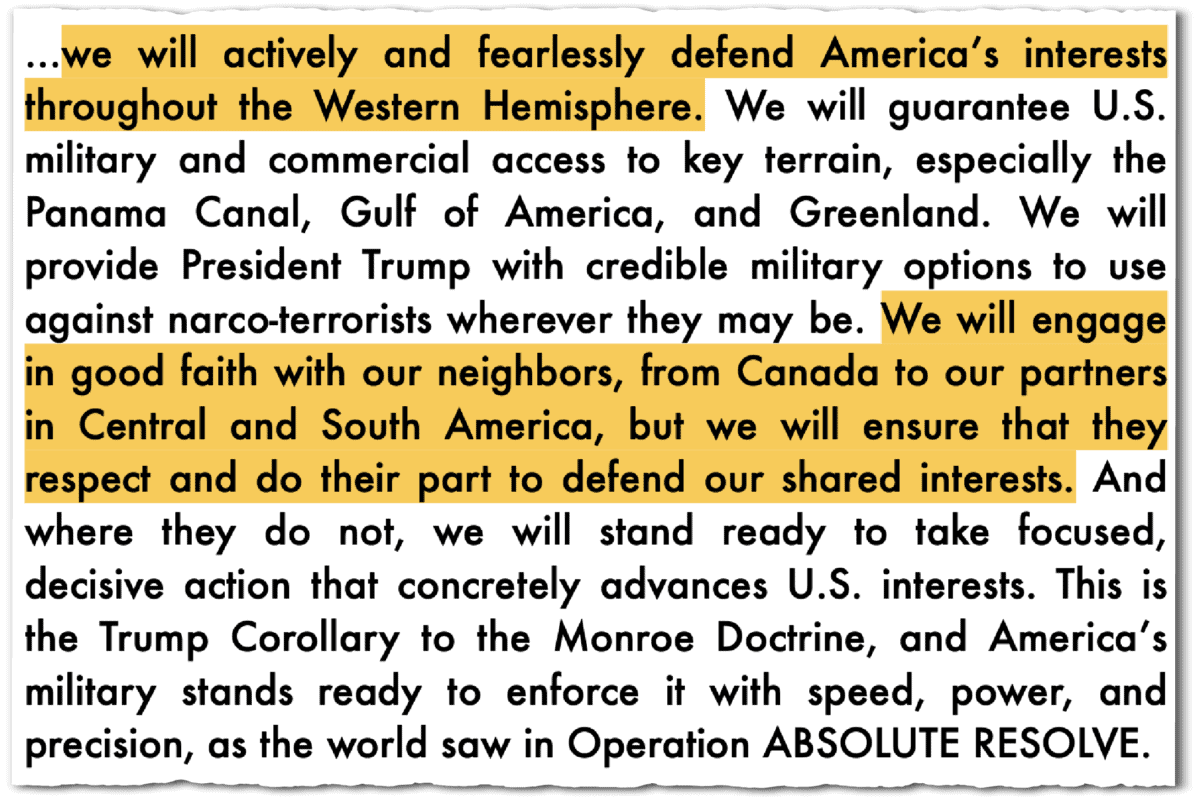
According to the recently published National Defense Strategy, the Pentagon will create “credible options” to guarantee access to strategic areas across the region including the Panama Canal, noting that the influence of China and other rivals had grown in the region. The Pentagon added it was “ready to take focused, decisive action” unilaterally if Latin American countries did not “do their part to defend our shared interests … as the world saw in Operation ABSOLUTE RESOLVE”.
Beltway China hawks see Beijing’s presence in Latin America as a strategic threat to American interests. Evan Ellis, a professor at the U.S. Army War College and an expert in Sino-Latin American relations, splits his concern into four categories: economic harm stemming from lopsided or corrupt deals; digital risks through Chinese dominance in telecom infrastructure; Chinese aid that bolsters anti-American regimes in Nicaragua, Cuba and Venezuela; and espionage.
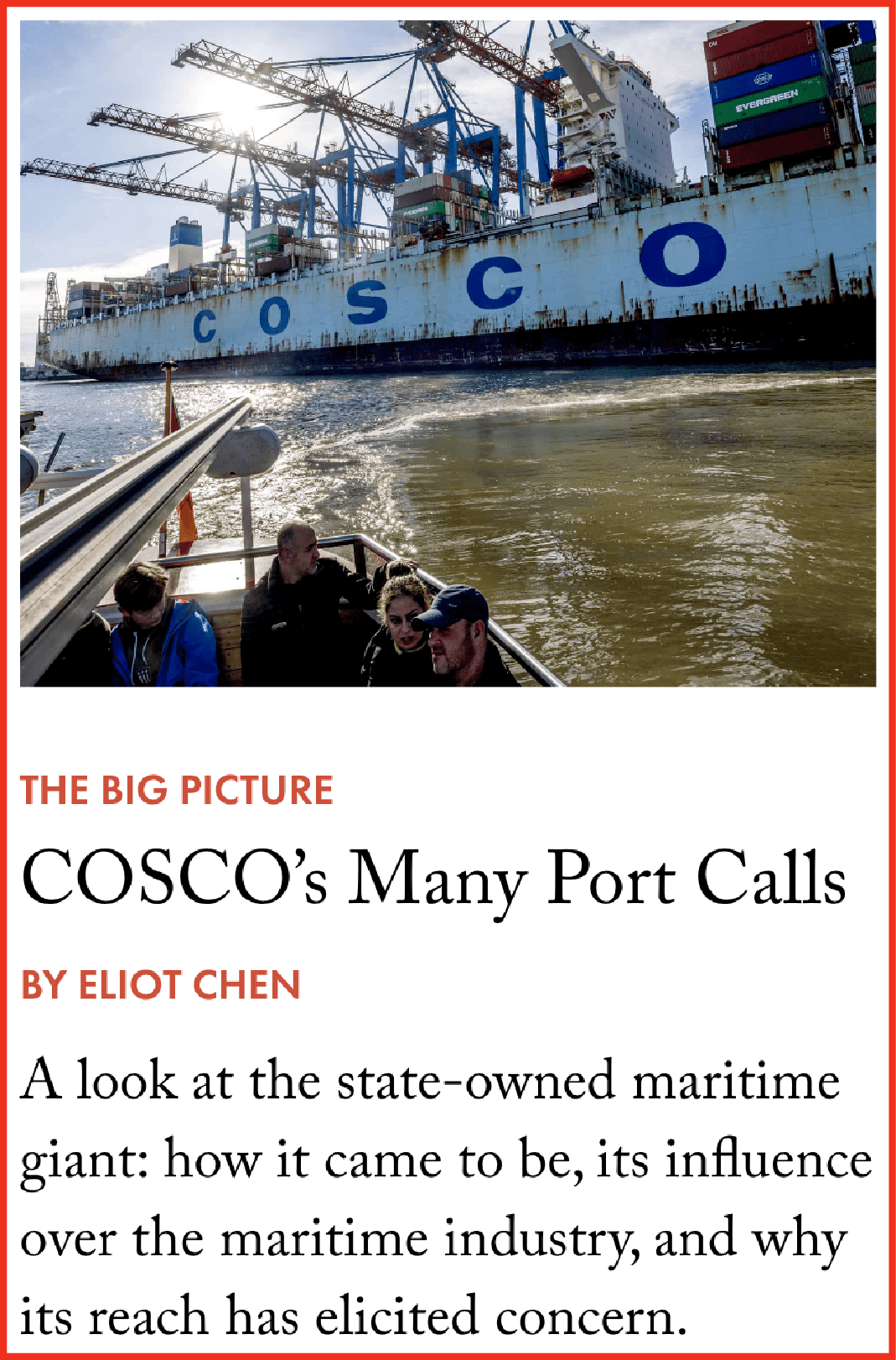
“China’s presence in the region would give it options to put a U.S. deployment in the Pacific, sustainment flows and other things at risk,” says Ellis, who also served in the first Trump administration. “Does anyone have any doubt in a time of war that [shipping group] COSCO, who actively helps the PLA now, would also help the PLA in a port that they control?”
One COSCO port in question is state-of-the-art Chancay in Peru, which Xi visited when it opened in 2024. Chancay, the largest deepwater port on the western coast of South America, halved the time it takes Chinese container ships to reach the region. A Trump advisor has mulled slapping a 60 percent tariff on any goods shipped through Chancay. The Peruvian government has celebrated it as a monumental infrastructure achievement.
Even in post-Maduro Venezuela, the Chinese are still in the game. The Trump administration has said that it would allow Venezuela to continue exporting oil to China. Secretary Rubio, testifying on Capitol Hill, implied that the Chinese could expect their debts to be repaid.
“Their debt is legitimate,” he said. “The future Venezuelan government will have to address it and deal with it.”
But he also boasted that “[China’s] influence in our hemisphere has eroded over the past year”. Like so much about U.S. policy in the region involving China, the statement seemed to be a triumph of hope over stubborn facts on the ground.

Brent Crane is a journalist based in San Diego. His work has been featured in The New Yorker, The New York Times, The Economist and elsewhere. @bcamcrane