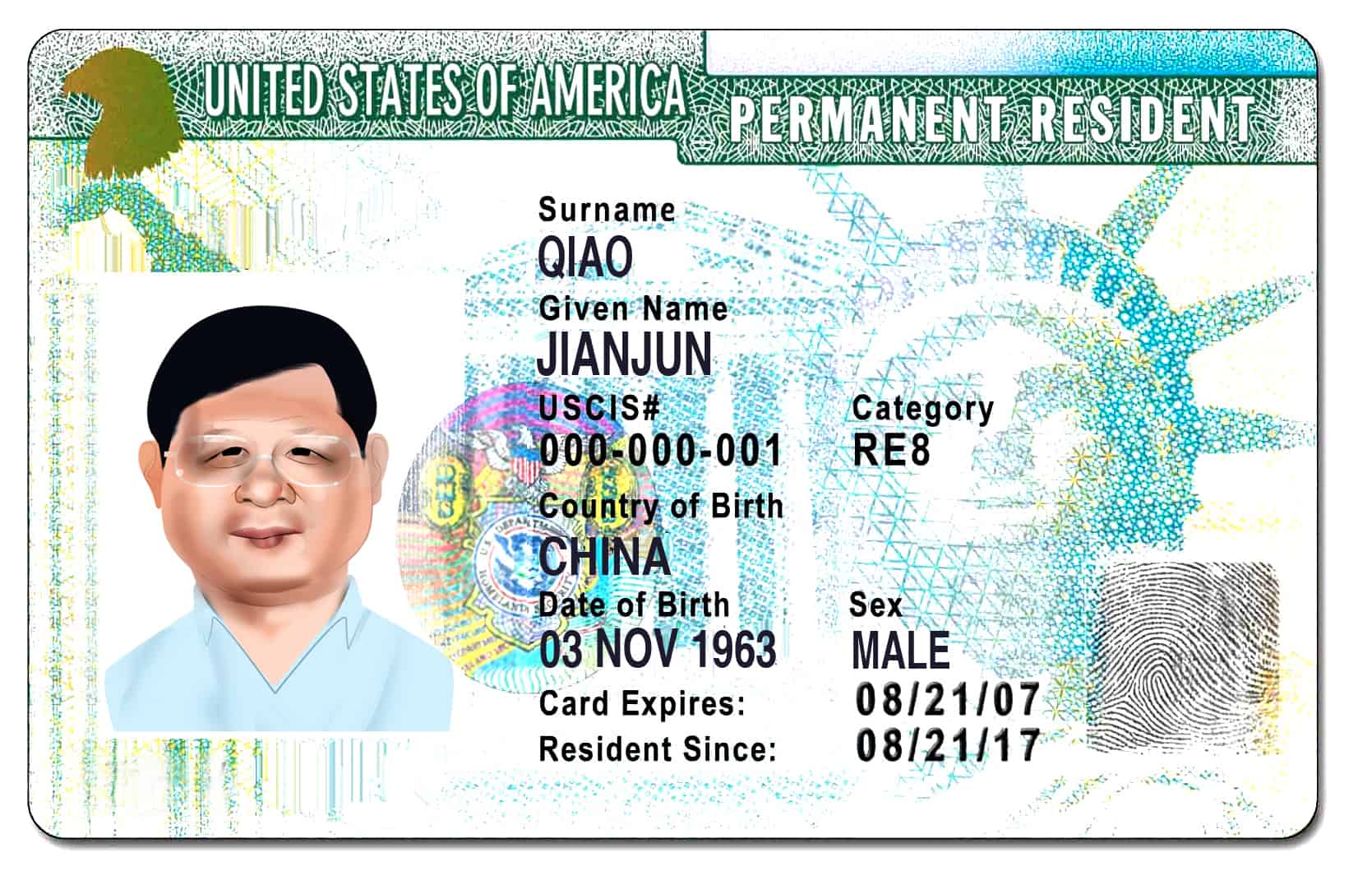
How Chinese money and American greed turned the EB-5 visa program into a cesspool of illegality.
Illustration by Luis Grañena
The fugitive kept many names. For an HSBC bank account in Canada, he was Feng Li. For an Industrial and Commercial Bank of China account, he was Ling Wang. For another, he was Bo Gong. The fugitive had a litany of companies too, though what they actually did was unclear: CJ Max Investments LLC, Faith Advance Limited, S&O Investments LLC. He had investments the world over: the United States, Panama, Cyprus, Austria, St. Kitts and Nevis. According to the U.S. Department of Justice, all of it â
Exclusive longform investigative journalism, Q&As, news and analysis, and data on Chinese business elites and corporations. We publish China scoops you won't find anywhere else.
A weekly curated reading list on China from Andrew Peaple.
A daily roundup of China finance, business and economics headlines.
We offer discounts for groups, institutions and students. Go to our Subscriptions page for details.
California-based Jupiter Systems sold high-tech wall screens to U.S. military and government clients. On June 14, The Wire China revealed how Jupiter was sold to a Chinese company in 2020 without the first Trump administration’s knowledge. Now Trump is back and on the case as Jupiter teeters on the verge of bankruptcy.
We use cookies to ensure that we give you the best experience on our website. If you continue to use this site we will assume that you are happy with it.