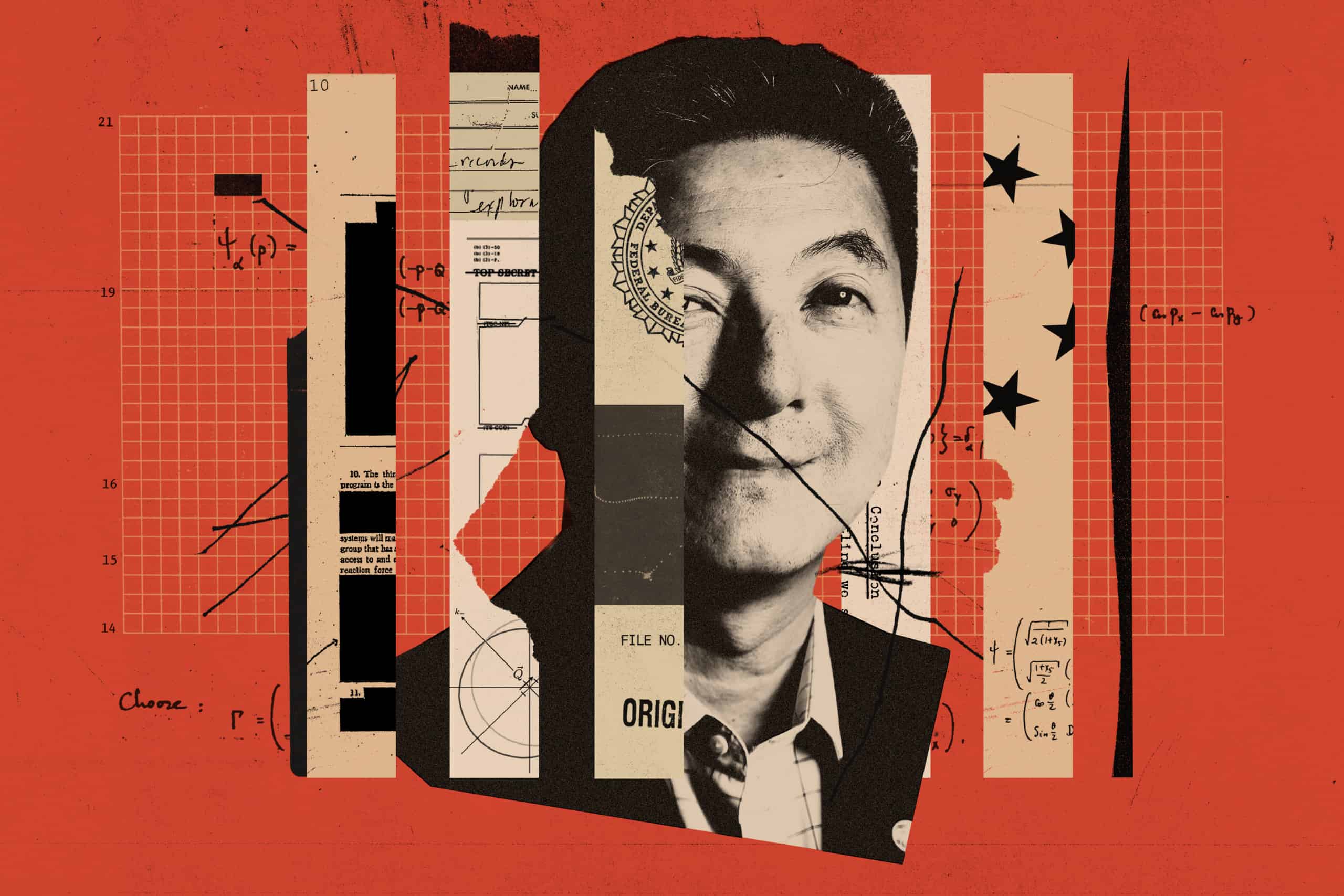
Stanford physics professor Zhang Shoucheng, a potential Nobel laureate, was among the first casualties of the U.S.-China trade war. But when the world loses a brilliant scientist, who really wins?
Illustration by Mike McQuade
Eight months before he killed himself, Zhang Shoucheng was giving a presentation about quantum computing, artificial intelligence, and blockchain encryption to a room full of Google employees. Dressed in a navy blue blazer, the theoretical physicist and Stanford University professor was engaging and confident as he used the Dan Brown novel Angels and Demons to help explain Paul Dirac’s 1928 theory of antimatter.
Zhang was known for scientific theories and discoveries that could revolu
Exclusive longform investigative journalism, Q&As, news and analysis, and data on Chinese business elites and corporations. We publish China scoops you won't find anywhere else.
A weekly curated reading list on China from Andrew Peaple.
A daily roundup of China finance, business and economics headlines.
We offer discounts for groups, institutions and students. Go to our Subscriptions page for details.
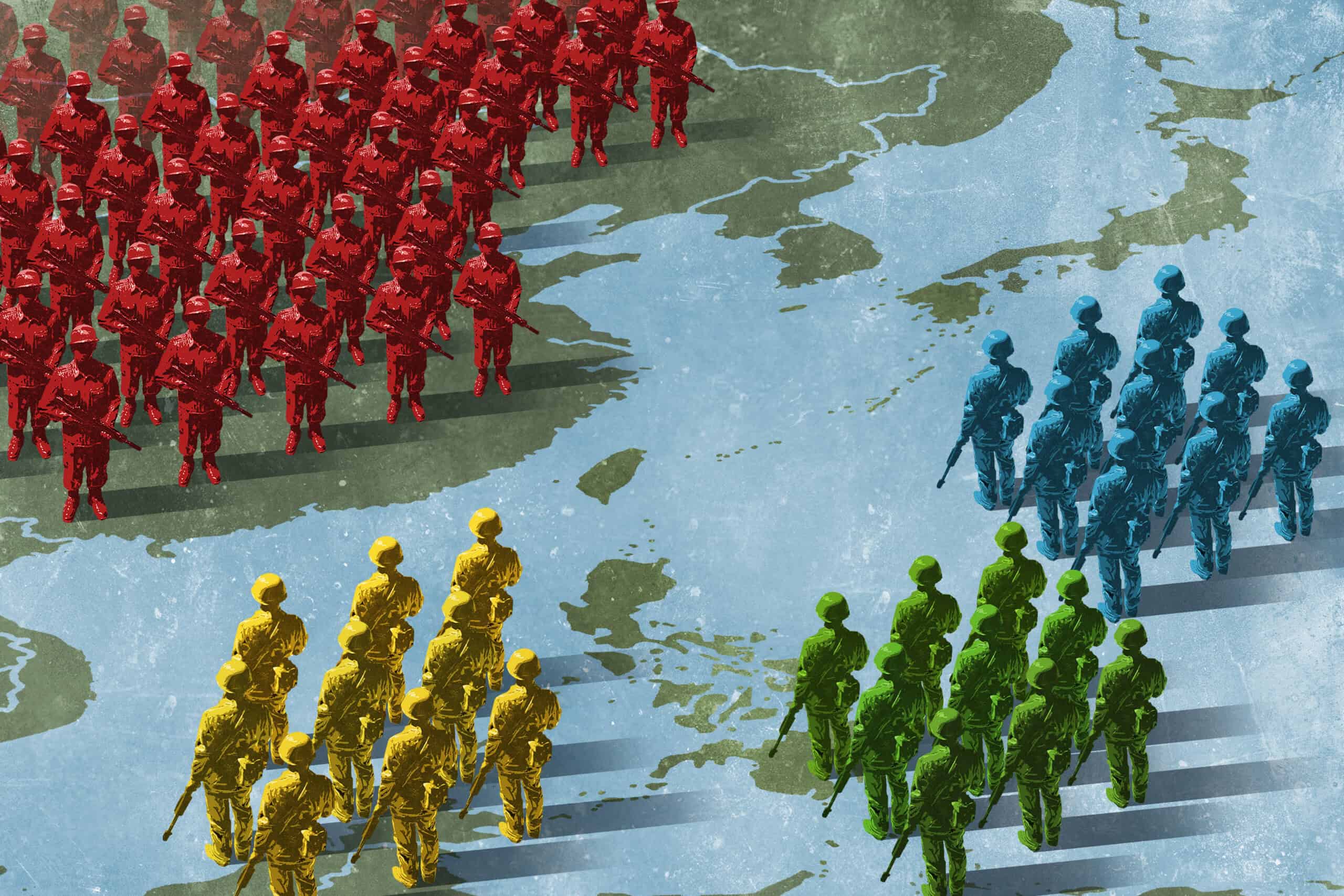
China’s fraught relationship with Japan and its many maritime disputes with the Philippines are uniting the two archipelago nations against a common adversary. Tokyo and Manila also fear the geopolitical consequences of a successful Chinese attack on Taiwan, which would shatter the “first island chain”.
Now on podcast platforms everywhere, The Wire China hits the airwaves to take you behind the scenes of the stories we cover each week. We are dedicated to understanding and explaining one of the biggest stories of our time: China’s economic rise and its influence on the world.
We use cookies to ensure that we give you the best experience on our website. If you continue to use this site we will assume that you are happy with it.