For the first time since President Donald Trump took office, the United States has flexed its military muscle in a dramatic fashion, sending in over 100 aircrafts and elite special forces to capture Venezuelan President Nicolas Maduro.
Trump may have ordered the dramatic maneuver for a mixed bag of motives, including teaching Maduro a lesson, obtaining oil concessions, and diminishing Cuba’s influence. But the move may turn out to be an important test case — and signal to the world — of the relative effectiveness of China’s encroachment approach to the Global South versus the America’s gun boat diplomacy. The results a few years from now may not prove to be in the U.S.’s favor.
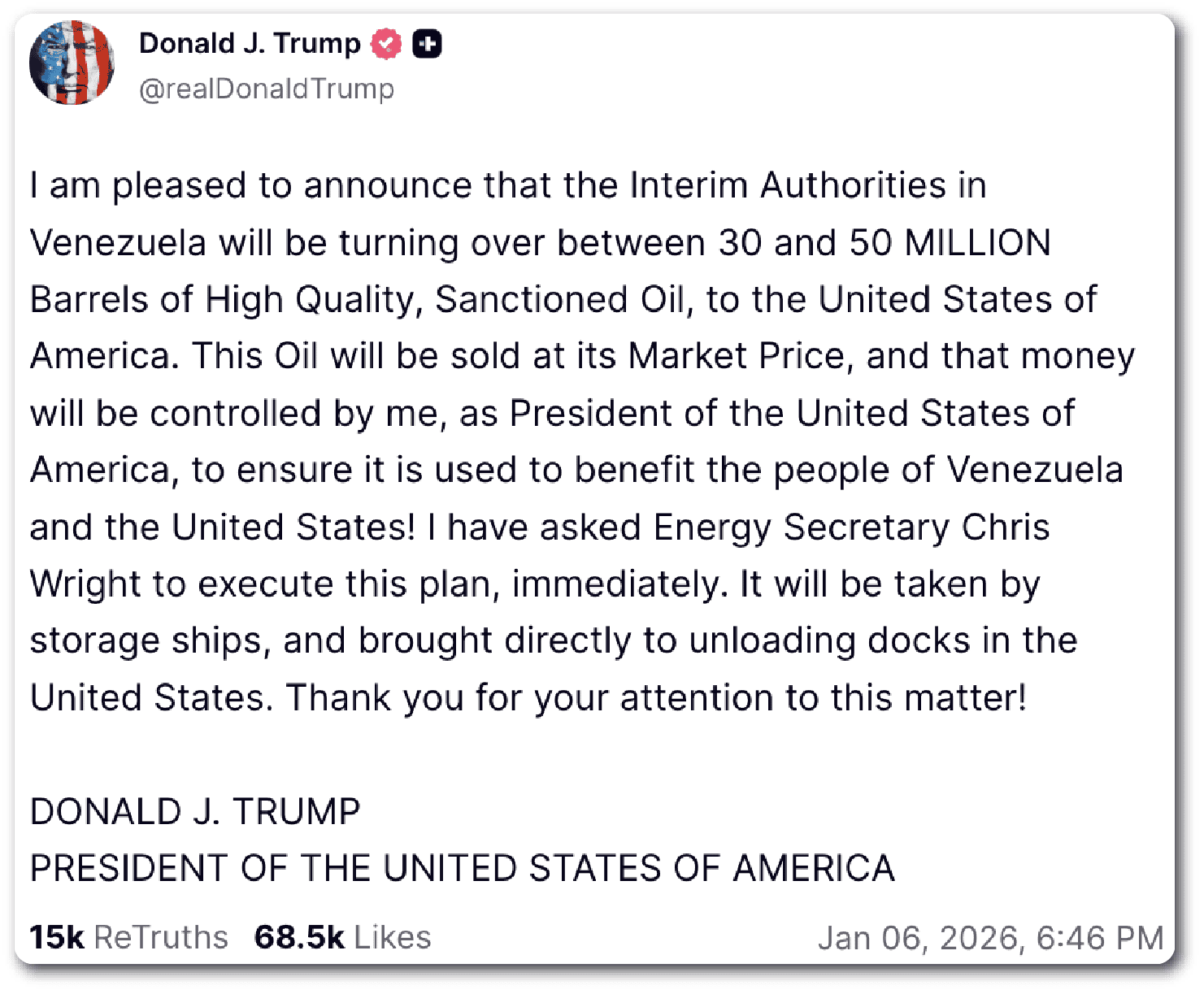
As of the first week of January, the Trump Administration has achieved several major outcomes with the application of brute force in Venezuela — the removal of the country’s leader, the seizure of multiple tankers brimming with crude oil, and the gifting of 30-50 million barrels of oil to the U.S. government. This was, quite literally, the deployment of gun boat tactics with little regard to the policy’s medium-term sustainability, for either the U.S. or Venezuela.
For one thing, the regime in Venezuela is still in place, only missing the previous head of the government. The head of the armed forces, Vladimir Padrino Lopez, the Interior Minister Diosdado Cabello, as well as the interim President Delcy Rodriguez are all still in power. The thousands of Cuban “advisors” in the country also are still in situ, as well as tens of billions of dollars worth of Chinese investment and financial aid. Yes, the ruling government is making concessions to the U.S. in the face of the threat of overwhelming force. However, Venezuela’s leaders also know that the U.S. is very reluctant to land a large number of troops in the country, ensuring their continued rule in most scenarios.
The Venezuelan regime knows that gun boats are just as likely to suddenly disappear as they have appeared — whereas the billions of dollars worth of Chinese investment in the country will not evaporate overnight.
The short-term result is thus likely the survival of a regime that holds greater animosity toward the U.S., albeit one that is making limited concessions to Washington. As long as the military threats imposed on Venezuela remain credible, the country will continue to make those concessions. However, the moment that domestic politics in the U.S., or Trump’s own actions, reduce the military threat hanging over Venezuela, its leaders will likely change their policies and withdraw many of the concessions made to date. The U.S. would be no better off than before its dramatic seizure of Maduro.
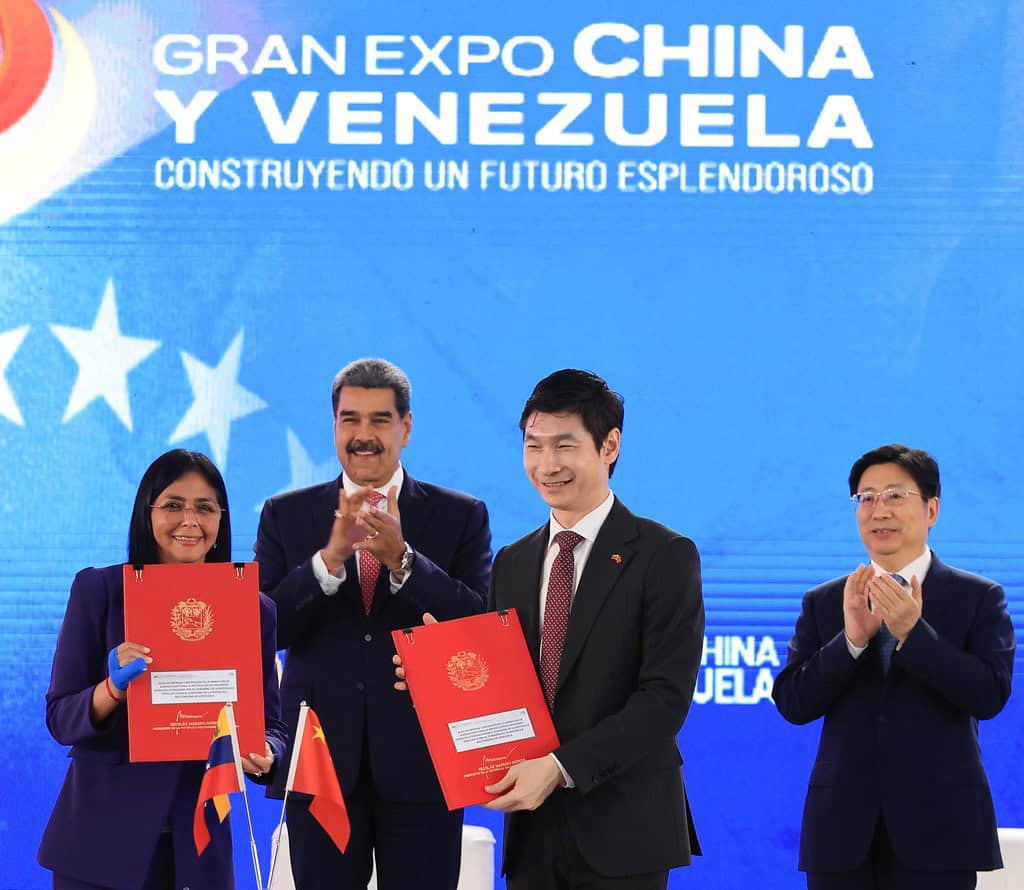
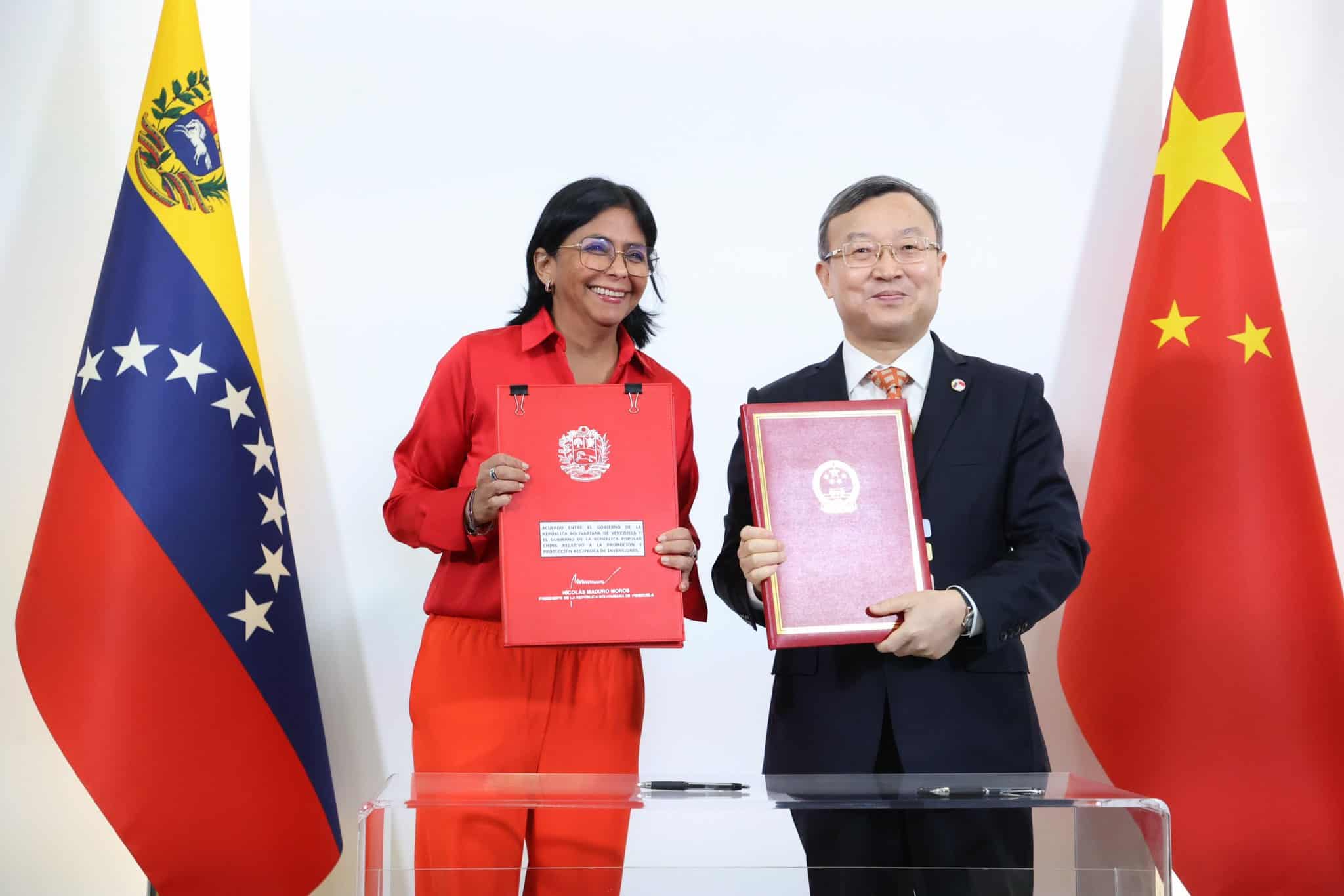
China has taken a very different approach to Venezuela and other developing countries. It has slowly encroached on the economic life of the country by consistently purchasing several hundred thousand barrels of crude per day from Venezuela, over the course of a decade or more. In the meantime, China has cumulatively offered over $100 billion worth of loans to Venezuela, collateralized by future oil sales and export proceeds from state-owned oil giant PDVSA. Chinese firms have also used those loans and Chinese government aid to help build up the country’s infrastructure.
Beijing has also encroached on Venezuela’s political system. Through their own and Cuban technical advisors, the Chinese government has become very familiar with — and likely has some leverage over — individual members of the ruling elite in the country.
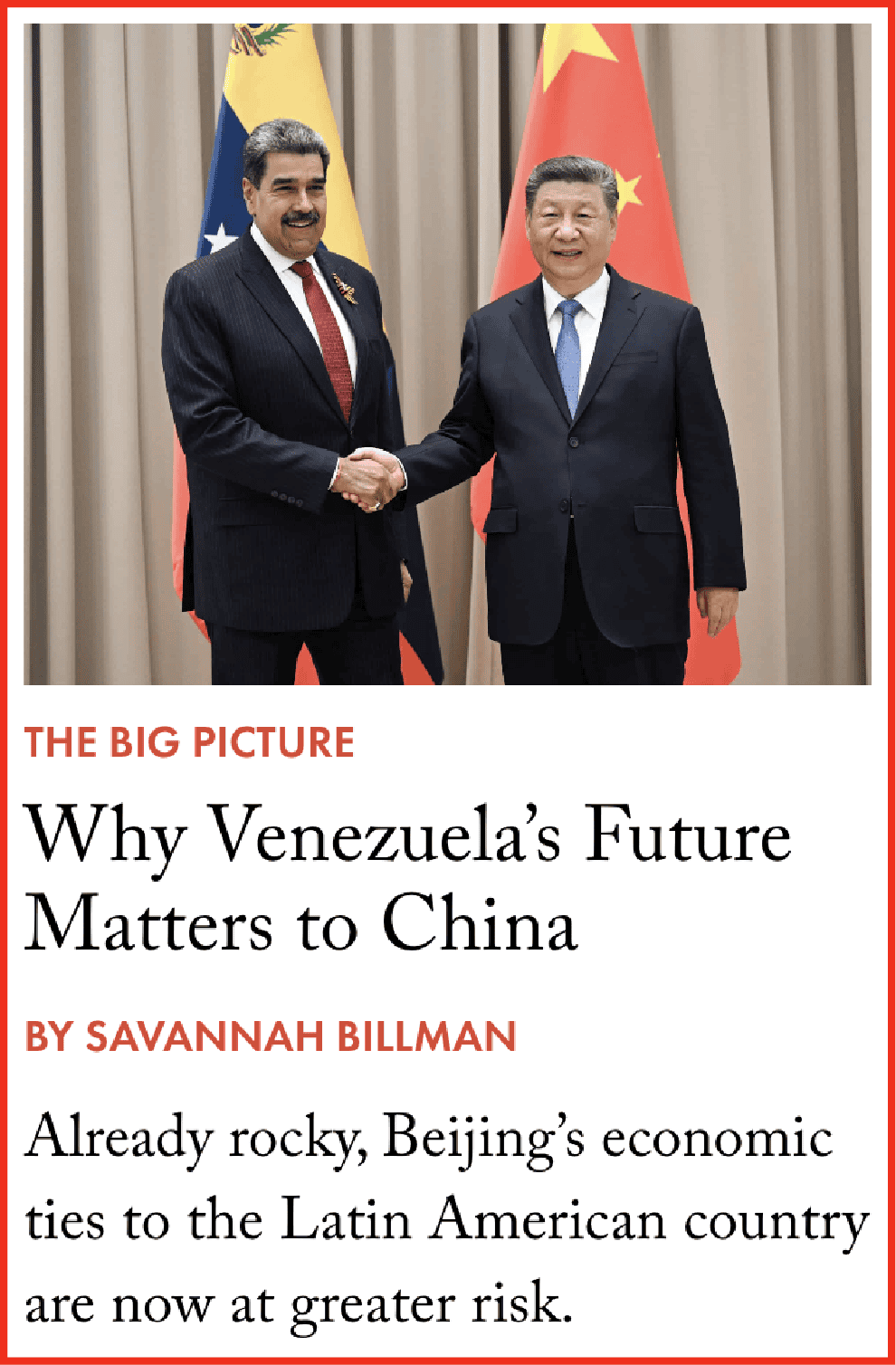
Although there is a coercive dimension to China’s status as a major creditor to Venezuela, and its influence over its leaders, it is very different from the brute force applied by the United States. In the face of gun boat diplomacy, Venezuela has little room to maneuver in the short-run and must make concessions. With China, because Venezuela is such a major debtor to Chinese banks, it actually has some negotiating power, for example when it comes to bargaining for restructuring of existing loans and the provision of additional loans — after all, China does not wish to see a total loss of its investments. Thus, over the years, we have seen the restructuring and even enlargement of Chinese credit facilities to Venezuela. China also has provided Venezuela with advanced radar systems, missiles and armored vehicles to strengthen the regime.
On the surface, it might then seem that China’s approach leaves it in a weaker position relative to Venezuela than the more direct United States. China’s patient approach of gradual encroachment could prove to be very costly in financial terms: Given the declining capacity of the Venezuelan oil sector, China could suffer heavy losses on the billions it has lent to the country. So while China is running large financial risks in Venezuela, the United States is gaining from gifts of oil.

Still, the potential costliness of China’s gradual encroachment approach in fact makes it more credible than the current version of gunboat diplomacy on display from Washington. The Venezuelan regime knows that gun boats are just as likely to suddenly disappear as they have appeared — whereas the billions of dollars worth of Chinese investment in the country will not evaporate overnight. China’s long-term stake in Venezuela makes it a more solid partner for the country than the United States, with its dramatic, but far more short-termist approach.
As a leftist populist government, Venezuela has already become a valuable point of influence in the Americas for China. The latest U.S. actions have certainly inflamed the regime’s animosity towards Washington, and may make the United Socialist Party led-regime even more valuable for China in the long term.
When the U.S. wakes up from its dream of gun boat diplomacy, it may in turn face the reality that China could end up being more influential not just in Venezuela, but in the rest of Latin America and beyond.
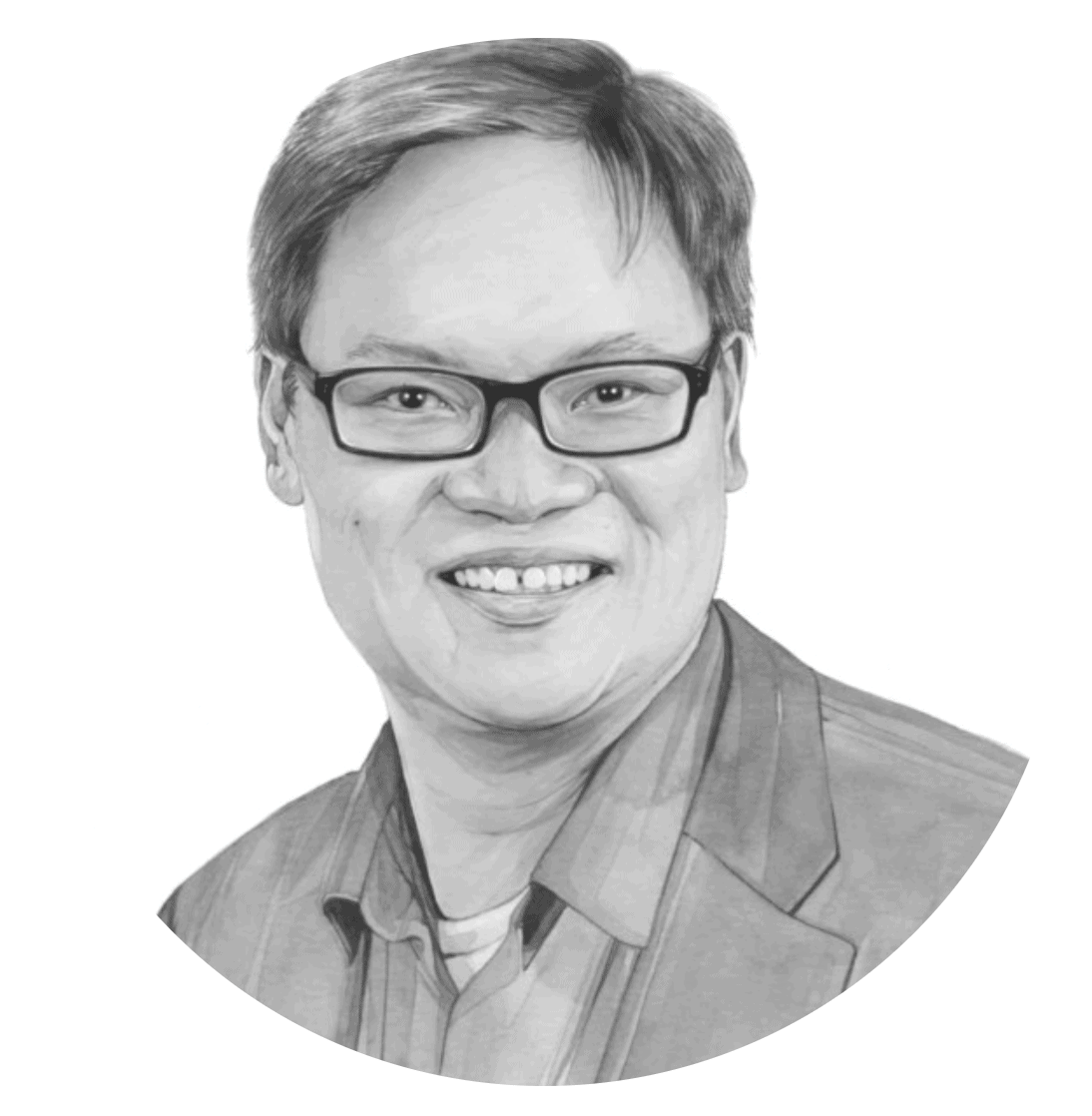
Victor Shih is a professor of political economy at UC San Diego and holds the Ho Miu Lam Chair in China and Pacific Relations at the School of Global Policy and Strategy. He is also the director of the 21st Century China Center and the author of Coalitions of the Weak: Elite Politics in China from Mao’s Strategem to the Rise of Xi. @vshih2