Good evening. In the 1980s, the Chinese people dared to dream that bold economic liberalizations might be mirrored in the political sphere. As Minxin Pei writes in an extract from his new book, it was a pipe-dream given Deng Xiaoping’s clear opposition to any meaningful weakening of the Chinese Communist Party’s monopoly over political power — a reality made brutally clear when he ordered China’s military to crush the spring 1989 Tiananmen Square protests. Despite this bloody setback, the quarter-century economic boom that began in 1992 suggested a different detente between the Party and the people was possible, in which the former would at least allow a relatively thriving civil society to take root. Political power, meanwhile, was to be exercised by a collective Party leadership that would peacefully relinquish authority to a new generation of cadres every decade. This happened twice, in 2004 when Jiang Zemin handed the last of his three political posts (head of the military, party and state) to Hu Jintao, and in 2013 when Hu made way for Xi Jinping. But there would be no third such transition as Xi, in Pei’s words, reinstituted “fear as a vital instrument of rule” and implemented a “ferocious crackdown on civil society … that has raised repression to its worst level in the post-Mao era”.
Also in this week’s issue: Meet China’s leading AI agents; the foreign food brands hungry for Chinese business partners; Dutch journalist and author Marc Hijink on the Nexperia fiasco; and Ludovic Subran assesses China’s emerging “electro-state”.
Want this emailed directly to your inbox? Sign up to receive our free newsletter.
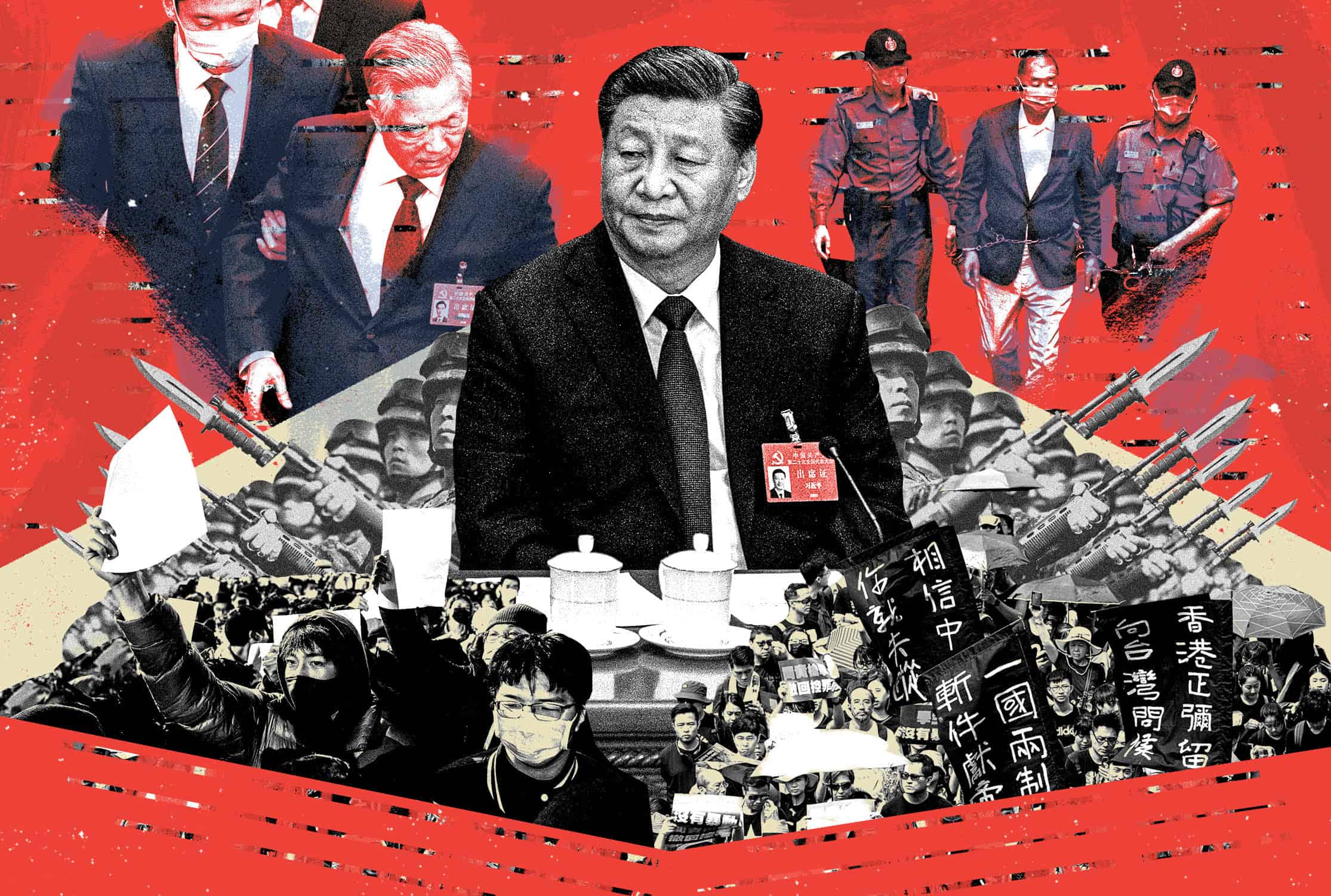
“The Reinstitution of Fear”
In his previous books Minxin Pei, the well known Sinologist at Claremont McKenna College, has examined China’s surveillance state, its crony capitalism and its arrested political development. In his latest work, The Broken China Dream, excerpted in this week’s issue, Pei ponders another fundamental question about the country and its current trajectory. While hopes that economic reform would inspire political reform faded many years ago, how is it that the country’s “trapped” political development actually regressed so dramatically during Xi Jinping’s first decade in power? Xi, Pei writes, has “dismantled the political order constructed by his predecessors and revived the central elements of totalitarianism: personalistic rule, a cult of personality, permanent purges, stifling social control, ideological indoctrination and an aggressive foreign policy”.

AI Agents — at your service or after your job or both?!
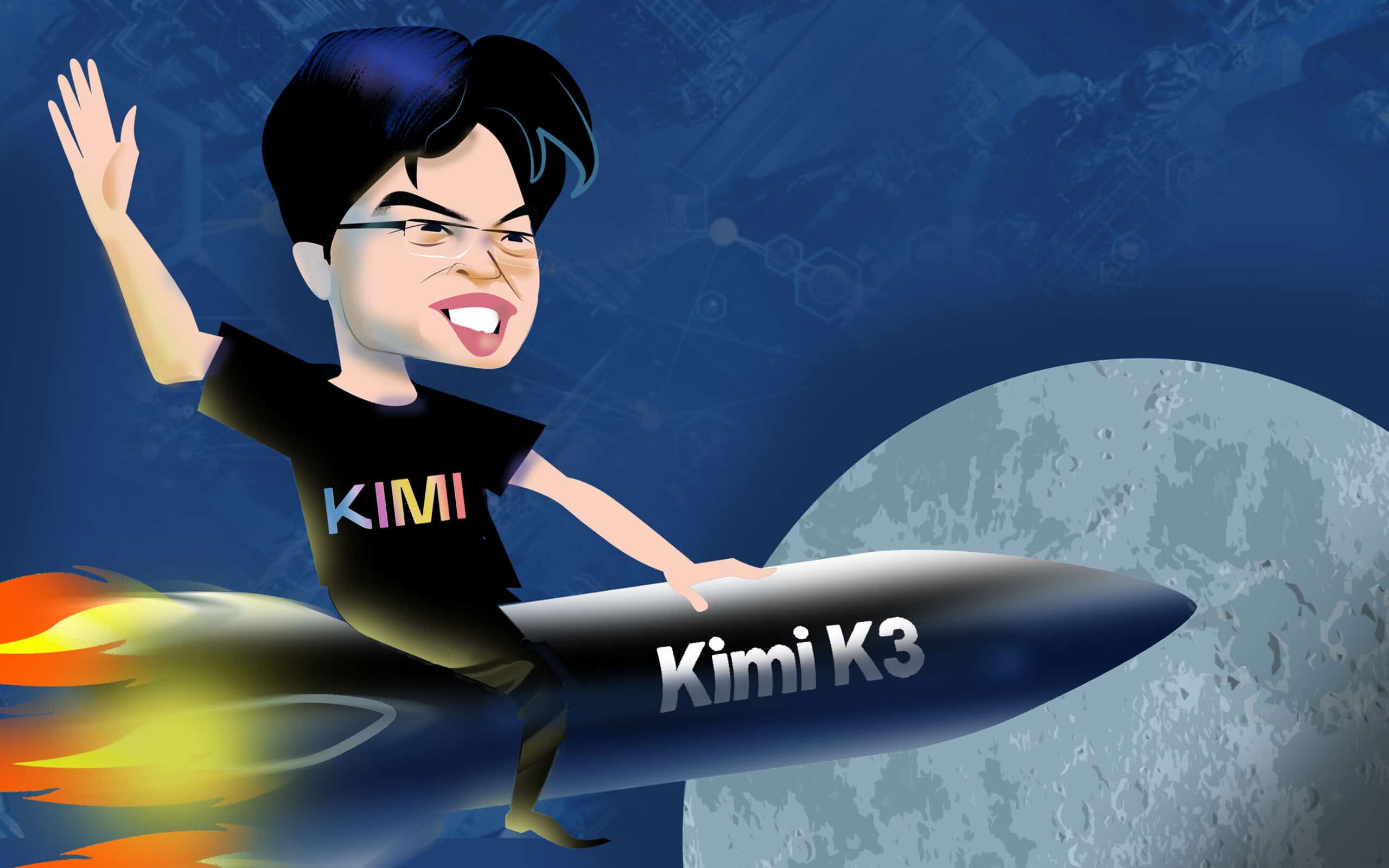
AI “agents”, such as Google’s AP2, can do tasks — shopping, for example — previously handled by humans. In China familiar names such as Alibaba and ByteDance — and smaller players like Manus.Ai and Zhipu — are developing agents of their own. In this week’s Big Picture, Savannah Billman looks at China’s leading AI agents.
“U.S. markets consolidate toward two or three winners with massive capital moats,” notes Afra Wang, a tech writer and analyst. “China has seven or eight serious players exploring genuinely different approaches — and the pack keeps growing.”
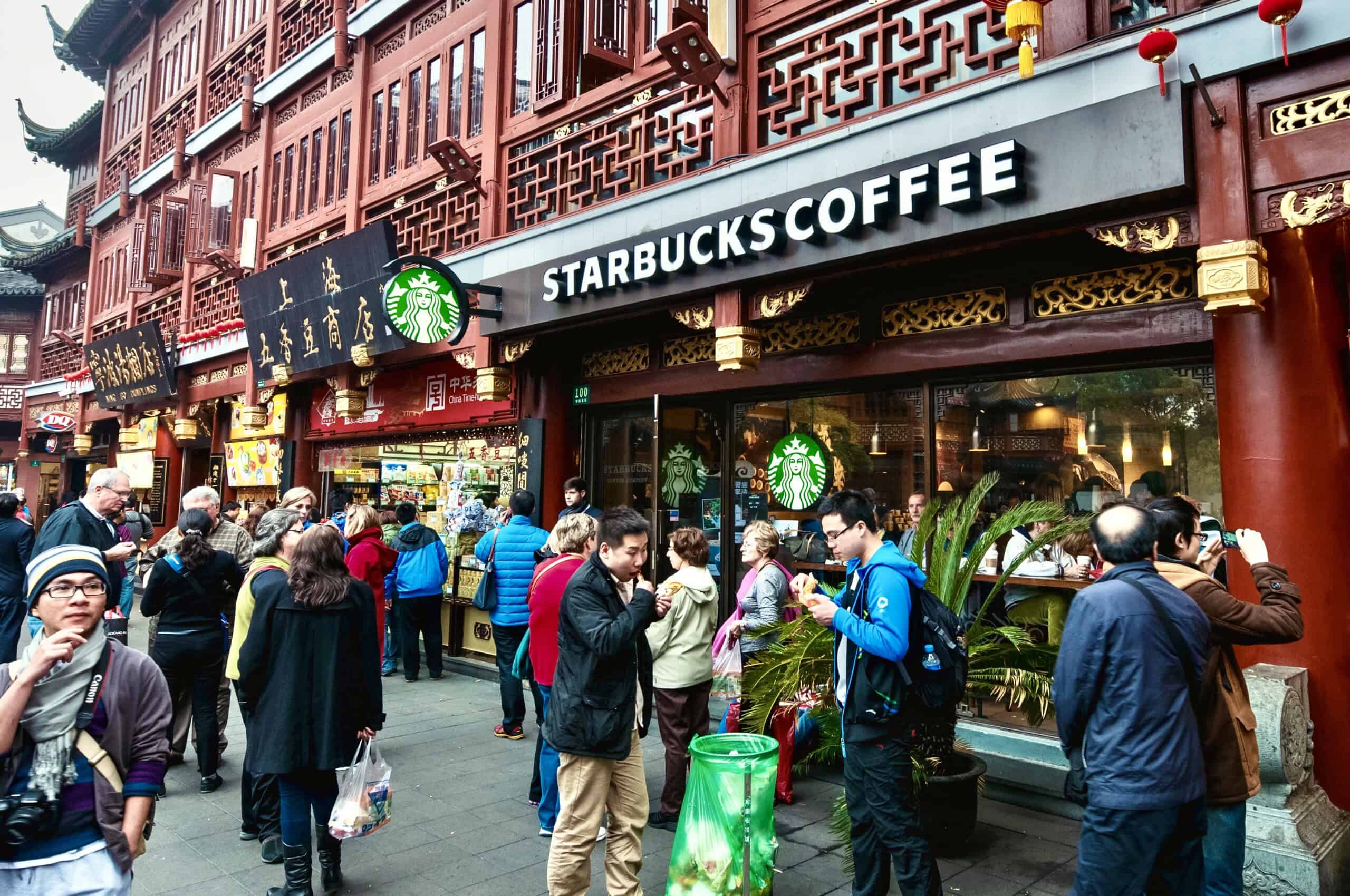
Foreign Foods, Local Flavors
In 2024 all of Burger King’s outlets in China (there are about 1,500 of them) had daily average sales of less than 10,000 yuan (an unlucky $1,414.40 at the current exchange rate). That’s not a lot of burgers, and far below the chain’s performance elsewhere. Other foreign food and beverage brands are also performing poorly in China. In an effort to turn things around, writes Rachel Cheung, they are increasingly turning to Chinese business partners for help decoding the local market. Durian and chocolate volcano pizza anyone?

A Q&A with Marc Hijink

It’s not often that a corporate battle in the Netherlands becomes an international incident. But that is exactly what has happened this autumn, as the Dutch government has wrestled with Beijing over the future of semiconductor manufacturer Nexperia — all with the Trump administration playing a vital supporting role.
In our latest Q&A, Dutch technology journalist and author Marc Hijink tells Andrew Peaple how the fight over who runs the Chinese-owned Nexperia went global, and why the main personalities involved, including a leading Dutch minister and Nexperia’s Chinese CEO, have exacerbated the problems.
Marc Hijink
Illustration by Lauren Crow
New Industries, Old Problems
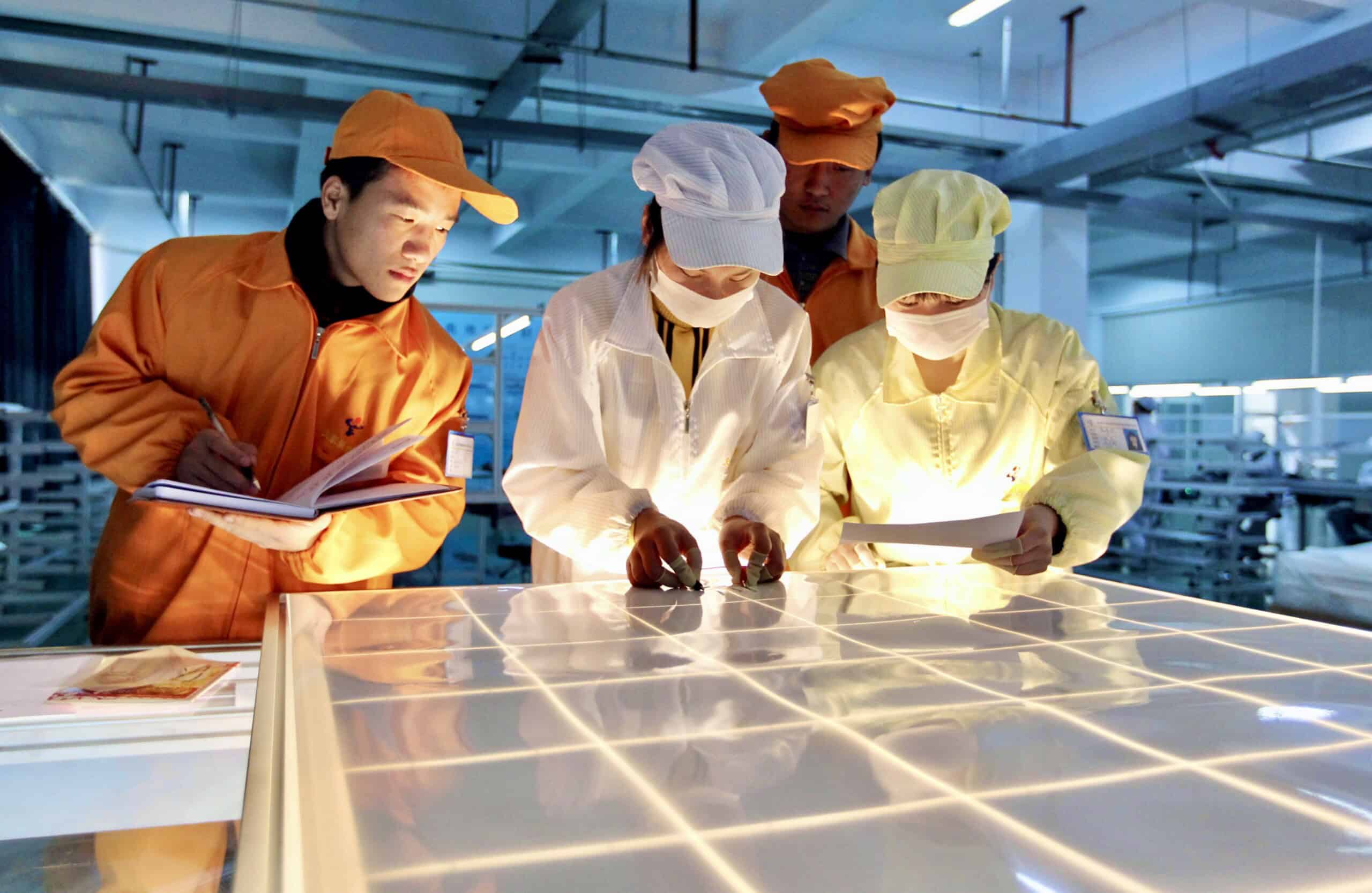
China’s dominant position in so many industries of the future — and its control of the rare earths and other natural resources they depend on — is impressive, Ludovic Subran writes. But they also face many of the constraints that frustrated their predecessor industries in China, such as weak domestic demand and a shrinking labor pool.
Subscribe today for unlimited access, starting at only $25 a month.