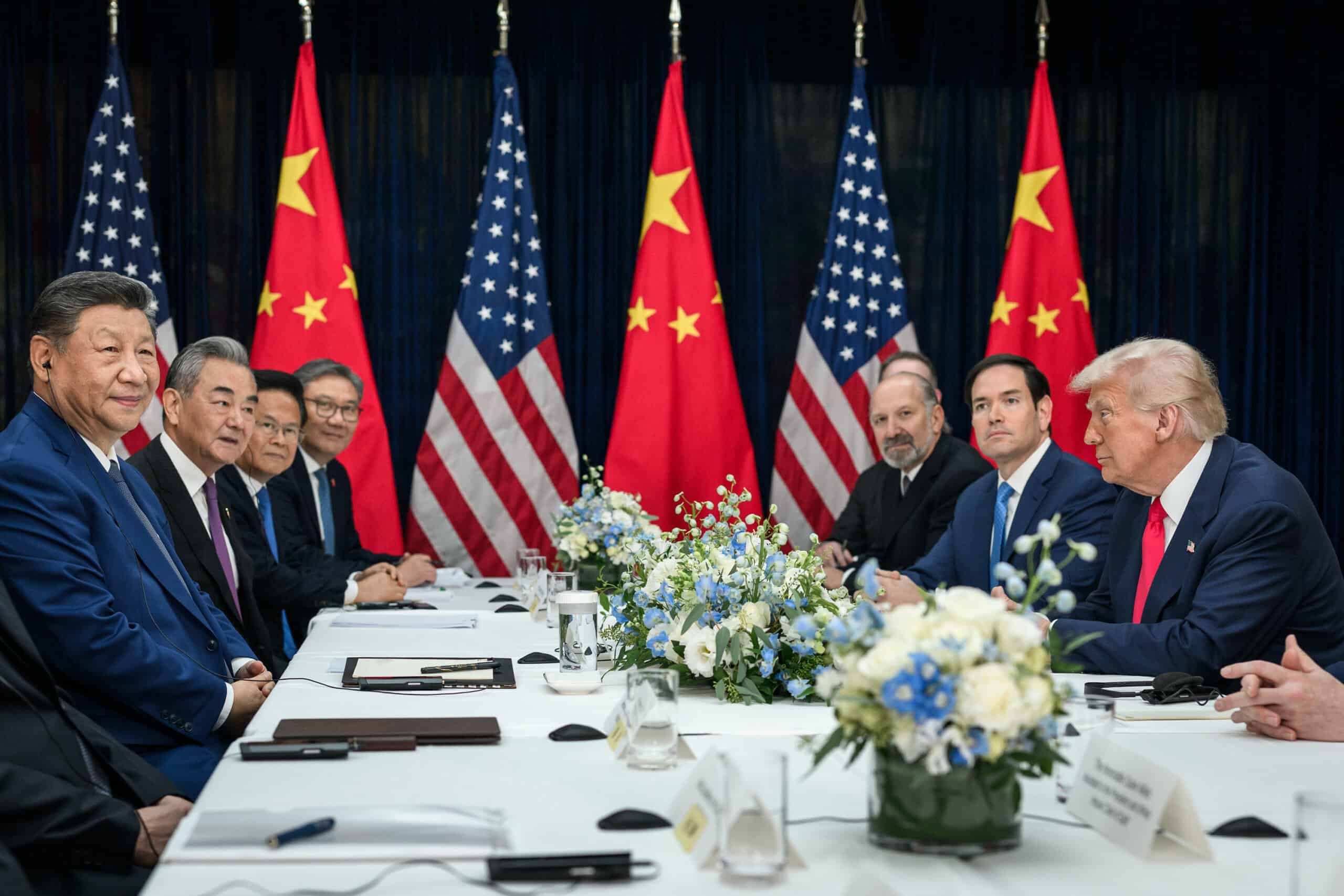
Happy Mid-Autumn Festival, almost... Barring any shock developments over the next few days, Xi Jinping will be coming to Washington this week for his third meeting with Donald Trump in ten months. First there was the October 2025 truce in tariff and commercial hostilities agreed by the presidents in Busan, South Korea. That truce was extended at their second meeting in Beijing in May, and is likely to be extended again in Washington. In this week’s issue, Noah Berman looks at a powerful new force in Sino-American relations: the Federal Communications Commission and its chair, Brendan Carr. Savannah Billman benchmarks the “Busan Truce”. Peiyue Wu assesses U.S. and EU concerns over the Chinese-made inverters that control electricity flows over their power grids. Bob Davis speaks with Stephen Vaughn, general counsel at the Office of the U.S. Trade Representative during Trump’s first term. And Manoj Kewalramani assesses Xi’s recent talks with Indian Prime Minister Narendra Modi in Delhi.
In the latest Wire China podcast, Rachel Cheung talks to Peiyue Wu about her recent cover story on a new generation of factory owners, “forward-deployed engineers” and their AI ambitions.
Harvest moon hiatus. The Wire will not be published next week, September 27, as we take a short break for the Mid-Autumn Festival. Our next issue will be published on October 4. Zhongqiu Jie Kuaile!
Want this emailed directly to your inbox? Sign up to receive our free newsletter.
Trump’s Last China Hawk?
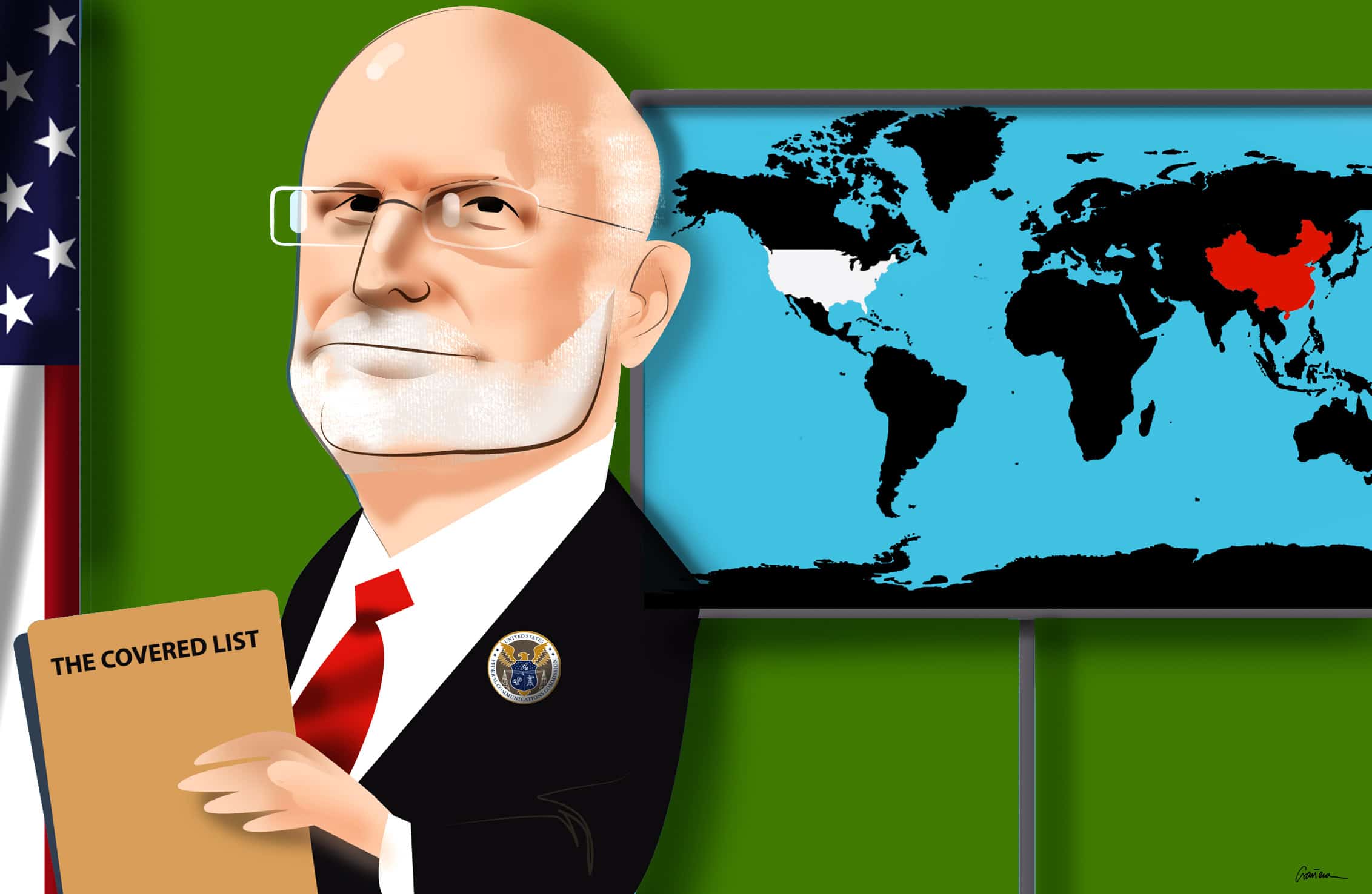
A disgusted Bill Clinton once famously asked “where all the Democrats” in his administration had gone. “I hope you’re all aware,” he added, “we’re Eisenhower Republicans now.” Is it the same dynamic with Donald Trump and China hawks? His first administration was full of them. His second administration not so much, especially after the Busan Truce. But there is at least one exception — Federal Communications Commission Chair Brendan Carr. Carr appears to be the rare China hawk in Trump 2.0 who the president still lets loose from his perch to hunt. Noah Berman profiles Carr and looks at how he has put the FCC at the center of U.S. China policy.
A Huawei Deja Vu Moment in the U.S. and EU
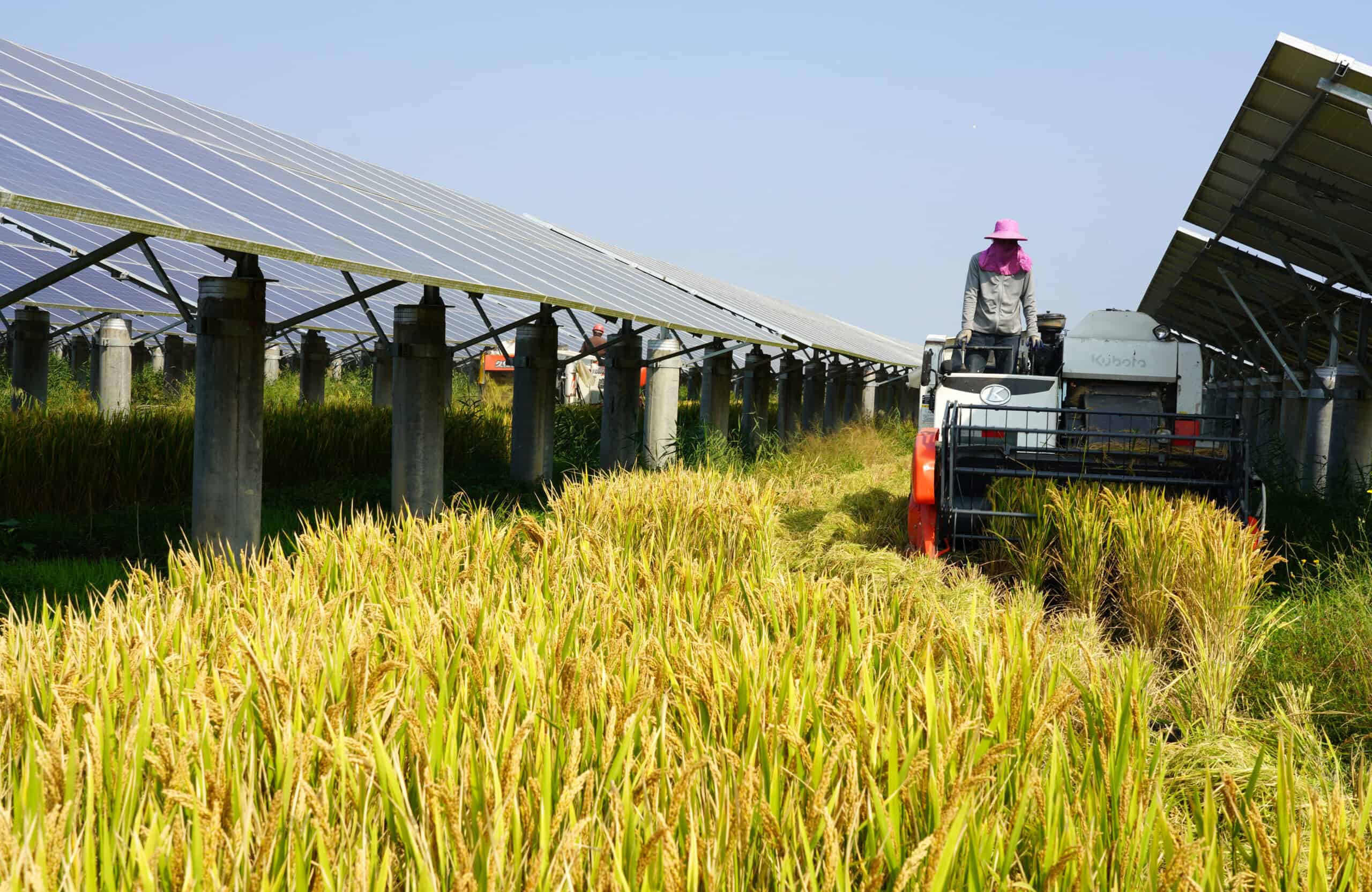
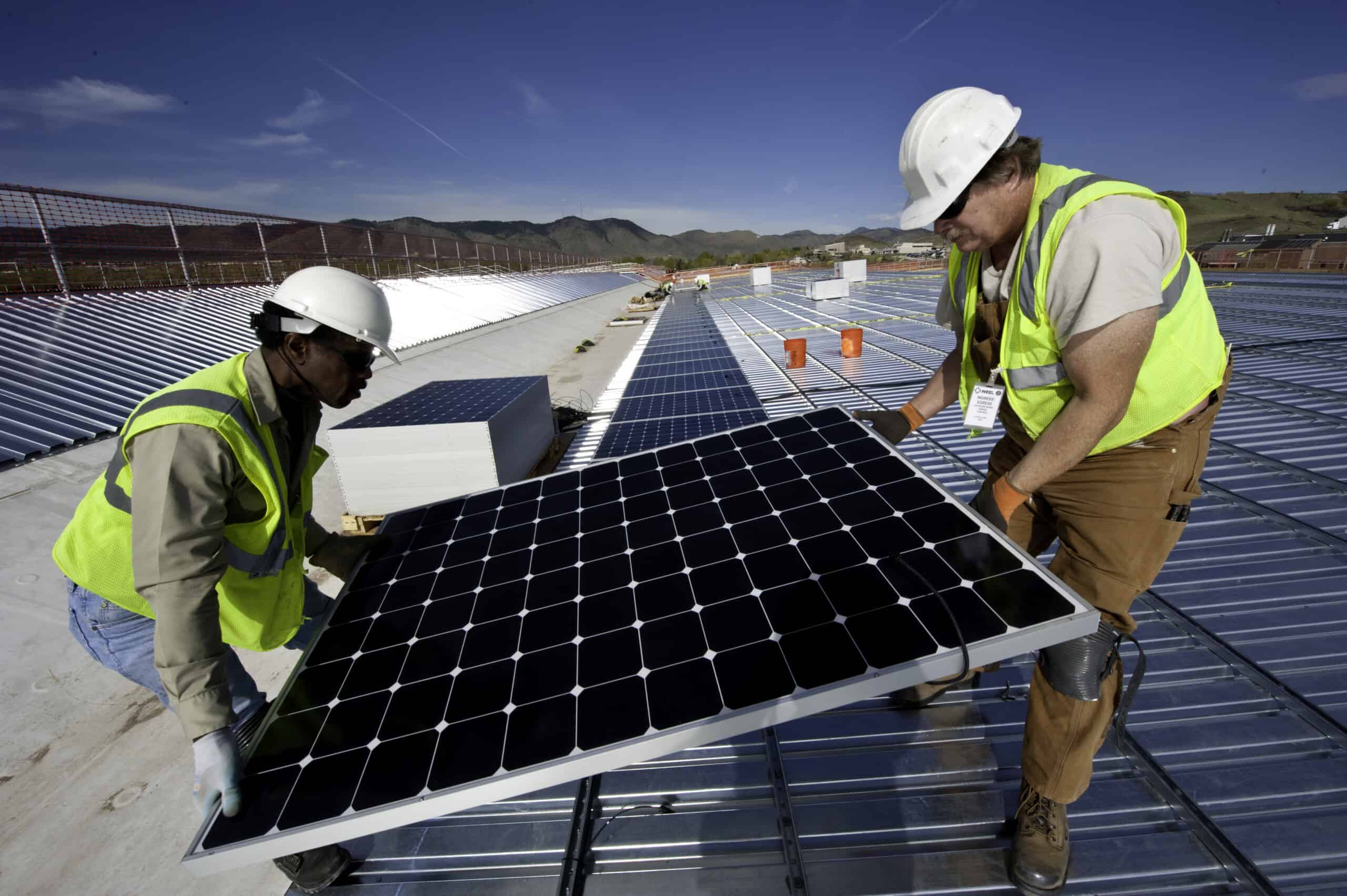
Inverters are crucial gatekeepers in electricity grids, ensuring that the right amount of electricity flows to the right place at the right time. The two biggest manufacturers are, but of course, Chinese — Huawei and Hefei-based Sungrow. This, writes Peiyue Wu, is starting to worry American and European regulators. It wasn’t very long ago that the U.S. and Europe were scrambling to pull Huawei equipment out of their telecom networks because of potential national security risks. Now they are preparing to do the same in their electrical grids.
Benchmarking the “Busan Truce”
The Busan Truce, negotiated by Trump and Xi in October 2025, covered tariffs, future meetings between the two presidents, agricultural purchases and rare earth restrictions, among other items. Ahead of their meeting this week, Savannah Billman looks at what the two men promised and whether they are delivering on those promises.
A Q&A with Stephen Vaughn
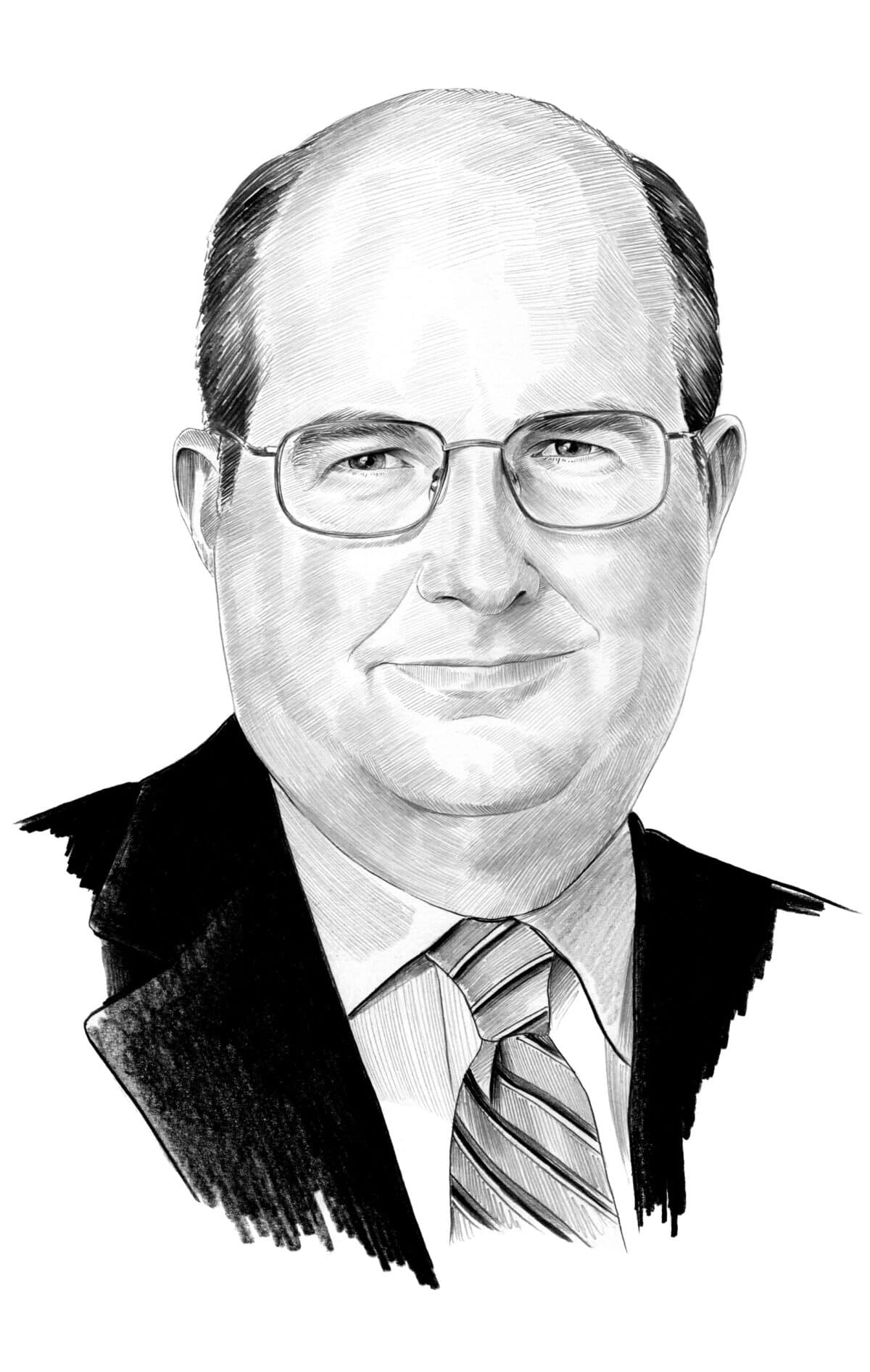
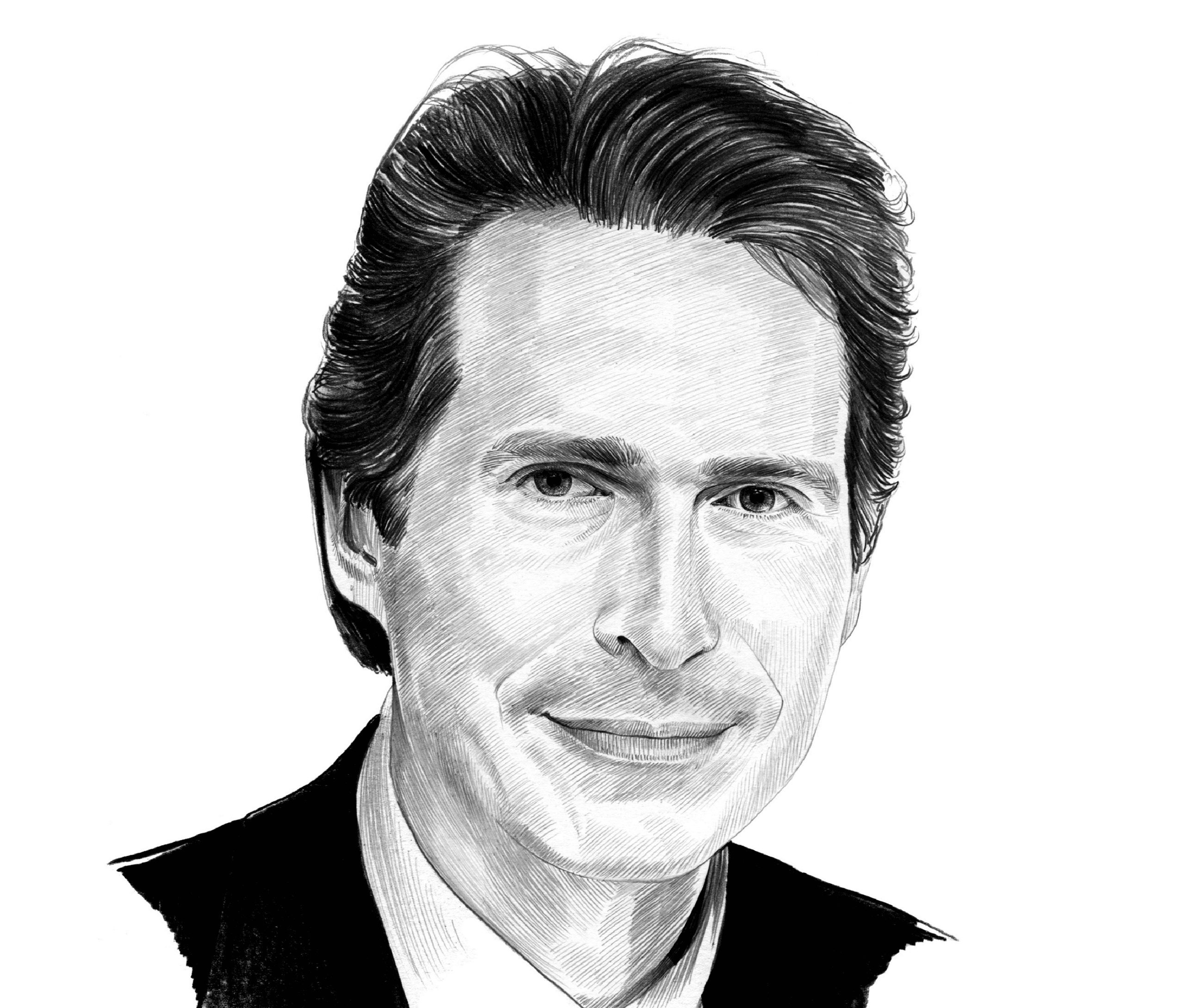
Stephen Vaughn is a trade lawyer who served as general counsel in the U.S. Trade Representative’s office during Donald Trump’s first term. In an interview with Bob Davis, Vaughn talks about his low expectations for this week’s Trump-Xi summit, European countries’ efforts to “save themselves” from surging Chinese exports, and the unique challenges China poses to its major trading partners.
“We are in a very challenging environment,” he says. “Decisions about what gets made in China, what goods are priced at, where it’s made, and who gets the profits are not being made on a market basis. They’re being made on a bureaucratic, geopolitical basis.”
Stephen Vaughn
Illustration by Lauren Crow
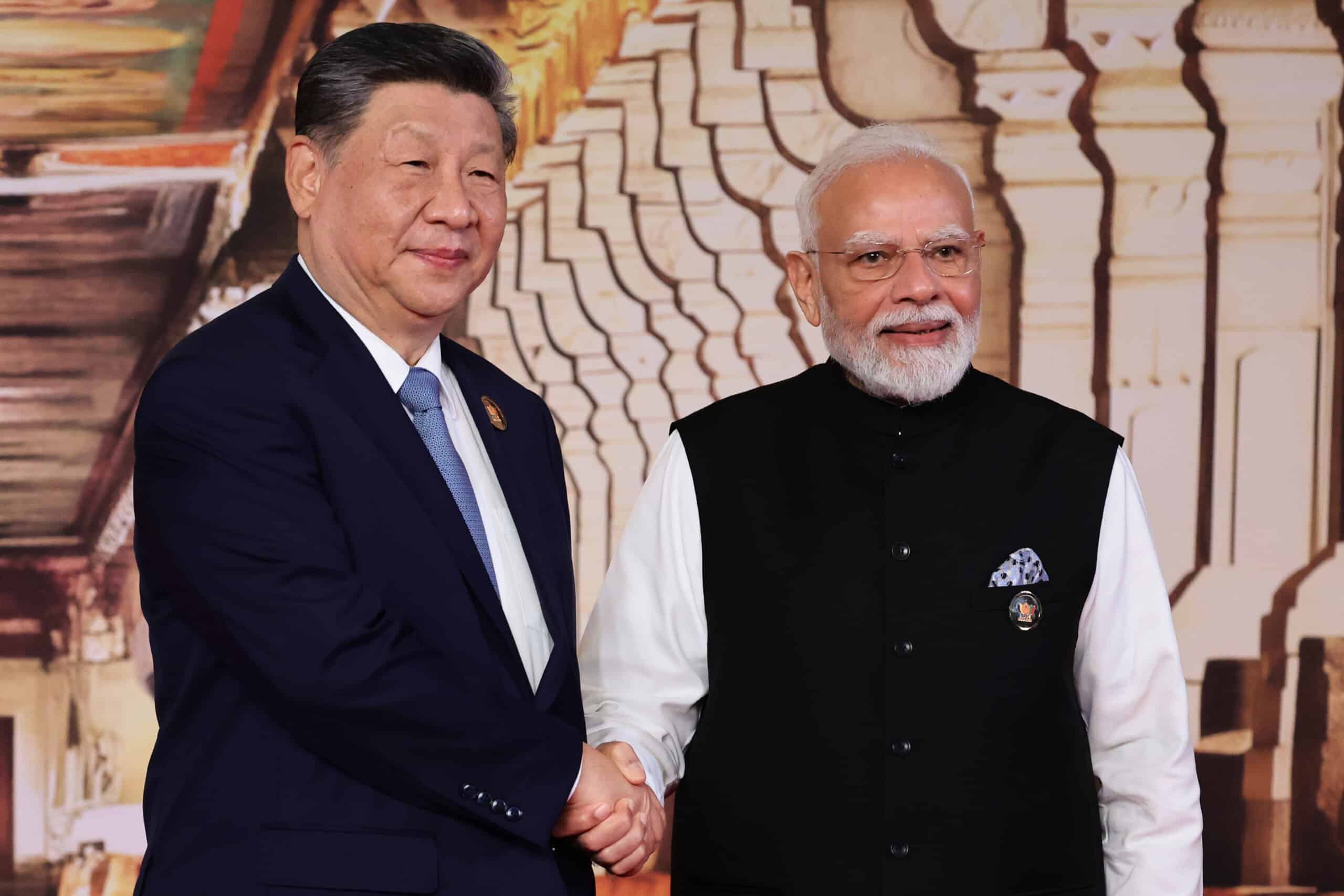
Tough Mountains to Climb
Xi Jinping’s recent meeting with Indian Prime Minister Narendra Modi in Delhi was part of an effort by the world’s two most populous countries to repair a relationship strained by issues ranging from border disputes in the Himalayas to the aging Dalai Lama’s reincarnation, writes Manoj Kewalramani. “The machinery of engagement has been switched back on, but a serious breakthrough has eluded both sides because of structural frictions that impinge on the relationship.”
The Wire China, Issue No. 302
Subscribe today for unlimited access, starting at only $25 a month.