The agreement Trump and Xi reached last year in South Korea paused the trade war, but will soon expire. We look at whether both sides are living up to their promises.
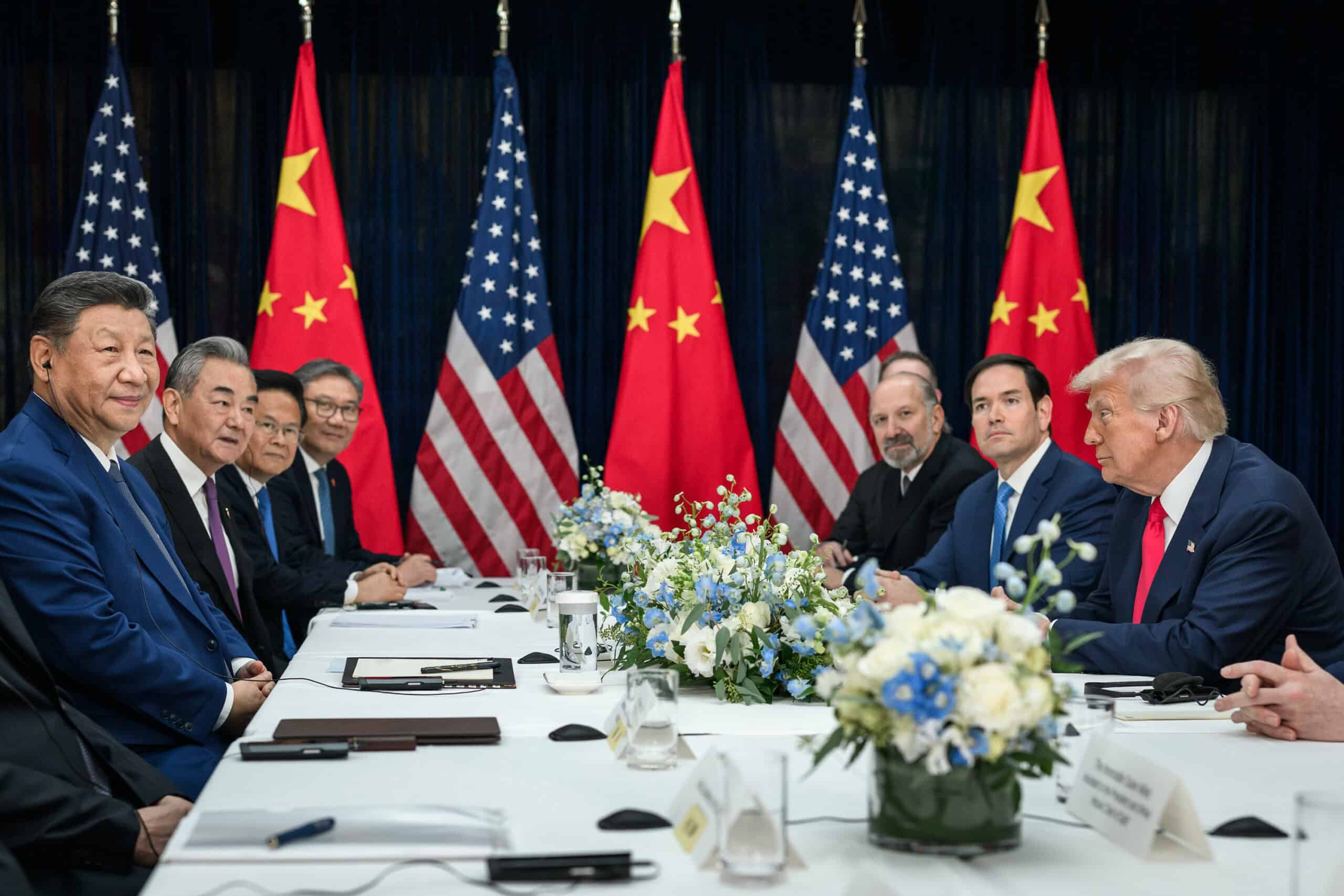
U.S. President Donald Trump and Chinese President Xi Jinping hold a bilateral meeting, October 30, 2025, in Busan, South Korea. Credit: The White House via Flickr
As Presidents Trump and Xi gear up for their second meeting this year in Washington, the clock is ticking on their trade war truce.
An excerpt from a fact sheet on the U.S.-China trade and economic deal, November 1, 2025. Credit: White House
The agreement reached in late October in Busan, South Korea — praised at the time by the White House as a “massive victory” — paused the trade war that had upturned U.S.-China relations and rattled global supply chains. Alo
Exclusive longform investigative journalism, Q&As, news and analysis, and data on Chinese business elites and corporations. We publish China scoops you won't find anywhere else.
A weekly curated reading list on China from Andrew Peaple.
A daily roundup of China finance, business and economics headlines.
We offer discounts for groups, institutions and students. Go to our Subscriptions page for details.
Fish farming in Xinjiang is being sold as proof that technology can overcome geography. The reality is more complicated: a desert seafood boom built on political control, imported feed and a food system that masks its real burdens.
Sanctions and export controls failed to contain the rise of Yangtze Memory Technologies Corp. Now the national champion is riding the AI boom to a record IPO.
We use cookies to ensure that we give you the best experience on our website. If you continue to use this site we will assume that you are happy with it.