Happy Labor Day Weekend America. Today we publish the 300th edition of The Wire China.
Three hundred issues is a lot of labor. Our inaugural issue went online on Easter Sunday, April 12, 2020. Covid had bolted from China and was ravaging New York and Italy. Joe Biden had just won the Alaska primary.
Our first issue had an article about whether Nvidia, which we noted was “an American company in the semiconductor industry”, could secure Chinese regulatory approval for its $6.9 billion acquisition of an Israeli firm, Mellanox. Nvidia’s shares were then trading at less than $7.
We survived the pandemic. We tracked China-U.S. relations as the Democrats took back the White House, only to hand it back to Donald Trump four years later. In April 2020 we knew that Xi Jinping would start an unprecedented third term as Chinese Communist Party General Secretary, state president and commander-in-chief in 2022. We did not know that, in the run-up to a fourth term in 2027, he would feel compelled to purge five of the six People’s Liberation Army generals on China’s most powerful body, the Party’s Central Military Commission.
Our 600th issue will be published in early 2033 as a 79 year-old Xi is in his fifth term. We look forward to covering that and much else over the coming years. Thank you to all our subscribers, sources, writers, editors, illustrators and former staff.
In this week’s issue: The “Big Move” that sealed Zhu Rongji’s “Grand Bargain” — an excerpt from Adam Y. Liu’s recent book, Authoritarian Markets; what in the world is going on at 16 Shing Yip Street, Hong Kong?; The Big Picture surveys China and Japan’s economic relationship; Michael McFaul on Putin, Xi and Trump; and Peter Leonard and Sofiian Ushirova on Sino-Russian competition in Central Asia.
The Heavenly Kingdom and Big Sky Country. Our weekly podcast is back from its short summer break, with host and producer Savannah Billman speaking to Brent Crane about his recent cover article on Sino-Montanan relations.
Want this emailed directly to your inbox? Sign up to receive our free newsletter.
The “Big Move” that Sealed “The Grand Bargain”
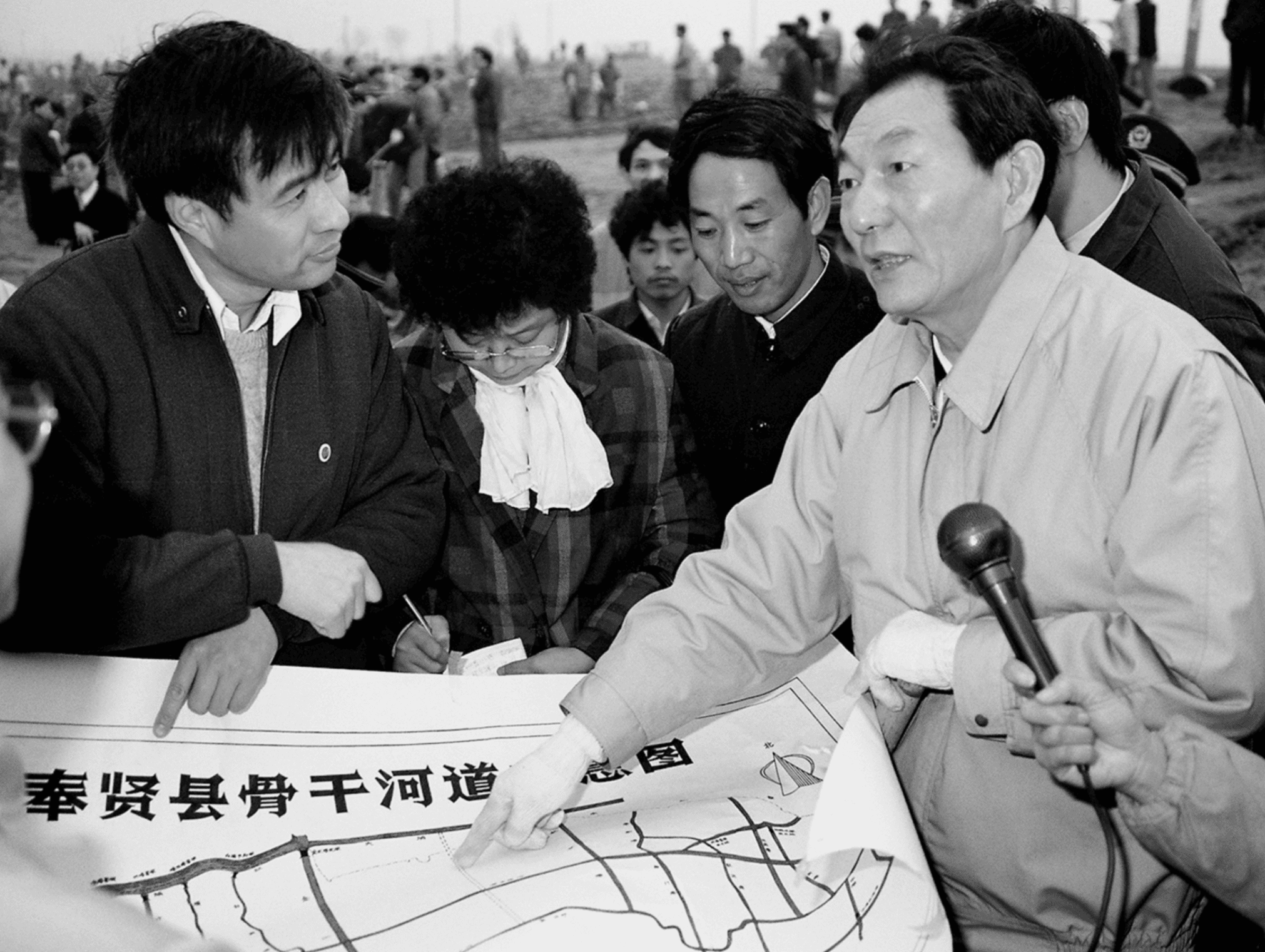
What is the connection between two of China’s biggest recent corporate collapses and “the grand bargain” Premier Zhu Rongji negotiated with local governments in the early 1990s? As Adam Y. Liu writes in his recent book, Authoritarian Markets, The Politics of China’s Banking Explosion, the reckless expansion of both Xiao Jianhua’s Tomorrow Group and Hui Ka Yan’s Evergrande property empire was aided and abetted by locally controlled banks. Such banks were a necessary carrot — Zhu called it his “big move” — intended to compensate local governments for letting Beijing take a bigger share of tax revenues. “Letting local governments enter banking is a terrible idea because local officials will abuse the banks for their own interests,” Liu writes. “Zhu knew this [but] giving localities new resources to tap after fiscal recentralization made political sense at the time. Any pact is a trade-off and nothing was more urgent back then for Beijing than getting the fiscal system fixed.”
The Curious Case of the East Sun Industrial Centre, 16 Shing Yip Street, Hong Kong
Hong Kong used to be a reliable base from which western powers could surveil and run intelligence operations against China, as best dramatized in John le Carré’s 1977 novel The Honourable Schoolboy and the classic 2001 movie Spy Game starring Robert Redford and Brad Pitt. The 1997 handover and 2020 National Security Law put an end to all that. As Noah Berman writes, the disappearing and reappearing Hong Kong corporate shells headquartered at 16 Shing Yip Street, Kwun Tong, Kowloon, demonstrates how the territory plays an important role in helping Chinese companies evade U.S. sanctions.
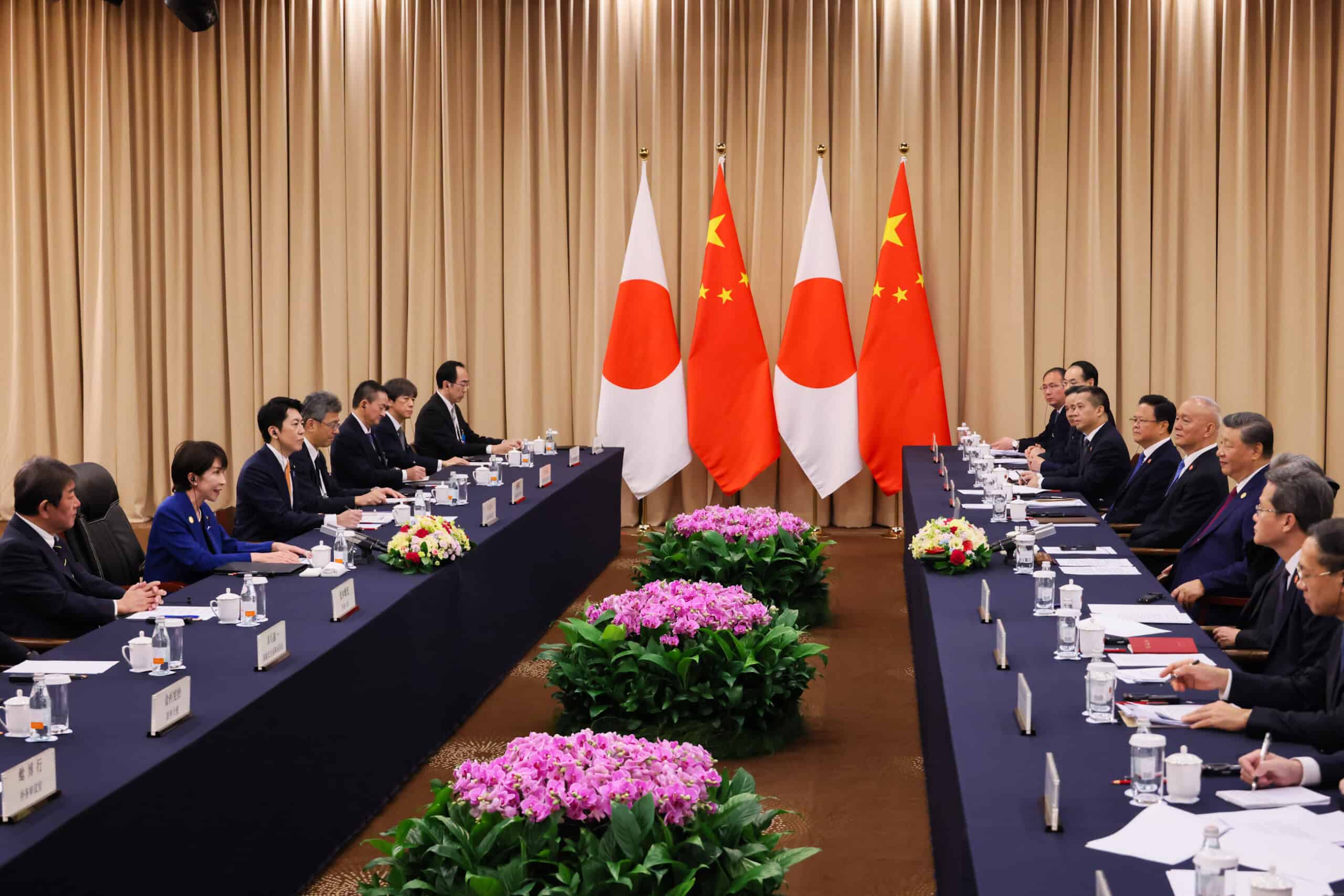
China and Japan’s Economic Relationship — Not as Bad as You Might Think…
In November 2025 Japan’s then newly installed prime minister, Sanae Takaichi, enraged Xi Jinping’s administration with some pointed comments on Taiwan. Chinese officials have been threatening Tokyo with hellfire and brimstone ever since. Yet China, which then accounted for about 20 percent of Japan’s total trade, still accounts for about 20 percent of Japan’s total trade. In this week’s Big Picture, Savannah Billman looks at the two countries’ apparently unsinkable economic relationship.
A Q&A with Michael McFaul

Michael McFaul is a Stanford professor, veteran Kremlin watcher and former American ambassador to Moscow. In this week’s Q&A with Brent Crane, he discusses why China is not Xi’s China in the same way Russia is Vladimir Putin’s Russia, the two presidents’ new “relationship with limits”, and what it’s like to be on Putin’s “most wanted” list.
“With respect to [the U.S.] peeling Putin away from Xi, it’s completely nuts,” McFaul says. “First, Putin relies on China and we’re not going to provide what he needs overnight. Second, Putin fundamentally hates the West.”
Michael McFaul
Illustration by Lauren Crow
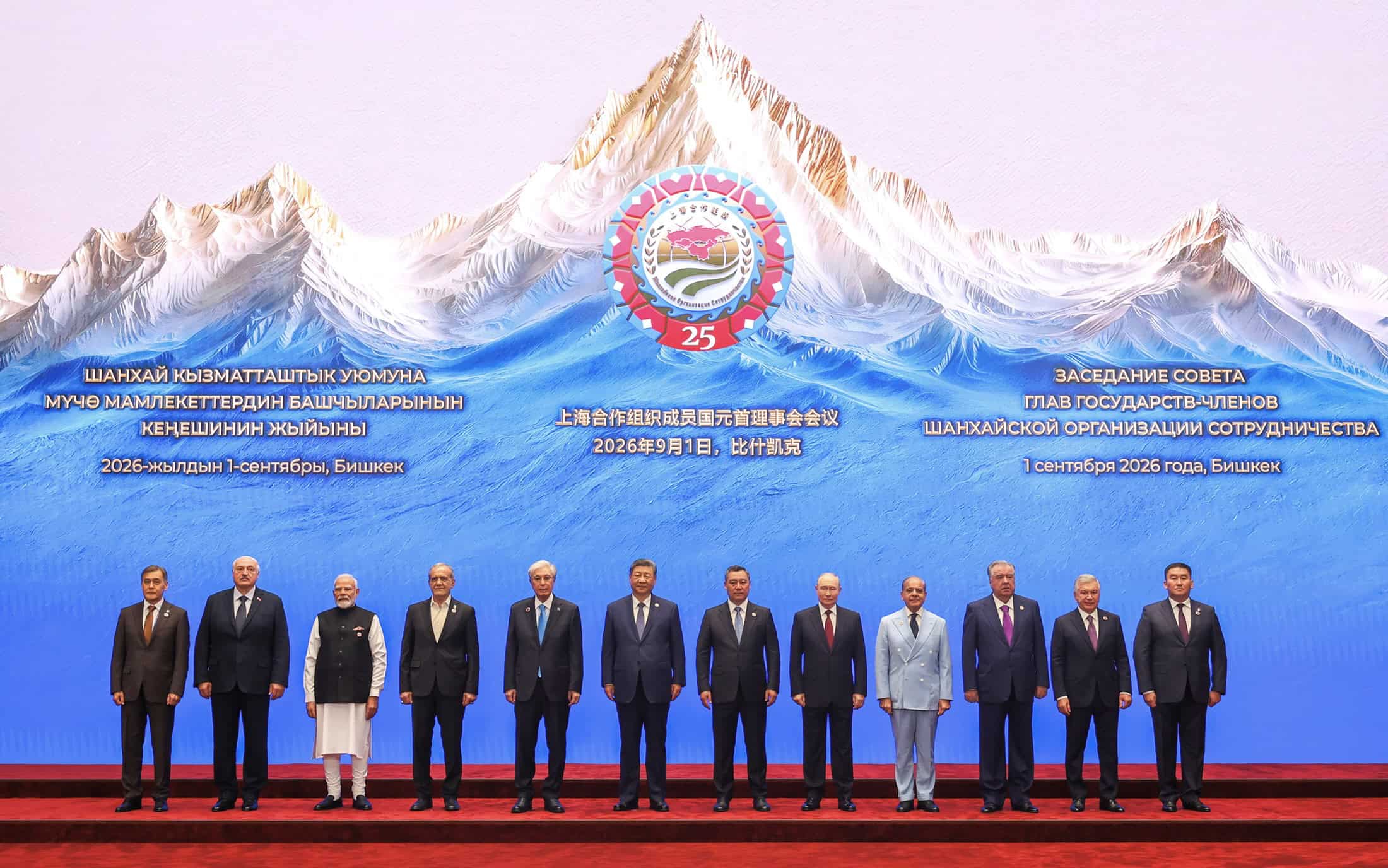
Sino-Russian Competition in Central Asia
In this week’s op-ed, Peter Leonard and Sofiian Ushirova argue that Xi is out-foxing Putin in Central Asia.
Subscribe today for unlimited access, starting at only $25 a month.