How did the late premier convince local governments to surrender fiscal revenues to Beijing? In an extract from his recent book, Authoritarian Markets, Adam Y. Liu explains how Zhu played his trump card — letting local governments set up their own banks.
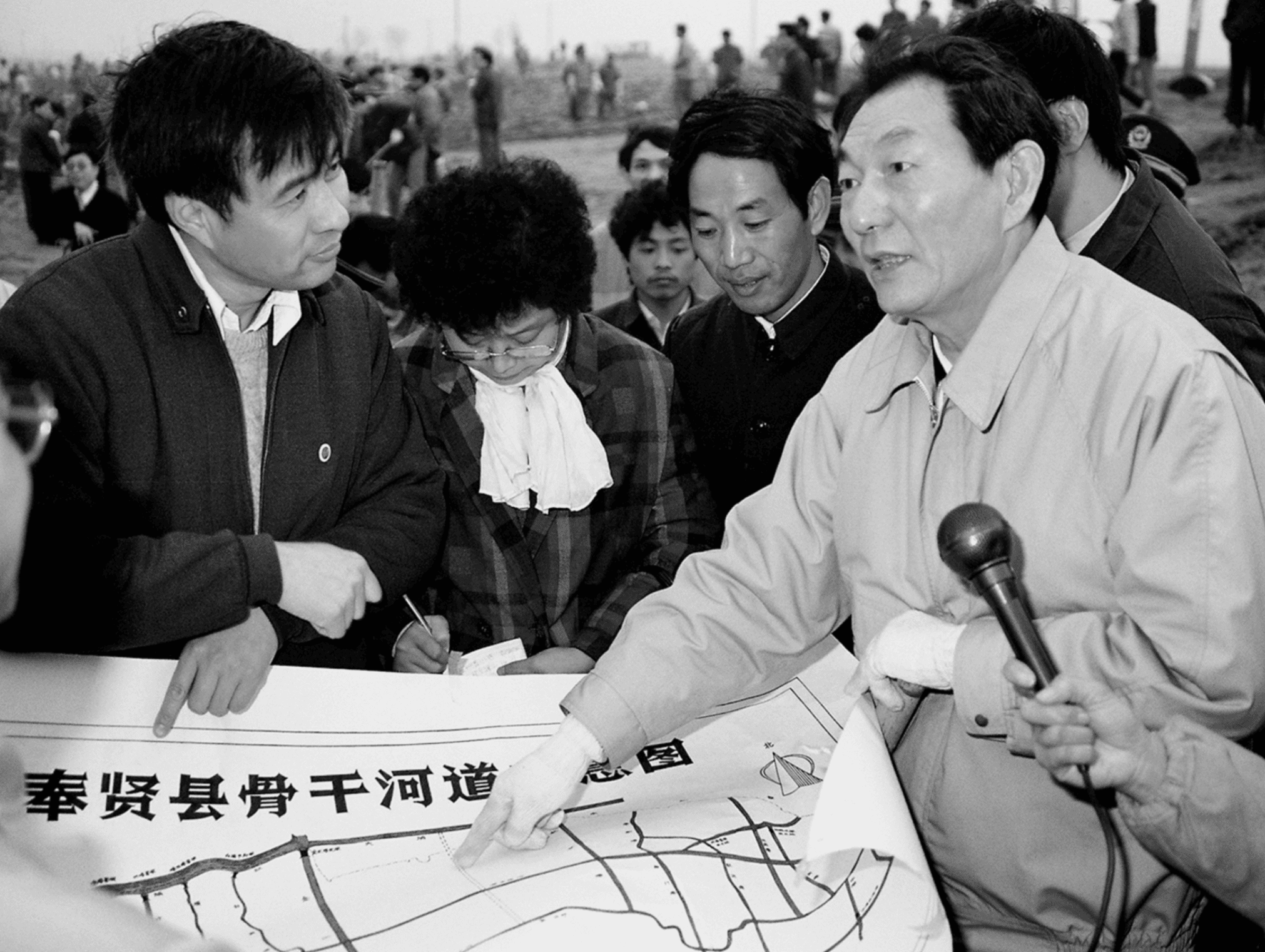
Zhu Rongji reviewing the progress of a waterworks project at Taiqinggang, Fengxian County, Shanghai, December 7, 1989. Photo via Zhu Rongji on the Record.
In early 2022, when people in Shanghai experienced the unexpected ordeal of a draconian COVID-19 lockdown, a number of articles about Zhu Rongji went viral on Chinese social media. Most of these reminisced about the “good old days” when Zhu was the city mayor in the late 1980s and how effective he had been at solving local problems. But Zhu was more than a capable local Communist Party official. He was China’s economic tsar, a statesman, somebody who knew how to get things done. Deng Xiaop
Exclusive longform investigative journalism, Q&As, news and analysis, and data on Chinese business elites and corporations. We publish China scoops you won't find anywhere else.
A weekly curated reading list on China from Andrew Peaple.
A daily roundup of China finance, business and economics headlines.
We offer discounts for groups, institutions and students. Go to our Subscriptions page for details.
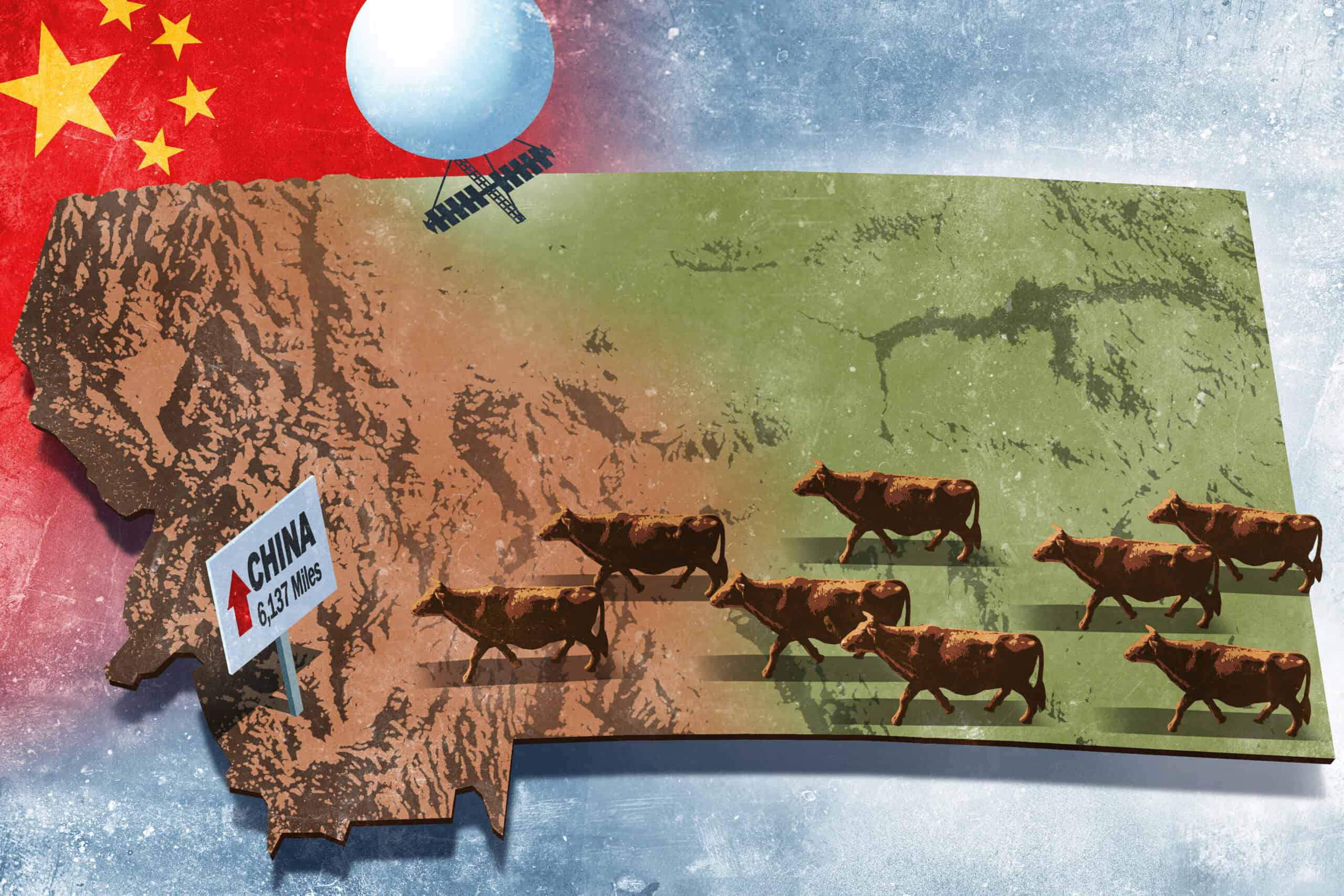
From Mike Mansfield to Max Baucus and Steve Daines, Montana has been the unlikely source of America’s most influential China-hand senators over the past half-century. But amidst spy balloons, trade wars and mutual paranoia, being a proponent for rational and beneficial relations between the two countries has never been harder.
The academic and former U.S. ambassador to Russia talks about the contrasts between Putin and Xi, and what Washington can do about their relationship with each other.
Corporate Risk Intelligence for National Security, Compliance & Due Diligence
We use cookies to ensure that we give you the best experience on our website. If you continue to use this site we will assume that you are happy with it.