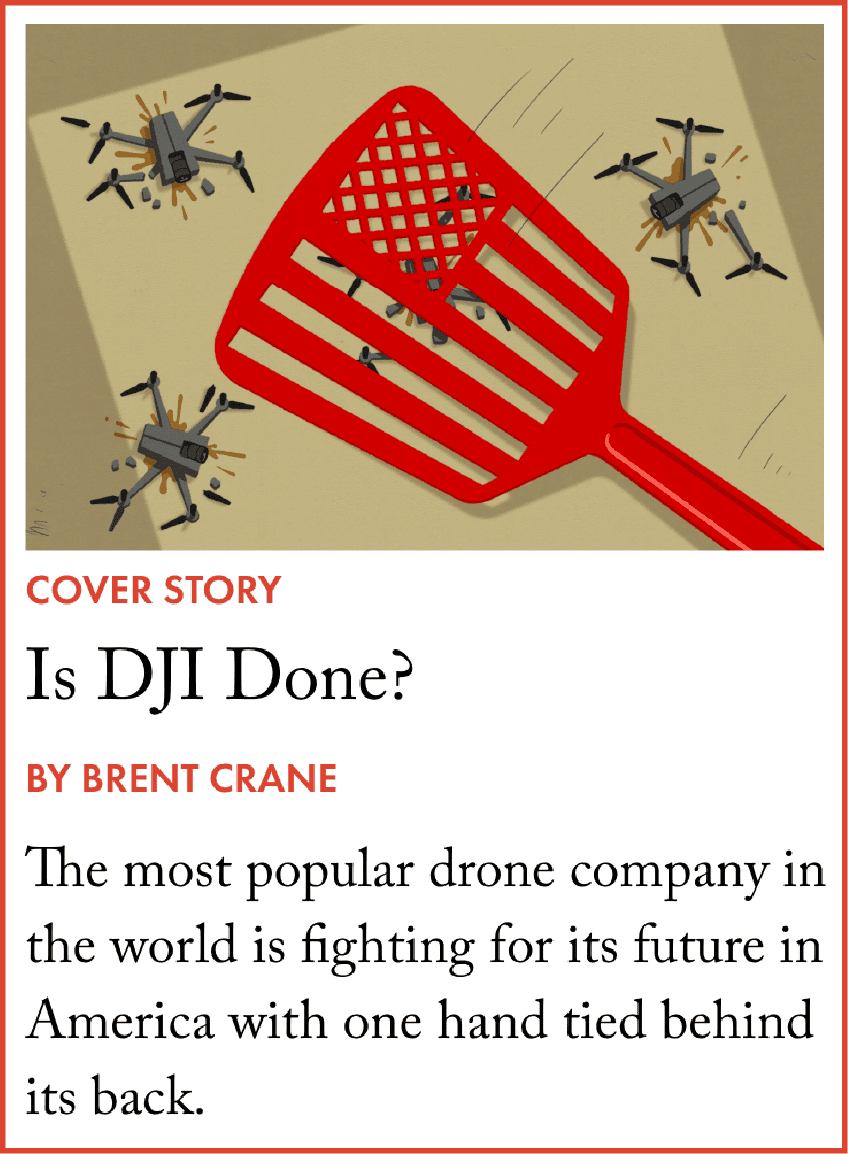
Chinese tech company DJI has been involved in a years-long battle with Washington over its world-leading drone business. Now it has another fight on its hands in the United States — this time, though, its main adversary is another Chinese firm.
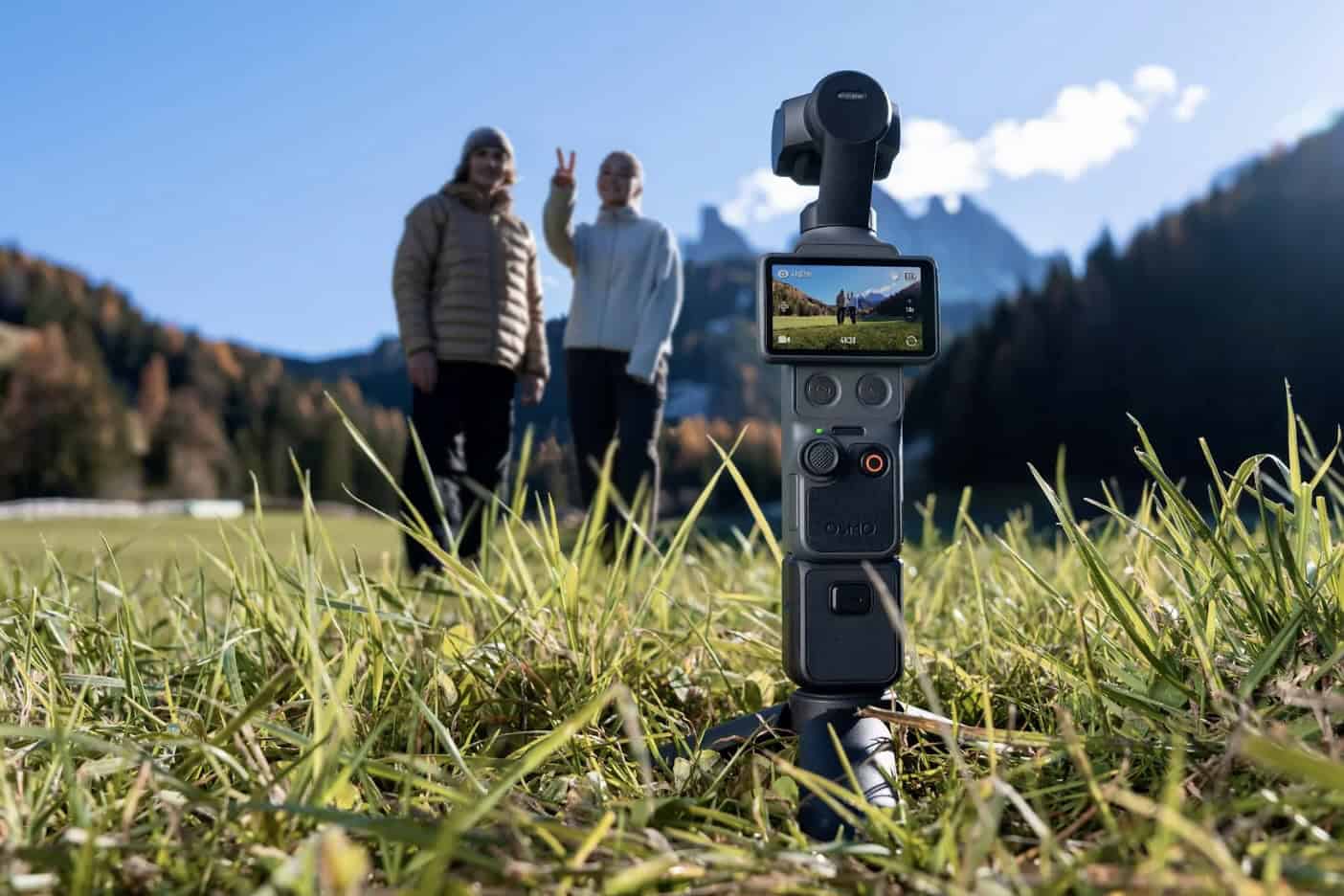
Alongside drones, DJI has become a global leader in handheld cameras, with a 60 percent global market share in 2025, according to research firm IDC. Yet although DJI shipped the first of its new Osmo Pocket 4 cameras overseas in April, the product has yet to reach U.S. shelves, as it is still awaiting authorization from the Federal Communications Commission (FCC), according to the company.
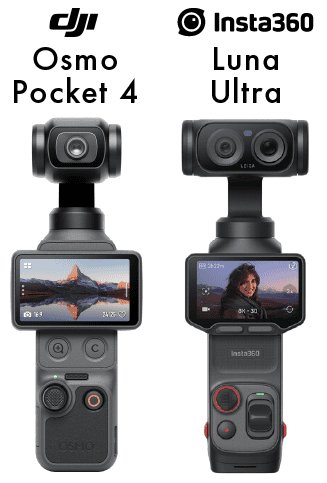
The delay has handed a big advantage to DJI’s Chinese rival Arashi Vision Inc, which owns Insta360 — a brand that already accounts for another one-fifth of the global handheld camera market. Despite its own recent foray into dronemaking, Insta360 has been allowed to keep selling products in the U.S., including its new Luna Ultra camera, the brand’s first design integrating the lens and handle into a single device —entering a product category that DJI has dominated for years.
The regulatory imbalance has formed a new battleground between the two Shenzhen-based companies that this summer reached the U.S. courts. On June 10, the same day Insta360 launched its new camera, DJI sued the company in the Eastern District of Texas, alleging patent infringements relating to its subject-tracking technology and design. It was seeking a permanent injunction that would ban the products from the U.S. market.
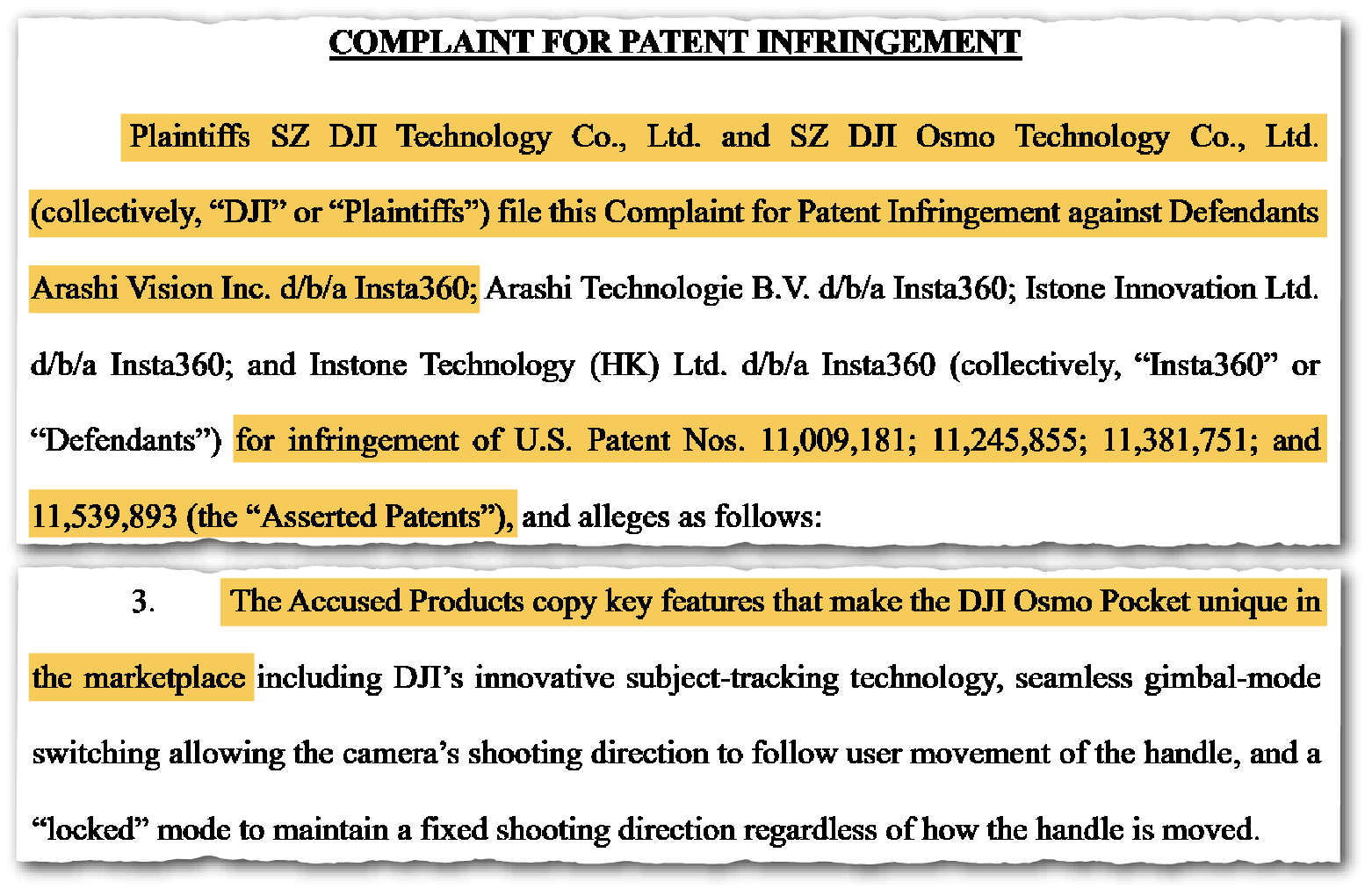
Less than 48 hours later, Insta360 fired back with its own lawsuit accusing DJI of infringing five of its patents.
The rare, high-profile legal battle between two Chinese companies demonstrates how U.S. restrictions designed to keep technology from China at bay are often applied unevenly, targeting market leaders while giving their compatriot rivals easier treatment.
“Companies shut out of a market by regulation may increasingly turn to patent litigation to block rivals that are still able to sell there,” said Chen Zhi, a partner specializing in commercial litigation and patent law at Shanghai-based law firm Shanghai United Law Firm. “Patent litigation is no longer simply a tool for protecting innovation. It has become a weapon of commercial competition.”
The idea of two prominent Chinese companies going head-to-head in an American court is unlikely to have gone down well in Beijing, experts say, as the process could see sensitive information appearing in the public domain.
Disputes between Chinese technology companies can turn ugly quickly, says Kyle Chan, a research fellow at the Brookings Institution who specializes in China’s tech development and U.S.-China competition, because they often know much more about each other than a typical non-Chinese competitor would — from business practices and supply chains to personnel movements. Such deep knowledge can make the two sides more capable of damaging each other in a legal battle.
“Anything involving patents or technology disputes is something Beijing would probably be very nervous about,” Chan says. “The discovery process raises the risk that sensitive technological and commercial information becomes public.”
On June 28 both companies withdrew their U.S. lawsuits and refiled their dispute in Chinese courts.
The logical place to bring the case is in China. If you can stop them from manufacturing because they infringe your product, you’ve resolved your global dispute… because the manufacturing injunction gives you a remedy that is very powerful.
Mark A. Cohen, senior technology fellow at the Asia Society of Northern California and the Asia Society Policy Institute
For years, DJI and Insta360 had occupied different corners of the camera industry.
Founded in 2006, DJI has built its business around drones. Back in 2013, it pioneered a type of the machines with integrated cameras, eliminating the need for users to attach GoPro action cameras. It later adapted the same camera-stabilization technology that keeps drone footage smooth into handheld cameras designed for vloggers.
By contrast Insta360, set up just over a decade ago, started out making 360-degree cameras designed for professional live broadcasting, before expanding into action cameras for sports enthusiasts in 2018. After it listed on Shanghai’s STAR Market in 2025, the company used the capital it raised to expand into drones — moving into DJI’s core market just as its rival entered Insta360’s patch with its own 360-degree cameras.
Despite their similar product base now, there is a marked difference in how the two companies’ latest products have fared in the U.S. market that extends beyond the current dispute around cameras.
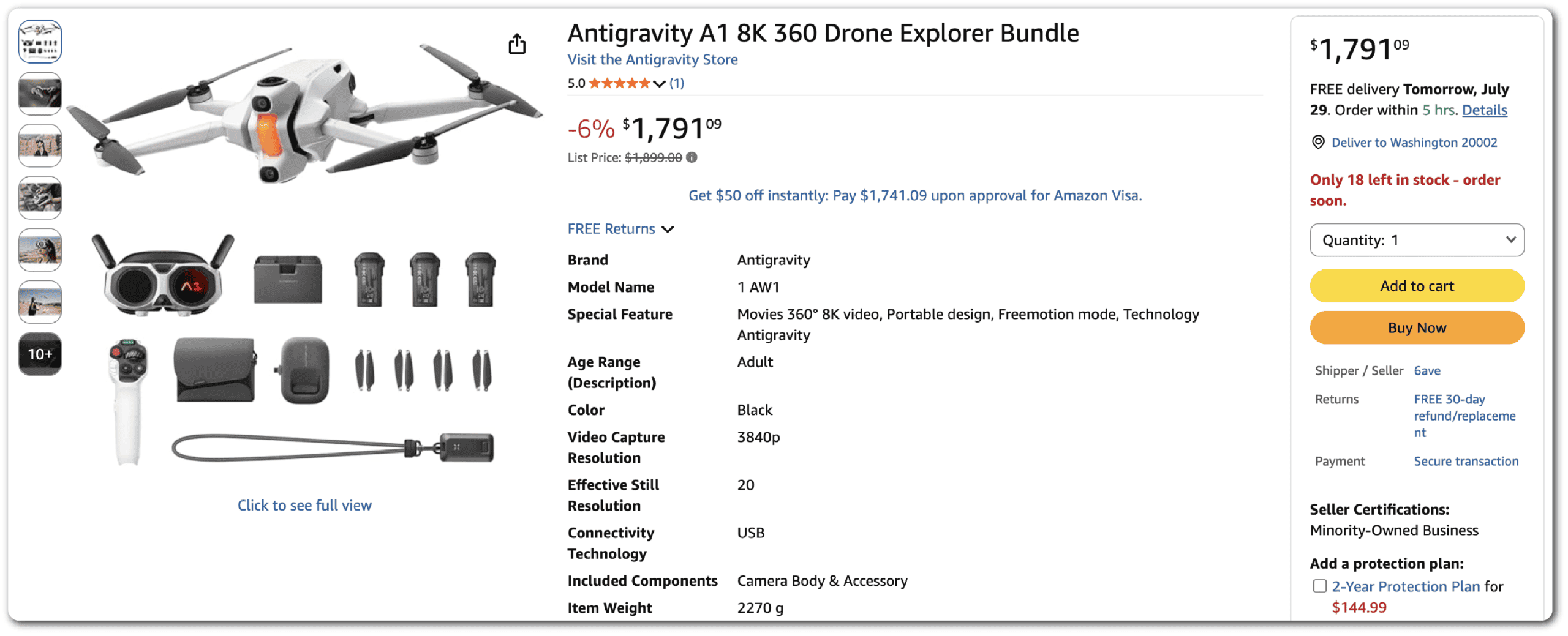
Insta360 launched its first drone, the Antigravity A1, internationally on December 4, just weeks before the FCC barred imports of all new models of foreign-made drones, including those manufactured by DJI, on December 22. It unveiled the product at the Consumer Electronics Show (CES) in Las Vegas, a major annual industry event, the following month, and it has since been on sale in the U.S. via Amazon and other retailers.
By contrast, although DJI has launched several new drone models internationally — including the Mavic 4 Pro months before the FCC new restrictions on foreign-made drones took effect, the U.S. launch was delayed for months. In 2024, DJI told its distributors that U.S. Customs and Border Protection had blocked its products, alleging forced labor was used in their production — an allegation DJI denies.
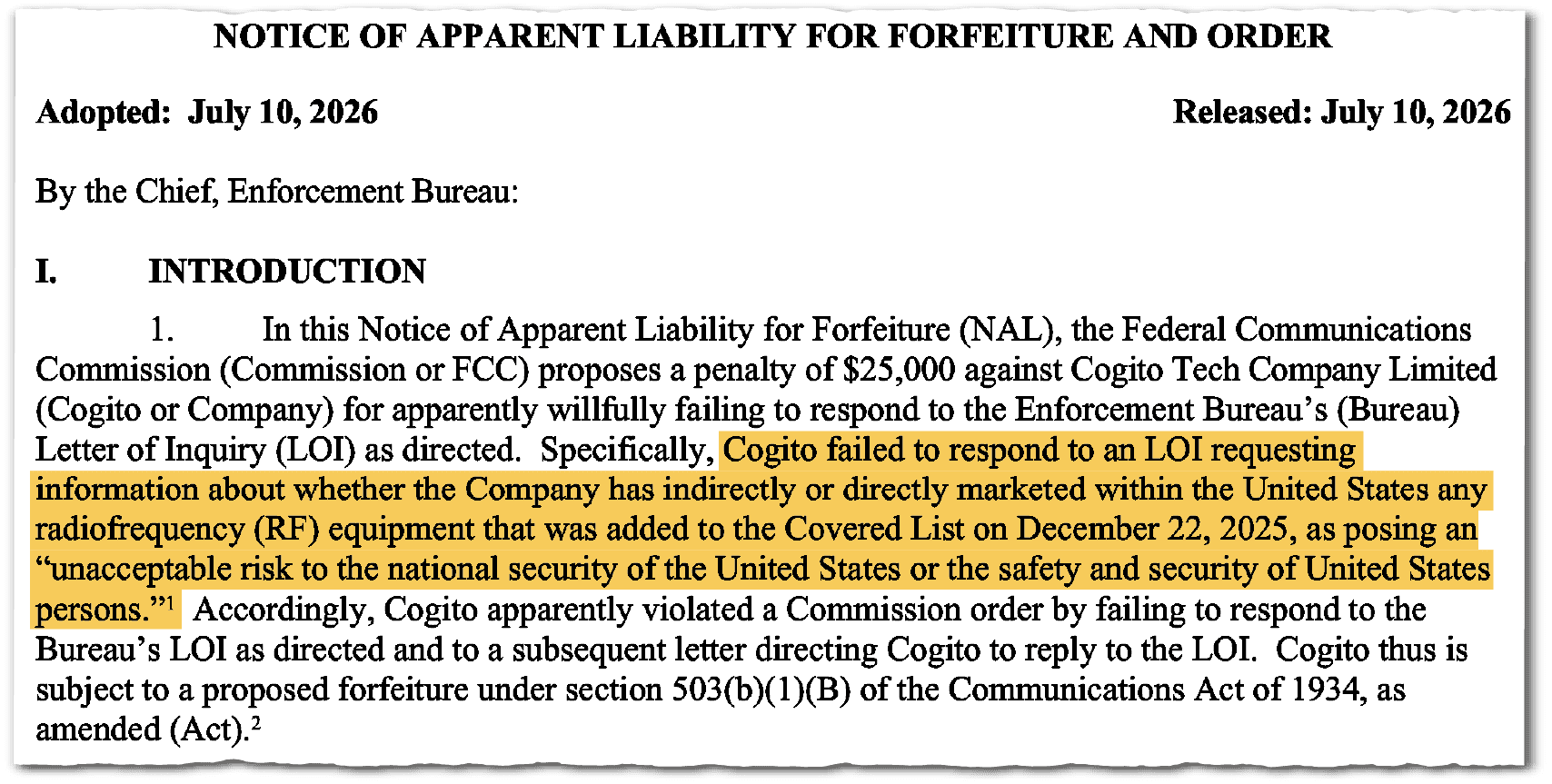
Meanwhile, the FCC has begun cracking down on companies such as Cogito Tech, which the agency believes have been selling rebranded DJI products into the United States.
DJI and Insta360 did not respond to requests for comment.
Brookings’s Chan says the U.S. government’s relatively favorable treatment of Insta360 reflects a broader pattern across several tech-related sectors, whereby Washington focuses its scrutiny on one dominant Chinese company while their competitors receive less attention — even if they are also from China.
A video showcasing DJI’s drones. Credit: DJI
Chan points to other cases where the U.S. authorities have effectively discriminated against one Chinese company — such as the more lenient treatment given to Chinese social media app Xiaohongsu versus that shown to TikTok, which narrowly escaped being banned in the United States; or Lidar manufacturer RoboSense’s easier ride compared with that of rival Hesai.
In 2024, the Pentagon added Hesai to its Section 1260H list of “Chinese military companies operating directly or indirectly in the United States”, although the designation was later removed after a federal judge ruled in Hesai’s favor in 2025. RoboSense, Hesai’s largest rival, was not added to the same list until June 2026, alongside Hesai’s redesignation.
A Shenzhen court is expected to hear one of the first proceedings in the patent dispute between DJI and Insta360 regarding their cameras on August 3. Its outcome could have implications for global sales if, for example, DJI succeeds in obtaining an injunction against Insta360.
“The logical place to bring the case is in China,” says Mark A. Cohen, senior technology fellow at the Asia Society of Northern California and the Asia Society Policy Institute. “If you can stop them from manufacturing because they infringe your product, you’ve resolved your global dispute… because the manufacturing injunction gives you a remedy that is very powerful.”

Peiyue Wu is a journalist based in New York City, where she mostly writes about China’s technology and business.