As the world prepares for an AI future, something remarkable has happened to the economic relationship between the U.S. and Taiwan. The U.S. is now importing more from Taiwan than it does from China.
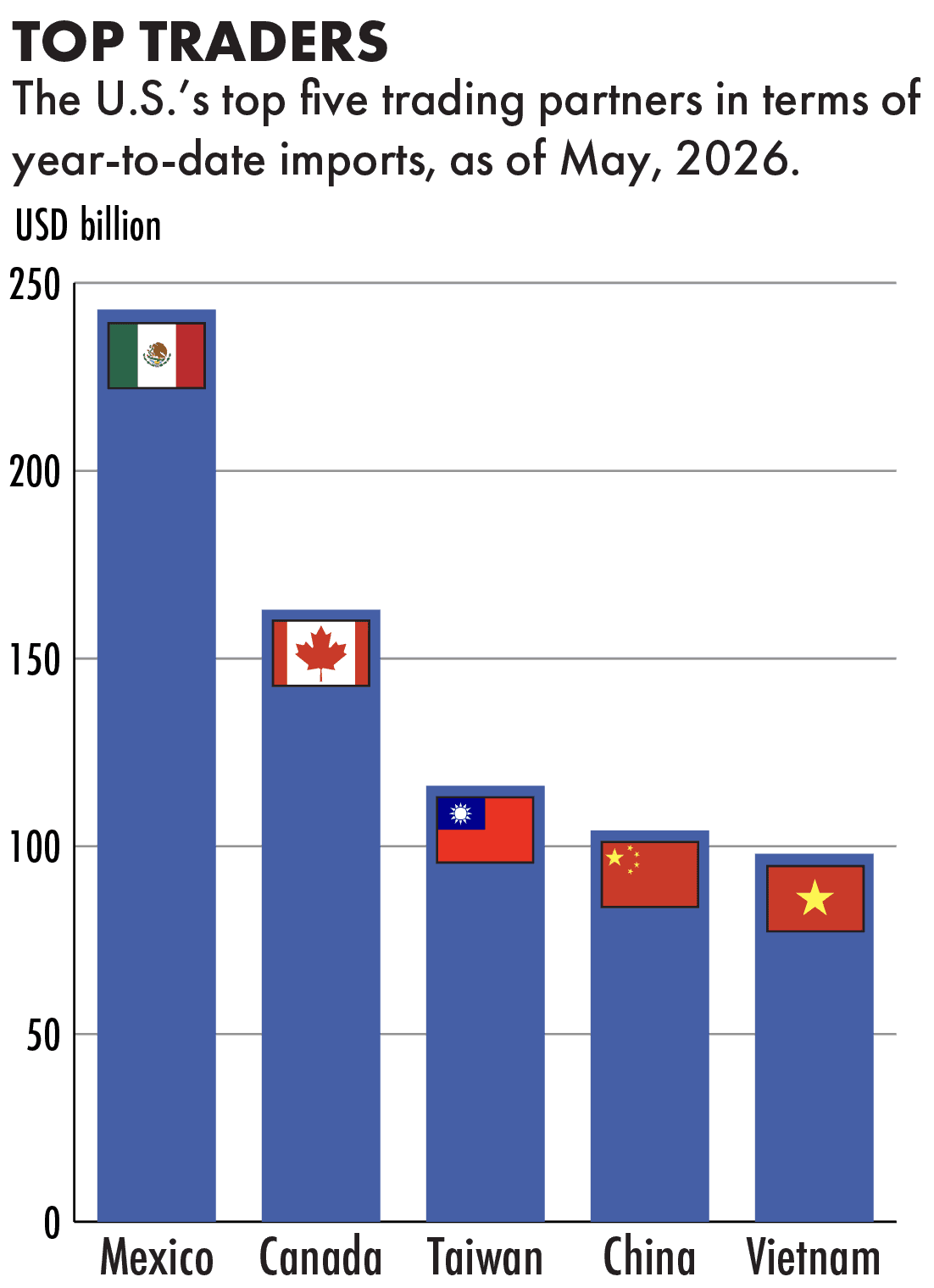
Data: U.S. Census Bureau
Taiwan is the size of Maryland and has a population of just 23.4 million people — smaller than Shanghai’s. Nevertheless it exported $116.1 billion in goods and services to the U.S. in the first five months of this year, according to U.S. government data. That compares with $105.5 billion from China, home to 1.4 billion people and the world’s second-largest economy. (The China figure includes Hong Kong.) The last time this happened was 1992, when China’s economy was only about twice the size of Taiwan’s. Now it is 21 times bigger.
The U.S. has also displaced China as Taiwan’s top trading partner, another development that would have been unimaginable not long ago. In 2016, Taiwan-U.S. trade totaled $85 billion, less than half of the $180 billion in Taiwan-China trade that year.
The U.S. and Taiwan have had generally friendly relations for decades, thanks in large part to their common security concerns vis-a-vis China. Their increasingly economic and tech-driven relationship, one senior U.S. diplomat told The Wire, is driving them even closer together.
“U.S.-Taiwan trade and investment relations have completely transformed in substance and structure,” said the diplomat, who spoke on condition of anonymity. “Ten years ago, Taiwan was our tenth-largest trading partner, today it is number four [just behind China]. The U.S. is Taiwan’s top investment destination — and American firms are the largest investors in Taiwan.”
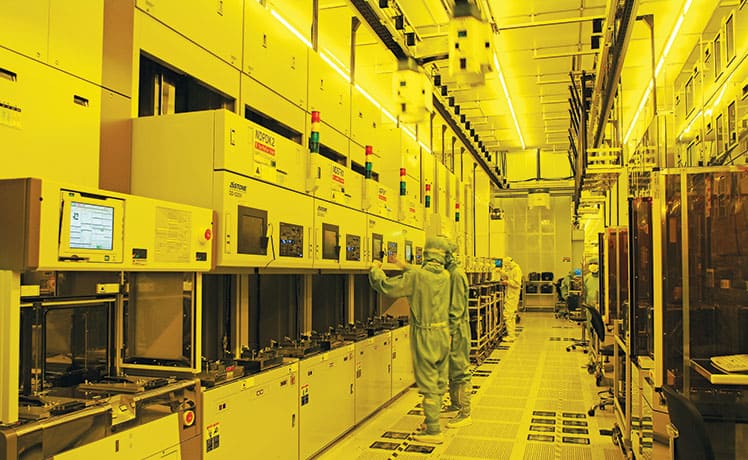
“Taiwan is our most important international partner in the AI sector — pretty much every piece of hardware is manufactured by a Taiwan company,” the diplomat added. “Taiwan is playing a similar role in the drone sector because it has the ability to replace Chinese components at scale. We are now focused on expanding cooperation to new sectors like quantum computing, robotics and critical minerals — especially critical minerals recycling.”
America’s biggest technology companies including Apple, Microsoft, Amazon Web Services, Google, Oracle and Meta are spending heavily on AI infrastructure — between U.S.$750 billion and U.S.$1 trillion combined this year alone, notes Rupert Hammond-Chambers, president of the U.S.-Taiwan Business Council in Arlington, Virginia.
This investment tsunami has propelled economic growth to levels Taiwan has not experienced since its days as one of the four “Asian Tigers” (the others being South Korea, Hong Kong and Singapore) prior to China’s own economic renaissance that took off in the mid-1990s. In the first quarter of this year, Taiwan’s economy grew 14.6 percent over the same period in 2025. The surge was primarily driven by AI-related exports and knock-on effects in investment, the stock market and consumer spending.
Ten years ago, Taiwan’s economy was growing at less than two percent per annum.
This remarkable reversal of fortune is due primarily to the explosive growth of AI and the Taiwanese company that is supplying semiconductors to Nvidia and other U.S. tech giants — semiconductor maker TSMC.
“The essential difference is the emergence of TSMC as the world’s indispensable technology company,” says Hammond-Chambers. “In the great-power technology competition between the U.S. and China, Taiwan is the pivot point in the battle. Its semiconductor industry is at the center of accelerated AI adoption.”
TSMC is now the world’s sixth most-valuable company and an irreplaceable partner for almost all of the other companies in the top 10. Nine of the top 10 are technology firms; the one exception is Saudi Arabia’s Aramco.

TSMC is also the biggest foreign investor in the U.S. On July 16, TSMC announced it will plow an additional $100 billion into its Arizona campus, raising its total planned U.S. investment to $265 billion. Its planned 2026 capex outlay is $62 billion — twice Taiwan’s annual defense budget.
It is difficult to overstate TSMC’s economic and strategic importance to Taiwan.
The company’s market capitalization is currently around $2 trillion, more than double Taiwan’s projected GDP for this year. It accounts for more than 44 percent of the entire value of the Taiwan Stock Exchange, the world’s fifth-biggest bourse by market capitalization after recently surpassing India and the UK. Given the complexity of making the world’s most advanced chips, it also sits at the center of a massive supplier ecosystem that supports countless firms in Taiwan as well as in the U.S., Europe and Japan.
Deeper commercial ties send a very clear message to China: the United States has substantial economic and business interests in Taiwan. Any action that threatens Taiwan would also threaten American investments, supply chains and the interests of U.S. companies.
John Deng, Taiwan’s chief trade negotiator during the Tsai administration
Despite Donald Trump’s reference to Taiwan as a “good negotiating chip” following his May meeting with Xi Jinping in Beijing, all indicators suggest America’s economic, political and security relationship will deepen in the foreseeable future.
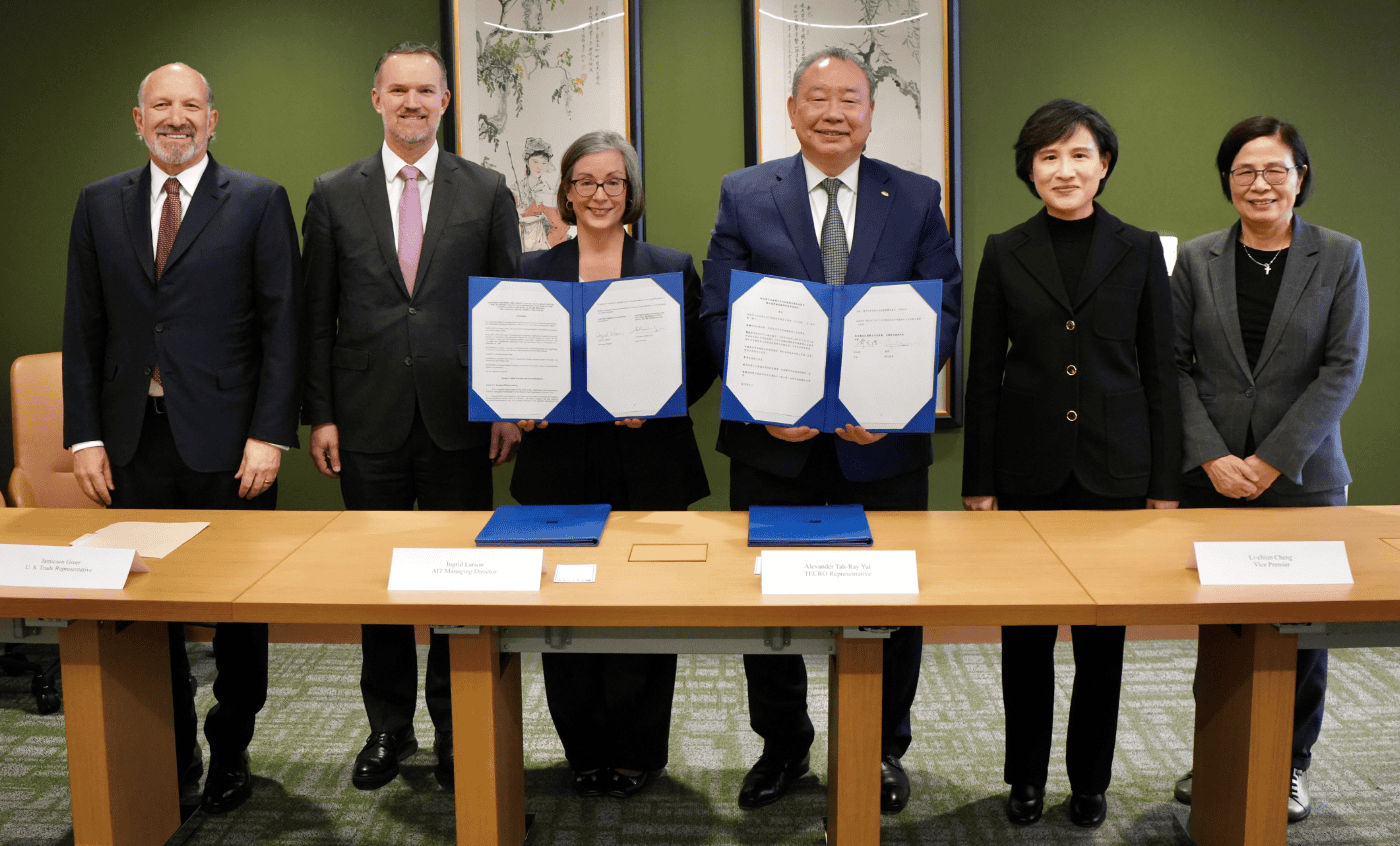
Momentum in the U.S.-Taiwan economic relationship has been further enhanced by the Agreement on Reciprocal Trade that Taiwan President Lai Ching-te’s administration concluded with Trump in February. The ART set tariffs on its exports to the U.S. at 15 percent, the same level imposed on Japan and South Korea. An additional boost, notes Hammond-Chambers, should come from a long anticipated U.S.-Taiwan tax agreement that is currently awaiting passage on Capitol Hill.
DOUBLE JEOPARDY
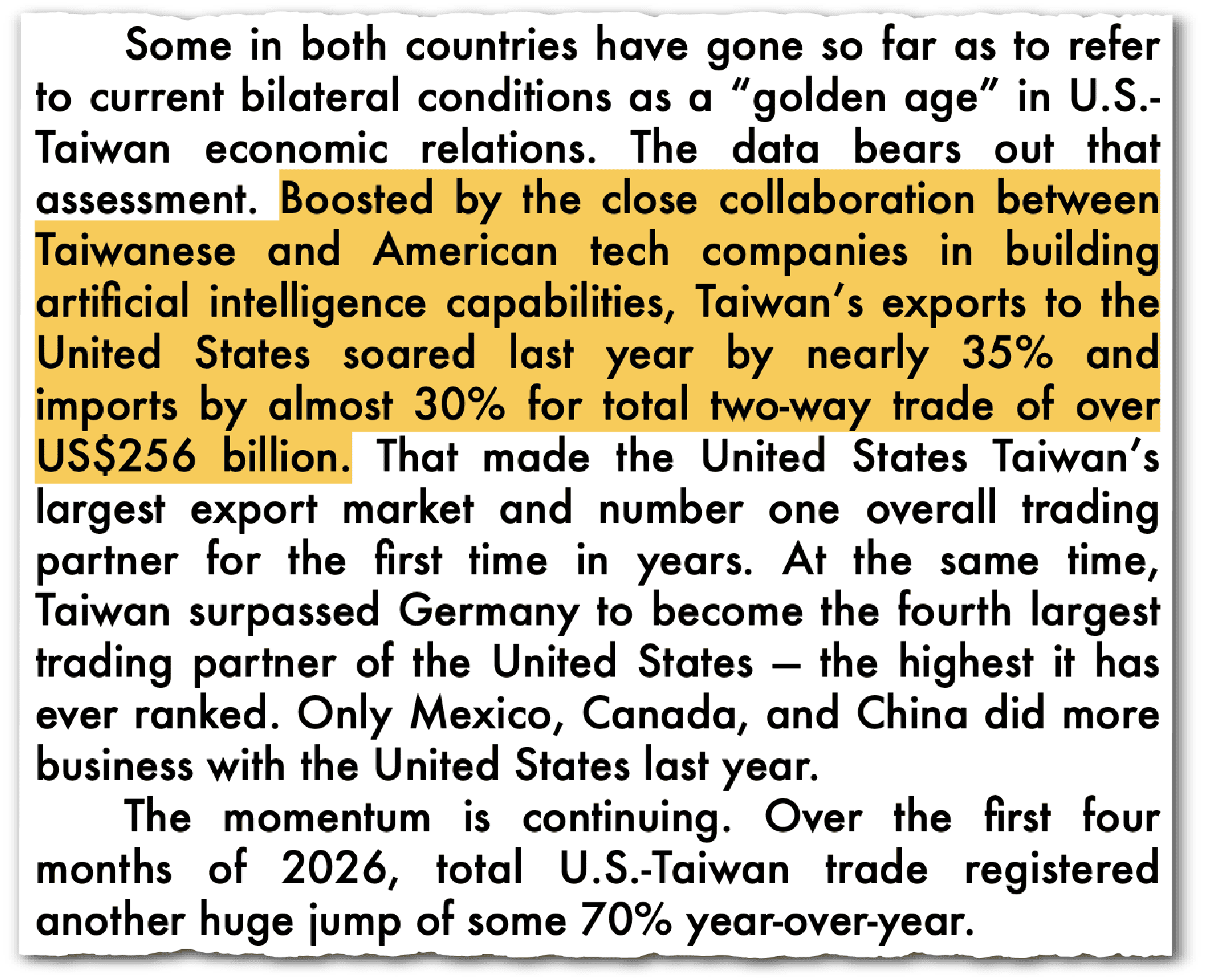
In its recently published annual White Paper, the American Chamber of Commerce in Taiwan hailed a “golden age in U.S.-Taiwan economic relations”. “There is still overwhelming bipartisan support for Taiwan in Congress, as well as strong recognition of Taiwan’s value to the U.S. in the administration,” says Amcham chair Anita Chen, who recently led a delegation “door-knock” trip to Washington to meet with politicians and government officials.
That said, Chen, who also heads Google’s government relations team in Taipei, noted that “procedural hurdles remain” for the launch of a U.S.-Taiwan double-tax treaty by the end of the year. In the absence of a tax treaty, Taiwan companies investing in the U.S. — and vice versa — must pay tax in both jurisdictions.
Taipei has estimated the effective tax rate on Taiwanese companies’ U.S. profits is 51 percent, citing the withholding charges on repatriated dividends. American firms investing in Taiwan also face the uncertainty of navigating two tax regimes rather than one.
Taiwan and Vietnam, Chen notes, are the only two of America’s top-10 trading partners without such an arrangement, which is a key consideration for Taiwan’s 1.7 million small and medium-sized enterprises that employ almost 80 percent of the country’s workforce. “For some of these businesses, [the U.S. would] be their first overseas expansion,” Chen told The Wire. “Having a tax treaty in place would present a huge incentive.”
A tax treaty with the U.S. would also have ramifications for the principal domestic political issue in Taiwan — relations with China.
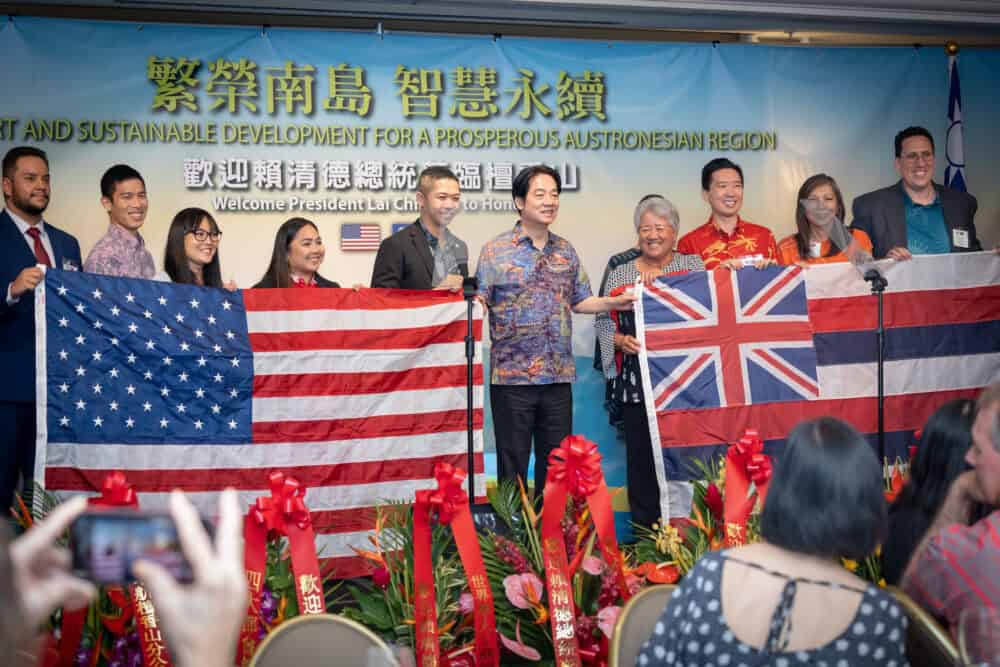
President Lai and his pro-sovereignty Democratic Progressive Party want a closer relationship with the U.S. and less economic exposure — and strategic vulnerability — to China. The opposition Chinese Nationalist Party, or KMT, which controls Taiwan’s legislature, wants a closer relationship with China. The KMT has long argued that this is necessary because Taiwan cannot depend on the U.S.
“Cementing the U.S.-Taiwan economic relationship would go far in helping dispel these narratives,” Chen says, “and reinforce the view of the U.S. as a strong and reliable partner.”
China’s threats to Taiwan’s sovereignty and regional peace and security aside, Taipei has more mundane domestic problems that Hammond-Chambers says require immediate attention.
Energy security and power supply is a perennial problem, and one which is now exacerbated by the growing number of power-hungry chip fabs under construction on the island. Water supply is also an area of concern as climate change-driven droughts and consumption by the chip industry drains reservoirs.
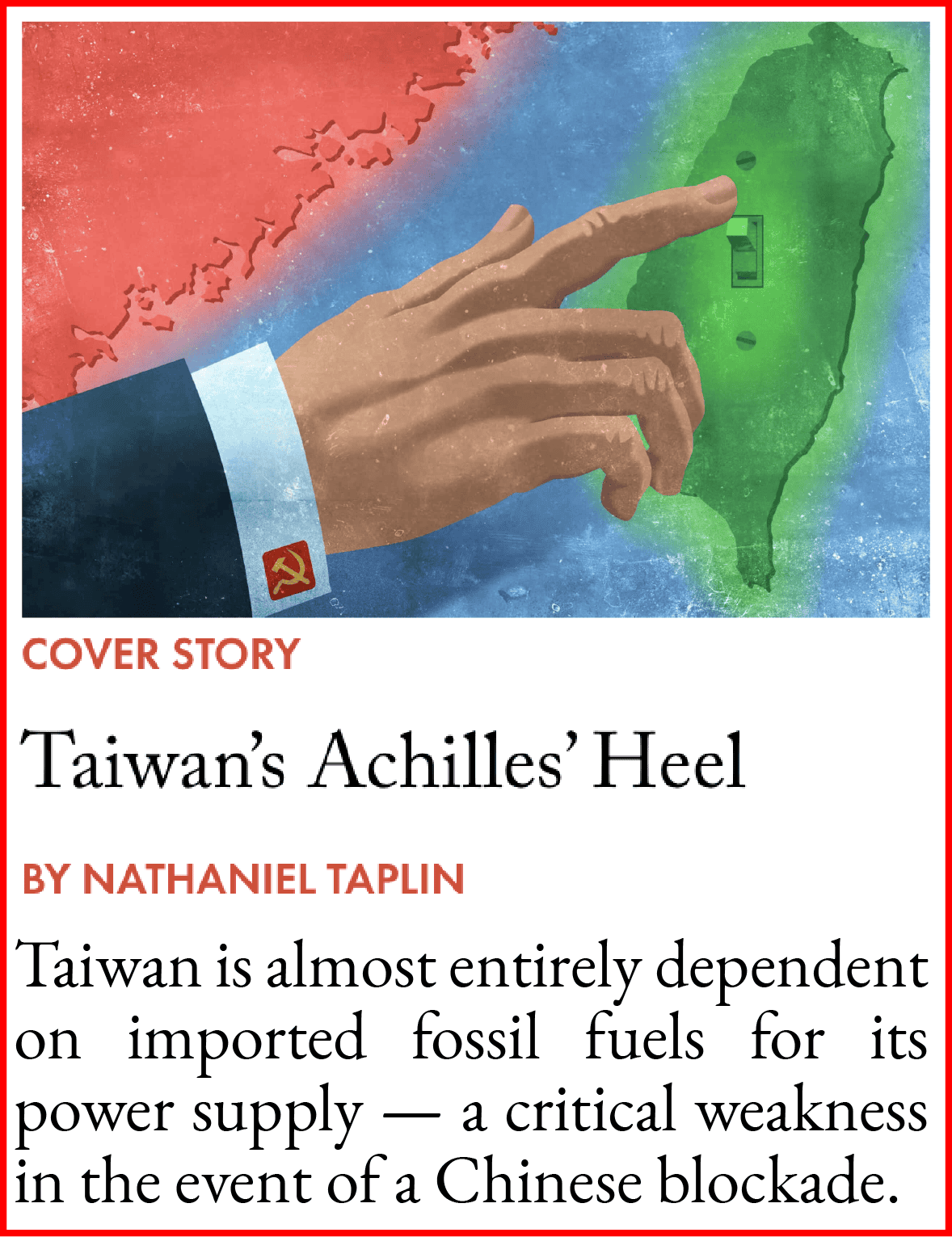
Taiwan’s government heavily subsidizes power use, which leads to wasteful consumption and disincentivizes state-owned Taipower and other power companies from investing in infrastructure.
“Taiwan’s approach to power supply, infrastructure and production remains far too reactive,” says Hammond-Chambers “The government needs to seriously consider a long-term plan to invest in the grid — ideally through a special budget outside of the regular annual budget given the amount of money required.”
Lastly, and like the rest of East Asia, Taiwan’s birth rate has fallen below replacement levels. Last year it entered the ranks of “super-aged” societies, defined as those in which 20 percent or more of citizens are 65 or older. Hammond-Chambers says Taiwan needs a more liberal immigration regime focused on the needs of Taiwan’s economy and incentives for people to have more children.
TAIWAN’S U.S. PIVOT
Fifteen years ago, more than 80 percent of Taiwanese outbound investment went to China. Today that figure is less than one percent.
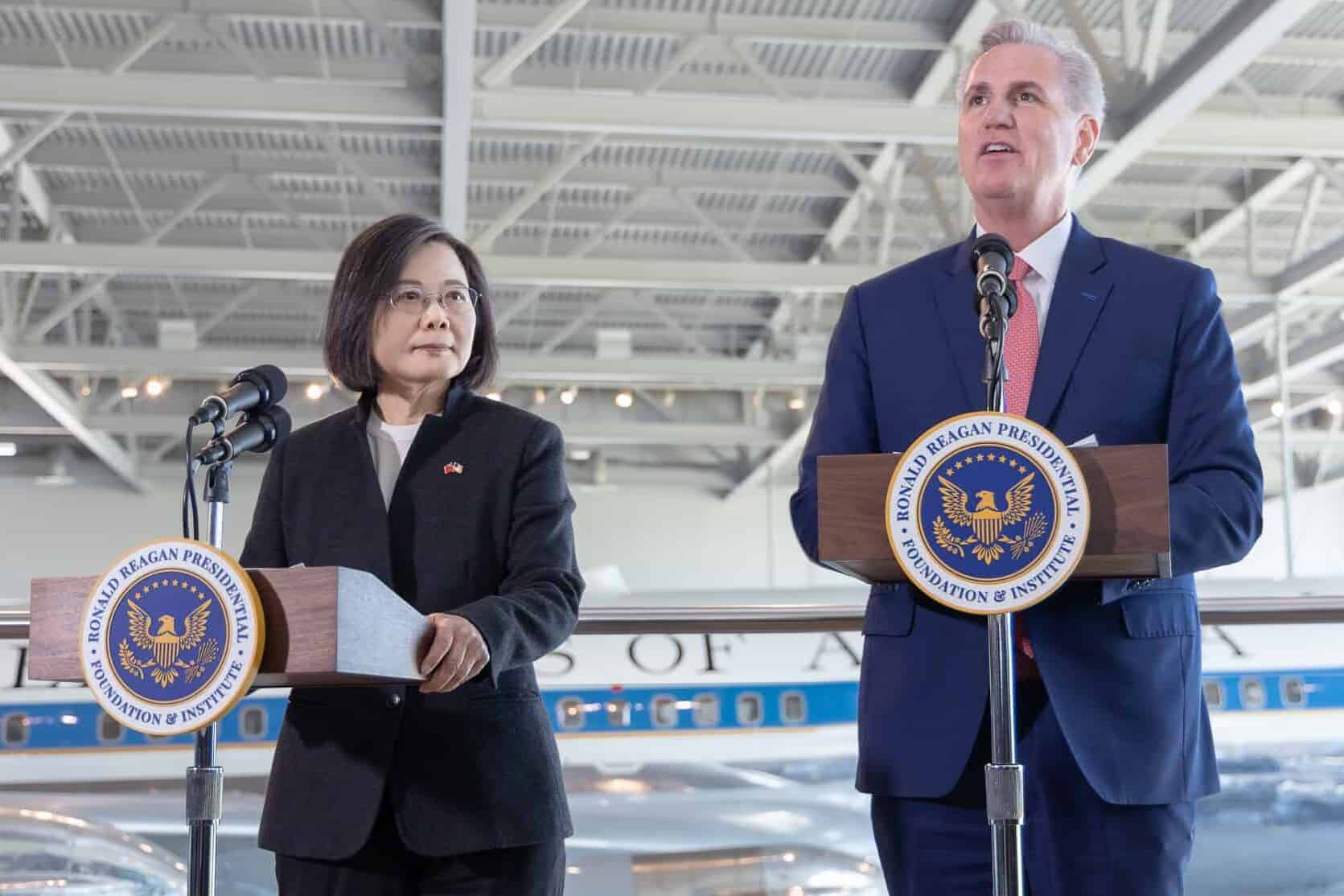
Ending Taiwan’s economic reliance on China was a top priority for Lai’s DPP predecessor, Tsai Ing-wen, who served as president from 2016 to 2024. That could only be done if Taiwan pivoted towards the U.S., while also diversifying towards other markets in Asia and Europe.
“A decade ago, the U.S. and Taiwan’s bilateral arrangements focused mainly on shared goals and principles,” says John Deng, Taiwan’s chief trade negotiator during the Tsai administration. “Today, they have developed into practical cooperation across areas such as cybersecurity, talent exchange, supply chain resilience and joint efforts in third countries.
“Previously, engagement was largely defined by U.S. investment in Taiwan,” Deng adds. “Today investment flows in both directions. Taiwanese companies are increasingly investing and manufacturing in the United States, with rapidly growing scale.”
As major U.S. tech firms expanded their presence in Taiwan, especially through partnerships in cloud computing, digital services, R&D and advanced technologies, their Taiwanese counterparts became active participants in the annual SelectUSA Investment Summit, a U.S. federal government program initiated in 2007.
Despite the absence of official government-to-government ties, Taiwan and its leading companies have also had success dealing directly with American state governors and legislatures.
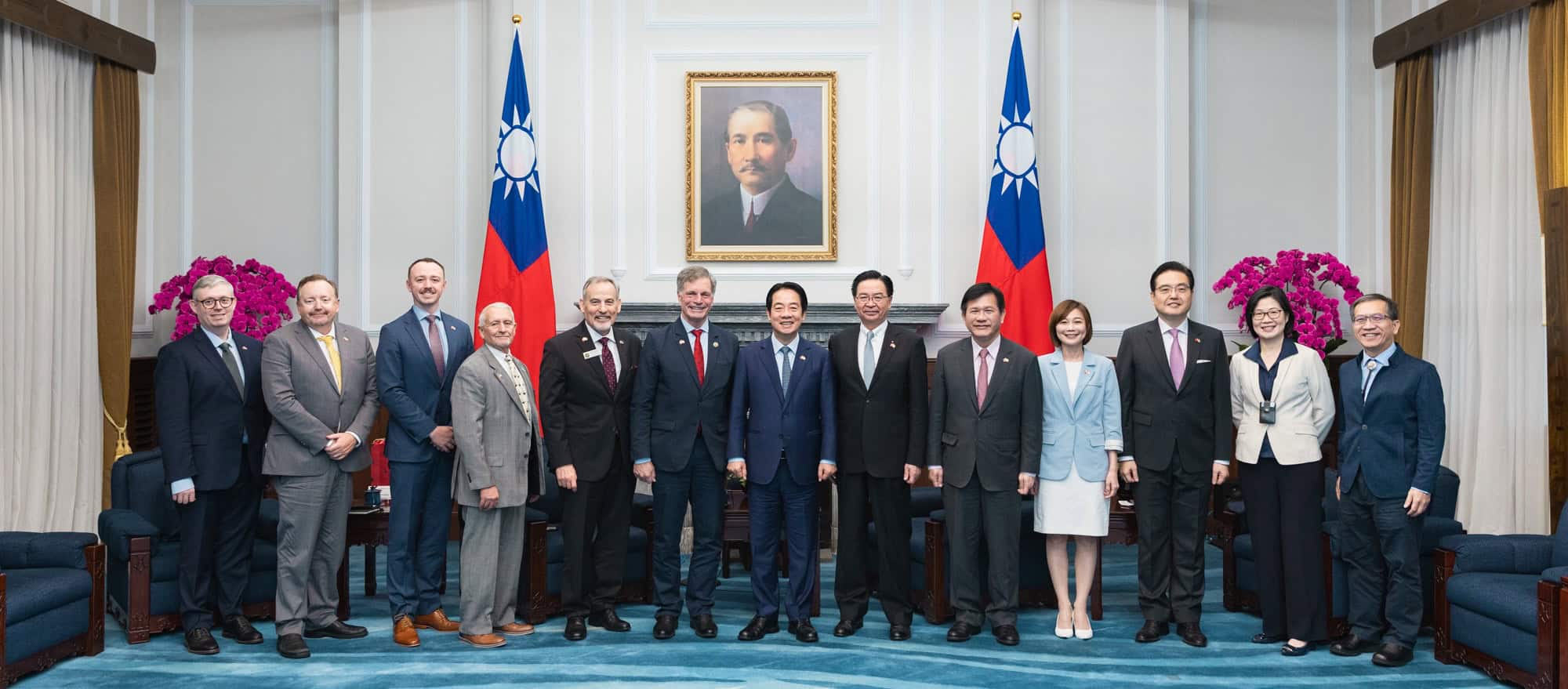
“Taiwan’s relationships with cities and states across the U.S. have grown significantly, driven by state-level economic development offices actively courting Taiwanese investment, particularly in high-tech sectors like semiconductors and advanced manufacturing,” says Channing Lee at the Special Competitive Studies Project, a Washington-based think tank founded by former Google CEO Eric Schmidt.
Unsurprisingly, the biggest Taiwanese investment in the U.S. is by TSMC’s Arizona operation, which has grown from an initial $12 billion in 2020 to today’s planned $265 billion. In March 2025 Trump hailed the company’s announcement that it was increasing investment in the project to $100 billion as “a tremendous move by the most powerful company in the world”.
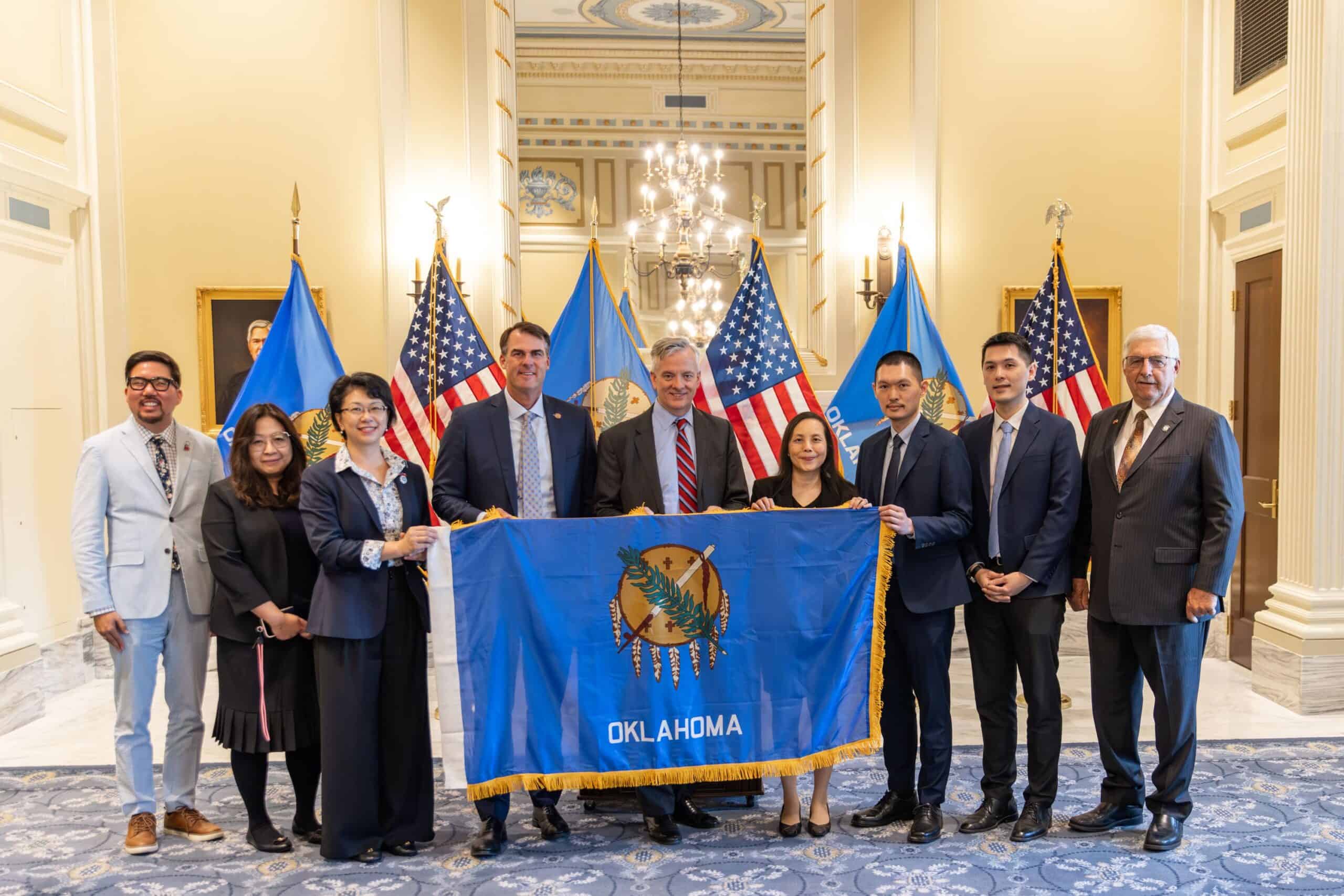
“States across the United States are now competing to attract Taiwanese business,” Lee adds. “More than a dozen new trade and investment offices have opened in Taipei in the last several years, and engagement also flows the other way.” On July 3, Oklahoma opened a trade and investment office in Taipei. That same day, Taiwan, announced it intends to open a new economic and cultural office, similar to a consulate, in Arizona.
“Taiwan’s lack of official recognition as a country has allowed state-level engagement to flourish,” Lee said. “Such engagement, ranging from MOUs to investment deals to university exchange programs, does not require top-down management or oversight from political leaders in Washington and Taipei, allowing it to happen more organically.”
“Sub-national relations indirectly bolster America’s security interests in Taiwan, by further deepening economic integration and creating shared stakes, mutual dependency and closer people-to-people ties,” she said.
“When states rely on Taiwanese investment or supply chains, it raises the domestic political and economic cost of any disruption,” she adds. “It translates strategic interest into tangible domestic economic reality that is mutually beneficial. Taiwan expands its business opportunities and political visibility in America, while the United States can begin rebuilding our techno-economic manufacturing base.”
The number of direct flights between the U.S. and Taiwan is also increasing.
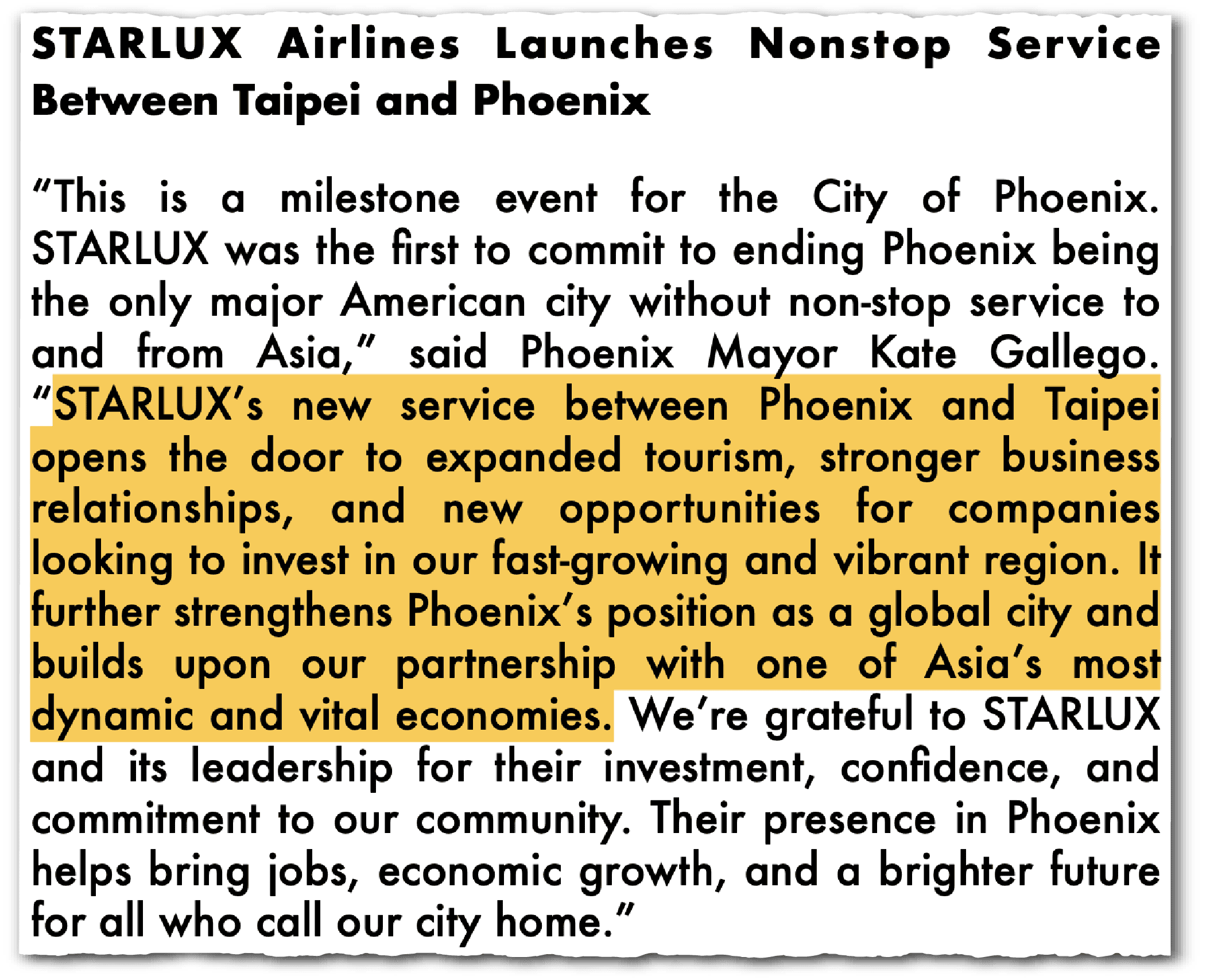
In January, Taiwanese carrier Starlux launched flights from Taoyuan to Phoenix, where TSMC’s gigantic campus is driving rapid growth of the city’s Taiwanese population. The company has moved more than 2,000 engineers and their families to Phoenix, which has led to a wave of Taiwanese eateries and cafes opening in the city’s north. The Starlux route is Phoenix’s second direct connection to Taipei. The other is operated by Taiwan’s national carrier, China Airlines. In late June, EVA Air launched the first direct flights between Washington and Taipei, a long-awaited development for the many people who shuttle between the two capitals.
A DISPUTE OVER DRONES
Despite the ever closer technology, trade, and investment ties between Taiwan and the U.S., Trump has been far less explicit than Biden was about his willingness to defend the island in the event of a Chinese invasion or blockade attempt, and is delaying approval of a $14 billion arms package for Taiwan.
While Trump has approved substantially more arms sales to Taiwan than his predecessors, there is currently a $30 billion backlog of fully approved but still undelivered U.S. weapons systems for which Taipei has already paid.
U.S. defense firms are unlikely to commit capital, personnel, tooling, or production know-how to Taiwan-based manufacturing unless Taiwan provides a stable multi-year demand signal.
Cathy Fang, a policy analyst at DSET, a Taiwan government-funded think tank
Arguably more concerning for Taiwan’s defense needs, the KMT gutted Lai’s special defense budget, which he proposed last November but was only passed in June. Lai wanted to spend $40 billion over eight years, including $15 billion on drones and air defense systems — the two factors that have helped Ukraine turn the tide in its war with Russia. The KMT stripped all of those funds from the budget.
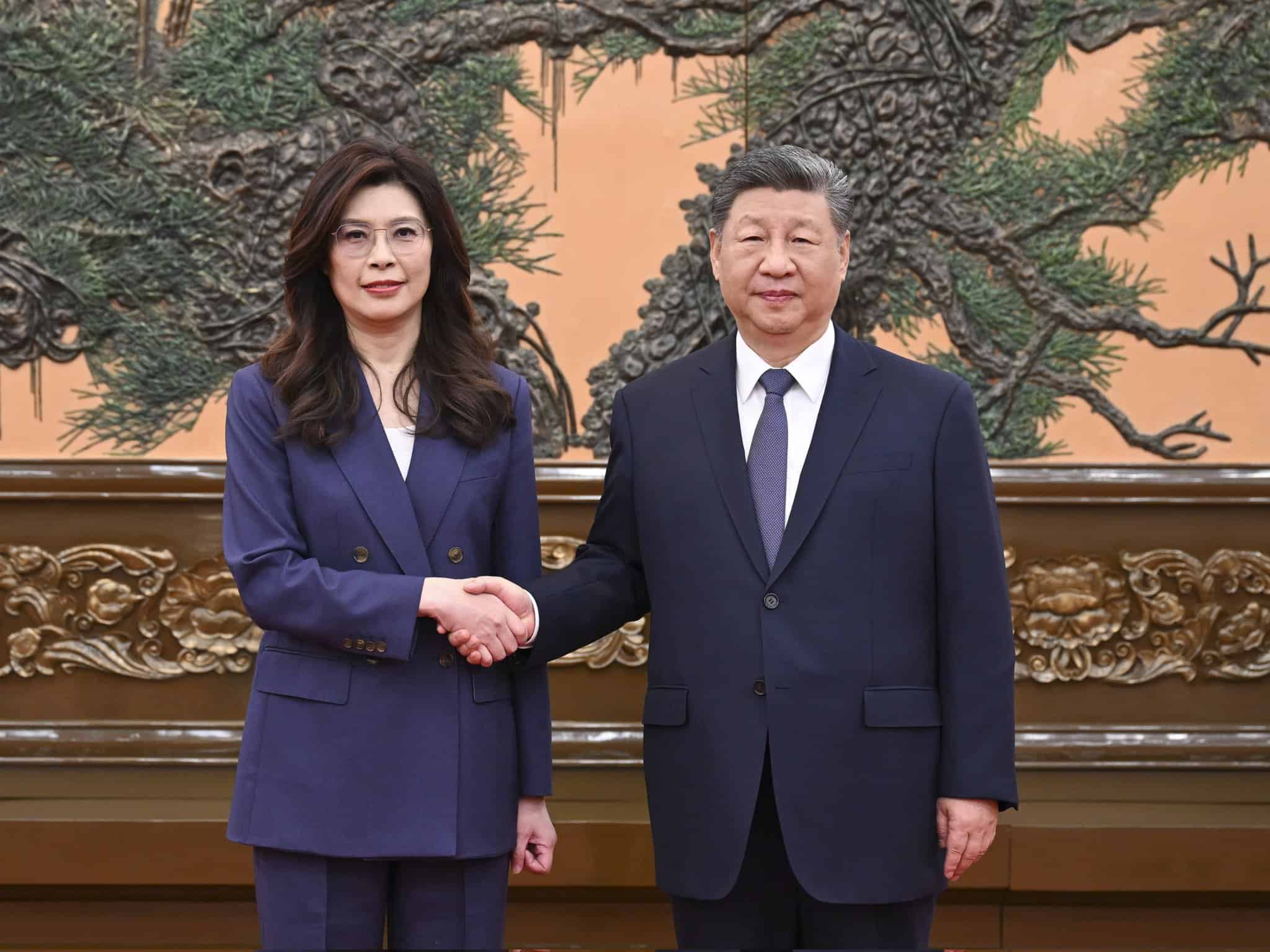
The KMT’s new chair, Cheng Li-wun, argues that a defense buildup could threaten peace in the Taiwan Strait. Cheng met Xi Jinping in April in Beijing, where she echoed his claims that Taiwan is an inalienable part of China and “Taiwanese independence” cannot be tolerated.
While the Lockheed Martins and Raytheons drag their feet on deliveries of traditional weapons systems, a new and more nimble generation of American defense startups are emerging as more promising partners in drone development and manufacturing.
Taiwan’s defense research institute, the National Chung-Shan Institute of Science and Technology, has signed cooperation and development agreements with seven U.S. defense tech firms including Anduril Industries and MARTAC. The agreements cover areas such as AI-enabled command and control systems and naval drones. According to Cathy Fang, a policy analyst at DSET, a Taiwan government-funded think tank, it is evidence that the previous buyer-seller relationship between Taiwan’s military and U.S. defense contractors is changing.
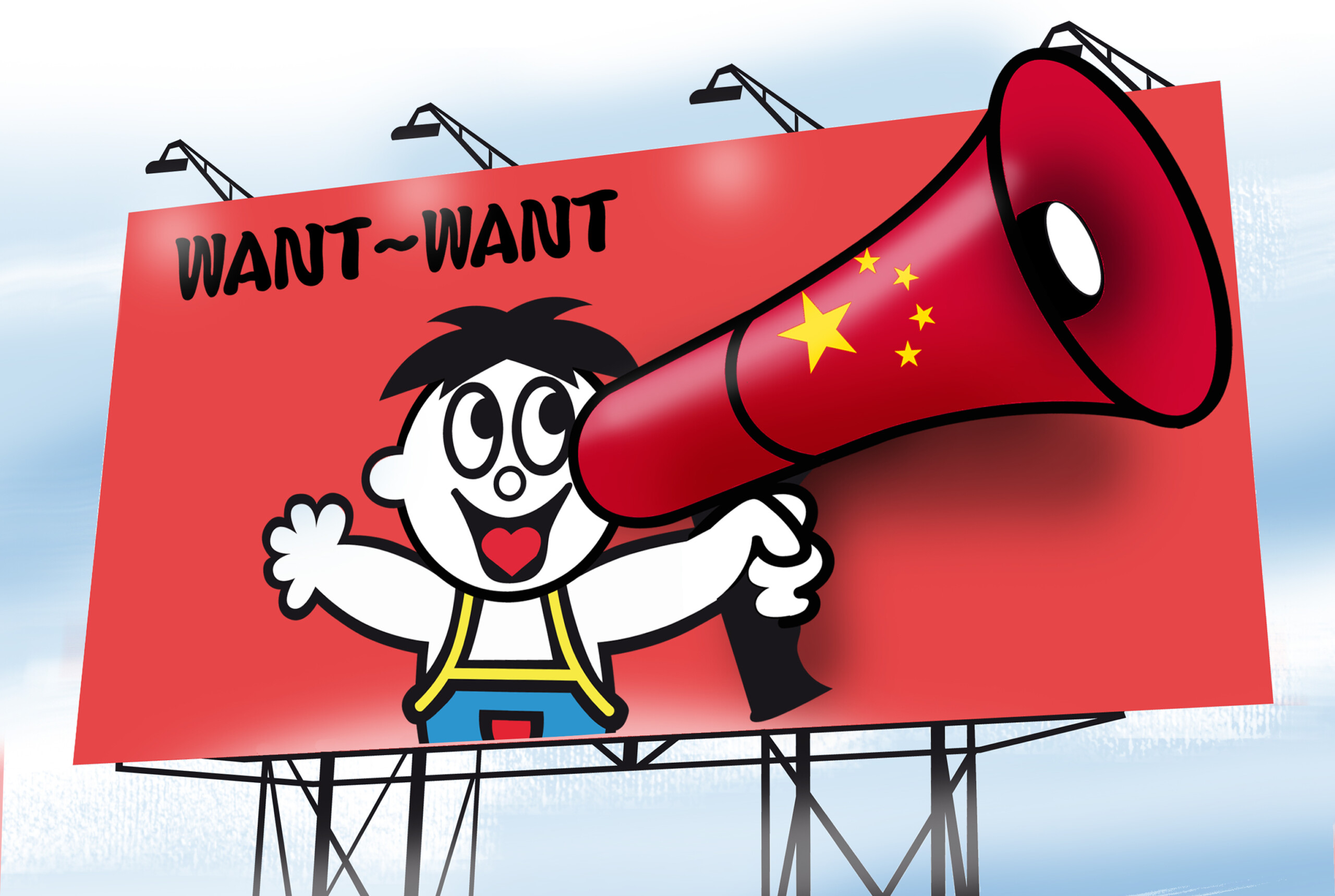
“Cooperation is no longer limited to supplier relationships,” Fang says. “It is beginning to involve software-hardware integration, platform adaptation and AI-enabled mission capability.”
Taiwan’s drone industry association, the Taiwan Excellence Drone International Business Opportunities Alliance or TEDIBOA, has signed six cooperation agreements with U.S. industry, government and academic institutions. The agreements seek to reduce the industry’s current reliance on China-based suppliers.
But in terms of actual military-to-military coordination, Fang notes, progress has been much more limited. Core operational questions remain unresolved, such as how U.S. and Taiwanese drones would share data and operate together in the event of a conflict with China.
Without joint testing, shared data standards, pre-positioned stocks of weapons and joint exercises, U.S. and Taiwanese forces are more likely to operate in parallel rather than as an integrated force.
“U.S. defense firms are unlikely to commit capital, personnel, tooling, or production know-how to Taiwan-based manufacturing unless Taiwan provides a stable multi-year demand signal,” Fang said. “At present, that signal remains incomplete because Taiwan’s major drone-related funding package is still being blocked by the KMT in the legislature.”
A TAIWAN-U.S. FTA?
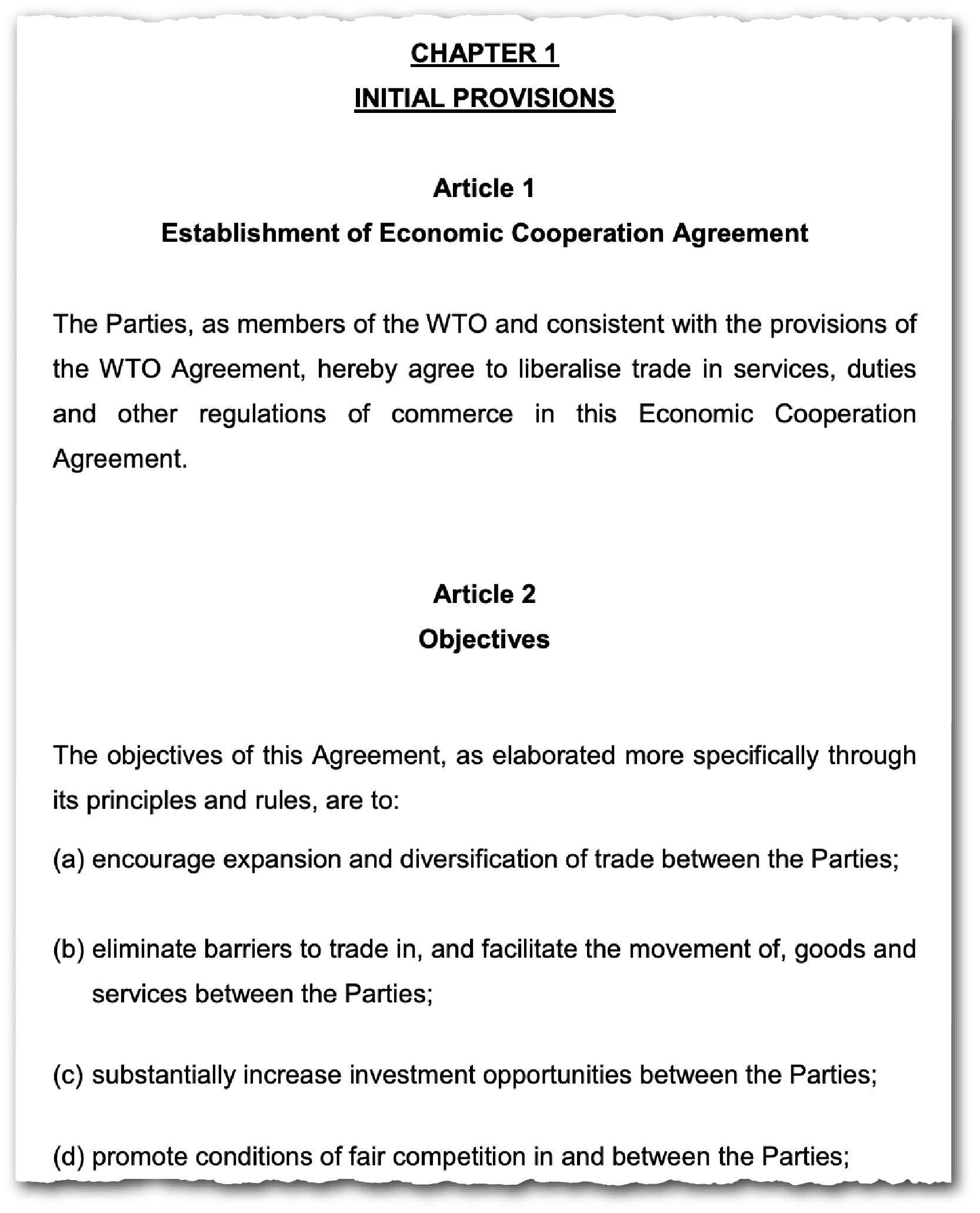
Deng, the former trade negotiator, argues that one way the Lai administration can accelerate the trends driving Taiwan and the U.S. closer together is to negotiate a free trade agreement with the world’s biggest economy.
“The main obstacle, in my view, is political rather than economic,” he says. “Some policymakers in the United States may be concerned that pursuing an FTA with Taiwan could trigger strong retaliation from China. They worry that such retaliation could have a significant impact on American industries that continue to rely heavily on the Chinese market.”
Taiwan currently has FTAs with Singapore and New Zealand, as well as several of the small countries that still officially recognize its Republic of China government rather than the PRC. It also has a legacy FTA with China — the Cross-Strait Economic Cooperation Framework Agreement signed in 2010 during the administration of President Ma Ying-jeou. Ma, from the KMT, aggressively expanded Taiwan’s economic interaction with and exposure to China. His unpopular attempt to open up Taiwan’s service sector to Chinese investment sparked the 2014 Sunflower protests that helped the DPP’s Tsai win the 2016 presidential election.
Deng adds that rather than moving directly into formal negotiations, the two governments could kick off the process with a six- or 12-month joint feasibility study to evaluate the challenges involved, as well as potential costs and benefits. It would also give both parties time to prepare support measures for any industries targeted by Chinese retaliatory measures.
“A U.S.-Taiwan Free Trade Agreement would not only strengthen economic ties between our two economies, but also provide greater certainty and confidence for businesses on both sides,” Deng says.
“Deeper commercial ties send a very clear message to China: the United States has substantial economic and business interests in Taiwan,” he adds. “Any action that threatens Taiwan would also threaten American investments, supply chains and the interests of U.S. companies”
Correction – This article has been amended to note that Taiwan is not the only one of America’s top-10 trading partners which does not have a tax treaty with the world’s largest economy. There are two. The other is Vietnam.

Chris Horton is a Taipei-based journalist and author of the book Ghost Nation: The Story of Taiwan and its Struggle for Survival (Macmillan, 2025). His writing has appeared in Bloomberg News, The New York Times, The Atlantic, Nikkei Asian Review and elsewhere. Prior to arriving in Taiwan in 2015, Chris lived and worked in China for 15 years, in Shanghai, Kunming, and Hong Kong. @heguisen