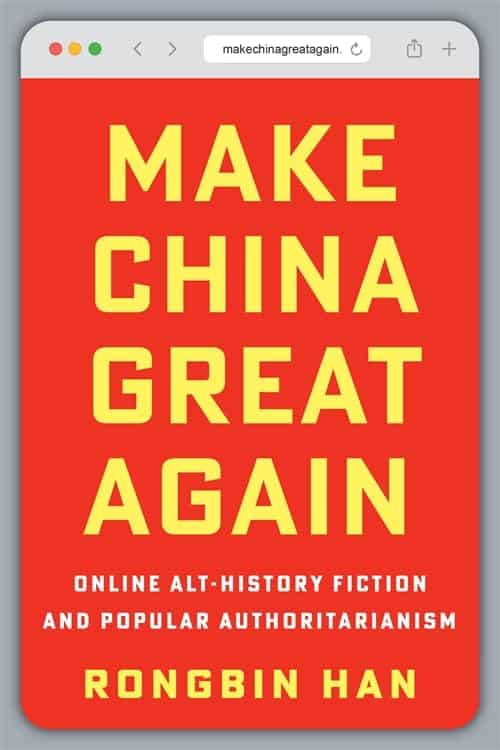
Rongbin Han is a professor of international affairs at the University of Georgia with a focus on Chinese politics and cyberspace. His previous books examined the Chinese Party-state’s engagement with the internet. His latest book, Make China Great Again: Online Alt-History Fiction and Popular Authoritarianism, gives the floor instead to Chinese authors evaluating their country. The writers of these popular alternate history fiction novels imagine time-traveling to the past to spark revolutions, industrialize before the West, and conquer the world — dreaming of making modern China great again in hypothetical universes and timelines.

Illustration by Lauren Crow
Q: How did you get the idea that your interest in reading internet novels could eventually become a book?
A: I started reading very early, including internet literature, which expanded around the same time as the Chinese internet. I am one of the early generation of internet adopters in China. I was particularly interested in sci-fi works, but one particular genre caught my eye — fiction titles involving people time traveling back into history and trying to save China from various crises, and to transform China in different ways.
When the internet started expanding in China, people had very high hopes about this technology liberalizing and democratizing China. We know that didn’t happen, and different people have come up with different explanations as to why. Some people say that the government is too strong, and can effectively control everything. I was among a group of people who were not quite satisfied with that explanation, so we tried to explain it from different perspectives.
In my first book, I found that political expression is not that threatening to the Party. The internet does achieve a polarization effect; you have people criticizing the government, but also you have people defending the government for various reasons. Those opinions will ultimately cancel each other out, so they are not really threatening the regime or the Party.
| BIO AT A GLANCE | |
|---|---|
| AGE | 46 |
| BIRTHPLACE | Yangzhou, Jiangsu Province, China |
| CURRENT POSITION | Professor of International Affairs, University of Georgia |
After finishing that book in 2018 I was thinking about my next project. I thought, maybe I can combine my hobby of reading internet literature works and trying to offer a good answer as to why the Chinese party state enjoys high approval ratings, or in a more jargon-y term, legitimacy. Where does that come from? And that immediately brought me to alt-history fiction, in which people go back in history and change China — that’s political.
What are some of your personal favorites among these works?
One of them is called Red Dawn (《赤色黎明》) by an author known as Crimson Moon (绯红之月), which is about a young man my age traveling back to 1905. He then launches a communist revolution, mimicking what the Communist Party did — according to the official version. He basically copies the party’s ideology, revolutionary tactics, mobilization, land reform, everything. It’s very controversial. People see the author as preaching communism, but the book has been censored by the party, which is one of the reasons why I liked it. It’s still very widely discussed.
A big chunk of the Chinese people are very influenced by official propaganda, but a big chunk are also very alert to anything that the Party tries to implant in them. But when the Party says, “You write the novels, imagine whatever you want to imagine, with me setting the bottom line,” it actually activates popular participation in the process.
The other one is Morning Star of Lingao (《临高启明》), published by an author known as Boaster (吹牛者), which is interesting in that it involves 500 people traveling back to the Ming dynasty. They bring with them a whole ship load of equipment, books and occupy a tiny spot called Lingao, which is in Hainan today.
| MISCELLANEA | |
|---|---|
| FAVORITE BOOK | The Three-Body Problem trilogy by Liu Cixin |
| FAVORITE FILM | The Matrix |
| FAVORITE MUSIC | China’s Yue Opera |
| MOST ADMIRED | My parents |
This book was collectively produced; there are multiple contributors, and then one person integrates some of those stories into the main storyline. The last time I checked it has over 9 million characters, and is still ongoing. They still haven’t actually unified China so many years into writing it. This work represents the “Industrial Party,” which basically believes that the only kind of strategy China should pursue is industrialization and further industrialization.
There’s a joke on the internet about how the government of China is actually the Time and Space Administration. Internet novels cover a very long historical span, from the first dynasty to the reform era. But very few actually fall between 1949 and 1978. [That these past decades cannot be written about is] evidence of the Time and Space Administration functioning.
Speaking of timelines, the majority of the alt-history internet works you surveyed involve time traveling back to the Ming Dynasty. Why the Ming?
The Ming Dynasty is unique in a number of ways. Before the Ming, China was ruled by the Mongol Yuan dynasty. After that, it was the Manchu Qing dynasty. Most of these authors and readers are Han Chinese, so there is some level of Han nationalism. A lot of Han Chinese think that’s the time you should go and fix, to prevent the Manchu from taking over, or to defeat the Mongols. Web novels are subject to the attention economy; you need to produce what the market wants.
Also, a lot of works discuss why China fell behind in modern history. The Ming dynasty is the time when the West started exploring and industrializing. It’s a critical historical juncture. If you want to change history, that’s the time you go to.
I saw at least one novel about the Ming dynasty expanding globally. They went to North America first and competed with the British and French colonizers to take over North America.
A key idea of your book is that alternate history fiction is not necessarily anti-government. What do these works reveal about how people view the Communist Party’s role in today’s society?
These writings are produced and shared and consumed within the Great Firewall. You can’t be ostensibly anti-Party, because you would be censored.
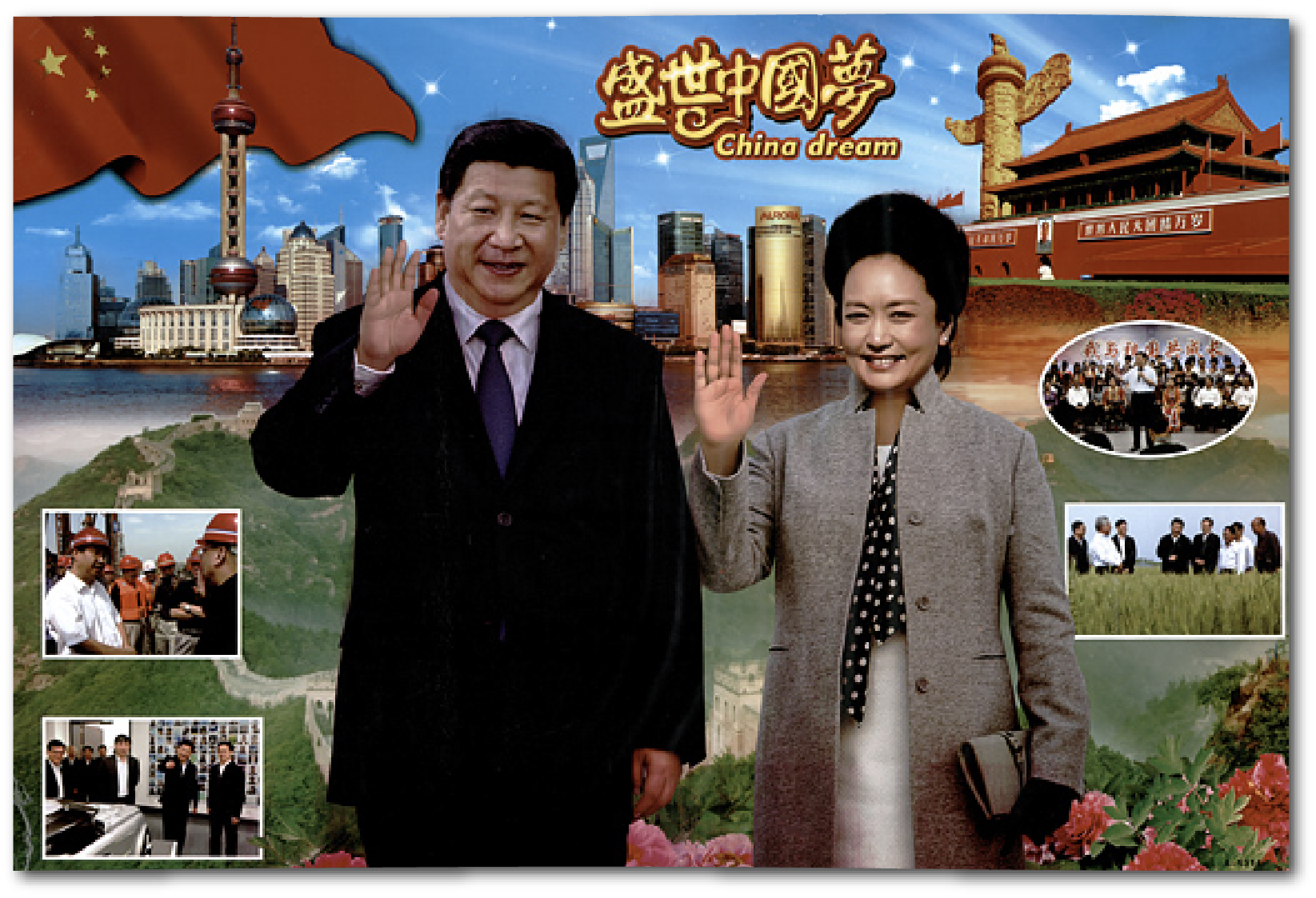
I argue that the Party, by allowing people to participate in the process, actually adds to the legitimacy of the regime in the long run. If you just go on controlling people, that’s going to end up being like [the George Orwell novel] 1984. [What works better is] if you provide a little bit of freedom and allow people to join [in developing] the popular imagination of how to make China great again, which apparently echoes the ‘Chinese dream’ ideology that President Xi Jinping personally coined.
There is pretty widespread political apathy in China. A lot of times when the official media says something, it backfires. A big chunk of the Chinese people are very influenced by official propaganda, but a big chunk are also very alert to anything that the Party tries to implant in them.
But when the Party says, “You write the novels, imagine whatever you want to imagine, with me setting the bottom line,” it actually activates popular participation in the process. Let the people imagine how they would coexist with and embed themselves into the official ideological construct. That will create something the populace or citizens will be able to accept and even embrace. That’s a good thing for the Party, even though it might be slightly different from what it originally would imagine or want.
How does the Party “set the floor” and manage the online literature industry?
The party has a very rich set of tools.
First is censorship. We know China censors a lot of things in everyday expression, especially when it comes to contentious topics. There is tons of research on this, including my own. But when it comes to internet literature, it’s a little bit of a different game. It’s not like you post a short passage that gets deleted. You write a whole book that gets deleted? That’s a different story.
You can’t write about things under the Maoist era, or criticize the party for the Cultural Revolution or the Great Famine. Those entire topics are off the table. You shouldn’t try to write about them if you’re a writer, especially if you’re trying to write for a living or make a profit. That’s not a rational choice for you.
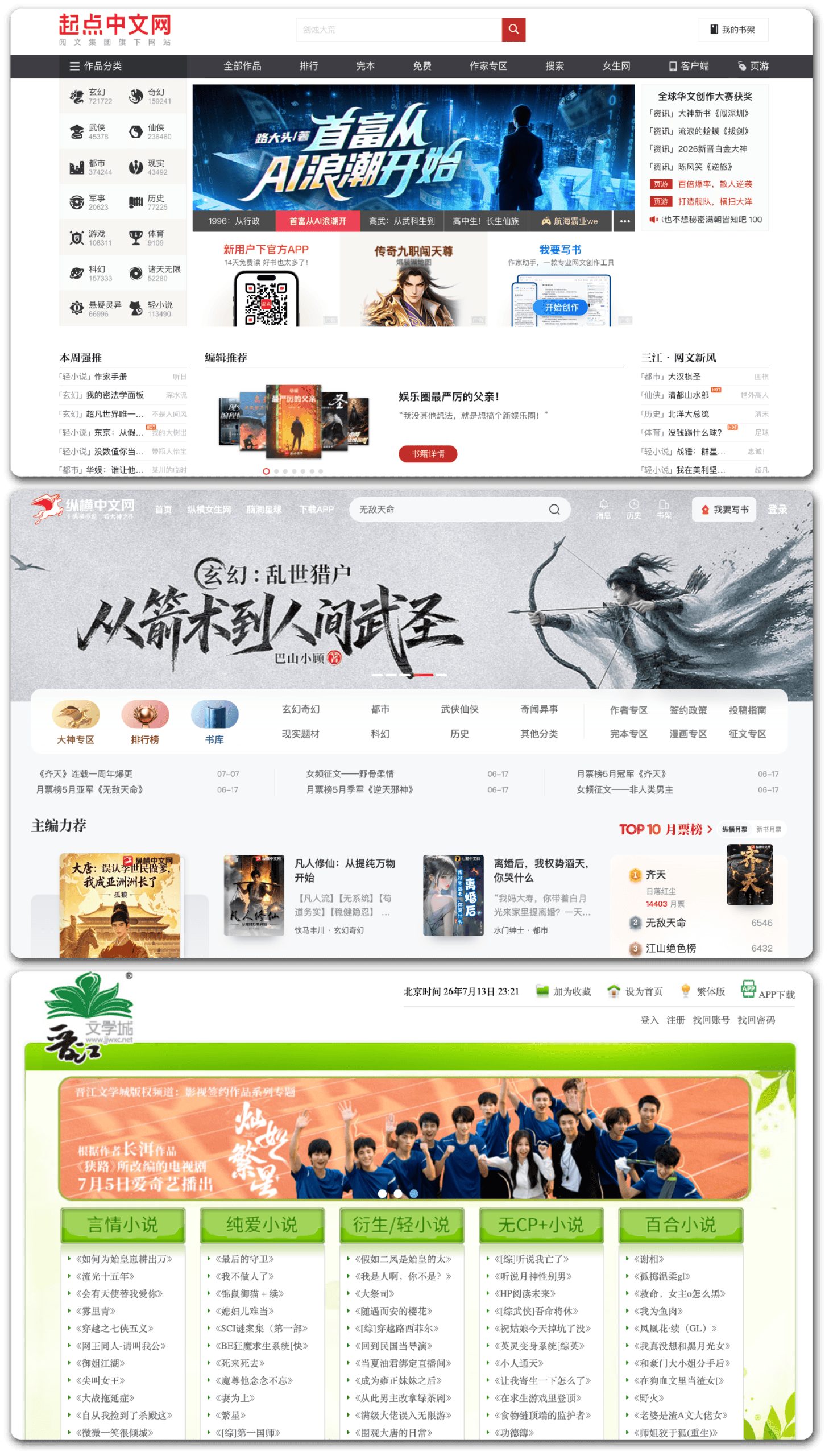
Internet literature is produced daily for people to consume daily. Censorship is daily as well. The platforms [where internet literature is published, such as qidian.com (起点中文网), zongheng.com (纵横中文网), and jjwxc.net (晋江文学城)] will typically assign an editor to work with you, and a lot of times the editor micromanages your writing by telling you what to avoid. They read things, they know where you’re heading, and sometimes they say, hey, this is not the right way. This especially happens in response to government-launched campaigns.
One example is anti-porn campaigns, which the party has been carrying out pretty regularly. During those times, editors warn writers to not write about certain things.
Writing about communism is something that’s tricky. A lot of those works survive, but they are very likely to be censored as well. I’ve observed a number of cases where works touch on communism and get censored, including Red Dawn mentioned above.
Religion is a taboo topic in some senses. One writer has complained about censorship of his work, which was set in an alternate universe. But he used a religious setup, where there were different religions competing with each other; a certain religion splits, and that sets off a power struggle. The editor told him not to write about that, especially splits between moderate and extreme factions, because people would think of Islam.
The Party also co-opts people. A lot of internet writers are now part of the Party-run China Writers Association and its Internet Literature Committee. Some successful writers have become members of the Chinese People’s Political Consultative Conferences [China’s version of a parliament] at different levels.
Chinese people go online for multiple purposes. Not all of them are for politics. People go there to read novels, share their travel experiences, order food, do all sorts of things that are seemingly non-political. But I’m a political scientist. I still see politics in them. They bear political implications.
The Party issues regulations about how publishing platforms should undertake social responsibility for all the writings they host. There is a pretty detailed grading system on how many points you make or lose, depending on whether you achieve those goals. There are a very complex set of mechanisms for co-option.
Mostly, the Party promotes what it likes. There are a lot of literary awards, and many of those go to the works the Party deems as having ‘positive energy.’
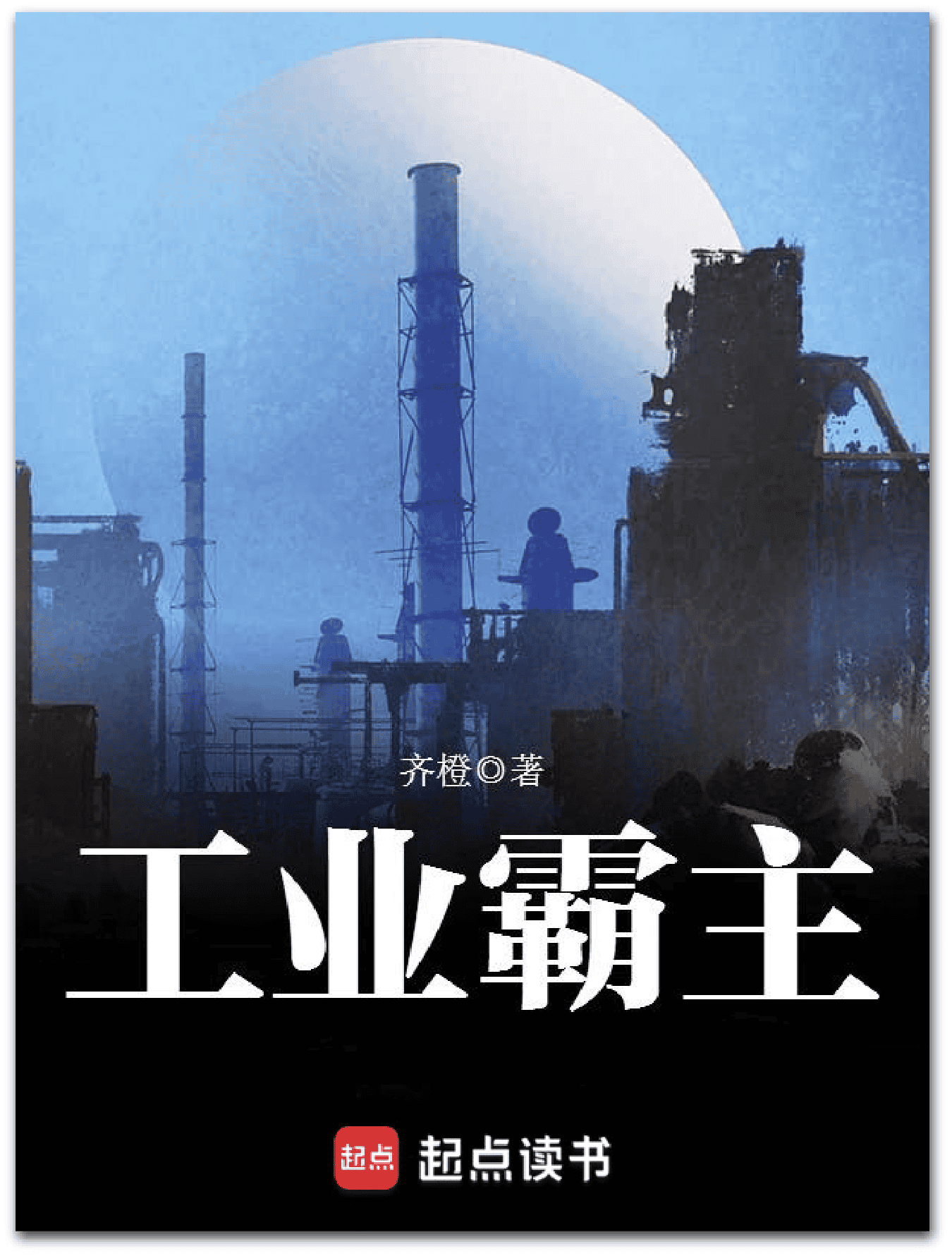
One of those works, included in my study, is called The Industrial Tycoon《工业霸主》 by Qicheng 齐橙. It is about a contemporary young person, time traveling to 1979, around the time when reform and opening up had just started. He went back and tried to create an industrial empire by manufacturing different things, taking advantage of the collapse of the Soviet Union, and getting a lot of Soviet technical knowledge to help boost China’s industrial capacity.
The concluding chapter of that work of fiction features a Chinese-made nuclear-powered aircraft carrier, China’s first, visiting the port of New York, symbolizing the victory of China and demonstrating that China’s naval force at least is on par with that of the old hegemon, the United States.
That author received quite a number of government awards.
The Chinese internet is so often seen in binary terms, as a tool that could be used to either repress people or as something that could help democratize China. What is your perspective on the role of the internet in China, and is there a better framework through which to analyze it?
I call this a control-resistance paradigm. The internet is used as a tool for people to fight and resist authoritarian rule, and the government, of course, uses it to exert control.
I don’t think that those kinds of perspectives are totally wrong. They do capture part of what the Chinese internet is. But as I said, the Chinese internet is very polarized. It offers rich, dynamic living experiences for people, not just Chinese people, but some foreign people who are exposed to it.
There are a bunch of Chinese novels, not the “Make China Great Again”-type, but martial arts or mystical fiction that have been translated into English for a foreign audience to consume. I don’t think the Chinese internet is borderless. But it’s also not completely walled off to an international audience.
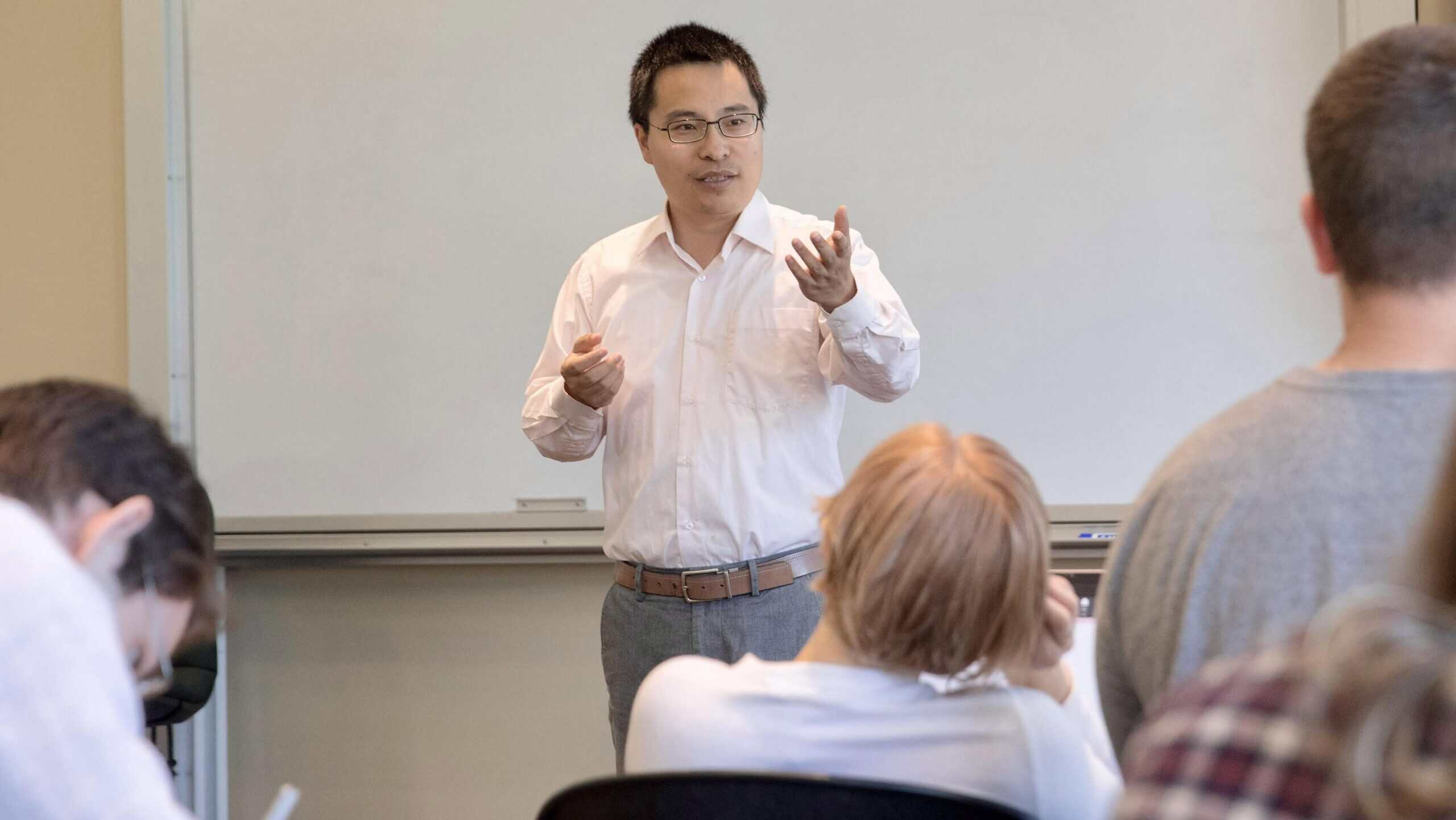
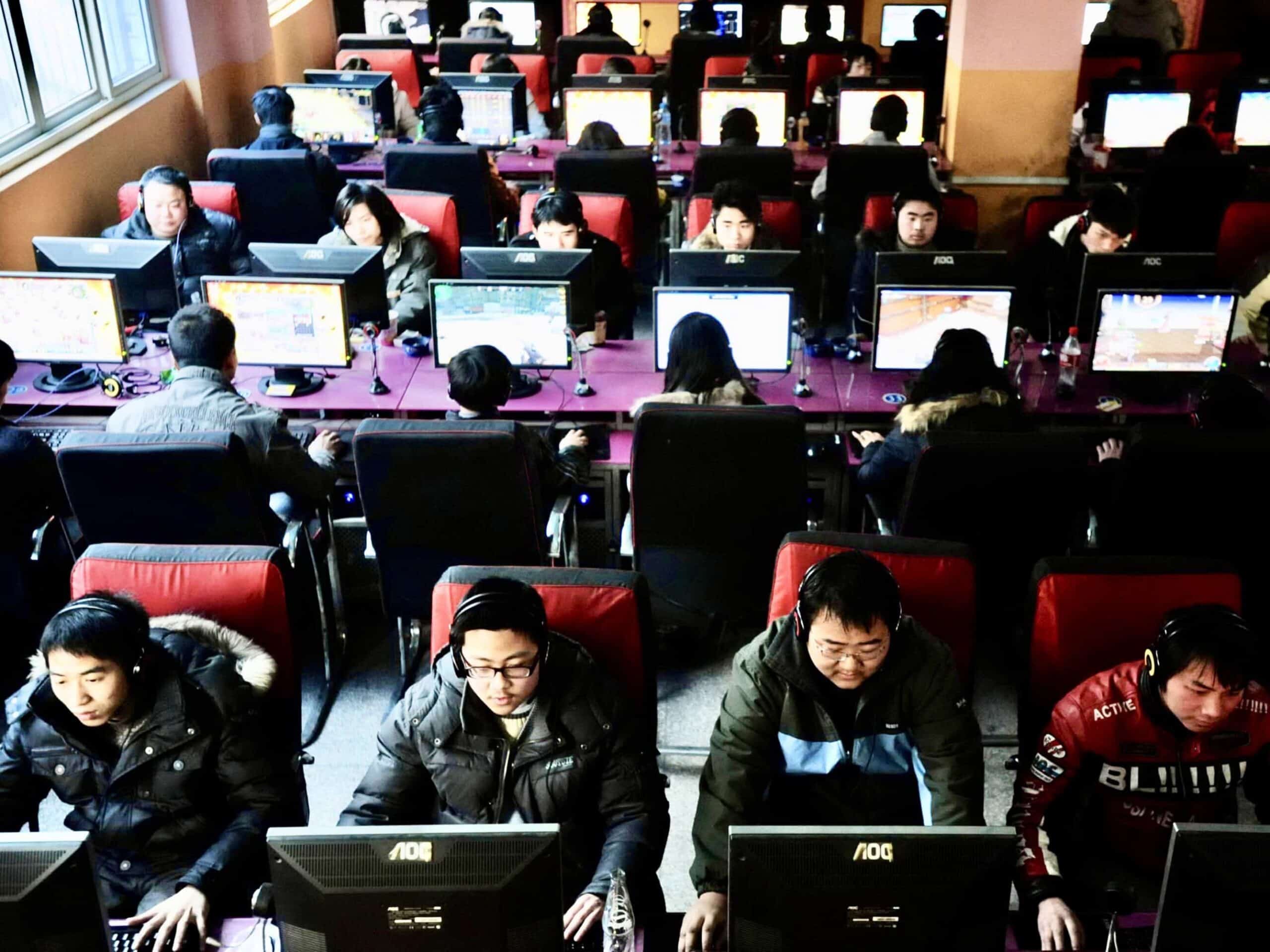
Chinese people go online for multiple purposes. Not all of them are for politics. People go there to read novels, share their travel experiences, order food, do all sorts of things that are seemingly non-political.
But I’m a political scientist. I still see politics in them. They bear political implications.
When foreigners go to China and they film things and they share it on YouTube or TikTok, they often do a service for the Chinese government in terms of its soft power. They say things like, Chinese cities are clean, with fast internet, impressive infrastructure, and high-speed trains. We don’t have them in the U.S. or North America. Or they go to grocery stores and say things like, “Chinese groceries are much more affordable.”
All of that works to the Chinese government’s advantage. It doesn’t really have to do anything. Tourists just come in, take a look, and then talk about everything they see there.
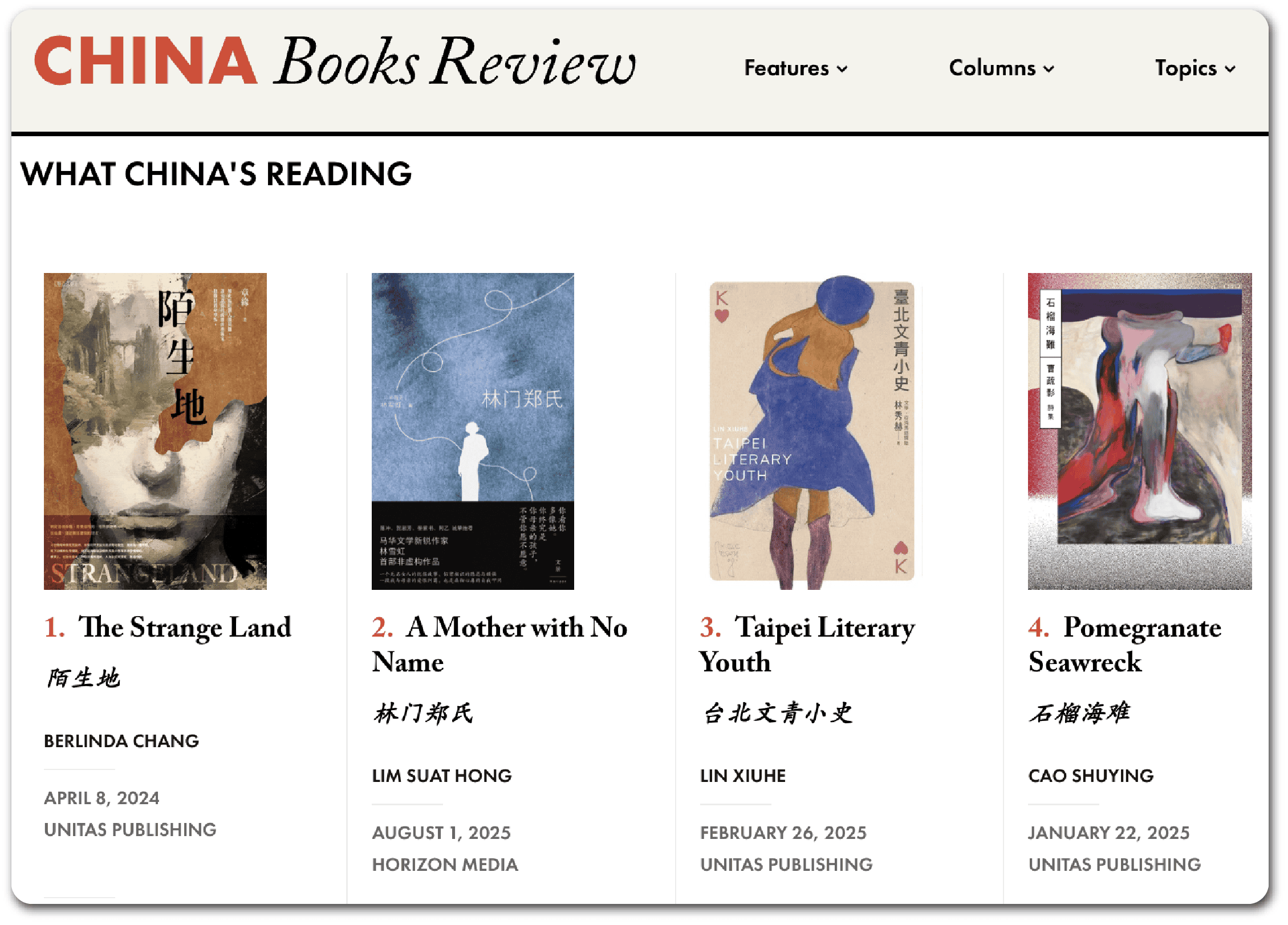
The party does carefully manage everything, but who writes these online stories? Not the government — writers. The writers want their writings to be popular. And if those works are actually spreading what the government prefers, or acting on the government narratives, that’s great. The Party doesn’t have to do anything. Somebody is actually doing their job, writing those stories, trying to popularize them, and actually connecting the Party to the people in a way more organically than Party propaganda would ever be able to do.
Maybe we shouldn’t use George Orwell’s 1984 metaphor to understand China, its relationship with citizens, or its internet politics. I don’t think it’s the reality yet, but the most fearful outcome for me is actually Aldous Huxley’s Brave New World, where people amuse themselves to death.
The title of the book, Make China Great Again (MCGA), is of course provocative, and you refer to the alt-history internet novels as MCGA throughout the book. How does this relate to the MAGA movement in the U.S.?
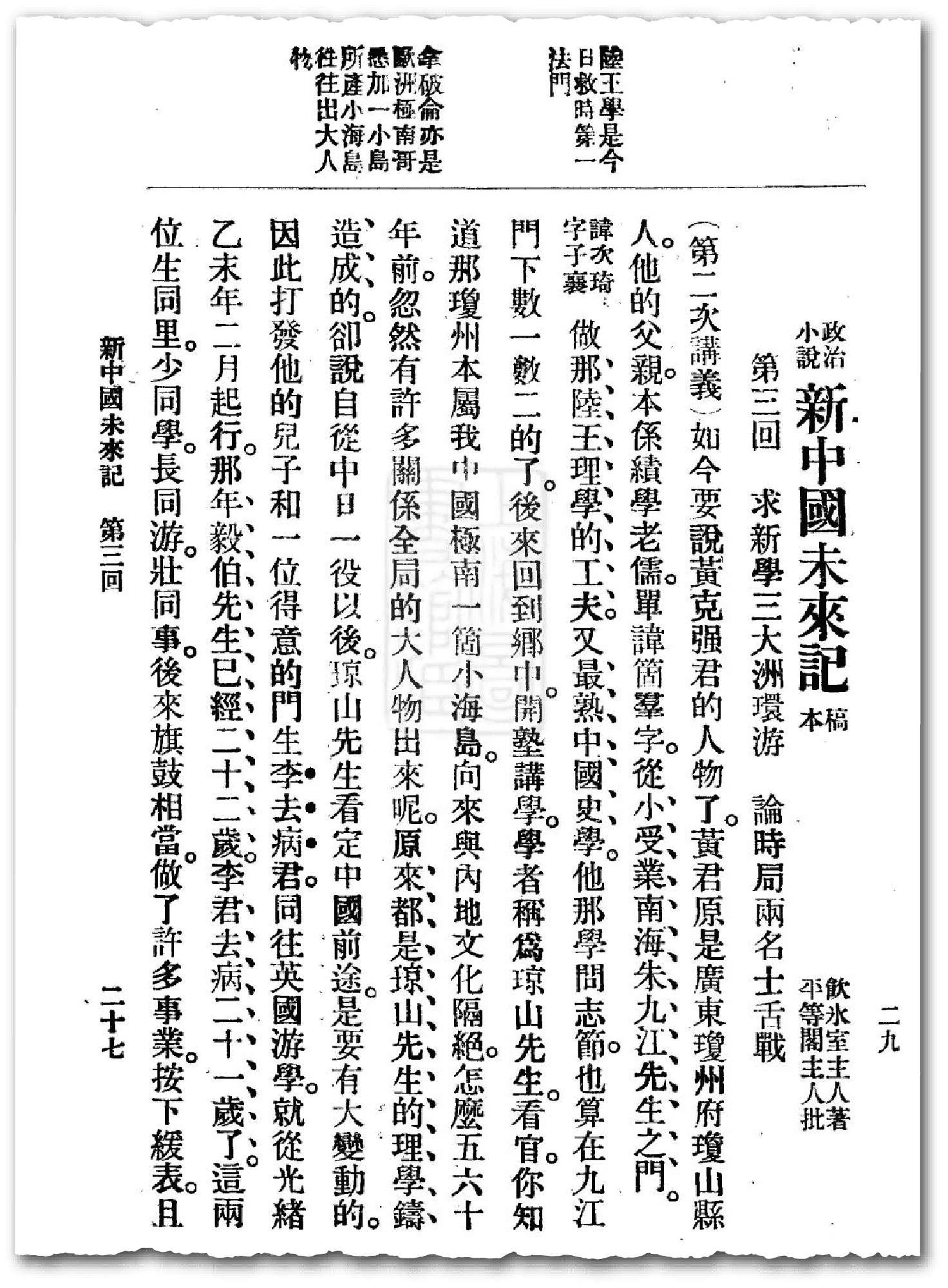
Put it this way: compare it to early Republican or late Qing Chinese sci-fi, when people were suffering from national humiliation. They had no hope in the past or present. All they could do was look into the future.
In that era’s sci-fi works, they imagined a great China, China becoming one of the stronger powers again in the future. For instance, Liang Qichao was a reformer and activist, and tried to reform the Qing. But he was also a sci-fi writer. He wrote a very famous sci-fi title called The Future of New China《新中国未来记》[An unfinished 1902 novel].
It reflected the collective social ethos of Chinese then. Make China Great Again-type fiction reflects contemporary Chinese society’s collective ethos.
Why? They see China doing very well right now, and that China’s rise is imminent. The only thing they want to do is go back into history and make up for historical sorrows. That’s something bigger than the specific genre I study.
Essentially, I see them as contemporary Chinese trying to speak to their ancestors, their forefathers, to say: Look, we’re doing great, and our future is great. The past is the only thing that we need to make up for. So let’s go back into history and try to make things right.

Savannah Billman is a Staff Writer for The Wire China based in NYC. She previously worked at the National Committee on U.S.-China Relations.