Over the next five years, China’s government will be racing to win the global battle in science and technology, as outlined in its latest medium-term plan. Much of the responsibility will fall on the country’s top research institution, the Chinese Academy of Sciences.
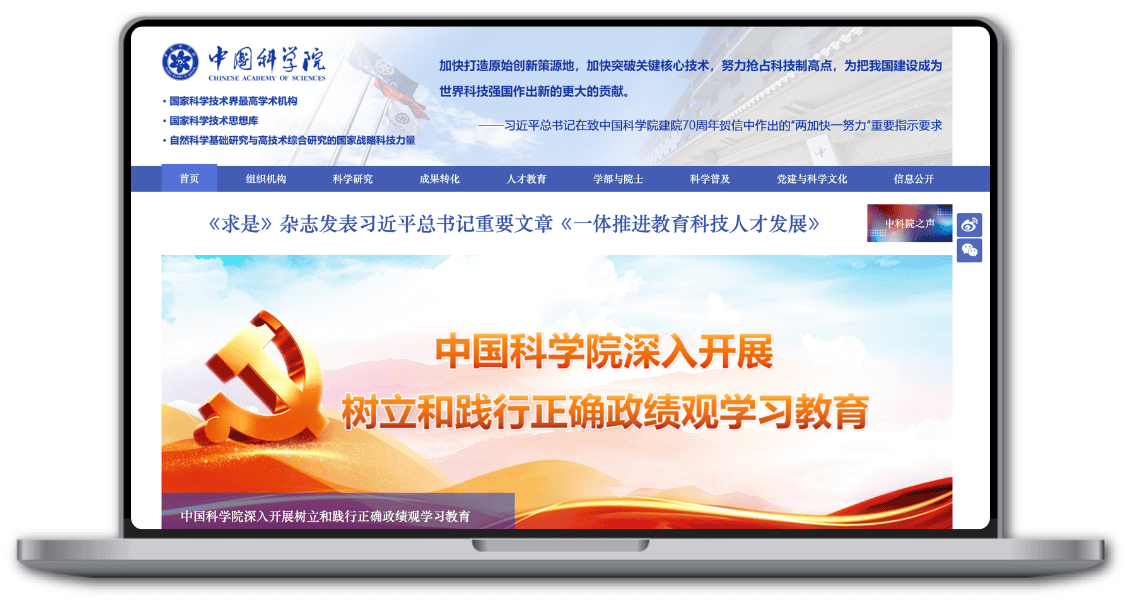
CAS — established directly under the State Council, China’s cabinet, a few weeks after the founding of the People’s Republic in 1949 — now operates over 100 research institutes across China, employing 63,000 scientists. It is the world’s most prolific publisher of research papers.
It is also a prolific investor and incubator of companies in fields like quantum and AI that are key to China’s technological self-reliance ambitions. Some of its institutes function as defense research partners for the People’s Liberation Army.
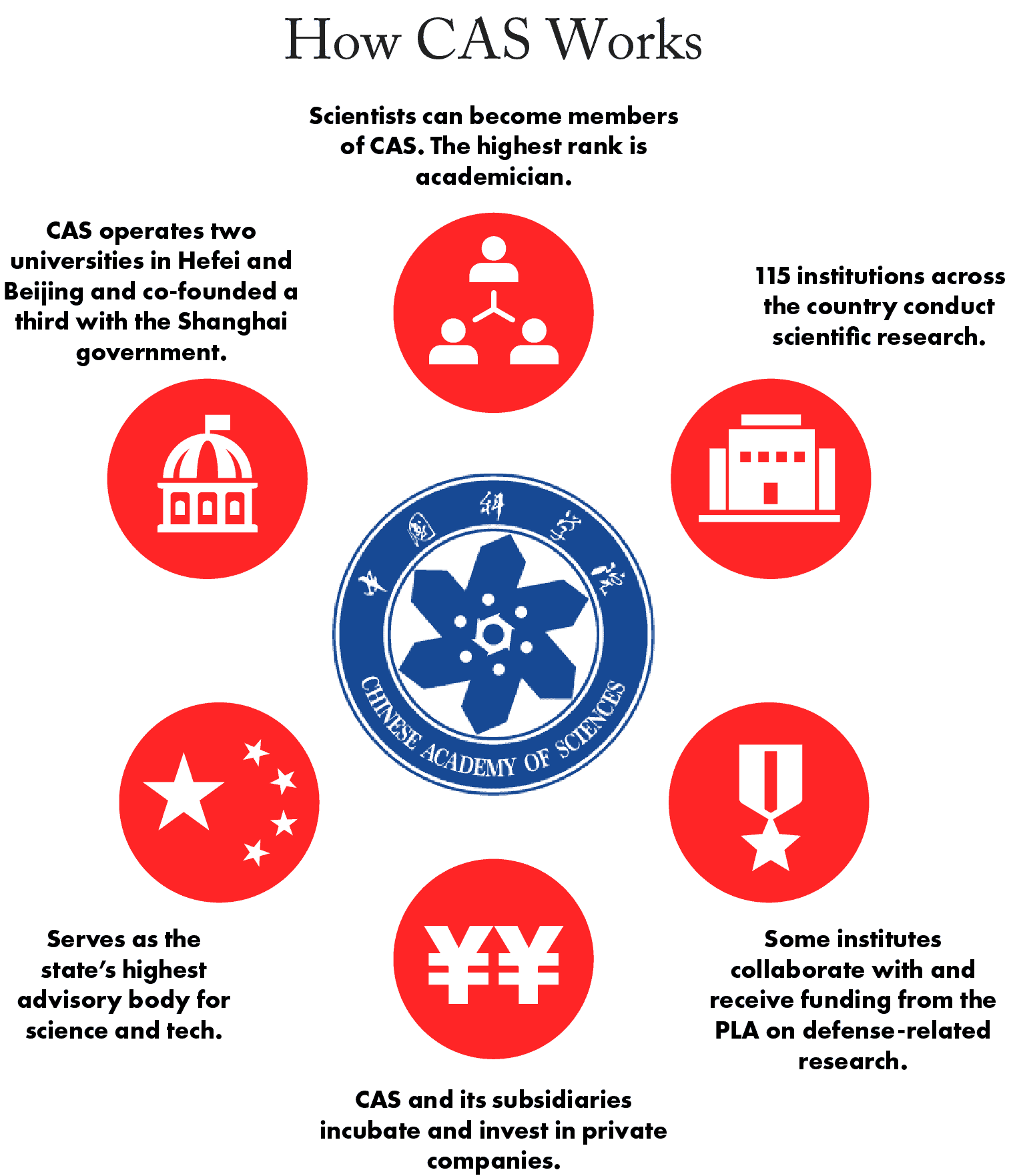
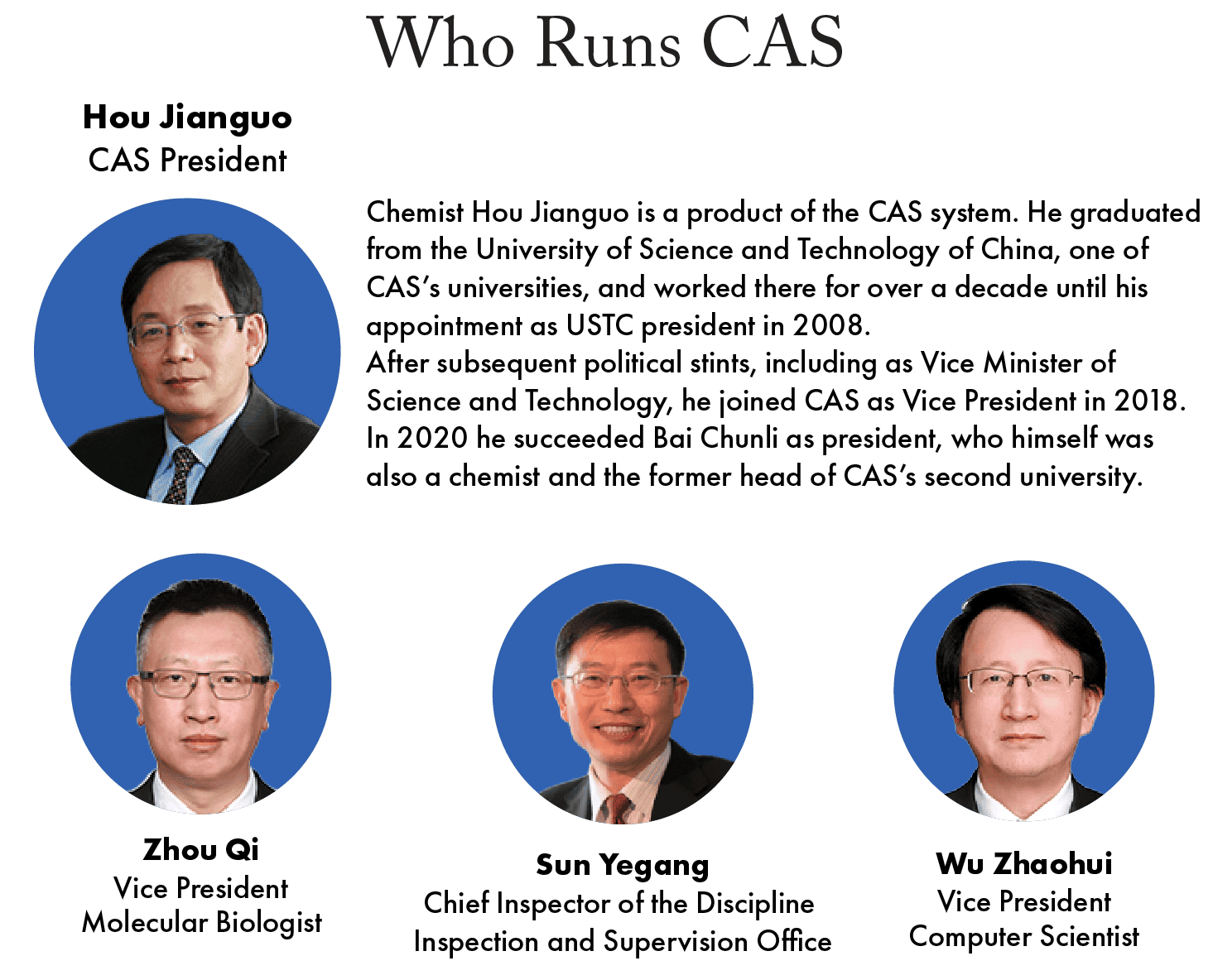
Experts say CAS combines functions that most countries would normally split between separate bodies.
“This unusual concentration of functions, combined with the prestige accorded to academicians in China and access to China’s top political leadership, is what makes CAS so powerful,” a member of a team that has researched CAS’s military ties at the policy thinktank RAND told The Wire. Team members requested anonymity given the sensitivity of their research.
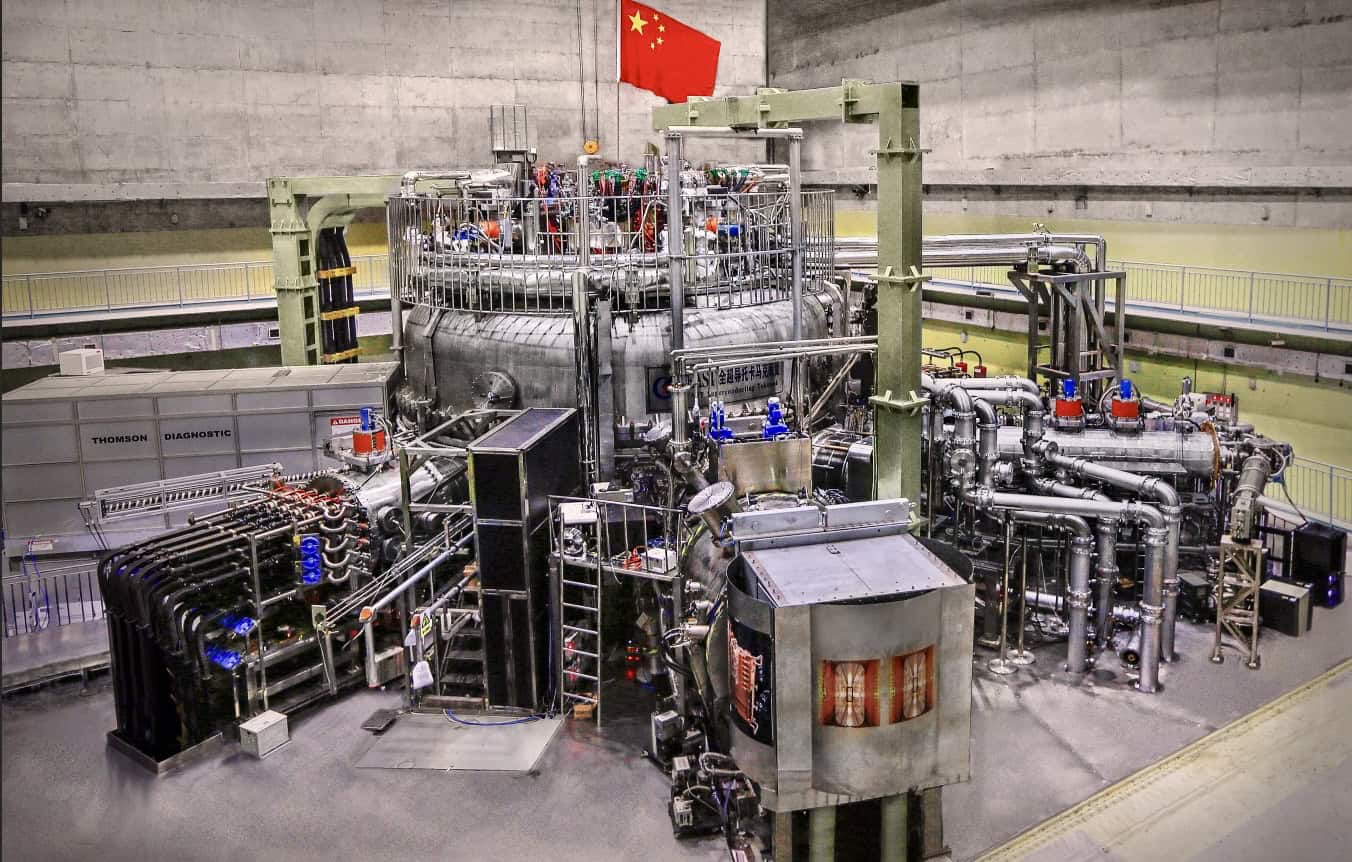
Exactly how CAS is working to fulfil Beijing’s demands is less clear. While it used to publish five-year plans detailing its strategic priorities, CAS hasn’t publicly released one covering any year since 2021.
In this week’s Big Picture, The Wire China examines how CAS operates, invests, and spends its considerable financial resources.
SCIENCE PAYS
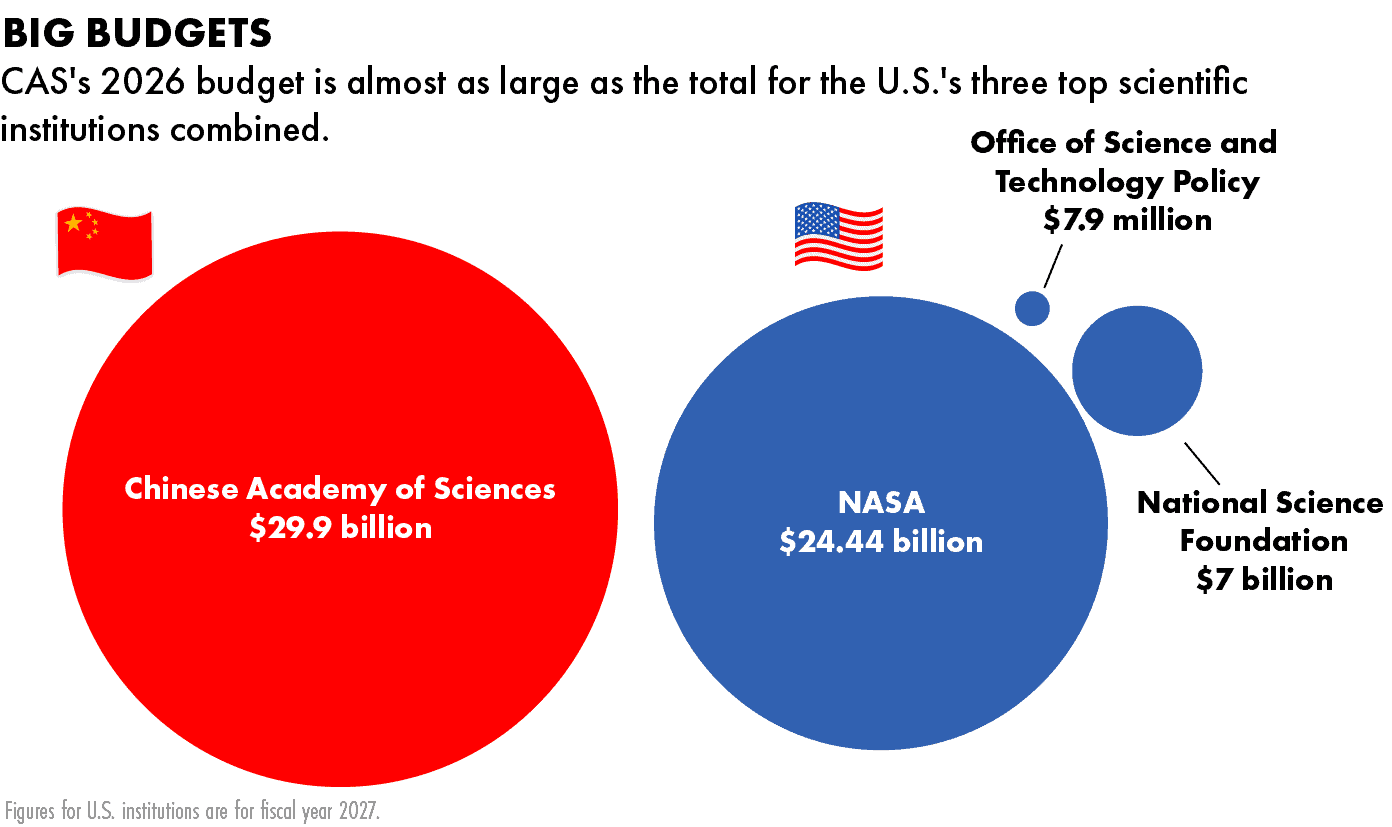
Compared to government-linked scientific institutes in the United States, CAS wears more hats and has a bigger budget.
Despite its close ties to Beijing, CAS isn’t totally dependent on government grants: a major source of revenue is its business operations. Over the past five years alone, CAS’s annual business revenue has increased by over $20 billion RMB to 71.3 billion RMB ($10.3 billion), according to its budget reports.
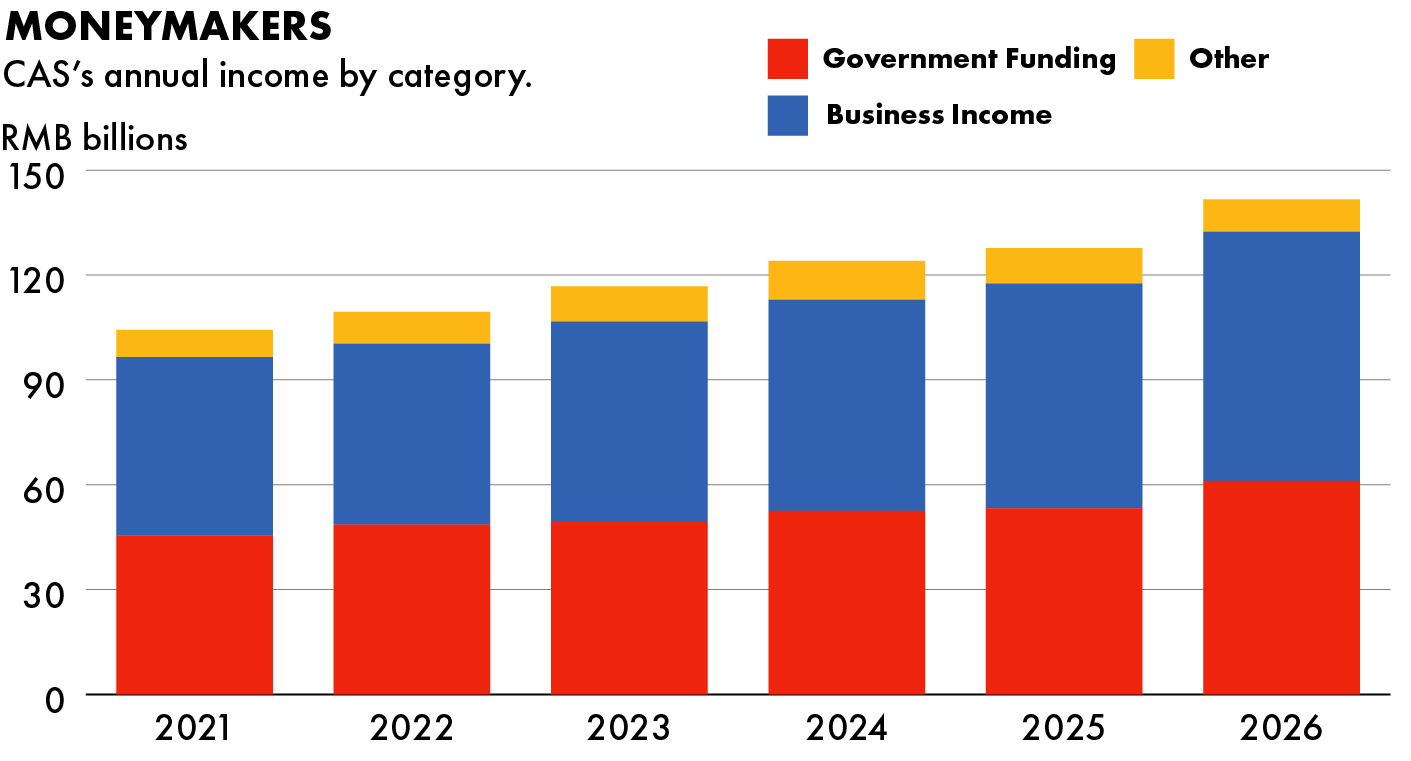
CAS carries out business operations itself, along with its many subsidiary institutes and holding companies that invest in areas related to their core research focus.
CAS plays the role of an incubator, providing the structure to take profitable scientific breakthroughs to market. Research projects conducted by scientists at CAS institutions are spun out into commercial enterprises, allowing the scientists-turned-executives to profit from their research while maintaining a connection to CAS.
The relationship with CAS does not end after the investment has been made or a company has been spun off. It continues, often through joint research projects, talent development programs, shared personnel and facilities, and access to technical expertise.
Hanna Dohmen, a senior research analyst at the Washington DC-based Center for Security and Emerging Technology
Over the years, CAS has supported many Chinese industry leaders, including chipmaker Cambricon, Chang Guang Satellite Technology, and U.S.-China dual-headquartered PC maker Lenovo.
The chart below traces a select sample of CAS investments through its major funds and the institutes leading in cutting-edge industries like semiconductors and quantum.
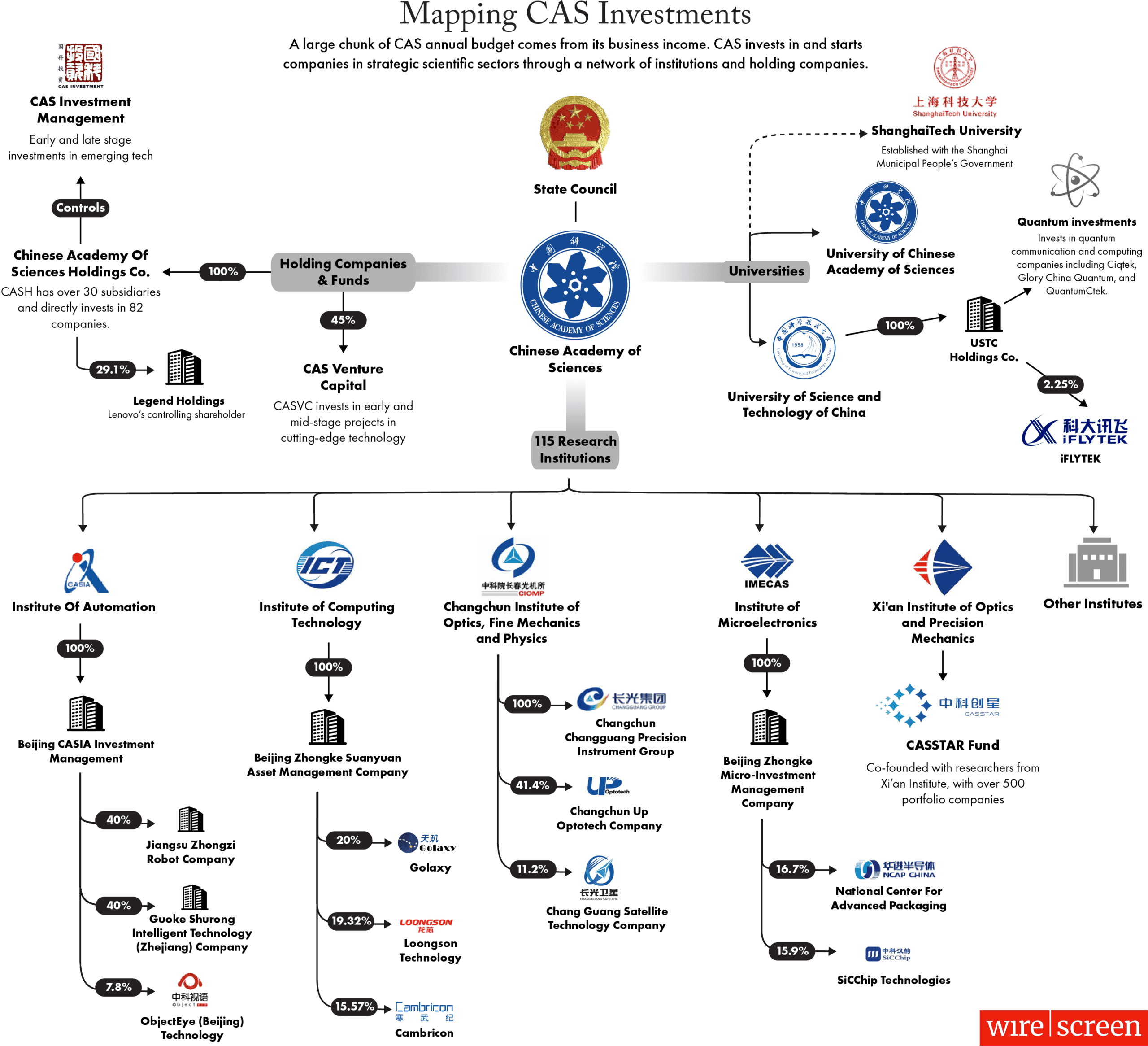
Becoming part of CAS’s network allows companies access to its powerful scientific ecosystem.
“The relationship with CAS does not end after the investment has been made or a company has been spun off,” says Hanna Dohmen, a senior research analyst at the Washington DC-based Center for Security and Emerging Technology.
“It continues, often through joint research projects, talent development programs, shared personnel and facilities, and access to technical expertise,” she adds. “These benefits are mutual.”
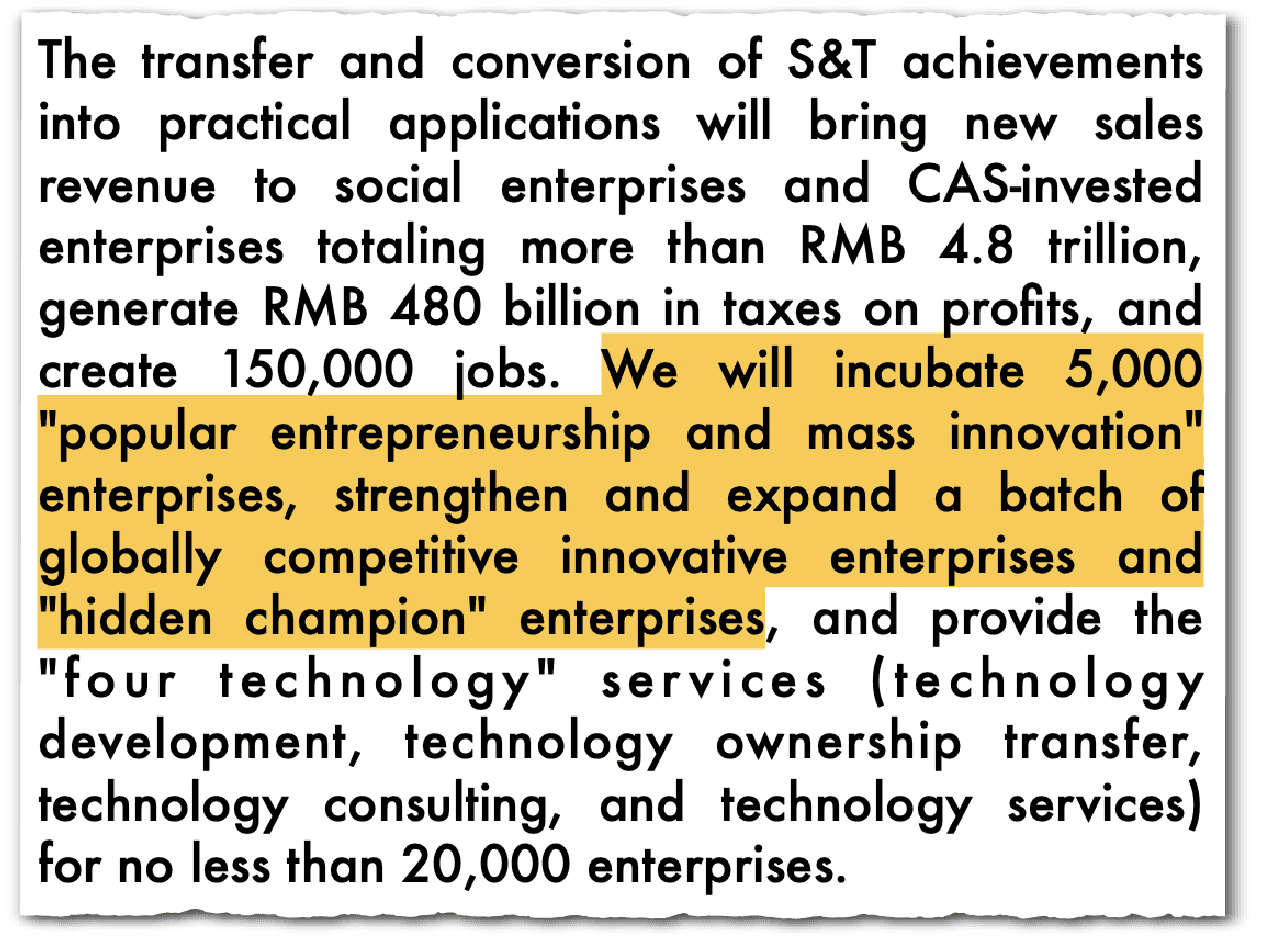
The last public CAS five year plan, covering the years 2016–2020, calls for CAS to incubate and strengthen thousands of enterprises as well as convert S&T achievements into profitable applications. But the exact nature of CAS’s non-financial support to companies in its network is often undisclosed.
BIG SPENDER
Aside from social security and other employment-related expenditures, CAS’s single biggest spending line item is science and technology research, which has increased by 47 percent between 2021 and 2026.
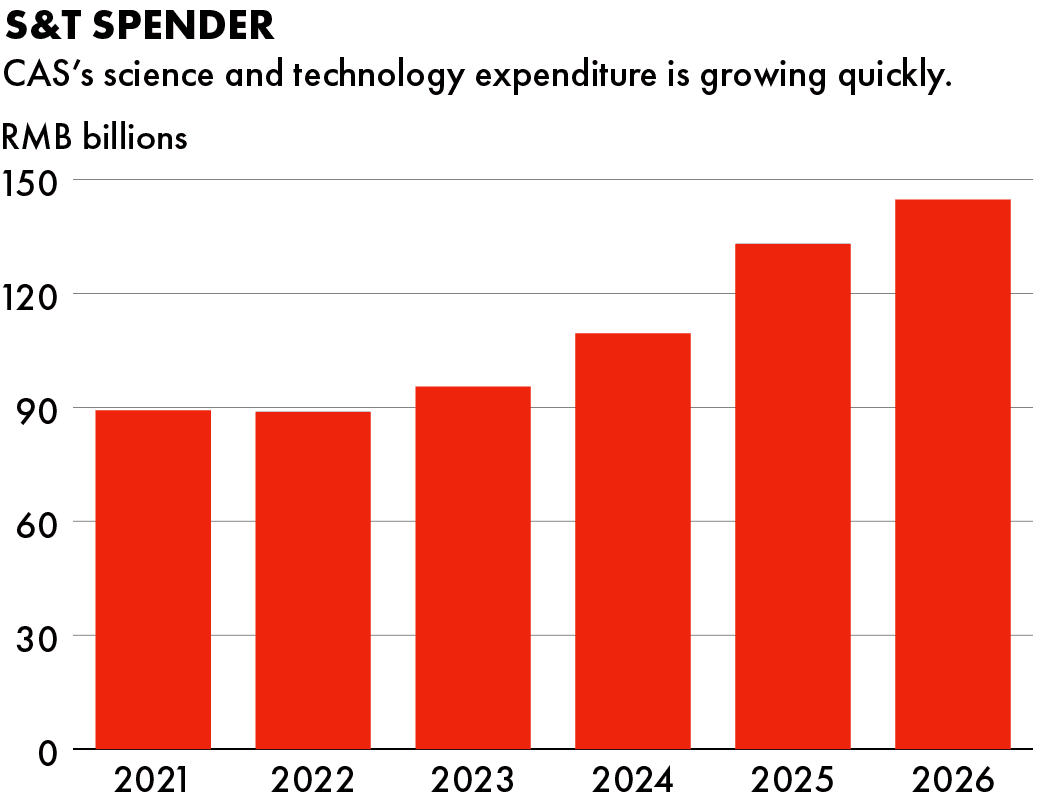
CAS’s research spend this year is budgeted at 144.7 billion RMB (about $21 billion) — about a third of the money set aside for science and technology research in China’s 2026 central government budget.

Some of that spending funds research with direct military applications. In its directory of 50 CAS institutes and their defense ties, policy thinktank RAND identified 17 CAS research institutes as core defense partners of the Chinese military — a relationship which can include receiving defense contracts, military patents, and advising PLA bodies.
In some cases, these military collaborations have led to U.S. sanctions. 11 CAS institutes have been added to the U.S. entity list since as early as 2022, restricting American companies’ abilities to export to them without a license.
But that list only includes three of the institutes RAND identifies as core defense partners, underscoring the difficulty of determining the extent of CAS involvement in military activities that are not publicly disclosed.
“The issue is not that CAS has defense ties, but that so little is publicly known about them,” says a representative of the RAND project. “The information gap around CAS is disproportionally wide for an institution so central to global science.”

Savannah Billman is a Staff Writer for The Wire China based in NYC. She previously worked at the National Committee on U.S.-China Relations.