A company with roots in China and ties to auto giant Geely is testing U.S. rules designed to keep Chinese technology out of cars sold in the country.
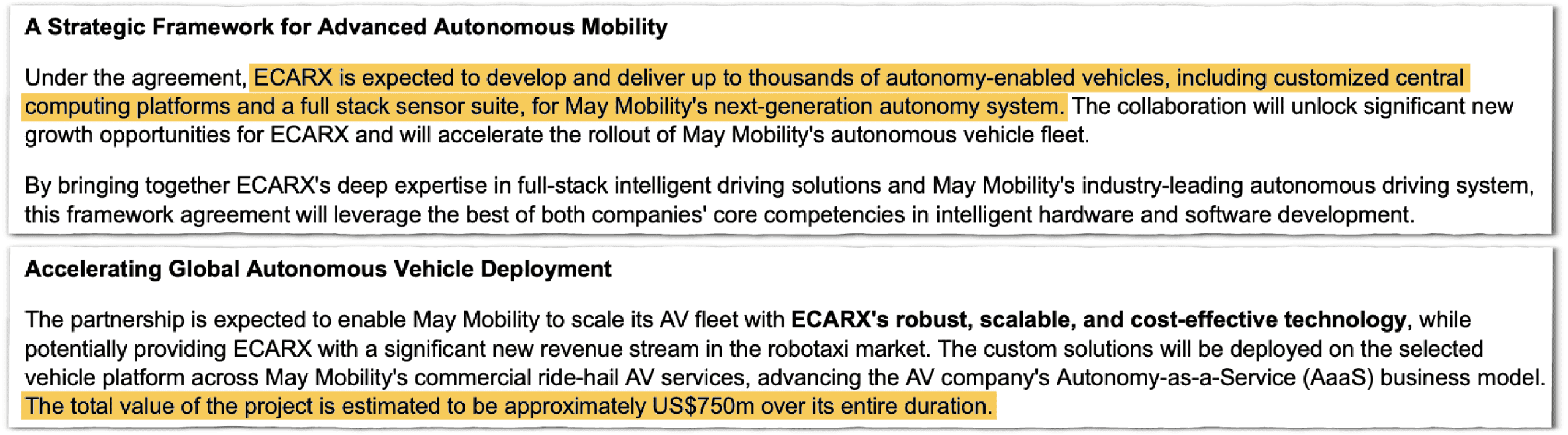
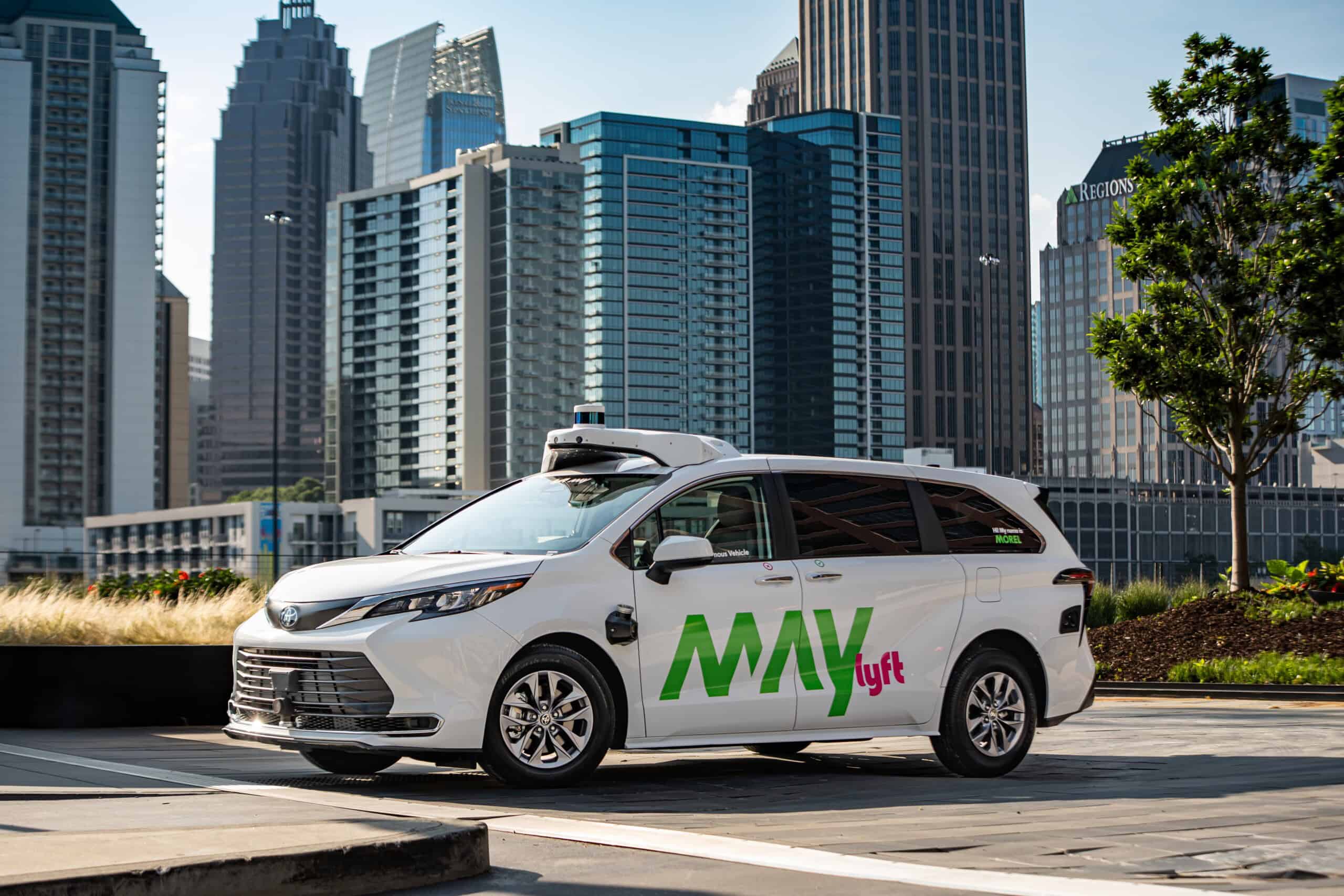
Last month automotive technology firm ECARX announced a $750 million partnership with May Mobility, a Michigan-based autonomous vehicle company. ECARX plans to develop potentially thousands of “autonomy-enabled” cars for May Mobility, providing “customized central computing platforms and a full stack sensor suite.”
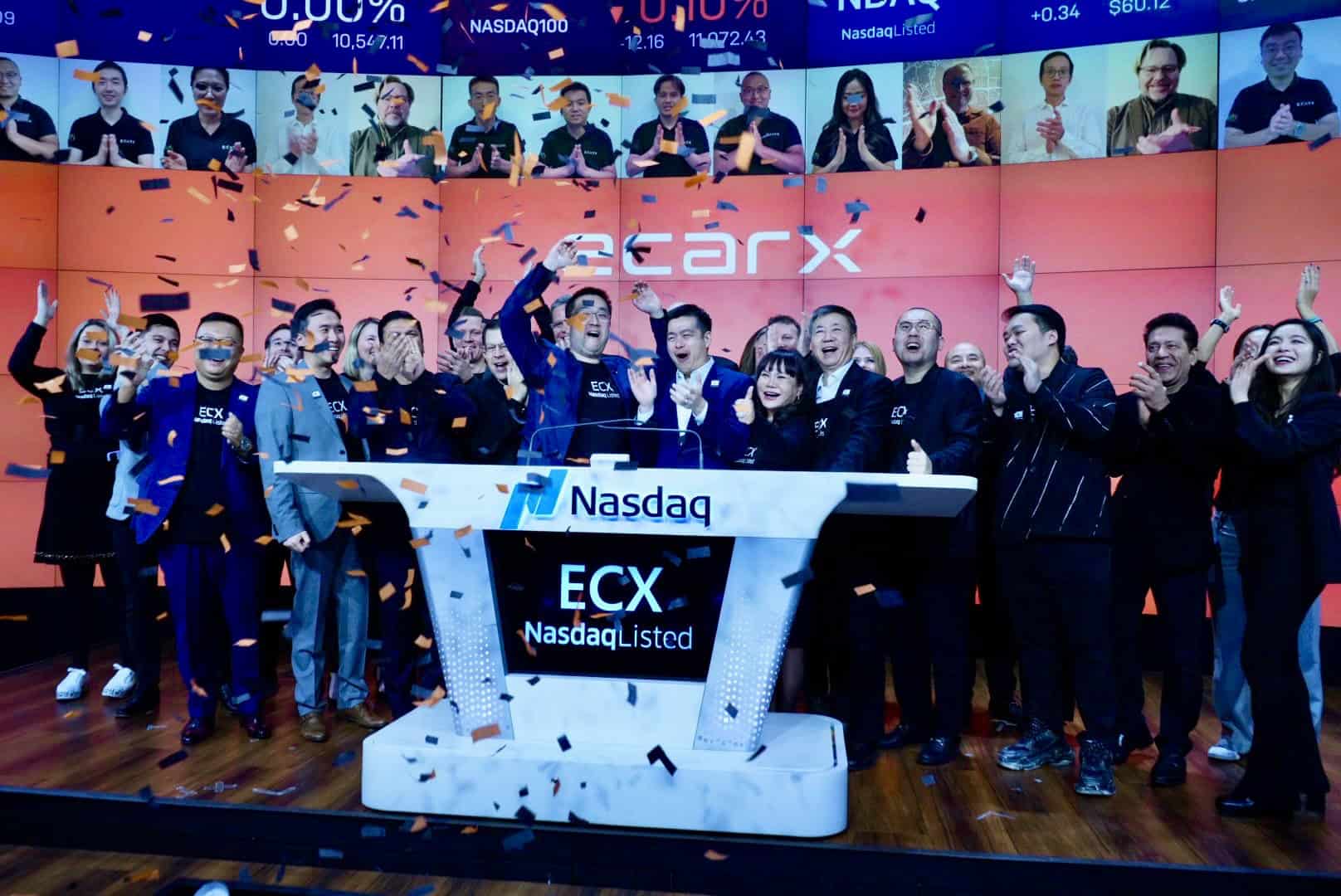
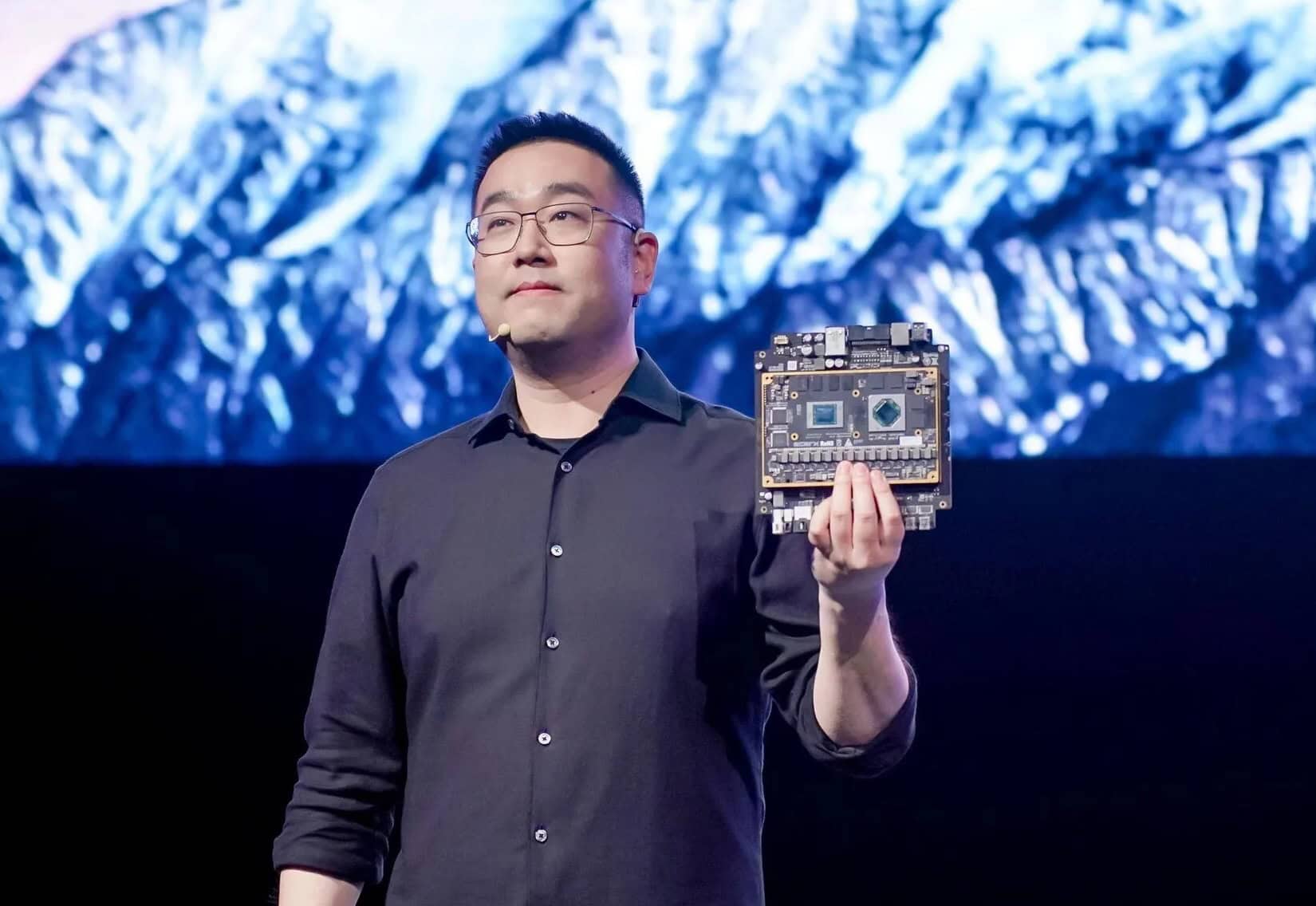
ECARX’s chief executive Shen Ziyu discusses the company’s technology and goals. Credit: ECARX
On the surface, the tie-up appears straightforward. ECARX’s headquarters are in London, it was incorporated in the Cayman Islands and its shares are traded on the Nasdaq. But in its most recent annual report, filed in March, ECARX says “substantially all of our operations in China, and substantially all of our assets are located in China.”
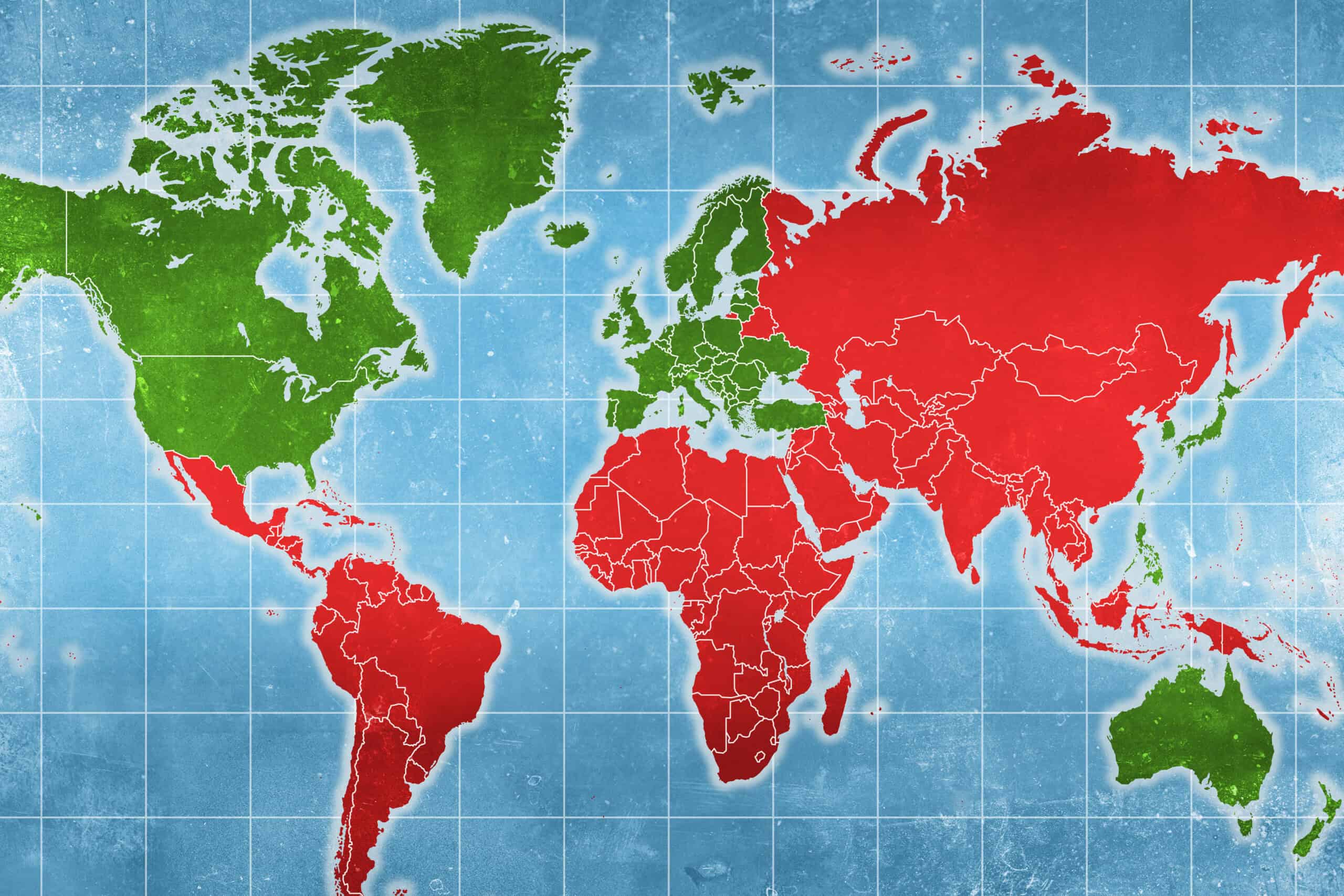
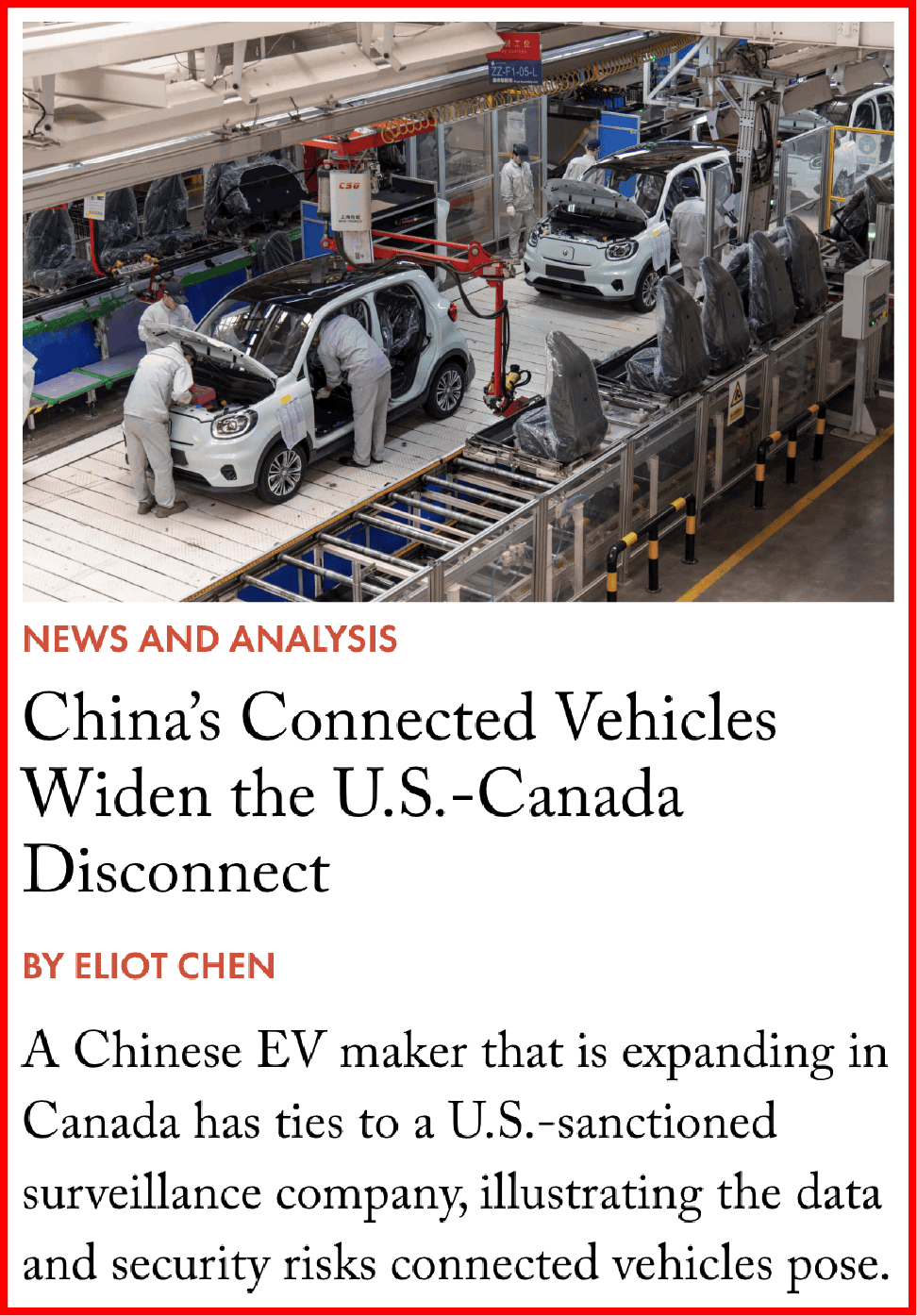
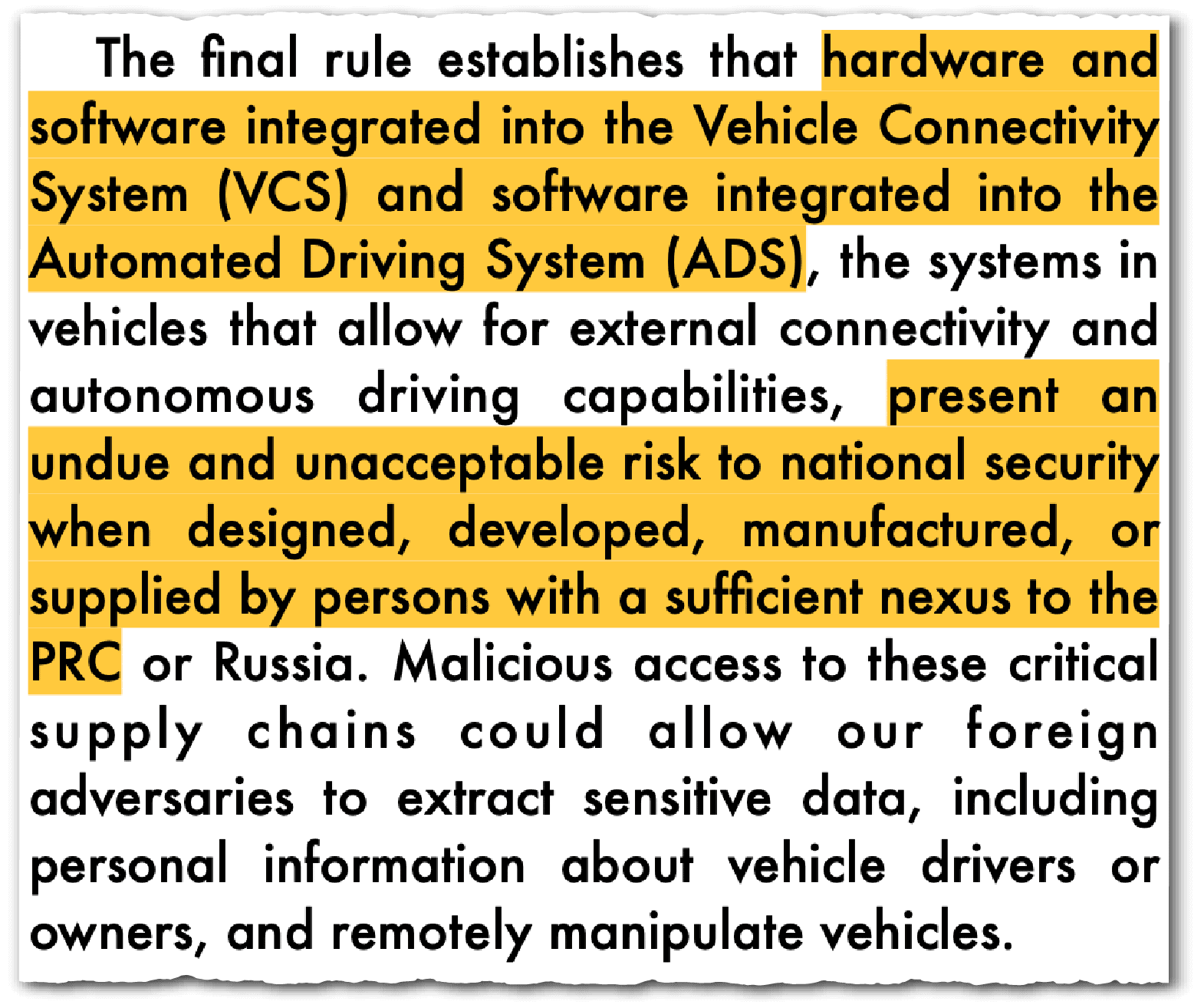
Those China links could put the ECARX-May deal in the crosshairs of the connected vehicles rule, which the Biden administration published in January 2025 on national security grounds. It restricts U.S. firms from importing or selling cars that incorporate Chinese software or hardware for internet connectivity or autonomous driving.
Yet ECARX’s desire to pursue its arrangement with May Mobility shows how U.S. restrictions are no longer deterring some China-linked firms in the auto sector from looking to enter the American market, particularly since President Trump suggested openness to allowing Chinese companies to make vehicles in the country.
Indeed, ECARX is working to get approval from the Commerce Department to sell its products in the United States, a company spokesperson said.
“Chinese companies like ECARX are moving from caution to audacity,” says Michael Dunne, a consultant on China’s auto markets. “A year ago they were careful, preferred to stay under the radar and avoided the spotlight. Now they are saying ‘we can probably work within the system with impunity.’”
“This is a big change,” he adds.
Both ECARX and May Mobility were set up in 2017. Eric Li, the chairman of Geely, co-founded ECARX in Shanghai with Shen Ziyu, a computer science engineer who began his career at General Motors’s China subsidiary. Li became the company’s controlling shareholder with a 49 percent voting stake held through offshore entities, while Shen became chief executive.
Shen and Li are both Chinese citizens, though Shen has lived in the UK since September 2022, according to an ECARX spokesperson. Li does not have a management or board role at the company, the spokesperson added.
ECARX built its business by selling computing systems, chips and software to Geely and its affiliates. From 2020 to 2025, the company’s annual revenue increased from $325 million to $848 million. On its website, ECARX says that it “provides the intelligent brain powering the next generation of software-defined and AI-defined vehicles.”
It is now seeking to expand beyond the Geely ecosystem, including in the United States, a prized market for Chinese auto firms fighting price wars at home.
That has brought it to May Mobility, founded in Detroit by Edwin Olson, who previously helped develop autonomous vehicles at Toyota and Ford. The firm currently offers driverless rides in Atlanta and three other U.S. cities as well as one in Japan, according to its website.
May Mobility is one of ECARX’s first American customers. As recently as last year, ECARX generated “substantially all” of its revenue from China, according to its securities filings. The company has set a goal to generate half of its revenue from international markets by 2030, Shen said on an earnings call last month.
ECARX plans to comply with the connected vehicles rule by making the cars and sensors that it will deliver to May Mobility elsewhere in Asia, outside China. Last month it announced a deal with Taiwanese firm TPK to make Lidar laser sensors in Thailand.
Even amid geopolitical tensions, U.S. and global companies still need access to competitive technology. That creates incentives for partnerships, although the structures will likely become more complex and carefully designed to satisfy regulatory requirements.
Bill Russo, chief executive of Shanghai-based consultancy Automobility
Still, the connected vehicle rule restricts U.S. entities from importing software and hardware developed by companies “controlled by, or subject to the jurisdiction or direction of” China, even if the components were made elsewhere.
In its annual report, ECARX discloses that “the PRC government has significant oversight and discretion over our business operations, and it may influence our operations as part of its efforts to enforce PRC law.”
The disclosure is meant to clarify how Chinese law could affect ECARX’s business operations in China rather than its international business activities, a spokesperson for the company told The Wire.
“ECARX takes its compliance obligations seriously in every market in which it operates, and maintains ongoing, close engagement with U.S. regulatory authorities regarding compliance with applicable industry requirements,” the spokesperson said.
A spokesperson for May Mobility said “it is too early to comment on market-specific regulatory issues on this framework agreement” but that “the service we ultimately bring to market will be designed to comply with applicable legal and regulatory requirements in the markets where it operates.”
The companies’ ability to follow the rule will depend in part on what ECARX is selling to May Mobility: the connected vehicle rule makes an exception for some hardware, including radar. Another factor is whether the Commerce Department’s Bureau of Industry and Security, which enforces the rule, will view ECARX as controlled by China or subject to its direction.
“The connected vehicles rule was designed for precisely these kinds of questions,” says Tony Asuncion, a lawyer who advised the Commerce Department on the regulation.
When it finalized the rule, BIS said the regulation was motivated by concerns about Chinese interests, including the government, being able to collect data on American drivers and manipulate vehicles remotely.
BIS did not respond to a request for comment on the ECARX-May Mobility deal.
Even if ECARX’s deal with May Mobility falls inbounds of the connected vehicles rule, “it could still implicate many of the same national security concerns that motivated the rule in the first place,” says Tifani Sadek, the director of the Law and Mobility Program at the University of Michigan Law School.
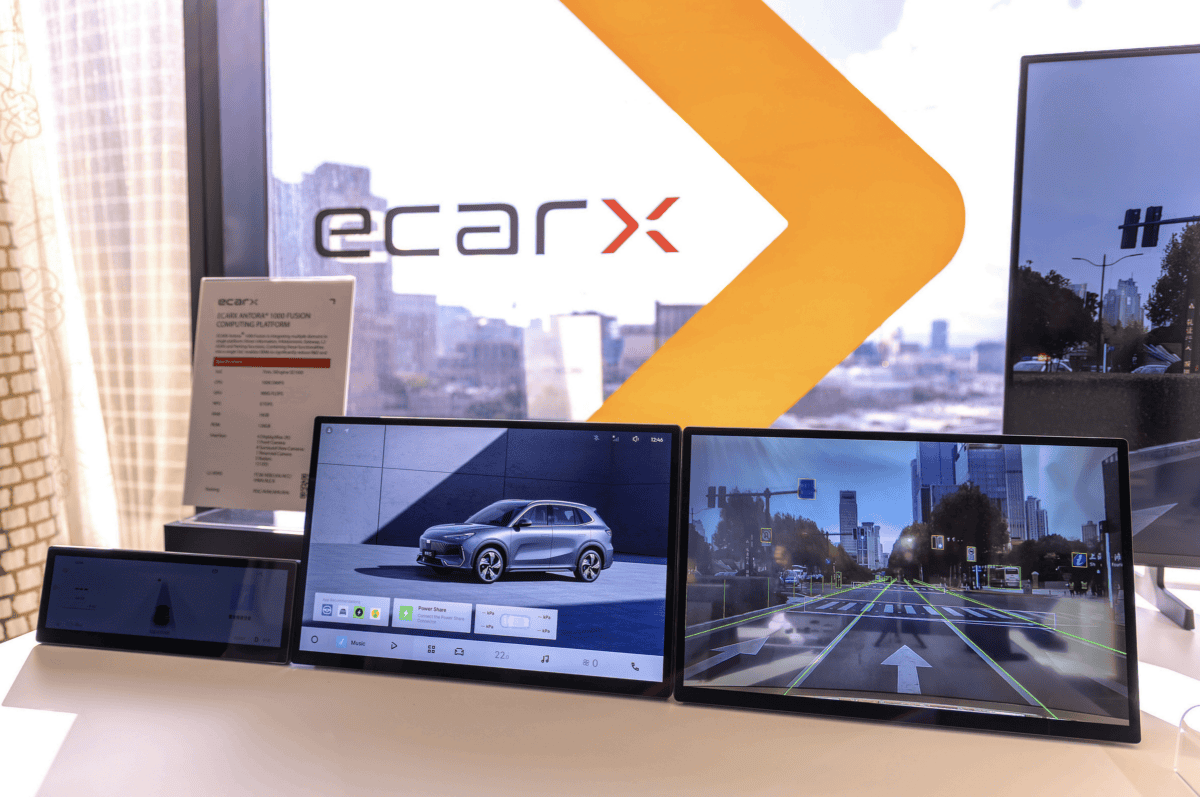
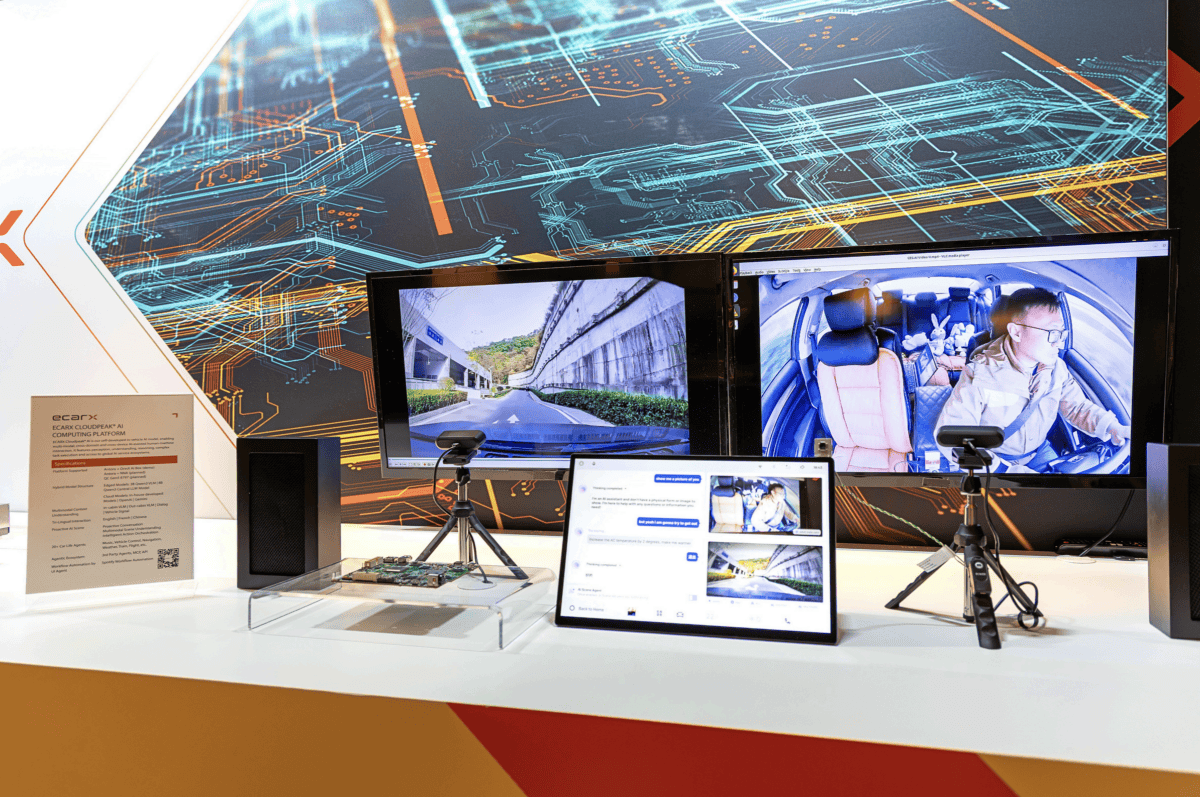
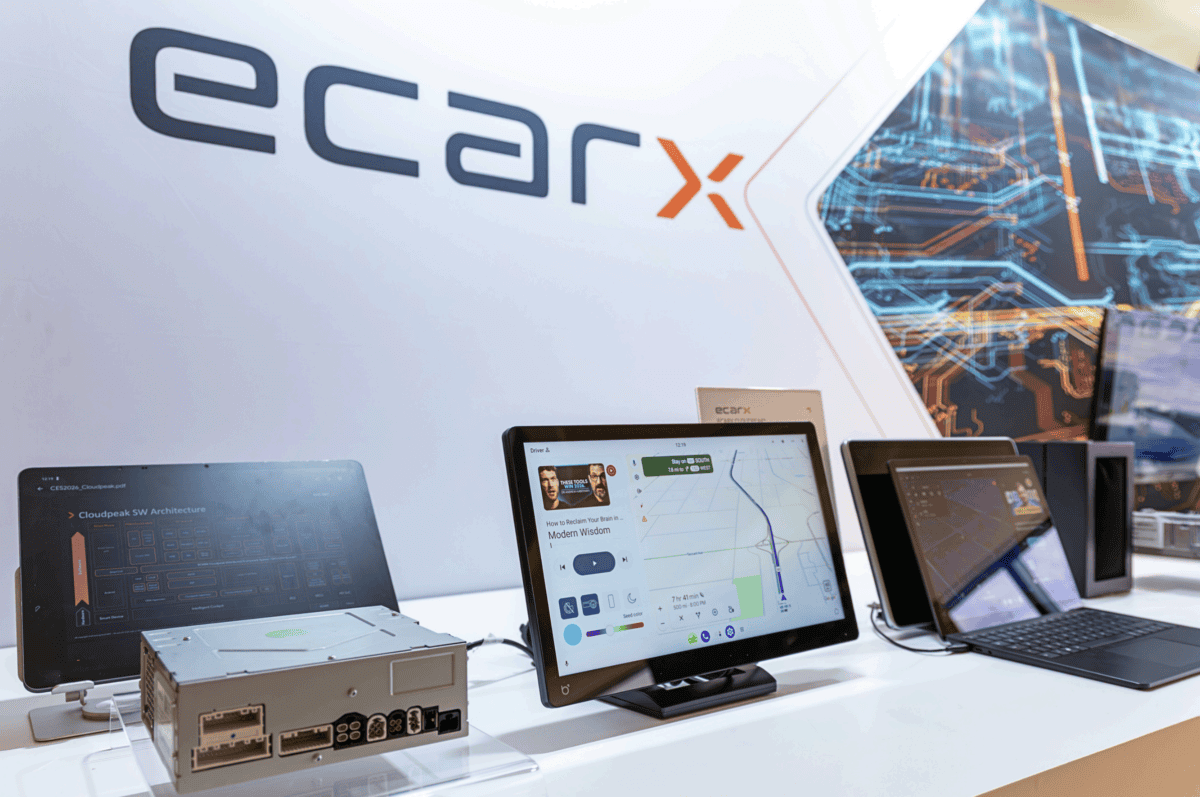
ECARX technology at the Consumer Electronics Show held in Las Vegas, January 6–9, 2026. Credit: ECARX
Several companies tied to Geely’s Li are now probing America’s appetite for Chinese cars. Zeekr, a Geely brand, has a deal to supply hardware to Google’s autonomous vehicles firm Waymo. Geely itself is looking to enter the U.S. after 2030, The Wire has reported.
Geely is also the largest shareholder in Swedish brands Volvo and Polestar. Last month Volvo announced that it had received authorization from the Commerce Department to continue operating in the U.S..
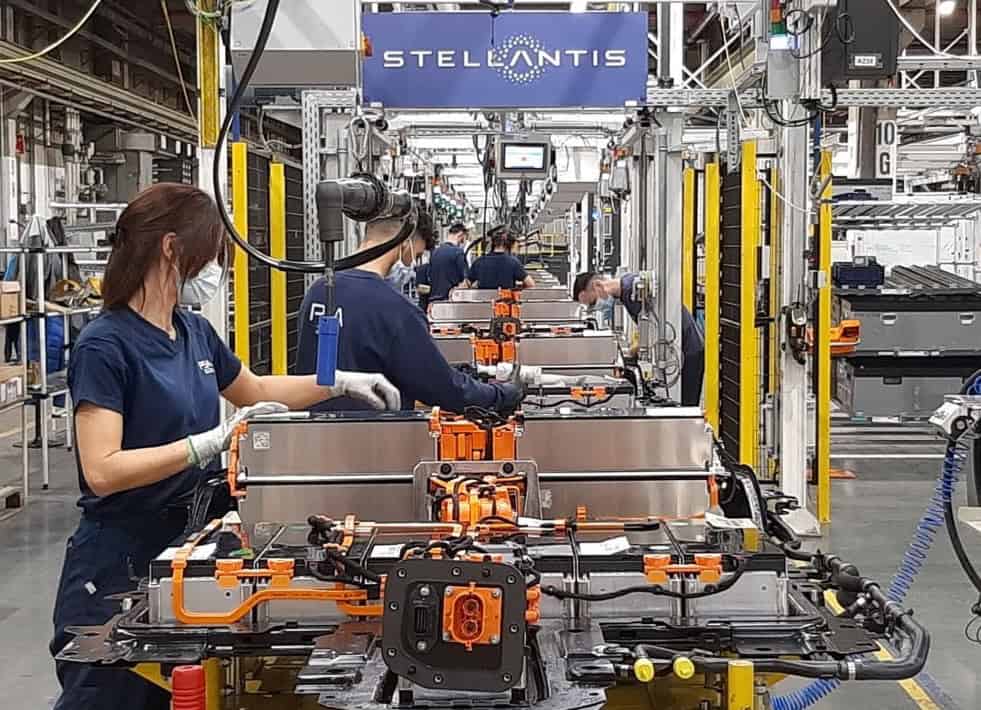
Other Chinese auto companies are also exploring partnerships with U.S. firms. Leapmotor, a Hangzhou-based manufacturer of electric vehicles, signed a deal with Jeep-maker Stellantis last month to co-produce cars in Spain.
“Even amid geopolitical tensions, U.S. and global companies still need access to competitive technology,” says Bill Russo, chief executive of Shanghai-based consultancy Automobility. “That creates incentives for partnerships, although the structures will likely become more complex and carefully designed to satisfy regulatory requirements.”
President Trump has suggested several times that he would allow Chinese auto firms to manufacture cars in the U.S. — most recently during a January speech in Michigan — and he has the authority to revoke the connected vehicles rule. That could be giving Chinese companies the confidence to capitalize on a perceived window of opportunity.
On Thursday, BIS published a new rule allowing U.S. companies to import internet-connectivity hardware or software from companies on a whitelist, even if they are based in China. The bureau has not yet published the list of approved suppliers.
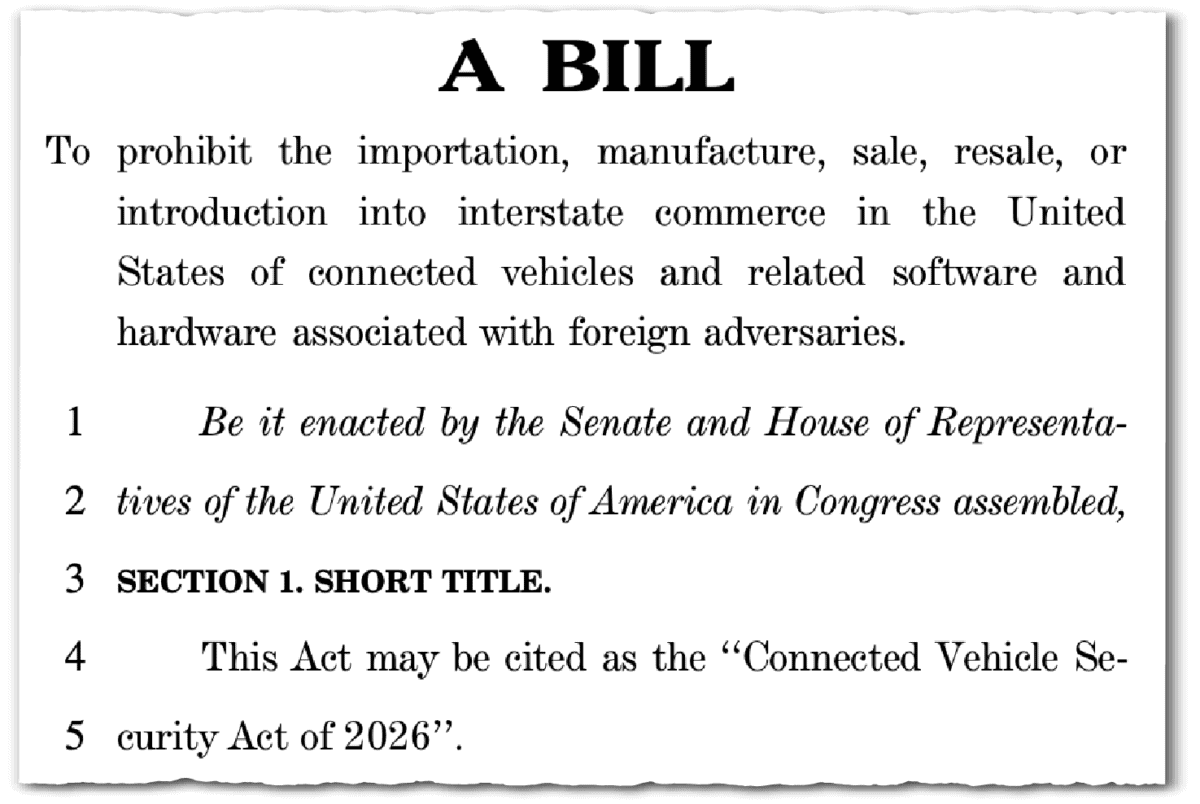
Bipartisan politicians in both chambers of Congress have over the past two months introduced legislation that would make it illegal for U.S. vehicles to include Chinese-developed software or hardware.
“I am going to keep fighting for legislation that bans Chinese vehicles from coming into our country and [allows] Chinese companies to use backdoors and loopholes to infiltrate our market,” says Rep. Debbie Dingell (D-MI), who is sponsoring one of the bills.
But for their part, Chinese automakers are feeling emboldened, says Dunne, the consultant.
“A year or two ago the Chinese were telling me they were terrified of litigation in the United States,” he adds. Now, the mood is “wherever there’s a crack we’re going to jump through it.”

Noah Berman is a staff writer for The Wire based in New York. He previously wrote about economics and technology at the Council on Foreign Relations. His work has appeared in the Boston Globe and PBS News. He graduated from Georgetown University.