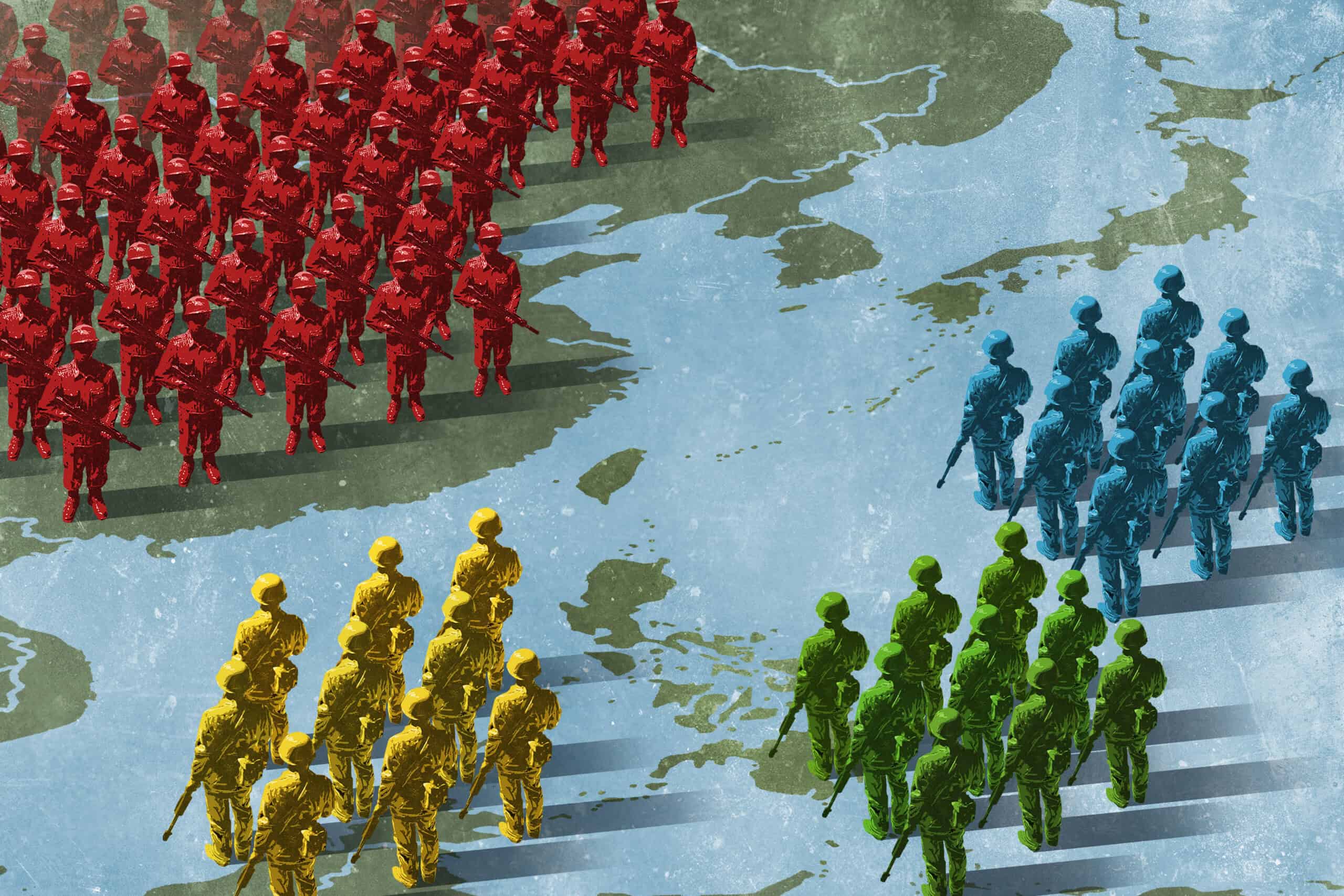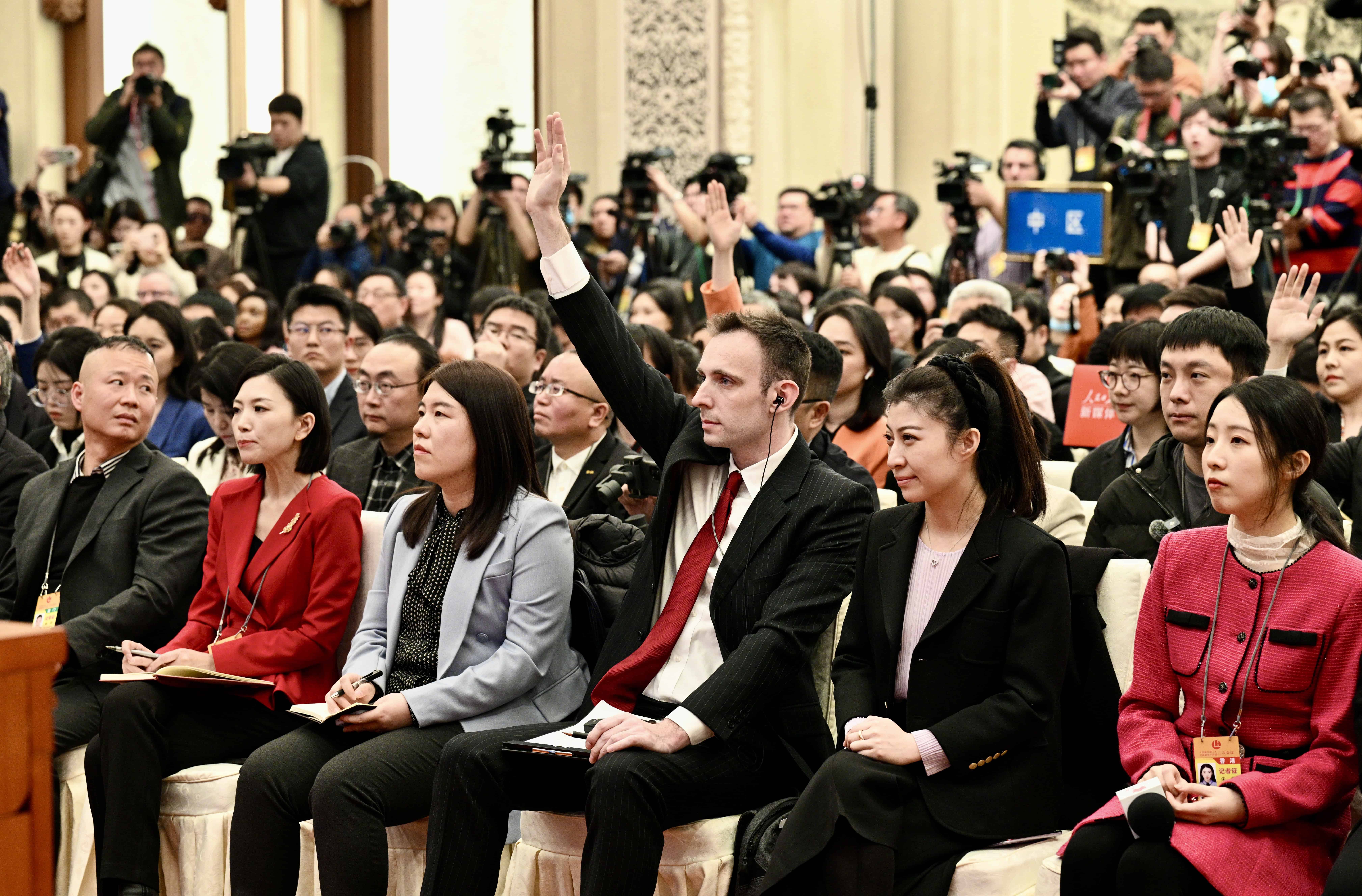
When President Donald Trump travels to China next week for his summit with Xi Jinping, a swarm of reporters will accompany his entourage. More than 260 journalists applied to join the trip, according to a person who has reviewed the list. Inside China, however, the thinnest ranks of full-time foreign correspondents in decades will be there to greet them.
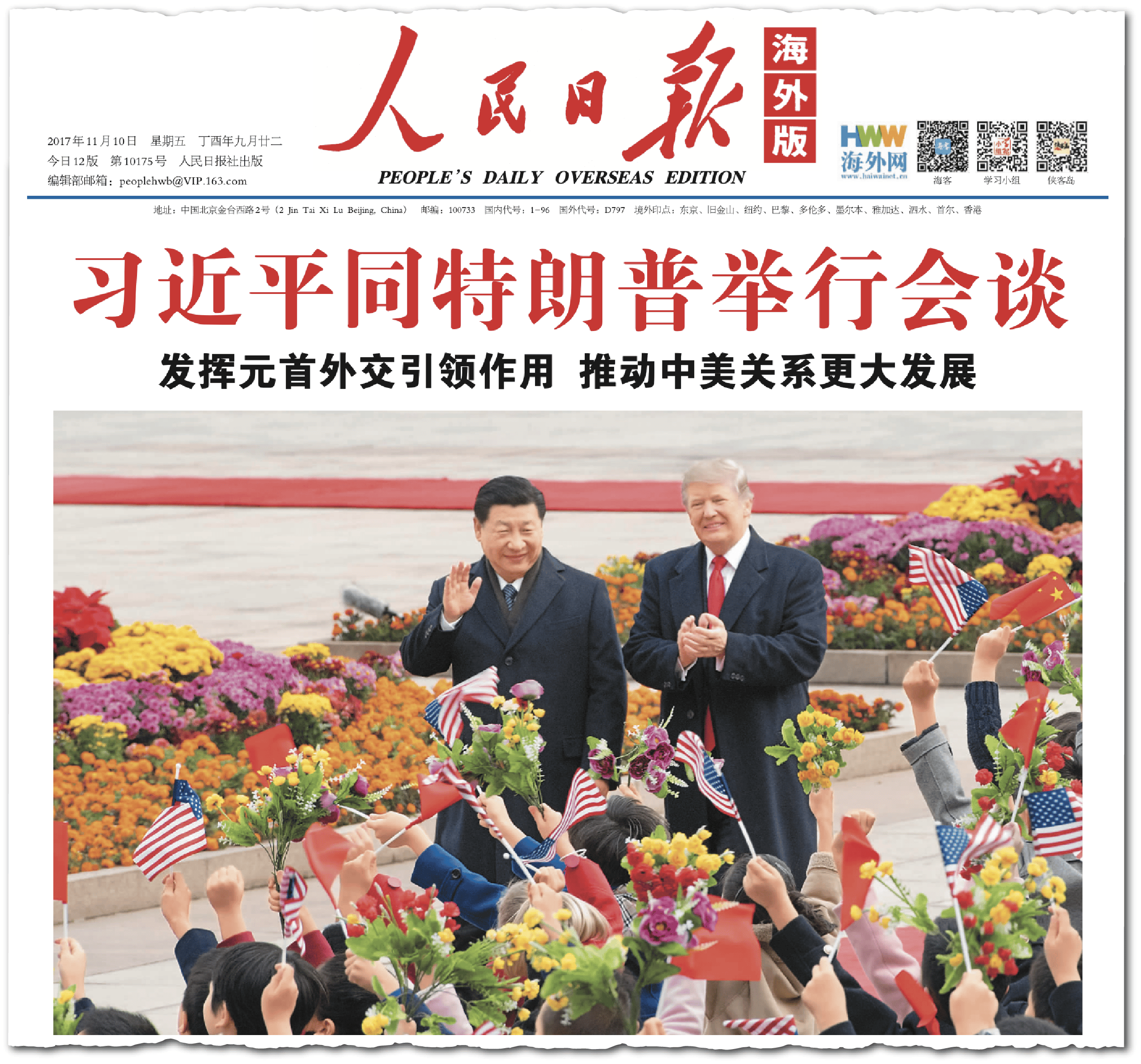
Six years after a U.S.-China tit-for-tat cycle of journalist expulsions decimated the foreign correspondent corp in China, the situation remains dire. Through attrition and at least one expulsion, U.S. bureaus are losing reporters, and Beijing has not approved their replacements.
The result is that, even as the leaders of the world’s two largest economies meet next week, it has become harder than ever to get a full picture of what is happening in China — a problem that shows no signs of abating.
“The U.S. has never had so few foreign correspondents in China at any period since diplomatic relations were normalized in the 1970s as now,” says Ian Johnson, a longtime China reporter who was expelled in 2020. “Two correspondents among the big three newspapers [the New York Times, the Wall Street Journal and the Washington Post] is a completely outrageous situation.”
In February, the Chinese government expelled New York Times correspondent Vivian Wang, according to six people familiar with the matter. Wang was one of two remaining Times correspondents in China until this year. Her expulsion is the first from a U.S. media outlet since 2020, and came after the newspaper invited Taiwanese president Lai Ching-te to its DealBook Summit in December.
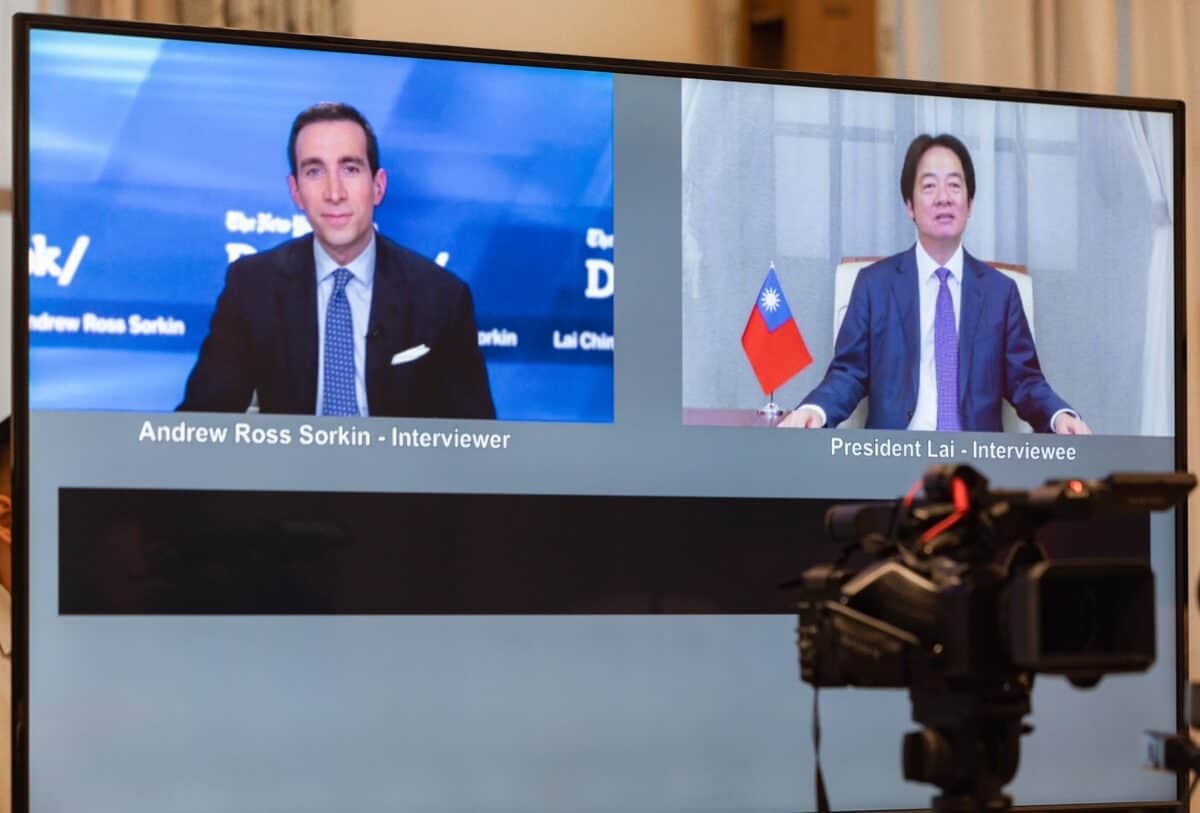
The Chinese authorities have escalated their retaliation against foreign media outlets that engage with Lai, denying another outlet, the news wire agency Agence France-Presse (AFP), visas for new reporters after it interviewed Lai in March, according to four people. Still, two others familiar with Wang’s expulsion suggest the DealBook interview was likely just a pretext to remove Wang, after Chinese officials had grown unhappy with her reporting.
A spokesperson for The New York Times did not respond to requests for comment by email.
To understand the current state of international reporting from China, The Wire spoke to seven current or recently departed China correspondents. All agreed to speak on condition of anonymity given the sensitivity of the topic and fear of retaliation from the Chinese government.
Many of the obstacles facing reporters in China are well documented. Surveillance and harassment of journalists and sources alike is commonplace. According to the Foreign Correspondents’s Club of China (FCCC)’s latest media freedom report, four in ten respondents have canceled reporting trips or interviews due to pressure from the authorities during their time in the country. Among those who went on trips, the same percentage were obstructed by police or other unknown individuals.
Outlets that have success in getting visas for journalists tend to be more focused on corporate-related reporting that China sees as important for its investment climate. There’s less interest from Beijing in having outlets that are seen as reporting on the hard questions…
Sarah Beran, former deputy chief of mission at the U.S. Embassy in Beijing
Academics and business leaders are less willing than before the Covid pandemic to meet with journalists for interviews or even coffee. The Chinese authorities regularly remind citizens to be cautious around foreigners, meaning it can take hours to land an interview with a member of the public, especially for television.
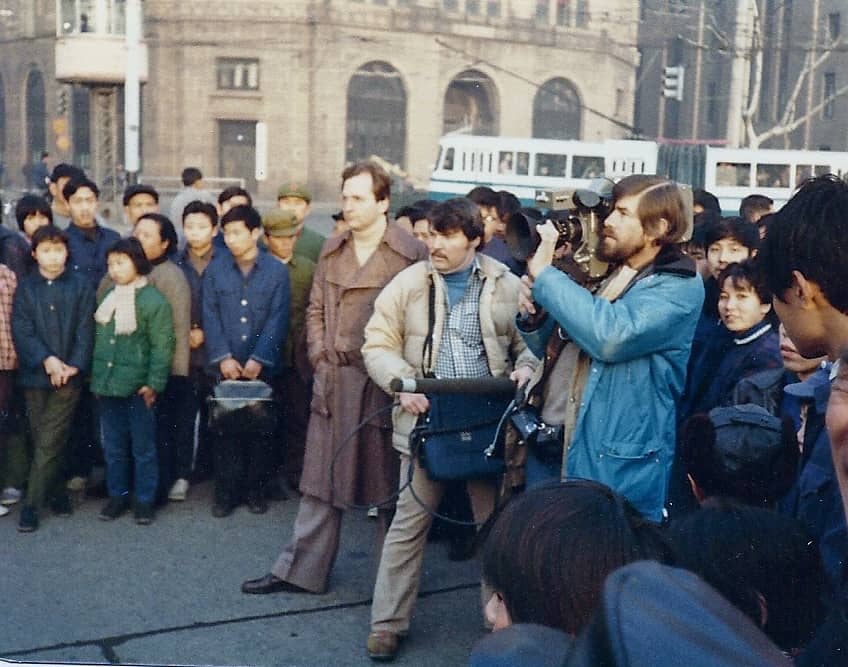
Gone are the days, too, when the authorities would arrange tours and face time with even mid-level officials. One financial journalist who was recently invited by a well-known phone manufacturer to a product demo event was asked for their passport so they could be cleared by state security.
Another correspondent says the ability to carry out on-the-ground reporting is vital for journalists seeking to “actually find out what’s going on” in China.
“I was almost going to put out a piece about how China is winning the Iran war, but then I went to Guangdong and learned just how much people were really struggling,” the correspondent says, adding they saw how manufacturers there were struggling with higher costs. “Telling that story… that’s what journalists with visas can do. That’s what’s important.”
In recent months, Beijing has tightened its screws even further. Last month the FCCC issued a statement denouncing a spate of attacks on press freedom since February, including temporary detention, visa revocation, intimidation against interview partners and journalists, and denial of access to official events.
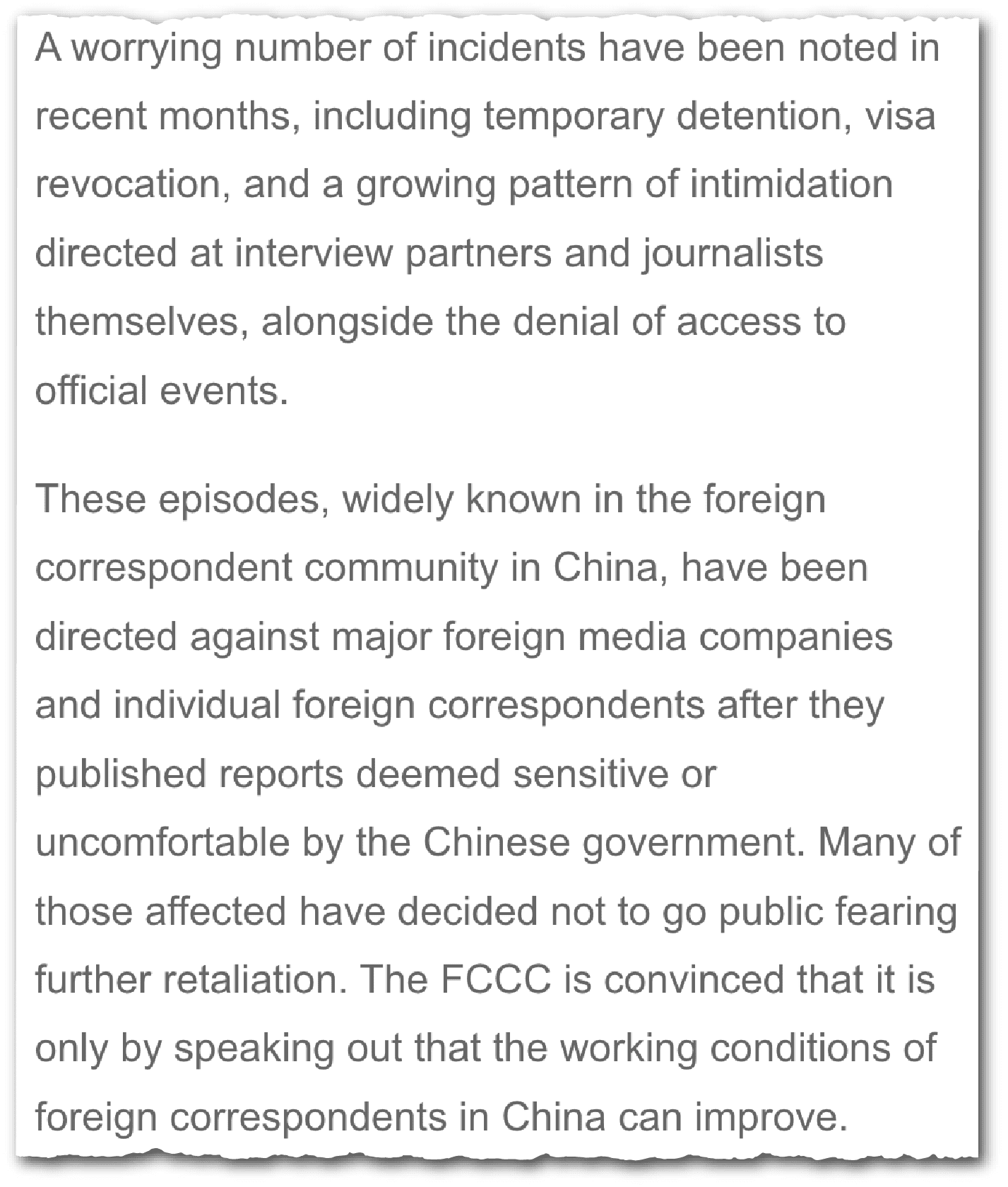
The club also criticized newsrooms themselves for not speaking out about these episodes despite them being “widely known in the foreign correspondent community in China.”
“The FCCC is convinced that it is only by speaking out that the working conditions of foreign correspondents in China can improve,” it said.
One way the Chinese authorities have sought to gain leverage over foreign correspondents is through the issuance of short-term journalist visas. Whereas full-time correspondents have historically been issued resident J-1 visas that have to be renewed annually, the Foreign Ministry has in several recent cases granted applicants non-resident J-2 visas that are good only for a few weeks or months instead.
“This is a way to control the coverage,” says Johnson, who went through the J2 process several times. “If they don’t like you, then they’ll suggest [your newsroom] send another reporter.”
More recently, foreign correspondents looking to relocate to China have been issued J-2s for protracted durations. A reporter for the British Broadcasting Corporation (BBC), for example, was on J-2 status for six months before she was issued a J-1. Another correspondent, for The Guardian, is on her second consecutive J-2. The Associated Press’ new China bureau chief was also issued a J-2 in January, according to two people familiar with the matter.
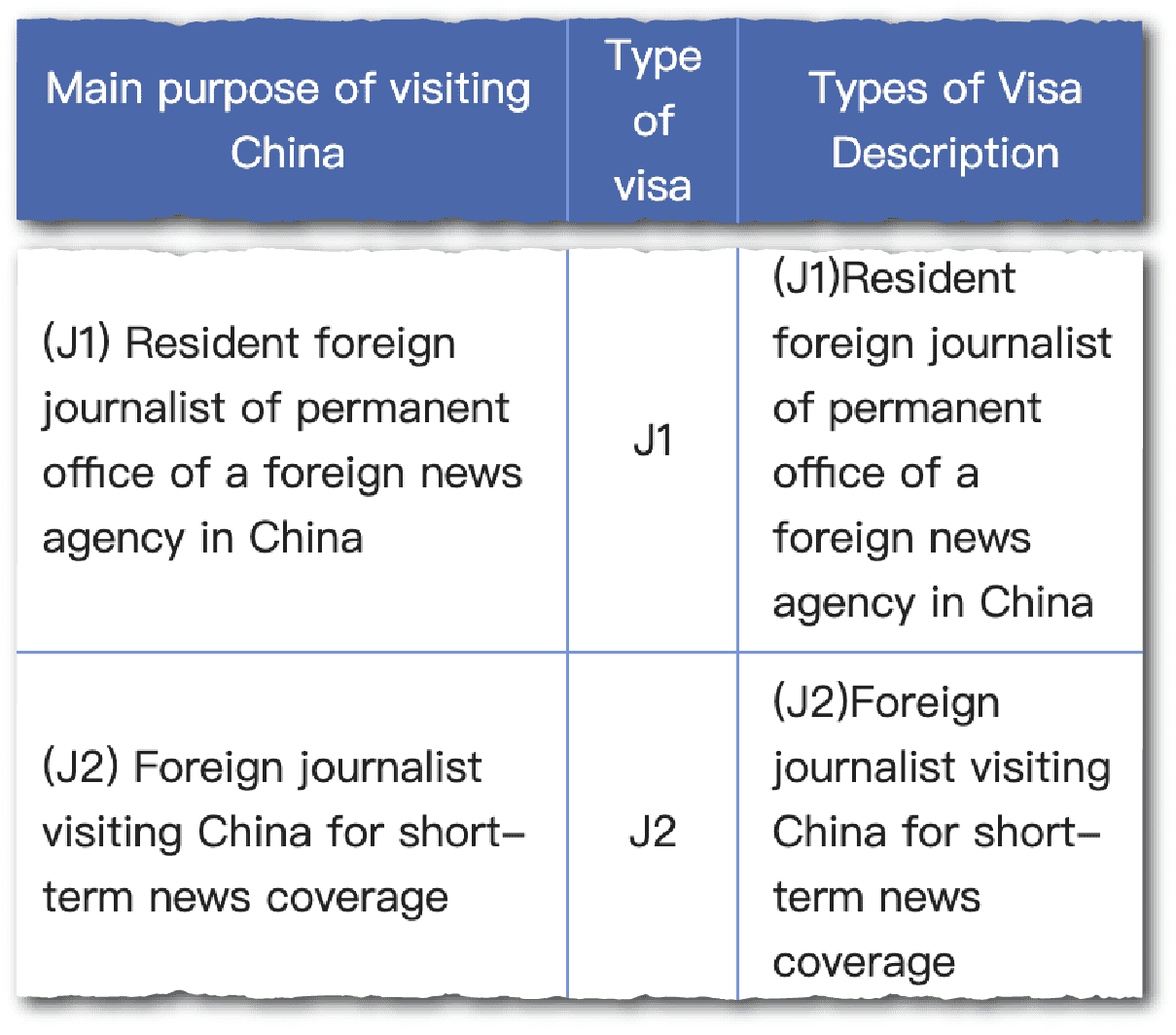
Such non-resident visas can pose practical difficulties, making it harder for correspondents to open a bank account or sign a lease. J-2s also tend to be single entry, making it difficult for correspondents to travel back home.
China’s Foreign Ministry did not respond to a faxed request for comment.
Meanwhile, U.S. media outlets have not received any J-1 approvals at all since 2022, when a bilateral deal arranged by the Biden administration saw nine Chinese and nine U.S. reporters granted visas in a one-for-one deal.
The negotiations under Biden represented a deescalation after the first Trump administration triggered a salvo of tit-for-tat expulsions in March 2020 with a decision to cut the number of Chinese citizens working in the U.S. for five state-controlled Chinese news organizations from 160 to 100. The U.S.’s move also came shortly after China expelled three WSJ news reporters in retaliation for an opinion-page piece that carried a headline that Beijing felt was offensive. The three reporters did not write or edit the piece in question.
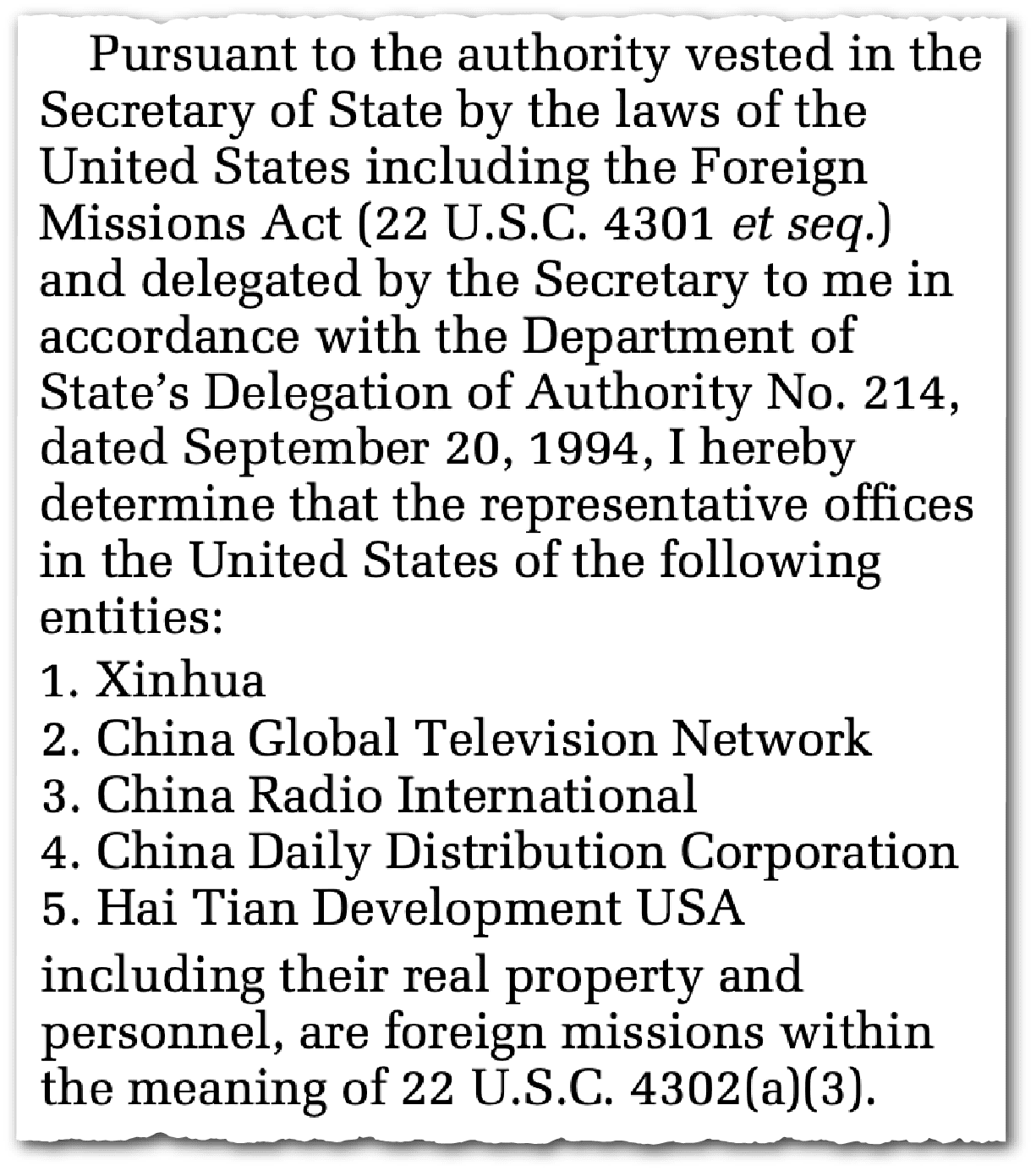
State Department officials at the time said the move was intended to punish Beijing for allegedly stifling foreign reporters’ press freedoms. Around the same time, the Trump administration also designated the five Chinese media outlets — which included Xinhua and China Daily — as operatives of the state, citing concerns that Chinese reporters were involved in influence and intelligence operations in the U.S.
Weeks later, China retaliated by expelling about a dozen reporters from the WSJ, the New York Times, and The Washington Post, roughly halving their ranks.
After the Biden administration came into office it sought to create a visa regime with the Chinese that emulated a successful model between the U.S. and the Soviet Union during the Cold War, according to a former senior administration official who was involved in the 2022 visa negotiations. Under that system, which was self-regulated by the journalists themselves, visas were issued on a one-for-one reciprocal basis in order of application, ensuring that each government could not pick and choose their preferred reporters.
“It’s a well documented fact that any Chinese propaganda apparatus has an internal reporting function,” the former official says. “But the view that we took was that these were manageable risks, and we’d benefit a lot more by knowing what’s going on in China…The alternative is that China’s narrative goes unchallenged and we risk thinking that they’re 10 feet tall.”
The former official said that the Biden administration also approached U.S. allies, including Canada, the UK, Australia and New Zealand, about joining the arrangement, but nothing came of the talks. The official says bureaucratic foot-dragging on both sides meant it was only possible to agree the more limited, one-off visa deal in 2022 for nine journalists on either side.
In a statement, a State Department spokesperson said: “We cannot accept the continued lack of reciprocity for U.S. media in China, nor any attempts by the Chinese government to silence U.S. media.”
“We continue to raise concerns about restrictions on U.S. media operations in China through appropriate diplomatic channels,” the spokesperson added.
Four years on, attrition has drained the ranks of the U.S. bureaus. The WSJ will soon be down to one foreign correspondent. The Post has not had a reporter in China since 2022; its remaining China correspondents, based outside the country, were all laid off in February.
Where I think I and others might tread more cautiously is when we speak to somebody who is critical of anything from the environment to economic management. We’re all more careful of how we treat that source because they may not know the consequences.
a current correspondent in China
Other outlets have fared relatively better. The UK-based Financial Times, for example, has experienced little difficulty getting J-1 visas and has five reporters in China across three cities.
“Outlets that have success in getting visas for journalists tend to be more focused on corporate-related reporting that China sees as important for its investment climate,” says Sarah Beran, who served as deputy chief of mission at the U.S. Embassy in Beijing during the Biden administration. “There’s less interest from Beijing in having outlets that are seen as reporting on the hard questions — human rights, stability issues, leadership — like the New York Times and Washington Post.”
According to Beran, the case for admitting more foreign correspondents into China has become less persuasive to her Chinese counterparts with time and the rise of social media.
“China has leaned into engaging social media and influencers, and now sees that as a way to get out information about [the country],” she says.
Foreign correspondents still in China insist that Beijing’s tightening grasp has done little to deter their reporting.
“In some ways the fear looms less than before in that it has become operationalized so often that anybody who comes to China is very aware of this as a possibility,” one current correspondent in China told The Wire. “Where I think I and others might tread more cautiously is when we speak to somebody who is critical of anything from the environment to economic management. We’re all more careful of how we treat that source because they may not know the consequences. It almost feels like a duty of care.”

Eliot Chen is a Toronto-based staff writer at The Wire. Previously, he was a researcher at the Center for Strategic and International Studies’ Human Rights Initiative and MacroPolo. @eliotcxchen