Doubts about Canada’s approach to countering forced labor in Xinjiang are rising after a controversy that erupted this week when a prominent lawmaker in the governing Liberal Party appeared to question the existence of such abuses.
Michael Ma attracted heavy criticism on Thursday after he questioned Margaret McCuaig-Johnston, a former Canadian diplomat and prominent China watcher, about whether she had first-hand evidence of exploitation of the Uyghur population in western China, during a parliamentary committee hearing about Chinese electric vehicles.
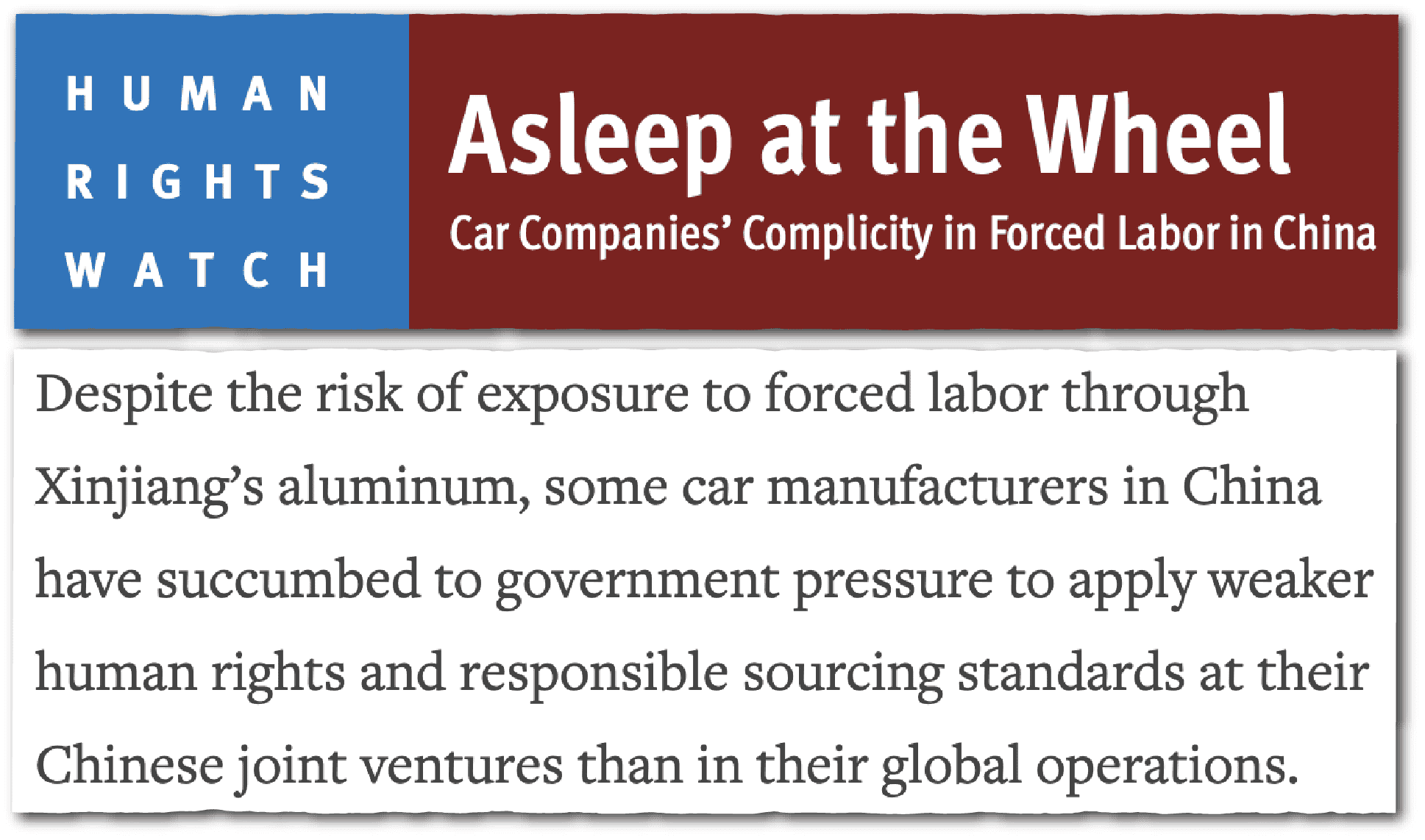
“Did you get that from hearsay?” he asked, referring to McCuaig-Johnston’s testimony, in which she cited a Human Rights Watch report about Uyghur forced labor in the auto supply chain. Numerous governments and international organizations have provided direct evidence of its use in Xinjiang in recent years, including the United Nations High Commissioner for Human Rights in a 2022 report.
The tense exchange has triggered questions about how seriously the government led by prime minister Mark Carney, who has sought to improve Canada’s relations with China, is taking issues around forced labor in Xinjiang. While he is not a minister in Carney’s cabinet, Ma gained domestic prominence after he left the opposition Conservative Party to join the Liberals last December. He went with Carney on his official visit to China in January.
Ma questions McCuaig-Johnston during a meeting held by Canada’s Standing Committee on Industry and Technology, March 26, 2026. Credit: ParlVu
Ministers have been evasive on the issue of Uyghur forced labor since Ma’s comments. Yasir Naqvi, a junior minister for international trade, dodged a question posed to him in parliament later on Thursday over whether the government still assesses that Uyghur forced labor is taking place. He told lawmakers that forced labor in general was “unacceptable” and that Canada “must ensure that our global supply chains remain free from these abuses.”
On Thursday evening, Ma backtracked from his earlier comments. In a statement, he apologized to McCuaig-Johnston and said his question had been about auto manufacturing in Shenzhen, not Xinjiang.
“Canada has amongst the most rigorous forced-labor import laws in the world, and I am proud to support the government’s work to eradicate forced labor from supply chains and enforce Canada’s import prohibition,” Ma said.
Yet other evidence suggests Canada’s enforcement of laws and regulations designed to counter forced labor has been falling short.
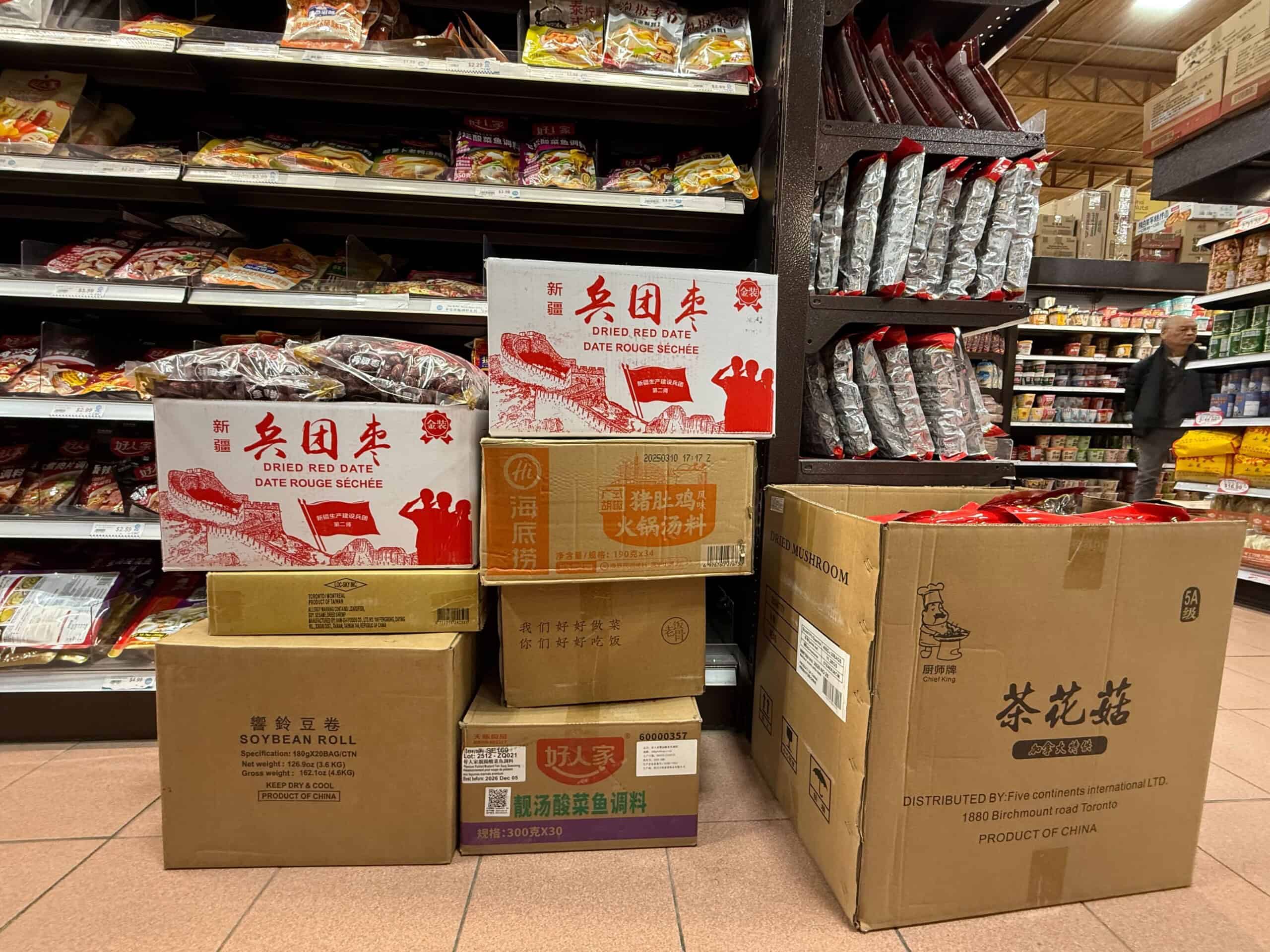
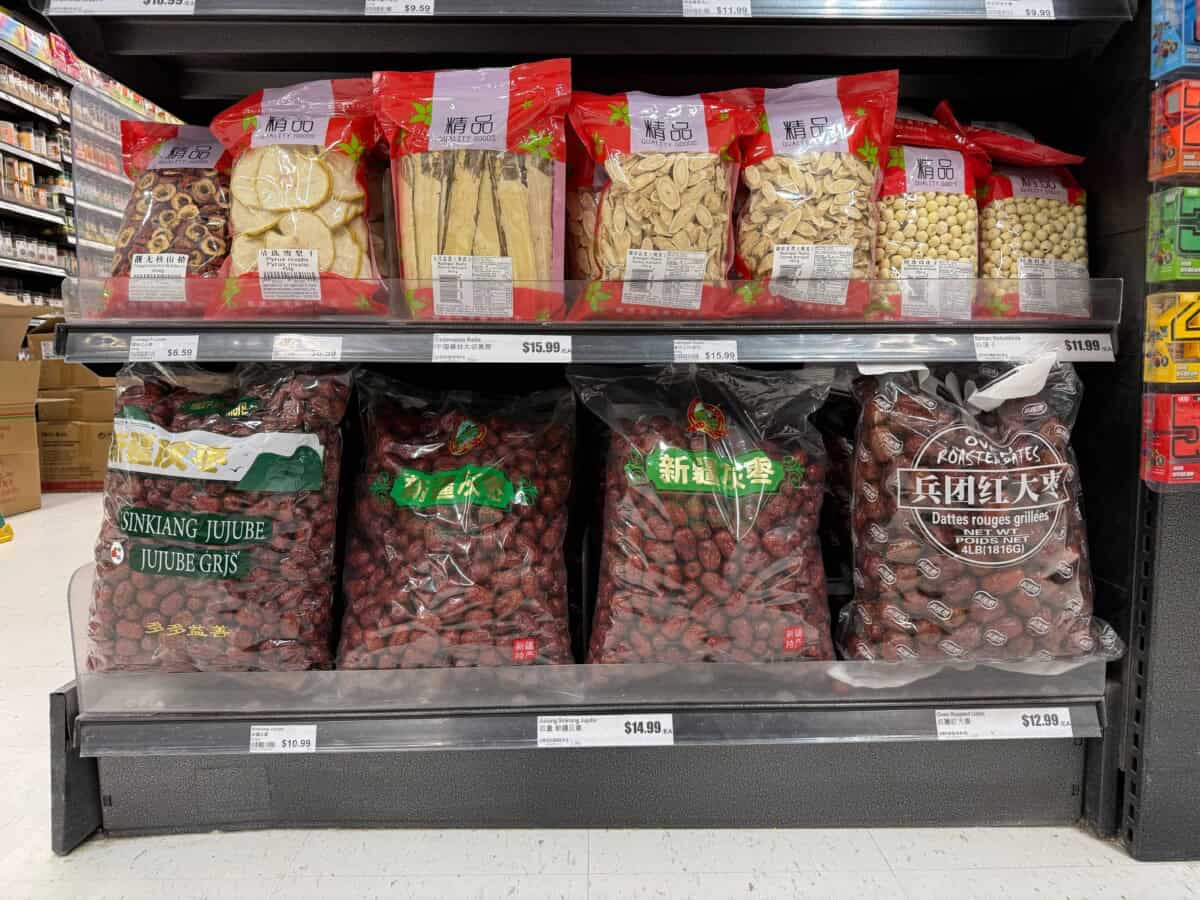
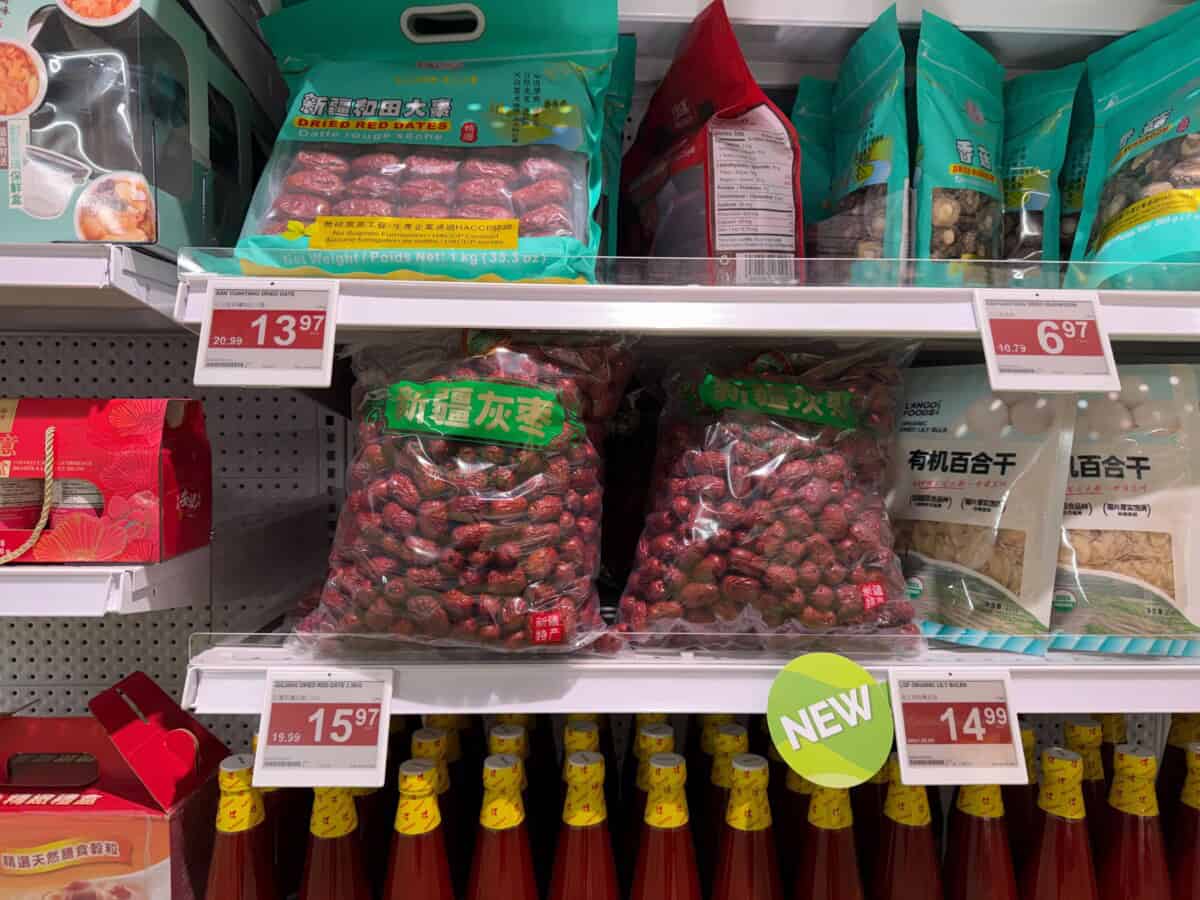
On Thursday, The Wire visited three supermarkets across Toronto and found products clearly emblazoned with the words Xinjiang sitting on shelves. They included one brand carrying the name Bingtuan, the moniker for the Xinjiang Production and Construction Corps, a paramilitary group accused of human rights abuses in Xinjiang that is sanctioned by the U.S., UK, European Union and Canada.
At Freshway Foodmart in Markham, Ontario — Ma’s constituency — large packages of red dates emblazoned with the brand “Bingtuan red” were stacked on supermarket shelves. The same packages were on sale at C&C Supermarket in midtown Toronto. A downtown branch of T&T Supermarket, which is owned by Loblaws Corp, Canada’s largest food retailer, sold two brands of dates labelled as from Xinjiang, but not with the Bingtuan brand itself.
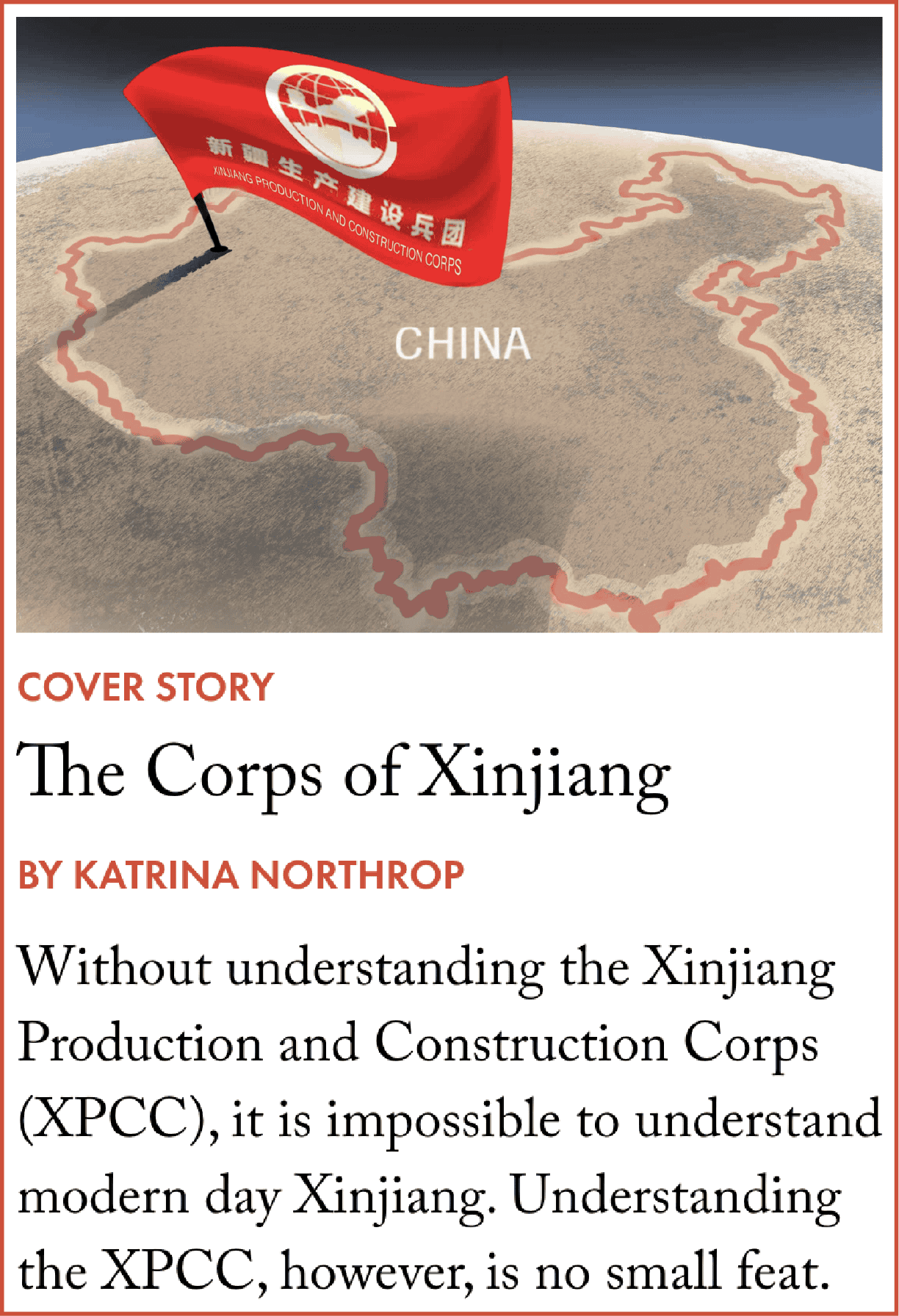
Bingtuan Red is a trademark owned by Xinjiang Yeheyuan Fruit Industry Co., a wholly owned subsidiary of the XPCC, ownership records from WireScreen show. Media reports and human rights groups have repeatedly linked the XPCC to human rights abuses in the Uyghur region. The quasi-governmental organization was established in 1954, in part to increase the presence of recently decommissioned Han Chinese soldiers in the region.
With a gross domestic product of $58 billion in 2024, (about the same size as Bolivia), the XPCC is responsible for about one-fifth of Xinjiang’s total economic activity, including vast swathes of agricultural and industrial production, as well as maintaining detention camps and labor transfer programs. A recent article on XPCC’s website describes red dates as a “leading industry” alongside cotton and dairy.
The XPCC could not be reached for comment.
A 2022 investigation by The Wire China showed how one trading company with ties to the XPCC obscured its ownership while exporting its goods to American supermarket shelves. U.S. Customs and Border Protection cracked down on the brands named in that article four months later. Last year, the Department of Labor added dates to a list of priority sectors that it declared had “heightened forced labor abuse risk.”
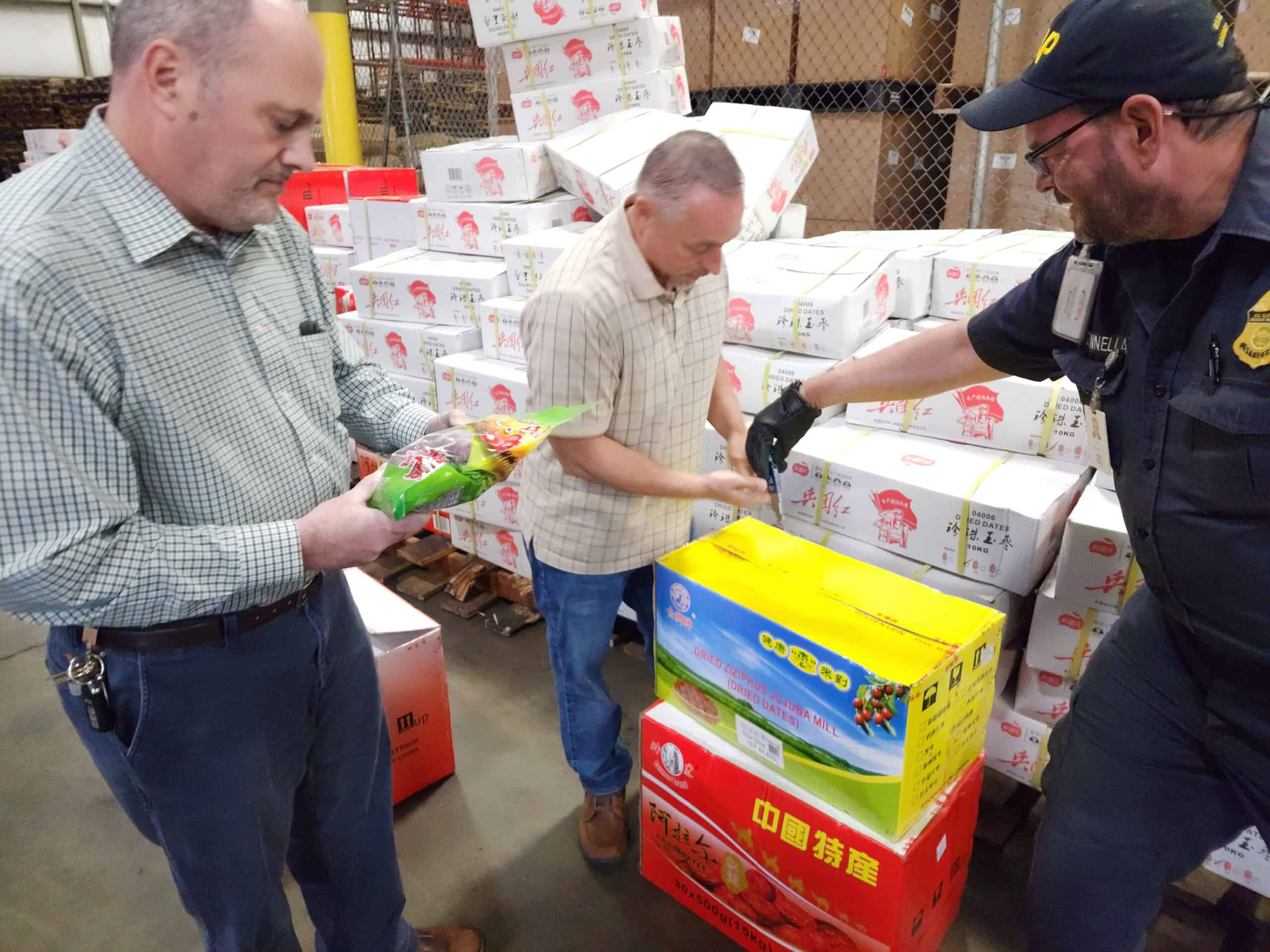
Loblaws did not immediately respond to a request for comment. Freshway could not be reached for comment. A manager at C&C said the supermarket lacks resources to scrutinize the origin of the products they sell. She said that responsibility falls on the distributor.
Packaging labels indicate the official distributor of the Bingtuan red brand is Lam Sheng Kee International Group, a New Jersey-headquartered company that specializes in Chinese brands. Reached by phone, a person at Lam Sheng Kee declined to comment or connect The Wire to the manager.
Laura Murphy, an expert on Uyghur forced labor and former Department of Homeland Security official, says that the sale of XPCC dates is endemic. “With the lax enforcement of their import ban, forced labor made goods are freely flowing into Canada,” she said, adding that they can also be found in U.S. stores.
The governing Liberals in Canada have for some time acted tentatively on the Uyghur human rights issue. While Canada’s House of Commons (equivalent to the House of Representatives) overwhelmingly voted to declare China’s treatment of the Uyghurs in Xinjiang a genocide in 2021, then-prime minister Justin Trudeau and his cabinet abstained.
The U.S. presumes that goods coming in from Xinjiang violate the prohibition on forced labor. With the Canadian approach, you need to prove the goods violate the ban on forced labor. You see the difference manifest in the number of shipments blocked.
Preston Lim, an assistant professor of law at Villanova University
Under Trudeau, the Liberal government did pass a strengthened forced labor law in 2023. Under it, businesses are obliged to self-report to Canada’s public safety department on their compliance with forced labor prevention standards. 84 percent of entities that responded to the department’s questionnaire claimed they had relevant policies in place. The department has not charged a single person or entity for non-compliance since the law came into effect.
Meanwhile, the Canada Border Services Agency detained 48 shipments in 2025. Seven of them were voluntarily re-exported by the shipper; two were blocked on forced labor grounds.
“That may seem like a drop in the ocean but it’s much more than the one shipment that they detained from 2020 to 2024,” says Benedict Wray, counsel with Borden Ladner Gervais, a Canadian law firm, adding that the government has committed $600 million more to enforcement.
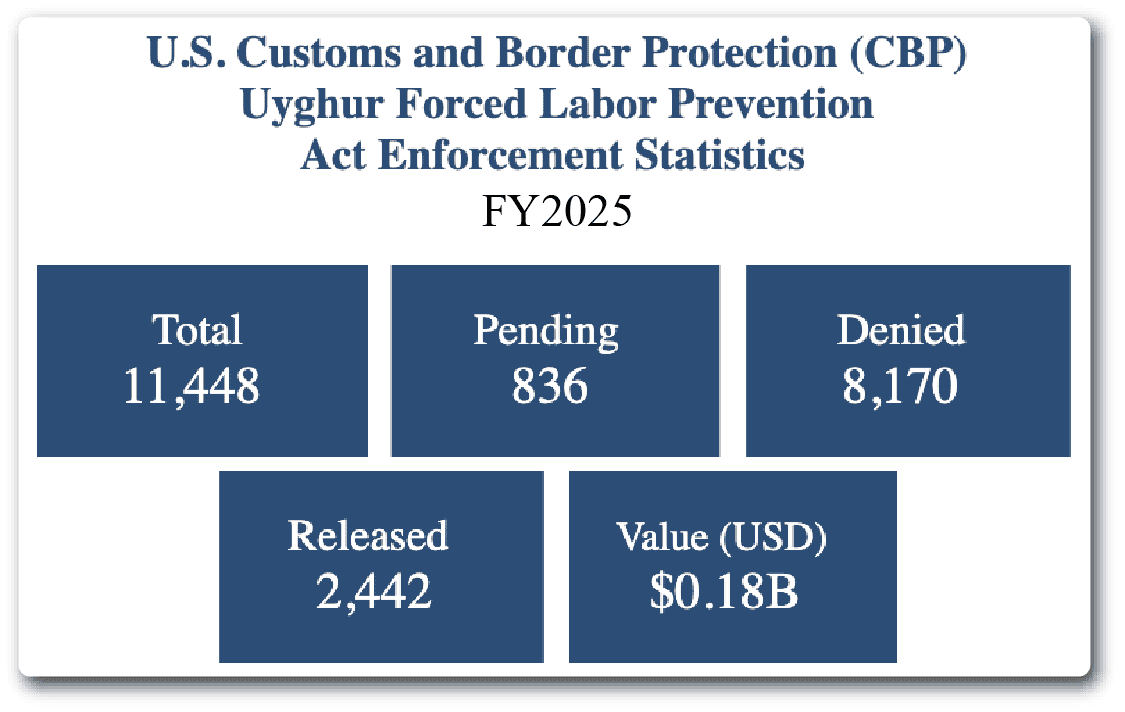
By comparison, the U.S. blocked 8,170 shipments for suspected Uyghur forced labor in 2025.
“Canada’s regime is the opposite of the U.S.’s,” says Preston Lim, an assistant professor of law at Villanova University. “The U.S. presumes that goods coming in from Xinjiang violate the prohibition on forced labor. With the Canadian approach, you need to prove the goods violate the ban on forced labor. You see the difference manifest in the number of shipments blocked.”
Public Safety Canada did not immediately respond to a request for comment.
Canada is not the only country where efforts to counter human rights abuses in Xinjiang have faltered. During the Biden administration, the United States passed the Uyghur Forced Labor Prevention Act in 2021 with strong bipartisan support. It includes measures enabling the trade authorities to seize goods suspected of being made using Uyghur forced labor.
But while U.S. Customs and Border Protection detained imports worth $178 million under the law’s auspices in 2025, that figure was down by 87 percent compared with the prior year, official statistics show.
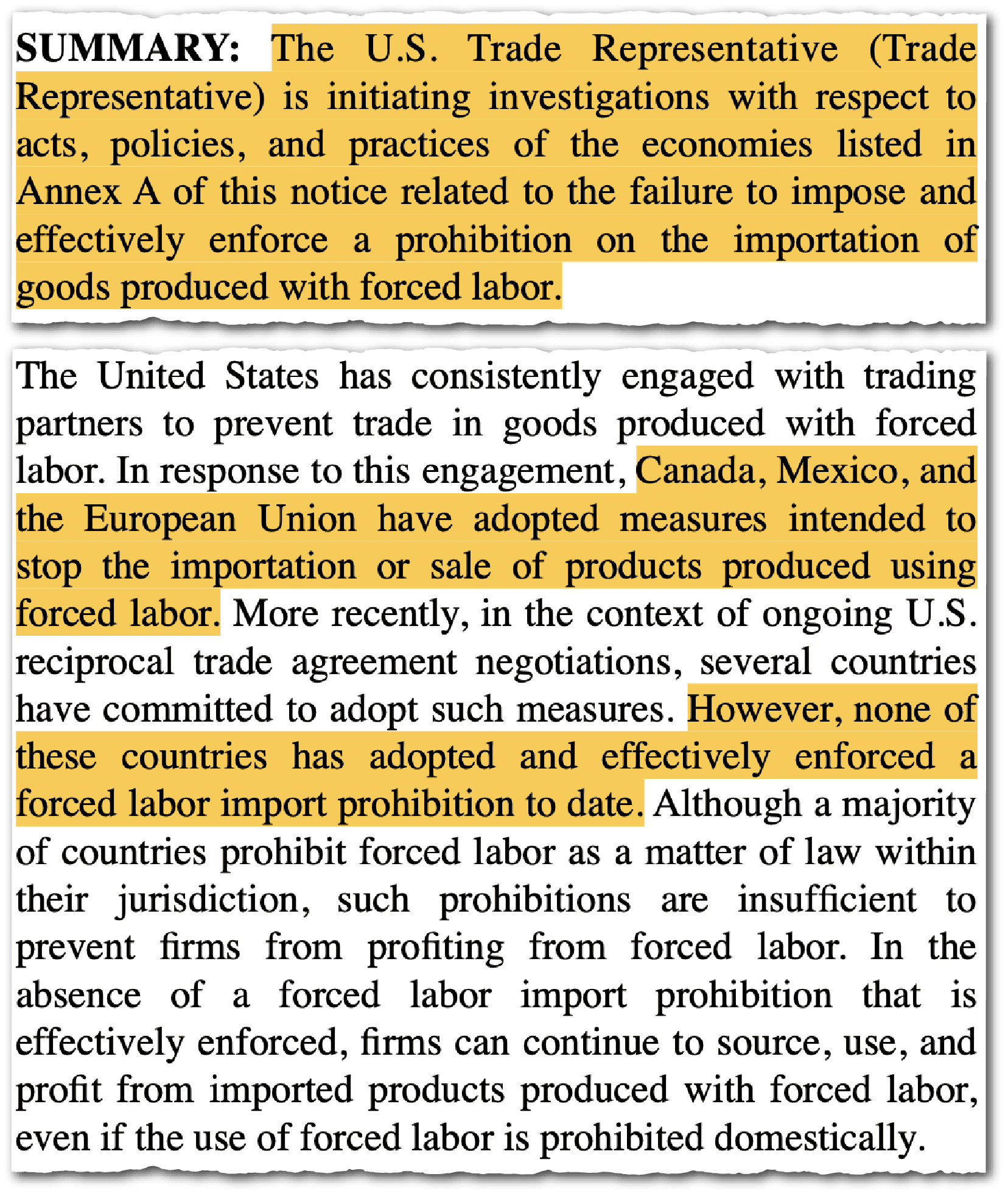
The Trump administration is still scrutinizing enforcement by its trading partners of action to counter forced labor, however, as part of its broader trade agenda following the Supreme Court’s decision to strike down tariffs imposed under the president’s emergency powers. This month, the U.S. Trade Representative’s office launched a Section 301 investigation of unfair trade practices in 60 countries, including Canada, in relation to their alleged failure to take action on forced labor.
Ma’s comments on Thursday came as Canada is preparing to allow Chinese automakers to export a limited number of EVs to Canada under a preferential tax rate later this year.
McCuaig-Johnston, who is an advisor to the China Strategic Risks Institute, a think tank critical of Beijing’s policies, told The Wire Canada should act on forced labor because “it’s the right thing to do”.
“At the same time, [with the Section 301 investigation], this is a critically important moment where we could be levied 25 percent tariffs across our products,” she added. “That’s something Canada should be taking very seriously.”

Eliot Chen is a Toronto-based staff writer at The Wire. Previously, he was a researcher at the Center for Strategic and International Studies’ Human Rights Initiative and MacroPolo. @eliotcxchen