
Hollywood is up in arms over China’s latest AI sensation.
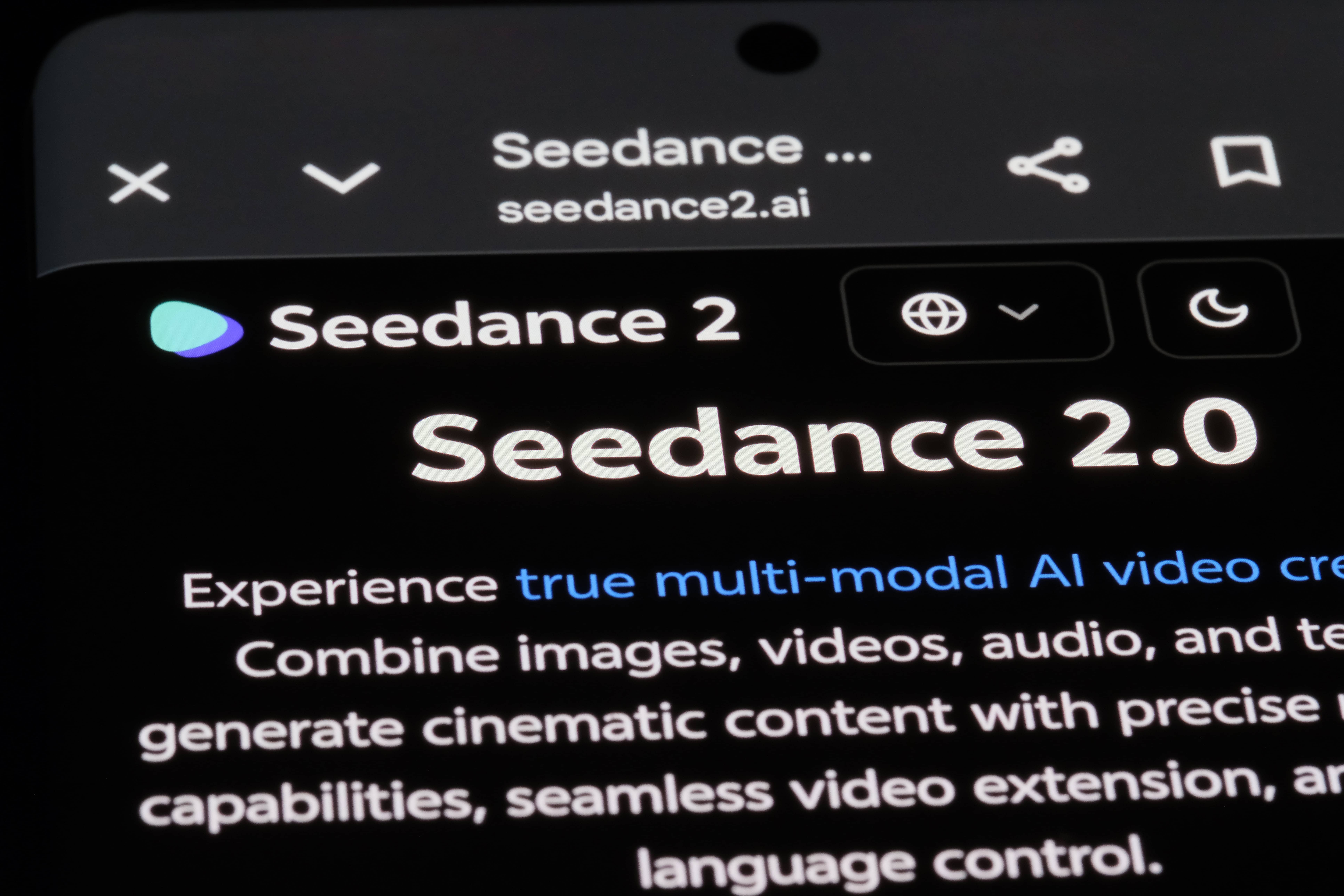
Disney, Netflix, Warner Bros and several other major film studios have each threatened to sue ByteDance for copyright infringement, after the Chinese company unveiled a new AI tool, Seedance 2.0, that can generate uncannily real videos of movie actors and cartoon characters.
A clip showing Brad Pitt and Tom Cruise, generated using Seedance 2.0. Source: Ruairi Robinson via X
In the most striking example to date, Irish filmmaker Ruairi Robinson posted a video on X last month, showing Brad Pitt and Tom Cruise in a spectacular fight — that neither actor ever performed.
In response, ByteDance, the owner of TikTok, has pledged to strengthen safeguards to prevent the unauthorized use of intellectual propertyand halted the international rollout of Seedance that was initially scheduled last month.
The episode is part of an ongoing debate over the way training data for AI models and their output can infringe on copyright and image rights. But it also highlights the growing challenges of regulating the emerging technology, as well as the difficulty companies and individuals could face enforcing their rights — particularly across international jurisdictions.
Seedance 2.0 is a critical pivot point for advanced multimodal generative AI capabilities. This is where arch-rivals such as Meta have fallen behind despite committing to tens of billions of dollars in capital expenditure.
Neil Shah, co-founder of Counterpoint, a market research firm
“For the West, [Seedance 2.0] raises alarm bells as it erodes into conventional film production, challenging the cost and profit structure [of the industry],” says Neil Shah, co-founder of Counterpoint, a market research firm. “There is still a considerable gap between the pace of law and [the development of] generative AI technology, which makes it very difficult to set boundaries with respect to licensing and copyright.”
The emergence of Seedance 2.0 is a remarkable example of how far AI models have developed.
The prompt “Will Smith eating spaghetti” has long been a popular yardstick for testing AI’s capabilities to generate videos. Early versions of such tools, which first became available to the public around 2022, produced videos of the Men in Black actor with crooked fingers and a distorted face. The results became more realistic over time, but there were always glitches that are telltale signs that a video is AI-generated.
With Seedance 2.0, the result is virtually indistinguishable from a real video. The character chomping the food even sounds like Smith, demonstrating the tool’s capability to seamlessly combine different media formats, including audio.
“Seedance 2.0 is a critical pivot point for advanced multimodal generative AI capabilities,” says Shah. “This is where arch-rivals such as Meta have fallen behind despite committing to tens of billions of dollars in capital expenditure.”
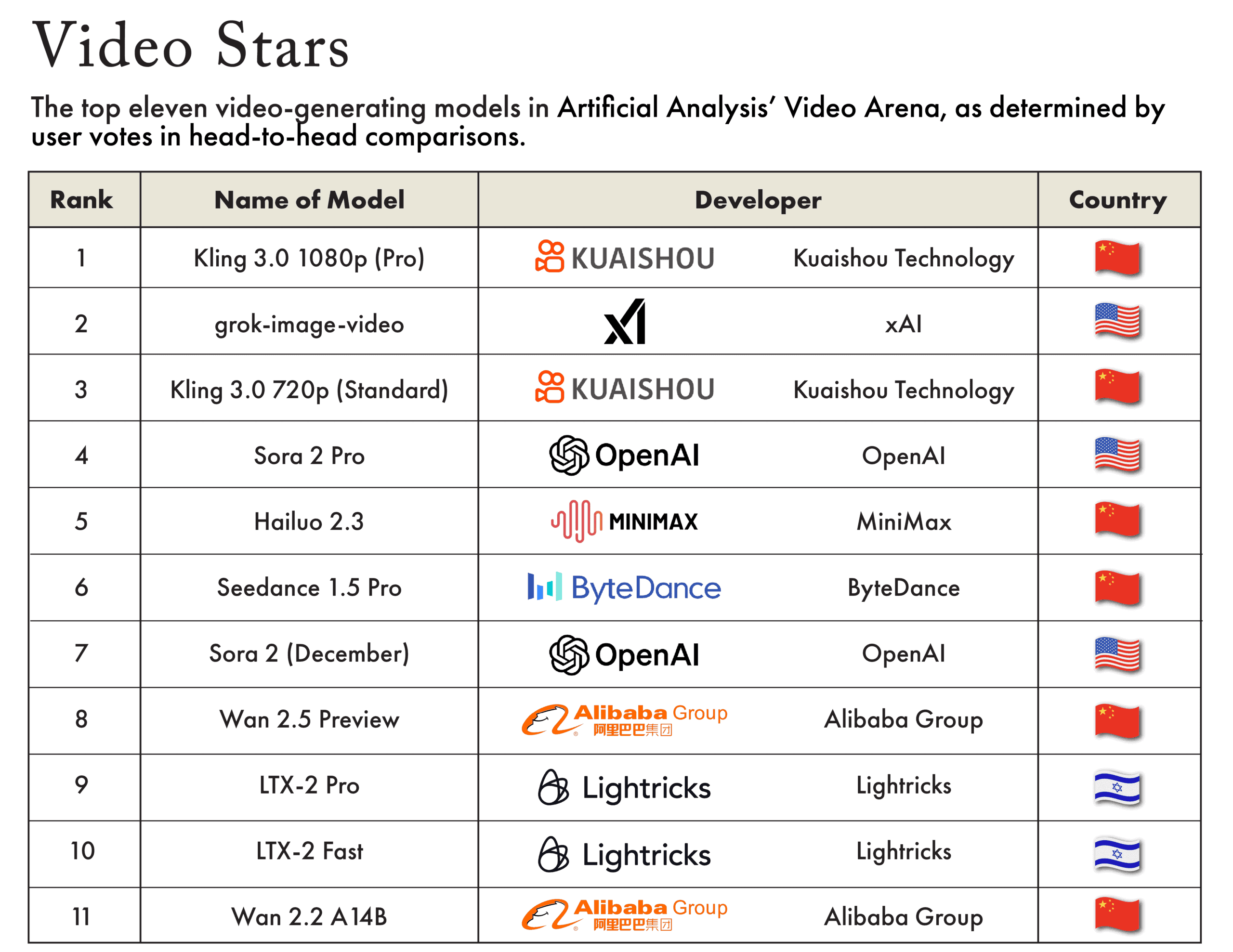
The breakthrough underscores Chinese companies’ ability to innovate and compete, in spite of constraints around financial resources and computing power. Six of the current top eleven video-generating models globally were developed by Chinese companies, including MiniMax, Alibaba, and short video platform Kuaishou, according to Artificial Analysis, a San Francisco-based company that evaluates AI video models based on voting by users.
ByteDance has an advantage thanks to TikTok and its Chinese version, Douyin, its wildly popular social media platforms.
“The company has access to a vast amount of visual data, which it can use to train its AI model and produce high quality output,” says Qiang Bai, a former co-founder of the Chinese AI company iFlytek, who now runs an AI incubator in Japan.
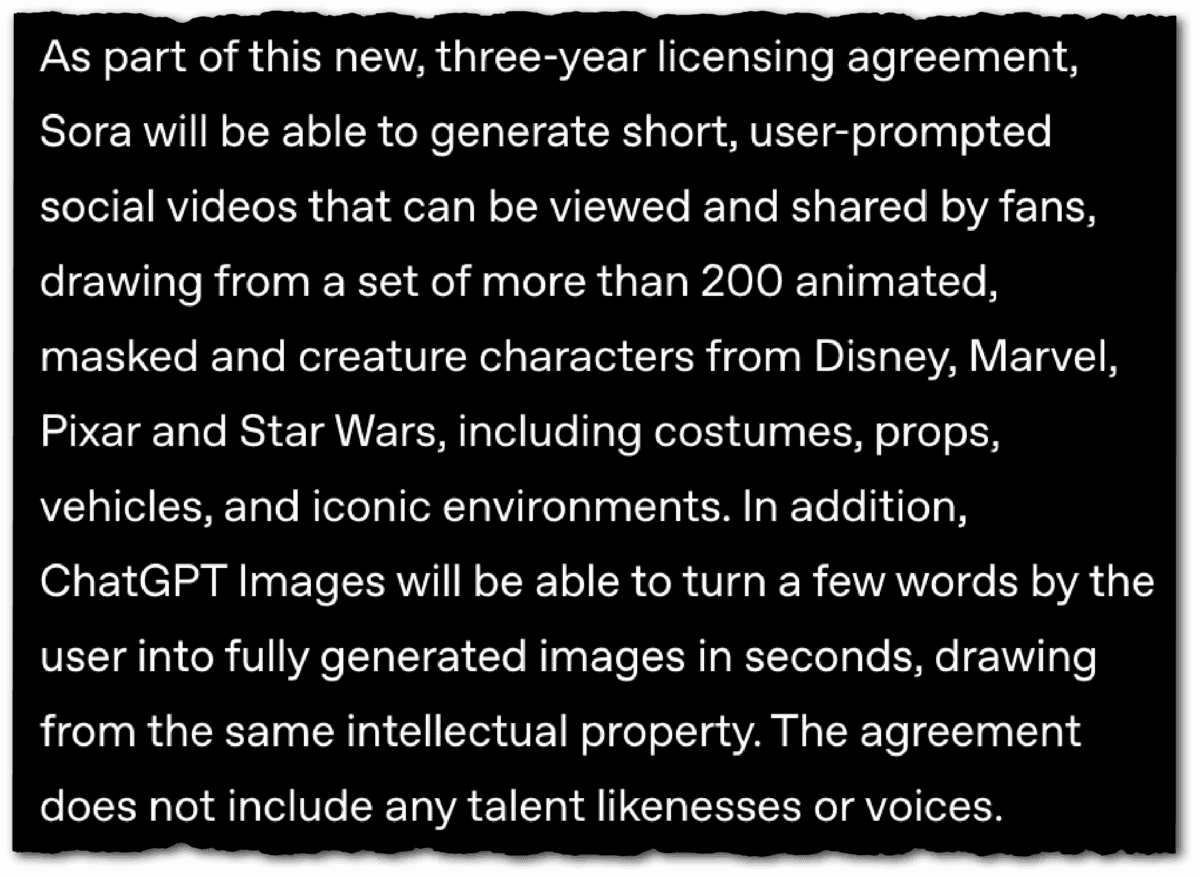
ByteDance also appears less concerned about copyright guardrails than its competitors. Rival American tools have made efforts to block the reproduction of copyrighted material or to strike licensing agreements with IP rights holders. Google’s Nano Banana, for instance, rejects requests to create videos that could harm the “interests of third-party content providers.” OpenAI signed a deal with Disney in December that allows users to legally generate content featuring Disney characters.
By contrast, with Seedance 2.0, users have been able to make Spiderman fight with video game character Jinx, create alternative endings to Titanic, and generate a viral music video where Kanye West sings in Chinese. Seedance 2.0 took off precisely because it allowed users to reproduce familiar faces and scenes, Bai says.
Such use cases raise two core issues. First, if the company has trained its AI model with copyrighted material, does that constitute so-called ‘fair use’ of the content; and secondly, whether such output violates copyright or image rights. Both issues are currently being tested in both U.S. and Chinese courts.
AI videos generated using ByteDance’s Seedance 2.0 software. Source: Aleena Amir, Martin, 曦阳思慕
In America, Disney, Universal, Dreamworks, and more recently, WarnerBros have sued San Francisco-based AI startup Midjourney for reproducing images of the likes of Darth Vader, Minions and Superman without permission: the case is now in the discovery phase. Similar lawsuits by artists and labour unions against AI companies are underway.
Suing a foreign company is even trickier, in part because of the red tape involved.
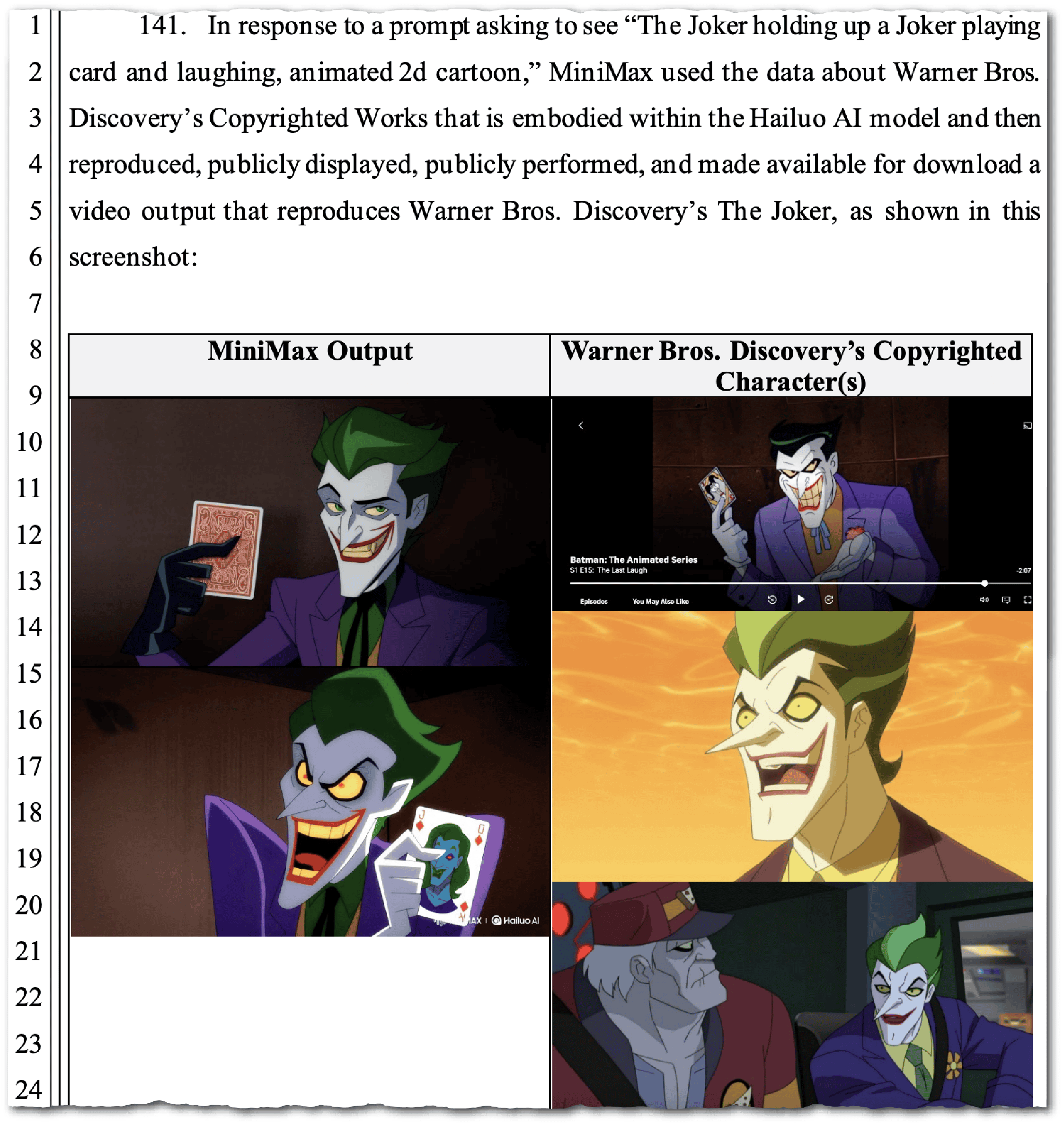
In September, Disney and other film studios filed a lawsuit in the U.S. against Chinese AI company MiniMax, accusing it of “willful and brazen” copyright infringement and seeking damages of up to $150,000 per infringed work. According to the complaint, users of MiniMax’s Hailuo AI could easily generate iconic characters — from Joker to Wonder Woman — with simple text prompts. It said the Chinese company also used such materials to promote their tool and marketed it as “a Hollywood studio in your pocket.”
But delivering the complaint to MiniMax alone took nearly half a year, in part because it had to be done through processes set out in the Hague Convention, a series of international treaties to help resolve cross-border legal disputes. MiniMax’s legal counsel in the U.S. accepted the complaint in late February.
MiniMax dismissed the claims as “without merit” in its recent initial public offering prospectus: it went on to raise $619 million on its trading debut in Hong Kong in January.
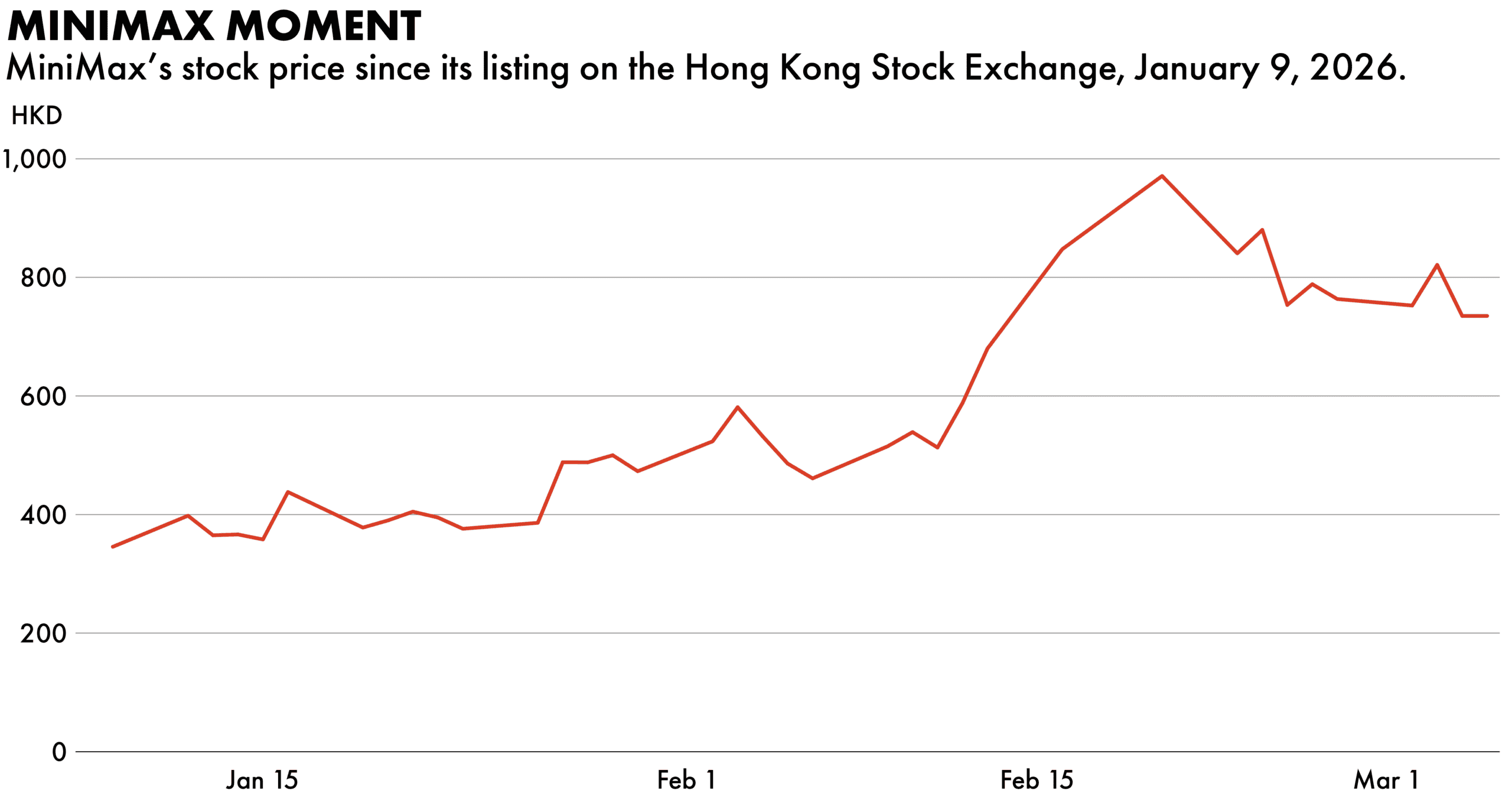
“It would likely be challenging for U.S. IP holders to obtain meaningful relief against Chinese firms that lack substantial assets in the United States,” says Angela Zhang, a law professor at the University of Southern California. “Even if plaintiffs were to prevail on the merits, enforcing a judgment extraterritorially would be difficult.”
China doesn’t have the same legacy as Hollywood, so there isn’t as much hesitancy about adopting something new. Content generation might be a silver bullet for Chinese AI companies.
Qiang Bai, a former co-founder of the Chinese AI company iFlytek, who now runs an AI incubator in Japan
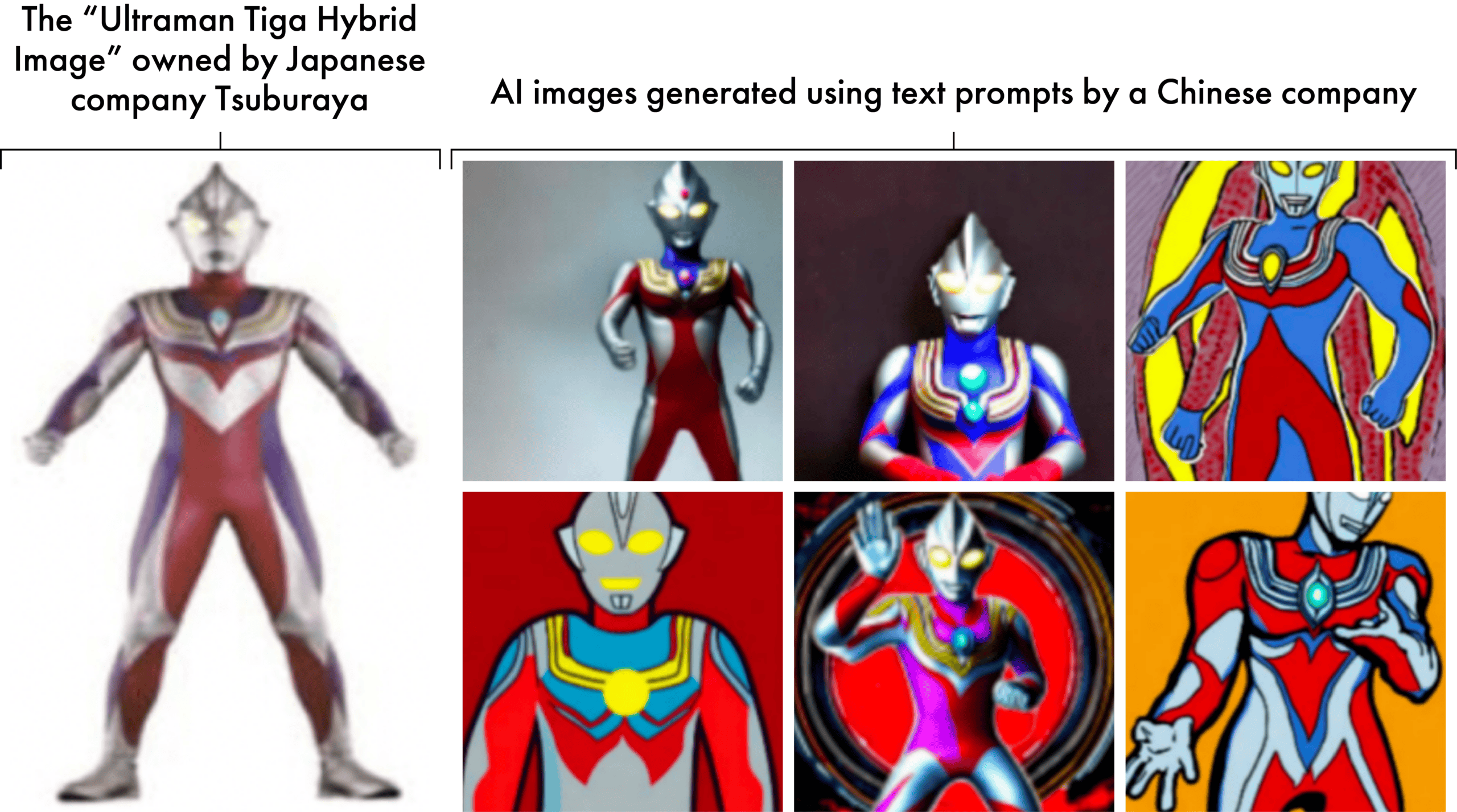
In a landmark case in 2024, Hangzhou court ruled that a Chinese AI platform’s use of images of the Japanese cartoon character Ultraman to train its AI model is considered “reasonsable” under China’s copyright law. “The decision has been widely viewed as signaling a more tolerant approach to the use of copyrighted materials as inputs for AI training,” Zhang says.
In another case, however, a Guangzhou court ruled that a Chinese company, whose website can generate images substantially similar to Ultraman with a text prompt, has infringed copyrights. The company was ordered to pay 10,000 yuan ($1,450) in compensation, a fraction of what the copyright owner demanded.
Film studios could have a strong case under Chinese law against ByteDance over output such as AI videos that incorporate real individuals or fictional characters from copyrighted films, says He Tianxiang, an associate professor in law at the City University of Hong Kong. “From what we have seen, I think it’s a very clear violation of copyright law,” He says.
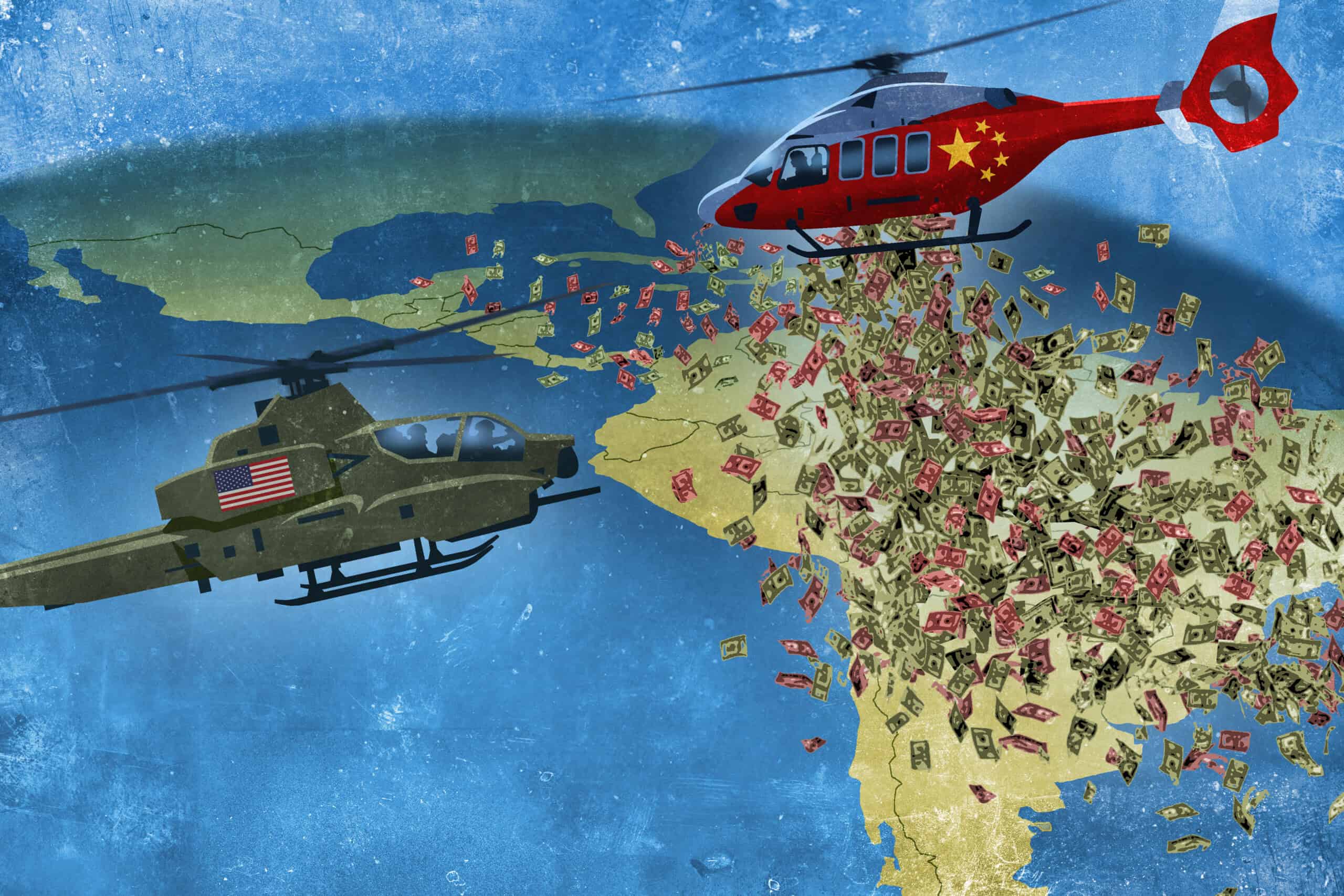
The challenge lies in litigating across borders, which can become as much a political as legal process.
“That’s very complicated because of the international nature,” says Jonathan Handel, an entertainment and technology attorney in Los Angeles. “I don’t know anyone in the American corporate system who really trusts the Chinese legal system to vindicate their rights.”
The even larger issue is the impact of AI technology on the future of the entertainment industry.
Handel expects it will take another two to three years for AI technology to evolve to a point where it can produce feature-length films good enough to be shown in theaters. But “the realistic nature of the AI videos has almost everyone in Hollywood very worried about their jobs and the future of film production,” he says.
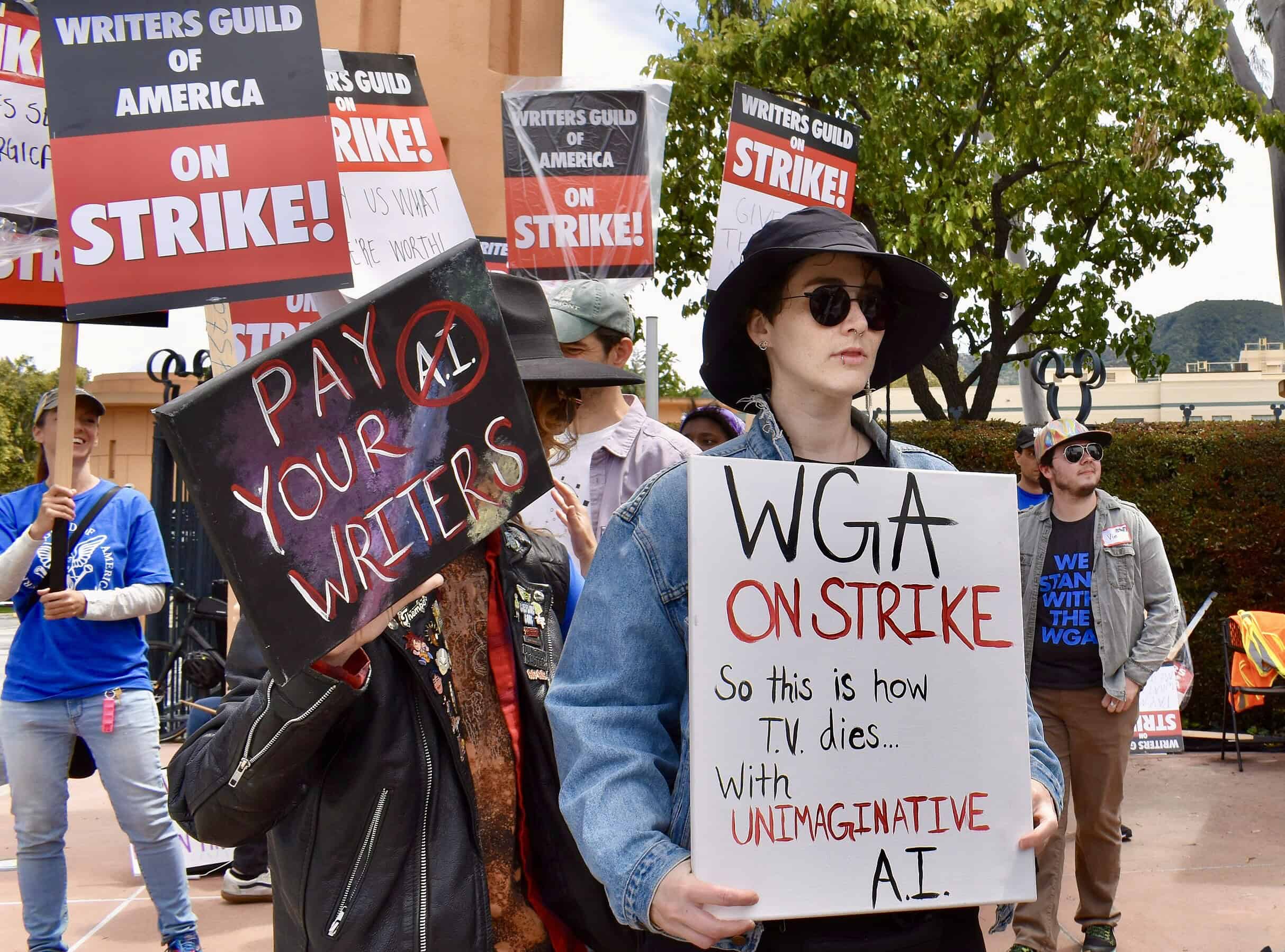
The backlash against Seedance 2.0 is just the latest example of the U.S. entertainment industry’s trepidation about AI. Actors and writers have gone on strikes to protest its unregulated use, while producers of films such as Civil War and The Brutalist have come under attack for using AI to enhance voices and create movie posters.
By comparison, the Chinese creative industry is embracing AI technology, seeing it as a path to making money.
Collaborating with ByteDance, prominent filmmaker Jia Zhangke last month released a short film where he has a conversation with his AI avatar. “You provide the ideas, I provide the computational power,” the avatar says. The same month, Liu Cixin, the author of international science fiction hit novel The Three-Body Problem, produced a short drama made with AI-generated visuals. The ability to use AI tools has become mandatory for filmmakers of the era, the director said in an interview.
AI studios have emerged across China, producing reels, dramas, and advertisements, while traditional film companies are cutting projects involving human actors. The country’s AI-generated content market will double and reach $23 billion this year, per estimates by the Chinese market research firm iiMedia.
“China doesn’t have the same legacy as Hollywood, so there isn’t as much hesitancy about adopting something new,” says Bai. “Content generation might be a silver bullet for Chinese AI companies.”

Rachel Cheung is a staff writer for The Wire China based in Hong Kong. She previously worked at VICE World News and South China Morning Post, where she won a SOPA Award for Excellence in Arts and Culture Reporting. Her work has appeared in The Washington Post, Los Angeles Times, Columbia Journalism Review and The Atlantic, among other outlets.
.jpg)