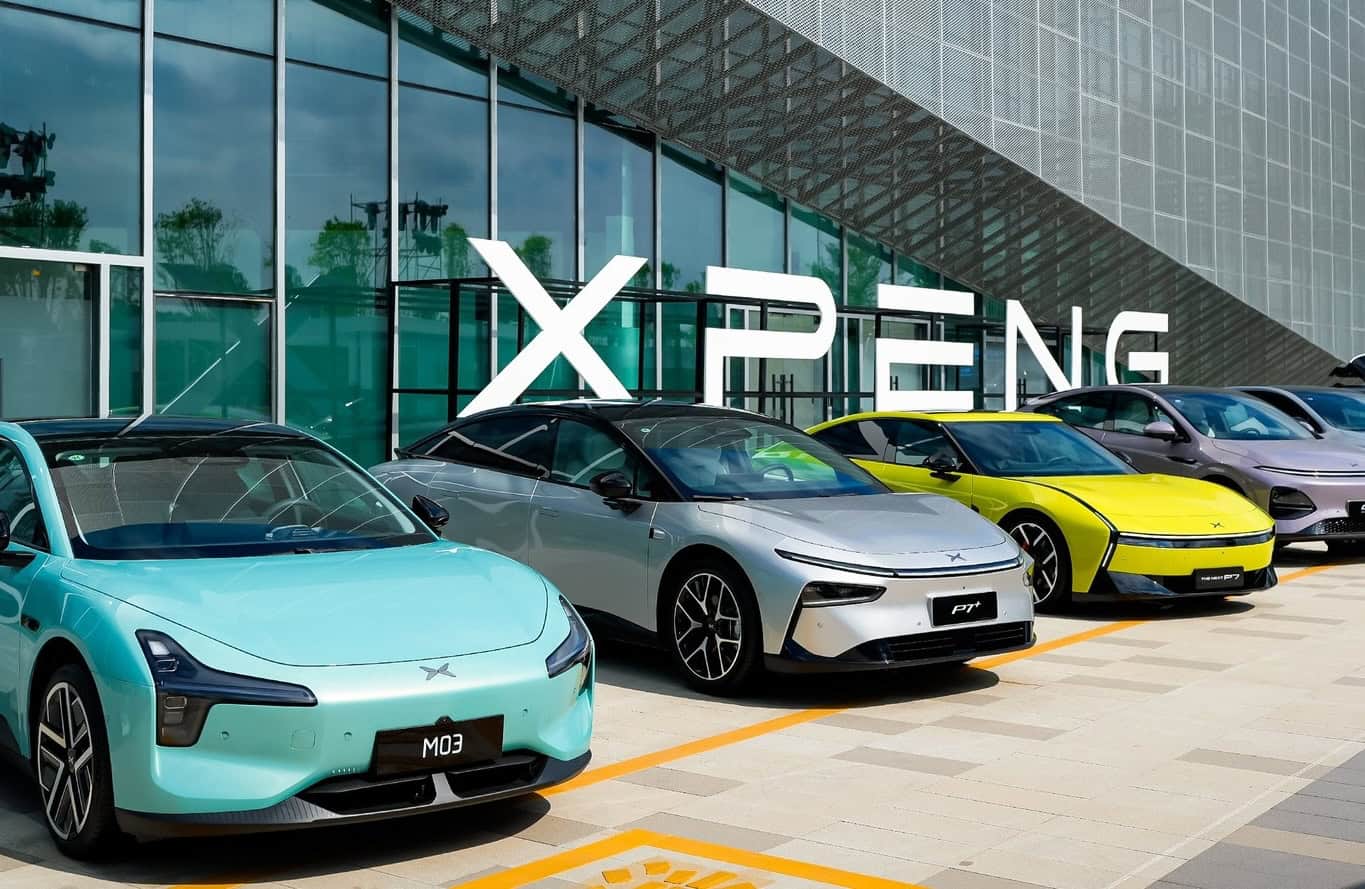
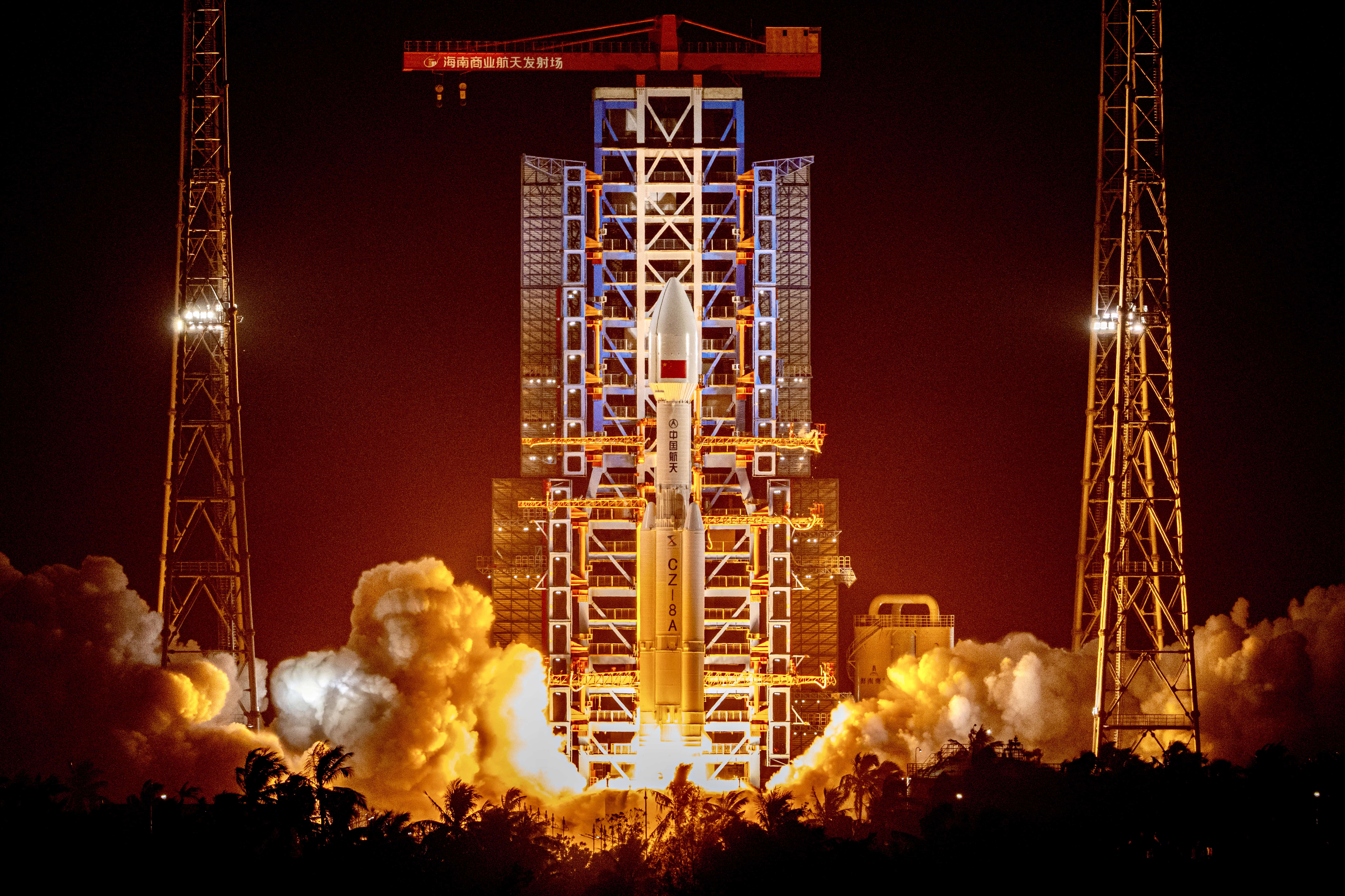
Good evening. Last year China put 371 satellites into orbit — a record for the country. But it has a long way to go, considering that two of its biggest planned “megaconstellation” satellite networks will require around 27,000 satellites. By contrast SpaceX’s Starlink managed more than 3,100 launches last year, accounting for 70 percent of the global total. As Paddy Stephens writes in this week’s cover story, the Chinese government hopes that the private sector can help it catch up, in accordance with a decision in 2014 to open up the state-controlled rocket launch sector to commercial companies. Three years earlier, the U.S. effectively banned any bilateral space cooperation with China, making it all the more imperative that the country rapidly improve its own launch capabilities. To do that China’s space industry will need to develop bigger rockets and master reusable rocket technologies. Beijing will also need to ensure commercial companies have room for maneuver in a sector still dominated by state-owned enterprises.
In our latest podcast, Andrew Peaple speaks with Eliot Chen about an international smuggling ring busted late last year for allegedly sending advanced chips to Chinese customers. It’s a case that shows just how far some companies will go for an edge in the increasingly competitive race for tech dominance.
Also in this week’s issue: Alleged semiconductor smugglers on trial in Texas; have we got some AI tools for you!; a Q&A with Jake Sullivan; Alicia García-Herrero on why overall Chinese corporate profits aren’t growing; and Jörg Wuttke on a critical moment in Sino-German relations.
Want this emailed directly to your inbox? Sign up to receive our free newsletter.
China’s Rocket Deficit
Commercial space companies in China have made some important breakthroughs — and are the cusp of still others — as they try to emulate the success of Elon Musk’s SpaceX. In 2023, Landspace became the first company ever to successfully put a rocket into orbit using a special fuel well-suited for reusable missions. And last year it successfully directed a reusable rocket to its recovery pad back on earth but wasn’t able to stick the landing — the rocket crashed. Even so, the close-but-no-cigar result was deemed an important step forward for China’s commercial space sector. But as ever in China, where there is innovation in a certain industry there is also involution. Analysts believe that the country has too many space companies, presaging a survival-of-the-fittest battle before the industry can really take off.
How to Smuggle Semiconductors
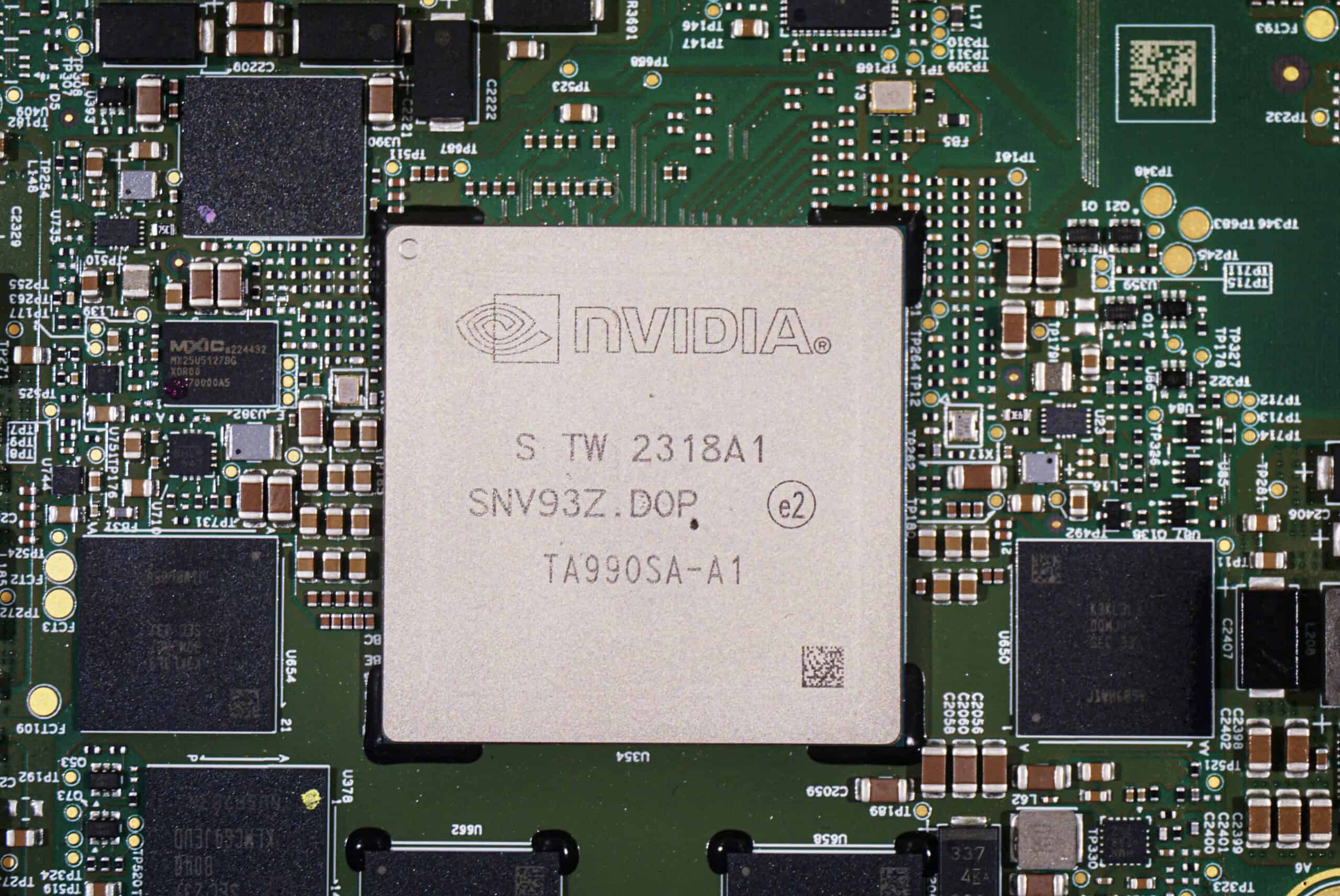
In an alleged effort to smuggle export-controlled Nvidia chips to China in 2024, two Houston-based businessmen acquired them from Lenovo in North Carolina and then shipped them via New York, Singapore and Hong Kong. The AI chips in question, the H200s, have since been approved for export to China, but higher grade chips that are still restricted could be flowing through similar pathways. Eliot Chen looks at the case, which comes to trial soon.

Selling AI
As China gets back to work after the lunar new year break, its leading tech companies are rushing out new AI models and flashy promotions. Over the holiday period, Alibaba, Bytedance, and Tencent all spent lavishly on advertisements and other promotions for their AI tools and agents through cash giveaways and other gimmicks. “It’s clear that Chinese AI models have the chops to stand out in the global tech industry,” Savannah Billman writes in this week’s latest Big Picture feature. “But ordinary Chinese consumers need a push — in the form of red envelope cash incentives.”
A Q&A with Jake Sullivan

During a visit to Beijing during the first Donald Trump administration, Jake Sullivan told a group of foreign correspondents that while Trump’s 2016 election victory was bad for America and its allies, it would be much worse were he to be re-elected in 2020. While that didn’t happen, nobody listening to Sullivan that day was envisioning a Trump second term beginning in 2025.
More than a year into the Democrats’ déjà vu nightmare, President Biden’s national security adviser talks with Bob Davis about Sino-U.S. relations under Trump, post-Trump Biden and post-Biden Trump.
Jake Sullivan
Illustration by Lauren Crow
China’s Involution Trap
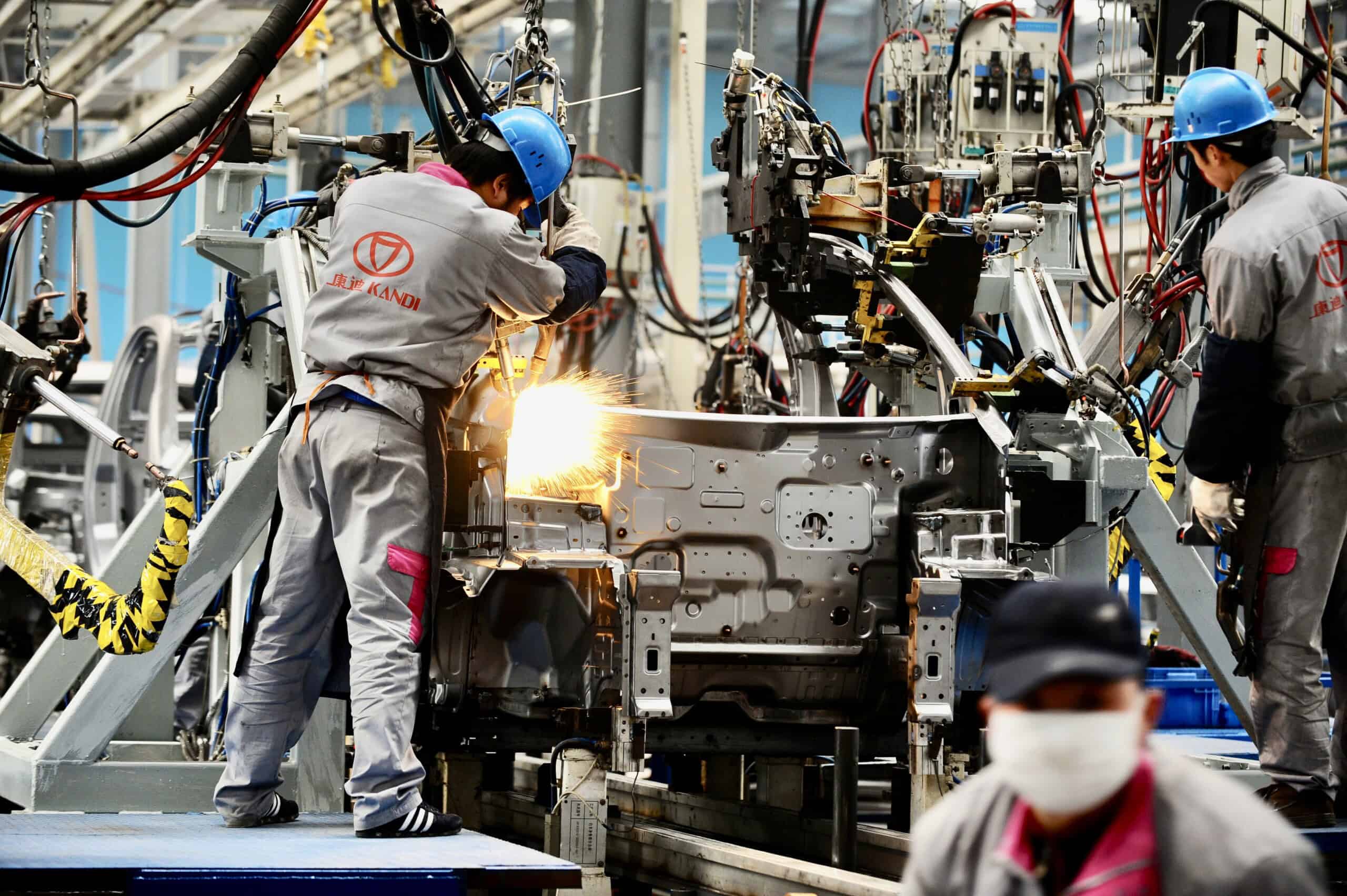
Every March the Chinese government sets a target for economic growth. Every subsequent January, the Chinese government declares said target hit. But while China’s economy grew the predicted five percent in 2025, Alicia García-Herrero writes, overall corporate profits “barely budged”. The latter result, she says, is “the symptom of a deeper issue: intense, cutthroat competition that forces companies to slash prices relentlessly, even when they can’t cover their costs”.
Mr Merz Goes to Beijing
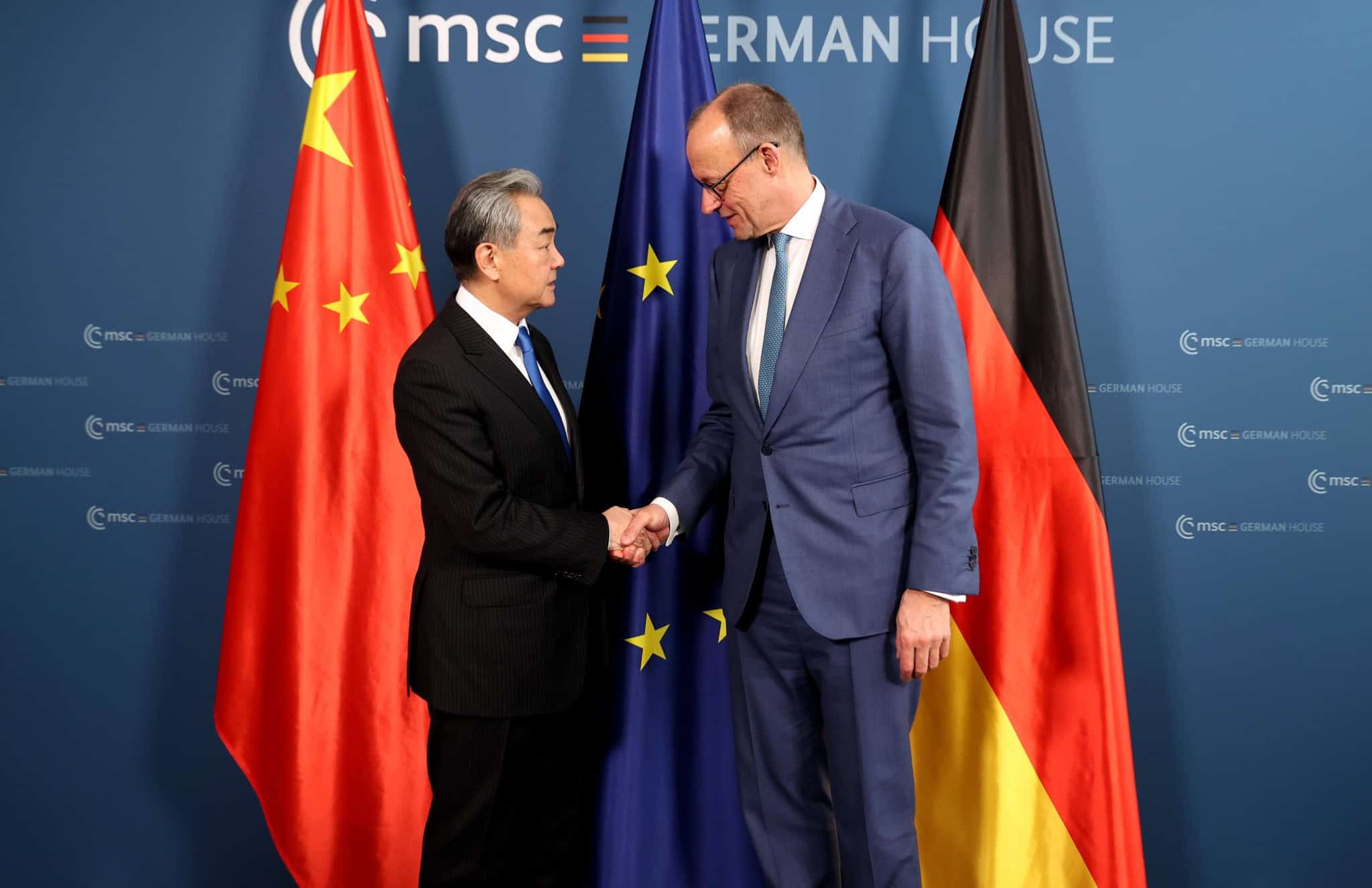
German Chancellor Friedrich Merz’s visit to Beijing last week came at a difficult moment in the relationship between Germany and China. Europe’s biggest economy — for years a major exporter to and investor in Chinese markets — now runs a large trade deficit with the world’s second largest economy. In an opinion piece, Jörg Wuttke, a former BASF China executive now with the DGA Group in Washington, argues Merz should open Germany up to Chinese investment to take advantage of its know-how and capital.
Subscribe today for unlimited access, starting at only $25 a month.