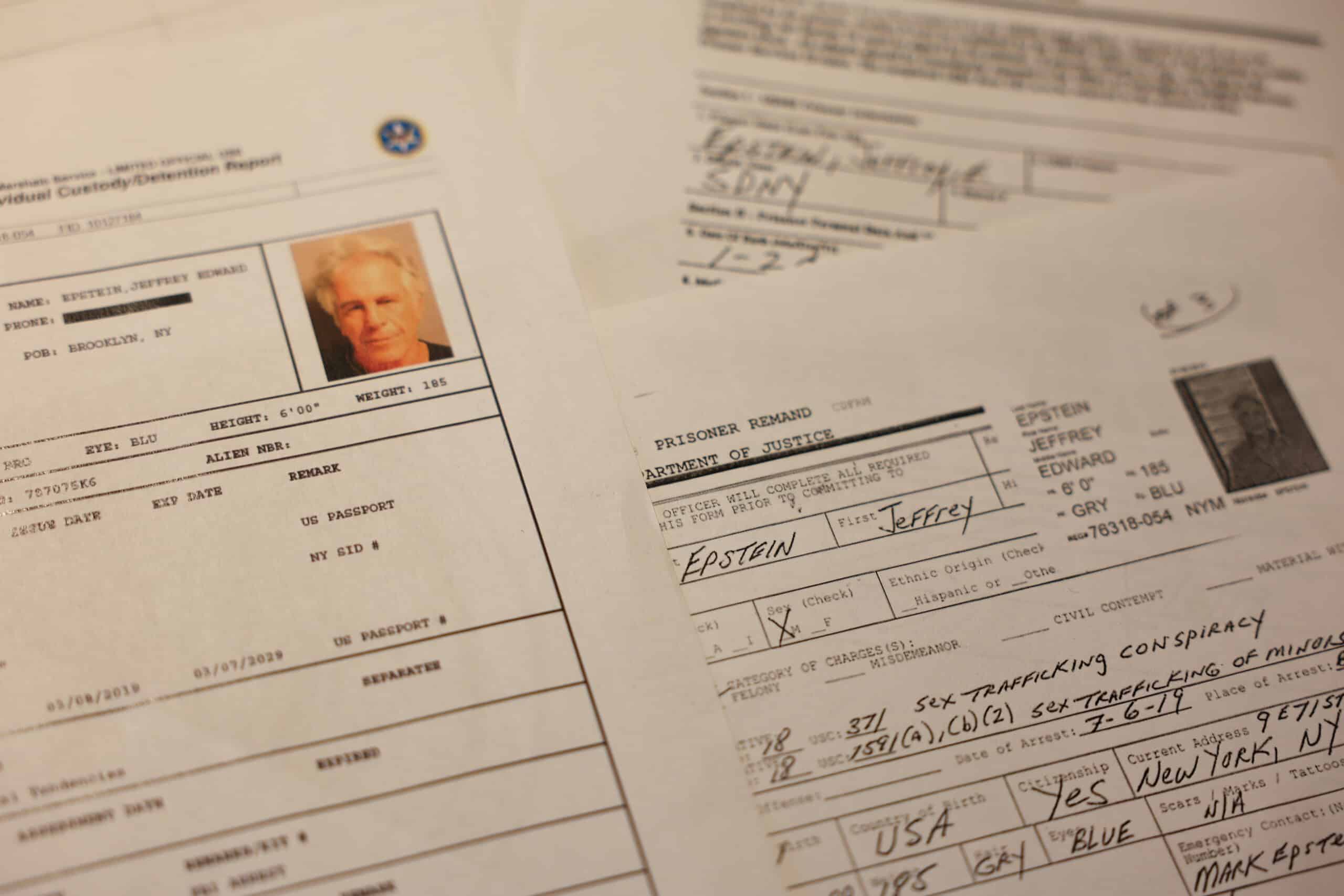
Good evening and Happy Chinese New Year — almost … The breadth, depth and depravity of the Epstein files is depressing, but no longer surprising. Every new release of e-mails and other documents amassed by the federal government on Jeffrey Epstein, the late serial sex offender, turns up new names and details about the global elites who beat a path to Epstein’s Manhattan townhouse and Caribbean island hideaway. In our cover story this week, Noah Berman, Eliot Chen and Rachel Cheung comb the files for Epstein’s China-related business plans and potential partners. He worked with David Stern, a German business associate who was close to Andrew Mountbatten-Windsor. Epstein also communicated about China with the veteran UK Labour politician Peter Mandelson; Chinese entrepreneur and author Desmond Shum; banker and Jiang Zemin biographer Robert Kuhn; and senior JPMorgan executives.
In our latest podcast, Tom Mitchell previews this week’s issue and talks to Noah Berman about his reporting on why, counter-intuitively, China’s arms exports are declining — and also his recent article on how Chinese electric vehicles could soon be appearing on American roads despite political opposition on Capitol Hill and in many state capitals.
Also in this week’s issue: Rebecca Fannin on China’s venture capital industry; falling arms exports; a conversation with Yi-Ling Liu, author of The Wall Dancers; and America’s robotics AI gap with China.
Want this emailed directly to your inbox? Sign up to receive our free newsletter.
Epstein and China
So many of the world’s best and brightest, so many of its great and good chose to ignore Jeffrey Epstein’s 2008 conviction for soliciting a minor — and his well known obsession with vulnerable young women — and cultivated relationships with him. The Chinese consulate in New York, on the other hand, denied him a visa to visit China in 2012. A business associate encouraged him to apply again and added that “it will be better not to tick the boxes re. being denied previously or criminal charges”, according to an Epstein files email reviewed by The Wire China.

Venture Capital in China: Not What it Used to Be
In an adaptation from her forthcoming book, The New Tech Titans of China, Rebecca Fannin charts the evolution of the country’s venture capital industry and profiles Shanghai-based Qiming Venture Partners and its American founder, Gary Rieschel.
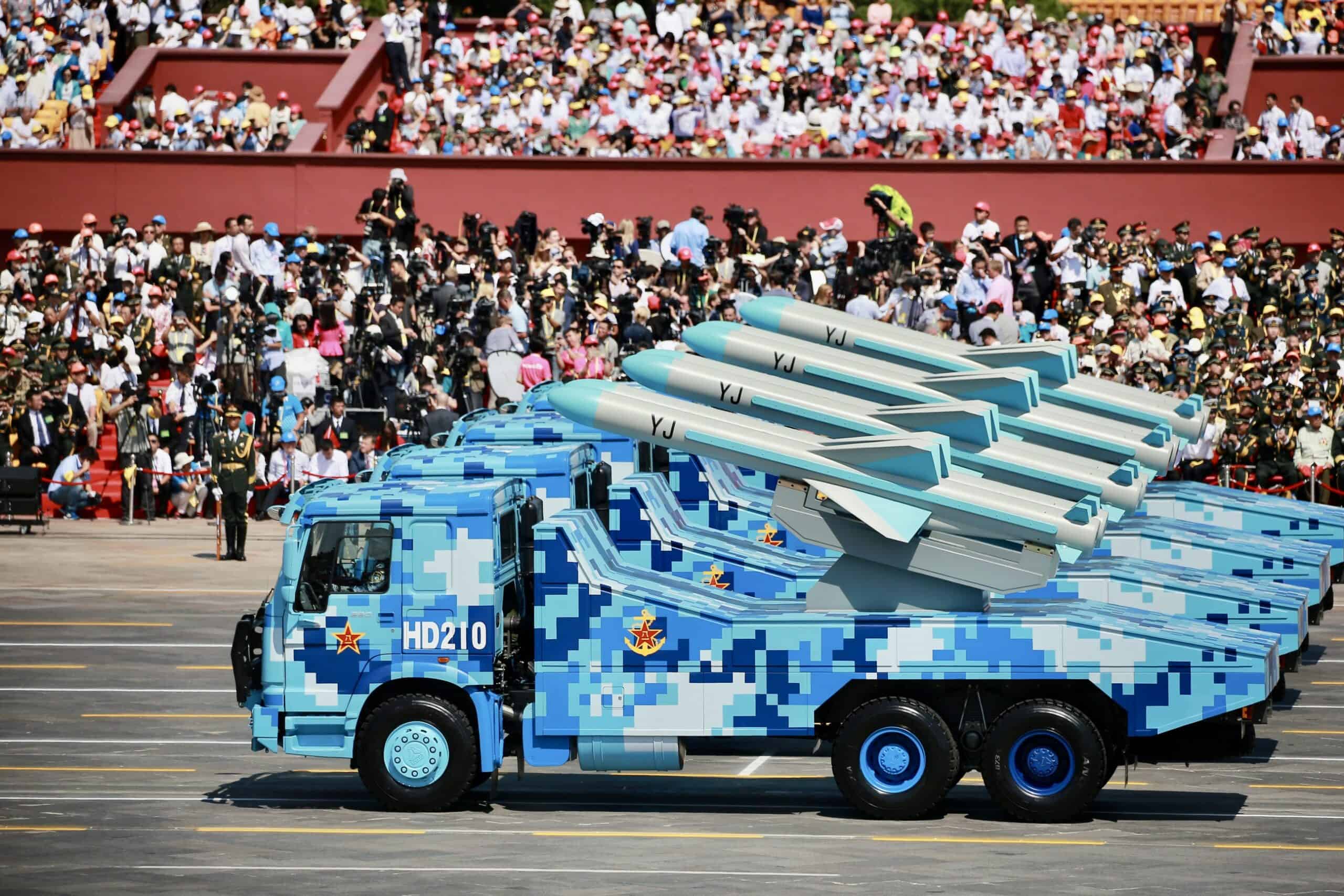
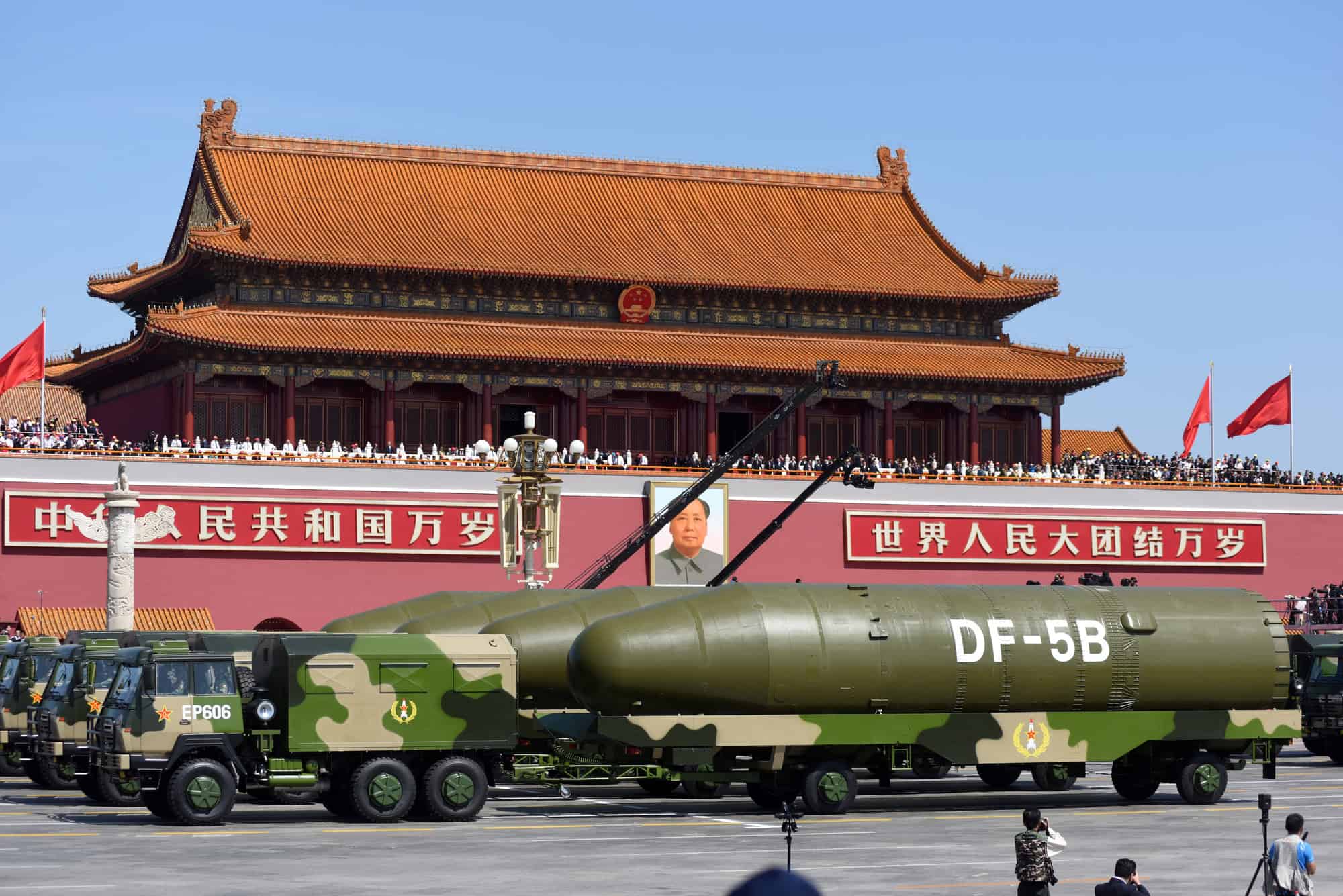
Where Did All the Arms Exports Go?
For The Big Picture, Noah Berman writes about a rare downturn in China’s arms exports in 2024, the most recent year for which data has just become available. It was an odd development considering the violence that raged that year in Ukraine, the Middle East and Africa. Indeed, 2024 was a bumper year for other countries with large arms export industries. Analysts believe President Xi Jinping’s long-running crackdown on corruption in China’s military was probably a factor. There was also a steep year-on-year decline in purchases from Pakistan, traditionally China’s biggest arms buyer and a country with perennial cash flow problems.
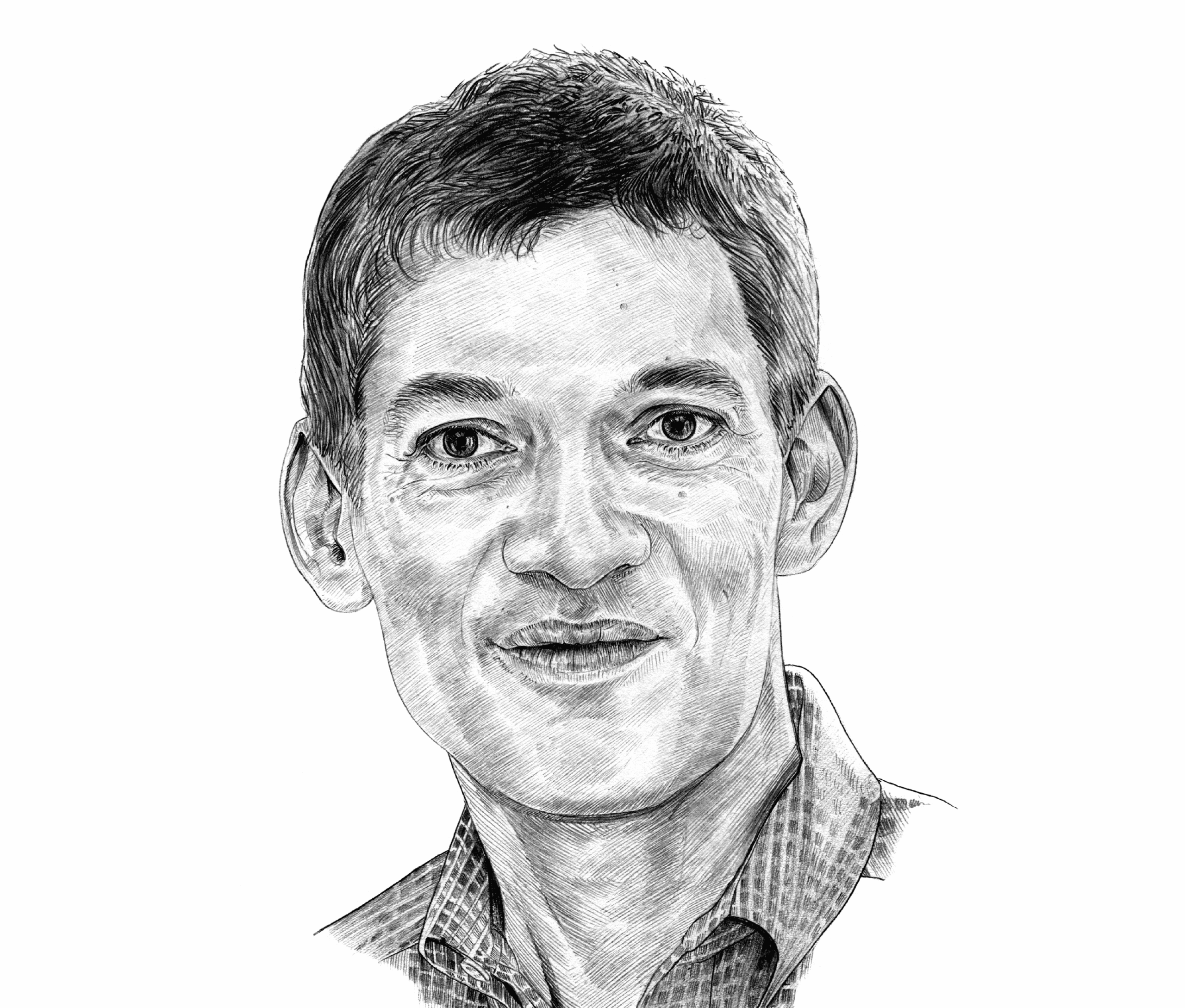
A Q&A with Yi-Ling Liu

Yi-Ling Liu is a Hong Kong-born and raised journalist who previously worked for the Associated Press and has also written for the New York Times Magazine and The New Yorker. In this week’s Q&A conversation with Rachel Cheung, Liu discusses her new book, The Wall Dancers, about cyberspace culture in China.
China’s online environment, Liu says, “swings wildly between freedom and control”. “There’s an assumption that within the Great Firewall, it’s just a barren landscape where nothing exists and grows,” she adds. Instead, Liu found Chinese cyberspace to be a “walled garden” where a vibrant “parallel online universe has emerged”.
Yi-Ling Liu
Illustration by Kate Copeland

The AI Robotics Gap
Policymakers in Washington neglect the robotics industry at their peril, argue Sunny Cheung and Nathanael Cheng. While Chinese officials are laser-focused on rolling out real-world Artificial Intelligence applications through robots, Cheung and Cheng write, their Trump administration peers have “not yet fully absorbed that AI’s decisive impact will not be confined to software”.
Subscribe today for unlimited access, starting at only $25 a month.