On May 6 Japanese troops sank a foreign naval vessel in Philippine waters for the first time since World War Two. The vessel was the BRP Quezon, a minesweeper commissioned by the U.S. Navy in 1944 and acquired by the Philippines in 1967. Positioned 75 kilometers off the northern Luzon coast, the ship went to the bottom after being hit by two new Japanese Type 88 anti-ship missiles. It was a demonstration of growing defense ties between Japan and the Philippines — and a warning to China.
Philippine Navy BRP Quezon is struck by fires from a Japan Ground Self-Defense Force Type 88 Surface-to-Ship Missile System, May 6, 2026. Credit: DVIDS
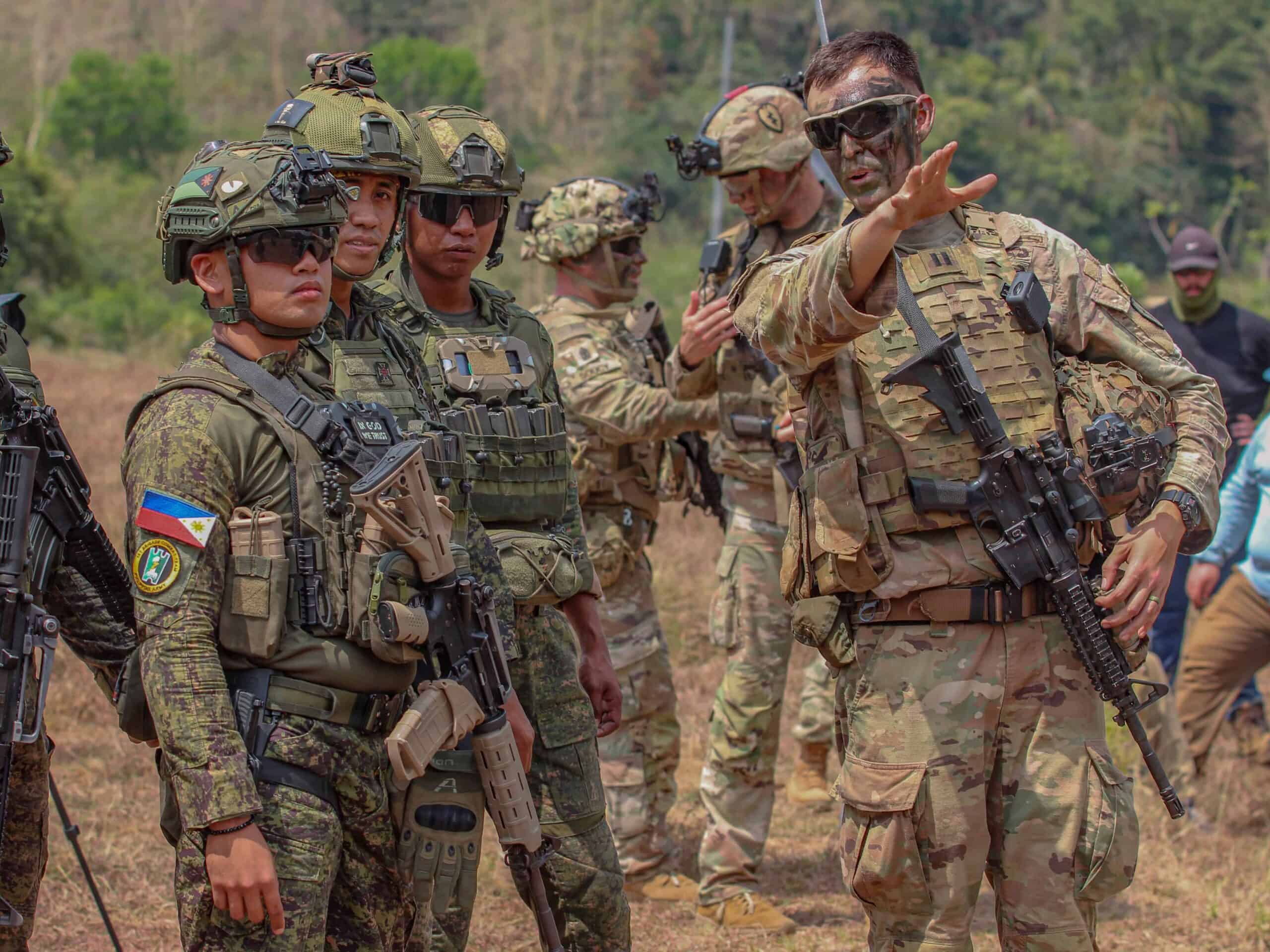
The sinking of the BRP Quezon was one of the highlights of the recently concluded Balikatan military exercises conducted on or near northern Luzon island and the Bashi Channel between the Philippines’ northernmost territory and the southern tip of Taiwan.
Taking its name from the Tagalog word for ‘shoulder-to-shoulder’, Balikatan began as low-key military drills between the Philippines and the U.S. in 2001.
In the 25 years since Balikatan’s inception, the exercises have expanded steadily in both size and scope. Balikatan 2026 commenced April 20 and concluded on May 8, and featured the largest roster of participants to date. Japan participated in Balikatan for the first time in 2025, when it was represented by a small contingent of about 150 military personnel. This year Japan’s presence swelled to 1,400 troops.
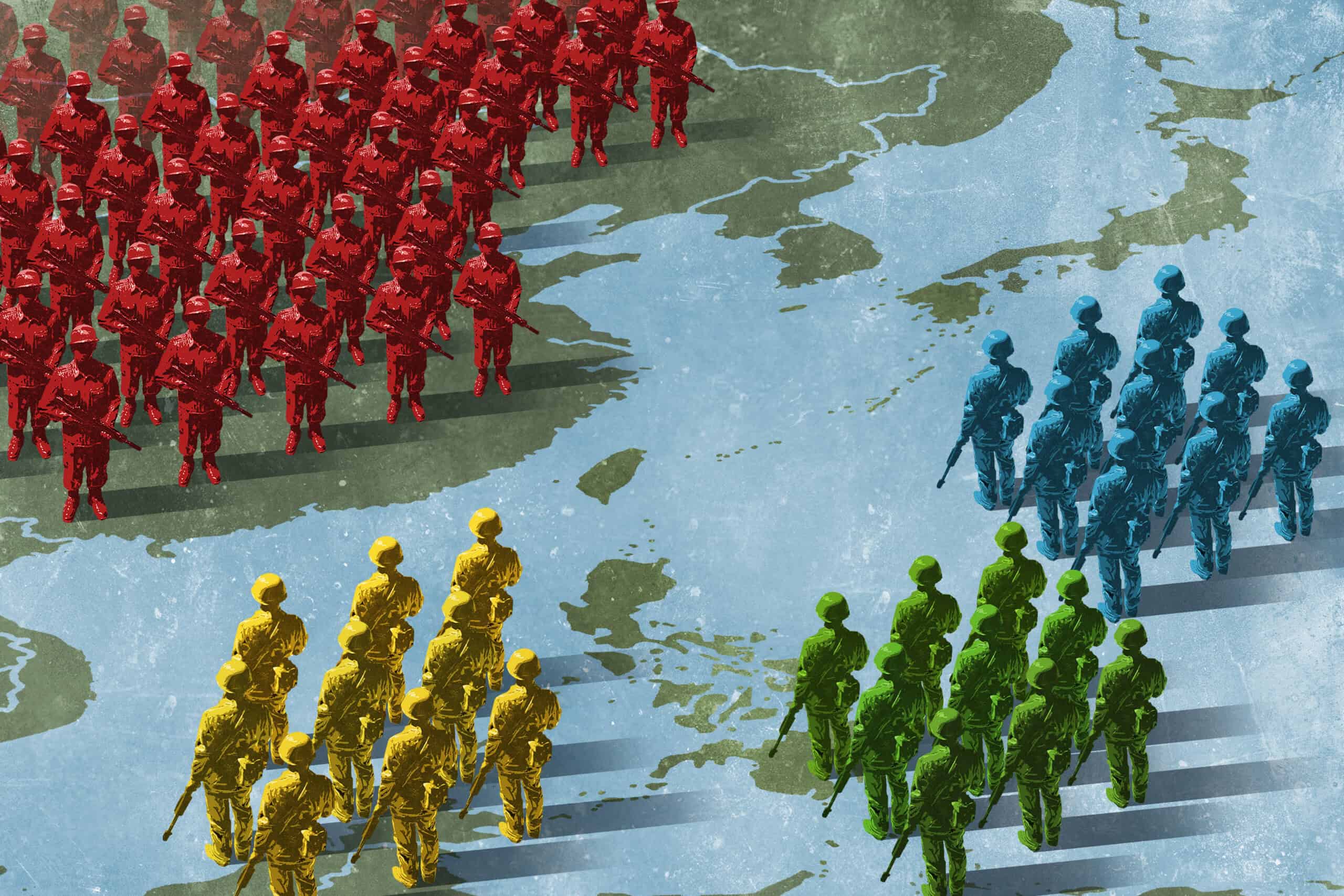
With global attention focused on Iran and the Strait of Hormuz, Balikatan was a reminder of the quiet but rapidly expanding cooperation and coordination between the democracies that form the “First Island Chain” east of China. Japan, the Philippines and Taiwan (which has quietly sent military observers to Balikatan) are working together in new ways to deal with both an increasingly belligerent China and a distracted, less reliable U.S.
For Taiwan and its fellow democratic and U.S.-aligned neighbors, their deepening defense relations are a double-edged sword. While they complicate decision-making for Chinese military planners, they also risk tempting President Xi Jinping to send the People’s Liberation Army across the strait, should he perceive his window of opportunity to be closing.
The architecture now exists for simultaneous, coordinated action with forces legally able to deploy to each other’s territory and logistically able to sustain each other once there. That markedly moves the needle on deterrence calculus.
Athena Tong, a researcher at the University of Tokyo and the China Strategic Risks Institute
Taiwan’s proximity to China, Beijing’s claim on all of its territory, and the absence of any mutual defense treaties with the U.S. or its neighbors makes Taiwan’s situation somewhat analogous to that of Ukraine. Ukraine too did not have any mutual defense treaties with the U.S. or any of Europe’s democracies when it was invaded by Russia, which claims all of its territory. Today Taipei, Tokyo, and Manila are keen to avoid a similar crisis in East Asia.
BALIKATAN
The primary driver of this new push for deterrence in the region is the deepening relationship between Japan and the Philippines. Each of the archipelagic nations has a population of around 120 million people and territory just as close to Taiwan as China’s Fujian province is (Japan’s Yonaguni Island is in fact closer). Both are also acutely aware of the threat that a Chinese attack on Taiwan would pose to their own security.
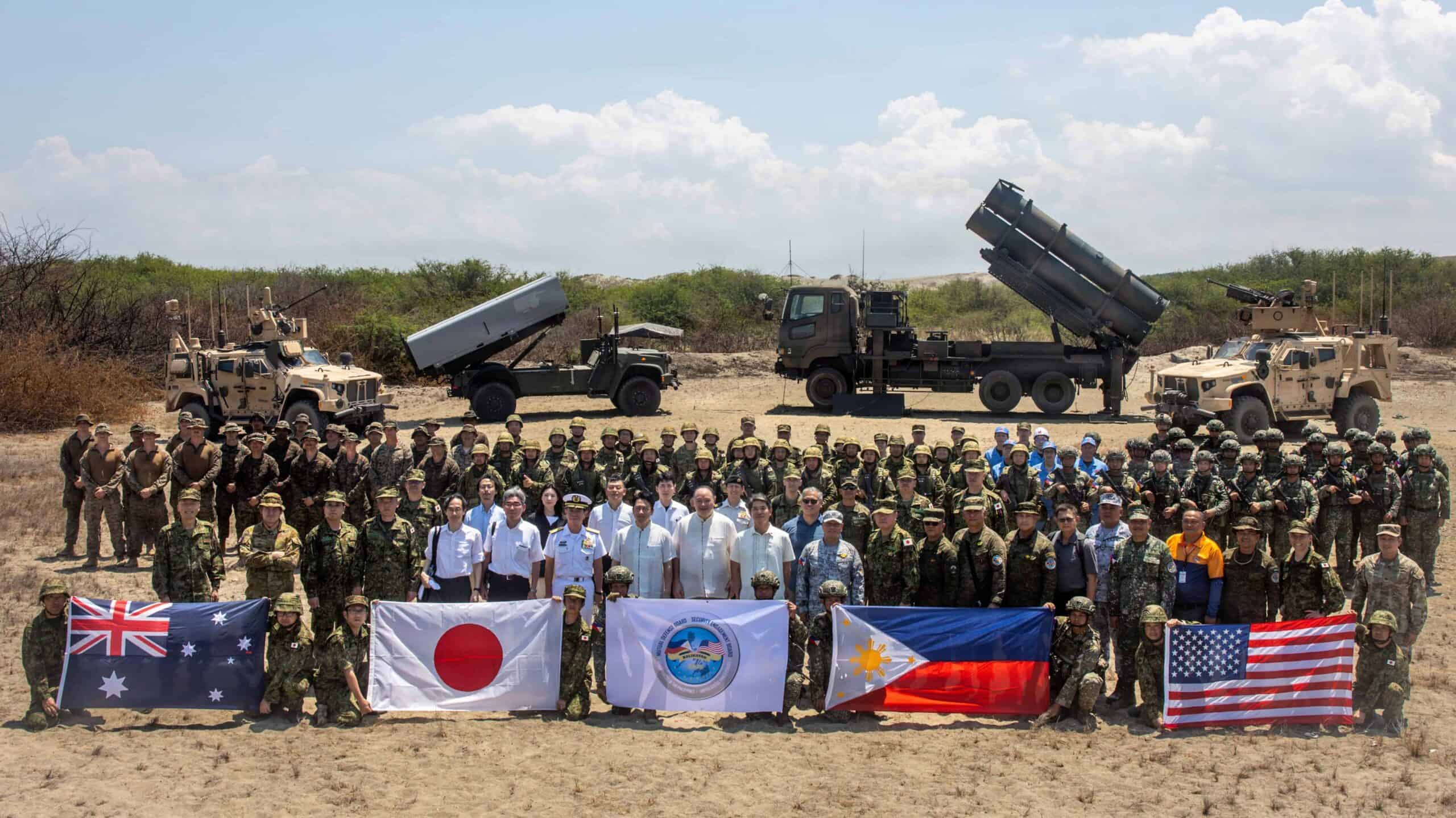
Japanese defense minister Shinjiro Koizumi visited the Philippines during Balikatan, attending the successful test of his military’s Type 88 missile system.
“As the international security environment becomes increasingly complex and tense, cooperation between Japan and the Philippines as strategic partners is becoming ever more important,” Koizumi told reporters on the sidelines of the exercises. “Japan remains humbly committed to further deepening defense cooperation with the Philippines and providing together to ensure peace and stability in the region.”
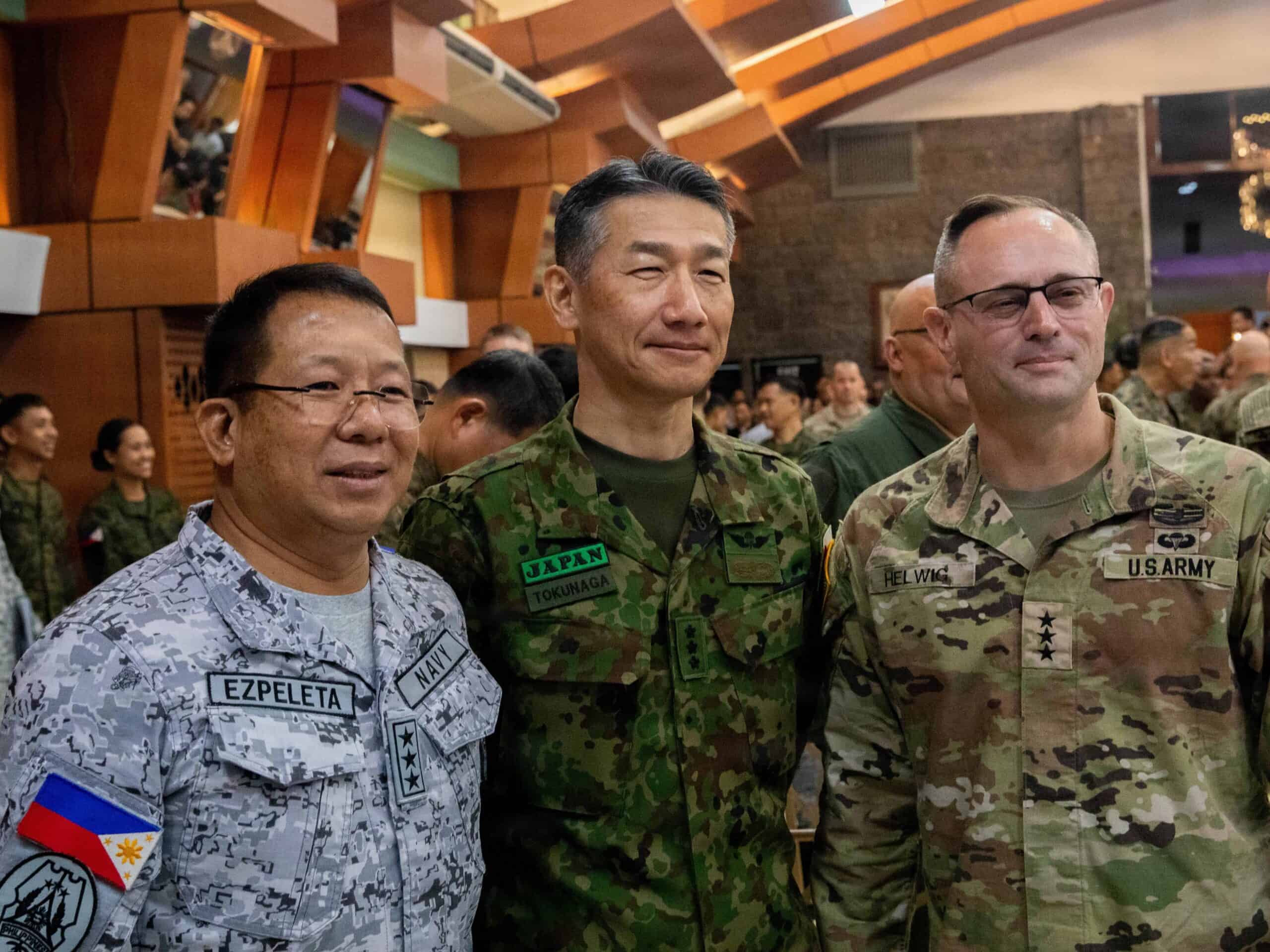
The Philippine defense chief, Gilberto Teodoro, Jr., was more direct in his words. Teodoro condemned China’s recent “vilification” of Japan, saying it was Beijing’s attempt to “smoke screen what they themselves are despicably doing right now.”
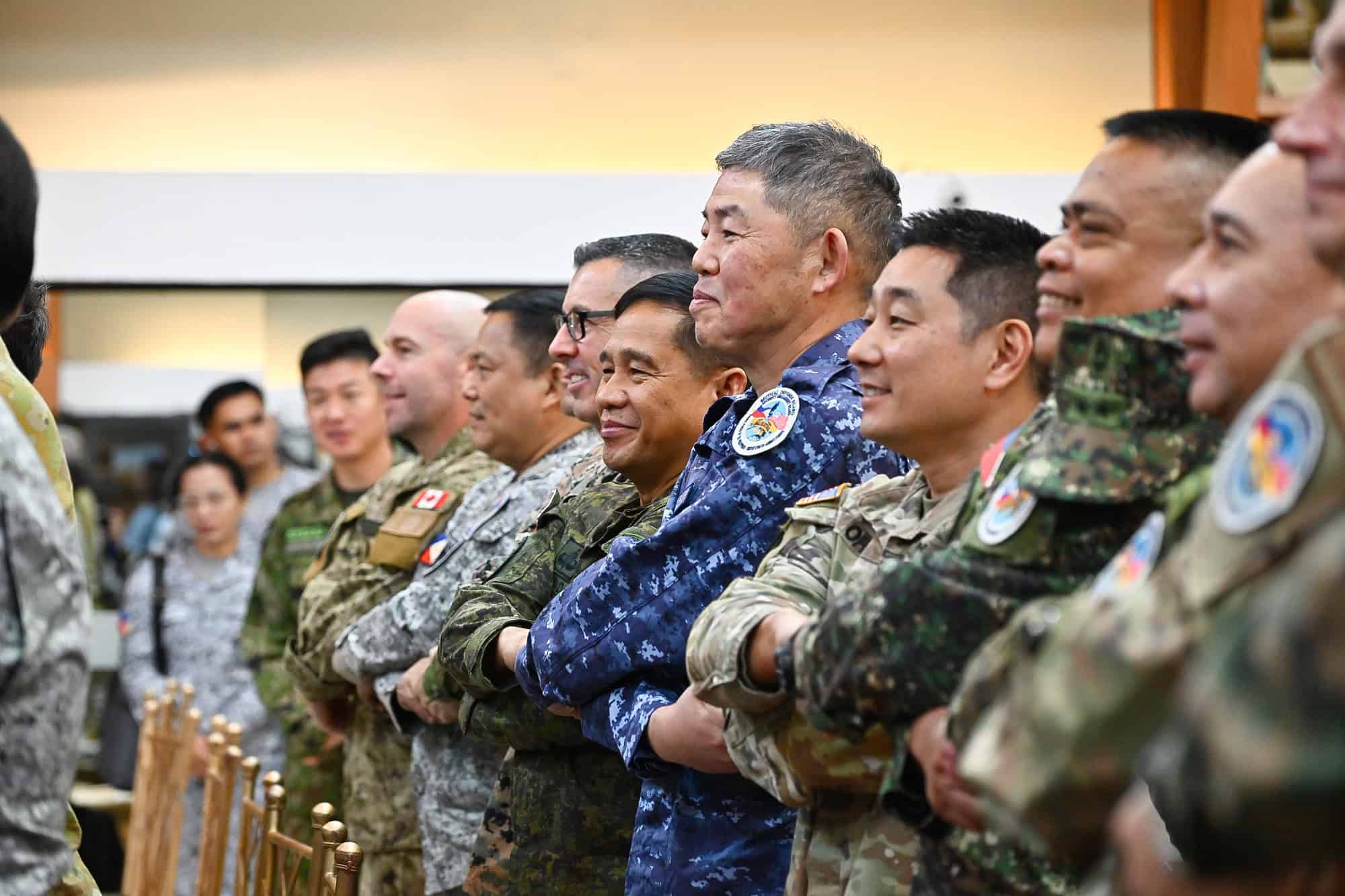
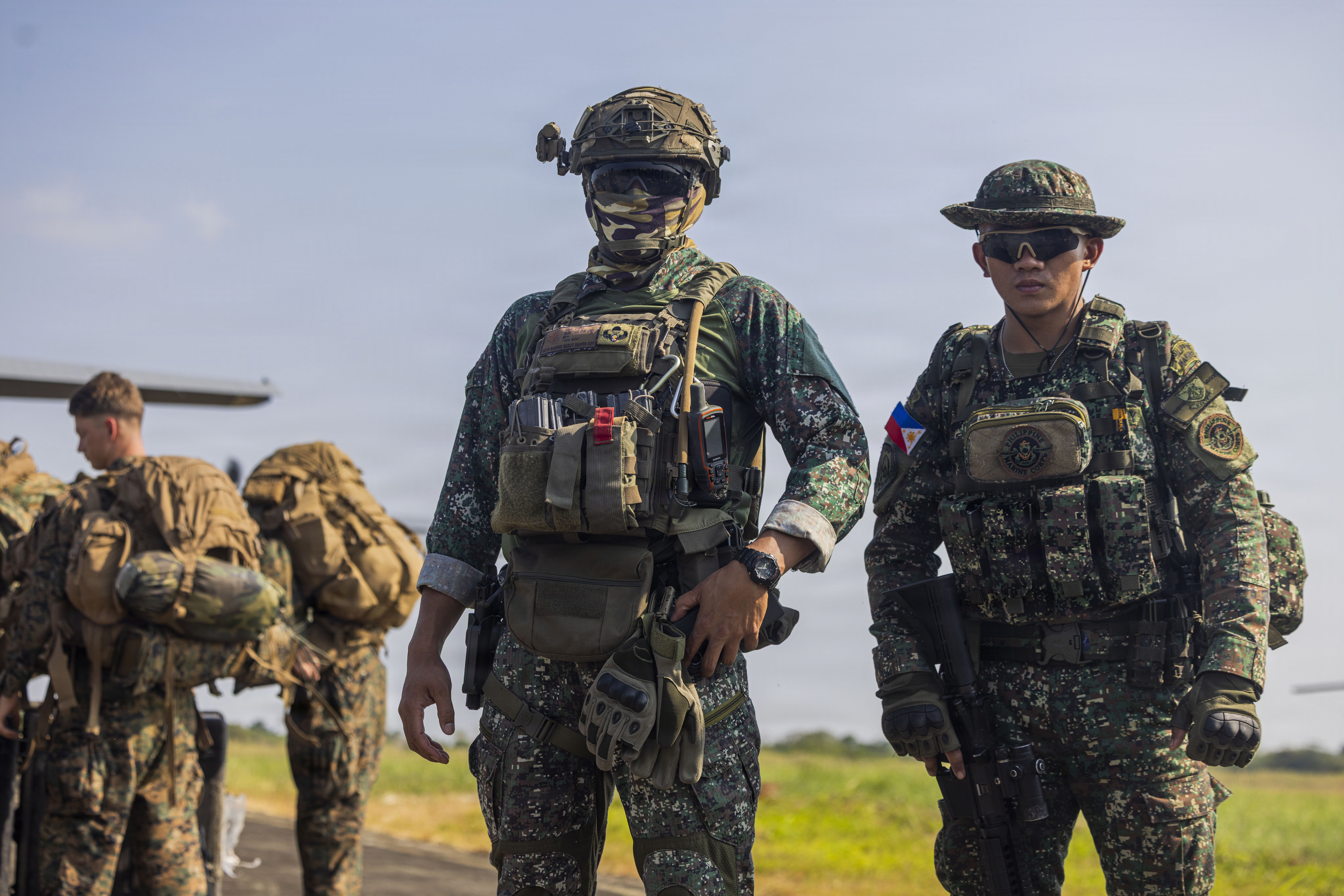
In addition to the Philippines, the U.S. and Japan, Balikatan’s other participants included Australia, Canada, France and New Zealand. The seven nations collectively contributed around 17,000 troops total, as well as an unprecedented number of military assets.
Japan’s 1,400-strong contingent was the third largest after those contributed by the Philippines and the U.S. It was drawn from the Self-Defense Forces’ ground, sea and air forces and also included cyber-warfare specialists. Japanese forces’ high interoperability with U.S. troops raised the bar for all the allied troops involved, according to participants.
Lt. Gen. Aristotle Gonzales, commander of the Philippine military’s Northern Luzon Command, said Japanese troops “were able to see how they can interoperate … not just with American forces, but with the Armed Forces of the Philippines.”
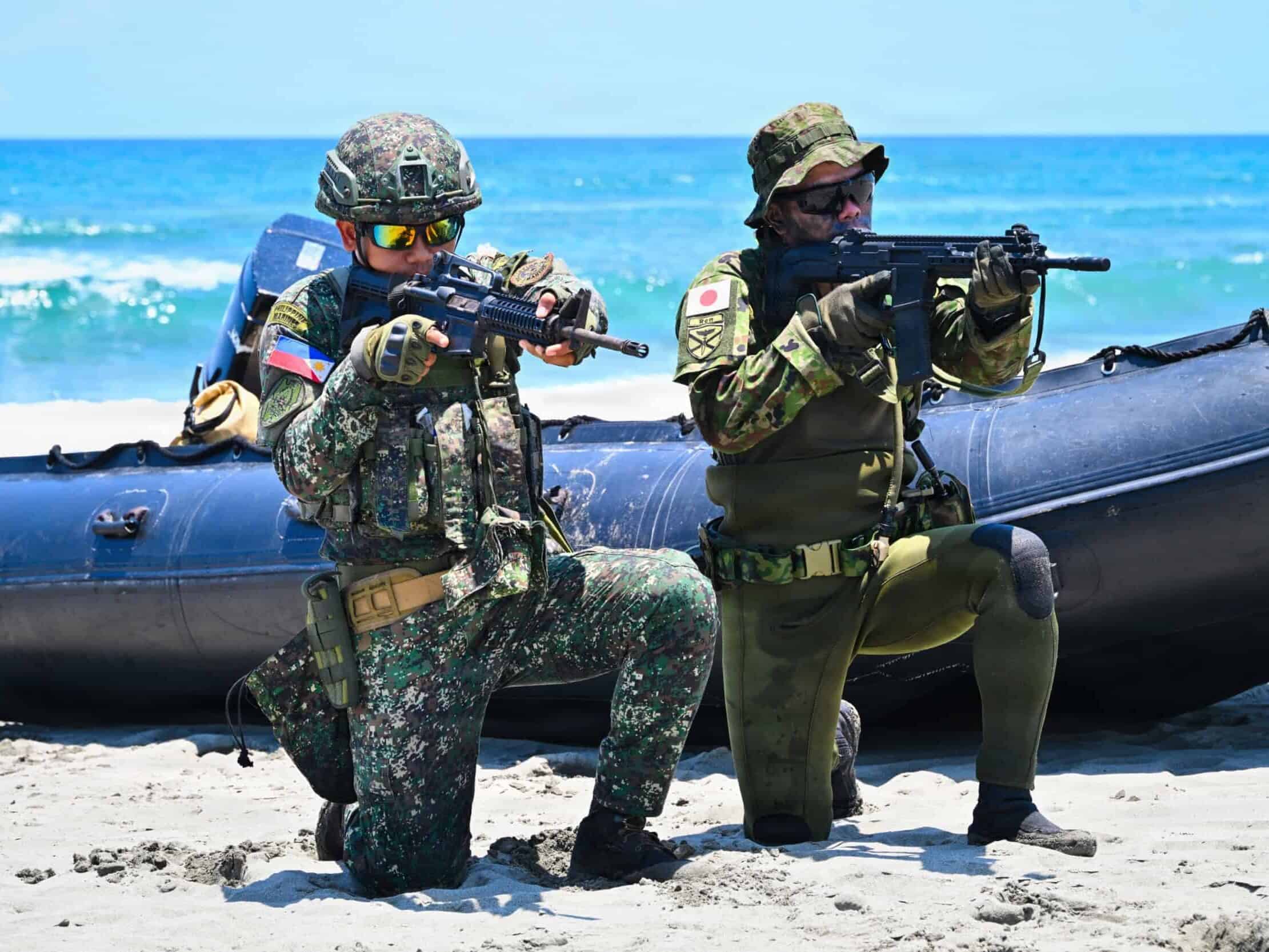
“It is a very great experience for us,” said Col. Sho Tomino of the Japan Ground Self-Defense Force’s Amphibious Rapid Deployment Brigade. “I believe we made our bond, ‘shoulder-to-shoulder’ bond, strong.”
Officially, the three-week exercise was not aimed at any particular country. But given that they were heavily focused on Philippine territory just to the south of Taiwan, there was no doubt who Balikatan’s unnamed adversary was.
Like Taiwan, the Philippines and Japan both govern territory claimed by Beijing. For Manila, the challenge has been aggressive actions by Chinese naval, coast guard and fishing boats in what it calls the West Philippine Sea (and Beijing the South China Sea) that have given the PLA effective control of many islets and reefs in its territorial waters.
Tokyo must also regularly fend off Chinese encroachment on the Senkaku Islands, known as the Diaoyu in China, as well as repeated violations of its air defense identification zone. In late 2024 a PLA reconnaissance plane breached Japanese airspace.
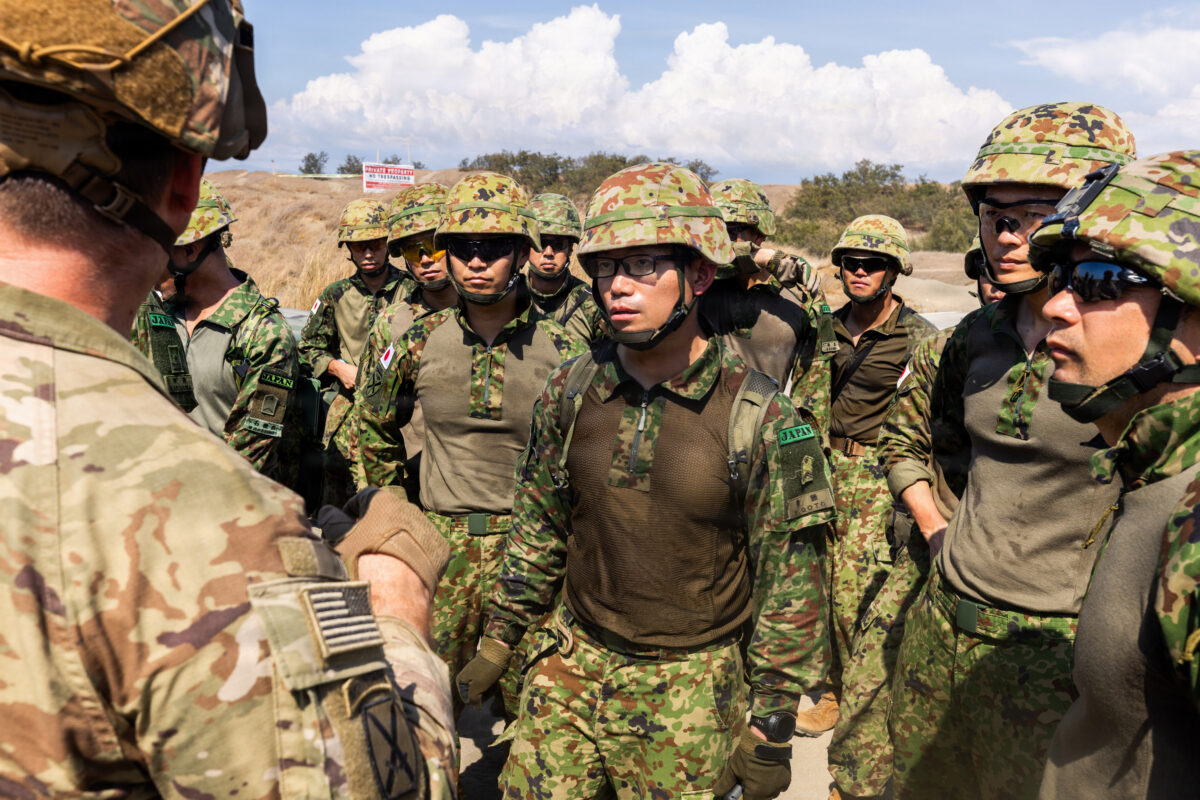
Japan boasts one of Asia’s, if not the world’s, best militaries even with the constitutional restraints imposed upon it, making it a major concern for China in the event of conflict over Taiwan.
“China increasingly has to factor in a more forward-leaning Japan that is keen to strengthen defense cooperation with like-minded countries and play a regional security role,” said Bonnie Glaser, managing director of the Indo-Pacific Program at the German Marshall Fund of the United States.
“The combination of larger deployments such as at Balikatan, missile testing and sustained budget growth signals that Japan is moving from a strictly defensive posture toward one with counterstrike and regional contingency roles. That complicates PLA planning by widening the geographic scope and increasing the risk of multi-front coordination.”
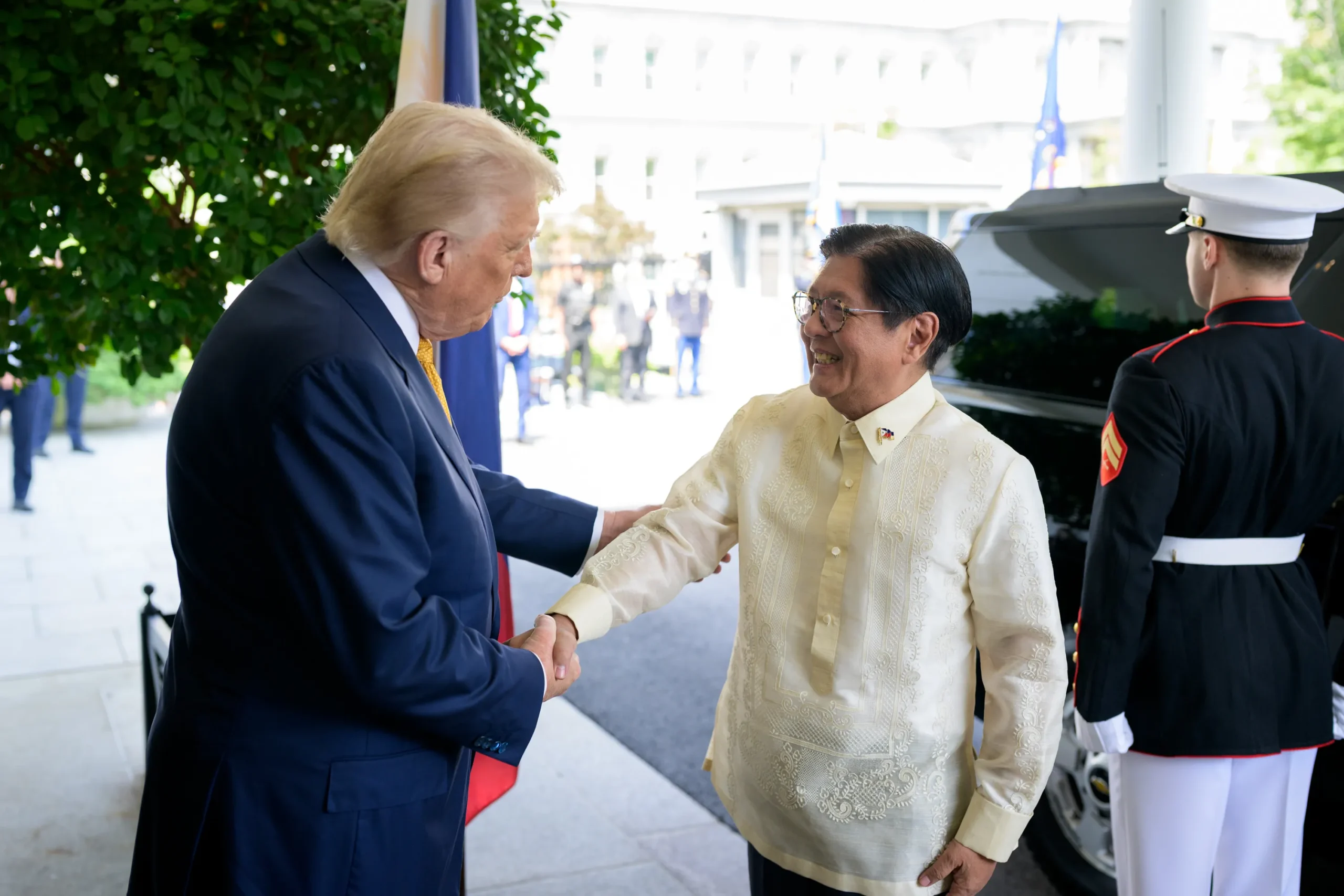
In April 2024, Philippines President Ferdinand Marcos Jr and then Japanese Prime Minister Fumio Kishida met with President Biden at the White House for the first-ever trilateral summit between the three countries.
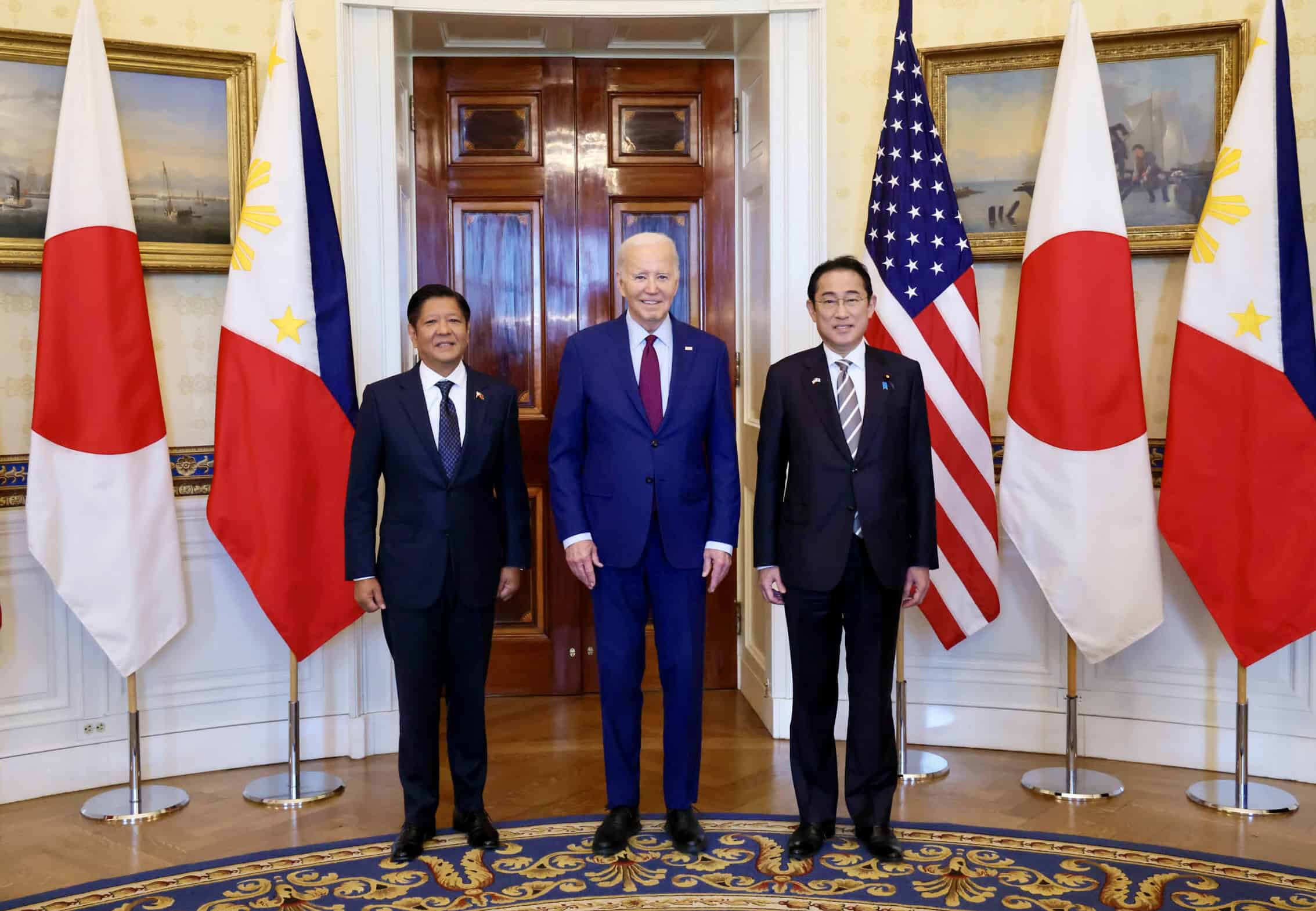
A joint statement by the three leaders pledged closer economic and security cooperation, while also calling out China for its incursions into Philippine and Japanese waters, as well as its threats against Taiwan.
“A new trilateral chapter between our three nations begins today,” the statement said. Less than three months later, the Philippines and Japan signed a Reciprocal Access Agreement (RAA) to facilitate the stationing of troops and military equipment on each others’ territory. The RAA, which went into effect in September 2025, is the first such agreement that Japan has signed with another Asian country, let alone one it invaded during World War Two.
After its victory in the Pacific theatre, the U.S. created the “hub and spoke” framework that has underpinned security in East Asia ever since. This was built on American mutual defense agreements with South Korea, Japan, Taiwan and the Philippines. Unlike NATO in Europe, however, America’s East Asian allies have no defense commitments to each other. The U.S. abrogated its MDA with Taiwan when it dropped recognition of the Republic of China as as a precondition for establishing diplomatic ties with the People’s Republic of China in Beijing in 1979.
A NEW ORDER
The hub-and-spoke model served its purpose for decades. It secured a lasting peace that facilitated the region’s economic development, including China’s.
In January of this year, following on from their RAA, Tokyo and Manila signed an Acquisition and Cross-Servicing Agreement (ACSA) that, once ratified, will dramatically alter the security environment in the First Island Chain.
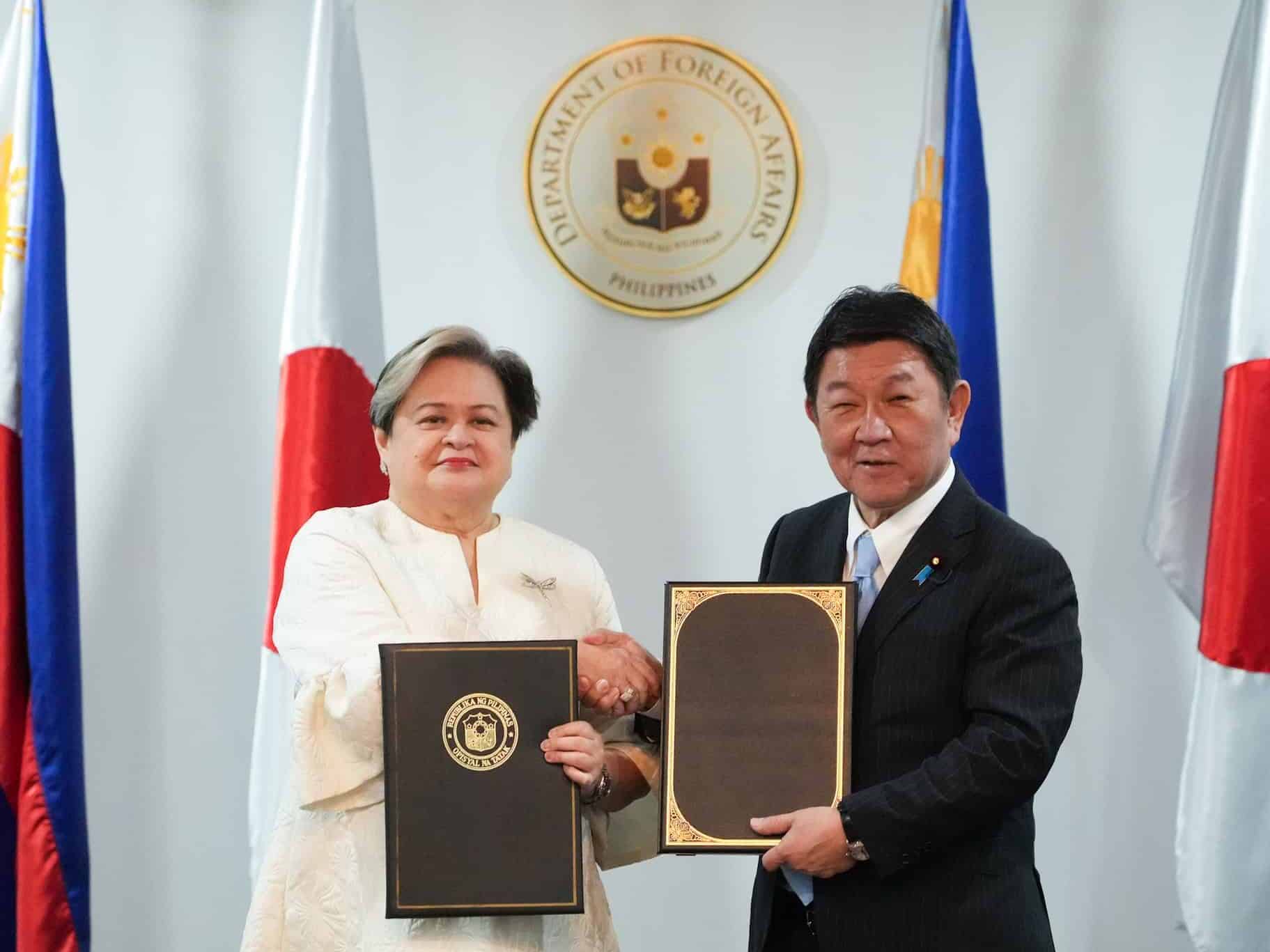
Athena Tong, a researcher at the University of Tokyo and the China Strategic Risks Institute, said the region is seeing “an unprecedented evolution toward a quasi-alliance structure.”
“The RAA and ACSA together represent something qualitatively different from what came before,” Tong told The Wire China.
While the RAA creates the legal basis for the Japanese and Philippine militaries to operate in each other’s territory, the ACSA, Tong says, “is what converts that presence into operational depth.
“It resolves the logistics problem: fuel, ammunition, supplies, and sustainment,” she adds. “Without it, joint operations are exercises. With it, you have a genuine mutual support capability.
“What that means, in a Taiwan contingency, is that the northern Philippines and the southwestern Japanese islands become a single, mutually supporting operational space.”
Taiwan, Japan and the Philippines occupy critical positions along the First Island Chain. A structured trilateral mechanism would not only secure our own sovereignty and resilience but also contribute to the peace and prosperity of the entire Indo-Pacific.
Kuan-ting Chen, a DPP legislator and member of the Foreign Affairs and National Defense Committee
As a result, China can no longer assume that Tokyo and Manila will have to wait on Washington before choosing to act in concert to aid Taipei.
“The architecture now exists for simultaneous, coordinated action with forces legally able to deploy to each other’s territory and logistically able to sustain each other once there,” she said. “That markedly moves the needle on deterrence calculus.”
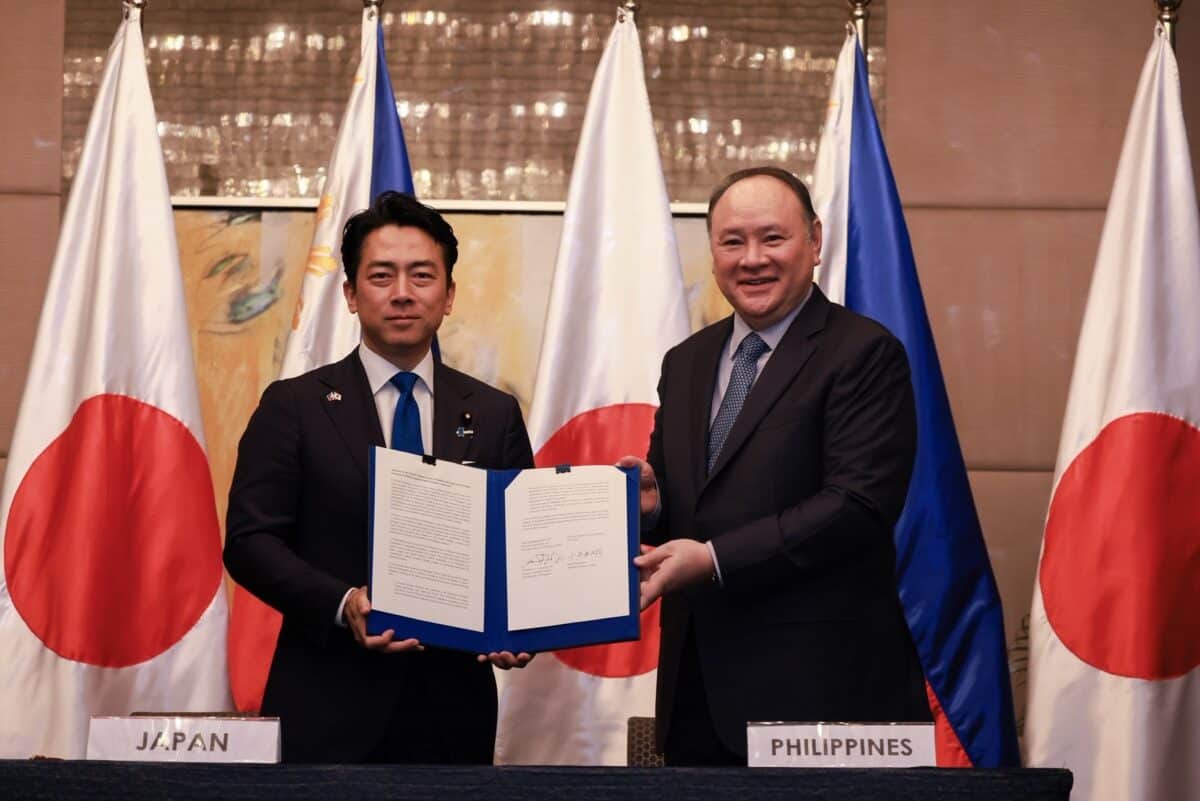
Last August Philippine defense minister Teodoro said in a Facebook post that cooperation with Japan “is about protecting the world order … with our Armed Forces working side-by-side, we build not just military strength, but trust and resilience that keep our region safe.”
By standing together, he added, “we send a clear message: those who try to bend the rules for themselves will face a united front.”
Speaking to reporters afterward, Teodoro said that China was the driving force behind growing military cooperation between Manila and Tokyo. “We share the same challenges [as] Japan, and there’s no denying that,” he said.
A few months earlier in Manila, Japan’s then prime minister, Shigeru Ishiba, told reporters that “Japan and the Philippines have become partners, as close as allies,” while Marcos hailed a new “golden age” in the relationship.
MAXIMIZING MINILATERALS
China has long-feared the emergence of a U.S.-led “Asian NATO”, and the evolving relationship between Japan and the Philippines does not constitute a meaningful step towards one. Instead it appears more likely that “minilateral” agreements will be what underpins the region’s changing security order.
Hungary’s determination to block NATO aid to Ukraine when Viktor Orban was still in power highlights one downside of larger alliances. Minilaterals, by contrast, are more nimble and efficient.
“The Philippines does not have the military or diplomatic gravitas to deal with China on its own,” Rommel Jude Ong, a retired Rear Admiral with the Armed Forces of the Philippines, told The Wire China. “It needs to collaborate with like-minded states, aside from the U.S. This leads to minilateral arrangements, which might include Japan, Australia, or possibly even South Korea and Taiwan.”
With regard to Japan specifically, Ong said, its RAA and ACSA with the Philippines provides the mechanism that is needed for increased bilateral security engagement and cooperation.
“You need,” he says, “a concert of democracies working together on the maritime security front and … enhancing economic resiliency to counter China’s tendency to leverage its economic heft to co-opt or coerce neighboring states to align with its interests.”
Sino-Japanese ties are at a low point following Beijing’s furious response to Japanese Prime Minister Sanae Takaichi’s comments, shortly after she assumed office last year, that an emergency for Taiwan would be an emergency for Japan. Beijing’s outrage notwithstanding, Takaichi was merely stating the obvious. Japan’s Ryukyu Islands are only 110 kilometers, or 65 miles, from Taiwan. The Miyako Strait, located within the Ryukyu Chain, is also an important passage through the First Island Chain for China’s navy.
As with Japan, a Chinese attack on Taiwan would all but certainly drag the Philippines into the hostilities. The 185-kilometer (115-mile) Bashi Channel, situated between the Philippines’ Batanes Islands and Taiwan, is another waterway of paramount importance to Chinese military planners.
So long as it maintains its de facto independence, Taiwan acts as an important buffer state for the Philippines.
Chinese control of the island, Ong says, “would place the Philippine archipelago within striking distance of Chinese forces from Taiwan.
“Even in a conflict with limited objectives — the northernmost islands of the Philippines would likely be occupied to allow China to assert sea control over the Bashi Channel. Holding on to this channel is essential for China, to be able to navigate towards Taiwan’s east coast and to seize the critical port of Kaohsiung.”
Underscoring Ong’s point, the Philippines’ northernmost islands, the Batanes, hosted some of this year’s Balikatan drills, which were focused on deterring hostile naval forces.
THE TIP OF THE SPEAR: TAIWAN
Last November in Taiwan, President Lai Ching-te proposed a $40 billion special defense budget that would procure asymmetric weapons and air defense systems from the US, while also investing heavily in Taiwan’s domestic defense industry. Central to the latter would be drones.
The budget had been blocked in Taiwan’s parliament by the opposition Chinese Nationalist Party, or Kuomintang, and its smaller ally, the Taiwan People’s Party. KMT chairwoman Cheng Li-wun met with Xi Jinping in Beijing last month, and has been vocal about her opposition to bolstering Taiwan’s defenses. On May 8, the KMT and TPP passed a watered-down version of the budget that was only about 60 percent of the original proposal, cutting crucial funding to boost Taiwan’s homegrown defense industry.
While Cheng is turning the KMT into a proxy for Beijing, Lai’s pro-sovereignty Democratic Progressive Party is closely aligned with the U.S., Japan and other democracies.
Since 2021, the DPP and Japan’s ruling Liberal Democratic Party have held annual “2+2” dialogues, in which party officials and legislators exchange views on economic security and regional defense. The party-to-party framing is a fig-leaf that allows both sides to say they are not conducting official government-to-government meetings.
“This kind of structured political dialogue reflects a growing institutionalization of trust,” Kuan-ting Chen, a DPP legislator and member of the Foreign Affairs and National Defense Committee, told The Wire China.
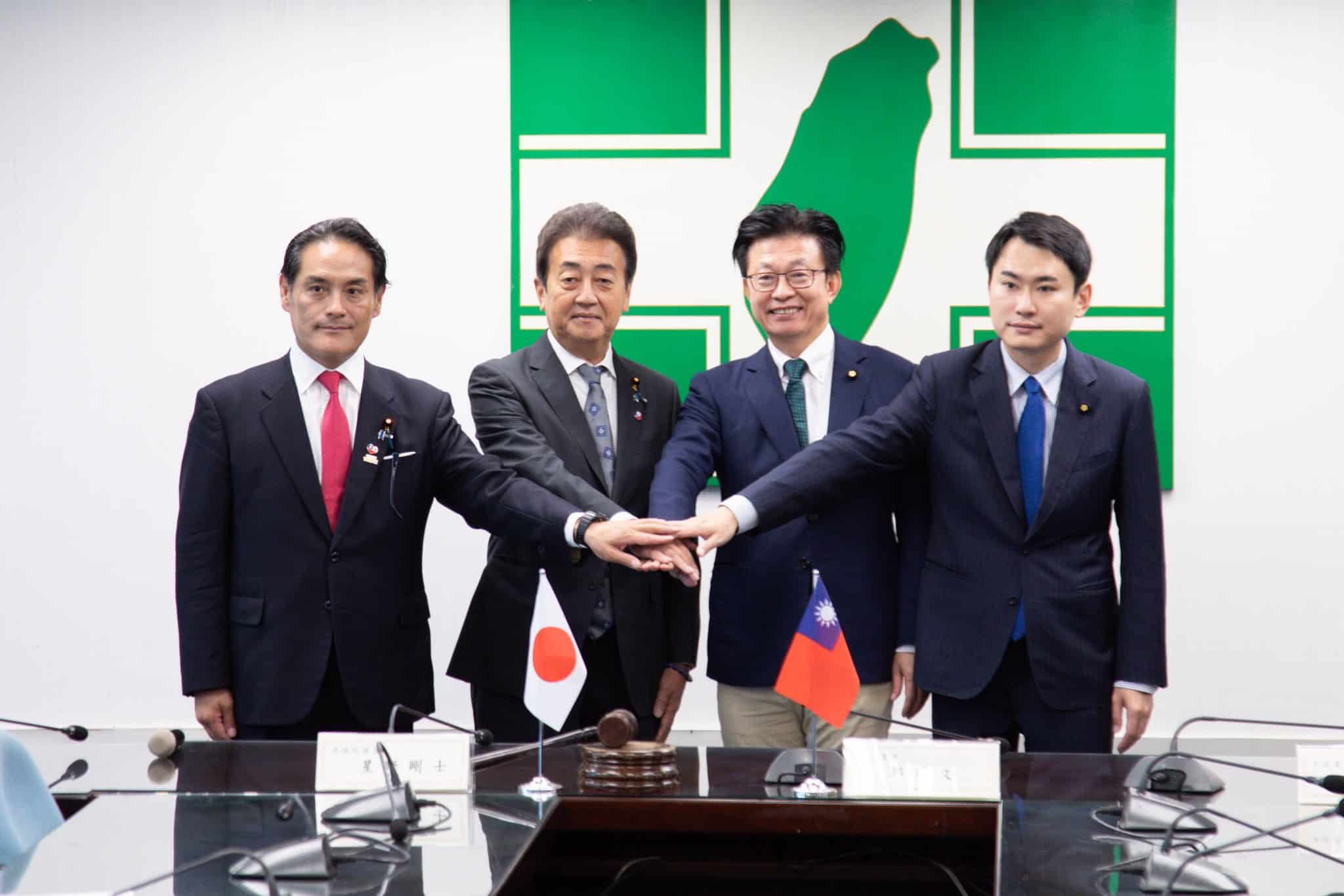
“Both sides are exploring ways to strengthen information, surveillance, and reconnaissance sharing, particularly around the Miyako Strait, which is strategically significant for monitoring Chinese military movements,” Chen said. “Taiwan and Japan may not share a land border, but we are linked by the sea, which naturally creates opportunities for joint governance and security cooperation.”
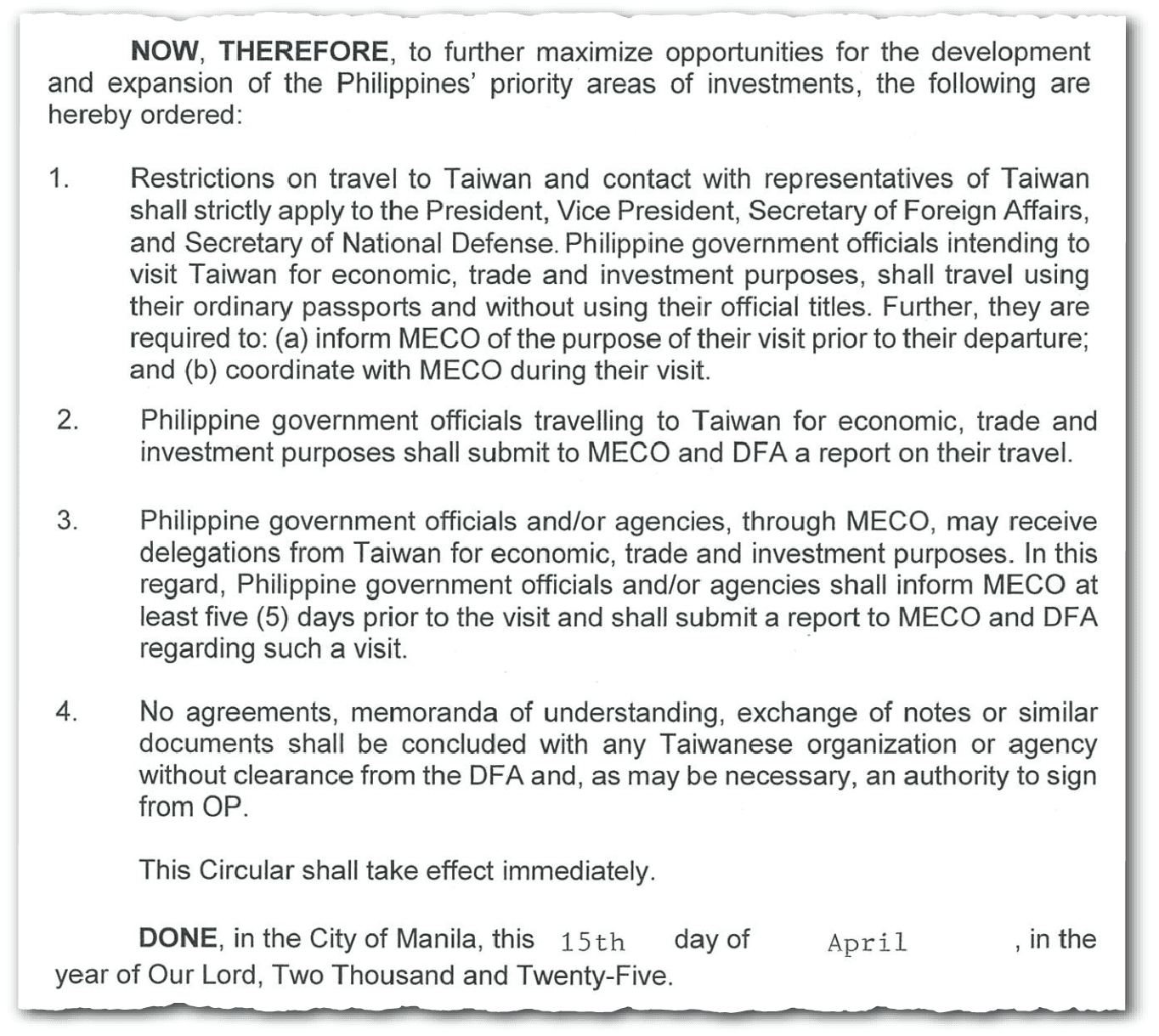
Taiwan and the Philippines, meanwhile, already maintain a disaster release cooperation mechanism, providing a foundation for collaboration on security issues. Last year, President Marcos loosened decades-old restrictions on Philippine officials’ ability to interact with their counterparts in Taiwan.
“Taken together, these developments indicate that Taiwan’s relationships with both Japan and the Philippines are moving from informal and ad hoc cooperation toward more structured and institutionalized channels,” Chen said.
Taiwan’s foreign ministry has also been actively engaging its neighbors. In August, in a coup for Taipei, Taiwan Foreign Minister Lin Chia-lung led a diplomatic and business delegation to Manila.
The breakthrough came shortly after Lin led a similar group to Japan, where he met with Japanese legislators including soon-to-be prime minister Takaichi. In response, Beijing claimed that Tokyo was “providing a stage for anti-China separatist activities” and postponed a meeting between Japan and China’s agricultural ministers.
The decisive variable is whether Beijing interprets a given measure as crossing red lines — itself a function of Chinese strategic culture, leadership psychology and the broader political moment.
Ryosuke Hanada at Macquarie University in Australia
According to Chen, the nascent Taiwan–Philippines–Japan defense partnership could evolve into a comprehensive regional security framework including the sharing of surveillance resources in the Miyako Strait and Bashi Channel, joint coast-guard exercises, and Philippine participation in Taiwan and Japan’s 2+2 talks.
“The rationale is clear,” Chen said. “Taiwan, Japan and the Philippines occupy critical positions along the First Island Chain. A structured trilateral mechanism would not only secure our own sovereignty and resilience but also contribute to the peace and prosperity of the entire Indo-Pacific.”
Ong, the retired Philippine rear admiral, envisions future cooperation between the three democracies on defense, critical supply chains and naval shipbuilding.
While shared concerns about China are uniting America’s traditional partners in the First Island Chain, the Trump administration’s commitment to safeguarding the chain is less certain, especially given its fixation on — and diversion of military resources to — the Middle East during his second term.
“Tokyo, Taipei and Manila are conscious of U.S. overstretch and political uncertainty, so building regional capacity is a form of insurance,” says Tong of Tokyo University.
“Increased Chinese coercion in the East and South China Seas — and around Taiwan — has accelerated cooperation among Japan, the Philippines and Taiwan,” adds Glaser. “While it is likely true that uncertainty about U.S. reliability has led regional actors to diversify their security partnerships, there’s also a sense that this coordination was overdue given shared vulnerabilities.”
GAUGING CHINA’S RED LINES
While Japan, the Philippines and Taiwan remain committed to increased cooperation vis-a-vis China, the biggest “known unknown” this raises is at what point their informal alliance could go too far for Beijing and trigger the very attack on Taiwan it is intended to deter.
“Whether minilateral arrangements can accumulate to a point that triggers desperation in Beijing depends, in my view, primarily on Chinese perception and only secondarily on the depth of the partnerships themselves,” says Ryosuke Hanada at Macquarie University in Australia. “The decisive variable is whether Beijing interprets a given measure as crossing red lines — itself a function of Chinese strategic culture, leadership psychology and the broader political moment.”
At the heart of this dilemma is the notion that rising powers lash out when they fear that their enemies are pushing them into a corner from which it will be hard, if not impossible, to escape.
Hanada points to the cycle of escalation between Imperial Japan and the U.S. in 1940 and 1941, in which “each step that Washington or Tokyo considered calibrated and below the threshold of provocation was perceived in the other capital as aggressive beyond what was intended.” Japan’s expansion into northern Indochina in 1940, for example, prompted the Roosevelt administration’s first round of export restrictions. Then Tokyo’s move into southern Indochina in July 1941 prompted an asset freeze and a full oil and gasoline embargo. The resulting strategic suffocation, many historians believe, inspired Japan’s attack on Pearl Harbor and other U.S. territories.
“The general lesson — that measures intended to deter can instead accelerate a spiral toward war — seems to me a robust one,” Hanada said. “Whether it transposes cleanly onto twenty-first-century China is a question I genuinely cannot answer, particularly given the additional variable introduced by U.S. conduct in Venezuela and Iran, which has presumably reshaped Beijing’s reading of U.S. resolve and risk tolerance.”

Chris Horton is a Taipei-based journalist and author of the book Ghost Nation: The Story of Taiwan and its Struggle for Survival (Macmillan, 2025). His writing has appeared in Bloomberg News, The New York Times, The Atlantic, Nikkei Asian Review and elsewhere. Prior to arriving in Taiwan in 2015, Chris lived and worked in China for 15 years, in Shanghai, Kunming, and Hong Kong. @heguisen