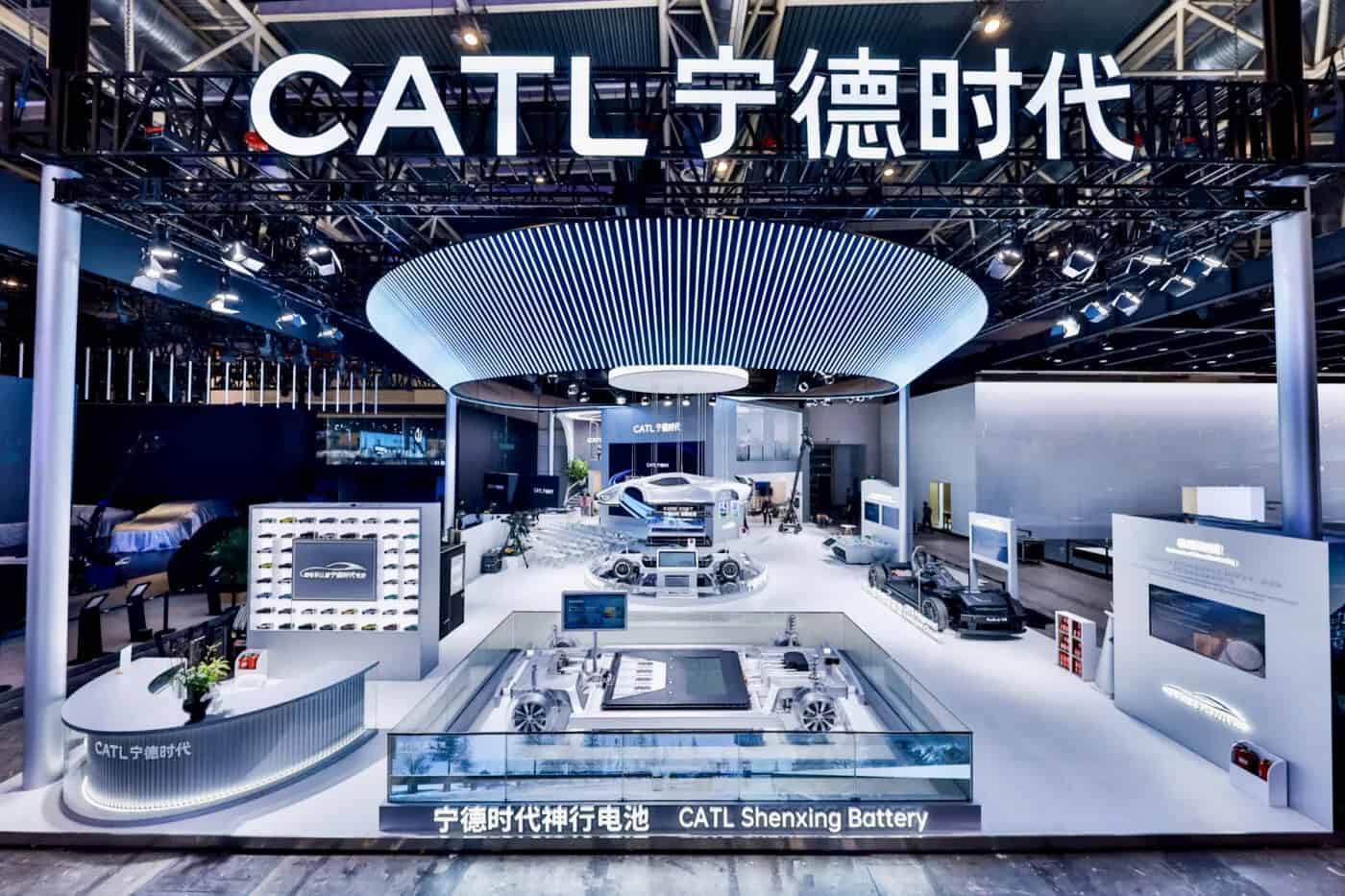
Good evening. When China and the Democratic Republic of Congo negotiated a massive investment agreement, it predictably involved two large Chinese state-owned enterprises, China Railway Group and Sinohydro. The deal was coveted by the DRC’s then president, Joseph Kabila, and granted China access to gold, cobalt and copper in return for investments in three highways, a railway and other infrastructure. Less predictable was the involvement of Huayou Cobalt, a private-sector company founded by a former bean-sprout seller turned commodities king, Chen Xuehua. In an excerpt from his new book, The Elements of Power, Nicolas Niarchos tells how the agreement was negotiated and charts Huayou’s unlikely rise. Chen bred ducks and long-haired rabbits before starting his beansprout business; afterwards, he turned his hand towards nickel and cobalt oxide extraction and built a global mining empire stretching from Africa to Indonesia and Korea.
Also in this week’s issue: Manus AI on the move; BYD’s China woes; J. Michael Cole on Taiwan, the “tinderbox” nation; don’t give up control of China-made connected energy systems, warn Francesca Ghiretti and Conlan Ellis; and David Webb, RIP.
Want this emailed directly to your inbox? Sign up to receive our free newsletter.
Digging into Congo
Washington’s man in Kinshasa was not happy. When China and the Democratic Republic of Congo signed an ambitious infrastructure-for-commodities swap in 2008, the U.S. ambassador went “berserk, calling us names and so on”, a former adviser to then DRC President Joseph Kabila tells Nicolas Niarchos in an excerpt from his new book. The adviser is unapologetic, arguing that China would eventually use what it mined in Congo for products the U.S. would later buy from its chief geopolitical rival — “so it’s a holistic thing”.
Catch Me If You Can
A week after Meta announced it was joining forces with China-founded but now Singapore-based Manus AI, an AI agent developer, the Chinese commerce ministry confirmed that it plans to review the $2 billion deal. Noah Berman, Eliot Chen and Rachel Cheung chart how Manus’s efforts to sever its ties with China and move to Singapore enabled both its rapid international growth and its deal with Meta, which has forced Beijing to examine whether it can retain control of its leading AI companies.
Home Field Disadvantage
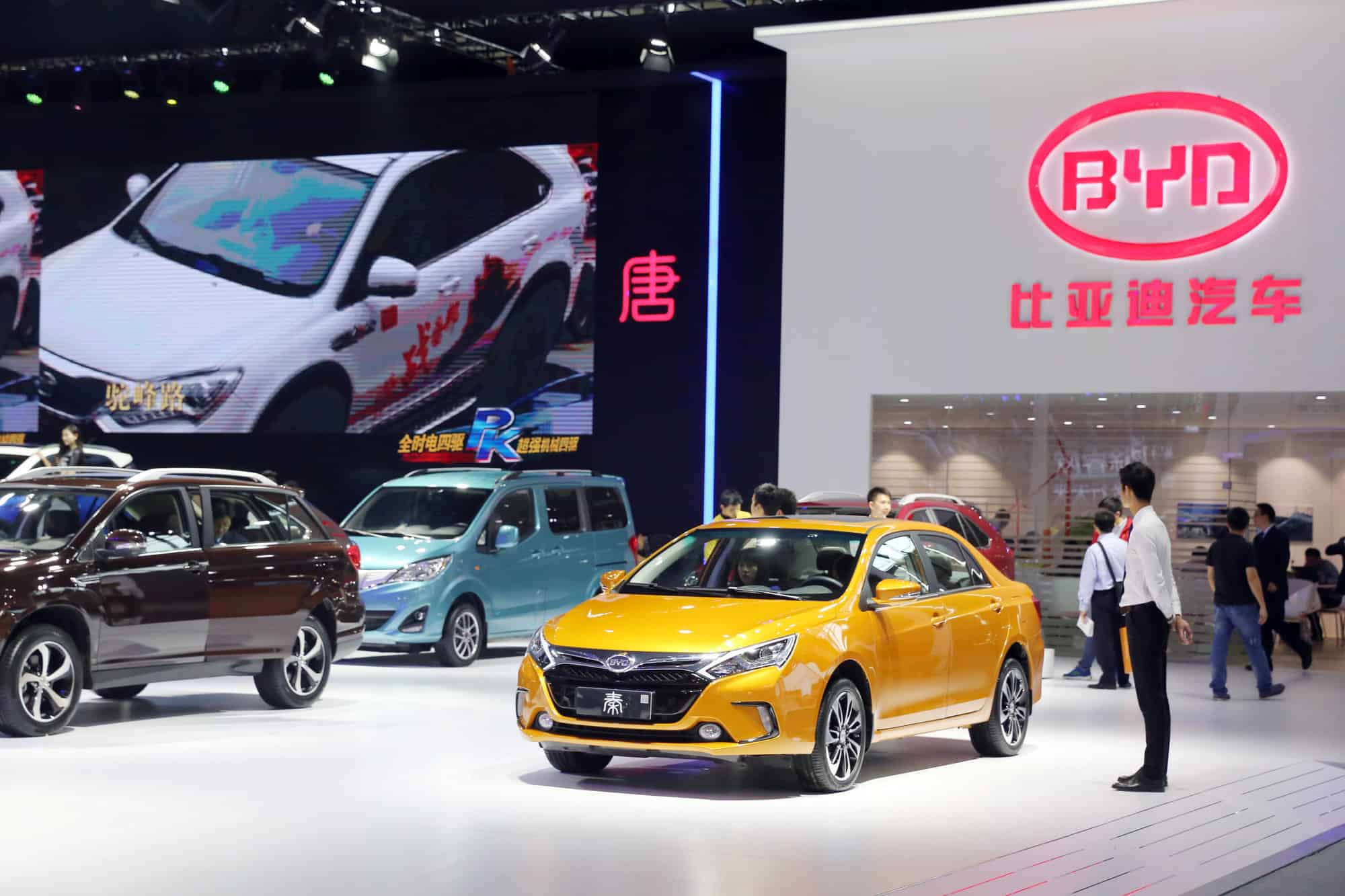
BYD, which last year eclipsed Tesla as the world’s biggest seller of electric cars, is struggling at home of all places. BYD’s third quarter profits fell 33 percent, Savannah Billman writes in The Big Picture, despite 30 per cent price cuts rolled out in May 2025. Chinese rival Geely is looming largest in BYD’s rear-view mirror. In 2024 BYD sold twice as many vehicles as its Hangzhou-based rival, which also owns Volvo. Last year BYD sold only about 20 percent more units than Geely.

A Q&A with J. Michael Cole

J. Michael Cole, a former Canadian intelligence analyst, moved to Taiwan 20 years ago and is author of the The Taiwan Tinderbox: The Island-Nation at the Centre of the New Cold War, published in September.
In a conversation with Brent Crane, Cole discusses his worst and best-case scenarios for Taiwan; the implausibility of any peaceful unification with China; and why, if necessary, the U.S. should defend the island if Xi Jinping tries to take it by force. “If you abandon a state to aggression by a regional hegemon, the leadership will regard this as weakness [and] will not stop there,” he argues.
J. Michael Cole
Illustration by Kate Copeland

It’s the Connectivity, Stupid
As China’s massive economies of scale drove down the unit prices of electric vehicles, batteries, wind turbines and solar panels, other countries — willingly or unwillingly — largely resigned themselves to buying these technologies from Chinese manufacturers. But, warn Francesca Ghiretti and Conlan Ellis, China’s customers should not overlook the technologies that connect and control these devices and are vital to national security.
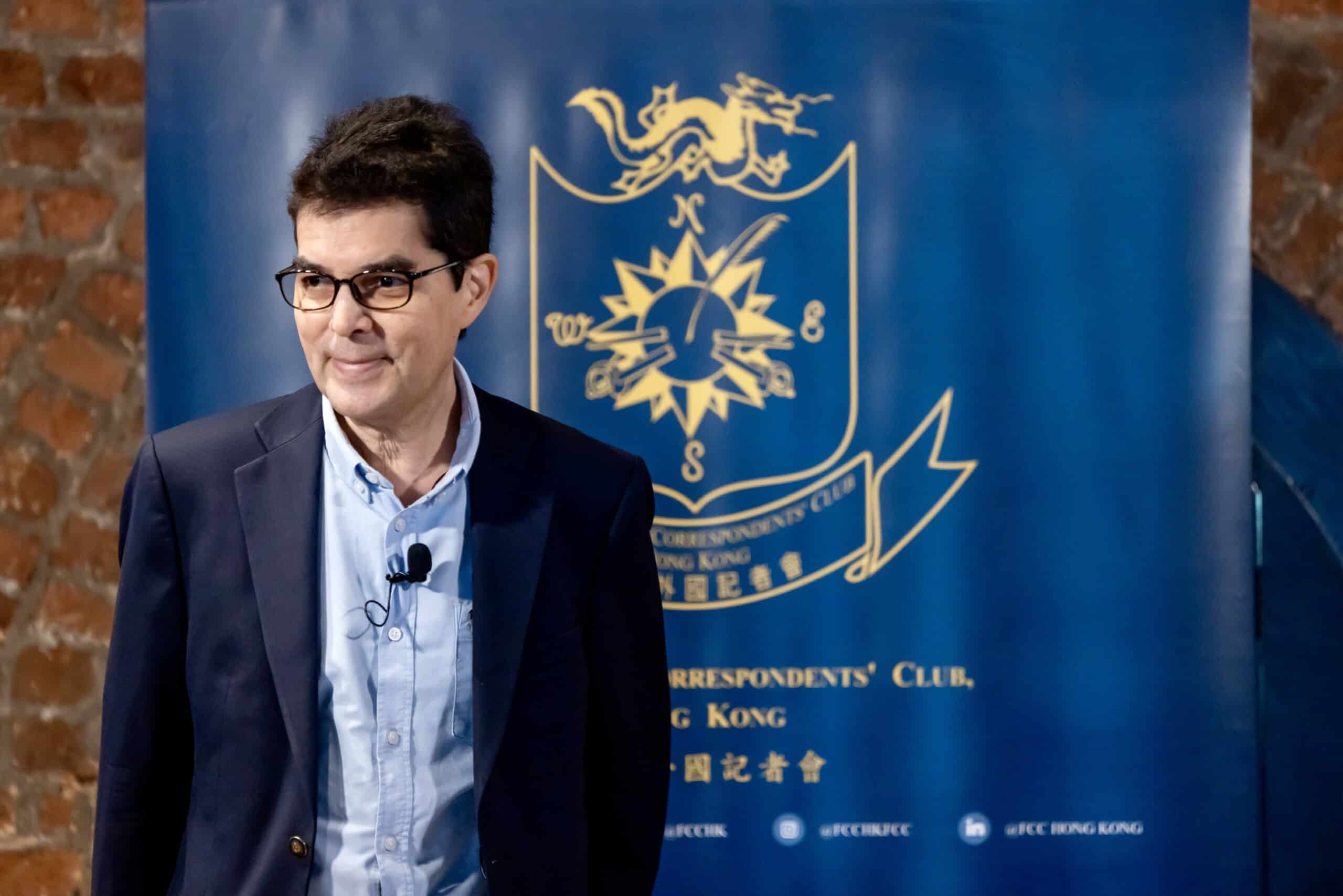
David Webb, 1965 – 2026
David Webb, who for years fought for fairer markets and better-run companies in Hong Kong, passed away on January 13, 2026. In remembrance, we are resurfacing this article about his career, first published in May 2025.
Subscribe today for unlimited access, starting at only $25 a month.