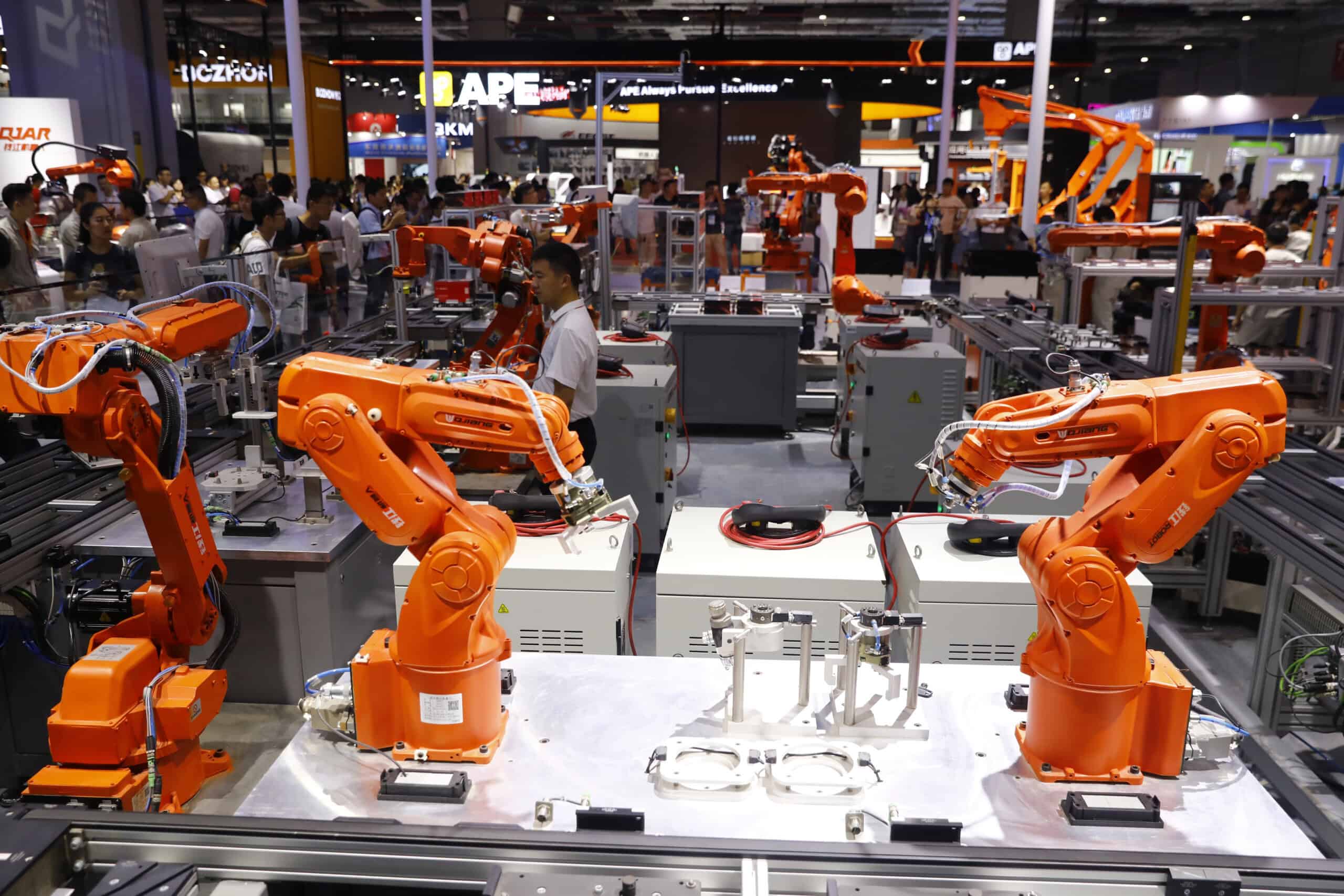
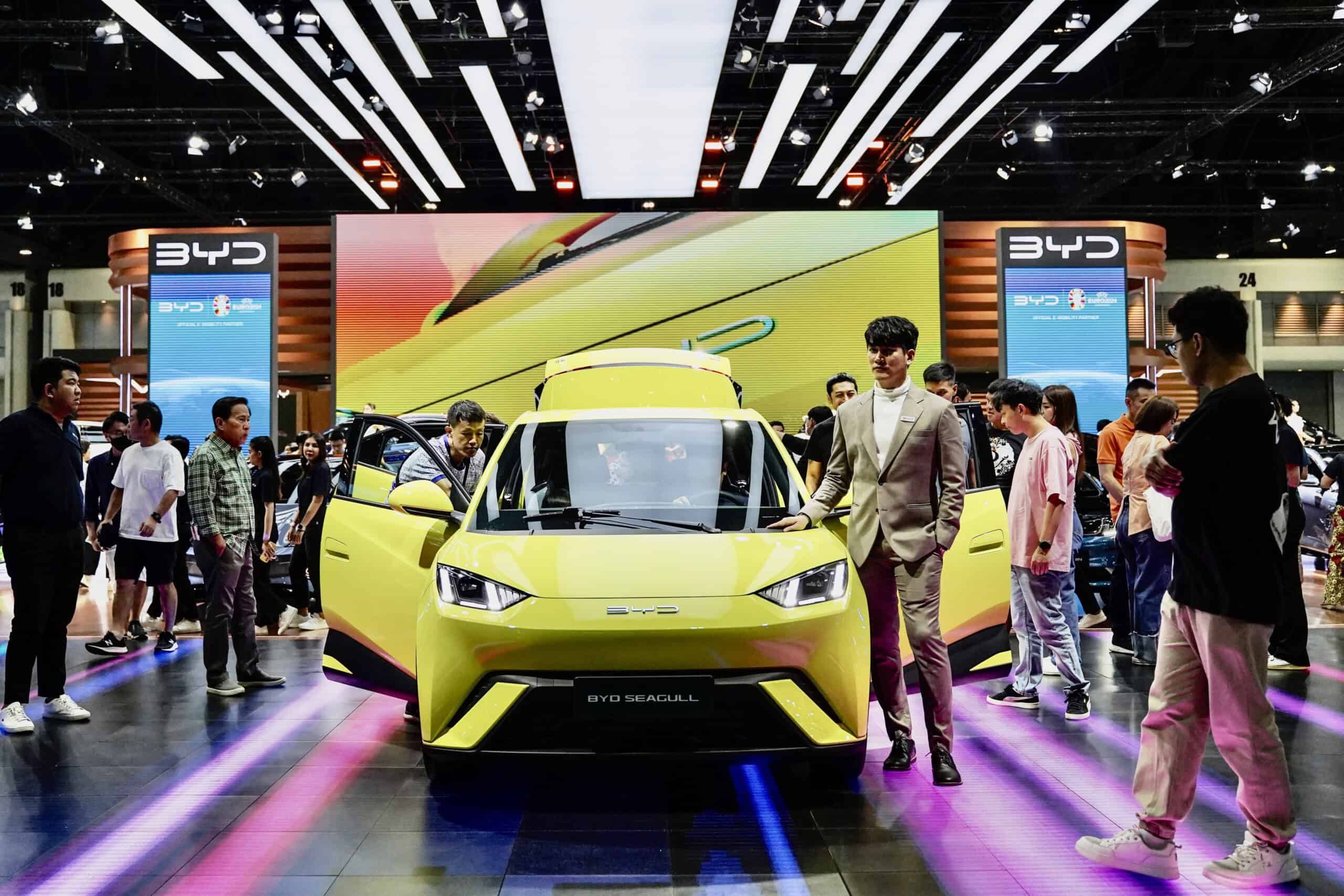
Good evening. When stuck in traffic in Bangkok or any other major Southeast Asia city, one might think that Japan and not the U.S. won World War Two. Toyotas, Nissans and other Japanese cars are everywhere — an economic victory stemming from Japanese car makers’ aggressive investments across the region beginning in the 1960s. In doing so, Japan’s leading auto manufacturers accelerated away from their American competitors, whose early efforts to secure a foothold in the region were comparatively half-hearted. But now, as Sean Williams writes in our cover story, it is the Japanese who are under threat — from Chinese electric vehicles. Led by BYD, the sales of Chinese auto makers are surging across the region as they challenge the decades-long dominance of Japan’s largest car companies. The declining market shares of the latter also reflect a larger angst afflicting Japan Inc about its ability to out-innovate China’s industrial complex in a range of critical new technologies.
Also in this week’s issue: Chinese chip company IPOs; the graduates vs AI; Cheng Lei on her harrowing three years in prison; and Lizzi Lee on reasons for the U.S. to keep its chin up.
Want this emailed directly to your inbox? Sign up to receive our free newsletter.
A Rude Awakening
Japanese companies, a Japanese entrepreneur tells The Wire China in this week’s cover story, are great at “production technology — but not innovative technology”. The country’s carmakers pioneered the hybrid gas-electric sector but were slow to pursue fully electric vehicles, in part because these depended upon a China-centered supply chain. Having rushed into the vacuum, BYD and other Chinese EV makers are now taking sales from Japanese companies in countries across Southeast Asia whose markets they have long dominated. Can they recover — or is the present Chinese surge across the region just the beginning of an already decided future?

A Happy New Year for Chinese Chip IPOs
It is a bull market for Chinese chip companies, with Moore Threads and MetaX raising $1.1 billion and $600 million respectively last month. The 2026 pipeline for chip-related initial public offerings is also looking strong, Savannah Billman notes in The Big Picture, thanks in part to recently relaxed listing requirements. Investors are betting that companies in this and other sectors that the Chinese Communist Party wants to prosper will do exactly that.
Competing with AI
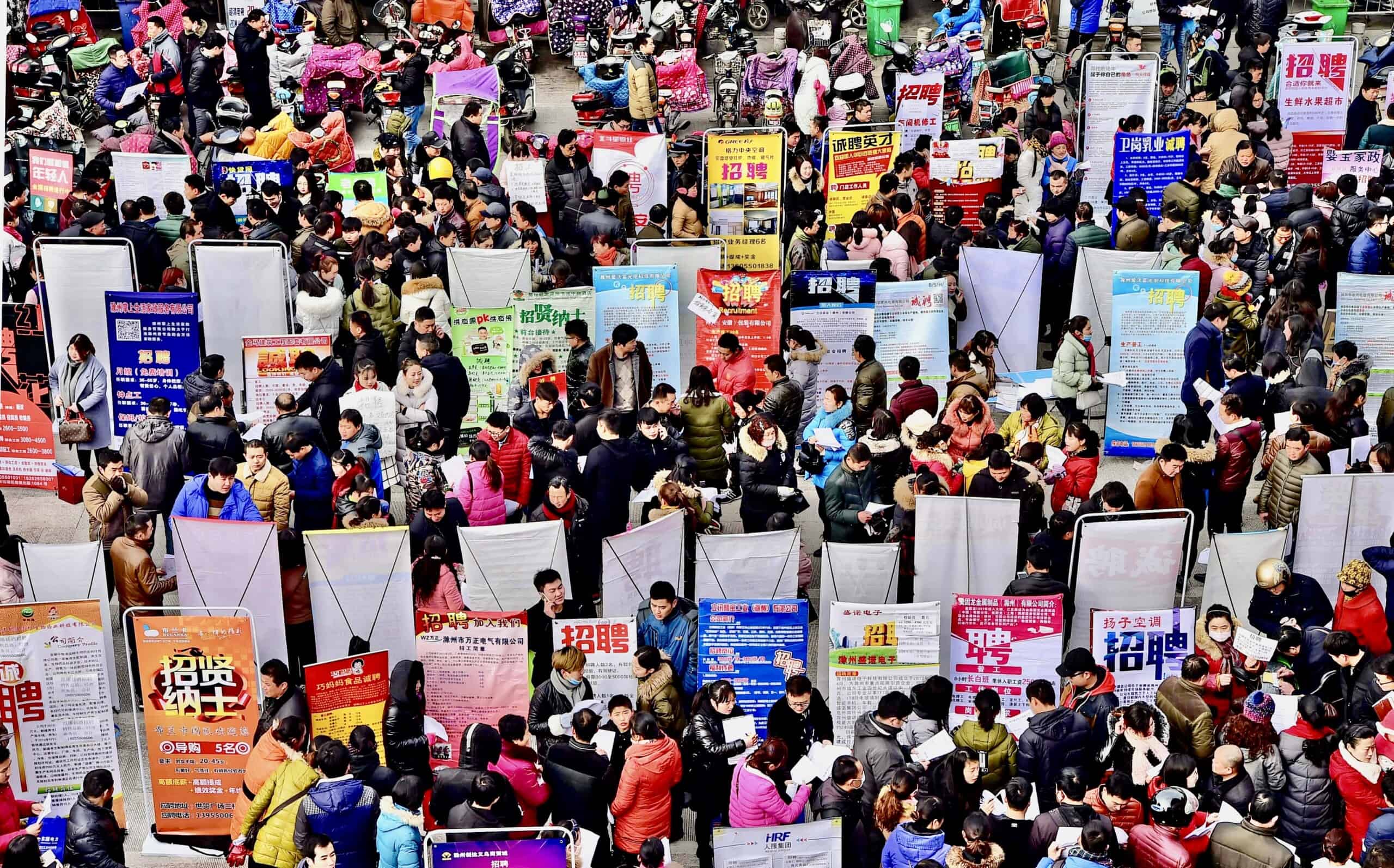
This year 12.7 million Chinese university graduates will enter a labour market in which 17 percent of youths aged 16 to 24 are unemployed. By contrast only about five million graduates will enter the U.S. job market. Artificial intelligence, Rachel Cheung writes, could make Chinese graduates’ job hunts even tougher — except, that is, for those who can master AI-related skills. It is a delicate challenge for the Chinese Communist Party, which wants to dominate the AI future but is also wary of an army of unemployed made bigger by the technology.

A Q&A with Cheng Lei

The Australian journalist Cheng Lei spent three years in Chinese detention pining for her two young children and husband — a heartbreaking experience chronicled in her recent account Cheng Lei: A Memoir of Freedom.
In this week’s Q&A, Cheng speaks to Eliot Chen about her ordeal, her previous work for China Global Television Network and her outlook for Sino-Australian relations. Her experience taught her that “when you accept everything is like a river you can make peace with suffering and loss, which is a much better way to think than to expect life is all about a series of joys”.
Cheng Lei
Illustration by Kate Copeland
America’s China Angst
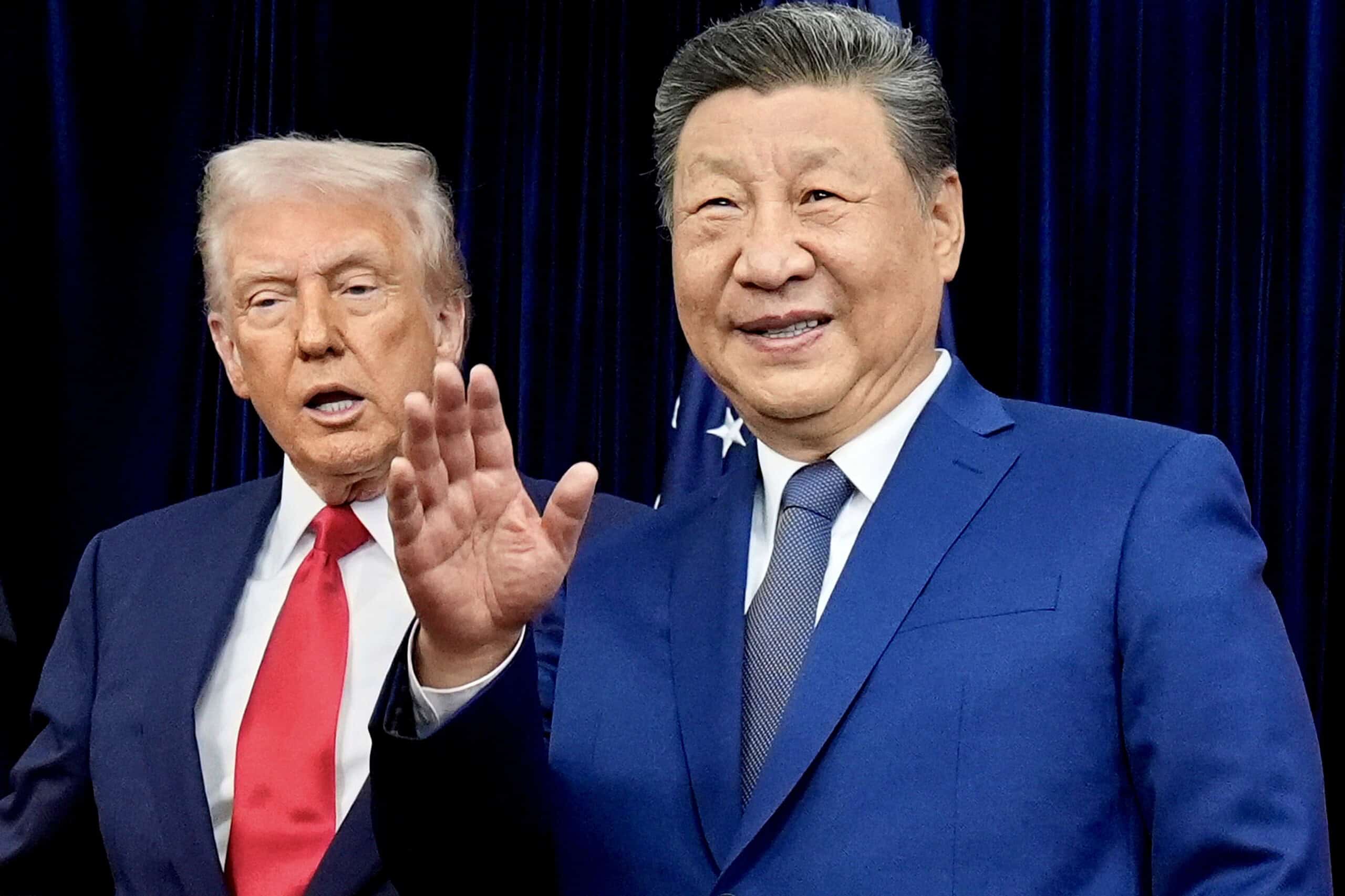
There is a gathering sense of pessimism in the U.S. vis-a-vis its ability to compete against China, Lizzi Lee writes in our op-ed column. The challenge is real, she argues, but the anxiety is overdone and “risks becoming self-fulfilling”.
Subscribe today for unlimited access, starting at only $25 a month.