Good evening. There are the Summer and Winter Olympics, and then there are Olympic Games that really matter — such as the Biotechnology Olympics. The last contest, held every autumn in Paris, is formally known as the International Genetically Engineered Machine (iGEM) and invites teams of high school and university students from around the world to demonstrate excellence in the field of synthetic biology, or bioengineering. For our final cover story of 2025, Eliot Chen visited this year’s iGEM in October. He writes that China’s enthusiasm for the event says a lot about its broader scientific and technological ambitions — and the energy and determination with which it sets out to achieve them. Unlike similar Olympiads for chemistry and physics, which limit the number of teams any one country can send, iGEM lets nations send as many teams as they can. China, predictably, has flooded the zone and now dominates participation at iGEM, which was originally conceived by three professors at the Massachusetts Institute of Technology. Many believe that iGEM presages a future in which China, not the U.S., is the world’s dominant biotech power.
Also in this week’s issue: Alberto Moel on China’s robot gap and The Big Picture on its would-be rocket catchers; an interview with Manila’s man in D.C.; and George Magnus on another disappointing annual economic work conference.
Want this emailed directly to your inbox? Sign up to receive our free newsletter.
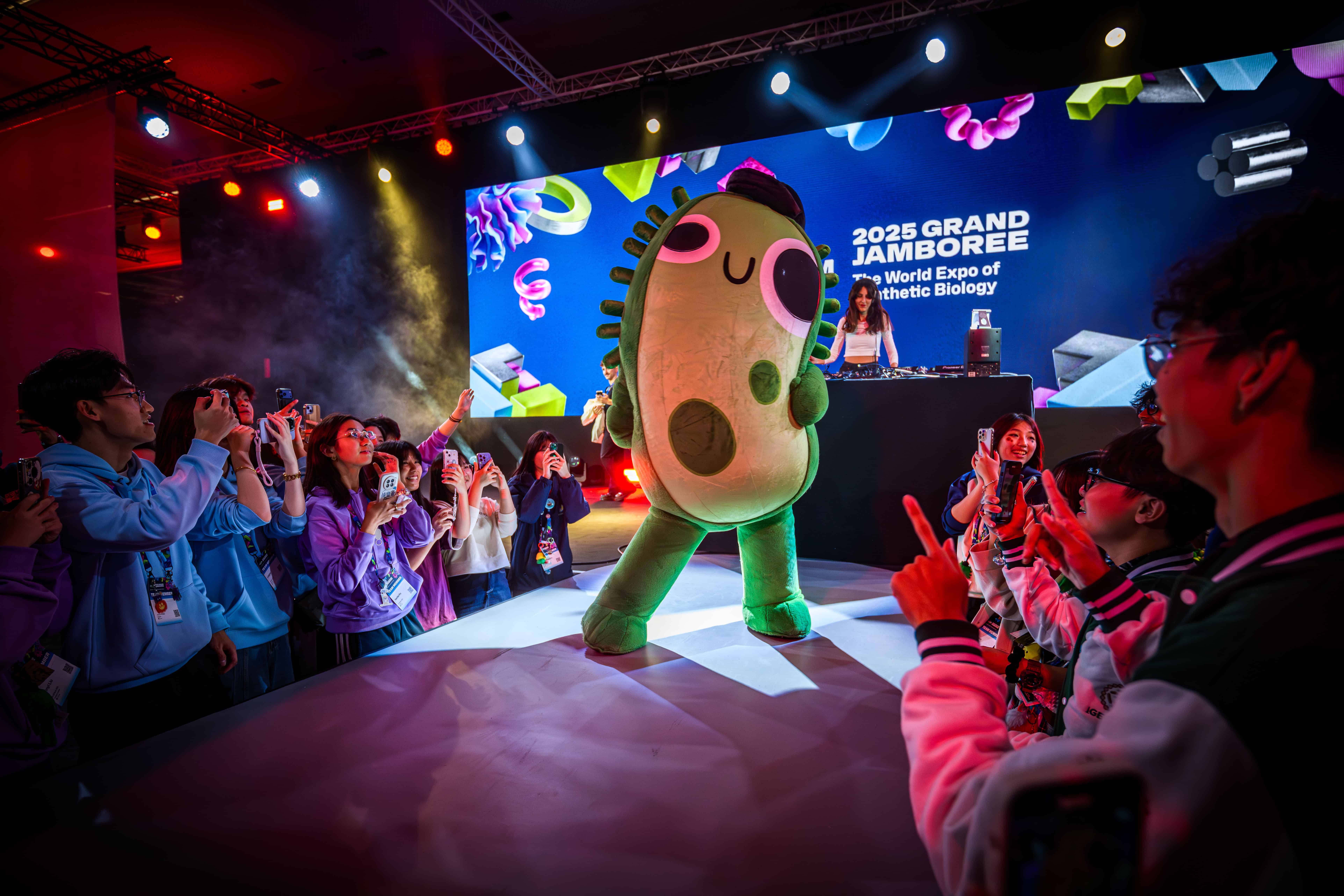
Forget Lake Placid 1980 and Beijing 2008, iGEM 2025 is the Olympics that really matters
Synthetic biology is basically the application of engineering solutions to biological problems. The world’s premier student “Olympics” contest for the field is known as iGEM and was originally envisaged at M.I.T. As such iGEM is surely not the first good thing (nor will it be the last) to come out of America’s leading technology school that was more appreciated by Chinese politicians and policymakers than U.S. ones. Eliot Chen visits the halls of this year’s iGEM and explores the event’s past, present and future, the last of which increasingly appears to be China-bound.
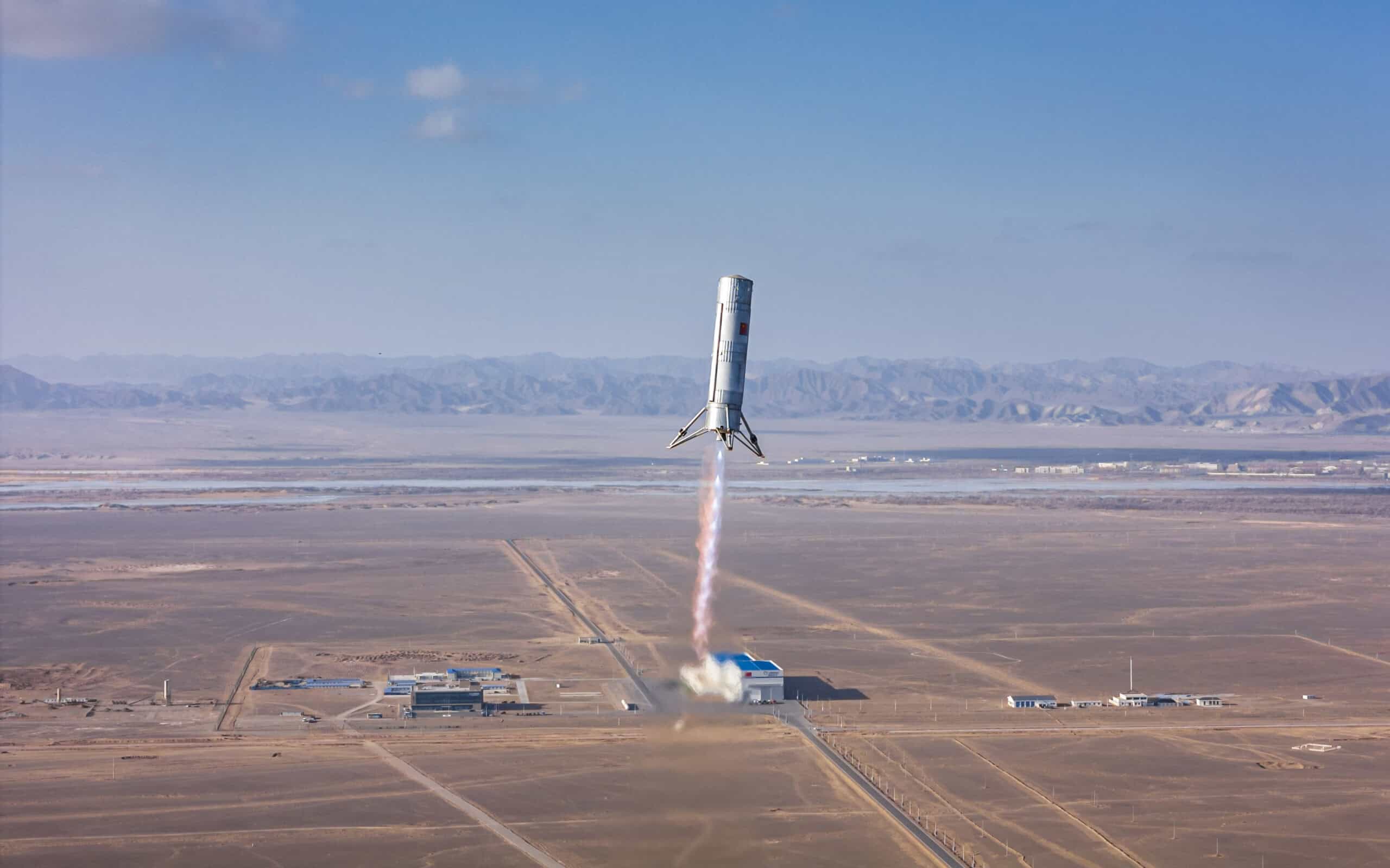
Close but no rocket
Earlier this month LandSpace, a Beijing-based space company, tried to retrieve a rocket that it had just launched into orbit. It failed, as the private sector firm’s Zhuque-3 rocket crashed next to the launch pad it was supposed to return to. But Landscape nonetheless proclaimed the near-miss a great leap forward, as it believes the attempt will help it succeed eventually. As Savannah Billman writes in The Big Picture, mastering the re-use of rockets will be an important milestone for China’s nascent private-sector space industry.

China’s robot gap
China is installing robots at a rate three times faster than its main rivals and its own robot manufacturers now have a more than 50 percent share of the local market. Yet this is one industry where the country is falling short of its own targets, and where foreign companies still dominate the most valuable end of the market, writes Alberto Moel, a robotics expert and professor at the University of Hong Kong’s Business School. Robotics, he adds, risks becoming another sector where ‘involution’ takes over in China, with excess competition leading to a continuous spiral down in the prices manufacturers can charge.

A Q&A with Jose Manuel Romualdez

Jose Manuel Romualdez has been the Philippines’ ambassador to the U.S. for the last eight years, serving both his second cousin, President Ferdinand “Bongbong” Romualdez Marcos. and Marcos’ predecessor Rodrigo Duterte.
In this week’s Q&A the former journalist speaks with Nayan Seth about escalating tensions in the South China Sea. “What we’re trying to point out to China is that since you are a big country, and you claim the entire area of the South China Sea, you have to recognize the fact that this conflict will remain,” he says. “But let’s try to work on ways to be able to find cooperation.”
Jose Manuel Romualdez
Illustration by Lauren Crow

Same economic problems, same ineffective remedies, same result
The recently concluded Central Economic Work Conference identified the usual litany of problems that have long plagued the world’s second largest economy, George Magnus writes in this week’s op-ed. But in the absence of any will to take the difficult and expensive measures needed to tackle them, they will persist.
Subscribe today for unlimited access, starting at only $25 a month.