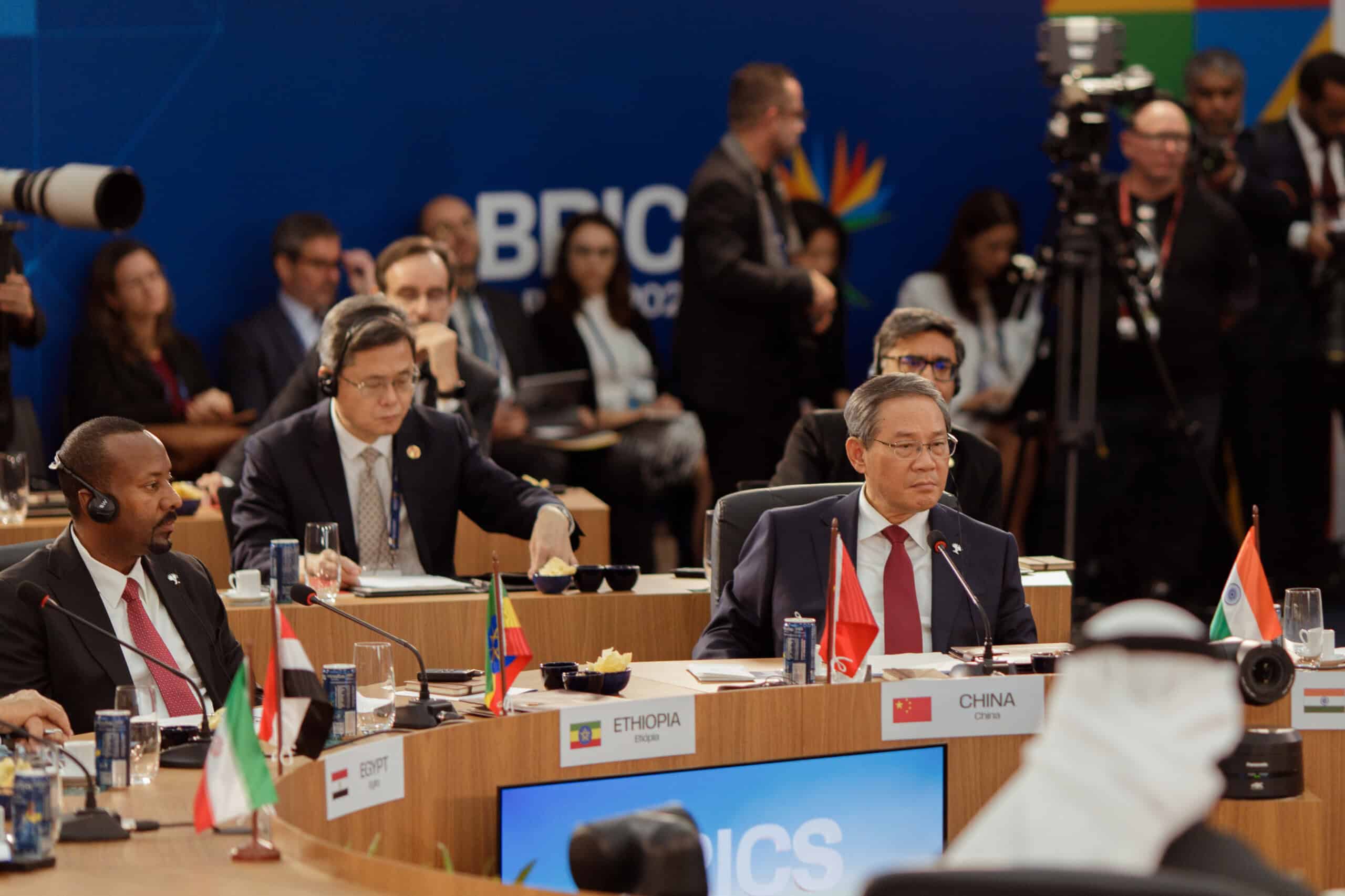
Since the inception of the BRICS grouping over a decade ago, Xi Jinping has attended every leaders’ summit that has been held in person. This year, he missed the meeting in Rio, with Premier Li Qiang attending in his stead last weekend.
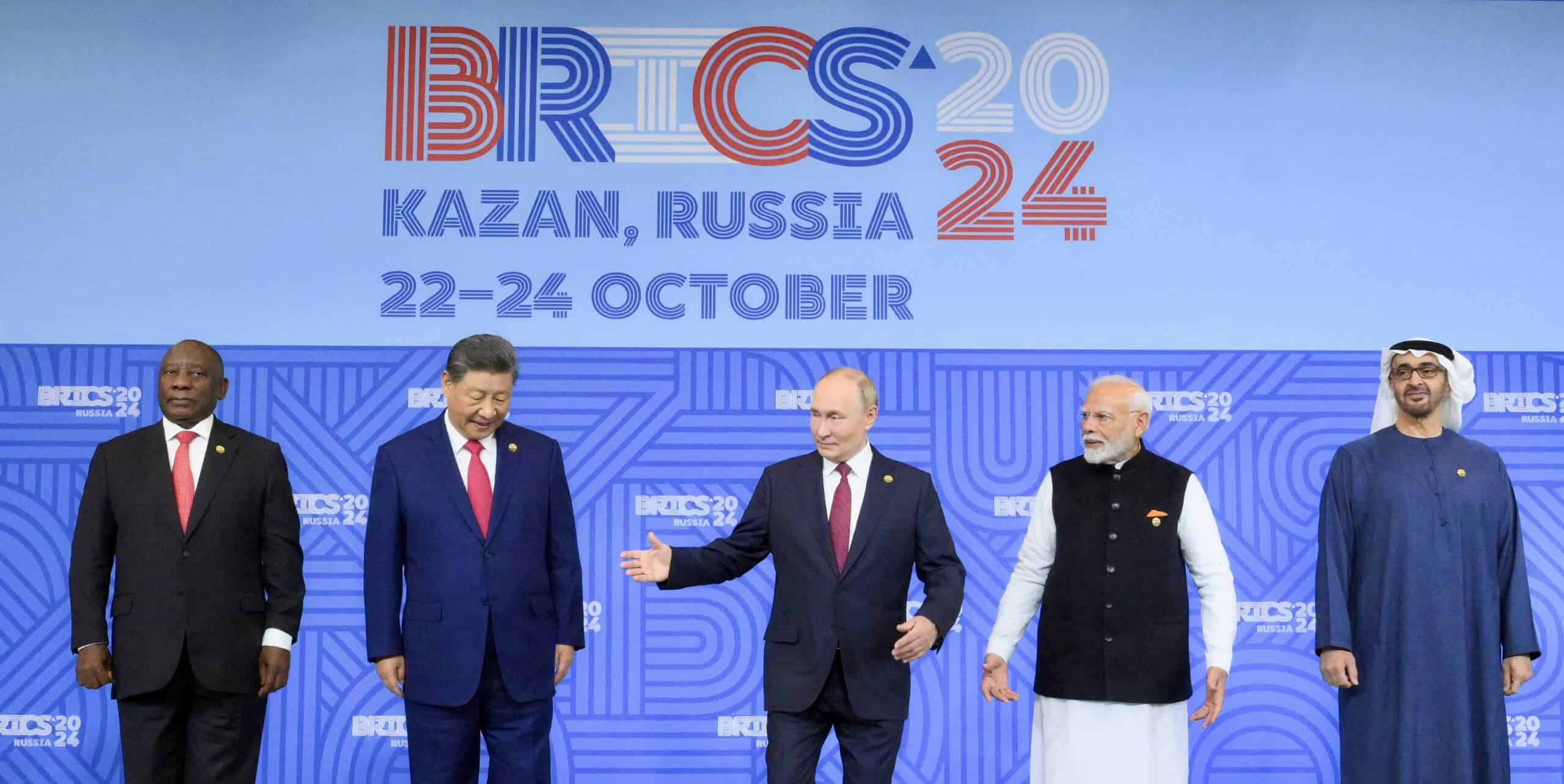
To be sure, the world is a much more dangerous place today than at the inception of BRICS [Brazil, Russia, India, China and South Africa]. Major conflicts are flaring across two continents. However, after the fragile Middle East ceasefire, the global situation is perhaps only slightly more dangerous for global travel than last year, when Xi flew to Russia for the equivalent BRICS summit.
An alternative explanation for Xi’s absence is that he is beginning a new phase of his administration that is more inward looking, and increasingly preoccupied with internal political issues than external influence. On a positive note: This could actually serve to stabilize China’s relations with the United States.
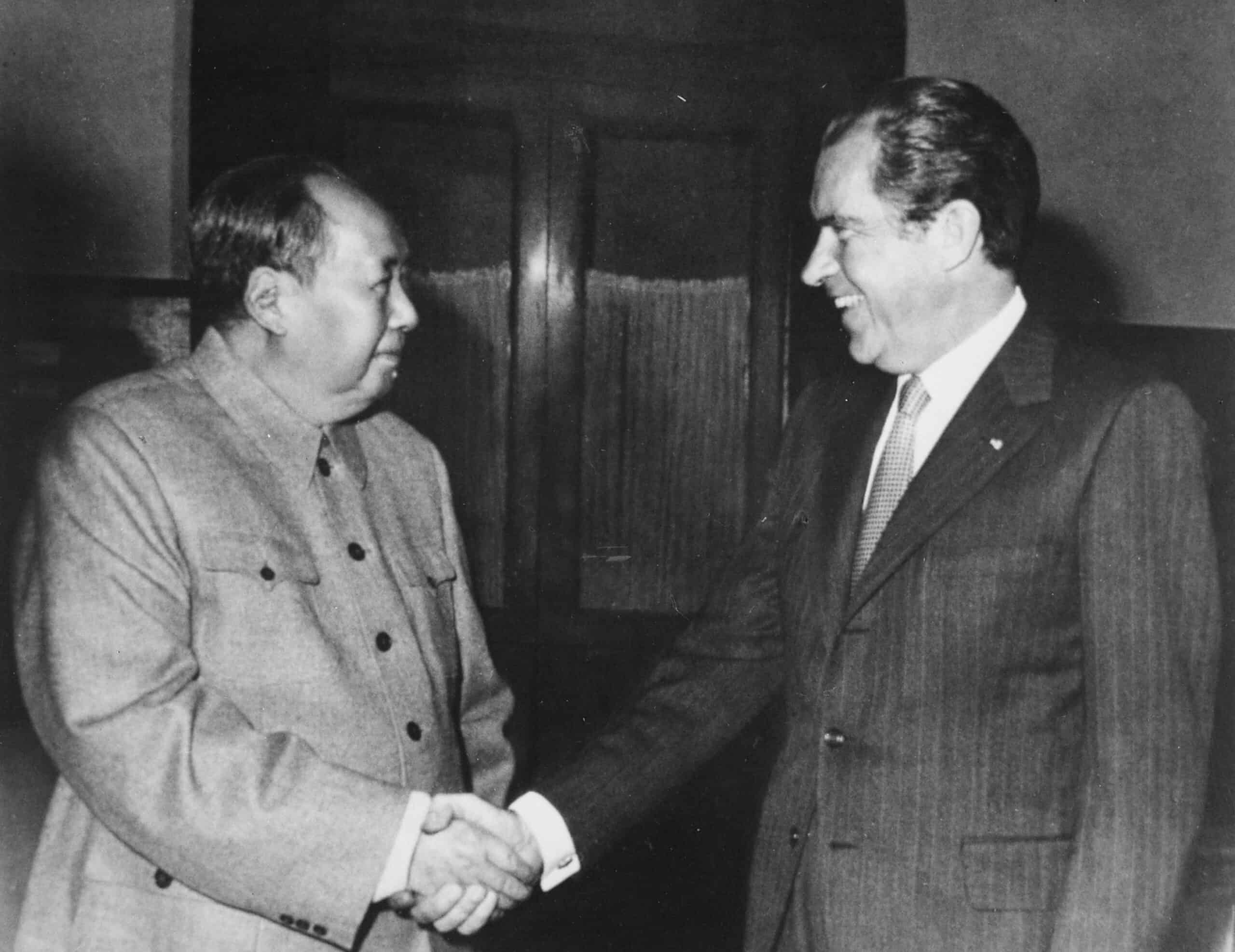
This inward phase is common for dictators who wield true, all-encompassing power domestically. Mao Zedong became consumed by domestic political issues leading up to the Cultural Revolution. Relations with China’s socialist allies deteriorated so much back then that Albania, itself a pariah state, became China’s closest ally. Even the Sino-U.S. rapprochement in the early 1970s took place likely because senior U.S. officials, from Kissinger to Nixon, were happy to travel to Beijing to start the relationship. Had that not been the case, the opening up might not have happened until after Mao’s passing.
Two factors drive the inward orientation of aging dictatorships. First, as illness compounds their aging, dictators still need to tend to their domestic political survival, while foreign policy increasingly becomes a secondary concern. Compared to the blistering pace of global travel seen during the first five years of Xi’s administration, spanning multiple continents in a single year, the number of trips he is taking has shrunk markedly since the end of the Covid lockdown in late 2022. In 2025, Xi was compelled to visit Southeast Asian countries in a diplomatic overture to counter U.S. tariffs, but otherwise, Xi has only visited familiar places like Russia and Kazakhstan this year. There may only be one or two further trips for the remainder of the year, again to familiar places like South Africa.
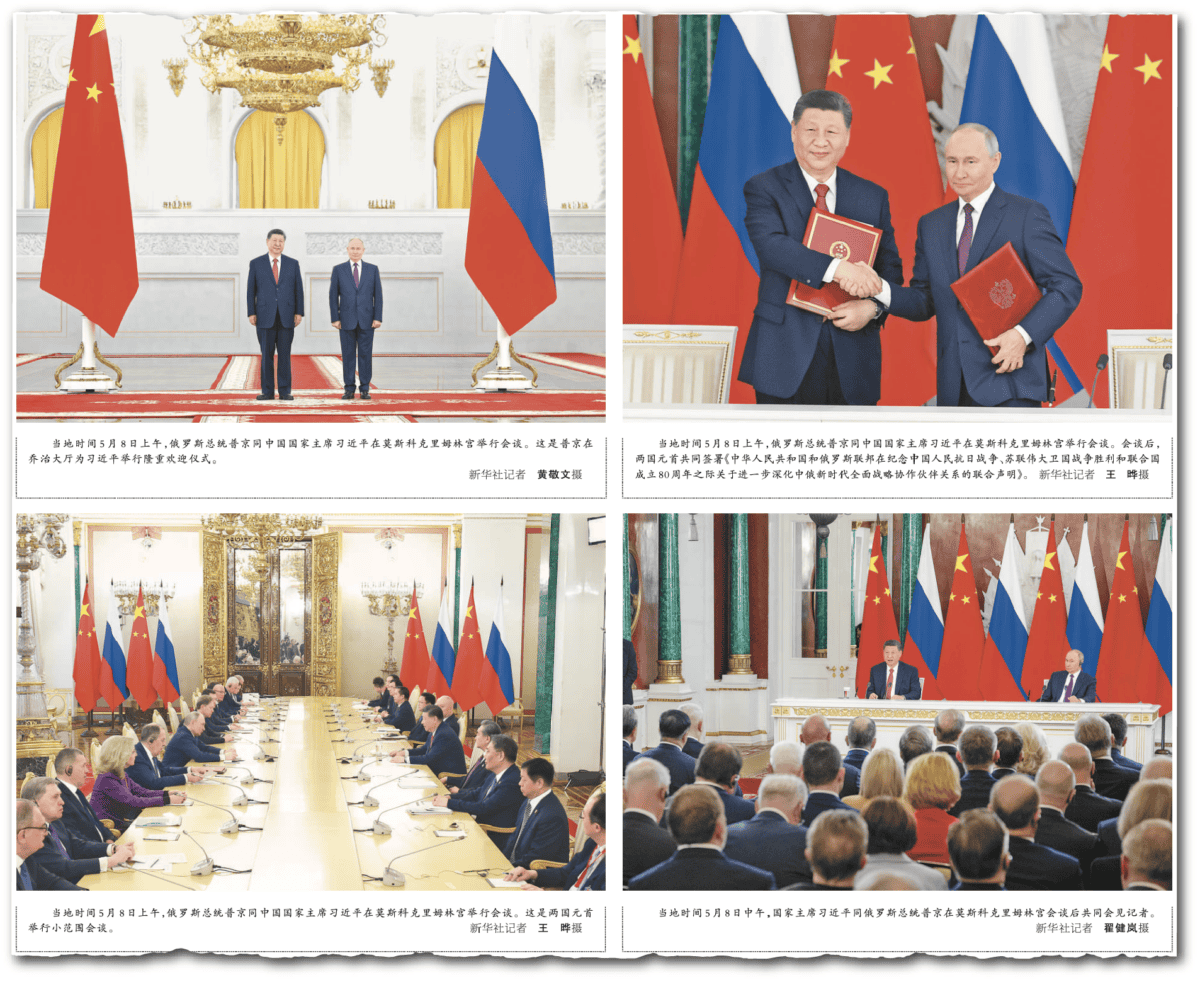
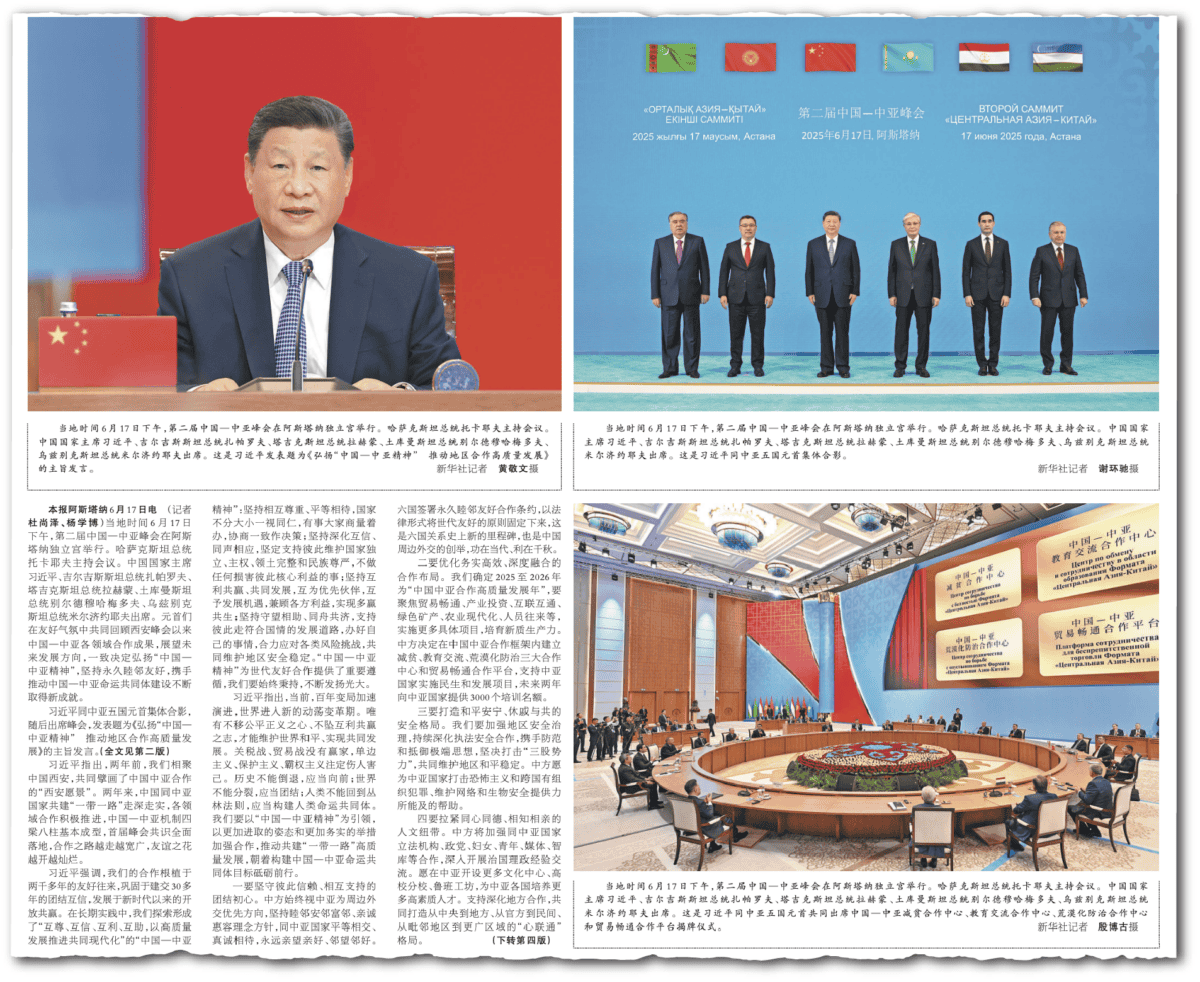
Coverage in the People’s Daily of Xi Jinping’s May 8, 2025 visit to Russia (left), during which he attended the Moscow Victory Day Parade, and June 17, 2025 visit to Kazakhstan (right), during which he participated in the China-Central Asia Summit. People’s Daily
The second major factor leading aging dictatorships to turn inward is that they typically become increasingly preoccupied with succession issues, as choosing a successor becomes an ever more glaring necessity. This process can at the same time elevate the risks of a challenge to the dictator’s power, because potential successors have strong incentives to build up their own power bases. In turn, the aging dictator needs to devote even more time and effort to preventing coups, even as he or she needs to dedicate more time to their own health care.
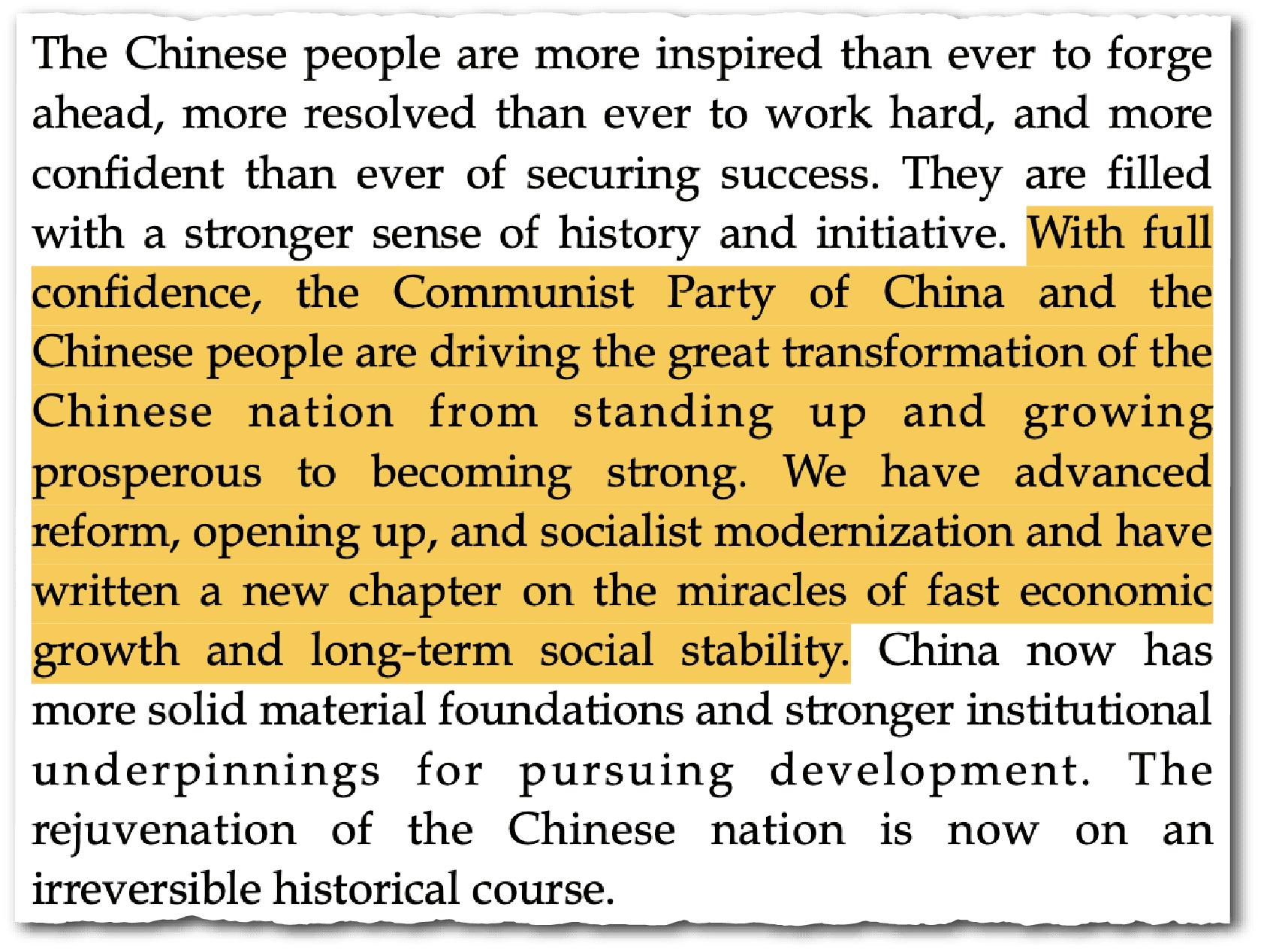
To be clear, there is no sign that there was a credible challenge to Xi’s power in late May and early June in China, when he disappeared from public view for close to two weeks. Baseless rumors about his absence rapidly proliferated, especially overseas. Still, even if his absence was caused by a regular, pre-scheduled medical procedure, such events will likely become more frequent in the coming years. Perceptions of a power vacuum may become a common event; and in turn, this may compel Xi to devote even more of his time to ensuring stability at the elite leader level.
With Xi, then, although we are only at the beginning of this latter part of a leader’s ruling cycle we might already be seeing the beginning of an inward turn in policy orientation. If this is the case, it may have a profound and potentially beneficial influence on U.S.-China relations.
Although such steady diplomacy has been the hallmark of China’s policy making over the past 25 years, the current circumspect stance implies conservatism is taking a deeper hold, particularly given China’s growing capabilities.
First, even as China’s economic and defense capabilities grow, the leadership might be too preoccupied by internal boogeymen to make use of these capabilities to expand China’s overseas reach. The leadership’s willingness to deal with foreign policy challenges with untested and potentially risky strategies may also diminish over time. Although these tendencies also have some potential to worsen bilateral relations, any observed slowness of reaction or inaction from Beijing in the face of opportunities to expand its geopolitical reach may lessen perceptions of a ‘China threat’ in other parts of the world. Even in the U.S., China’s unwillingness to obviously flex its geopolitical muscles has already afforded American trade negotiators greater leeway in their negotiations.
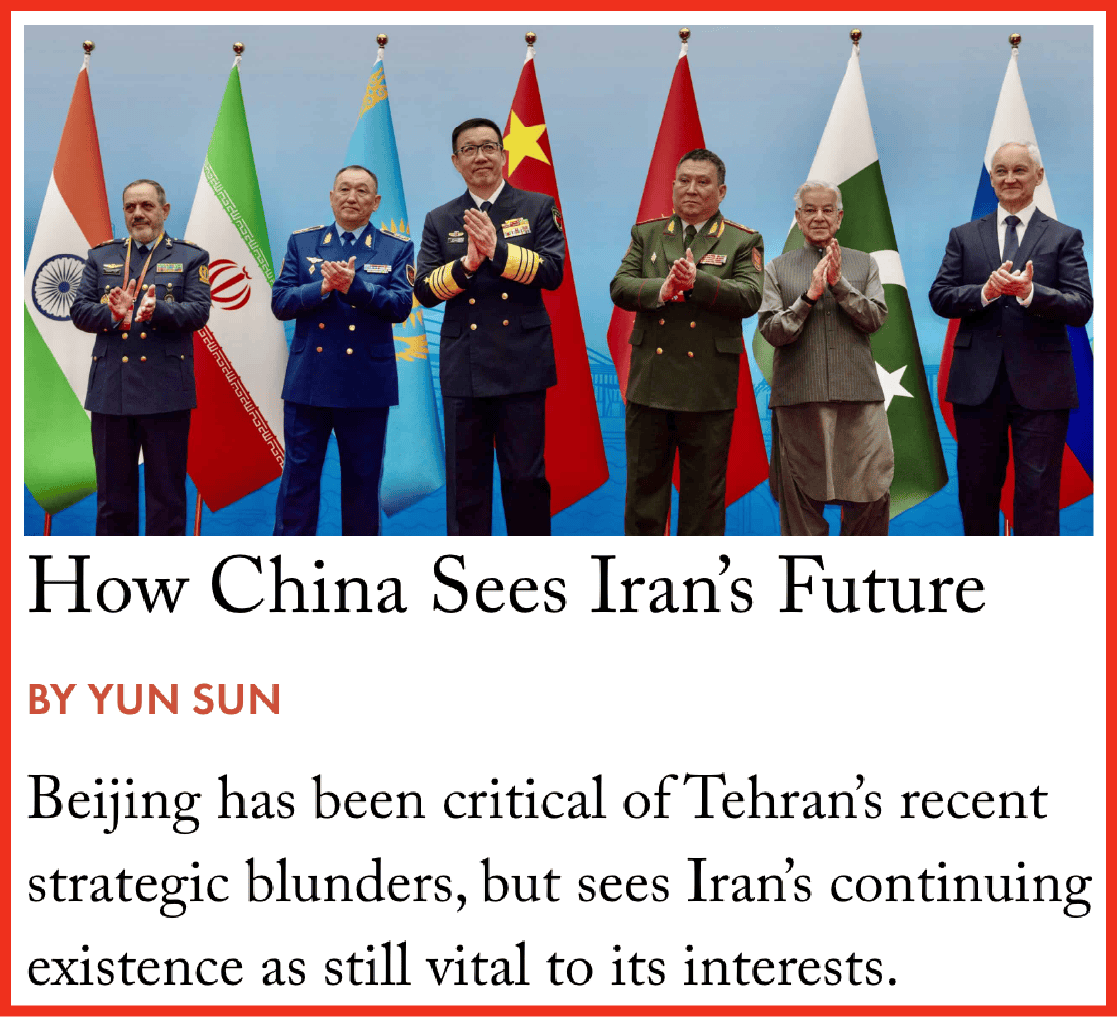
Indeed this year, despite tremendous geopolitical volatility around the world, we have not seen a clear case of China flexing its muscles anywhere, even in support of some of its close partners like Russia and Iran. China could have deployed much more aggressive tactics in trade negotiations with the U.S., beyond imposing limits on its rare earth exports. Yet, the recent Geneva agreement was concluded quickly, and more or less in accordance with the U.S. timetable.
Although such steady diplomacy has been the hallmark of China’s policy making over the past 25 years, the current circumspect stance implies conservatism is taking a deeper hold, particularly given China’s growing capabilities. To be sure, we are early in the potential trend of conservative Chinese foreign policy, and much still hinges on what China’s actions will be in the Taiwan Strait in the coming years. However, if Xi’s attention indeed has turned inward, we could see a period of stabilization in China-U.S. bilateral ties.

Victor Shih is a professor of political economy at UC San Diego and holds the Ho Miu Lam Chair in China and Pacific Relations at the School of Global Policy and Strategy. He is also the director of the 21st Century China Center and the author of Coalitions of the Weak: Elite Politics in China from Mao’s Strategem to the Rise of Xi. @vshih2