With President Trump throwing the global trading system into turmoil, turning to Beijing is becoming an increasingly appetizing idea for many Europeans. Take Spanish Prime Minister Pedro Sanchez, who has repeatedly called for the European Union to deepen ties with the People’s Republic of China since the now infamous ‘Liberation Day’ in early April.

Even before Trump returned to the White House, the new Labour government in the United Kingdom was looking eastwards to bolster its growth agenda. A series of British ministers, including the country’s chancellor of the exchequer [finance minister], have made visits to Beijing over the past year.
This comes with obvious risks; Washington is not alone in using trade as a weapon. Some European nations such as Norway and Lithuania know this all too well. Countries in the Indo-Pacific, with much deeper trade ties with China, know it best. Japan’s experience goes back at least a decade to when it faced Chinese restrictions on its rare earth imports following clashes between the two nations around the Senkaku/Diaoyutai Islands. More recently, in 2020, Australian exports were blocked after its prime minister called for an inquiry into the origins of Covid. Beijing has ratcheted-up similar tactics against the Taiwanese economy in response to democratically-elected leaders in Taipei refusing to subscribe to its ‘One China’ principle.
…while it is all very well countries in Europe approaching China in a clear-eyed manner, they need to engage from the strongest position possible to avoid becoming economically dependent…
China’s leverage has arguably increased as countries extend their efforts to become net zero: a shift that risks deepening their dependencies on market-dominating Chinese renewable energy technologies and electric vehicles.

So while it is all very well countries in Europe approaching, or saying they approach, China in a clear-eyed manner, they need to engage from the strongest position possible to avoid becoming economically dependent on the world’s second-largest economy. On this score, learning lessons from the frontline would be of great use.
Japan’s experience demonstrates that economic coercion-proofing requires both proactive resilience-building and reactive crisis management capabilities. Following the 2010 rare earth minerals shock, Japan implemented what could be termed a ‘strategic redundancy’ approach — systematically identifying and addressing single points of failure in critical supply chains.
The cornerstone of Japan’s coercion-proofing strategy lies in diversification without isolation. Rather than completely severing economic ties with China, Japan has methodically reduced dependencies in strategically sensitive sectors while maintaining profitable relationships in others. This approach recognises that complete decoupling would be both economically damaging and practically impossible for a trading nation heavily integrated into regional value chains.
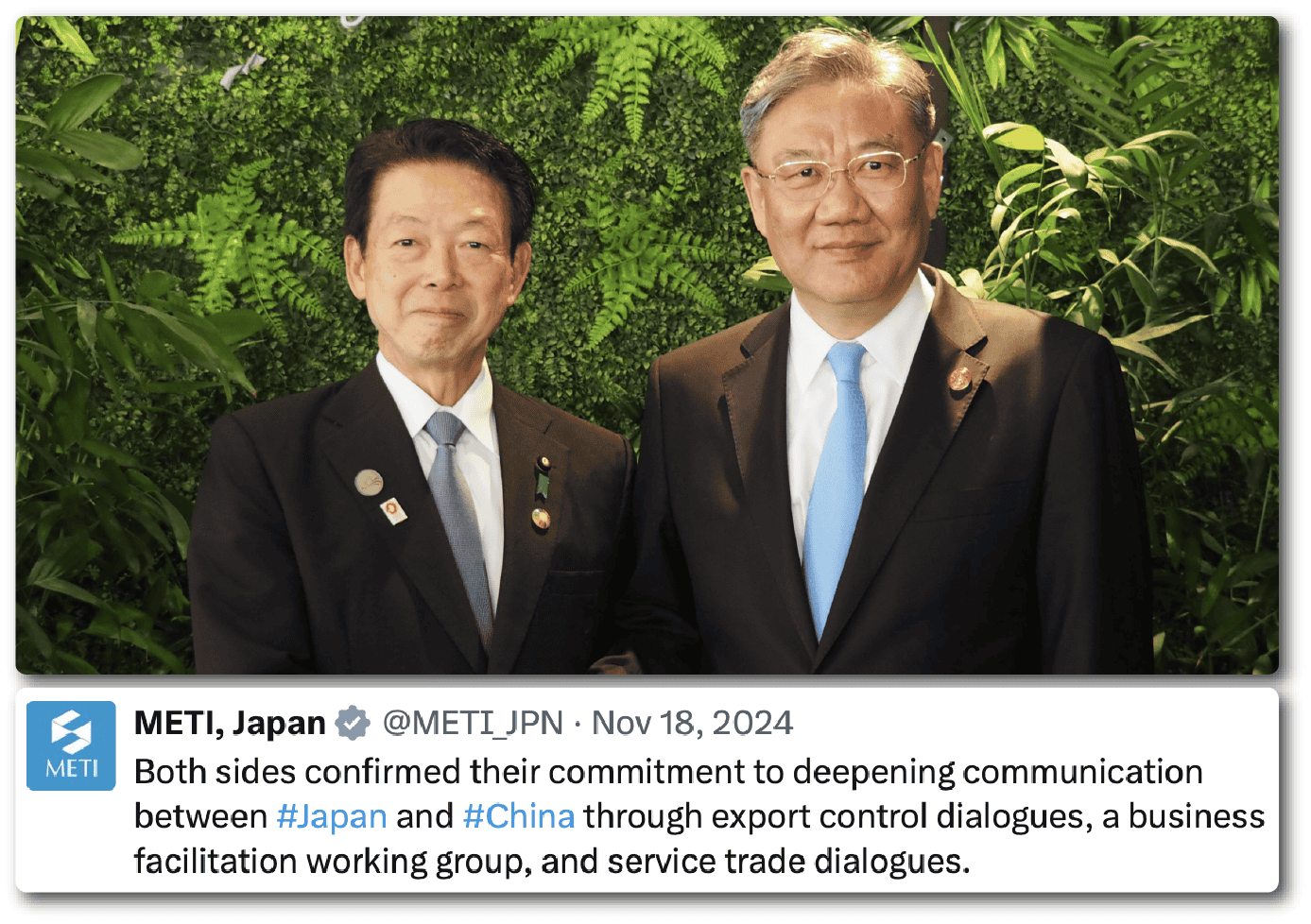
Japan’s institutional architecture provides another coercion-proofing model. Its Economic Security Unit, which sits within the National Security Secretariat, serves as an early warning system, continuously monitoring supply chain vulnerabilities and coordinating responses across government departments. This centralised approach enables rapid decision-making during crises while ensuring consistent policy implementation across sectors.
Perhaps most importantly, Japan has invested heavily in ‘supply chain optionality’ — maintaining multiple viable sources for critical inputs. The government’s strategic stockpiling programs, combined with private sector incentives for domestic production capabilities, create buffers that can buy time during supply disruptions. Japan’s partnerships with Australia, India, and ASEAN nations on critical minerals exemplify this approach, creating alternative supply networks before they are desperately needed.
Such approaches, ones of adaptation, appear preferable to retaliation; for as the recent Sino-American trade spat proves, Beijing is more than willing to hit back.
Even if they follow Tokyo’s footsteps, some countries will, nevertheless, find themselves in a bind if the Chinese Communist Party decides to tighten the screws. What then? Again, the experiences of Indo-Pacific nations suggest that Chinese economic coercion is far from an insurmountable challenge.
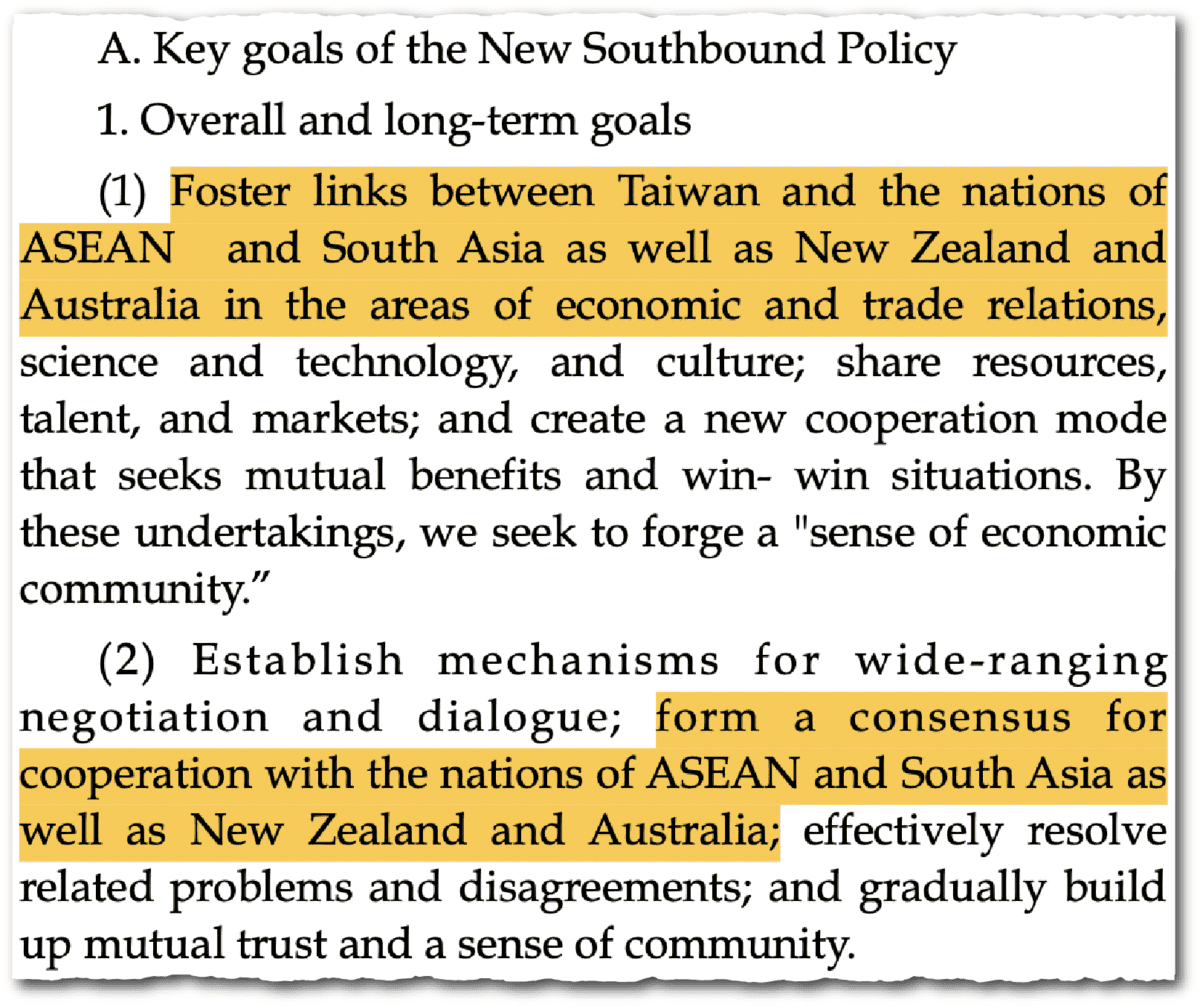
Both Australia and Taiwan have proven successful in finding new markets for their goods. For Australia, an enduring commitment to liberal, open trade allowed Australian firms to redirect exports. For Taiwan, its partnership with Japan has proved useful alongside efforts, under its New Southbound Policy, to bolster trade with Southeast and South Asian countries. In response to specific actions taken by Beijing against Taiwanese agriculture, Taipei has provided subsidies for cold-chain storage and export marketing to help farmers find alternative buyers. Other industries have received similar support to aid the transitioning process.
Such approaches, ones of adaptation, appear preferable to retaliation; for as the recent Sino-American trade spat proves, Beijing is more than willing to hit back.
These countries’ experience also demonstrates that any challenge from China need not end in political capitulation. While Canberra did not reissue its call for a Covid inquiry, neither did it reverse its position. Rather, a new Labor government, elected in 2022, sought to tone down the rhetoric in the bilateral relationship while resolving the trade dispute, without ceding ground to China.
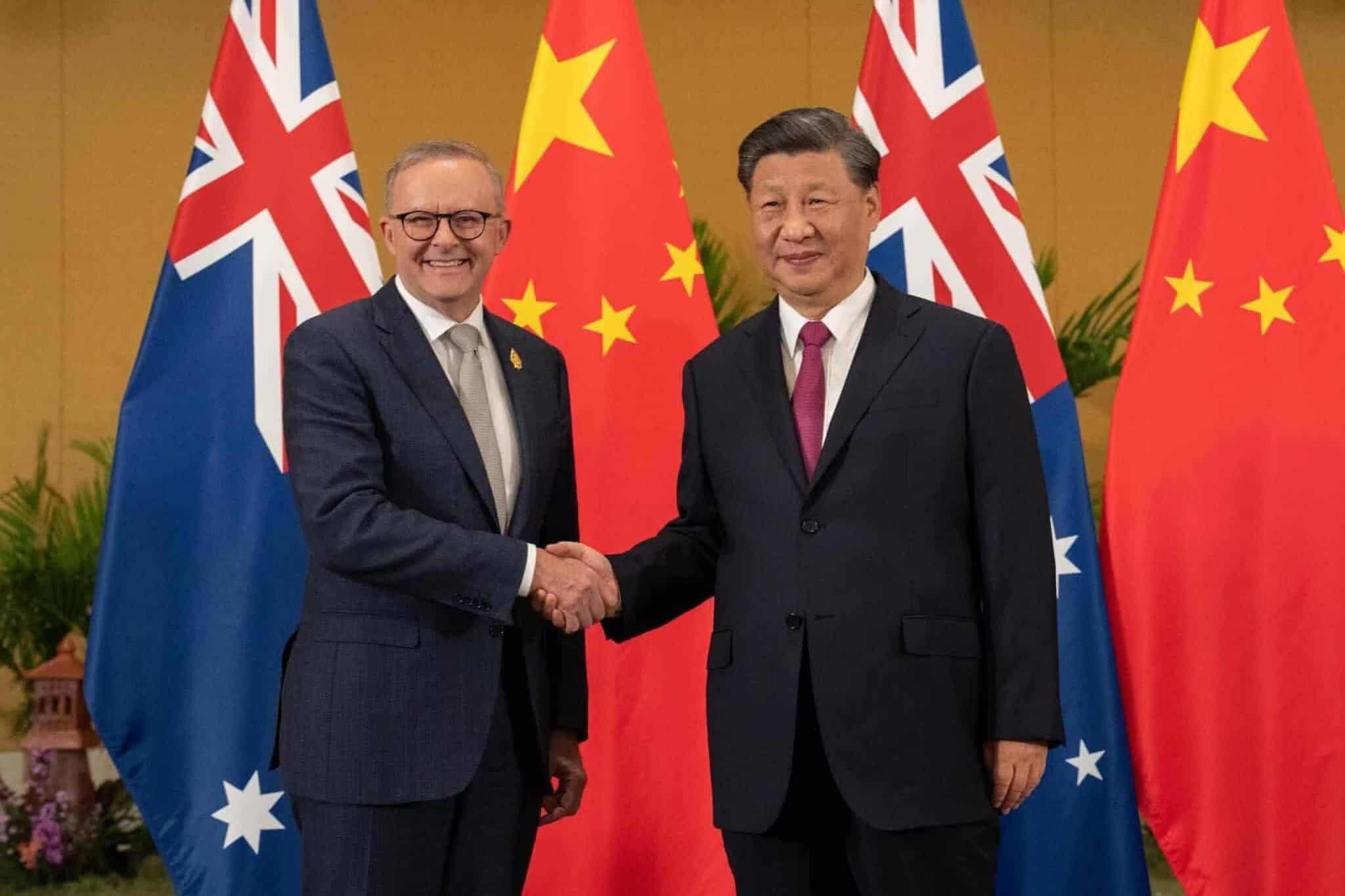

Left: Australian Prime Minister Anthony Albanese and Chinese President Xi Jinping meet in Bali on the sidelines of the G20 Summit, November 15, 2022. Right: A readout of Albanese’s comments following his meeting with Xi. Credit: Anthony Albanese via X, PM’s Office
Likewise, despite the increasing economic pressure placed on Taiwan by China throughout the Tsai administration — and the threats made against a cross-strait trade agreement just ahead of last year’s elections — the independence-leaning Democratic Progressive Party was able to secure the presidency for a third consecutive term. President Lai Ching-te, like his predecessor, has not paid lip-service to the 1992 Consensus or any other formulation of ‘One China’.
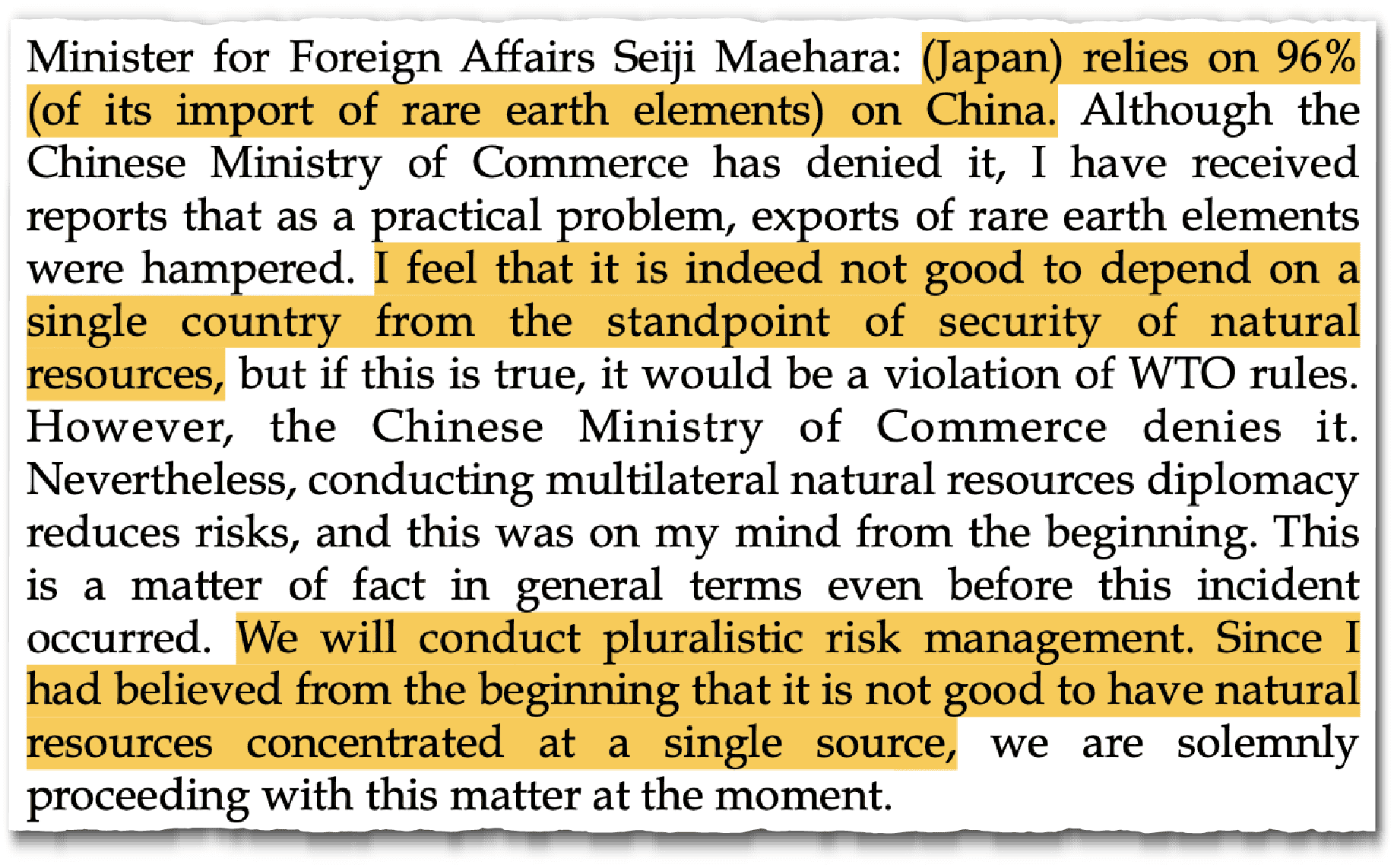
The lessons from the Indo-Pacific are mixed. On the one hand, the region’s experience of Beijing’s economic coercion makes clear that more trade with Beijing carries risks. As Tokyo’s experience with critical minerals shows, a green transition fueled by Chinese technology is especially risky.
On the other hand, and particularly in relation to other sectors where China does not have such a stranglehold, disruptions in trade with the People’s Republic can be managed: adaptation is possible and coercion can be resisted. If, in the coming months, European nations decide to pursue greater trade links with Beijing, they would do well to remember this, and remember that deepening such ties does not mean succumbing to the Chinese Communist Party’s political demands — not now, nor when the screws are tightened.

Gray Sergeant is a Research Fellow in Indo-Pacific Geopolitics at the Council on Geostrategy, a foreign and defence policy think tank based in Westminster, London.

Athena Tong is a Visiting Researcher in the Economic Security Intelligence Lab at the RCAST, University of Tokyo, as well as a Research Associate at the China Strategic Risks Institute.