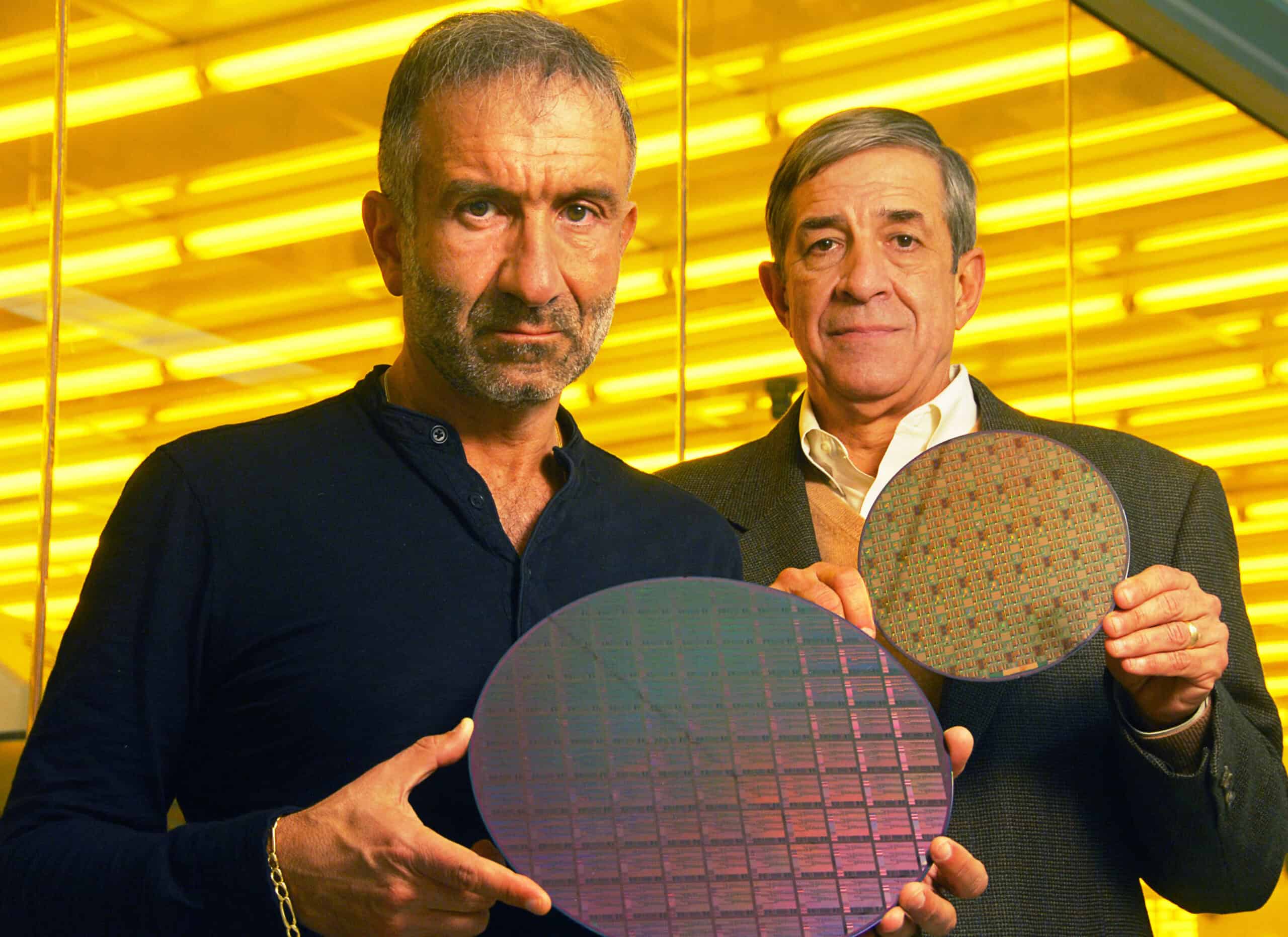
Alain Kaloyeros arrived at the State University of New York at Albany in 1988 with a PhD in condensed matter physics and dreams of building a high-tech “acropolis.”
But Kaloyeros, who had been born to a Greek father and Lebanese mother in Beirut, quickly learned it would be difficult to realize his ambition without outside support. UAlbany was not MIT or Caltech; it could not achieve national renown by hiring prominent, and expensive, faculty to develop labs. “I realized that you need Big Science,” he told The Wire China, referring to large-scale projects backed by a mix of government and corporate funding.
“Most universities hire faculty first and then [build] labs and then go for funding,” says Kaloyeros, who faculty and students alike knew as “Dr. K.” “That model would apply to places like Harvard, MIT, Stanford. We couldn’t compete to attract the top faculty up front… So instead I focused on building state of the art facilities.”
It’s like playing hockey. You never know what the final score is going to be, but you sure are going to try your best to make it the highest score possible.
Alain Kaloyeros
While few people noticed it at the time, Kaloyeros was helping to put the U.S. on a collision course with China, which at the turn of the century was chasing a similar dream for its nascent semiconductor industry.
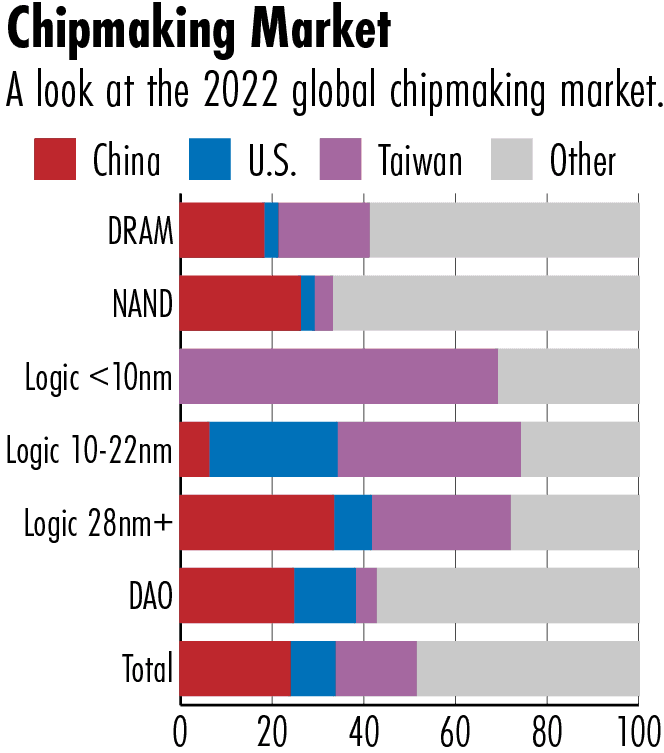
In 2000, China’s semiconductor manufacturing capacity was nearly nonexistent, according to a 2024 report by the Semiconductor Industry Association and Boston Consulting Group. By 2022 China had built the capacity to make more computer chips than any other country, though Taiwan still dominates the production of the most advanced semiconductors.
For its part, over the past twenty years New York has become one of the largest public financiers of American efforts to reshore semiconductor supply chains and frustrate China’s ambitions to lead the industry. As his project grew and grew, Kaloyeros grandly proclaimed that “we are the last line of defense for the U.S. semiconductor industry.”
Today New York state officials pitch their semiconductor strategy as central to the larger U.S. effort to win the chip war with China, which has made great strides in semiconductor development despite concerted efforts by Presidents Joe Biden and Donald Trump to slow its progress. “This is a race for dominance, tech dominance,” New York Governor Kathy Hochul said in 2023. “The Chinese in particular [are] attempting to dominate this industry… We have no intention of letting that happen.”
IF YOU CAN MAKE IT HERE
By 1993 Kaloyeros had received U.S. citizenship and become head of a center at UAlbany specializing in thin-film technology — a process used in the manufacture of computer chips. The center had been awarded $10 million in state funding, distributed over ten years, and around $1.4 million in private support. UAlbany used the money to open, in 1997, a 70,000 square foot complex with 4,000 square feet of clean rooms.
For Kaloyeros, it was just the start. He began flying around the world to pitch companies on the advantages of clustering in and around Albany, the state capital, where they could bundle costs and use his university’s facilities.

The acropolises of ancient Greece — the focal points of cities such as Athens — were never far from mind.
“The whole concept was to create what I called the acropolis — open innovation … with industry partners, all on site, exchanging ideas, innovating and creating new concepts and new applications, especially in semiconductors,” he says.
IBM, headquartered in Armonk, New York, had a manufacturing facility at the time in East Fishkill, less than 100 miles south of the state capital. It was a natural cornerstone partner. In 2001, IBM pledged $100 million in investment to UAlbany’s burgeoning research complex, which came to be known as Albany Nanotech. The state added a $50 million grant of its own.
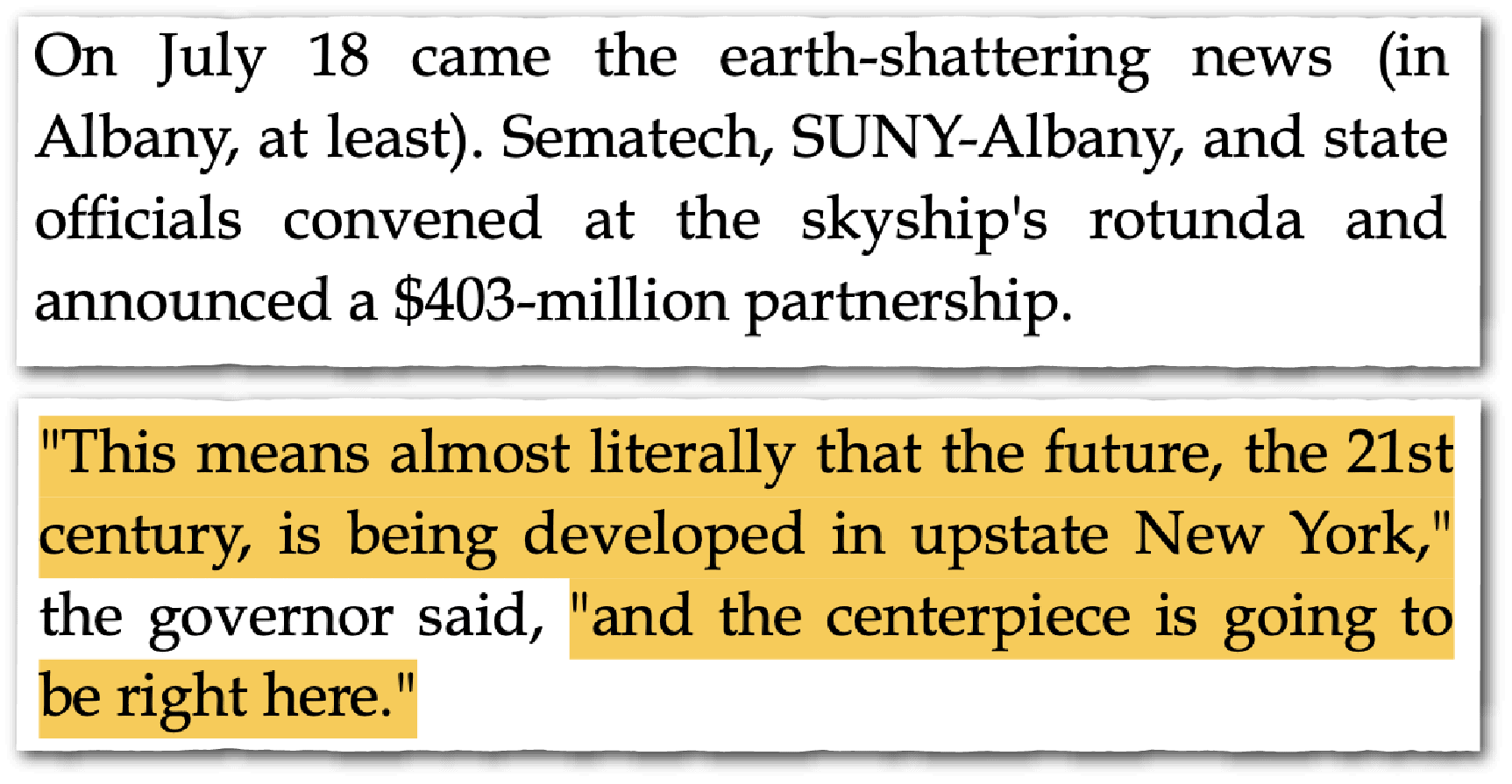
“We are committed to the future of the semiconductor industry occurring in New York State,” then Governor George Pataki said at an industry conference on September 10, 2001, the day before the world changed.
Two years later, Pataki would boast that this vision was being realised: “The 21st century is being developed in upstate New York,” he said at Albany Nanotech.
The IBM investment and Pataki’s fulsome endorsement were the beginning of a remarkable run for Kaloyeros and Albany Nanotech. In the decades since, New York has directed incentives worth billions of dollars to recruit semiconductor companies to the state.
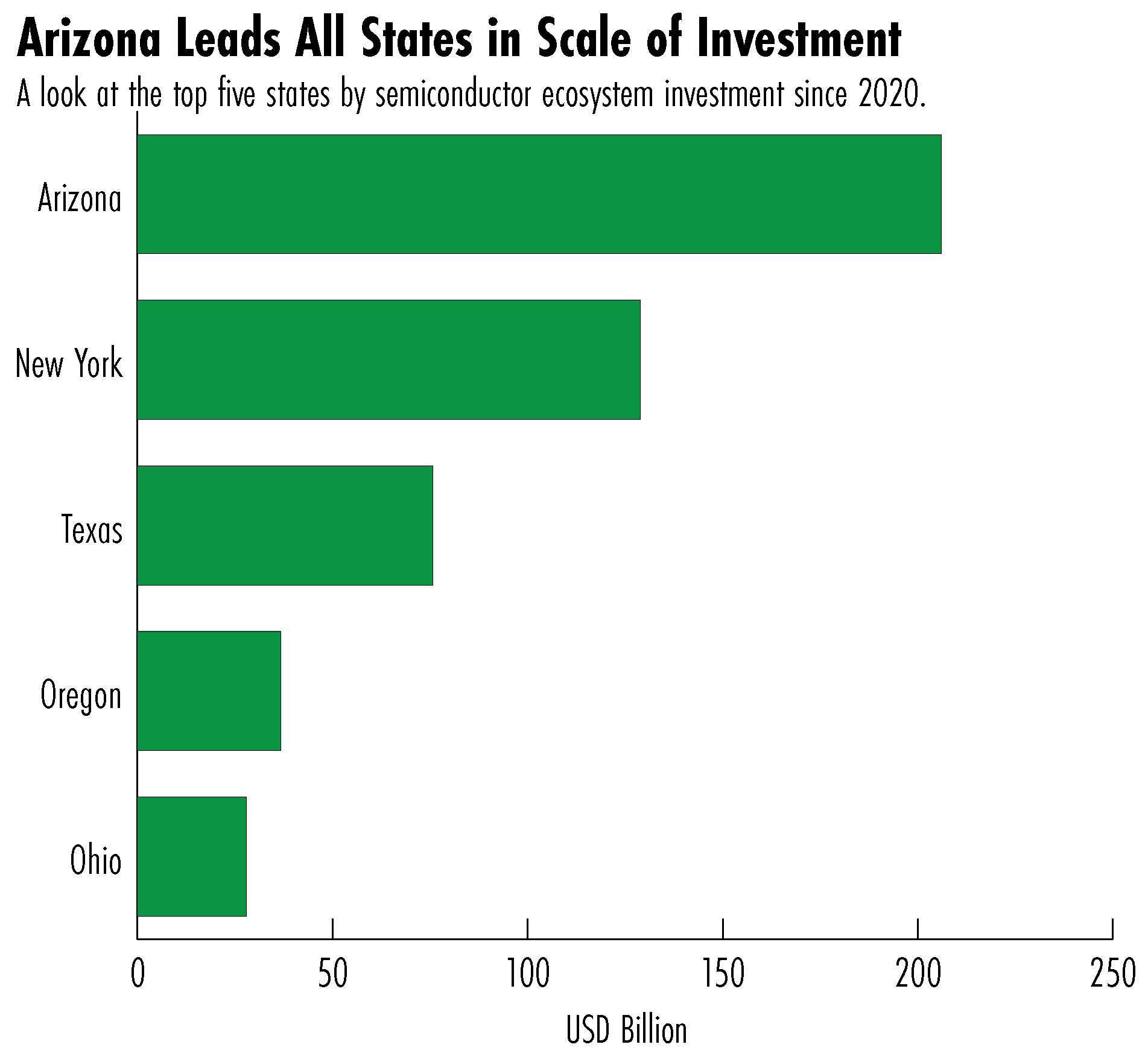
According to the SIA, since 2020 almost one quarter — or $131 billion — of the $540 billion in U.S. investments by chip companies or their suppliers has gone to New York. In terms of overall commitments, the Empire State is second only to Arizona. Kaloyeros, now 69, says he wasn’t necessarily expecting his initiative to gain such momentum, but he’s not surprised by it either: “It’s like playing hockey. You never know what the final score is going to be, but you sure are going to try your best to make it the highest score possible.”
As Albany Nanotech developed, potential industrial espionage by Chinese state agents became an area of scrutiny for the FBI Albany field office, according to a former bureau official, who requested anonymity to discuss nonpublic information. “Chinese interference was a major issue. They were the number one target we were targeting from a counterintelligence perspective, and there was no 1A and no 1B.”
“We were trying to do an operation with Albany Nanotech,” the former FBI official adds. “Individuals associated with China were targeting the facility.”
Kaloyeros remembers some of the incidents that sparked his and the FBI’s concerns. He says a Chinese university offered $500,000 to house one of its senior scholars at Albany Nanotech in a junior role. Albany Nanotech declined the offer. “That never made sense to us. Why would someone so established want to come here and work under some professor for a while as an intern?”
The FBI declined to comment.
“NO DIFFERENT THAN ANY CHINESE PROVINCE”
In October 2022, after more than a year of negotiations with New York and the Biden administration, Idaho-based chipmaker Micron Technology announced that it had picked a 1,400-acre site in Clay, New York, near Syracuse, for a $100 billion campus. Micron wants to start large-scale U.S. manufacturing of advanced dynamic random access memory (DRAM) chips — a critical, if less sexy, component of AI infrastructure than the logic chips whose manufacturing is dominated by Taiwanese firm TSMC.
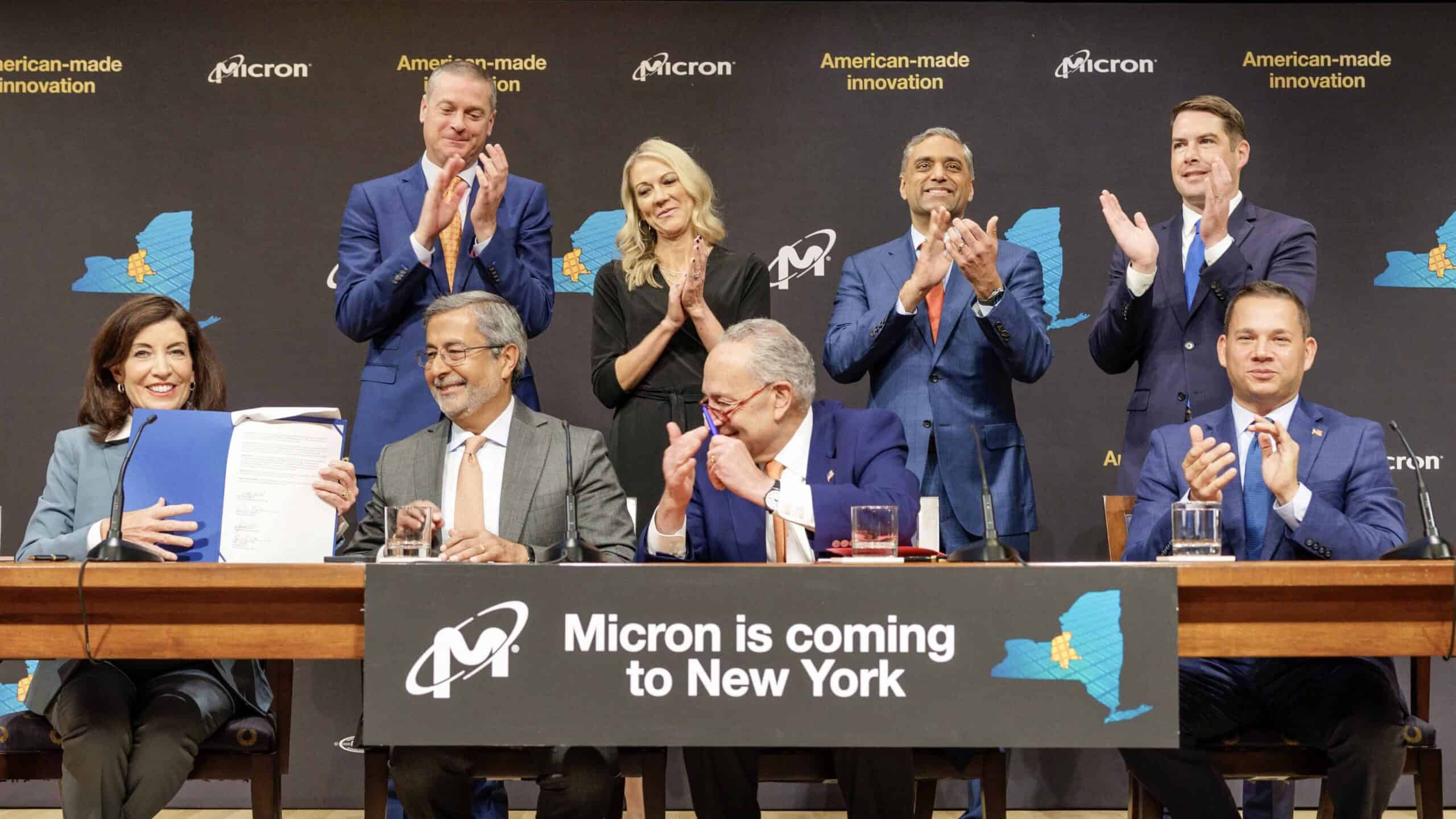
Micron, which plans to build four fabs in Clay over the next two decades, has received $5.5 billion in incentives from Albany and an additional $4.6 billion in direct funding from Washington for its New York project.
The company planned to begin construction last year, but is now looking to break ground in November at the earliest as it works through New York’s strenuous environmental review process.
Two endangered bat species live in trees at the Clay site during the spring, summer and early autumn months. Micron’s contractors can’t fell the nearly 500 acres of forest that need to be cleared until November, when the bats will have left the area to hibernate in caves nearby. Micron has reportedly promised to make up for bulldozing the bats’ homes with a $1 million donation for bat research grants and paying for the conservation of 1,200 acres of bat habitats.
The company did not respond to requests for comment. State and local officials say they are confident the project will begin this year. And they argue that it would not have happened without federal and state incentives.
Determined to address the supply-chain shocks that emerged during the Covid-19 pandemic and increasingly fearful of China’s tech ascendency, Biden signed the CHIPS Act in August 2022, authorizing almost $53 billion in subsidies and tax credits to encourage semiconductor manufacturing in the United States.
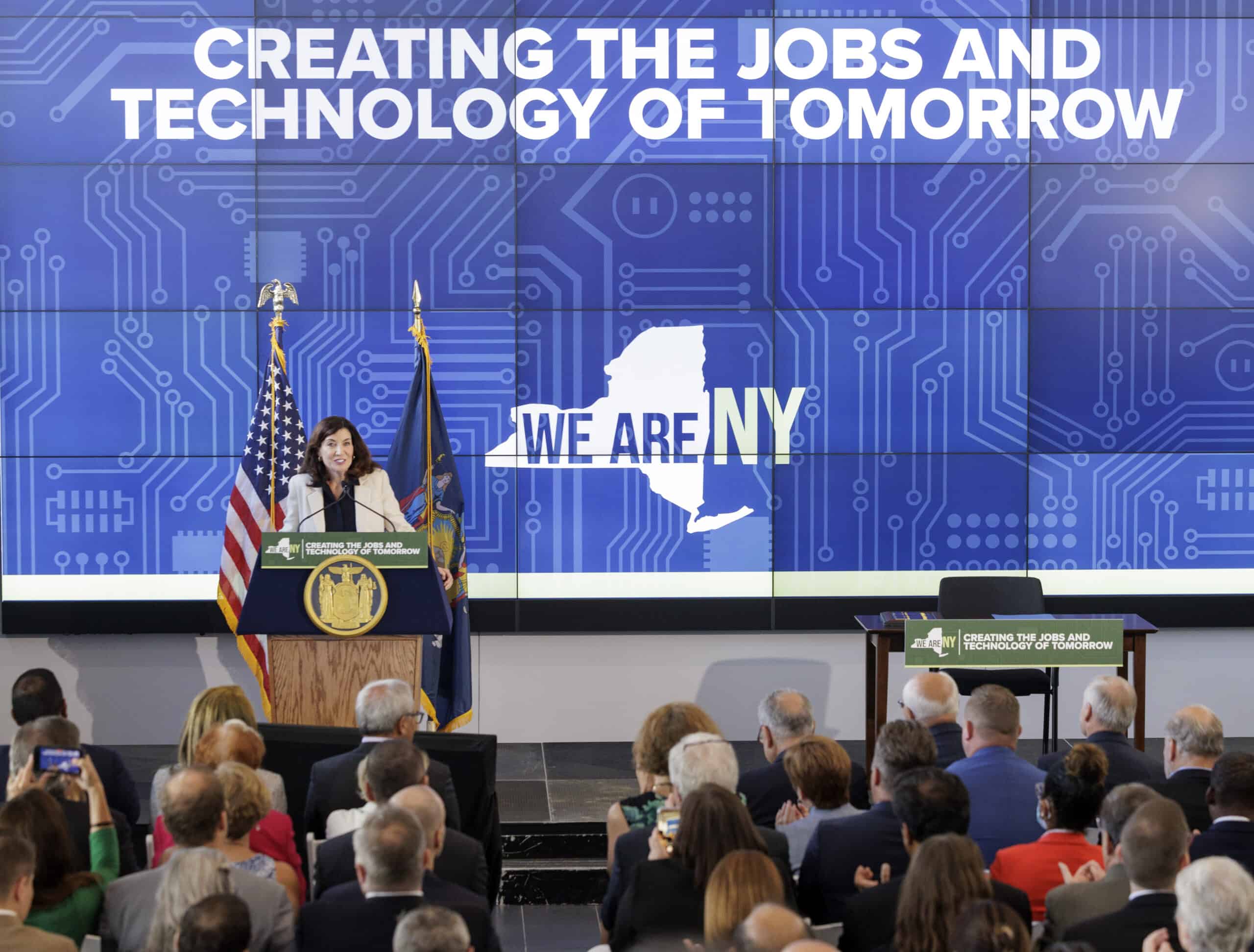
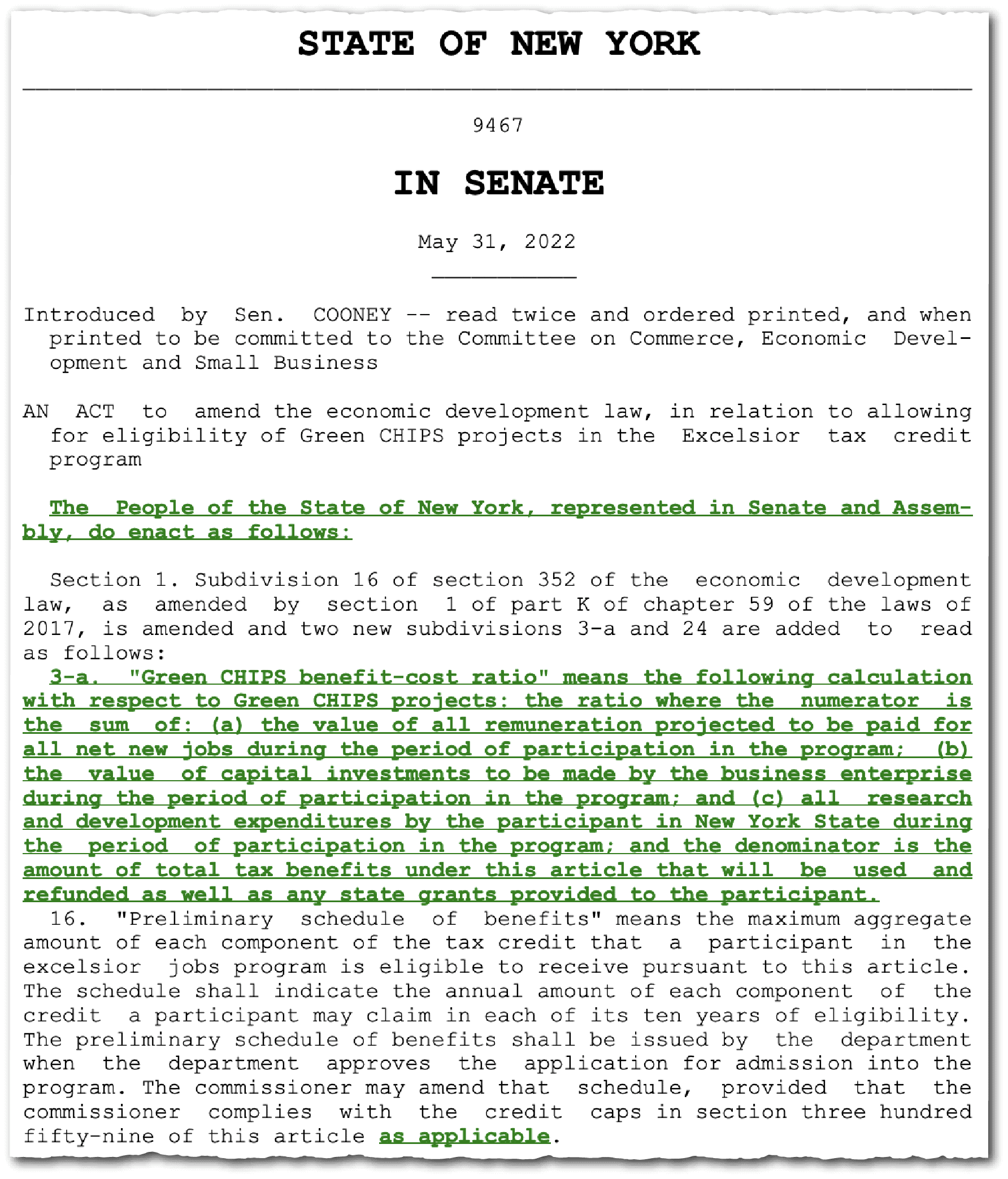
Just two days later, Governor Hochul signed her own “Green CHIPS” bill, a state complement to the federal legislation. The measure unlocks up to $10 billion in additional local incentives for semiconductor firms that set up in New York. To date, no other state has matched the breadth of New York’s investment.
“When the CHIPS Act came around, it was a validation for the state of New York, because they had been preaching subsidies all along,” says Jimmy Goodrich, senior advisor for technology analysis at the RAND Corporation.
Trump, however, has criticised the CHIPS Act. In March he called it “horrible” and told Speaker of the House Mike Johnson to “get rid” of it. Trump, who also recently fired at least 40 Commerce Department officials tasked with implementing CHIPS, argues that tariffs can achieve semiconductor reshoring without spending billions of dollars on subsidies.
New York wants to replicate the cluster-style development that has made Taiwan such a potent semiconductor power — by deploying a version of the locally-led industrial policies that have made China a manufacturing and high-tech juggernaut. Hochul’s office says that a quarter of U.S.-made chips are on track to be produced within a 350 mile radius in upstate New York.
To achieve this, New York is competing for fabs against states including Arizona, California and Oregon. TSMC has pledged $165 billion toward building fabs, packaging facilities and an R&D center outside of Phoenix.
But New York and other states will need to do much more to reinvigorate the domestic chip industry. America’s share of global semiconductor manufacturing capacity fell to 10 percent in 2022 from 37 percent in 1990, according to SIA and BCG’s 2024 report.
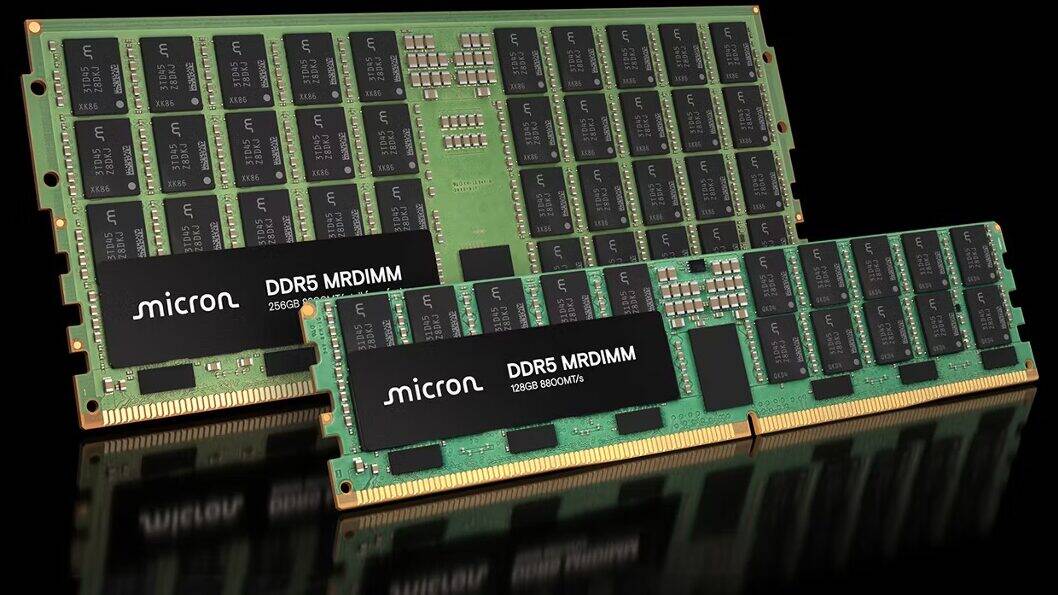
Micron is the only American company that produces advanced memory chips, a fiercely competitive market segment with thin margins and deeply cyclical swings in profitability. “There’s effectively no advanced DRAM manufacturing in the U.S. right now,” says Jeff Koch, an analyst at consultancy Semianalysis. “It is absolutely key that we try to onshore that.”
As of 2021, almost 93 percent of global DRAM capacity was in South Korea, China, and Taiwan, according to a report by Georgetown University’s Center for Security and Emerging Technology. Micron’s advanced DRAM production is based in Japan and Taiwan, though the goal of its New York investment is to bring the amount of U.S.-made DRAM to 40 percent of its global output.
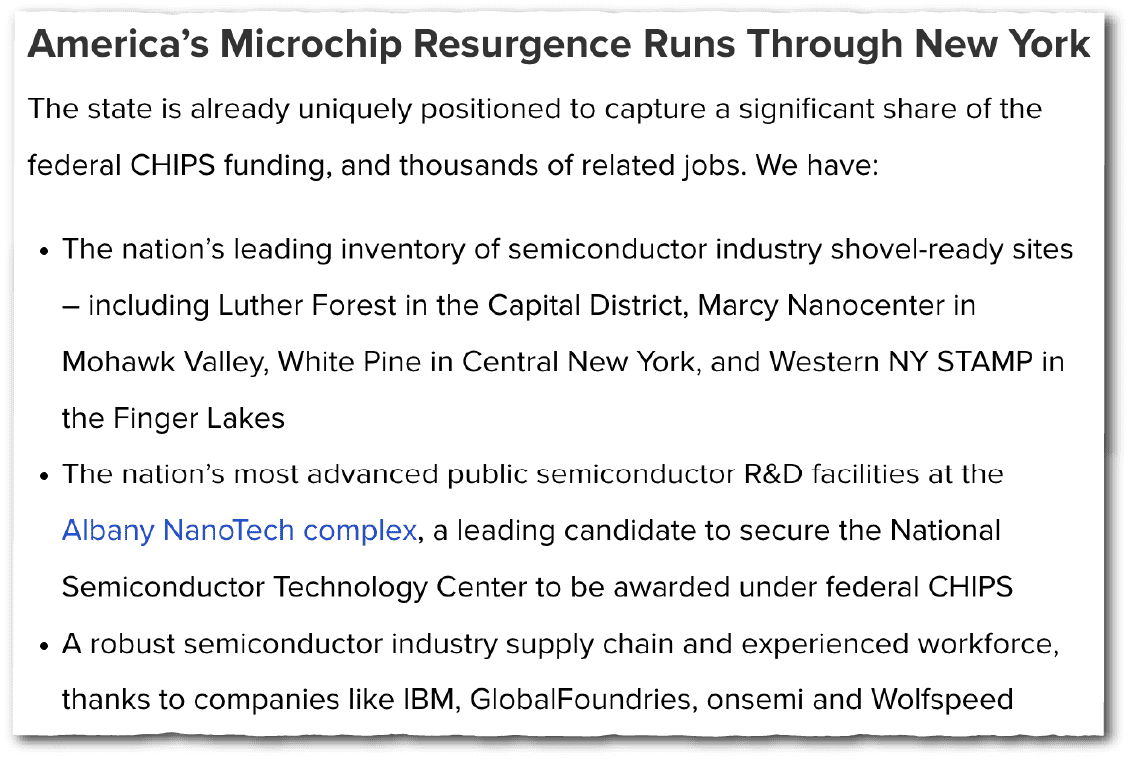
To some experts who study Chinese industrial policy, the local incentives hawked by New York have a familiar ring.
“New York is no different than any competitive small nation state or Chinese province that’s trying to attract investment,” RAND’s Goodrich says. “They’ve got their investment promotion bureau, and they’re out like salesmen trying to sell their state and their incentives. This is a common practice.”
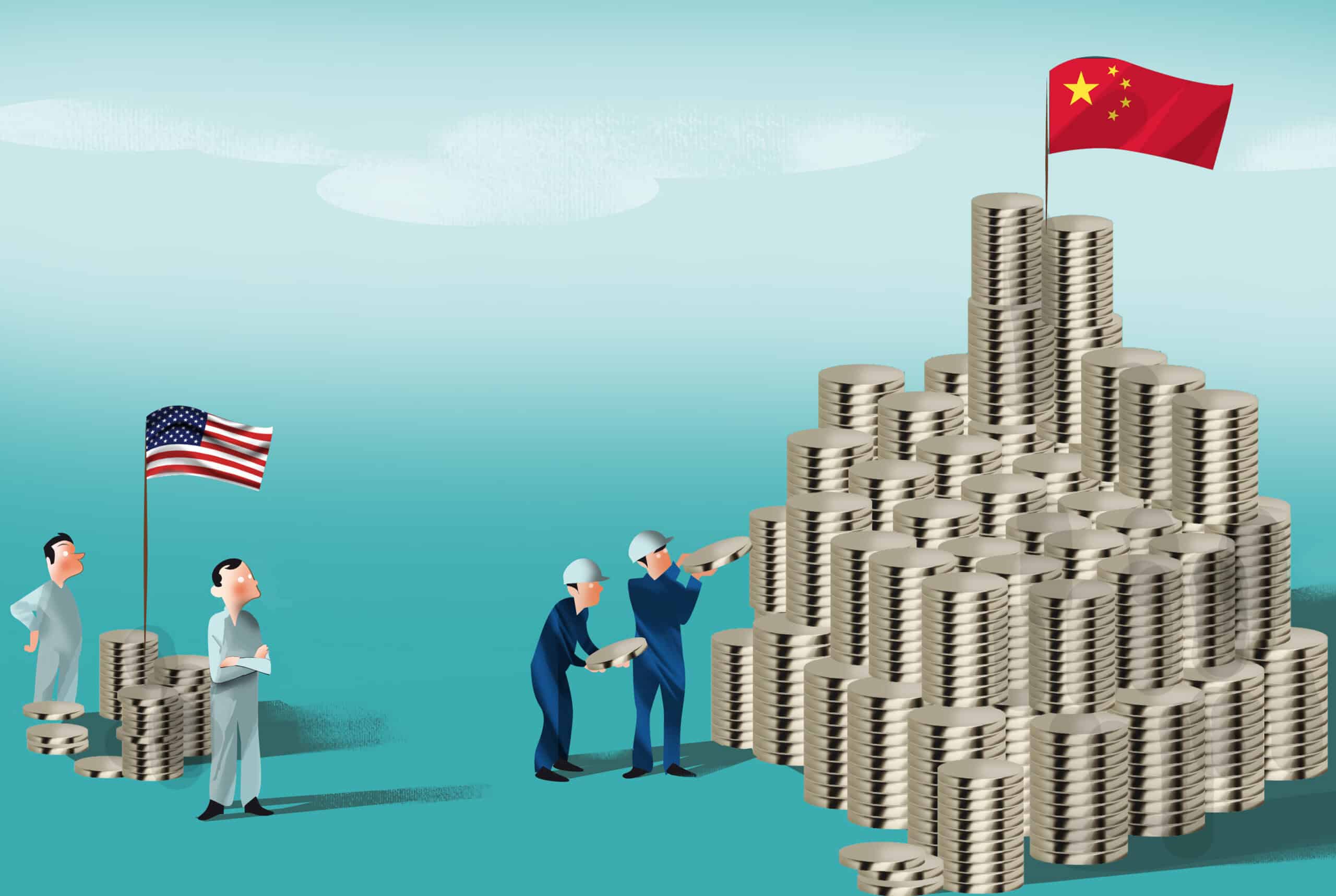
The difference, as is generally the case in comparisons between the U.S. and China, is scale. Since 2014, Beijing has allocated more than $142 billion in equity funding alone to its chip industry as part of its Made In China 2025 industrial strategy, almost three times as much as the funding offered by Washington in the CHIPS Act.
“When firms are thirsty, we bring them a bucket of water,” says Charles Wessner, a professor of innovation policy at Georgetown University. “In China, they bring them a swimming pool.”
THE RISE AND FALL OF ALAIN KALOYEROS
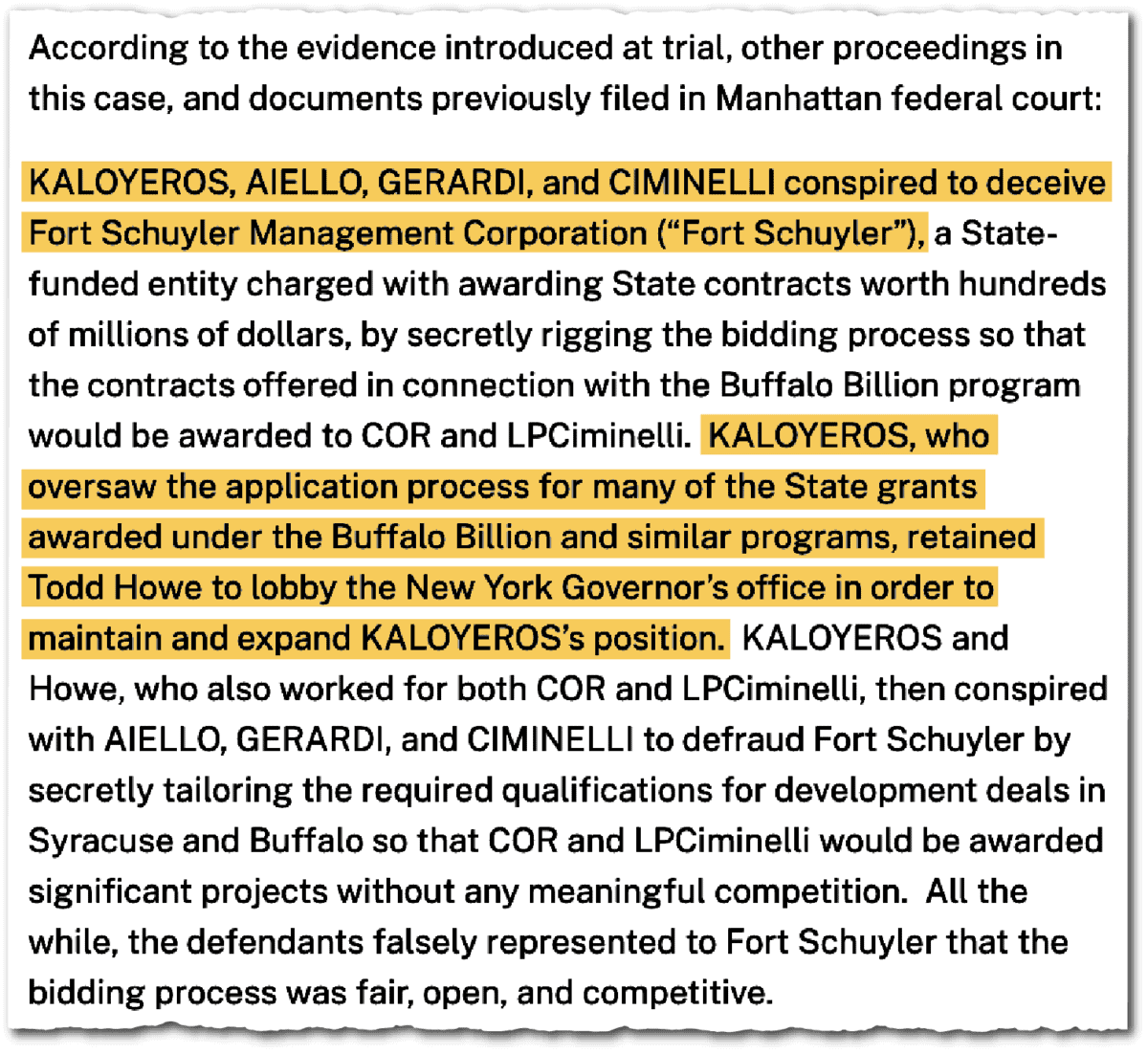
As Albany Nanotech grew in the first decade of the new century, so too did the stature and status of Kaloyeros, its founding father. He took on state economic development roles that far exceeded his formal title as head of the State University of New York Polytechnic Institute, and he drove convertibles — Porsches, then Ferraris — with license plates such as “DR NANO” and “NANOGEEK.” But his rise was ultimately halted by a federal conviction for alleged fraud in 2018. Kaloyeros denies wrongdoing. The ruling was later thrown out by the U.S. Supreme Court.
His legal troubles haven’t diminished his energy or sense of humor. When first contacted by The Wire China in April, he said he hoped the reporter was “ready to digest the truth.”
When firms are thirsty, we bring them a bucket of water. In China, they bring them a swimming pool.
Charles Wessner, a professor of innovation policy at Georgetown University
Later asked what year he became a U.S. citizen, Kaloyeros said: “I am not. You might want to tell ICE. Kidding just kidding, 1992.” At the end of a lengthy answer he is wont to say things like “Okay, now that I bored the heck out of you, ask questions.”
Alain Kaloyeros discusses the nanotech complex in New York, during an interview conducted in 2009. Credit: billtest2008 via YouTube
Kaloyeros also continues to speak like a dealmaker, rather than a career university administrator. He refers frequently to high-stakes negotiations with companies and politicians that date back decades, readily recalling who won and who lost. In 2002, the New York Times described him as “a dapper dervish of a scientist” and a “veritable Chamber of Commerce in disguise.”
That October, Kaloyeros flew to Japan to meet with Tetsuro Higashi, CEO of equipment maker Tokyo Electron. Higashi requested $100 million in backing from New York, and Kaloyeros agreed even though he hadn’t yet cleared the deal with New York officials.
A month later, Tokyo Electron announced it would spend $200 million to establish its first foreign research facility in Albany. The state money Kaloyeros had promised had come through.
“It’s always better to ask forgiveness than permission,” he says of his approach to dealmaking.
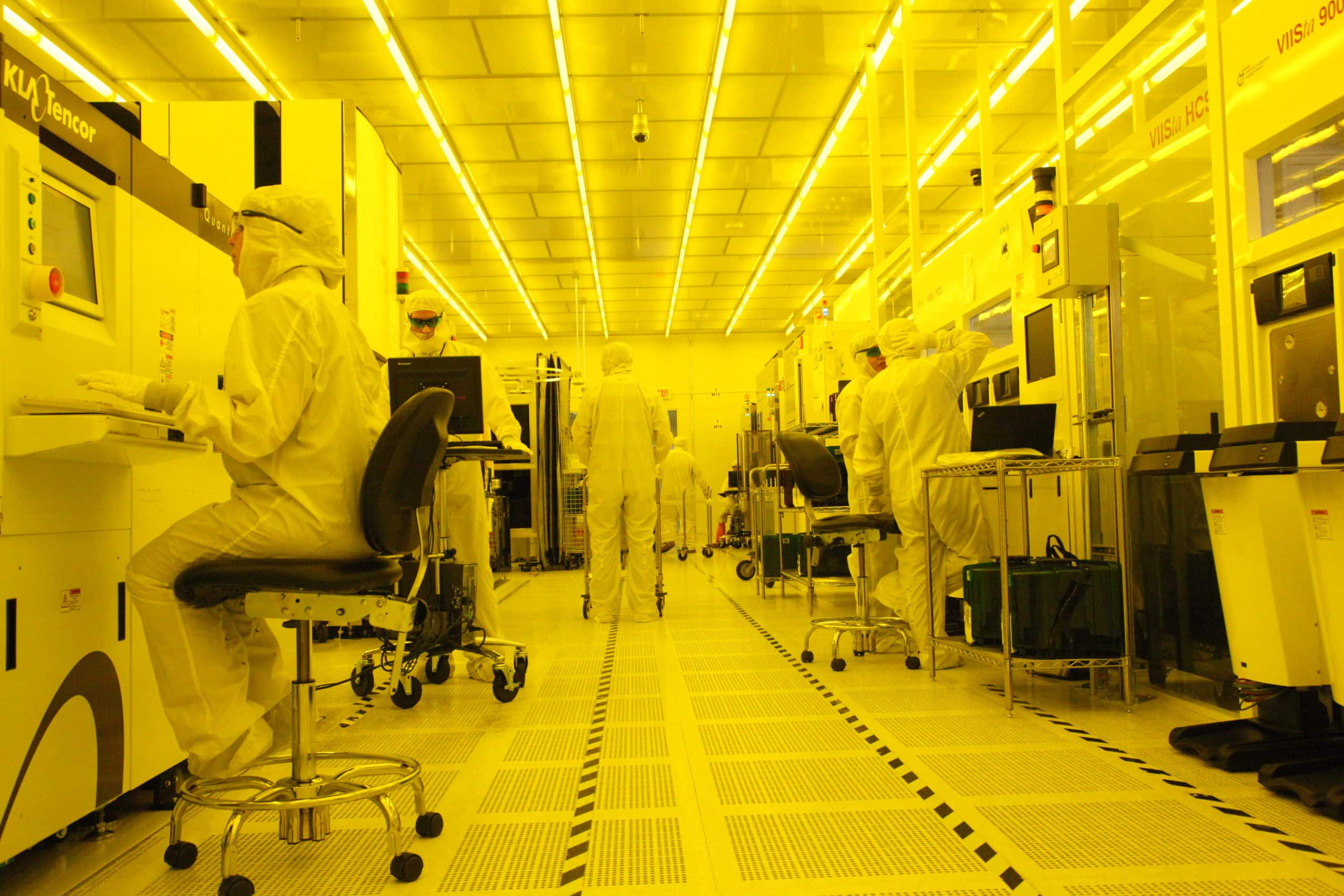
A year later, SEMATECH, a public-private consortium of chip firms funded by the Department of Defense, agreed to spend $193 million over five years to establish a lithography center at the research complex, with the state providing an additional $210 million.
“Due to our success with SEMATECH, we are the envy of many states and nations,” Pataki said after the deal closed.
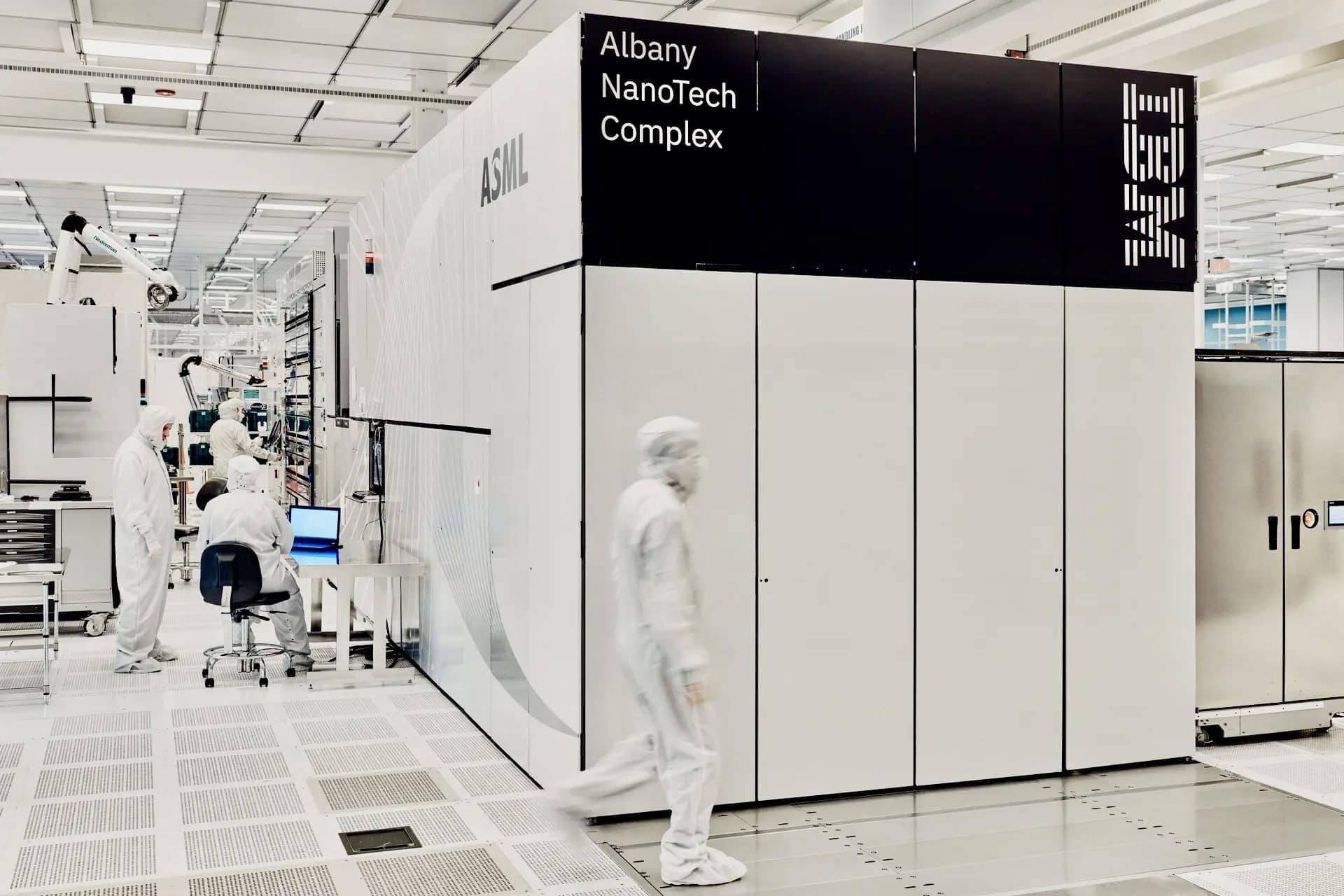
Albany Nanotech built on that deal three years later, when it — and the Interuniversity Microelectronics Centre (IMEC), a Belgium-based research consortium — became the first facilities to acquire extreme ultraviolet technology tools from Dutch firm ASML. (Kaloyeros says that the two research groups were competing to get the tools first, and that Albany Nanotech won. IMEC did not respond to a request for comment.)
Harry Levinson, who ran lithography research at semiconductor company Advanced Micro Devices in the early 2000s, says AMD joined Albany Nanotech because of the high price of buying new early-research tools for each generation of technology. “AMD just couldn’t afford to do that on an ongoing basis. But if we still wanted to be at the leading edge, we needed to continue to have access to such tools.”
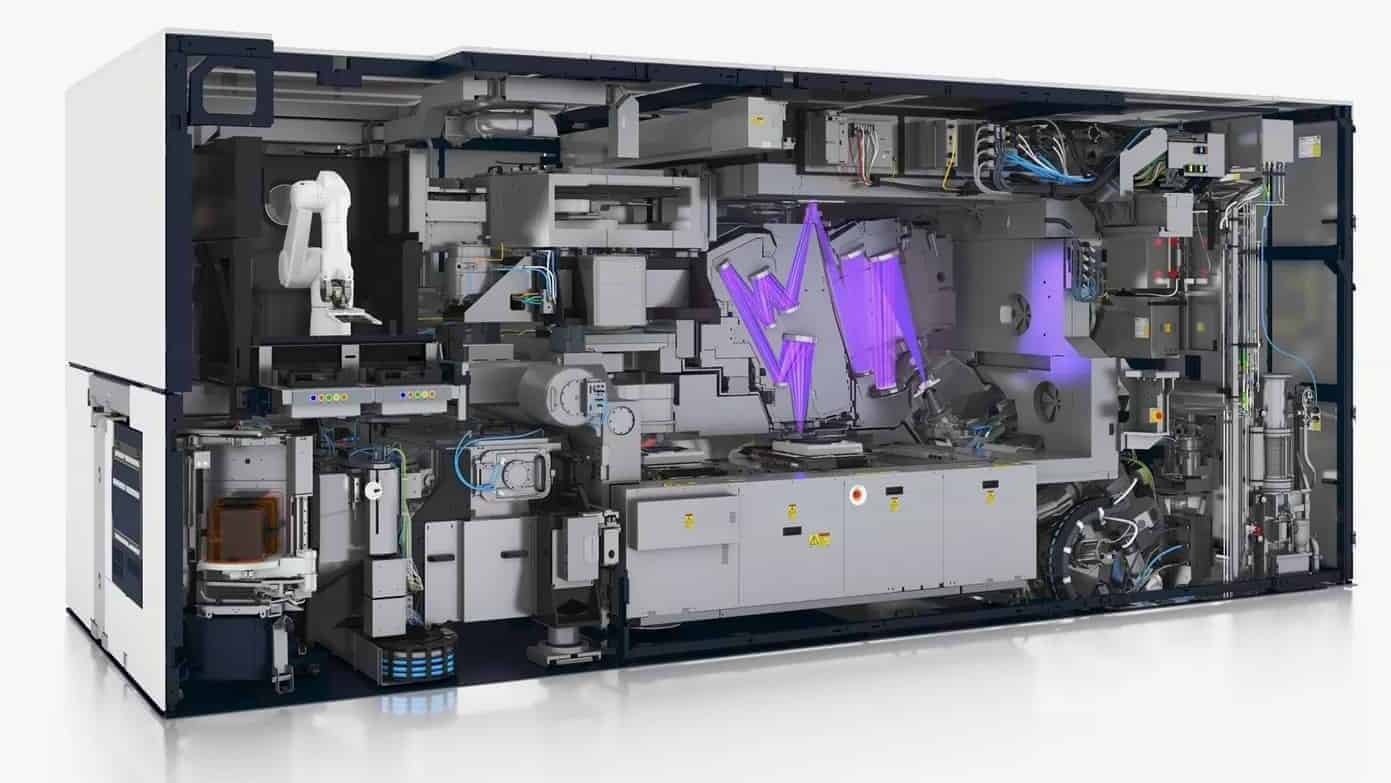
“AMD was the first large company to go into high-volume manufacturing using immersion lithography, and our being the first was due, in no small measure, to our being able to learn at Albany Nanotech,” he adds. The technology, which involves bending light waves by adding a film of water to a semiconductor wafer, allowed manufacturers to create smaller and more powerful chips.
The year after Albany Nanotech acquired ASML’s EUV tools, SEMATECH announced it would relocate its headquarters to New York from Austin, Texas. The move was driven by the combination of the advanced tools at the nanotech complex and the partnerships the state had carved with industry players, says Michael Polcari, who led SEMATECH at the time. “We saw an advantage for our members to take advantage of the capability that was being established there,” he says.

“It was literally the most advanced available research facility in the United States,” adds Dan Armbrust, who succeeded Polcari as SEMATECH’s president.
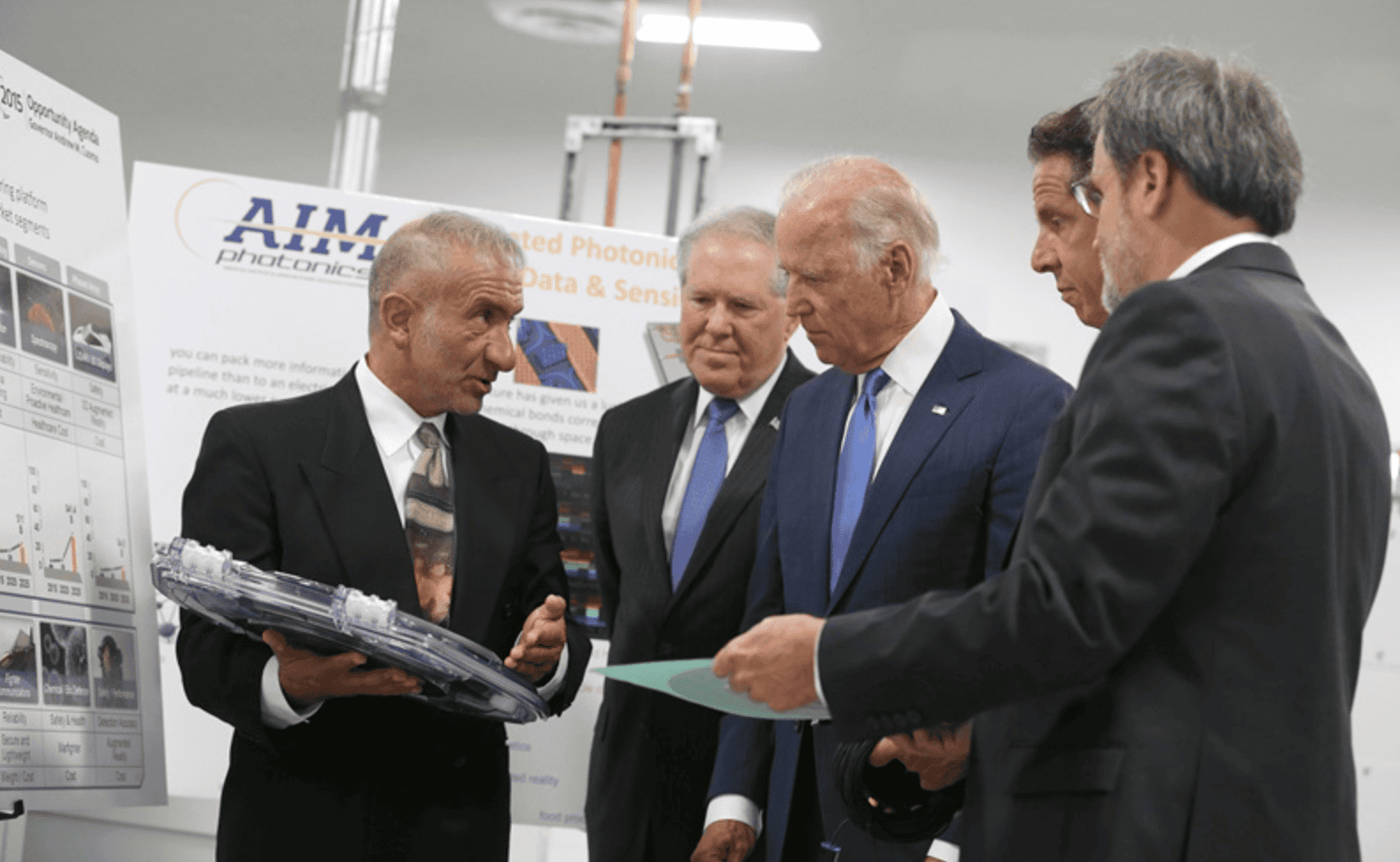
By 2014, Albany Nanotech boasted more than one million square feet of facilities, and Kaloyeros topped the list of highest-paid state employees, pulling in almost $1 million. Governor Andrew Cuomo referred to him that March as New York’s “secret weapon.”
“He has economic visions that other mere mortals can’t actually see,” Cuomo added the following summer.
But the road was about to run out for Kaloyeros. In 2016, the U.S. Attorney’s Office unveiled charges against him for alleged bid-rigging, suspecting he had been doling out contracts without a proper competitive process to a real estate developer owned by a major Cuomo donor. The investigation, which focused on Kaloyeros’ role in a development project known as “Buffalo Billion,” cost him his state career. He resigned that October.
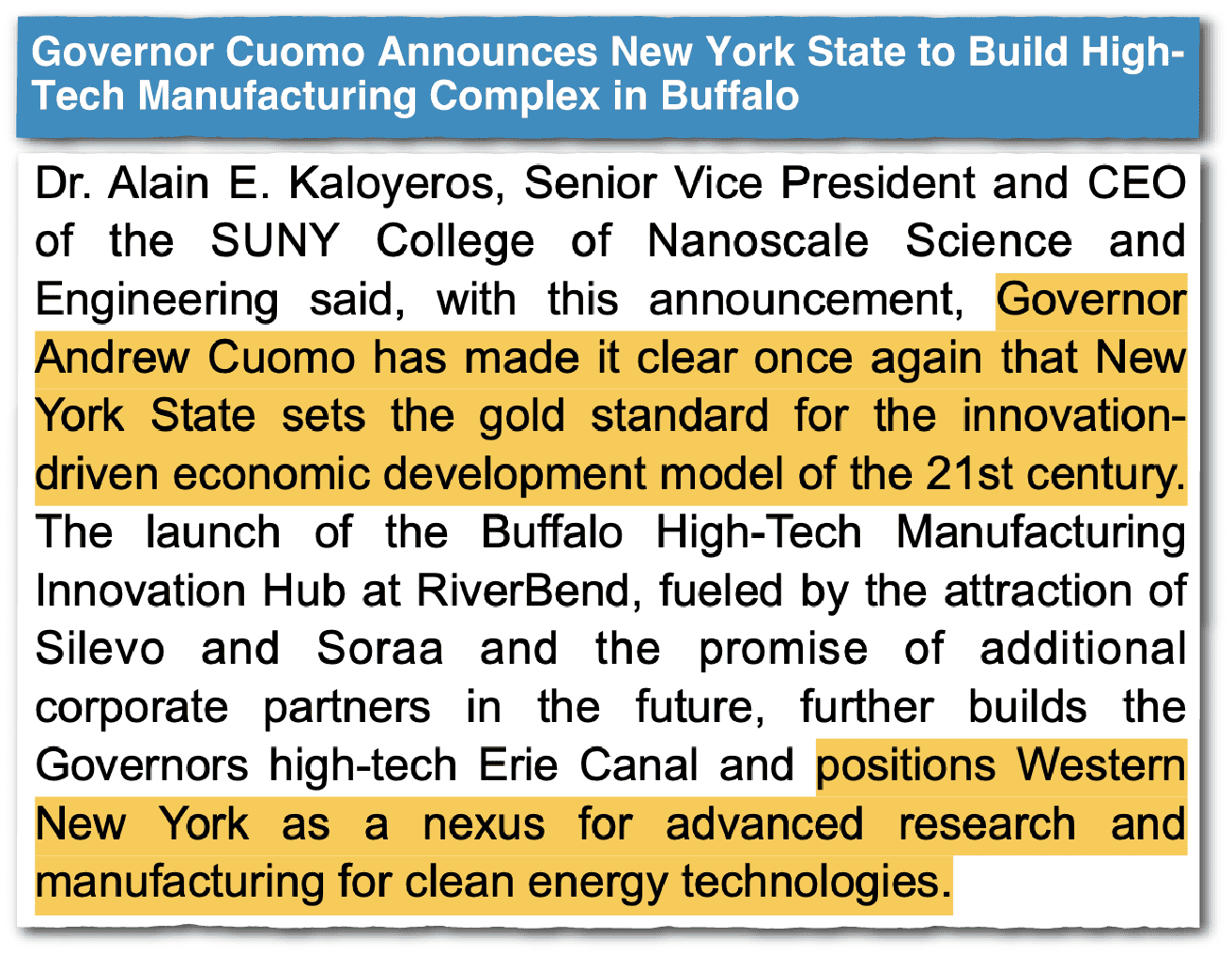
The project — a pillar of Cuomo’s economic development agenda soon after he took office — created jobs at a solar panel factory in Buffalo that the state financed and leased to Tesla for $1 per year. New York provided nearly $1 billion in state support for its construction. Kaloyeros oversaw the application process for state grants related to its development, which never generated the windfall Cuomo and other officials had promised. By 2018, a state agency had written down the value of the factory by $884 million.
That year, Kaloyeros was convicted of fraud in federal court and sentenced to three and a half years in prison. He insists he was innocent and served just five months after the Supreme Court unanimously overturned the legal precedent underlying his conviction in 2023, ruling that it used an overly broad interpretation of the law. Kaloyeros’ case was returned to a lower court. He is now fighting a retrial.
THE RENEWAL
New York officials are hoping that new incentives, and the CHIPS Act, will bring more companies to the state — and to Albany Nanotech.
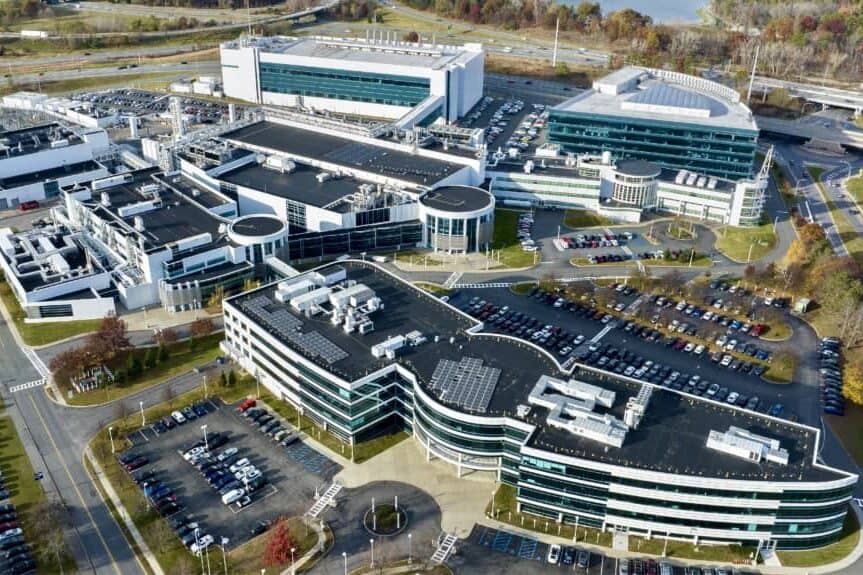
Last year, the federal agency tasked with implementing the CHIPS Act designated Albany Nanotech as the first of three planned National Semiconductor Technology Centers. (California and Arizona later won the others.) The award came after the facility secured state and industry funding to buy ASML’s latest EUV tool, which is estimated to cost $400 million. Albany Nanotech will be the only public institution in the country with the tool, which has not yet been widely adopted.
ASML declined to comment on when it will deliver the tool to Albany Nanotech or how much it costs.
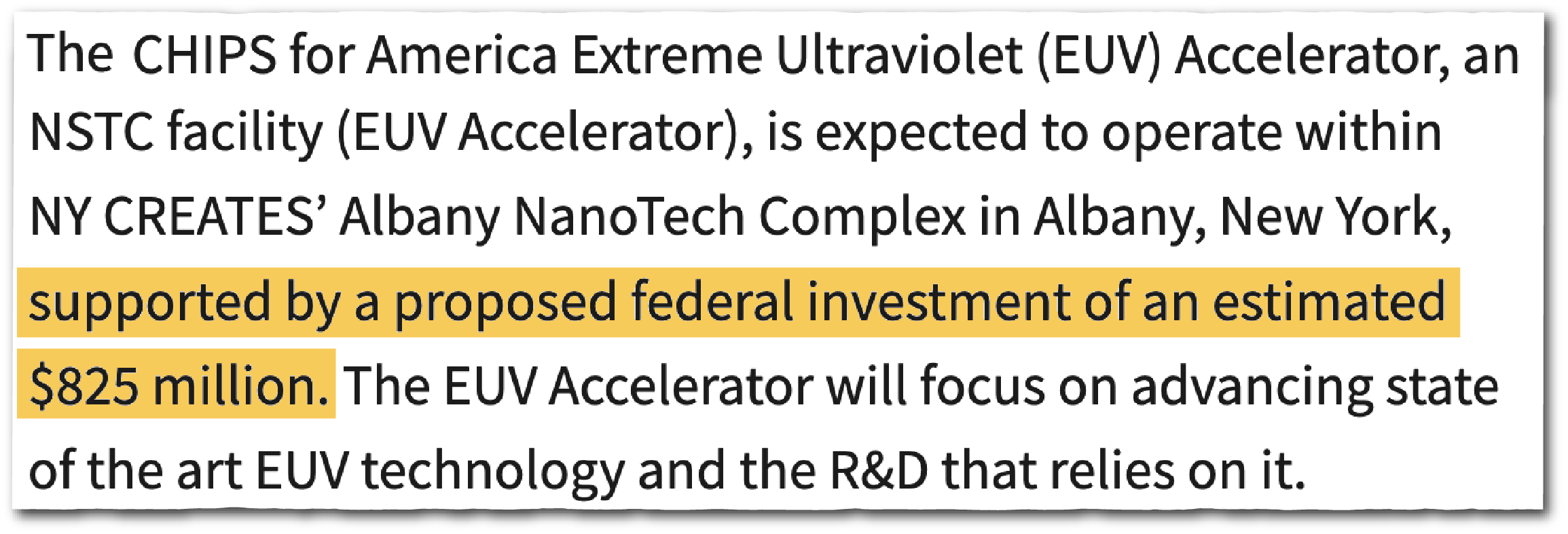
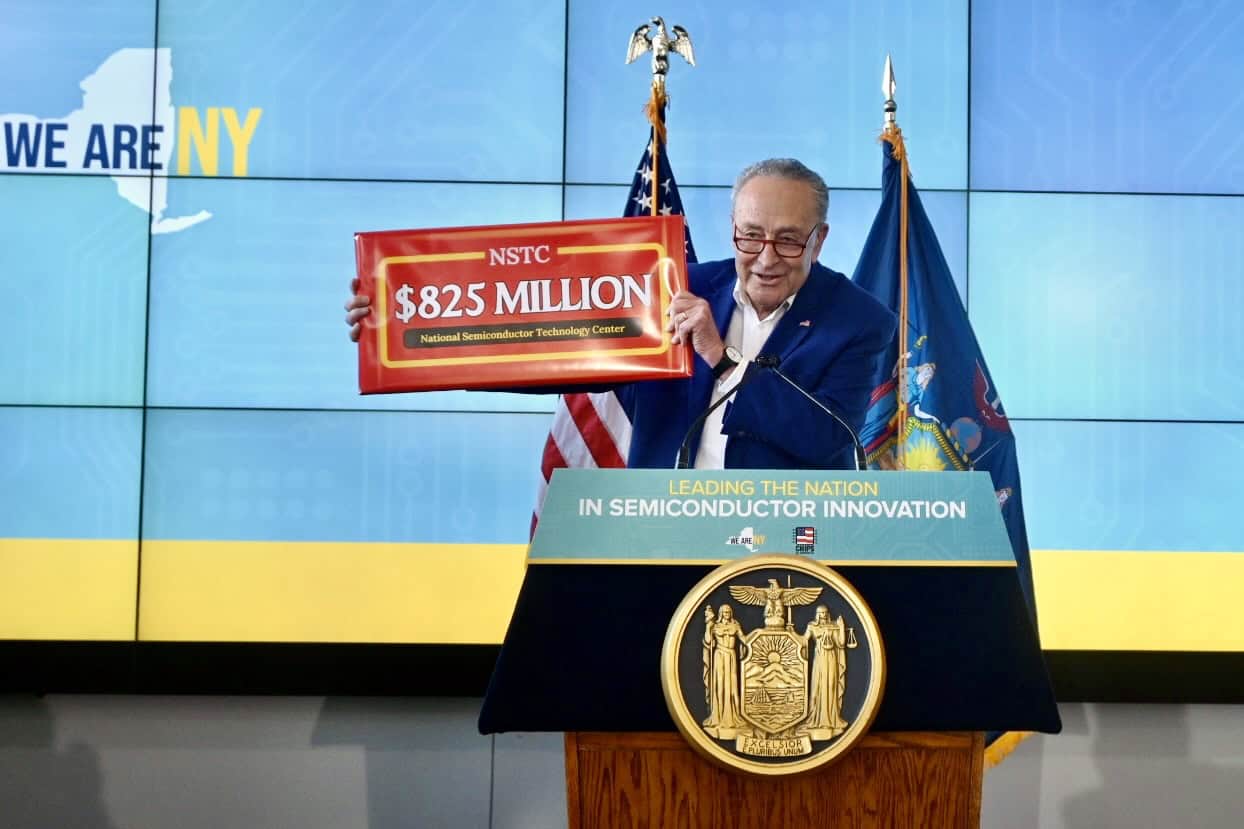
The year after the CHIPS Act passed Congress, Albany cobbled together $10 billion for Albany Nanotech, including $1 billion from the state vault and $9 billion from the private sector. Washington committed an additional $825 million last October.
“New York clearly has the most capabilities for [chip fabrication] R&D in the U.S.,” says Armbrust, the former SEMATECH president. “It quite rightly should be the place that EUV extensions are being evaluated at the pre-production stage.”
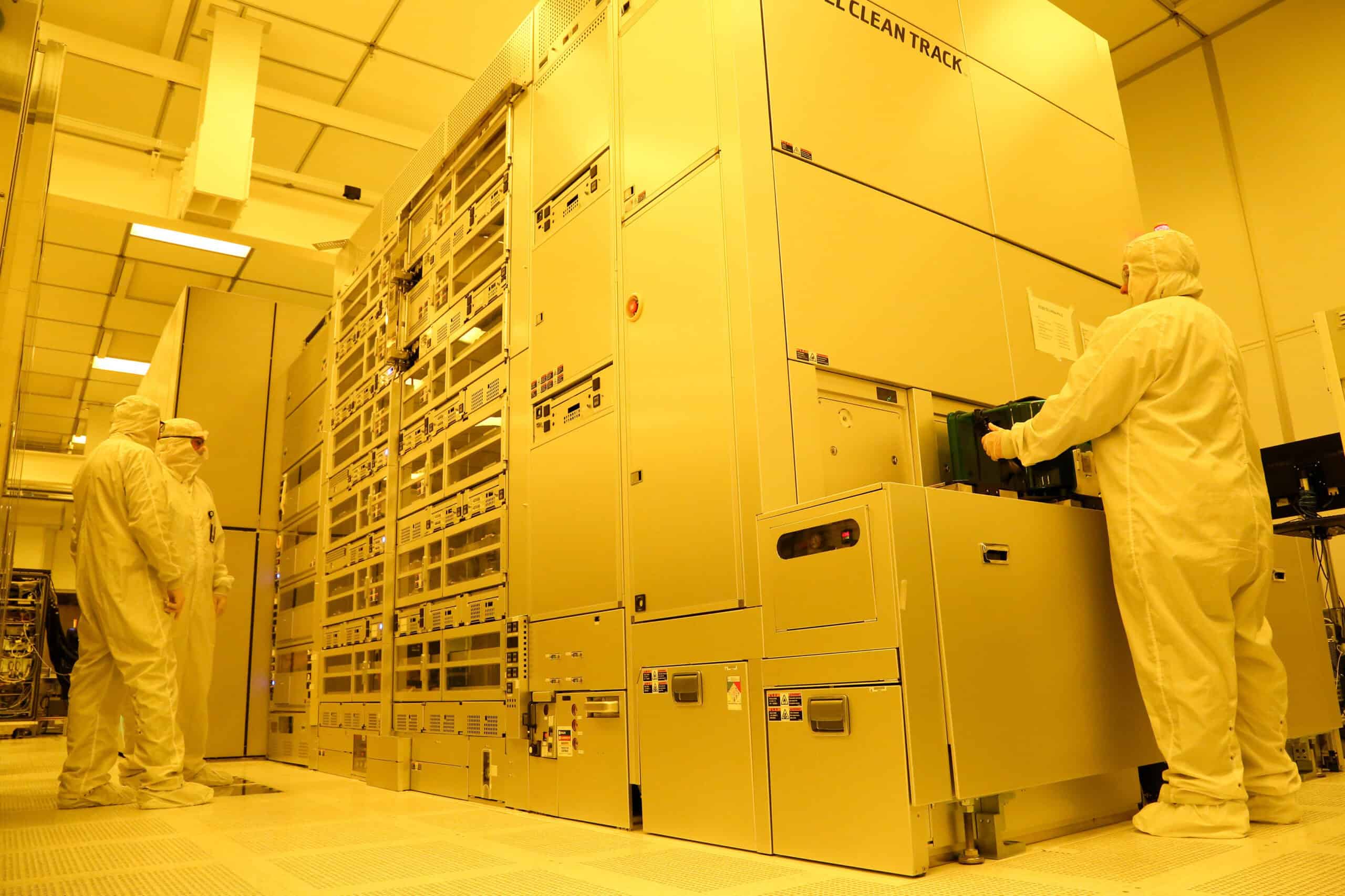
Not all industry veterans are convinced Albany Nanotech can become America’s IMEC, where semiconductor firms across the supply chain already have researchers. Hans Stork, who led R&D at supplier Onsemi and was chief technology officer at equipment firms Applied Materials and Texas Instruments, said Albany Nanotech simply hadn’t attracted enough leading-edge firms. “Getting attention from the smaller players may be nice, but is not good enough,” he says.
The complex is now run by a state agency called NY CREATES. It did not respond to repeated phone calls or emails from The Wire China.
Major Chip Players Missing From Albany Nanotech’s Partners
A look at the public companies NY CREATES lists as industry partners on its website.
| Company | Valuation (USD) |
|---|---|
| IBM | 248,000,000,000 |
| Applied Materials | 132,000,000,000 |
| Lam Research | 109,000,000,000 |
| Tokyo Electron | 77,000,000,000 |
| Wolfspeed | 232,000,000 |
Note: Market capitalization is as of June 5. Source: NY CREATES; Google Finance
WOOING MICRON
After the Kaloyeros controversy, legislators and economic development groups across the state began hatching a plan to lure a large semiconductor manufacturer.
The purpose was to make upstate New York the epicenter of semiconductor research and manufacturing in the United States. We needed to get [New York’s Green CHIPS bill] passed before we left in order to seal the deal with Micron.
Al Stirpe, an Assemblyman who introduced New York’s Green CHIPS bill in the state legislature’s lower house in 2022
Even before politicians in Albany and Washington had passed their respective semiconductor subsidy packages, state and local officials were recruiting chip companies and urging residents on the Clay site to sell their homes. Economic development agencies and state officials homed in on Micron in 2021 after discussions with a handful of other semiconductor companies, including Intel, fell through.
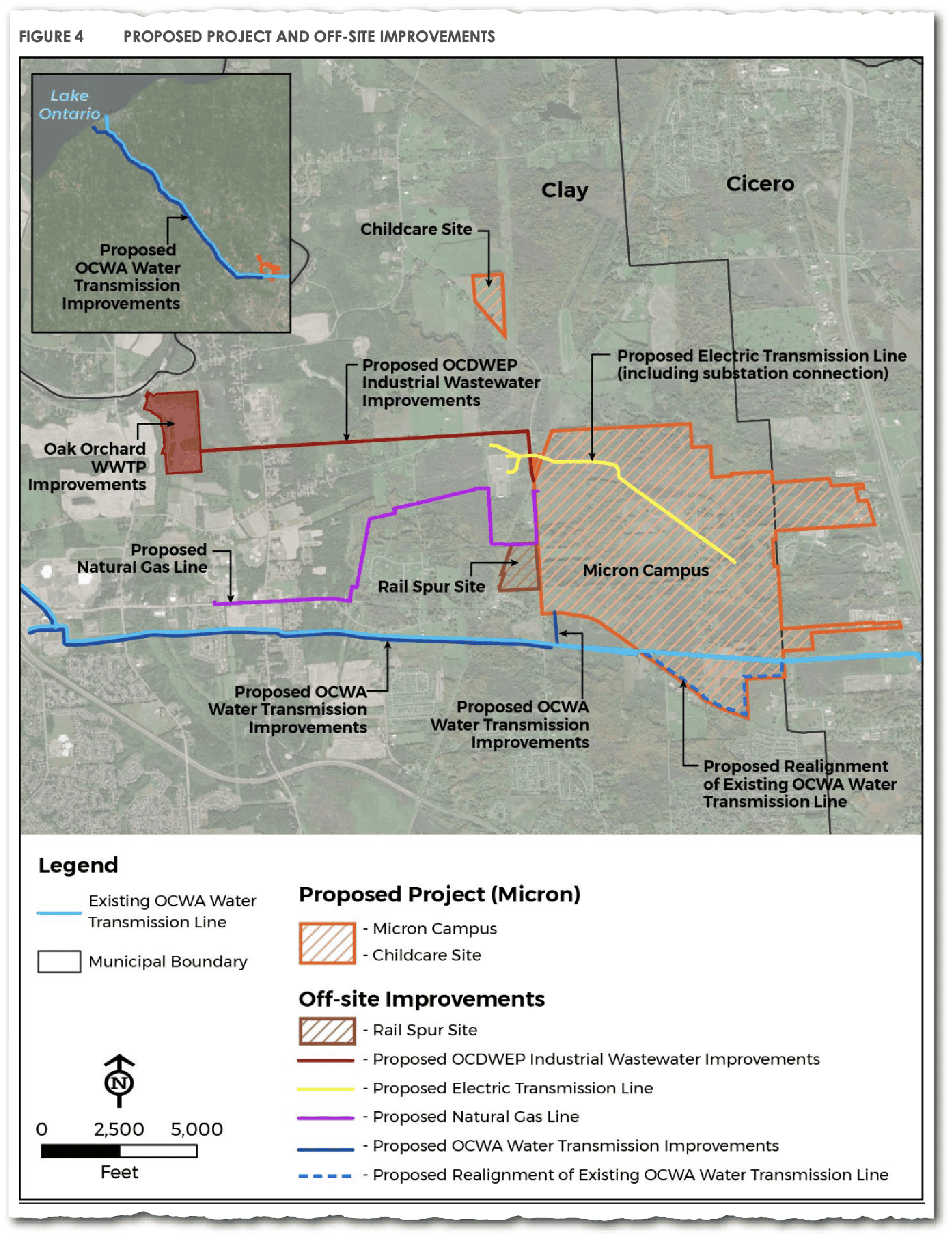
“The checklist of things that was important to Micron became our to-do list,” says Robert Simpson, president of CenterState CEO, an economic development group in central New York that negotiated with Micron. “One of those things was Green CHIPS.”
The Hochul administration developed the bill, Simpson says. But Assemblyman Al Stirpe, who introduced New York’s Green CHIPS bill in the state legislature’s lower house in 2022, says Green CHIPS became a negotiation between economic development group Empire State Development and the Assembly’s Ways and Means Committee during the three weeks before the legislature went out of session for the year. “I’m sure Micron had initiated it and asked ESD and the economic development people from CNY [central New York] to negotiate it for them,” he says.
Regardless of whose idea it was, the legislature buckled down after it hit Stirpe’s desk. The Green CHIPS Act passed after an all-night bill-signing marathon in June, the day before the end of the legislative session.
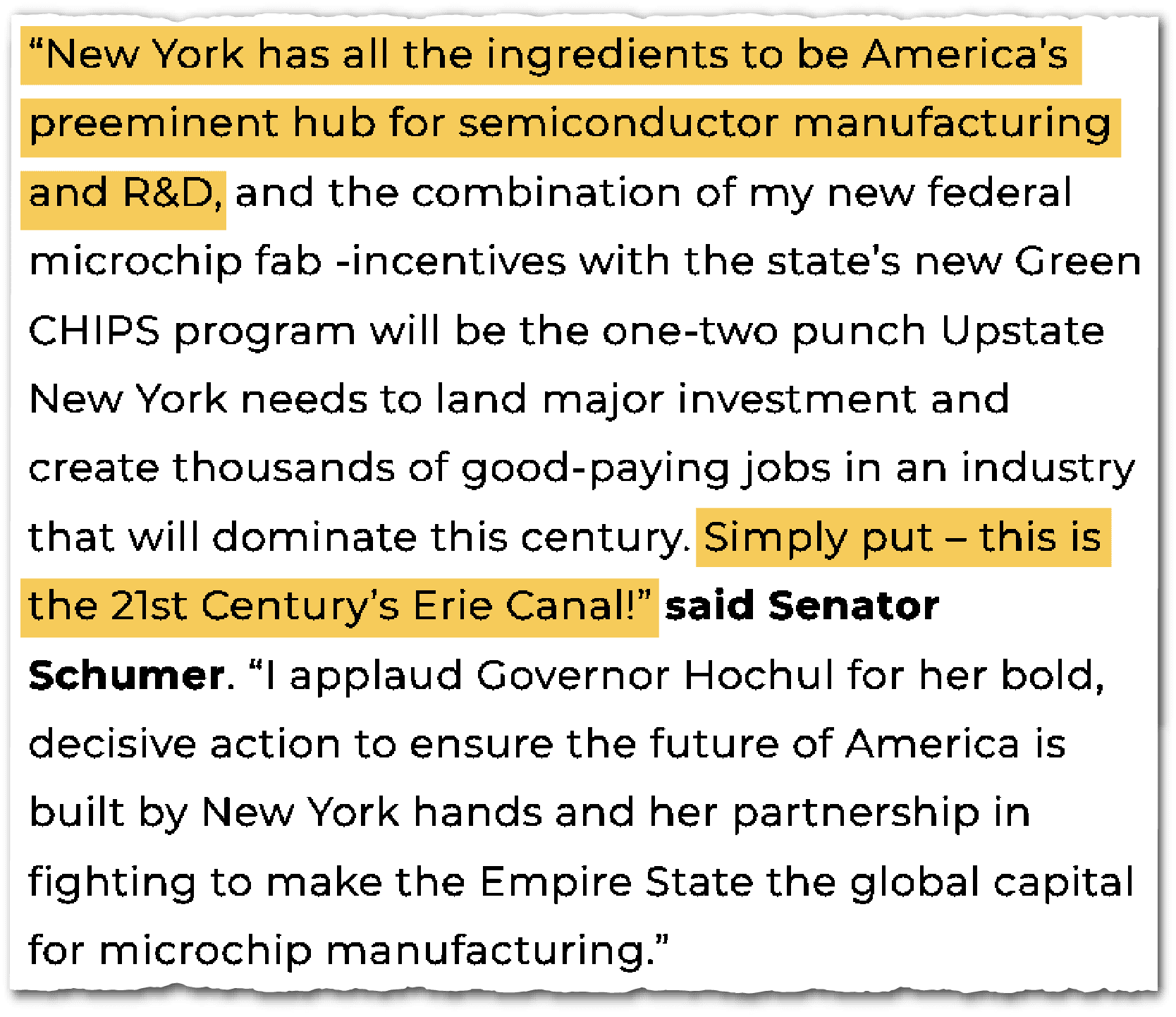
“The purpose was to make upstate New York the epicenter of semiconductor research and manufacturing in the United States,” Stirpe says “We needed to get it passed before we left in order to seal the deal with Micron.”
“Senator Schumer needed to make sure we passed it before he would pass the federal CHIPS bill,” Stirpe adds.
Hochul’s and Schumer’s offices did not respond to requests for comment.
Kevin Younis, executive operating commissioner of Empire State Development, said in 2022 that without the federal CHIPS Act, the Micron fab “doesn’t happen in the U.S.” And without the Green CHIPS bill, he added, “they’re not coming to New York … it was the difference maker.”
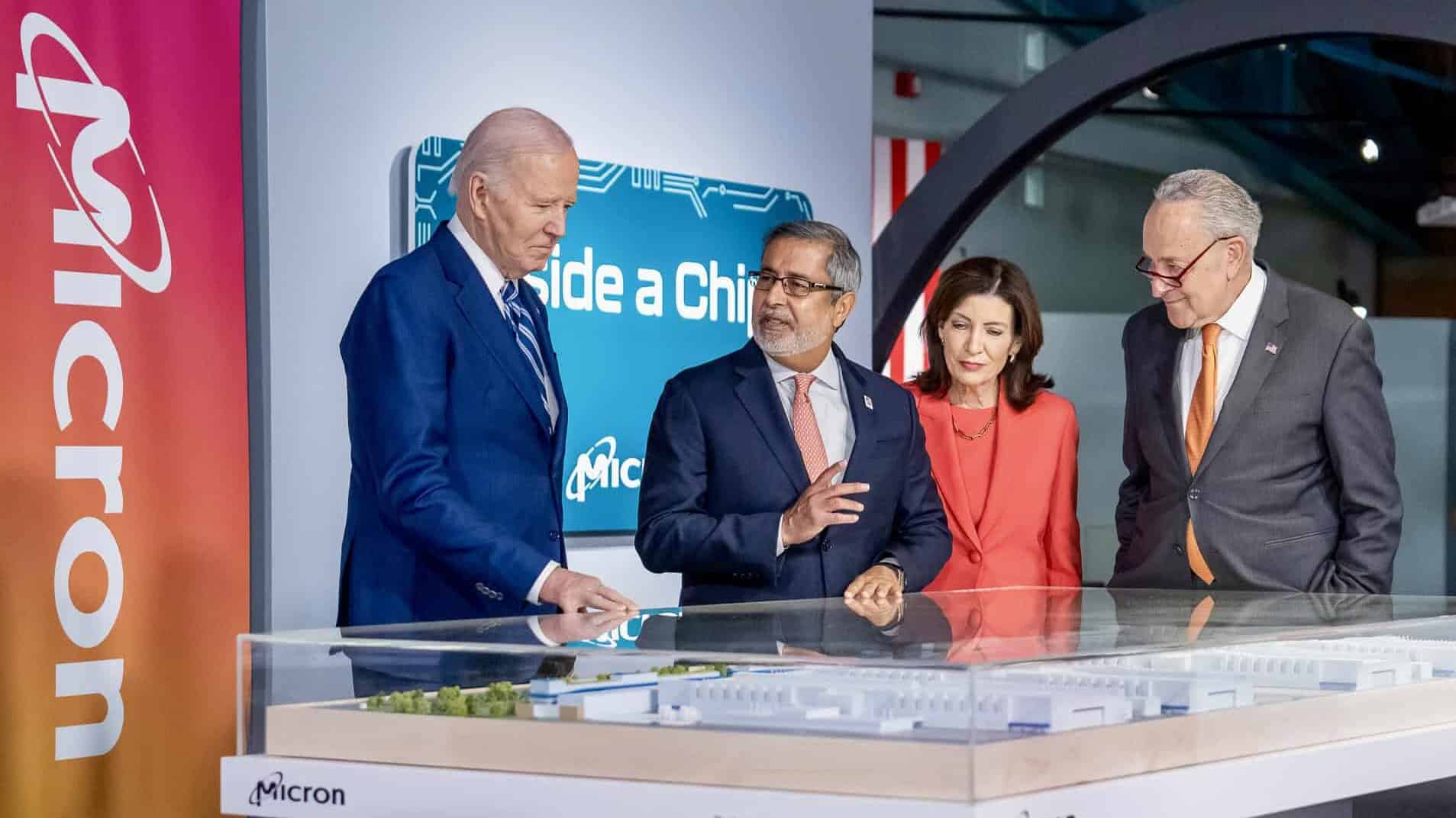
Congressman Paul Tonko (D-NY), who represents the Albany area, told The Wire China he is confident Micron’s investment will go forward even if Trump succeeds in killing the CHIPS Act.
“These contracts were signed pre-Inauguration Day. That gives you a good foundation,” he said. “Many Republican colleagues in Washington are very reluctant to claw back [CHIPS Act funding].”
In a hearing with the Senate Appropriations Committee on June 4, Commerce Secretary Howard Lutnick said the Trump administration is renegotiating previously agreed upon grants to semiconductor firms.
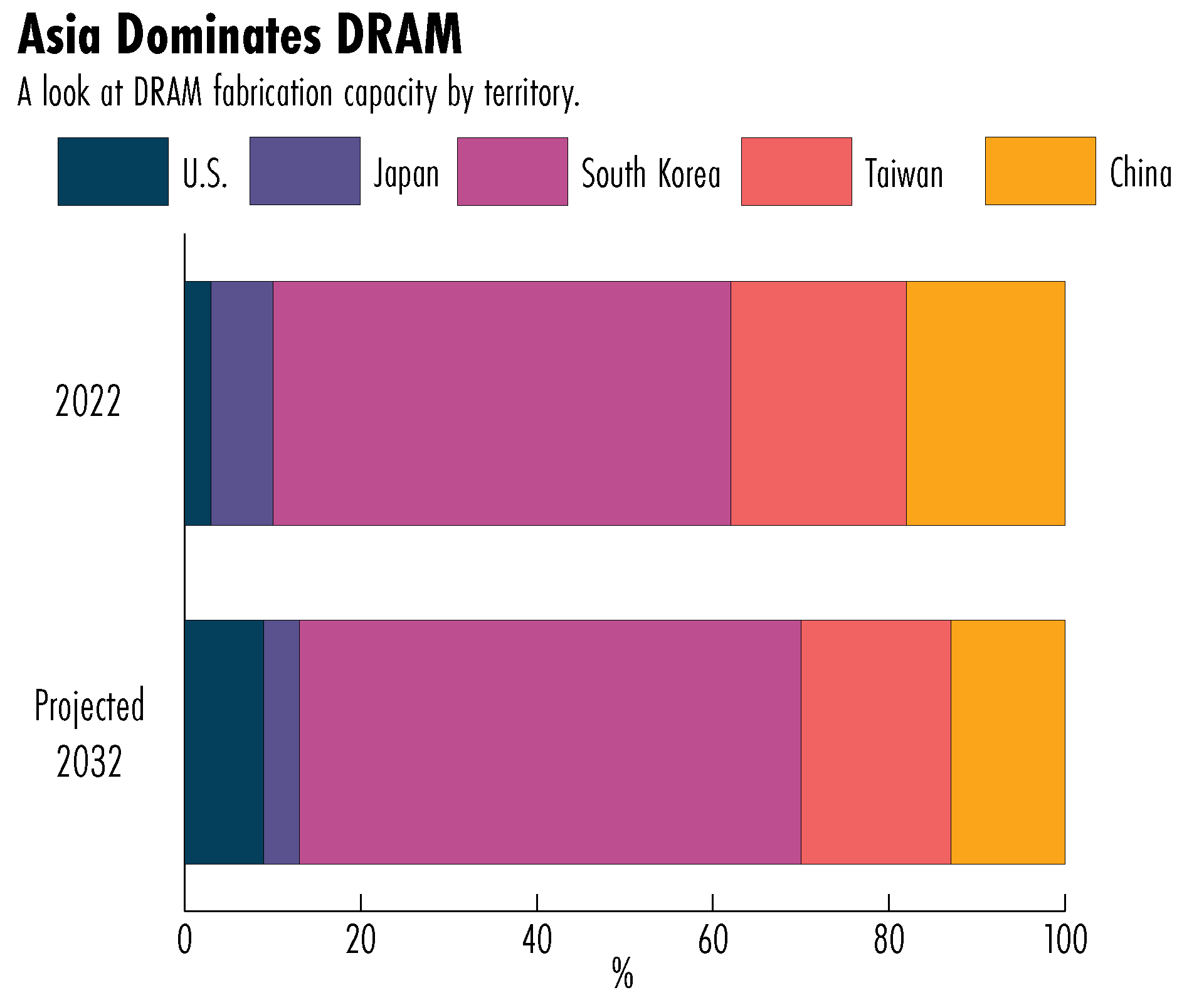
Micron’s fabs will focus on reshoring advanced DRAM. But beyond DRAM, analysts say, the company’s U.S. fabs would have a greater impact if they produce high-bandwidth memory (HBM) chips, a critical component in advanced AI semiconductors. HBM is reportedly part of the plan. “That’s the most important thing that’s missing,” says Doug O’Laughlin, president of Semianalysis.
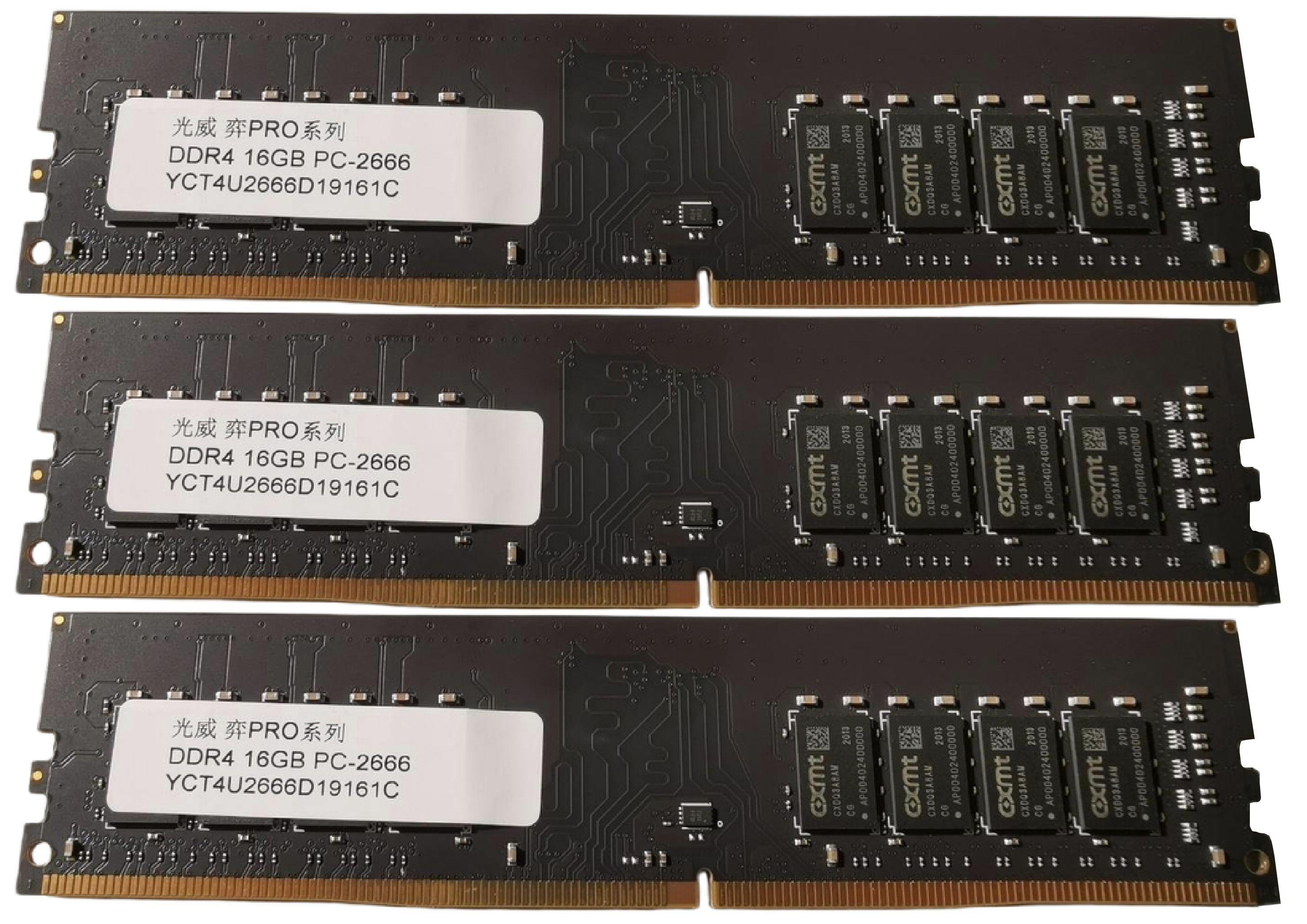
The memory industry, particularly in DRAM, is led by Korean giant SK Hynix, with Micron second, O’Laughlin says. The two companies and another Korean giant, Samsung, together control 95 percent of DRAM market share, according to an analysis by Counterpoint Research. However, Chinese competitors Yangtze Memory Technologies (YMTC) and ChangXin Memory Technologies (CXMT) are rapidly gaining ground on Micron and the Korean giants.
The U.S. has added YMTC to its export blacklist, but not CXMT. (The latter firm is on the Pentagon’s list of so-called Chinese military companies, which are subject to less stringent sanctions.)
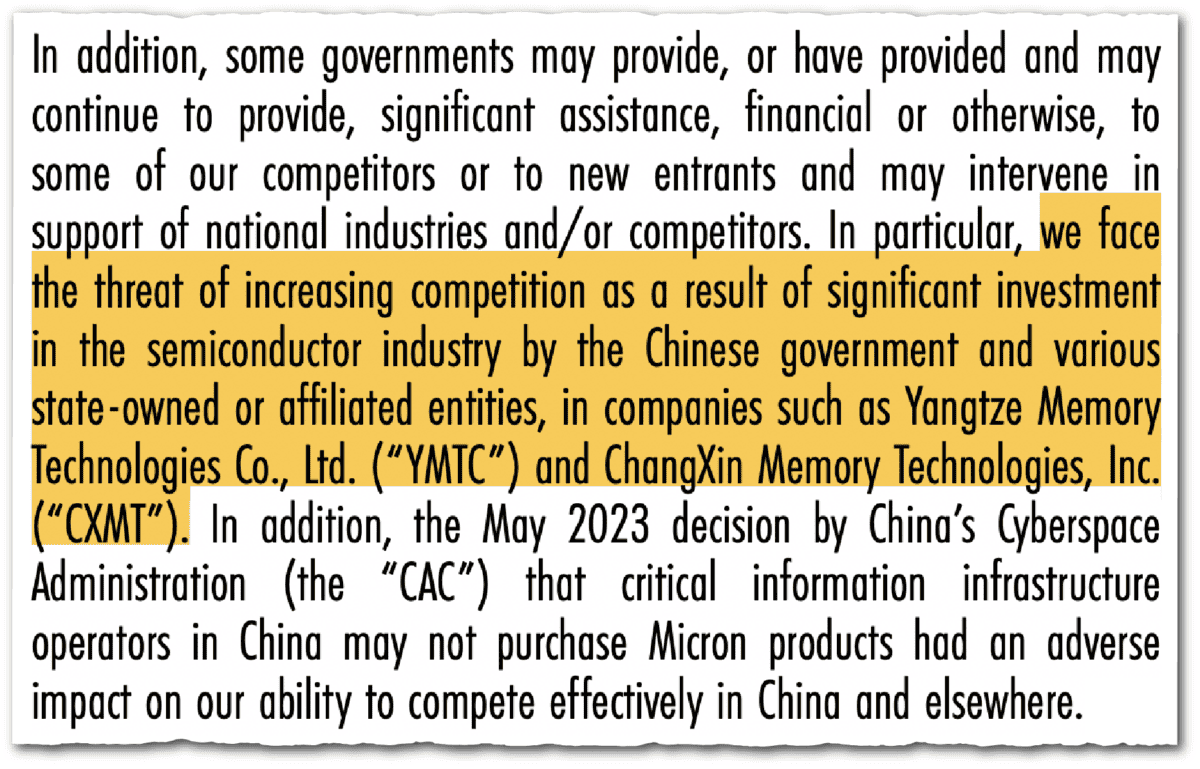
As in many high-tech arenas, the growth of the two Chinese memory chipmakers is the product of state support. In its most recent annual report, Micron warned that it faces “the threat of increasing competition as a result of significant investment in the semiconductor industry by the Chinese government and various state-owned or affiliated entities” in companies like YMTC and CXMT.
FORGET CHINA, FOLLOW TAIWAN
While the U.S. has Albany Nanotech and Europe has IMEC, China has many government-run research complexes where companies — both from the private sector and state-owned — conduct R&D side by side.
Among the most influential is the Shanghai Integrated Circuit Research and Development Center (ICRD). The organization’s purpose is to “to help domestic equipment manufacturers and material manufacturers develop new equipment and materials, which can be quickly applied to production lines,” ICRD President Chen Shoumian said in 2020. The center’s majority beneficial owner is the Shanghai State-Owned Assets Supervision And Administration Commission, according to corporate records accessed through WireScreen.
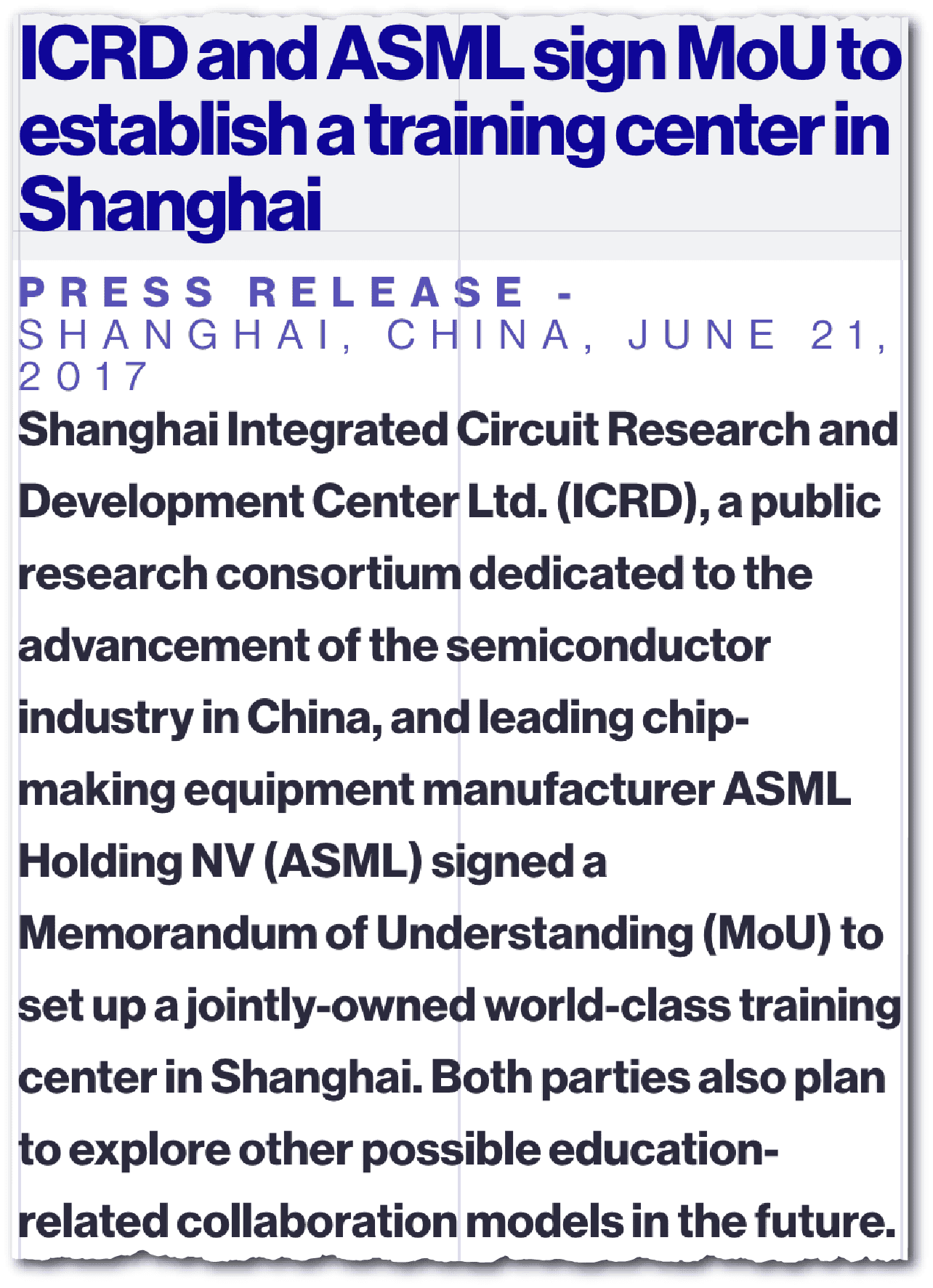
The R&D complex has collaborated with major semiconductor companies, from both the West and China. In 2017, it signed a deal with ASML to set up a jointly-owned lithography training center, echoing the early arrangement the Dutch firm made with Albany Nanotech and IMEC.
By 2020, ICRD was also reportedly operating a chip fab for Huawei and scooping up tools made by American companies. (Huawei has denied its involvement with ICRD.)
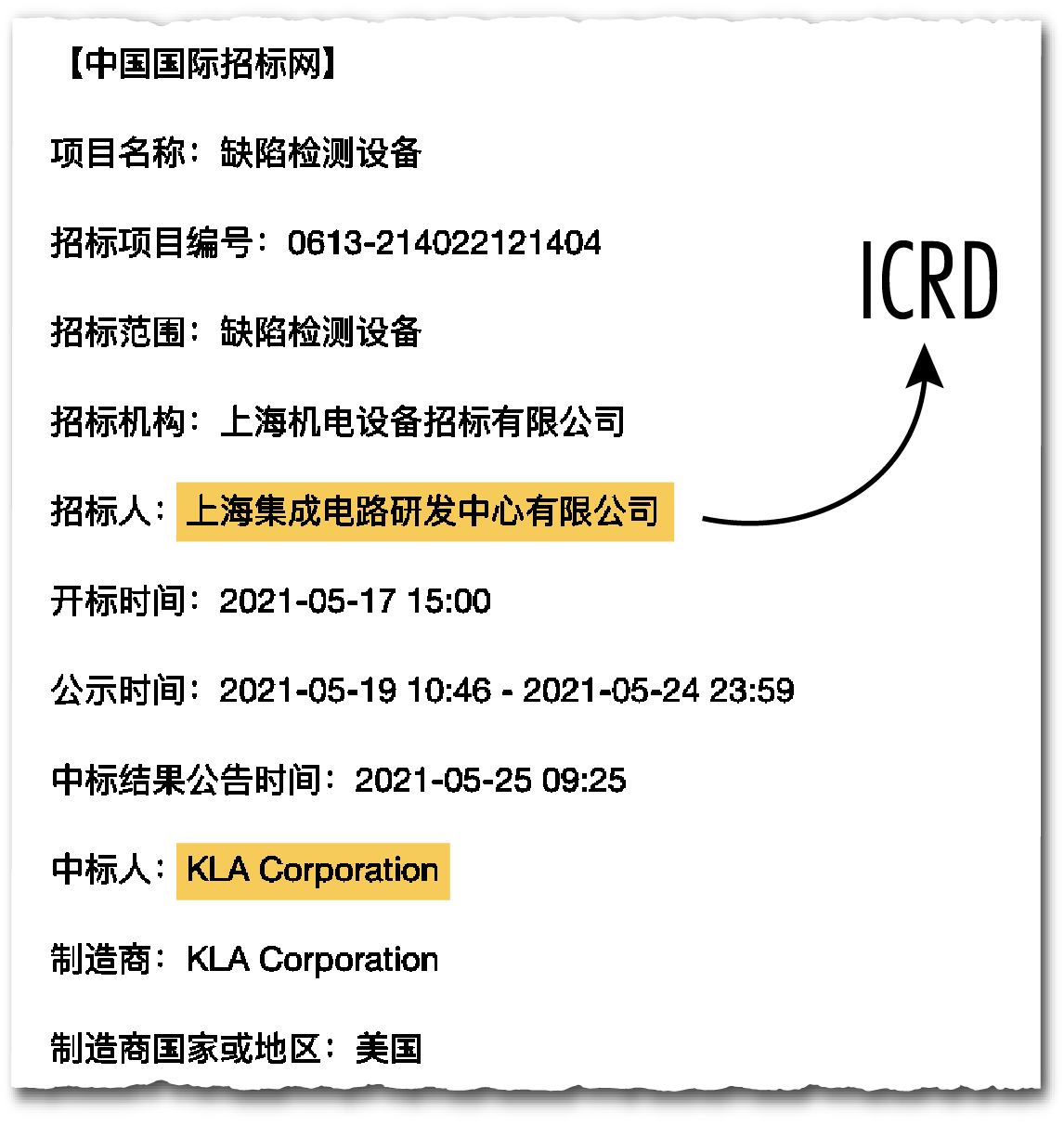
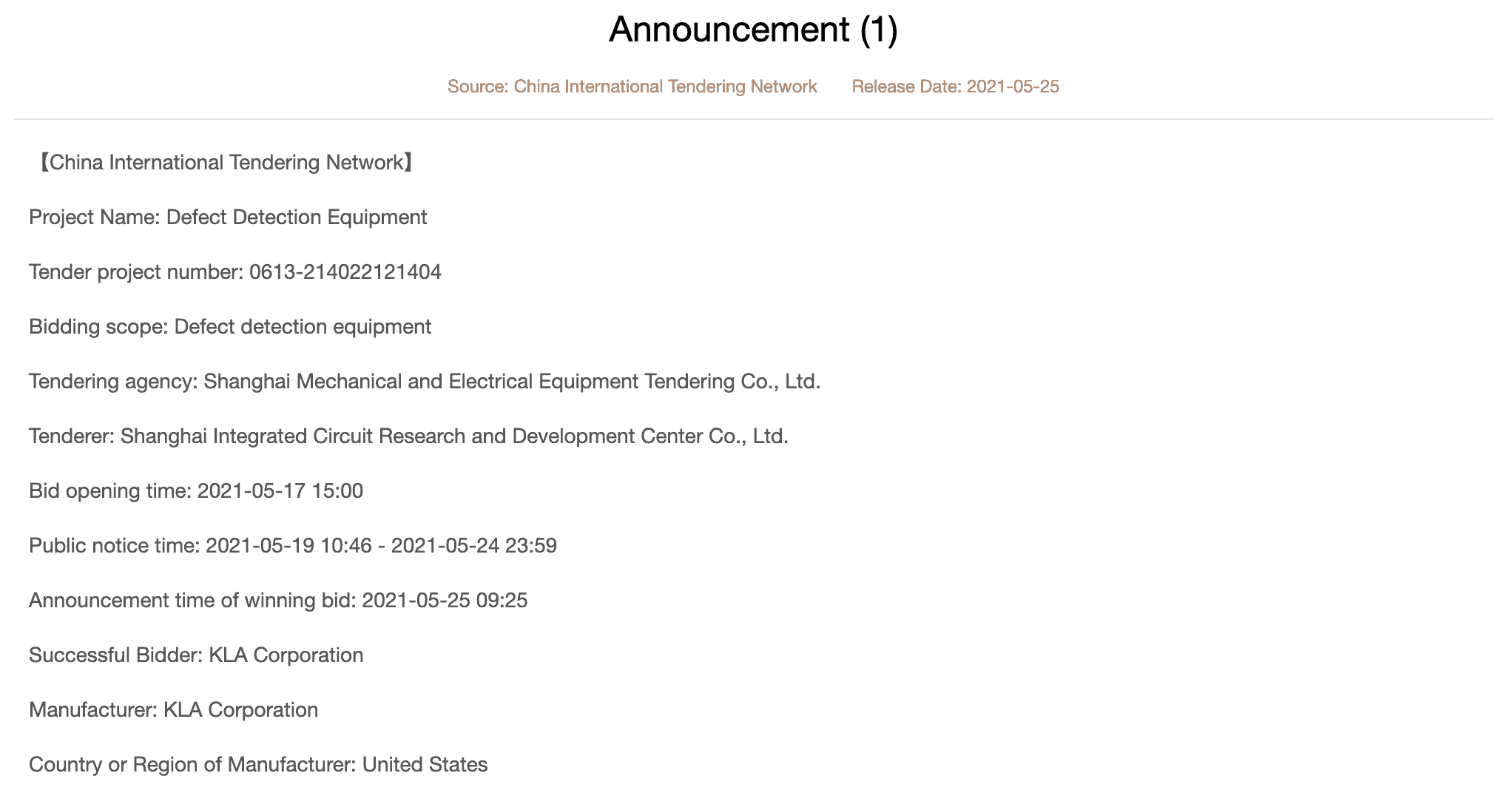
Chinese procurement records show that ICRD bought equipment from California-based KLA and software from the Irish subsidiary of U.S. chip design firm Cadence, which was then led by Lip-Bu Tan, who is now the CEO of Intel.
Seeking to crack down on such sales, the U.S. added ICRD to its trade blacklist in 2022 for “acquiring and attempting to acquire U.S.-origin items in support of China’s military modernization.” Last month, the U.S. Commerce Department’s Bureau of Industry and Security imposed licensing requirements on Cadence’s sales to China, citing “an unacceptable risk of use in or diversion to a ‘military end use.’”
ICRD did not respond to a request for comment.
Despite its successes, some industrial policy experts say the Chinese model is not necessarily one the U.S. should follow. Local governments in China often provide hidden incentives to priority industries that would be anathema to American municipalities, like below-market financing for loss-making firms and equity injections from state-run investment funds.
“State-owned banks don’t really care about financial performance when they lend to state-backed companies. They just keep lending and lending to roll over previous credits,” says Camille Boullenois, an associate director with Rhodium Group, a research firm. “The result is that companies get credit far cheaper than they would normally, but also they just get a lot more credit than they would normally, even when they’re not performing well.”
It would be neither possible nor desirable for a U.S. state to do the same, she says. “Productivity and growth [in China] have collapsed in the past few years, precisely because of massive industrial policy, and because it’s a nonmarket economy that misallocates resources. You can’t increase credit indefinitely in these conditions. At some point returns on assets start to decline, and that’s what we’re seeing in China.”
China now faces the question of whether it can sustain its industrial policy boom in the context of slower economic growth. “Where’s the money going to come from, given that this has been an extremely expensive and wasteful approach to economic development?” asks Ilaria Mazzocco, a senior fellow at the Center for Strategic and International Studies.
China’s advanced chip industry also remains heavily reliant on imports, according to a study released last month by Rhodium and U.S. Chamber of Commerce, even though it is subject to a web of U.S. export controls.
The U.S. has plenty of problems of its own when it comes to implementing industrial policy. Companies base their investment decisions on predictability and long-term time horizons. Both factors are made more difficult by Trump, who prefers tariffs to subsidies. But, Mazzocco notes, state-led efforts can at least offer some stability when Washington’s priorities suddenly shift.
For New York, the model then may not be the mainland but rather Taiwan, whose chips industry garners global envy. A former senior Commerce Department official says the goal for New York is to create self-reinforcing cluster dynamics that yield a symbiotic semiconductor ecosystem of suppliers, manufacturers, and researchers: “If you look at Taiwan as the global standard, that’s the kind of thing that we’re building.”
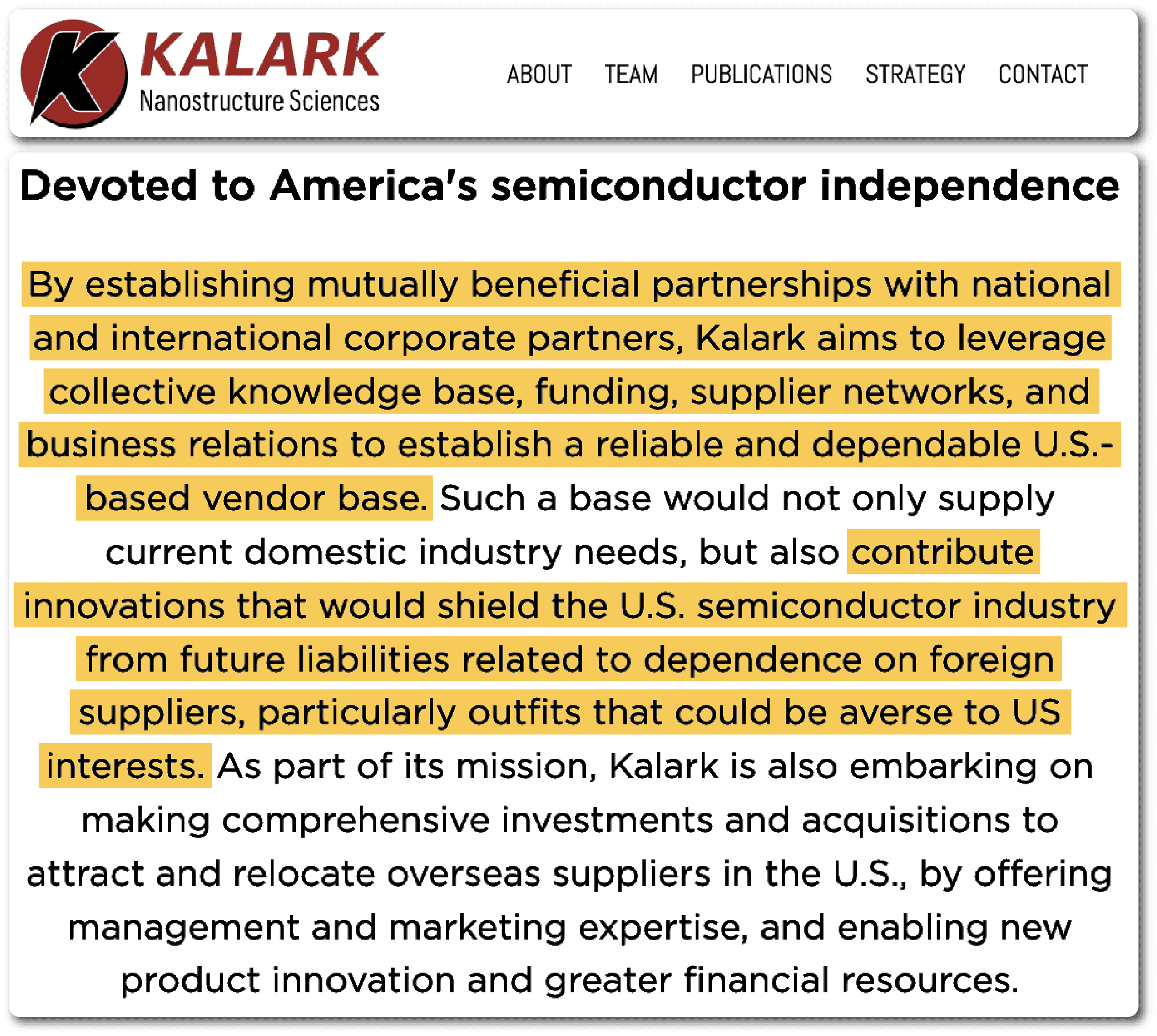
Kaloyeros, without whom New York’s semiconductor push may never have begun, argues that subsidies for the likes of Micron will only be worthwhile if the chemicals, materials, and equipment companies that fill out the rest of the chip supply chain build facilities in the U.S. too. From the Albany suburb of Slingerlands, he is now working in the private sector and pushing to get back in the game. His new company, Kalark Nanostructure Sciences, is trying to bring a consortium of foreign chip suppliers to New York.
But in other respects he hasn’t changed. Ever the salesman, he says Kalark is on the cusp of a big deal. “I’ll reach out when we’re ready to announce it,” he promises.
And while he has traded in his Ferraris for a Range Rover SUV, he still feels the need for speed. He enjoys it when muscle cars pull up next to him at a red light, gearing for a race. “Light turns green, and I gun it.”

Noah Berman is a staff writer for The Wire based in New York. He previously wrote about economics and technology at the Council on Foreign Relations. His work has appeared in the Boston Globe and PBS News. He graduated from Georgetown University.