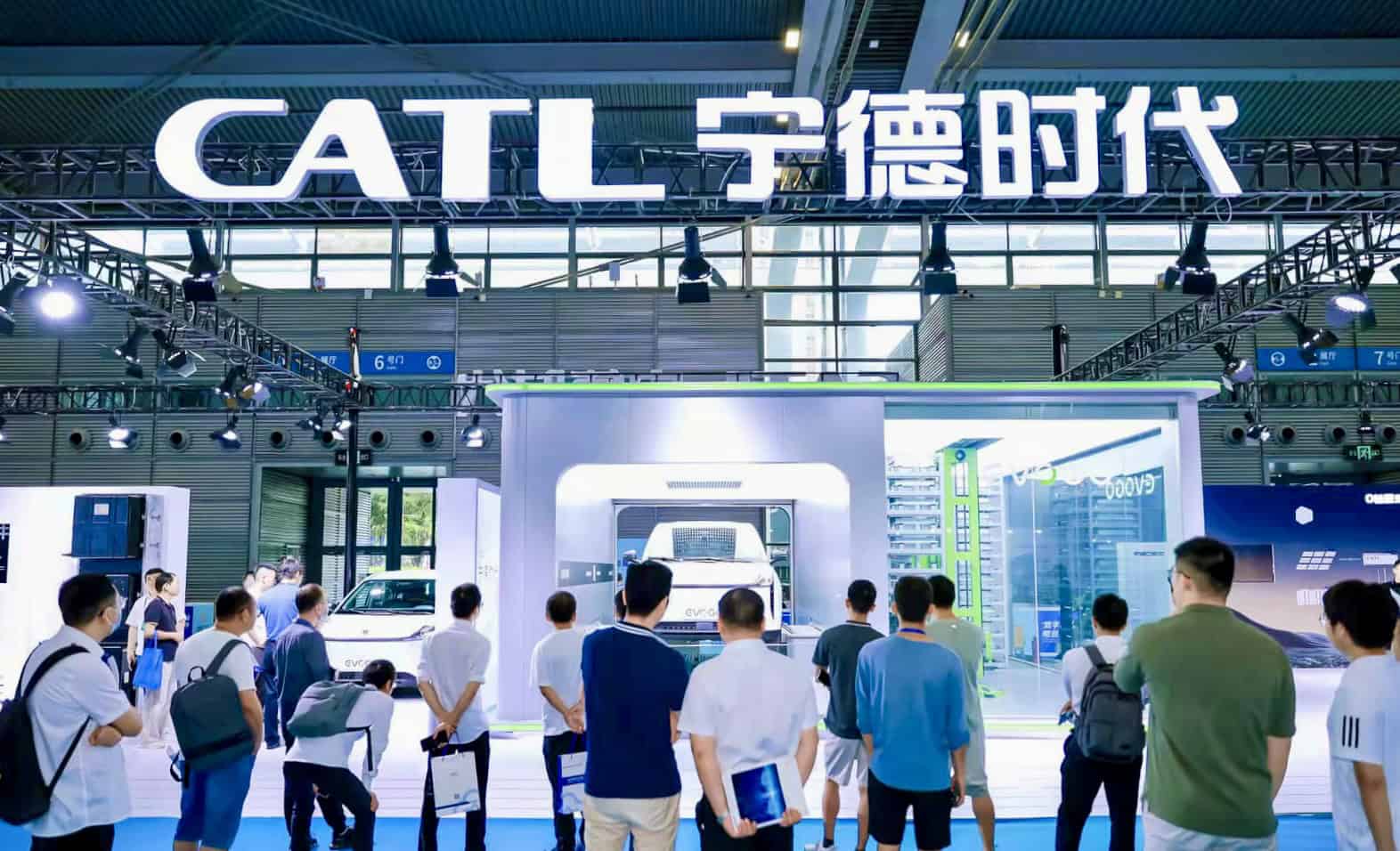
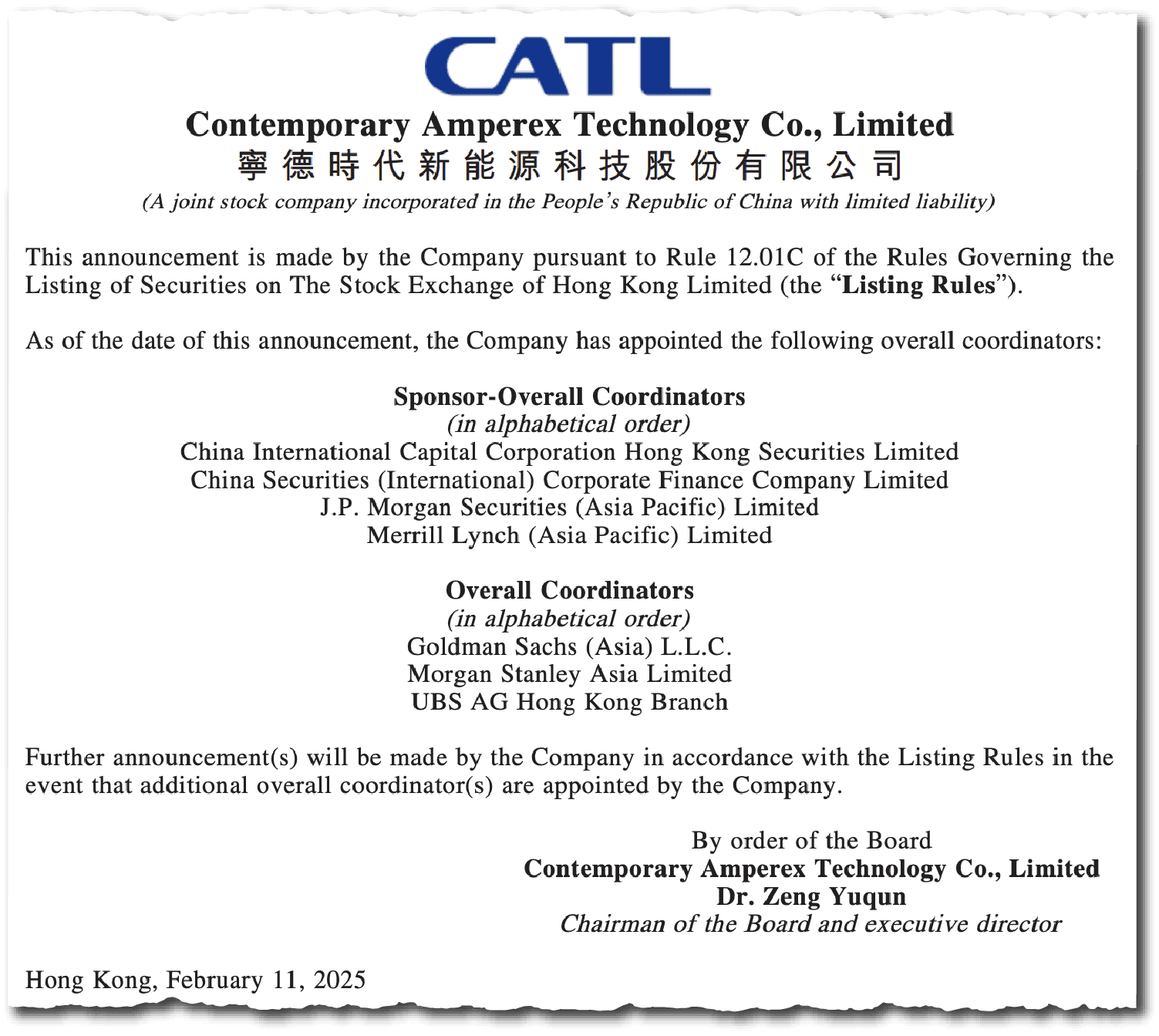
Top U.S. investment banks are in line for a big payday in Hong Kong this year, thanks to their involvement in underwriting the planned initial public offering of Chinese battery giant CATL. The deal, expected to raise more than $5 billion, is set to be one of the biggest the city’s bourse has seen for years.
Back home, though, they are catching some political heat.
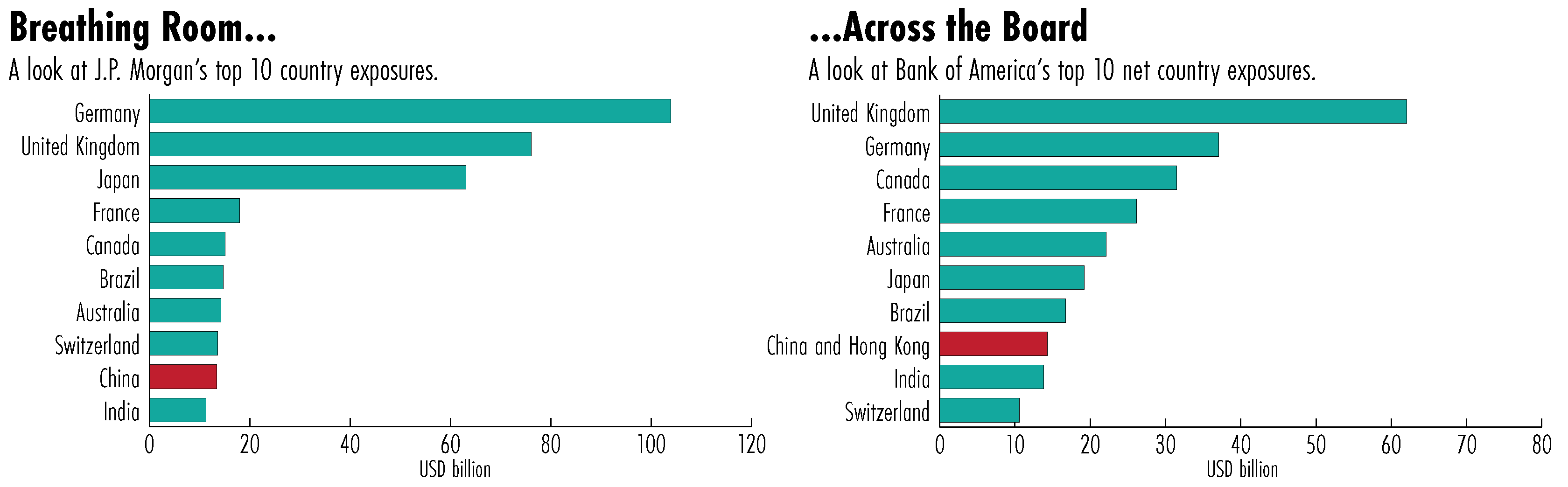
The House of Representatives’ Select Committee on the Chinese Communist Party last week sent letters to J.P. Morgan and Bank of America, asking them to explain why they are involved in the flotation of a company the Pentagon regards as being affiliated with the Chinese military.
While hawks on the Select Committee have long pressed American financial firms on their China ties, the current campaign marks the highest-profile targeting of financial services providers since President Donald Trump launched a trade war with Beijing earlier this month.
At issue is the Department of Defense’s recent decision to place CATL on its list of so-called Chinese Military Companies (CMCs) — also known as 1260H after the section of the National Defense Authorization Act (NDAA) from which it emerged. CATL’s addition to the 1260H list came two weeks before former President Joe Biden left office, as part of its largest-ever expansion.

The DoD began publishing the list in June 2021, with few formal penalties for transacting with listed entities. Since then, the list has grown almost three times longer, and Congress has given it more teeth. The 2024 NDAA established rules that will prohibit the Pentagon from doing business with CMCs beginning in 2026; in 2027, they will start restricting the agency’s purchases of products that include components made by CMCs as well. That same year, a separate legal provision will specifically prevent the Department of Defense from buying batteries made by CATL and five other Chinese companies, including BYD and Gotion High-Tech.
The 1260H list “has marginal effects on its intended purposes,” says Nazak Nikakhtar, a Commerce Department official during the first Trump administration. “What it has a major effect on is amplifying the national security challenges with China.”
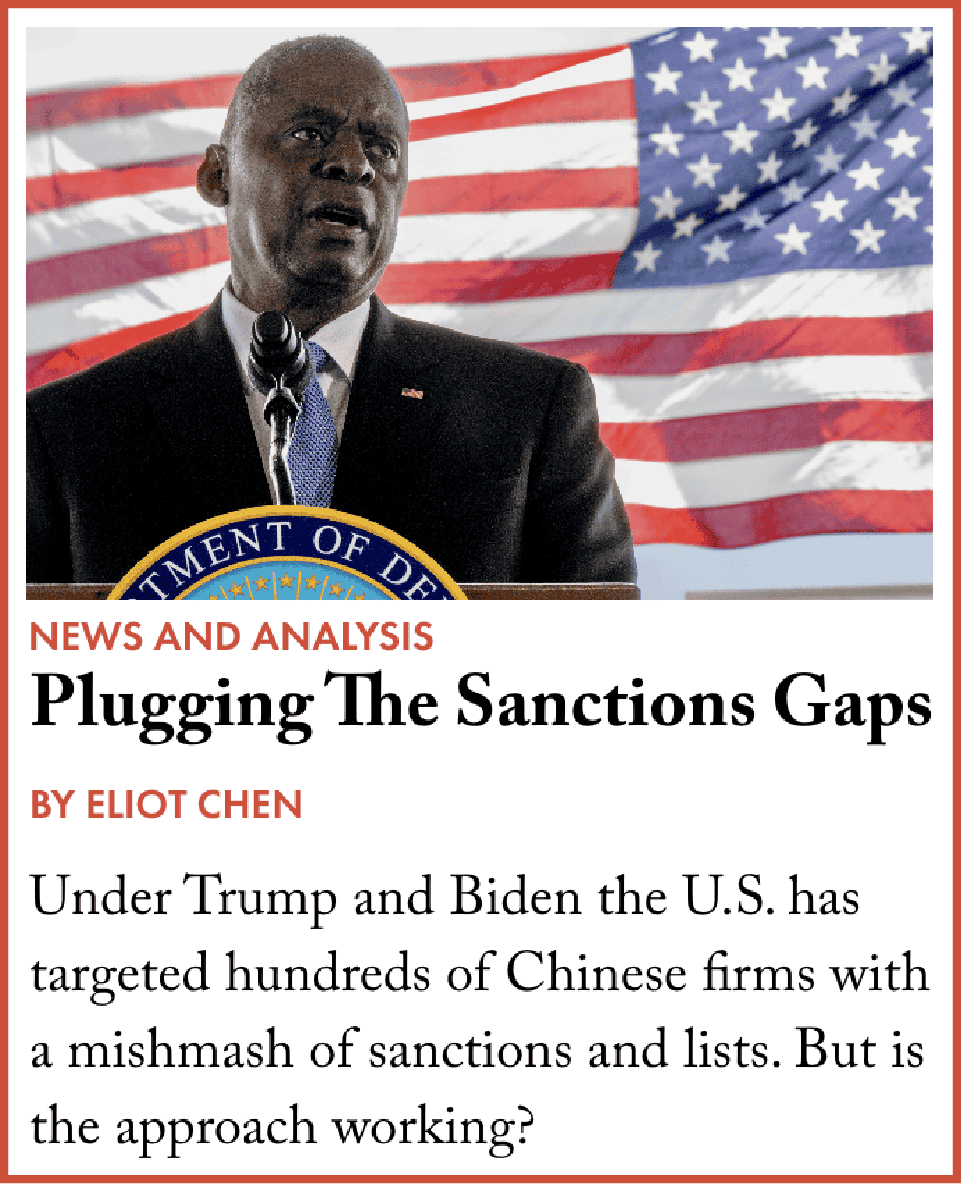
To date, the Pentagon’s acquisitions and sustainment office, which is led by civil servants, has handled additions to it, with the aim of guiding the military away from buying equipment from China.
The China Select Committee’s letter signals it could now be used as a political cudgel.
“Any U.S. company that’s working with one of these listed firms should be planning for scenarios in which this list is activated,” says Gabriel Wildau, managing director at advisory firm Teneo.
Several analysts say firms now being added to the list often have tenuous ties to the Chinese military. Some, like Chinese private equity firm IDG Capital, have successfully lobbied for their removal. Others, such as chip company AMEC, have won release after suing the Department of Defense.
1260H List Includes Some of China’s Largest Companies
A look at the ten largest companies on the list by revenue.
| Company | Industry | Year listed | Revenue (2023) |
|---|---|---|---|
| China State Construction Engineering Corporation (CSCEC) | Infrastructure | 2024 | $320 billion |
| China Railway Construction Corporation (CRCC) | Telecom | 2021 | $161 billion |
| China Mobile | Telecom | 2021 | $143 billion |
| China National Offshore Oil Corporation (CNOOC) | Energy | 2021 | $142 billion |
| China Communications Construction Company (CCCC) | Infrastructure | 2021 | $137 billion |
| Huawei | Telecom and electronics | 2021 | $99 billion |
| China Telecom | Telecom | 2021 | $88 billion |
| Tencent | Technology | 2025 | $86 billion |
| Aviation Industry Corp (AVIC) | Aerospace and defense | 2021 | $83 billion |
| China North Industries Group (Norinco) | Defense | 2021 | $77 billion |
Note: A subsidiary of CSCEC was added in 2022. Source: Department of Defense, Fortune
The 1260H list’s most recent extension included Tencent, the conglomerate best known for its ownership of communications app WeChat and its sprawling video game empire. Tencent has called the decision a “mistake.”
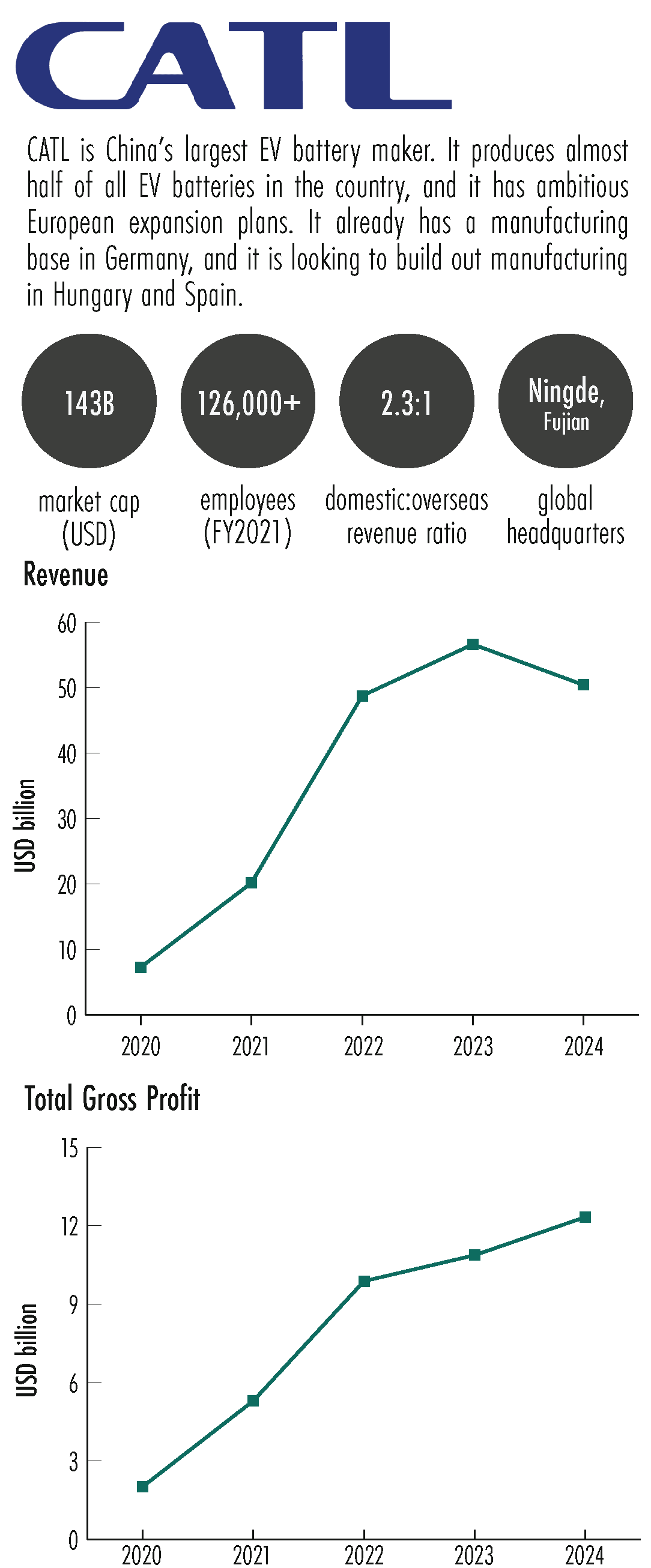
Shortly after being listed, CATL said in a statement that it too would protest the designation, potentially with legal action. The company said it did not anticipate a “substantially adverse impact on our business” as a result of the listing and that it “has never engaged in any military-related business or activities.” The firm did not respond to a request for comment.
Asked by The Wire if they will continue to run the CATL IPO and whether they have previously worked with a Pentagon-designated company, J.P. Morgan and Bank of America declined to comment. So did fellow underwriter Goldman Sachs.
Whiteshoe law firm Kirkland & Ellis, CATL’s legal advisor, did not respond to requests for comment. Nor did Morgan Stanley, the final U.S. bank on the deal.
The Department of Defense declined to comment about why it designated CATL. A DoD official said the Secretary of Defense or the Deputy Secretary of Defense determines the entities that meet the requirements for inclusion on the 1260H list. Last year power company Duke Energy decommissioned a CATL battery storage system at Camp Lejeune, a Marine Corps base in North Carolina, after the China Select Committee pressured it to do so.
Analysts do not expect CATL’s placement on the Pentagon list to affect its business prospects. The company has come to dominate the battery industry and counts firms such as Tesla and Ford and customers; it now derives a third of its revenue from overseas, according to its IPO prospectus. “We believe concerns about a material business impact from the addition to the CMC list are overdone,” Morningstar Senior Equity Analyst Vincent Sun wrote in a note to clients.
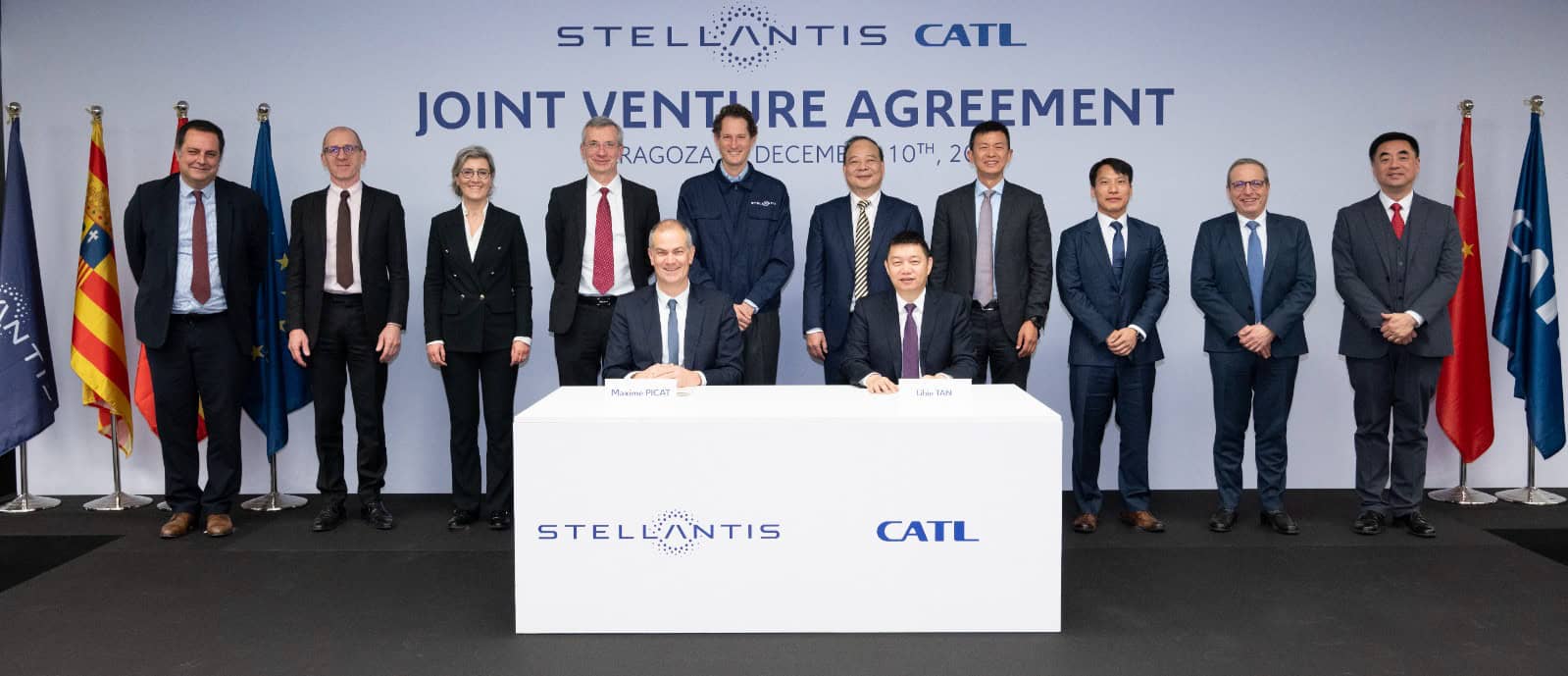
Still, CATL’s strategy depends in part on a successful secondary listing — it first went public in Shenzhen in 2018. The company says it will use the funds raised in part to fund its expansion abroad, including a new plant in Hungary. The plans come on top of those for a joint venture factory with Stellantis in Spain: CATL already has a manufacturing base in Germany.
The IPO will also be a welcome boost for American investment banks which have faced increasing competition from Chinese firms in the Hong Kong market in recent years. So far this year state-owned Bank of China is the city’s largest fee-earner.
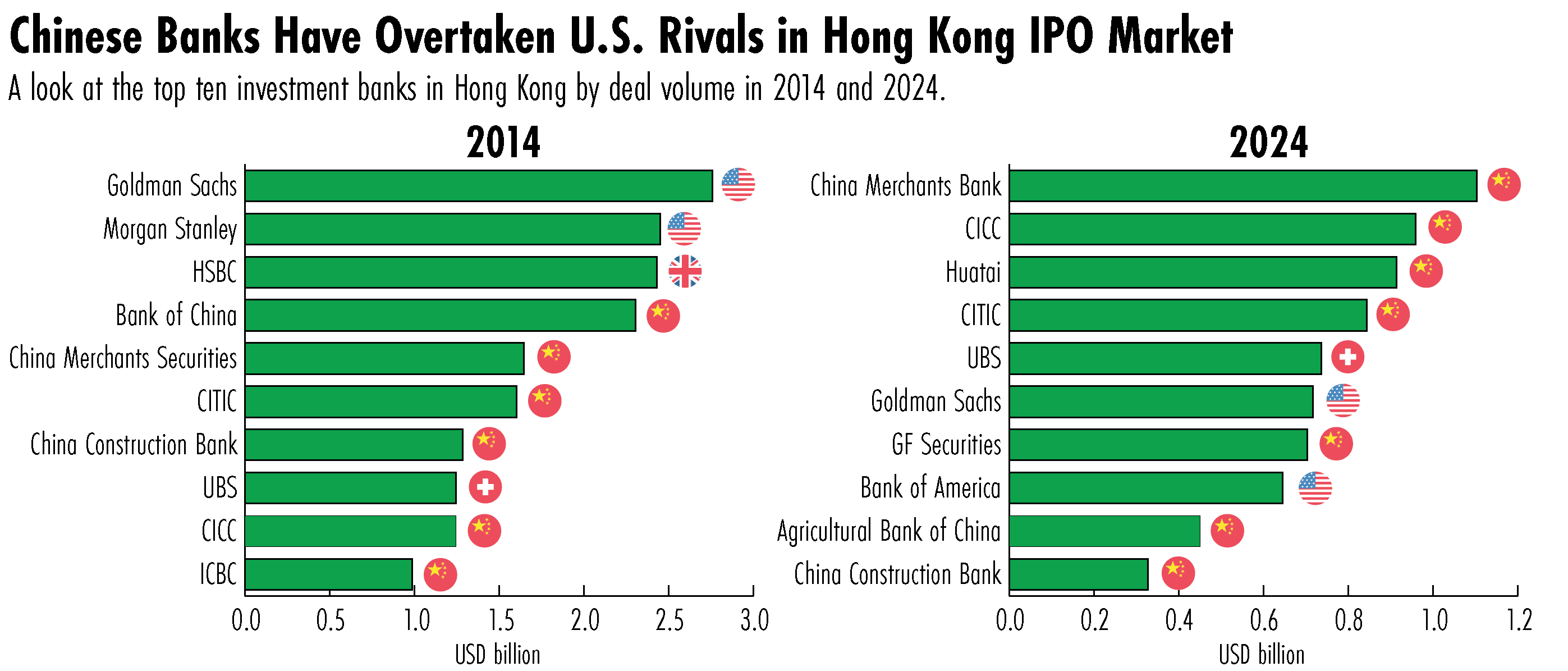
However, the rise of Chinese competitors also means that these banks are less dependent on China and Hong Kong for revenue.

Noah Berman is a staff writer for The Wire based in New York. He previously wrote about economics and technology at the Council on Foreign Relations. His work has appeared in the Boston Globe and PBS News. He graduated from Georgetown University.