Under Trump and Biden, the U.S. has targeted hundreds of Chinese firms with a mishmash of sanctions and lists. But is the approach working?
Secretary of Defense Lloyd J. Austin III presides over the U.S. Indo-Pacific Command change of command ceremony on Joint Base Pearl Harbor Hickam, May 3, 2024. Credit: Department of Defense via Flickr
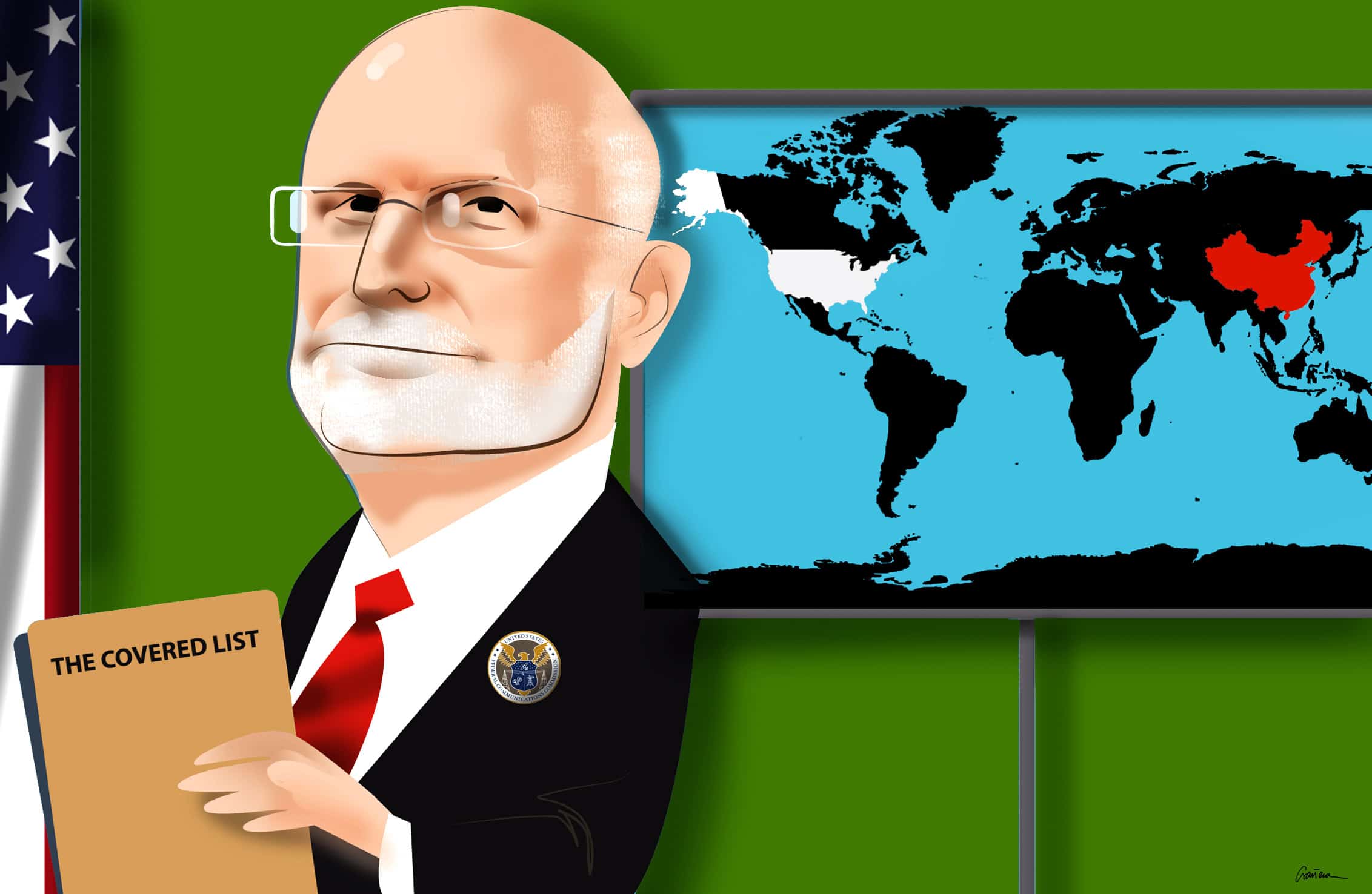
Under the last two U.S. presidents, one tool has emerged as a favorite in Washington’s efforts to get tough on Chinese companies: the sanctions list.
Whether it’s to restrict sensitive exports, slow China’s military modernization, or to combat human rights abuses, Congress and the executive branch have increasingly leaned on sanctions and red-flag lists to take on the U.S.’s primary strategic rival.
Since the start of the Trump administration, more than 1,200 Chinese en
Exclusive longform investigative journalism, Q&As, news and analysis, and data on Chinese business elites and corporations. We publish China scoops you won't find anywhere else.
A weekly curated reading list on China from Andrew Peaple.
A daily roundup of China finance, business and economics headlines.
We offer discounts for groups, institutions and students. Go to our Subscriptions page for details.
Goldman Sachs economists argue that by allowing the renminbi to appreciate by 3-5 percent a year, Beijing can reconcile seemingly contradictory policy goals.
The U.S. and EU are restricting Chinese inverters over cybersecurity and supply-chain concerns, but replacing them may create new challenges for the renewable-energy industry.
Corporate Risk Intelligence for National Security, Compliance & Due Diligence
We use cookies to ensure that we give you the best experience on our website. If you continue to use this site we will assume that you are happy with it.