A new pricing plan should make China’s wind and solar power cheaper than coal-based electricity, although more reforms are still needed.
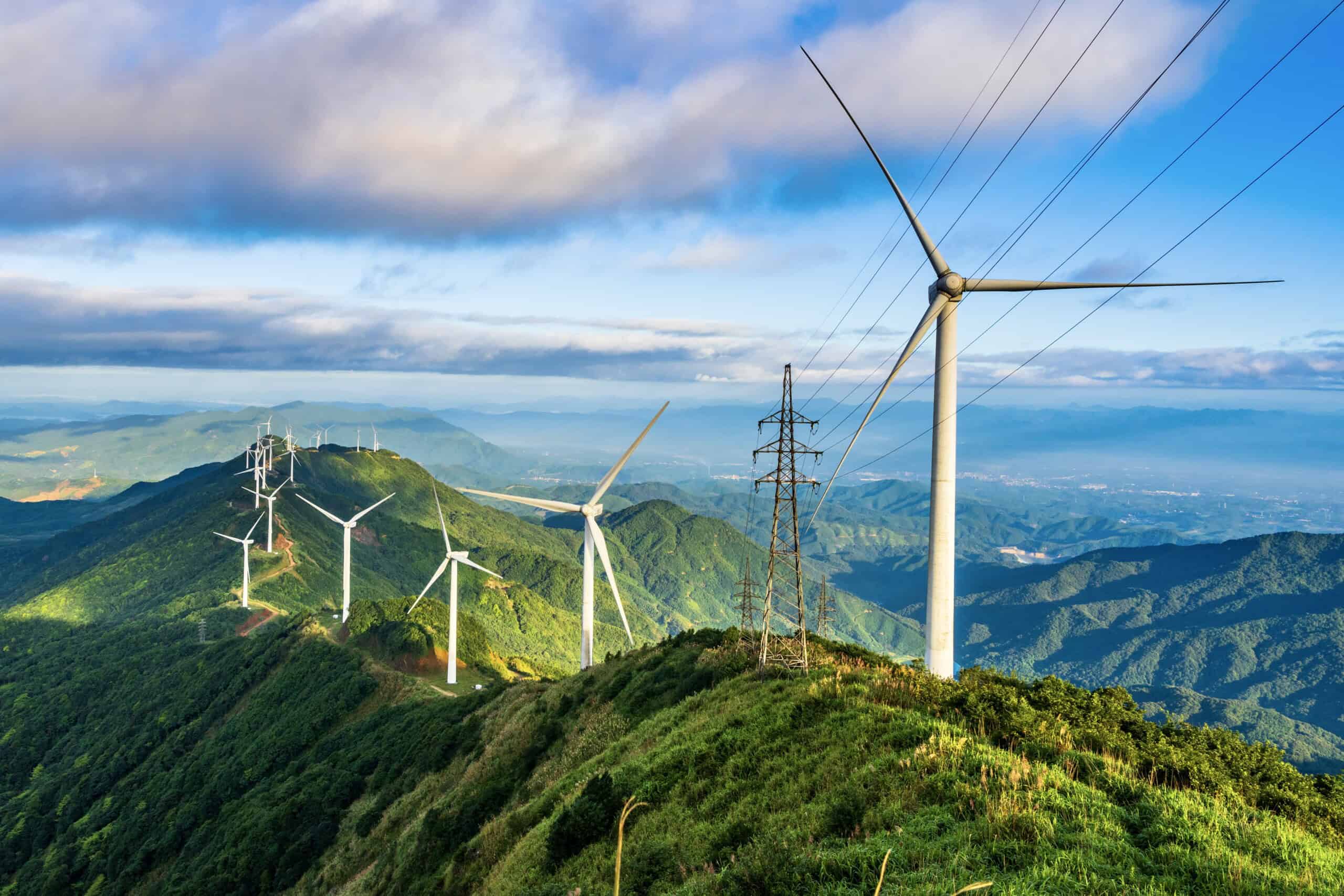
Wind turbines on Queya Mountain, Heyuan, Guangdong, China. Credit: Hu via Adobe Stock
China’s huge commitment to renewable energy, from vast solar farms in Xinjiang to offshore wind projects in Guangdong, is a well-known success story — such plants together accounted for over a third of the country’s total electricity generation last year.
Getting the price right for all the power those wind and solar plants produce, to ensure it doesn’t go to waste and China’s energy system becomes less polluting, has been more of an issue.
An excerpt from a National Develo
Exclusive longform investigative journalism, Q&As, news and analysis, and data on Chinese business elites and corporations. We publish China scoops you won't find anywhere else.
A weekly curated reading list on China from Andrew Peaple.
A daily roundup of China finance, business and economics headlines.
We offer discounts for groups, institutions and students. Go to our Subscriptions page for details.
Agriculture has traditionally been a fruitful area for China-U.S. cooperation, dating back to the two countries’ resumption of diplomatic relations in the 1970s. Now it is just another area marked by Sino-American distrust, as Washington hunts Chinese agriscience “spies” and Beijing races to reduce reliance on U.S. farm exports.
We use cookies to ensure that we give you the best experience on our website. If you continue to use this site we will assume that you are happy with it.OKPrivacy policy