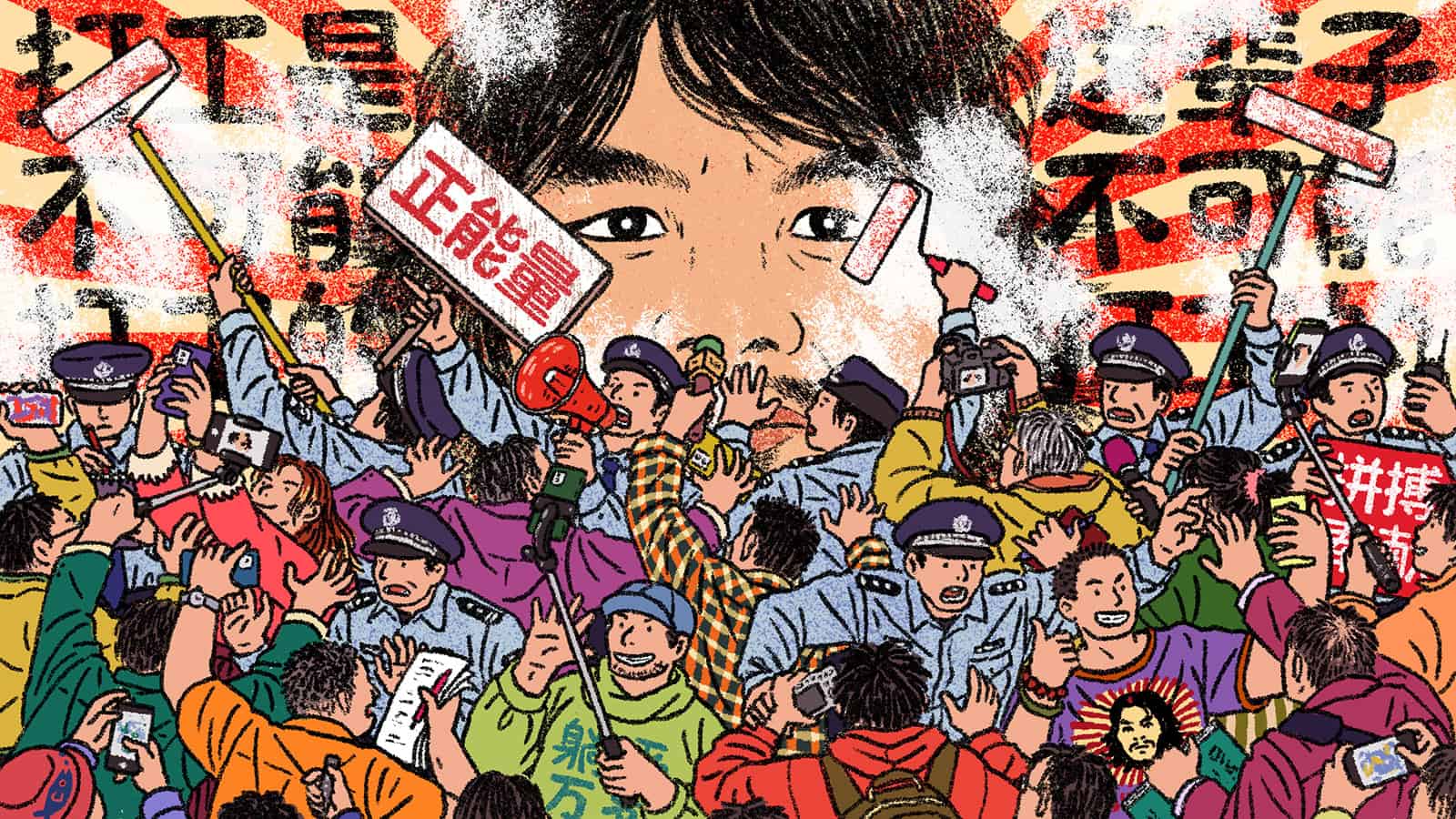
When Zhou Liqi went viral on the Chinese internet for stealing scooters to protest lack of opportunity, he sparked a debate between the popular movement of “lying flat” and the state’s desire for “positive energy.” The state won.
Illustration by Dongyan Xu
Zhou Liqi (周立齐) grew up without the internet, or much of anything at all. His family was the poorest in a poor village. Their fortunes were tied to their crops, and when the weather brought rains or long, arid stretches, as it did frequently, their crops failed. Zhou was known as Ah San, or Number Three, because he had been born third in a string of brothers. Together, they all lived in a crumbling brick home with a dirt courtyard and a leaking roof in China’s southern Guangxi province.
Exclusive longform investigative journalism, Q&As, news and analysis, and data on Chinese business elites and corporations. We publish China scoops you won't find anywhere else.
A weekly curated reading list on China from Andrew Peaple.
A daily roundup of China finance, business and economics headlines.
We offer discounts for groups, institutions and students. Go to our Subscriptions page for details.
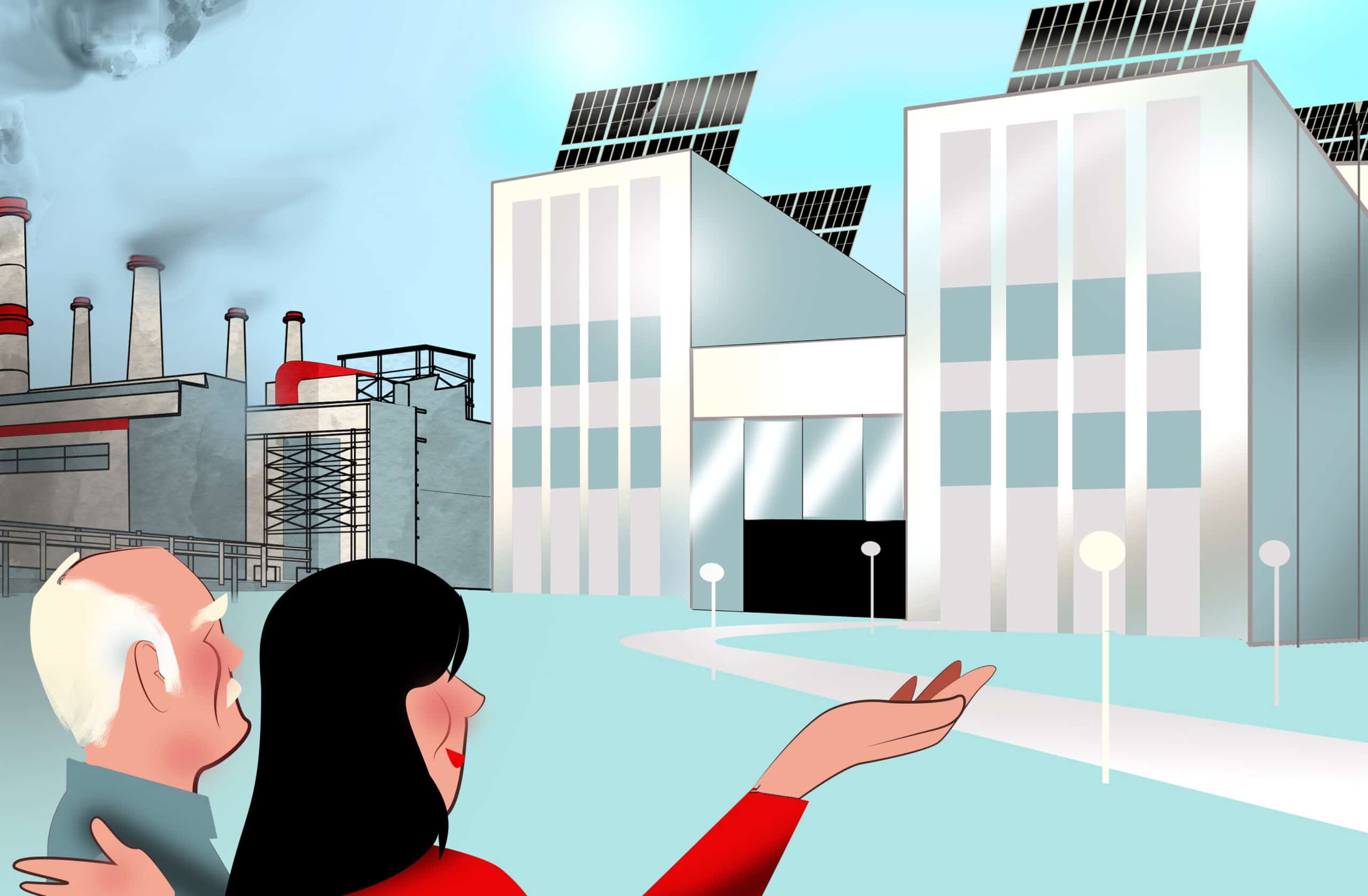
Millions of Chinese factory owners have been bequeathed a difficult inheritance. AI offers a way to modernize their parents’ low-margin businesses, but only if they can overcome often deep-rooted resistance to change.
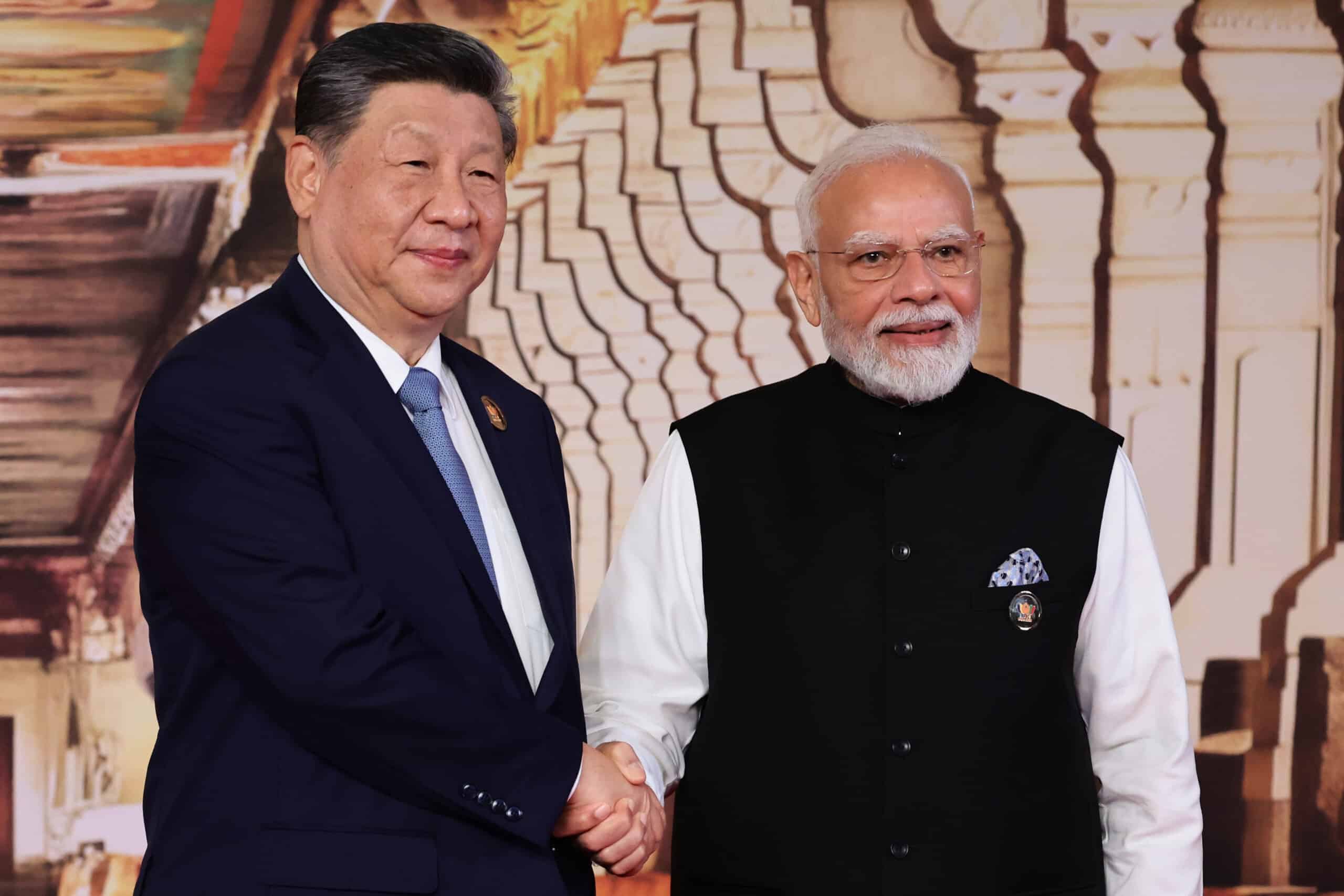
Rebuilding healthy ties between the Indian and Chinese governments is likely to be a long process, with issues from the border to the Dalai Lama’s succession looming.
We use cookies to ensure that we give you the best experience on our website. If you continue to use this site we will assume that you are happy with it.