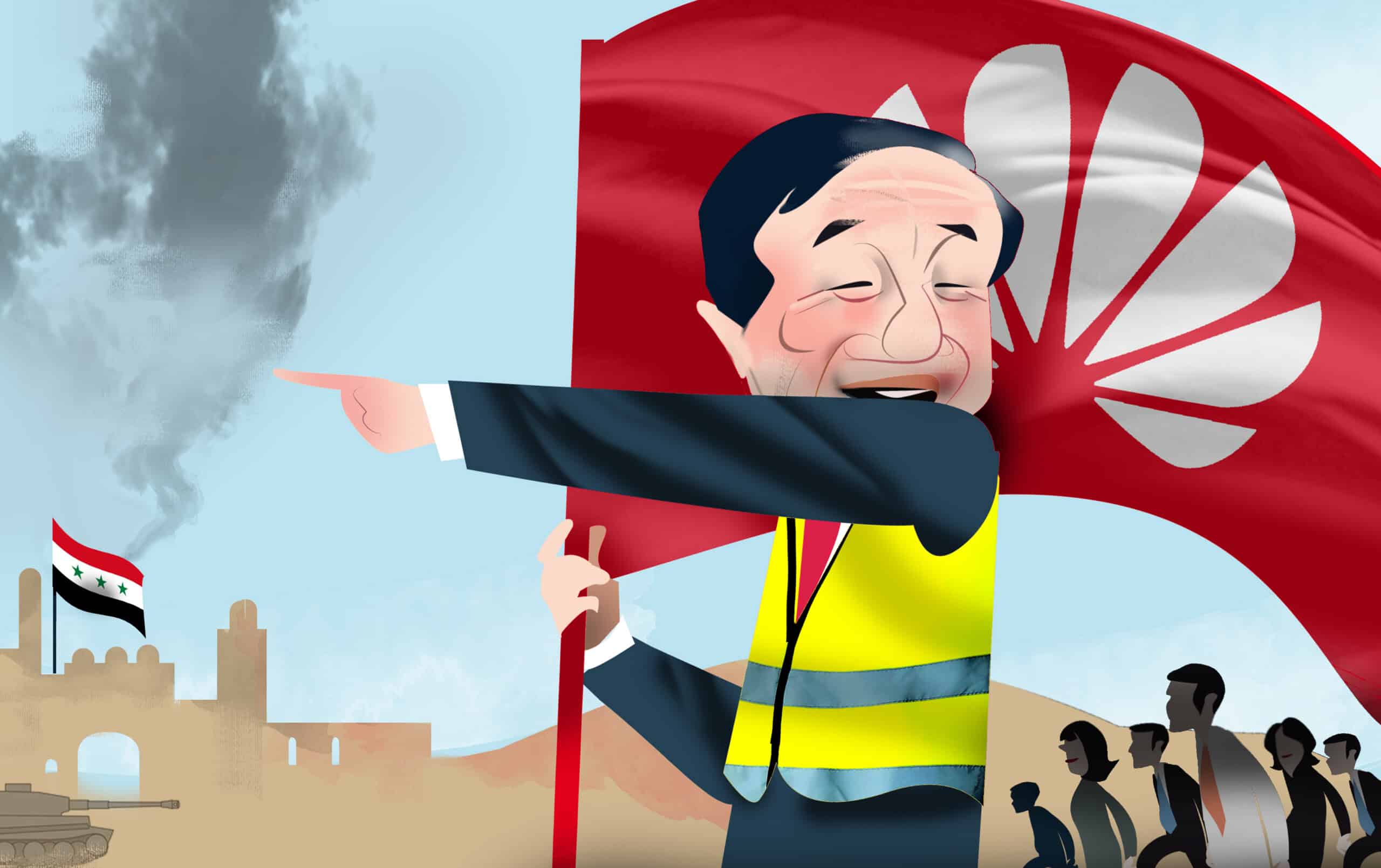
How the Chinese telecom firm built a global presence by chasing rogue regimes like Iraq — and attracted U.S. ire in the process.
Illustration by Luis Grañena
On December 17, 1998, at 20 minutes after midnight, the eerie wail of air-raid sirens pierced the dark sky over Baghdad. The horizon exploded with bursts of light as Iraqi anti-aircraft guns sprayed fire. American B‑52H planes were bombing the Iraqi capital.
At the Chinese embassy earlier in the evening, the mood had been light. No one seriously expected the Americans to attack. Still, just in case, embassy staff had distributed bulletproof vests and helmets. Now, with sirens scr
Exclusive longform investigative journalism, Q&As, news and analysis, and data on Chinese business elites and corporations. We publish China scoops you won't find anywhere else.
A weekly curated reading list on China from Andrew Peaple.
A daily roundup of China finance, business and economics headlines.
We offer discounts for groups, institutions and students. Go to our Subscriptions page for details.
Fish farming in Xinjiang is being sold as proof that technology can overcome geography. The reality is more complicated: a desert seafood boom built on political control, imported feed and a food system that masks its real burdens.
The foreign correspondent describes meeting with the Uyghurs from Xinjiang who played a key role in the Syrian civil war, but who now find themselves potentially stateless.
Corporate Risk Intelligence for National Security, Compliance & Due Diligence
We use cookies to ensure that we give you the best experience on our website. If you continue to use this site we will assume that you are happy with it.