I had to leave Hong Kong and move to Thailand to really understand the power of China’s exports.
For the nearly 12 years I lived in Hong Kong, until 2022, I was cut off from the mainland by more than just a physical border. The former British colony had been part of China since 1997, largely self-governed under what was called One Country, Two Systems. Though Hong Kong functioned as an entrepot for capital and trade in and out of China, very little else seemed to cross the border from Shenzhen in the north.
The local dialect, Cantonese, dominated the culture, with a vibrant media and entertainment industry, and its own separate universe of commerce. Few mainland brands managed to penetrate the local market. Hong Kongers, at least then, looked down on their compatriots from the mainland, and were suspicious of their products, including food.
My local supermarket, which catered to wealthy locals and expats, was stocked with things like eggs imported from Brazil, the U.S. and even Holland. (Yes, eggs — eggs! — flown from the U.S. in those cardboard cartons used in kindergarten crafts).
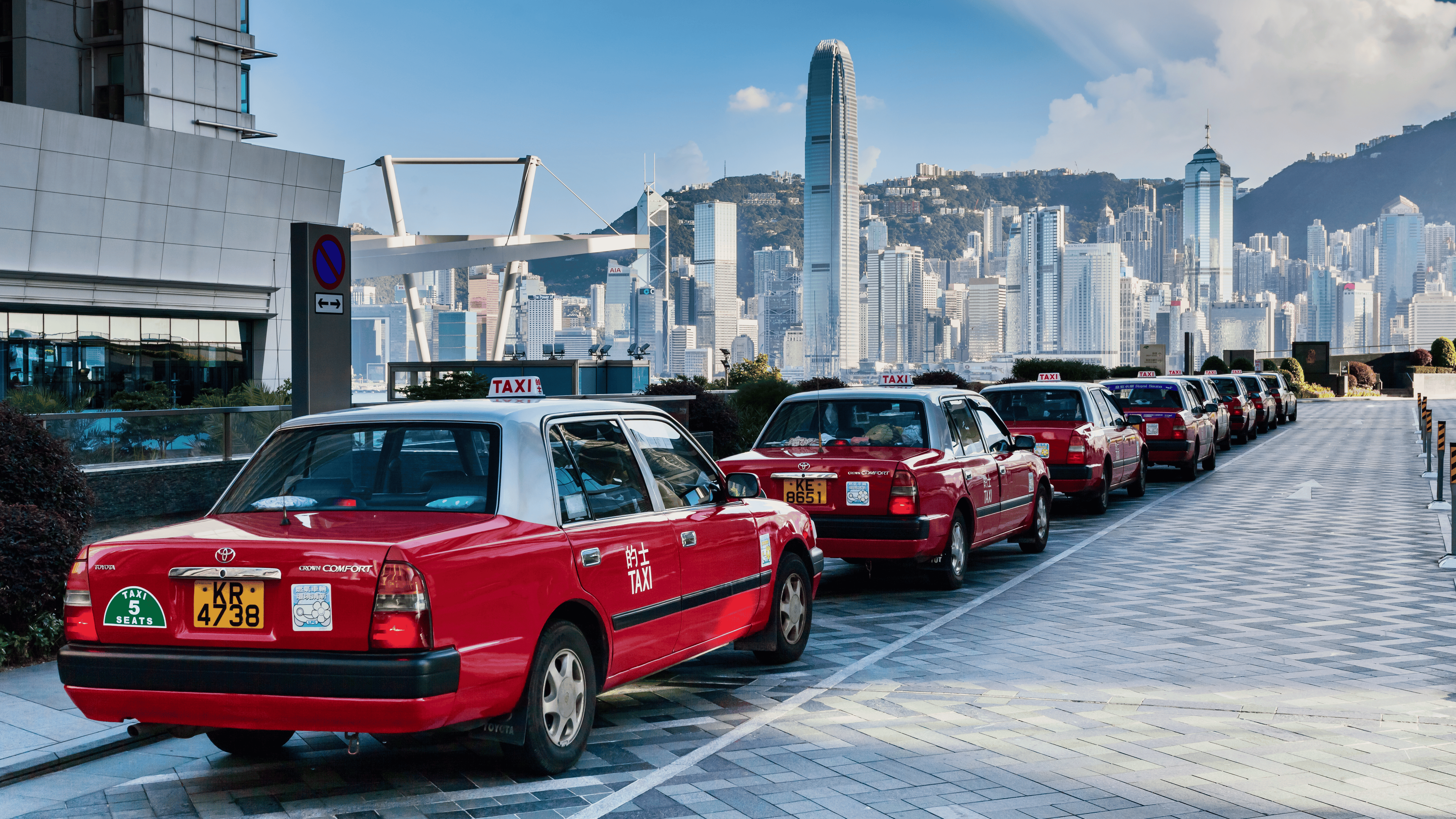
The cars on the streets were mostly Japanese, European or U.S. imports — Hong Kong ranks among the highest per capita for ownership of Teslas, Mercedes and Rolls Royces. The iconic red taxis are Toyota Crown Comforts, often running on LPG — as if ignoring the huge Chinese auto industry. Again, just north across the border, a subway ride away, Shenzhen has a fleet of domestically manufactured electric taxis.
Even more conspicuous was the near total absence of China’s Internet boom from Hong Kong. While in China, firms like Alibaba, Tencent, Didi and Meituan had transformed the way people eat, shop, travel and spend money, very little of that had penetrated Hong Kong.
It was easier for me to order from Amazon than Alibaba’s Taobao marketplace, which required users to be adept at typing Mandarin. And when I did order from the Chinese e-commerce giant, such as the time I bought a trampoline, goods would arrive in battered unmarked boxes on a Sunday at 10 pm — even though the factories that made the stuff I bought were just over the border in Shenzhen.
Chinese auto makers are also setting up factories in Thailand… While this is a relatively small market on the global scale, it’s a good testing ground to see how China’s export powerhouse will fare in the future.
Hong Kong, despite being a semi autonomous region that’s part of China, was effectively cut off from most of the huge Internet success of the past decade — even though most of the banker and venture capital dollars that funded the booms in everything from bike sharing to online education and food delivery were funneled through Hong Kong.
It was truly weird. While across the border, $100 billion tech behemoths trod the earth, inside Hong Kong’s walled garden smaller, local Canto-focussed firms flourished. Online shopping was done via an ecommerce site launched by a local TV station, ride hailing from a tiny operation founded by three coders in a tiny walkup and social media was dominated by Cantonese-only BBS. Food delivery giant Meituan only entered Hong Kong in 2023.
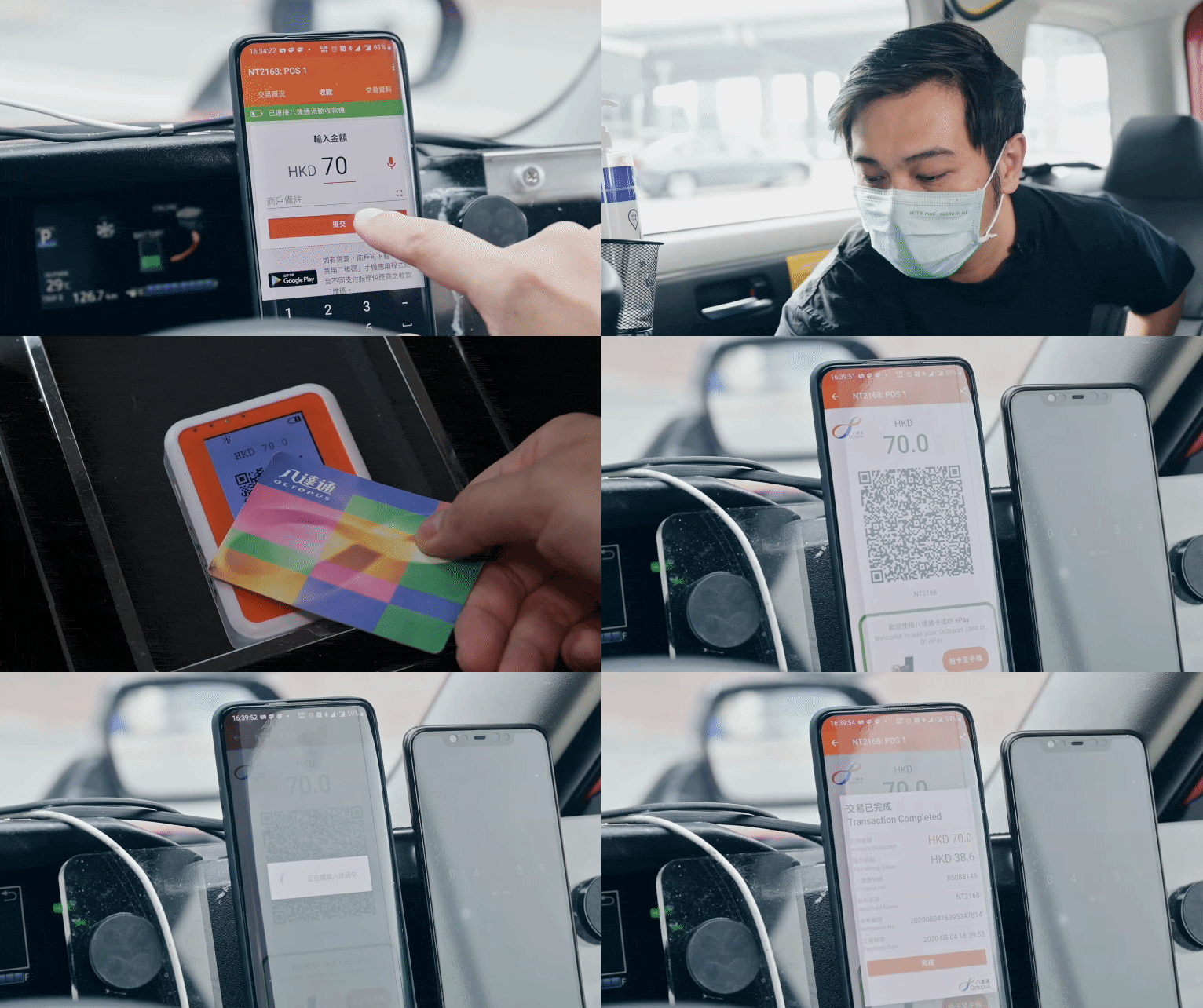
The digital wallets from Alibaba’s financial affiliate Ant Group and Tencent only got a big boost from adoption in Hong Kong after the city’s government included them among four options to collect digital cash vouchers, to boost the Covid-hit economy. Still, the overwhelming majority opted to continue using the Octopus Card, a local subway payment card launched in 1997 that’s since expanded to most merchants.
As for communications, while everyone in China is connected on Tencent’s ubiquitous Wechat, Hong Kong locals shunned it in favor of WhatsApp, or for the more security conscious, Telegram and Signal.
The split was partly due to marketing — Chinese firms were busy earning billions of dollars back in the mainland without worrying about localizing their offering for just one odd city. But, there was another consideration. Some in Hong Kong didn’t trust mainland businesses to protect their privacy, while others actively boycotted them during pro-democracy protests.
Like much else in Hong Kong and its relationship to the mainland, those views are changing.
Still, for me, I had to move to Bangkok to finally see how China’s economic influence is spreading.
These days, I shop on Lazada, a South Asian ecommerce app owned by Alibaba whose English language search engine is flawless. Deliveries are typically made within days from motorcycle-riding messengers who call ahead to make sure someone’s home and the drivers speak enough English to overcome my pathetic Thai. On weekends, drivers sometimes ride in tandem with their partners, and even occasionally with a young baby strapped on, too.
I’ve ordered matzah and power banks, organic almond butter and hair care products for mixed race kids. For children’s dance shoes or the emergency fancy dress party, we turn to Shein, another Chinese global giant.
When I’ve got a few moments to kill I can log onto TikTok — which pulled out of Hong Kong after a new security law was imposed in 2020.
Thailand has a love and ‘less love’ relationship with China. Thais love Chinese investment and tourist dollars, but don’t love the idea of the country being turned into a client state. The Bangkok government recently banned the import of cheap Chinese elephant pants, the billowy pants printed with elephants that are popular with tourists. But Chinese tourists are able to enter visa free.
For sure, U.S.-Thai ties remain deeply rooted — the largest overseas U.S. mission in the world is here in Bangkok, with representatives from the diplomatic corps, military, FBI and medical fields. Even so, the Thai government is on course to purchase a Chinese military submarine.
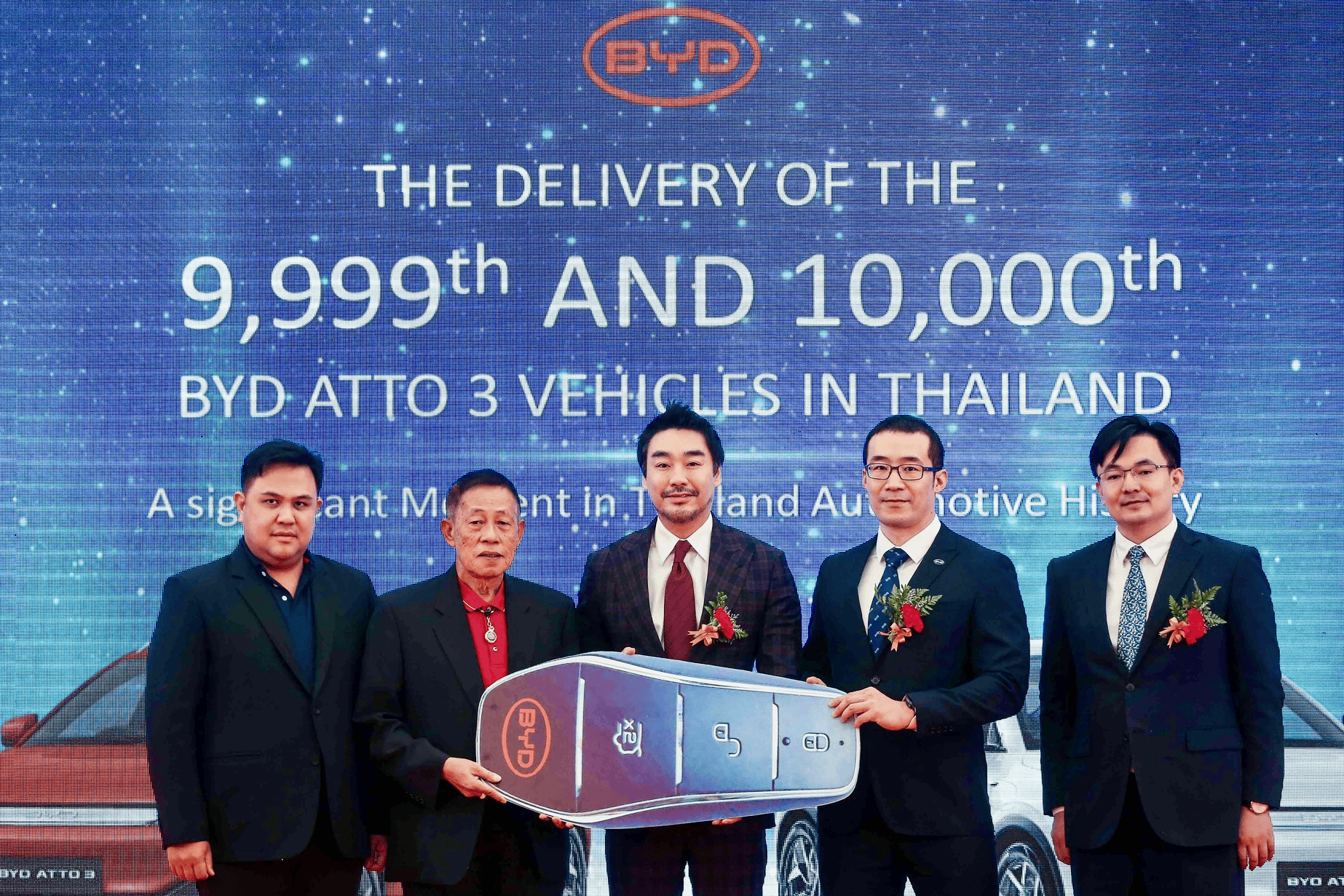
The most important Chinese export to Thailand, though, is its cars: China is already well on the path to become the world’s biggest auto exporter.
When I order a ride via Singapore-based Grab, it’s likely to be a Chinese MG, the venerable British brand owned by SAIC Motor, or BYD, the electric car maker that’s bigger than Tesla, as it takes the lead market share in places including Thailand. In my neighborhood of affluent Thai families, diplomats and NGO workers, people like me drive 20-year-old Hondas while our Thai neighbors are as likely to ride a Mercedes as a Chinese Wuling Air EV, which is the size of a motorized armchair with a roof.
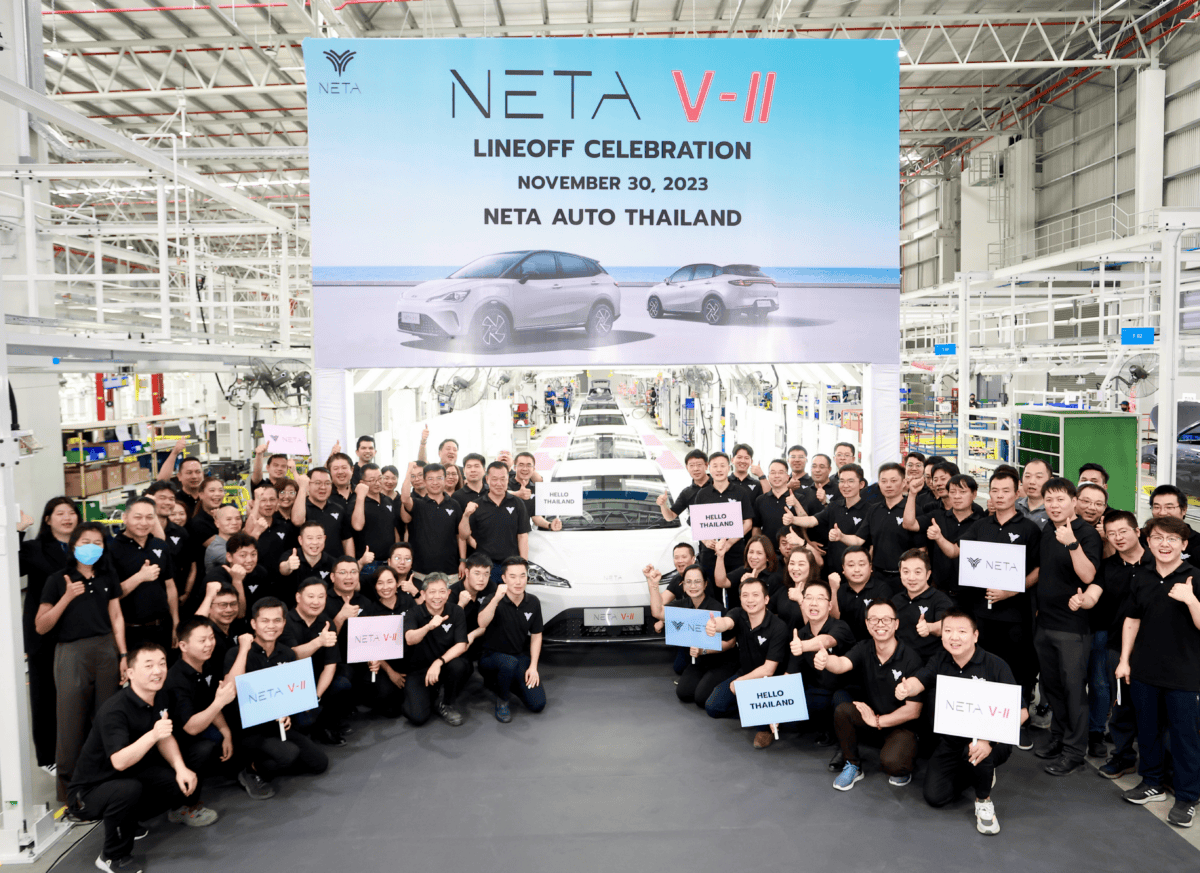
Chinese auto makers are also setting up factories in Thailand, known as the Detroit of Southeast Asia because of all the manufacturing that takes place here, for both conventional cars and for EVs and batteries.
Here in Thailand, it’s a relatively even playing field for the foreign firms. It’s going to be interesting to see which emerge as the winners. Already, there are signs it’s going to be China: two Japanese automakers, Suzuki and Subaru, recently announced plans to shut down their Thai manufacturing plants amid declining sales.
While this is a relatively small market on the global scale, it’s a good testing ground to see how China’s export powerhouse will fare in the future. Developments here could be harbingers of the future elsewhere.
One thing is for sure — I’ll get a better sense of who is on top in Asia from Bangkok than Hong Kong.

Shai Oster is a strategic advisor and consultant to major investors and senior executives. Now based in Bangkok, the Pulitzer Prize winning former journalist’s work has appeared in The Wall Street Journal, Bloomberg and The Information with reporting from London, the Middle East and Asia.