Two decades on, China’s social credit system is more dysfunctional than dystopian.
Illustration by Valeria Petrone
In 1999, a frustrated young entrepreneur wrote a letter to then-Premier Zhu Rongji. Huang Wenyun had made a small fortune for herself by capitalizing on Shenzhen’s manufacturing boom and selling educational toys, but her business had hit a wall: Her products were so successful that the market was being flooded with cheap knock-offs, eating up a chunk of her profits and delivering a major blow to her business.
Not one to sit around, Huang had gone on a hunt for solutions to what
Exclusive longform investigative journalism, Q&As, news and analysis, and data on Chinese business elites and corporations. We publish China scoops you won't find anywhere else.
A weekly curated reading list on China from Andrew Peaple.
A daily roundup of China finance, business and economics headlines.
We offer discounts for groups, institutions and students. Go to our Subscriptions page for details.
Millions of Chinese factory owners have been bequeathed a difficult inheritance. AI offers a way to modernize their parents’ low-margin businesses, but only if they can overcome often deep-rooted resistance to change.
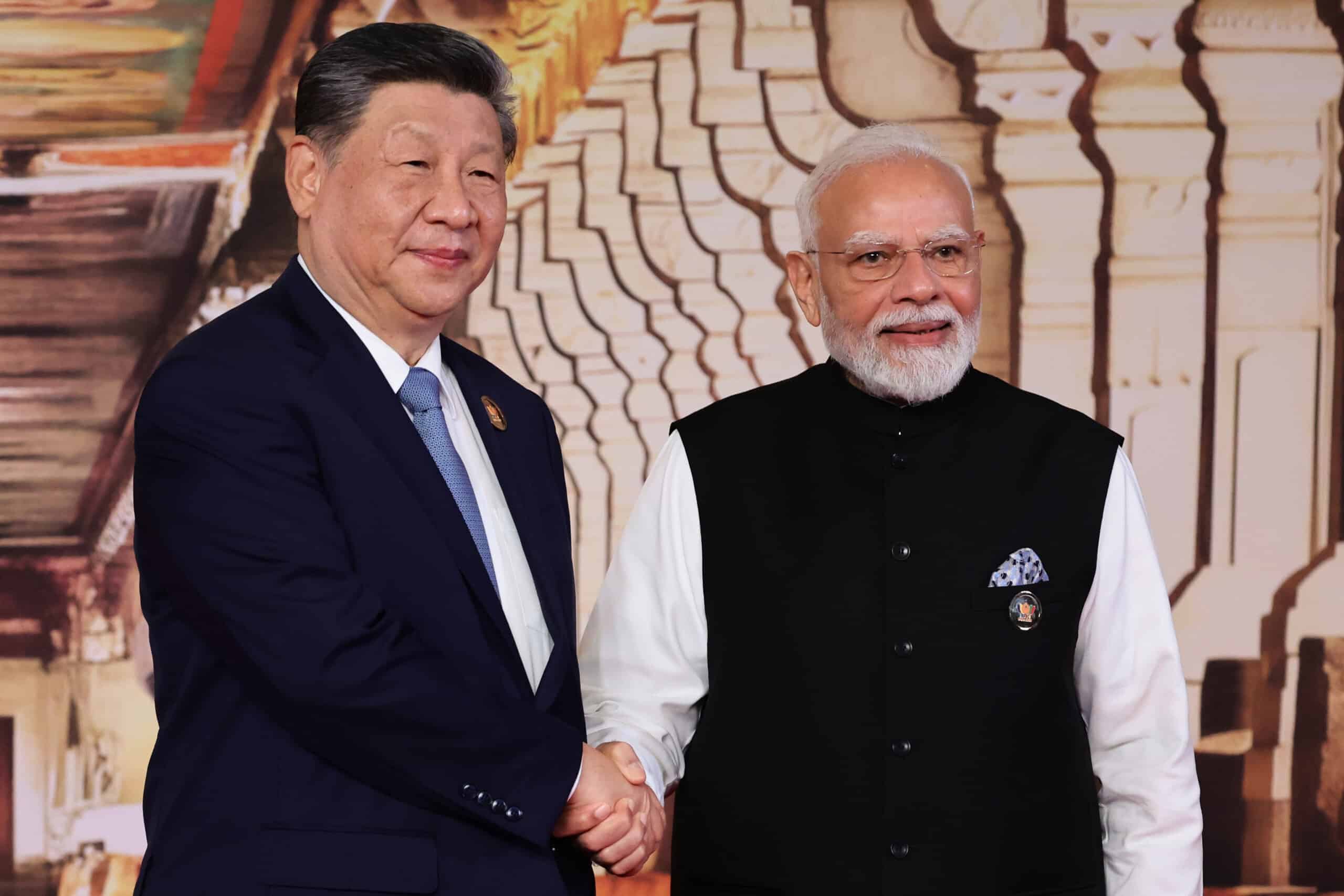
Rebuilding healthy ties between the Indian and Chinese governments is likely to be a long process, with issues from the border to the Dalai Lama’s succession looming.
We use cookies to ensure that we give you the best experience on our website. If you continue to use this site we will assume that you are happy with it.