China’s world-beating solar companies have never received a red-carpet welcome in the United States. But over the past year the Trump administration’s policies have made staying considerably harder.

Chinese solar companies are reducing their shares of their U.S. assets to comply with tax incentive rules included in the One Big Beautiful Bill, which President Trump signed into law on July 4 last year — legislation that also reversed Biden-era policies that had created favorable terms for Chinese green investment.
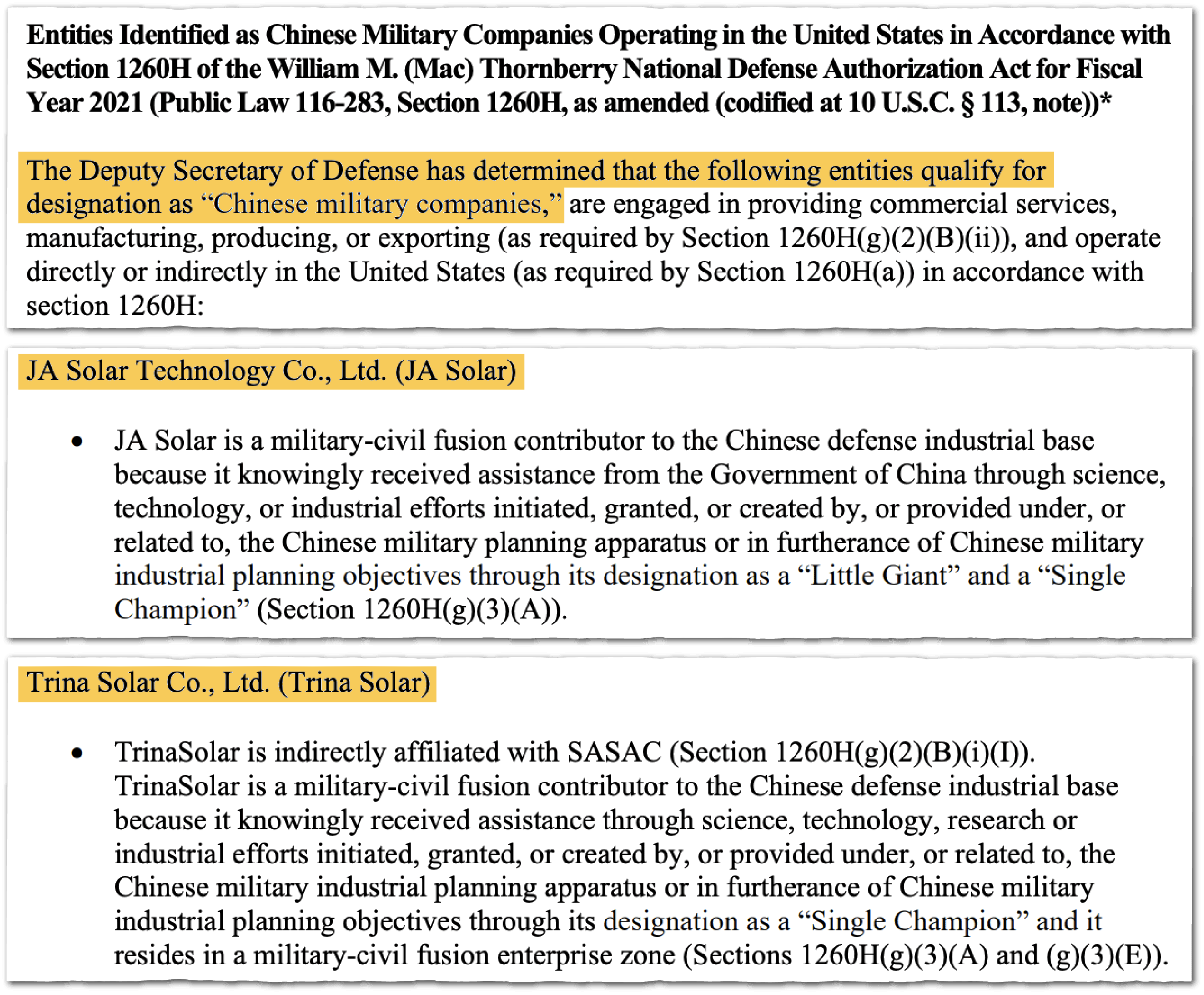
By March of this year, Chinese companies had canceled or paused more than half of the over $14 billion they had pledged for U.S.-based green technology projects between 2022 and 2025, according to data from Rhodium Group’s China Cross-Border Monitor. Those divesting include some of China’s biggest solar firms, such as JA Solar and Longi Green Energy.
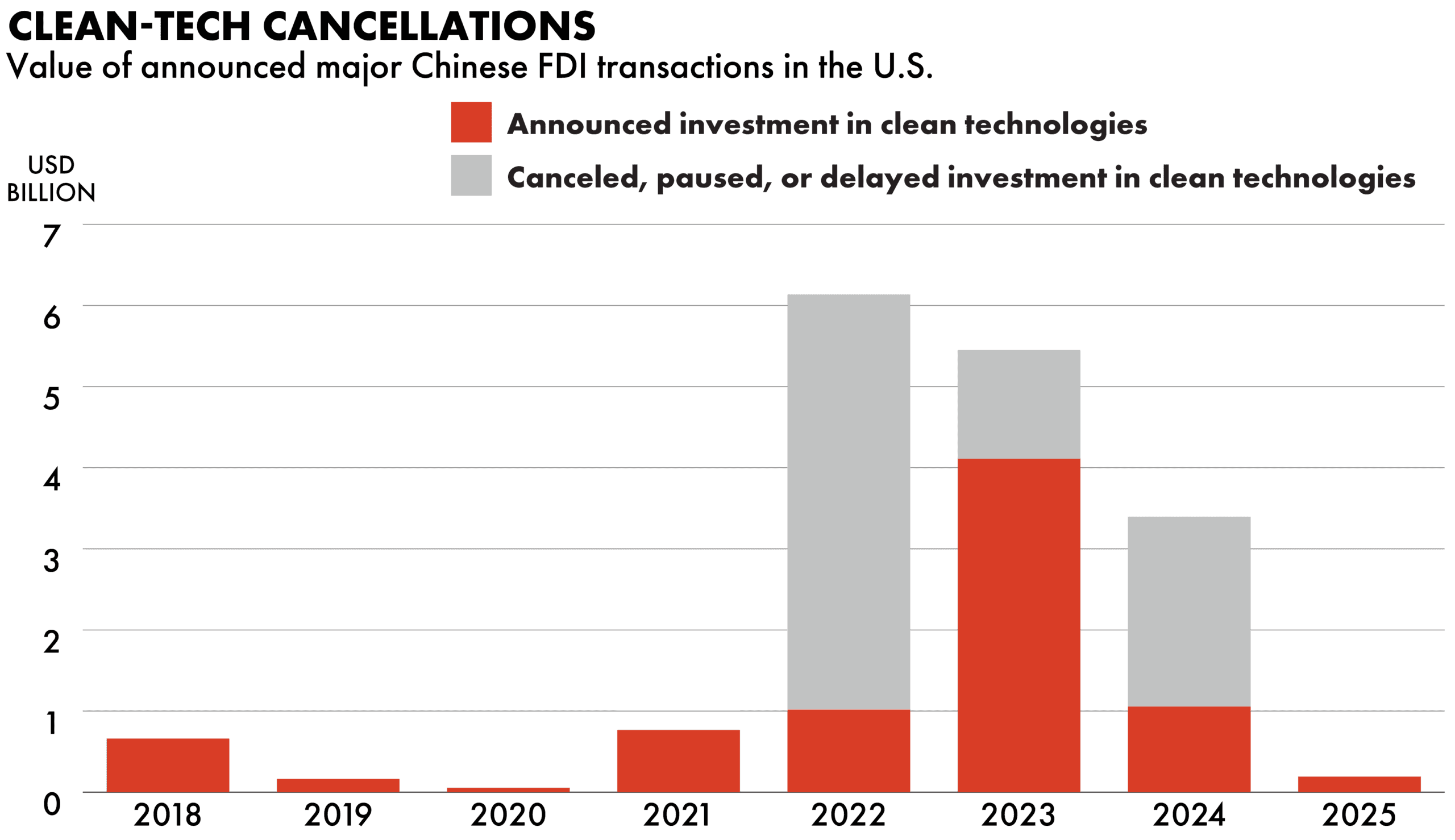
Moreover, last month the Department of Defense added two of China’s leading solar firms — Trina Solar and JA Solar — to a Pentagon blacklist of companies with links to the Chinese military.
Though the current White House portrays green tech incentives as “Biden-era Green New Scam projects,” advocates who champion a fully made-in-America solar industry have welcomed the current administration’s policy changes that encourage Chinese companies to pare their presence.
But U.S. solar companies still face a chokepoint when it comes to specialized components like solar cells or wafers, where China exercises continued dominance. Meanwhile, loss-making Chinese solar companies could decide to quit the U.S. market altogether, experts say.
“The U.S. is such a complex and complicated market with so many trade barriers and regulations and restrictions,” says Yana Hryshko, head of solar supply chain research at research consultancy Wood Mackenzie. “I think eventually Chinese manufacturers will leave the U.S. market, because at some point, it will stop making financial sense.”
It wasn’t so long ago that Chinese companies saw the United States as a growth area.
In 2022, the Biden administration temporarily paused tariffs on largely China-made solar goods coming from Southeast Asia, and then offered tax credits, via the Inflation Reduction Act, for solar and other green projects.
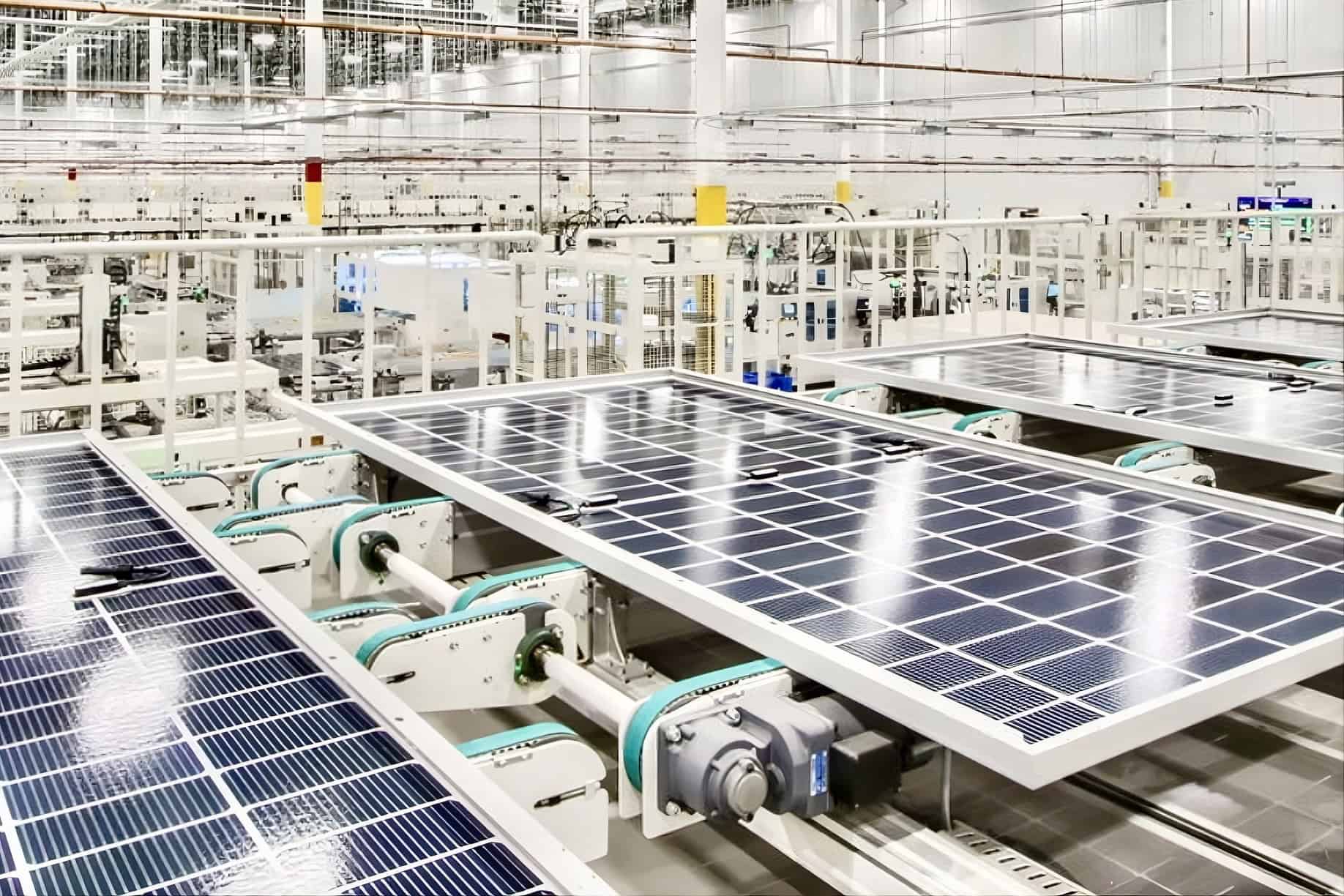
Leading Chinese solar firms rushed in, mostly setting up plants to assemble modules. Longi, the fourth largest renewable energy company in China by market value, joined U.S. firm Invenergy as its manufacturing partner in 2023 on a $600 million solar production facility in Ohio. Trina Solar, the seventh biggest Chinese renewables firm, announced a $200 million investment the same year to build a solar photovoltaic manufacturing facility in Texas.
In total, Chinese firms pledged more than $10 billion in various green technology investments between 2022 and 2023, according to data from Rhodium Group.
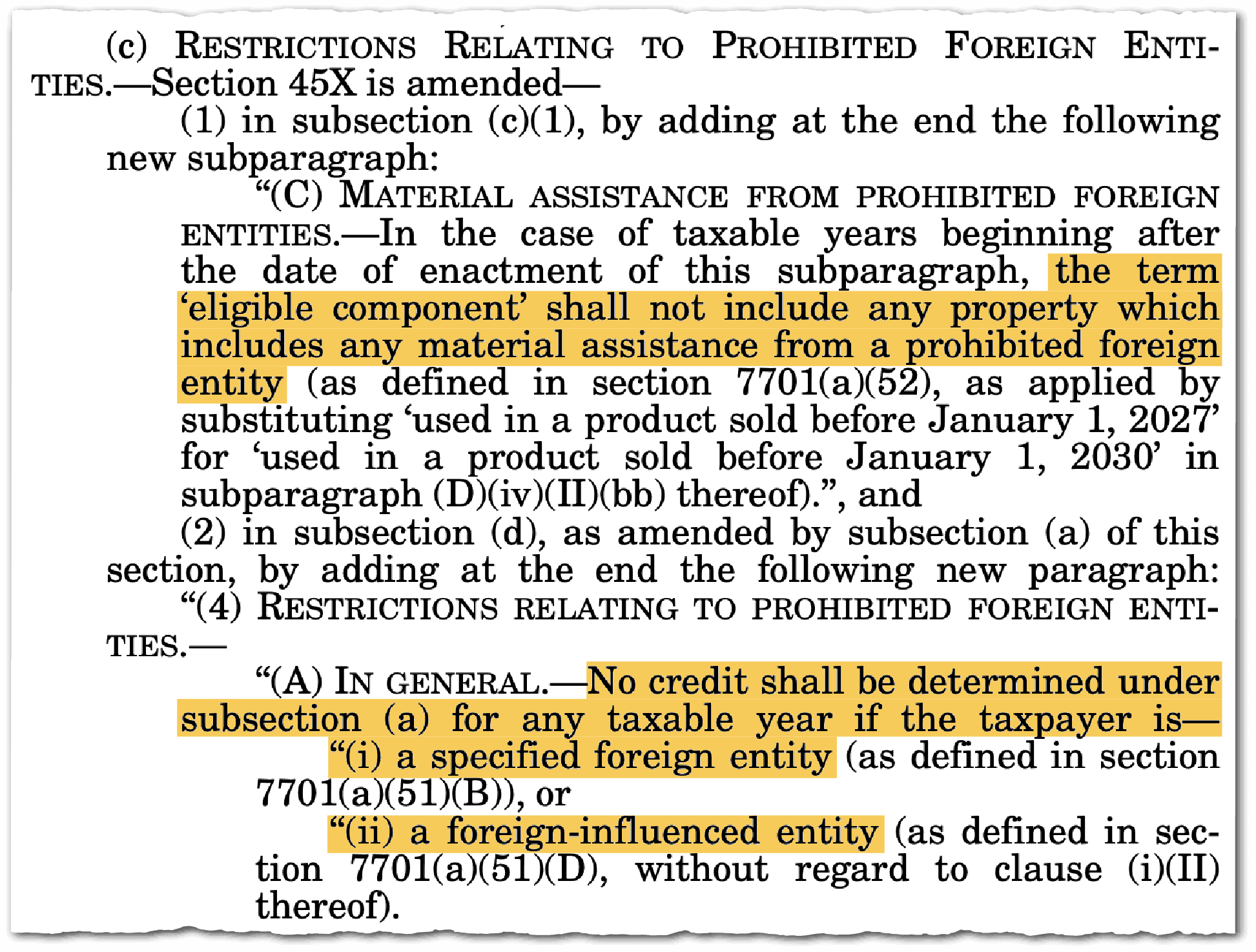
That momentum soon slowed, however. A U.S. trade court ruled Biden’s tariff pause illegal in August 2025. The previous month, the One Big Beautiful Bill limited the clean energy tax credits that ‘foreign entities of concern’ could receive — including any company with at least 25 percent Chinese ownership.
Everyone forgets that this insanity in the Chinese market has brought the cost of solar and storage down. If we didn’t have this competition, there is no way we would be where we are with installations for solar and storage.
Yana Hryshko, head of solar supply chain research at research consultancy Wood Mackenzie
U.S.-based subsidiaries of Chinese firms have rushed to meet the new ownership ceiling. JinkoSolar reduced its stake in its Florida-based subsidiary from 100 percent to 24.9 percent in May this year, selling it to FH Capital for $191.5 million. Trina Solar sold its Texan facility to U.S. firm T1 Energy in December 2024. The Chinese firm never held more than the 25 percent equity limit, and in May reduced its share even further to 11 percent.

New York-headquartered Corning, which has committed to building a domestic solar supply chain, bought JA Solar’s Arizona-based solar production facility in 2025.
Longi has also reduced its involvement in its joint ventures: its U.S. partner in a Georgia-based battery manufacturing plant, NeoVolta, increased its share of the JV to 80 percent from 60 percent in April. Meanwhile in Ohio, U.S. firm Invenergy now owns a supermajority of its venture with Longi, and announced this year it will take steps to remove China from its supply chain.
Made-in-America solar advocates say the reduced Chinese stakes are a necessary correction, arguing that the earlier Chinese investment blitz had merely extended U.S. dependence on Chinese solar imports. Those Chinese firms that had invested in the U.S. were setting up final assembly plants, rather than fabs that could do the higher-value work of manufacturing solar cells and wafers.
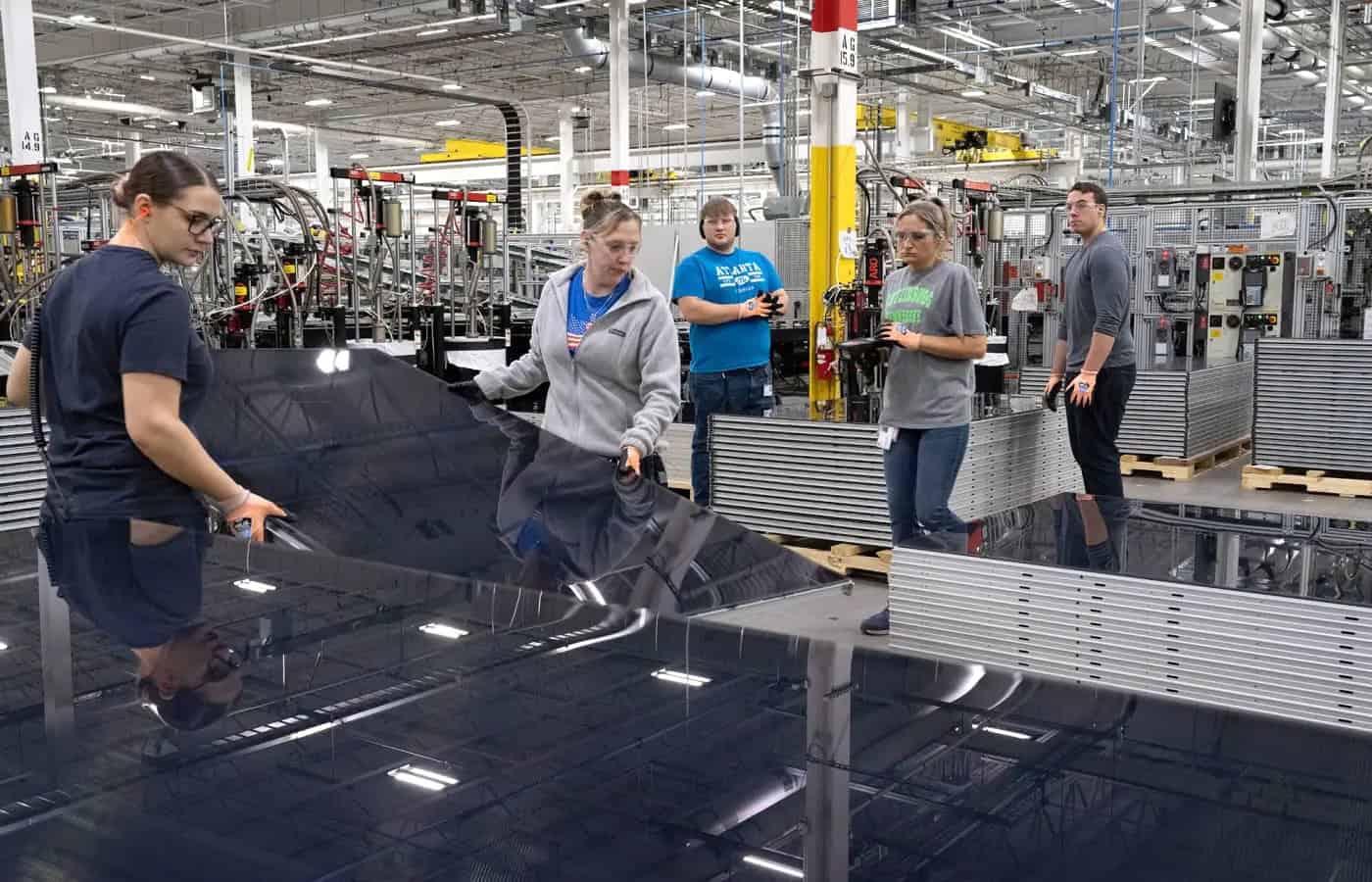
“When you take a step back, the investment from the Chinese and Chinese controlled entities in the United States is not actually to support a thriving U.S. domestic solar market,” says Yogin Kothari, co-founder and head of strategy at the Solar Energy Manufacturers for America (SEMA) Coalition. SEMA represents major non-Chinese solar manufacturers who are investing in the U.S.-made solar supply chain.
Rising energy demand and economics still favor clean energy, but the buildout is slower than before, according to Kate Logan, director of the China Climate Hub and Climate Diplomacy at the Asia Society Policy Institute. The same OBBB rules that limited Chinese investment also cut tax credits for residential solar installations from the beginning of 2026, and terminated other credits for most solar facility construction begun after July 4 this year.
“There’s policy uncertainty more broadly toward clean energy installations,” says Logan. “Then there is uncertainty for Chinese firms that are eager to invest in the U.S. market and have capital at the ready.”
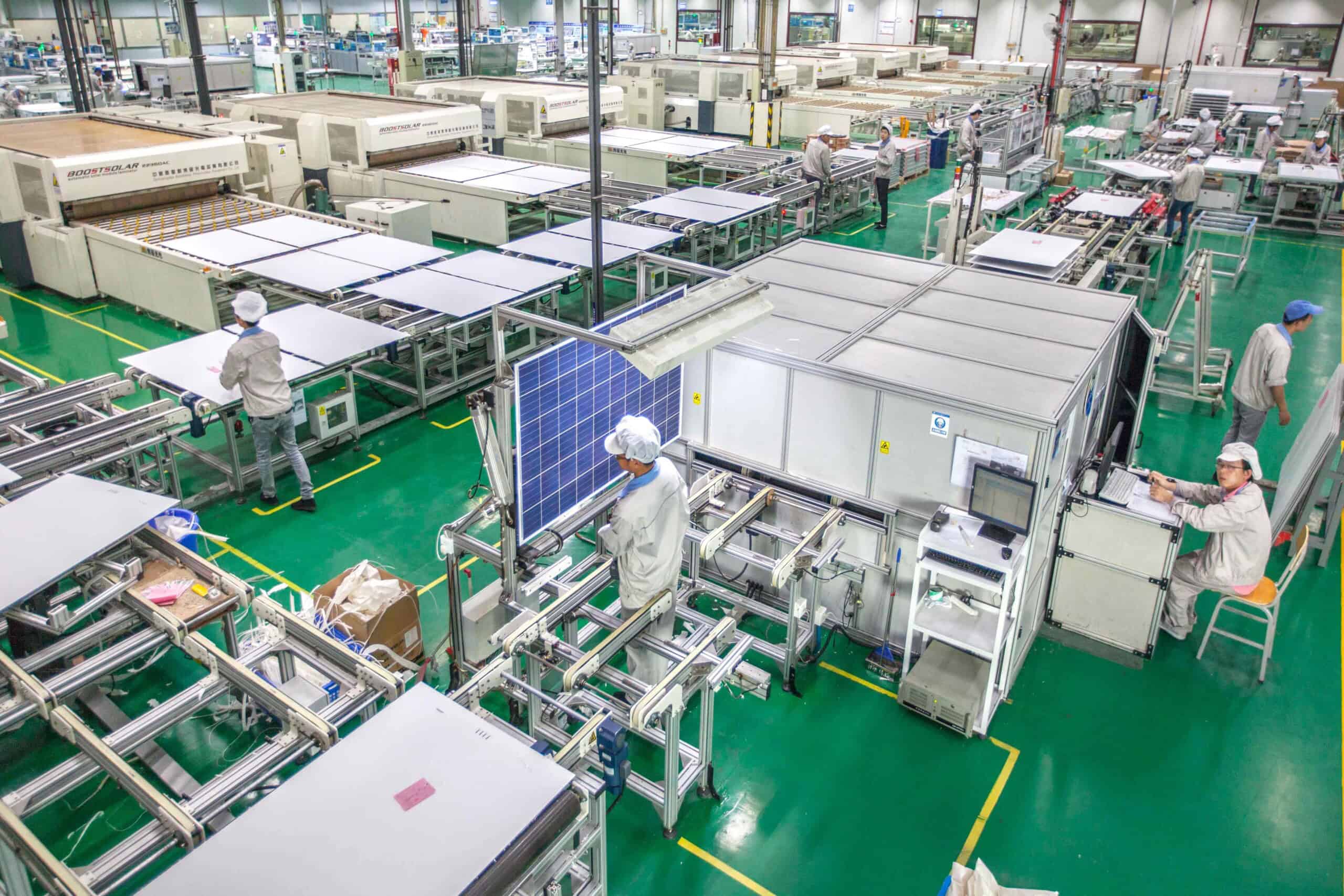
Indeed, Chinese companies have little incentive to invest overseas in the more technologically complicated steps in the solar supply chain.
“China still has the most competitive manufacturing ecosystem in the world, especially in clean tech,” says Armand Meyer from research provider Rhodium Group. “They don’t just have a technological edge, but it’s cheaper and more efficient to manufacture in China.”
The country’s glut of mass-produced solar products has transformed the industry. “Everyone forgets that this insanity in the Chinese market has brought the cost of solar and storage down,” Hryshko says. “If we didn’t have this competition, there is no way we would be where we are with installations for solar and storage.”
China has made real industrial policy decisions over the last 25 years to take ownership of this technology that was invented in the United States. There’s actually no inherent advantage that China has on solar that we can’t do here if we want to.
Yogin Kothari, co-founder and head of strategy at the Solar Energy Manufacturers for America (SEMA) Coalition
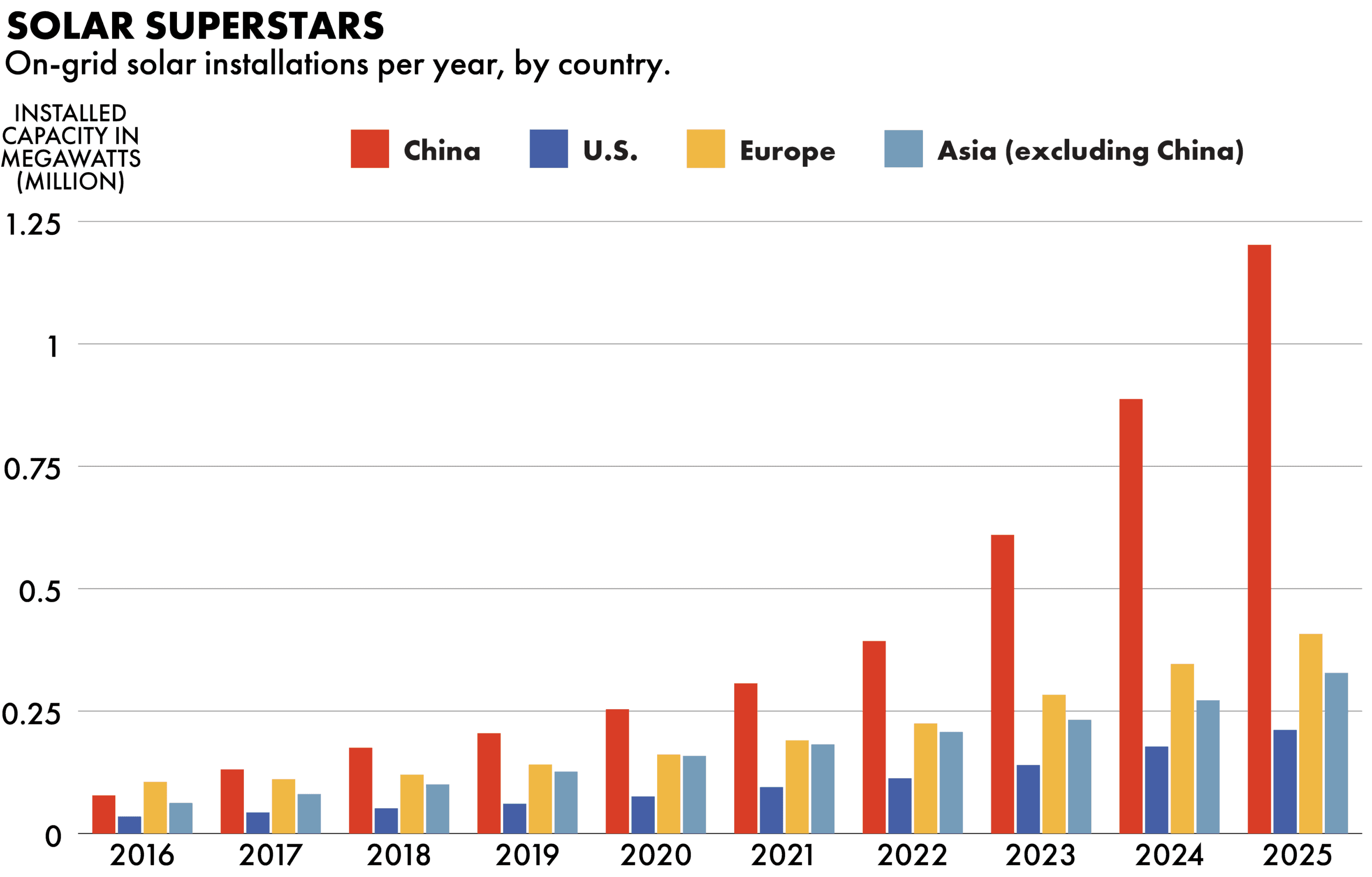
In 2009, when China was a distant eighth place in overall solar capacity, the cost of producing one megawatt hour of solar energy was $496 compared to $153 for the same amount of energy from coal. By 2024, when China had almost five times the solar capacity of the United States, the equivalent cost had plummeted to just $60.
The question now is whether the Trump administration’s efforts to reduce both Chinese investment in the U.S., and imports of Chinese components, can ever result in more of the solar supply chain moving to the United States.
The policy changes provide a strong incentive for customers to buy from U.S. firms with clear supply chains, says Russell Gold, Executive Vice President at T1 Energy.
“If you know where your materials are coming from, you don’t have to worry about tariffs. You don’t have to worry about a change of policy,” he says.
Still, knocking China from the position it earned through decades of investment in solar won’t be easy. China holds the largest share in global manufacturing at every stage in the solar supply chain, from early-stage polysilicon to assembling the modules. Its dominance is not expected to wane anytime soon, according to data from the International Energy Agency.
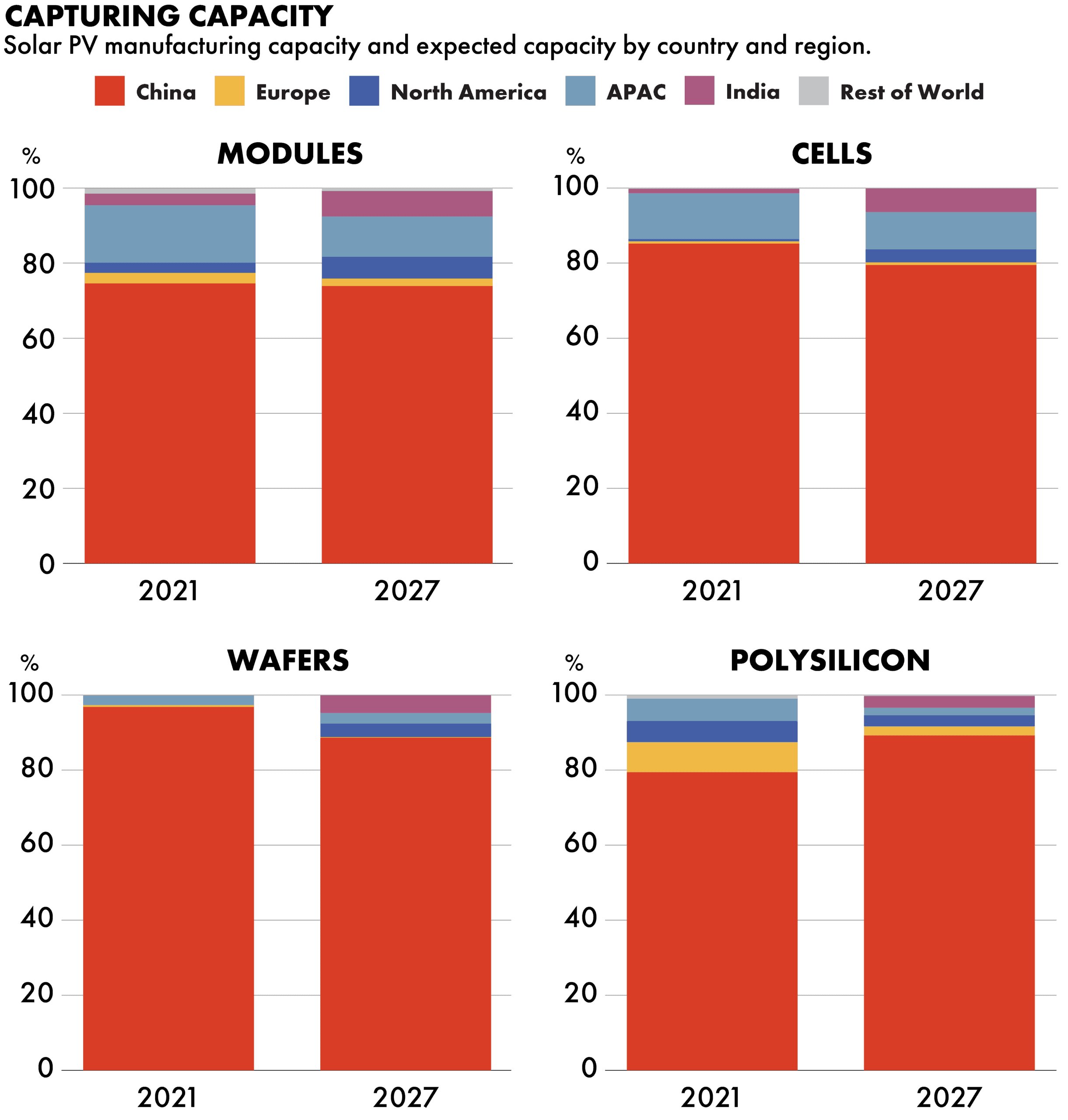
“The U.S. is starting a race with a significant handicap and their competitor is already dominant and running much faster,” says Logan. “The U.S. needs to find a way to work with those Chinese producers that have strong technologies while at the same time finding a way to innovate and invest in other areas.”
But for U.S. solar proponents, there is no need to copy everything about China’s solar industry — especially its excessive production capacity. America’s solar industry aims to support domestic needs and is unlikely to compete with the scale of Chinese manufacturers, according to Kothari.
“China has made real industrial policy decisions over the last 25 years to take ownership of this technology that was invented in the United States,” Kothari says. “There’s actually no inherent advantage that China has on solar that we can’t do here if we want to.”

Savannah Billman is a Staff Writer for The Wire China based in NYC. She previously worked at the National Committee on U.S.-China Relations.