Pulitzer Prize-winning journalist Jane Perlez was a reporter for The New York Times in China from 2012 and 2019, serving as Beijing bureau chief — a stint that followed other roles as a foreign correspondent in Austria, Poland, Nairobi, Jakarta and Islamabad. More recently she has been the presenter of the podcast Face Off: The U.S. vs China, the latest series of which has now become available. The episodes this time round cover some of the hottest topics related to China and its relationship with the United States, from robotics to nuclear weapons to the travails of Gen Z. The following is an edited transcript of a recent conversation about what she is hoping to achieve with the latest batch of podcasts.

Illustration by Lauren Crow
Q: A new season of your podcast Face Off is underway, with a few episodes already available. What do you see as the main theme running through this series?
A: I like to think of the theme as being ‘China Now’. I want to intrigue an audience that doesn’t know a whole lot about China, but is curious and wants to know more. I have tried to include episodes that focus on the current, and a little bit of the not-so-current, with some on domestic China, and some on China overseas.
On the domestic front, but also crossing over to the international side, we’ve got an episode on the People’s Liberation Army, through the eyes of a recently retired colonel, Zhou Bo. It’s fascinating to see where the PLA is going and what we know and don’t know about it.
We also have an episode on China’s Gen Z, which is a common problem for China and the United States. These countries contesting the leadership of the world both have a restless Gen Z population who feel despondent that they’re not going to do as well as their parents. That’s particularly striking in China.
| BIO AT A GLANCE | |
|---|---|
| BIRTHPLACE | United Kingdom |
| CURRENT POSITION | Host of the podcast Face-Off: U.S. vs China |
Our episode on robots is particularly fascinating. The expert we invited, Alberto Moel, points out that robots in China have got to the stage where in five years’ time, they will be able to assemble an Apple iPhone. Think about that — no longer will there be an argument about where iPhones will be assembled, whether in China or India or even in the United States. So, who knows — maybe Apple assembly will come back to the United States, but it’s a very thought provoking idea.
I also like our episode on Papua New Guinea. You may well ask, what’s Papua New Guinea got to do with China? Well, Australia is America’s big ally in the Pacific region, and when it invited the Papuans to join their football league, it did so on the condition that they don’t accept any Chinese military aid. That’s a pretty interesting way to go about diplomacy, I think.
And the title, Face-Off, of course refers to the U.S.-China rivalry?
Yes! There’s a big tussle at the top of the world between these two countries. Some outfits, notably the Economist, are basically saying China’s now the superpower. Well, I think that’s going a little too far at the moment. Let’s see how China fares in the coming year.
There’s quite a few China-related podcasts available now. What’s different about yours, do you think?
I’m going to name names: Jordan Schneider’s podcast, China Talk is absolutely brilliant, but he’s become very tech focused, and sometimes very much in the weeds. I applaud him, because I think he’s got the energy of 25 million people. And then there’s Sinica, which is quite China friendly.
| MISCELLANEA | |
|---|---|
| FAVORITE BOOK | Daughters of the Bamboo Grove by Barbara Demick |
| FAVORITE MUSIC | 19th/20th century classical |
| FAVORITE FILM | On the Beach. So timely. The movie tells what happens in the aftermath of a nuclear war. With Ava Gardner and Gregory Peck. |
I try, in the traditions of being a former New York Times correspondent and having been based in China for seven years, to take a reportorial point of view and not tip the scales one way or another. I want to let people get to know more about China in ways that they wouldn’t find out necessarily in a printed piece in the New York Times or The Washington Post.
Let’s dive into some of the episodes, then, starting with the episode that you did on young people in China today. What did you learn from that episode?
When I was a correspondent and bureau chief for the New York Times in Beijing, we had eight correspondents and eight to ten young Chinese researchers and journalists. I was always struck by how optimistic they were about China’s future — not in a particularly huge, patriotic way, but they really thought China was going places.
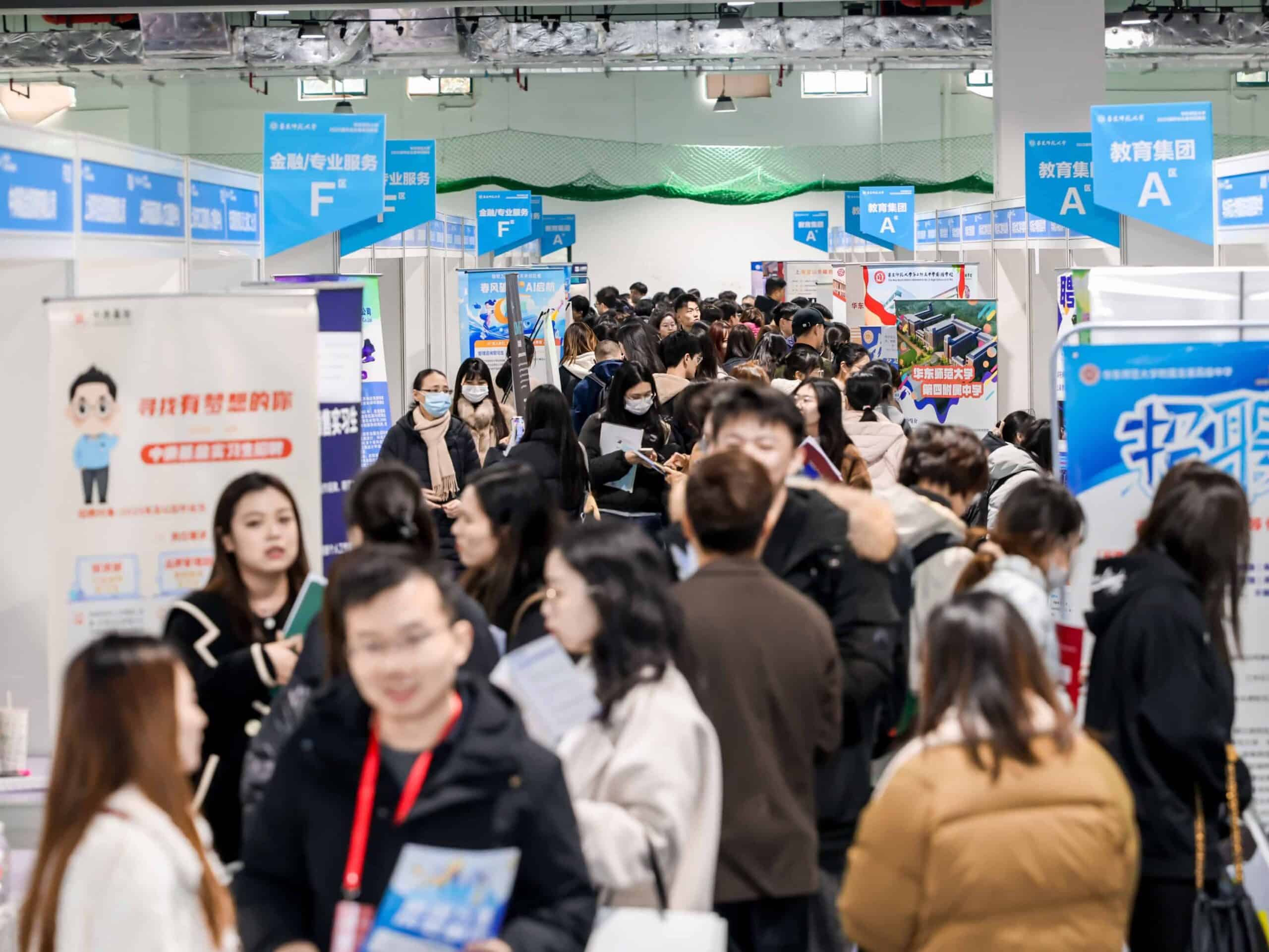
One of the marks of that was the status of their parents. Many of their parents had been able to buy their state owned apartments in the 1990s or early 2000s, and were able to amass enough money to go and buy another apartment, and even another. So the parents were quite well off: they were landlords getting rental income and doing extremely well. Now, Gen Z people of similar age can’t hope to get that, and that’s very disillusioning. There’s nearly 20 percent unemployment among the Gen Z population in China.
In most societies you would ask, are these people going to form some kind of opposition? Are they going to challenge the government? When I talked for the episode to Chang Che, who’s now a reporter for the New Yorker but who I met when I was at the New York Times, he said he wasn’t too sure, but he thought the kindling was getting drier.
…we really need more serious diplomacy, not just Donald Trump going to Beijing in April to talk about trade or whatever it is that he wants to talk about; and to be seduced, I have no doubt, by Xi Jinping. There are no real discussions between the United States and China at the moment.
I’m not sure I agree with that: the Communist party is so well embedded. It has 100 million members, many of them very dedicated, even if some join the party because they think it’s going to get them ahead in their careers. And beyond that, the party’s control is now reinforced by surveillance that we can’t even imagine. To form any kind of opposition is an impossible pipe dream; it’s very difficult to imagine groups of Gen Z and provinces connecting in order to organise some kind of rebellion. From what I can see, young Chinese people are very loyal to their country, as they should be, because China is really an amazing country.
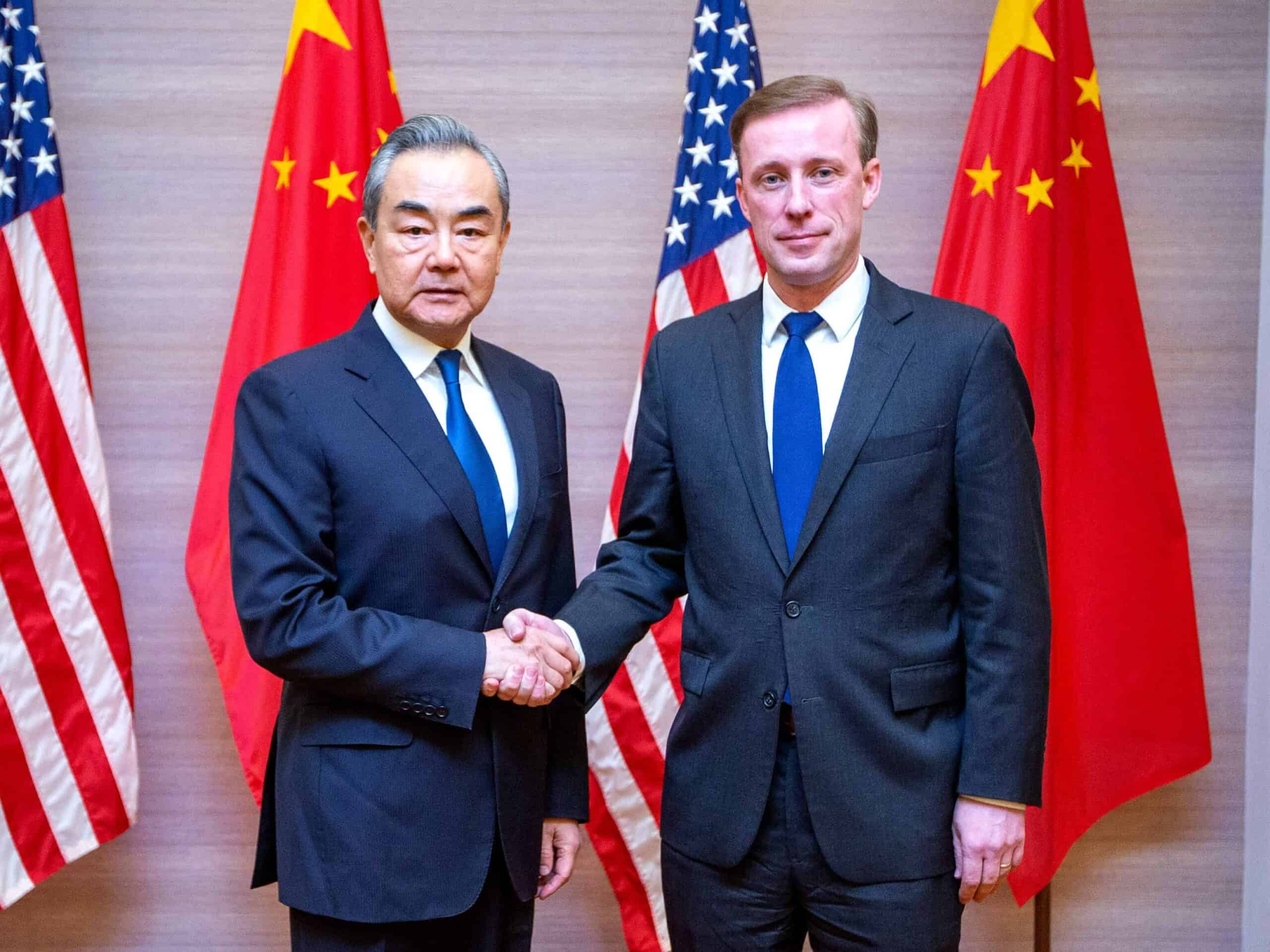
You had a long conversation with Jake Sullivan, who was President Biden’s national security advisor. What really stood out to you from that interview?
I’d known Jake on and off as a reporter. I first met him when he came to Beijing in 2012 with [then-Secretary of State] Hillary Clinton, and I had just started as one of the New York Times reporters there. When he was in official positions, he was not the warmest of interviews. So I was thinking, how is this going to go?
But he was wonderful, and made some really good points. What struck me the most? When I asked Jake to come on the show I said I wanted to ask what Xi Jinping is like in the negotiating room. And I was so surprised: Jake said that he affects the posture of the cool kid in class. He sits back in his chair, he’s quite relaxed. He dominates the room, in part because of his size, and he takes time to talk with his aides. He’s very much in charge, of course; but it was the more relaxed attitude that really surprised me.
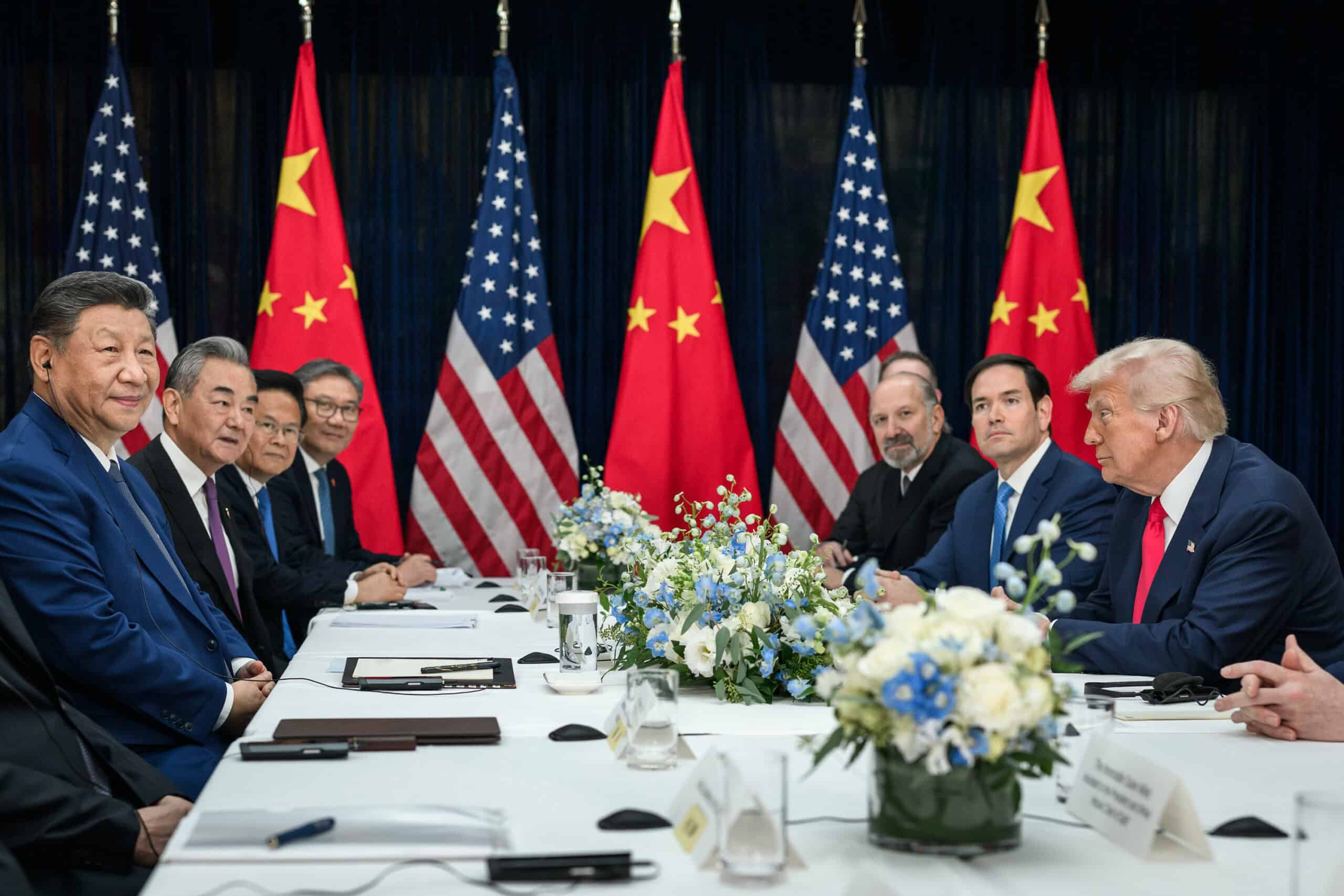
What I also found interesting was that Jake said he felt that the United States had the strength and depth to withstand the China challenge; and that we just have to have belief in our own principles, in our own way of government. Many times I would think, oh, that’s so corny. But I thought the way he put it was very interesting.
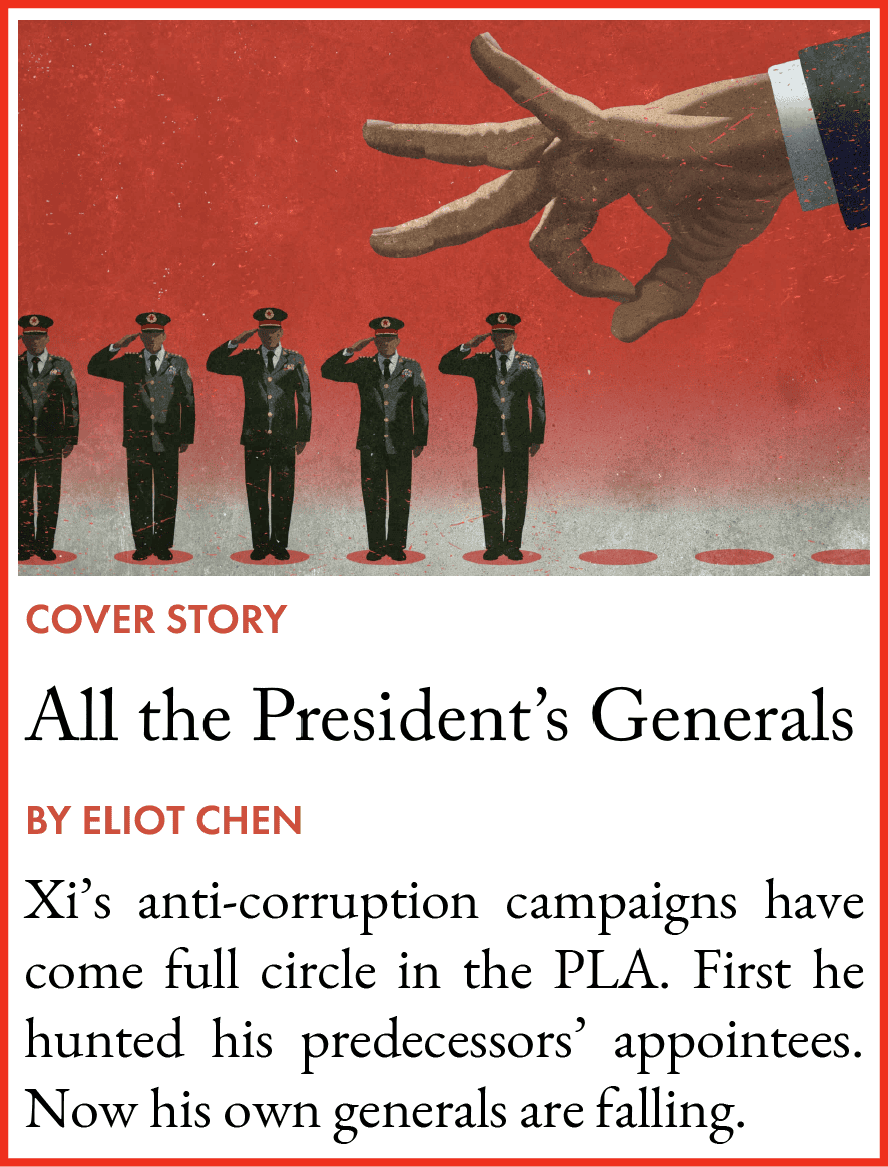
I asked him about corruption in the PLA, and why Xi Jinping has been carrying out so many purges, and he said he didn’t know, and that he didn’t think anybody in the American government knows — adding that he thought this is the most important question facing the United States. A China expert, who was in Beijing for a number of years recently came to the Harvard Kennedy School, where I make the podcast, and basically said, there’s so much corruption in the PLA that you have to wonder if it’s really a fighting force. Maybe that’s wishful thinking, but it is interesting to hear that corruption is a very serious problem.
When Xi Jinping launched their third aircraft carrier recently, it was noticed that during the ceremony there were a couple of admirals missing. They seem to have been purged too. That’s part of the game of monitoring the PLA, just simply counting the people on the platform at any given event. You could have a weekly podcast, talking about corruption in various government bodies in China.
Going back to what Sullivan said about Xi’s charisma, it seemed he was drawing a parallel between the way he behaves in meetings and the way typical American presidents act.
Yes, and it’s interesting that he said that, because I always remember, as a reporter in Beijing, when American delegations were coming, we would go to a room in the Great Hall of the People, and wait. While we were there, Xi Jinping would walk into the center of the room, about ten feet away from us. And there wasn’t a flicker of recognition from him. He wouldn’t even give us a glance in our direction. He was so stiff, it was incredible.
Both Sullivan and [former PLA colonel] Zhou Bo talked to you about China’s buildup of nuclear weapons. How worried did those parts of the discussions make you?
To be candid, I find the nuclear buildup in China, and the prospect of maybe South Korea and Japan getting nuclear weapons in reaction to what’s going on in the Asia Pacific region, the most worrisome aspect of our current situation.
…it’s ridiculous to say the United States is no longer the world’s superpower. China and Russia are ganging up, the world is changing. But that doesn’t mean to say that the United States can’t prevail.
I was quite heartened to hear that the Biden administration tried and actually succeeded in getting an agreement with Beijing on keeping artificial intelligence out of the command and control of nuclear weapons. Jake was dismayed that it took a year to do that. But I think he was pleased that they managed to get such an agreement, and that humans would remain in control of nuclear weapons. Mind you, there are supposed to have been follow-up meetings to make sure that it’s more than just a written piece of paper. And from what I could understand, I don’t think those follow-up meetings have happened. I suspect that this is not top of the agenda for the Trump administration, unfortunately.

What did you make of Zhou Bo’s arguments around the nuclear buildup, and what justifies it from China’s point of view?
He says that China has every right to equality with the United States, and I guess, from the Chinese point of view, you could argue that. But it would be helpful if these things were discussed with the two sides at a table, and that there were arms control talks, as there were between the Soviet Union and the United States. There has to be a way to get both sides to really discuss where we go with nuclear weapons.
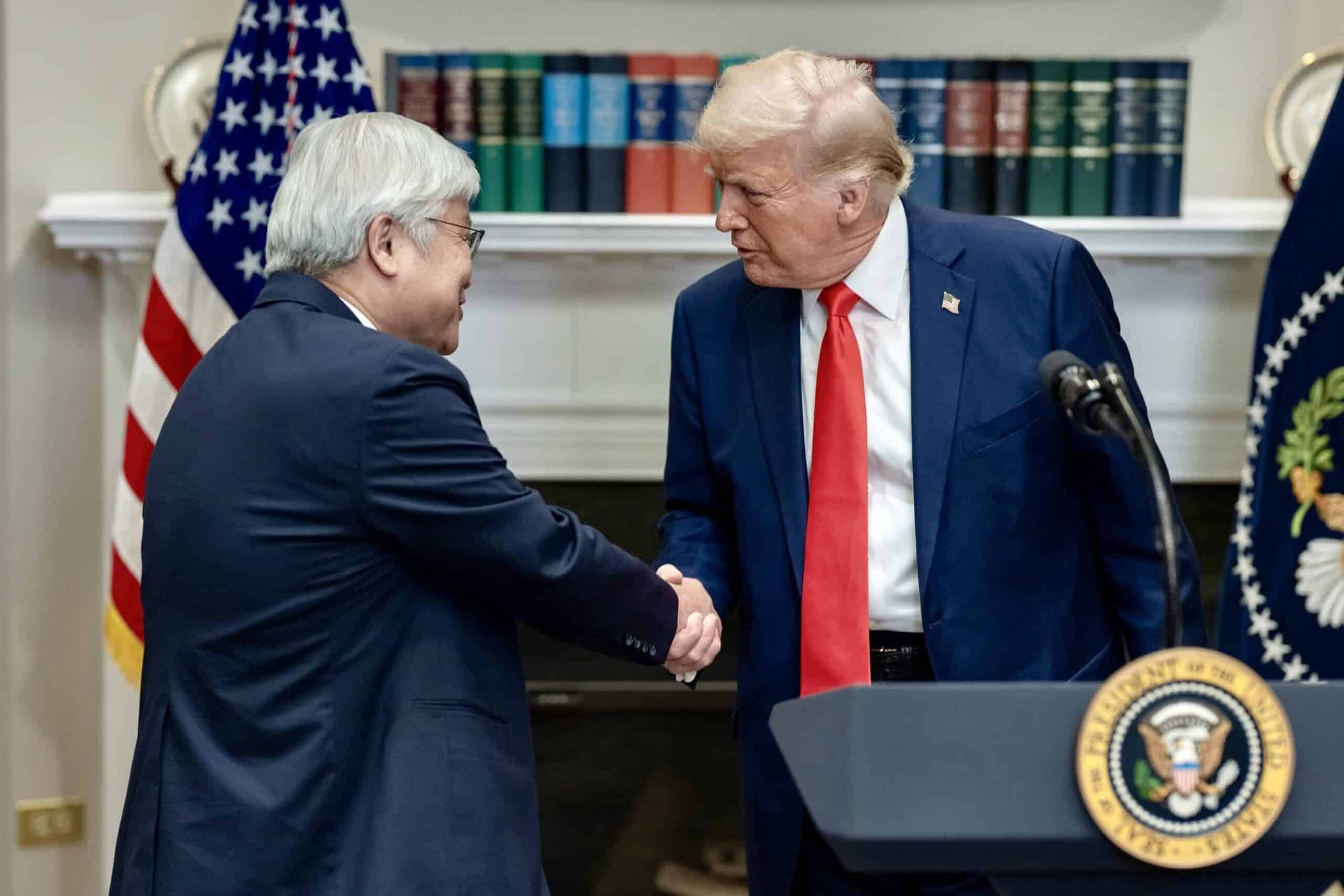
That’s one of the most depressing parts of the whole China-U.S. equation: we really need more serious diplomacy, not just Donald Trump going to Beijing in April to talk about trade or whatever it is that he wants to talk about; and to be seduced, I have no doubt, by Xi Jinping. There are no real discussions between the United States and China at the moment. He has sent his buddy Steve Witkoff to the Middle East, and to Russia. Who does he send to China? A big nobody.
You have a whole episode talking to Zhou Bo. What did you make of him?
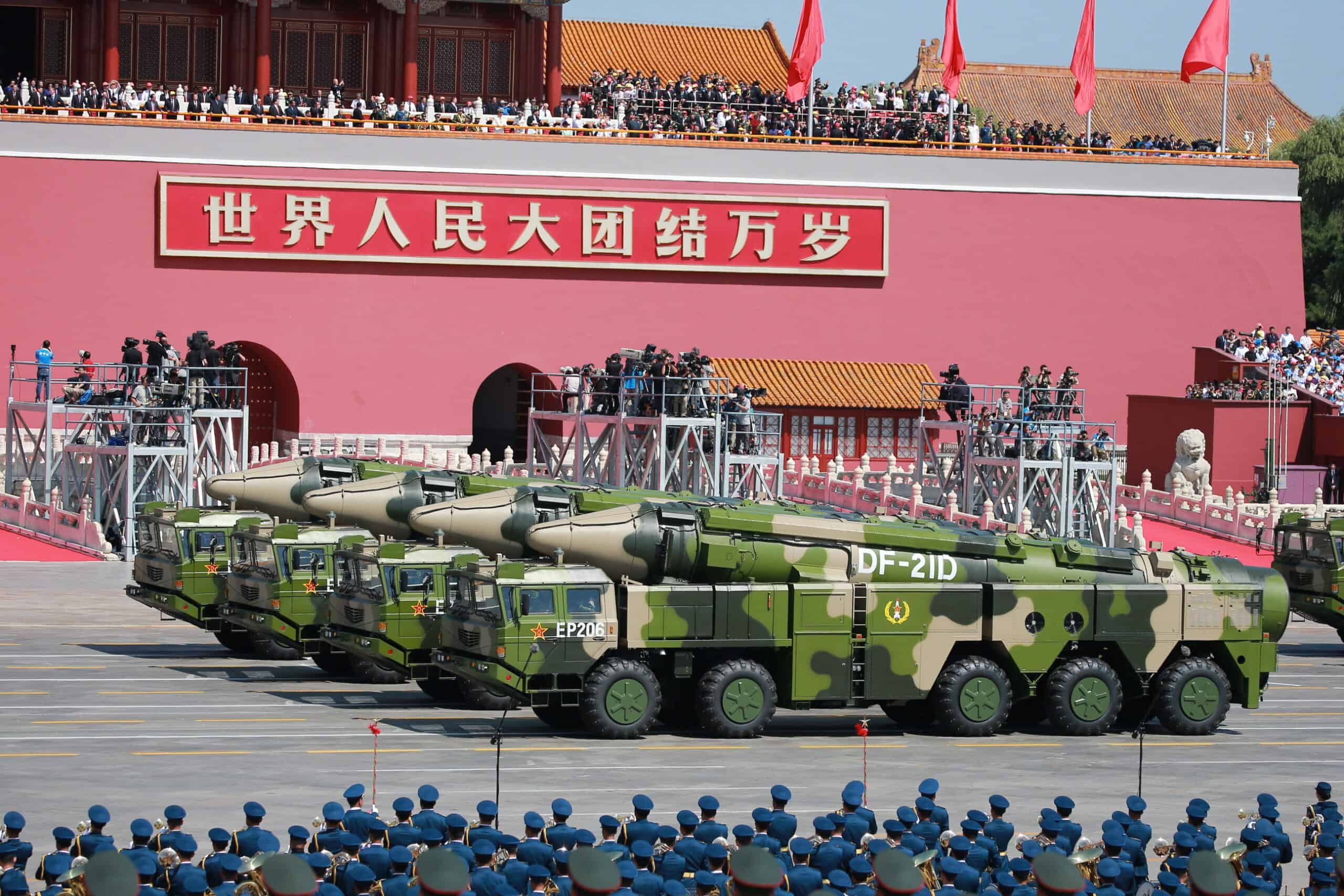
Zhou was a colonel in the PLA. I’m not sure if he was actually commanding troops; I think he was more of an intellect, guiding policy. He has since left the PLA on very good terms with the government, and he talks with the blessing of the regime. He said, for example, that the big parade of China’s military and its weapons in September 2025 showed how open China is. Well, hold on a minute: How do we know what they showed is everything that they have?
It was very hard to get him to talk about China’s support of Russia militarily in the war in Ukraine. I said to him that there are well documented exports of air parts for Russian drones from China, and they’re being used in the war in Ukraine. He said ‘No, no, no, they’re dual use.’ I wish I had said, Come on, Zhou. Those spare parts are not being used for cuisinarts.


Members of the Armed Forces of Ukraine with captured Russian ‘Eleron’ reconnaissance and surveillance drones. Credit: National Guard of Ukraine, State Border Guard Service of Ukraine
After talking to Sullivan and Zhou, what’s your sense of where we stand right now in terms of the Taiwan question?
Well, I wish we could address this after Trump is in Beijing in April, when we expect he will go. I think the Chinese are going to handle Trump on this one, and will keep to their gray zone tactics, which have been quite successful so far — they’re flying their military fighter jets ever closer to Taiwan and not getting any resistance. I think they’ll try all that they can to undermine the society.
It’s not clear to me what their policy is towards TSMC, the big chip maker, which to me is the big question about the future of Taiwan. If the Chinese took over Taiwan tomorrow, it would be a disaster for the United States and the Western world, of course, politically and diplomatically; but it would be a disaster if they give us no access to the chips that TSMC makes. That’s what we should all do as reporters — figure out what’s going to be done about TSMC in Taiwan.
The climate in the United States for a fight over Taiwan is not particularly strong. Most Americans probably don’t know where Taiwan is. And then if they found out that it was 8,000 miles away from the United States, and only 100 miles away from mainland China, they would probably say, what’s the point? The Chinese are at such a natural advantage by proximity. In all the war games in the Pentagon that we hear about, and the war games done by outside institutions like MIT, in almost every single case the United States loses.
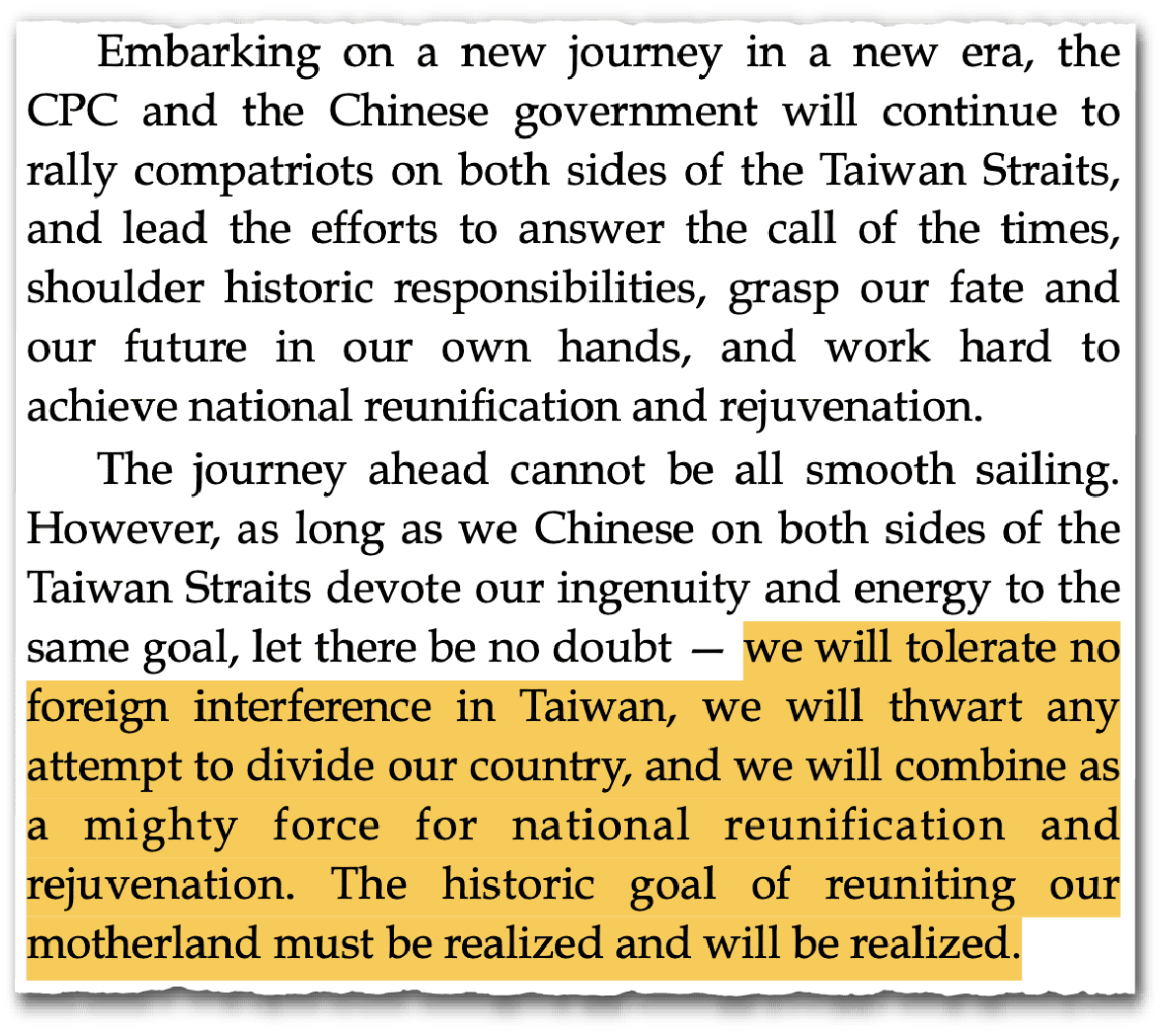
I think that Xi Jinping believes that Taiwan is the uncompleted part of the great rejuvenation of the Chinese nation. If I had to guess, he will stay as leader for as long as he can, in order to accomplish that goal, which to him is really important. If Beijing looks around, they probably say to themselves, who’s going to join the United States in a fight over Taiwan? Australia’s been pretty clear that they aren’t. It seems highly doubtful, despite what the new Japanese prime minister just said, that Japan or South Korea, their closest allies, would participate. So the Chinese have got reasons to persist in their strategy.
Having done this latest series, what is your assessment of the state of the rivalry and who’s up and who’s down between the U.S. and China?
I don’t think that China has necessarily got the upper hand. As I mentioned, the Economist seems to think that it’s a new superpower. But excuse me, even though they’ve got one third of the world’s manufacturing prowess, and several other statistics that show all the advances that they have made in tech, I’m not sure that that’s the case.
We can’t get a picture of what’s going on inside China because we don’t have the number of reporters we used to have in China. I think that’s a big problem for the United States and for the West… We are trying in our own way, as a podcast to try and lift the veil.
The outcome of what the United States does with AI, will definitely count. The jury is way out on that. But it’s ridiculous to say the United States is no longer the world’s superpower. China and Russia are ganging up, the world is changing. But that doesn’t mean to say that the United States can’t prevail.
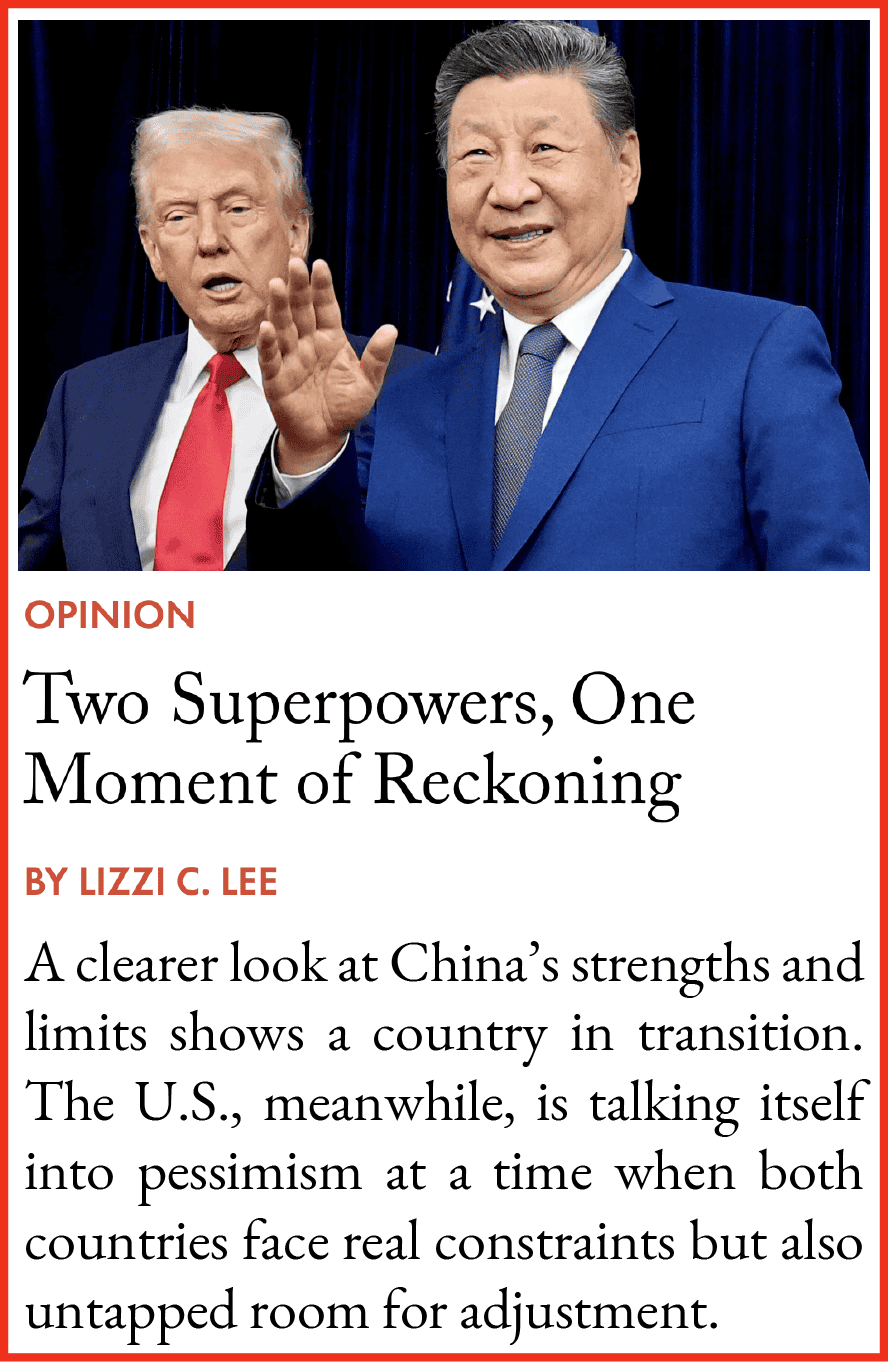
It’s interesting to hear you say that because it does seem that there’s a lot of defeatism in the air, with all the political problems in America and the divisiveness, all while China seems to be surging ahead, whether it’s in AI or electric vehicles and so on.
What makes me mad about this is that the Chinese are able to project this picture. Why? Because, basically, they won’t allow American or Western reporters to come to China and report across the board, in a fair and unbiased way. We can’t get a picture of what’s going on inside China because we don’t have the number of reporters we used to have in China. I think that’s a big problem for the United States and for the West. The New York Times used to have eight reporters in China; it’s now got three. The Washington Post has zero. So it’s very hard to know what’s really going on. We are trying in our own way, as a podcast to try and lift the veil.
I do also think that we’ve got to get over this idea that China is bad, therefore we don’t engage, and therefore we don’t go there. I just wish that people from Washington would go to China and take a look. They would get a very red carpet approach, just as journalists who do go to China now, on visas approved by the Chinese government, get shown all the glorious things of batteries and robot factories, then come back dazzled. They don’t see anything of human rights and business, they don’t see anything of Gen Z, they don’t see anything of the housing, the problems of the local government. So that sort of creates a false impression. But I do think that it would be helpful if people from Congress actually went and had a look.
I suppose the next best thing is to listen to your podcast.
Absolutely.

Andrew Peaple is a UK-based editor at The Wire. Previously, Andrew was a reporter and editor at The Wall Street Journal, including stints in Beijing from 2007 to 2010 and in Hong Kong from 2015 to 2019. Among other roles, Andrew was Asia editor for the Heard on the Street column, and the Asia markets editor. @andypeaps