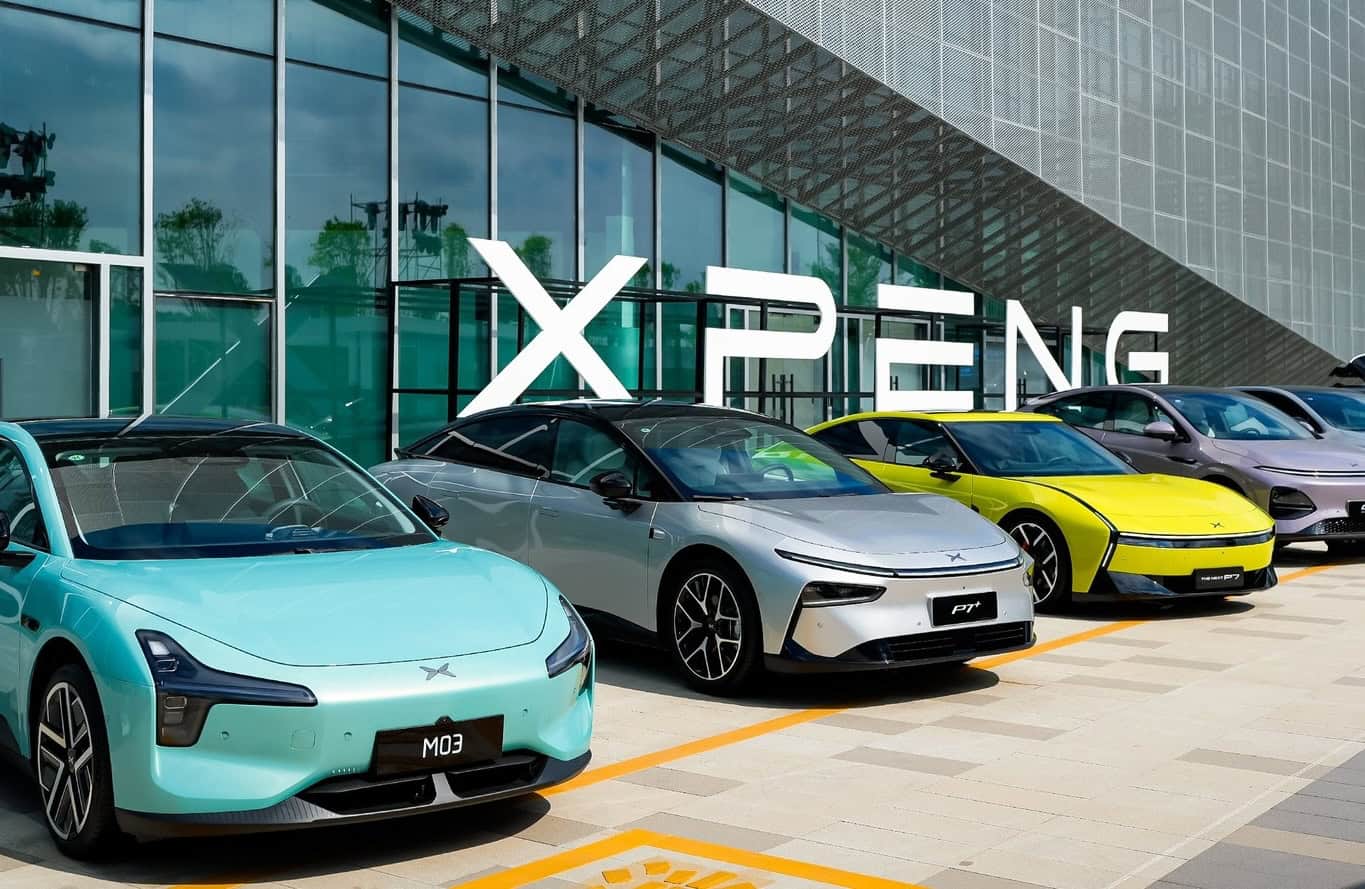
China has become an automaking powerhouse, but thanks to steep tariffs on its electric vehicles, most North American consumers have yet to see its cars on their roads. That may be about to change.
Canada’s government is considering removing the country’s 100 percent tariff on Chinese EVs. The potential pivot comes as President Donald Trump’s trade war is wreaking havoc on the deeply integrated U.S.-Canada auto supply chain, and as Canada looks for ways to negotiate down trade barriers with China.
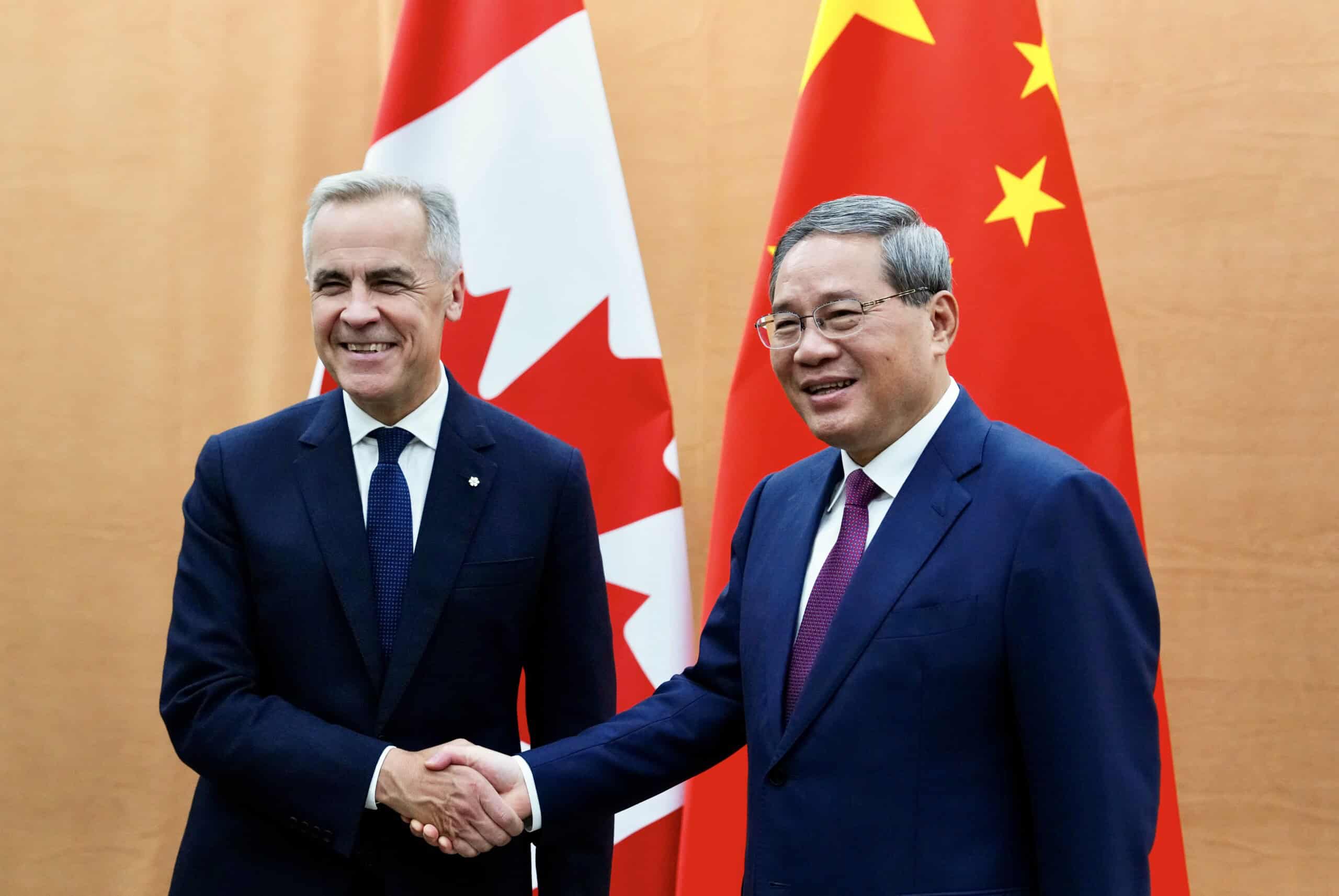
Last week, Canadian Foreign Minister Anita Anand visited Beijing, a trip that signaled warming ties with the country. Beijing has suggested it’s willing to drop its steep tariffs on Canadian canola and pork in exchange for relief on EVs. The leaders of at least two Canadian provinces support this quid pro quo; Canada’s agriculture minister says that Ottawa is considering the proposal.
Dropping the EV tariffs would mark a major split between Ottawa and Washington on China policy, at a time those two governments are also negotiating a volatile trade deal. Late Thursday night, Trump announced that he was “terminating” trade negotiations with Canada, blaming a television commercial sponsored by the Ontario government that featured Ronald Reagan criticizing tariffs. A split on EVs could deepen the rift further.
…the question for Canada is, do you give up on your auto industry… and become a predominantly import market? Or, do you move in a dramatically different direction and partner with the Chinese?
Michael Dunne, chief executive officer at Dunne Insights
“Right now, there’s more or less an airtight bubble in North America with 100 percent tariffs in Canada and the U.S. and 50 percent tariffs in Mexico,” says Michael Dunne, chief executive officer at Dunne Insights, a China-focused automotive advisory. “North America has become a fortress that will not permit Chinese cars. If Canada were to go in a different direction, it would be making a monumental call.”
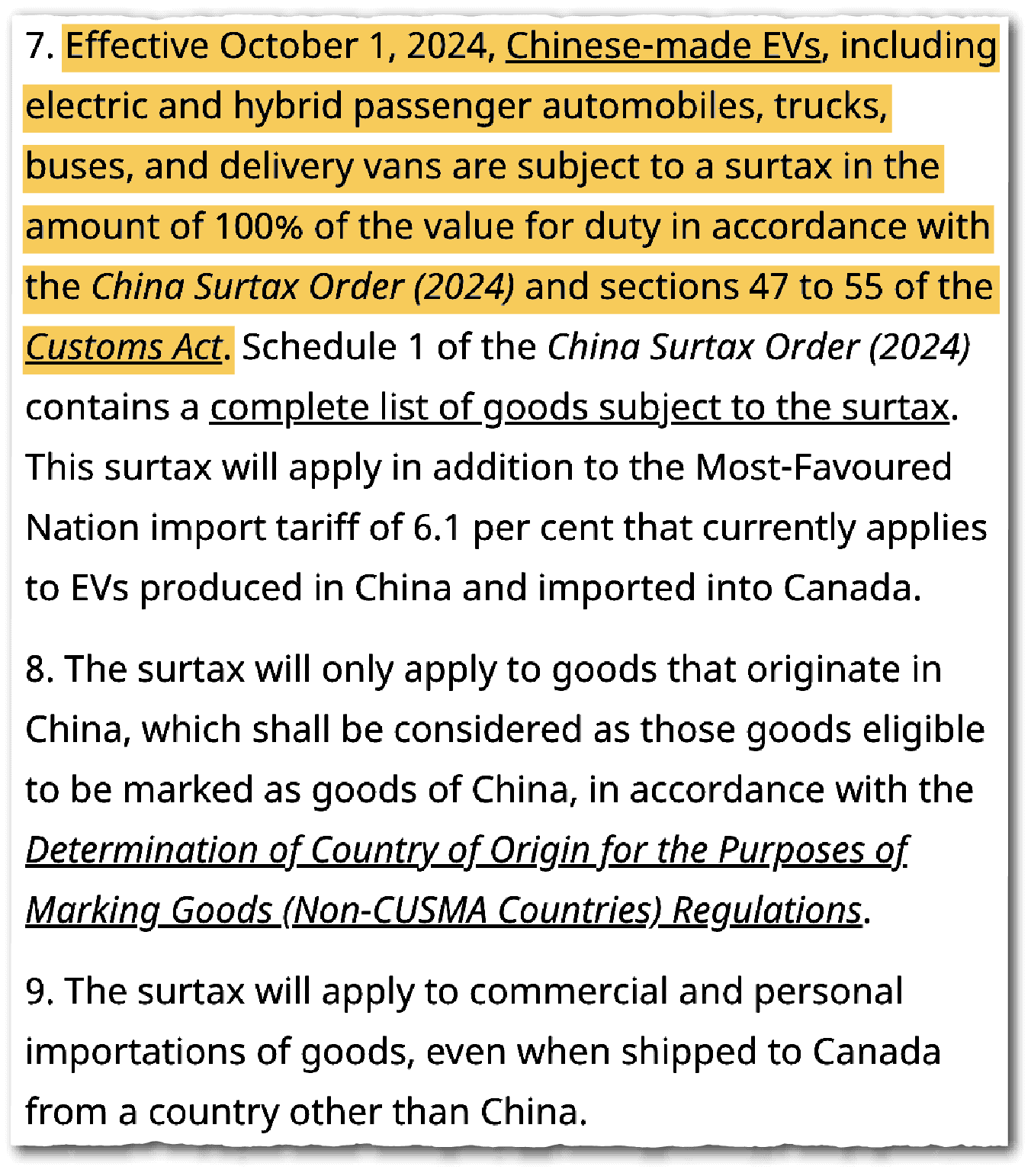
Canada joined the U.S. and European Union in imposing steep tariffs on Chinese EVs in August 2024, as overcapacity and a brutal price war between China’s automakers drove prices to record lows. In Canada, the tariffs have helped insulate Western automakers — many of whom received billions in subsidies from Ottawa — from growing Chinese competition.
The move was also part of a trend of Ottawa getting tougher on Beijing and aligning more closely with Washington’s China policy. In the last three years, Canada has also imposed tariffs on Chinese steel and aluminum, tightened scrutiny of Chinese state investment in critical minerals, and shuttered the local offices of Chinese-owned TikTok over ‘security risks.’
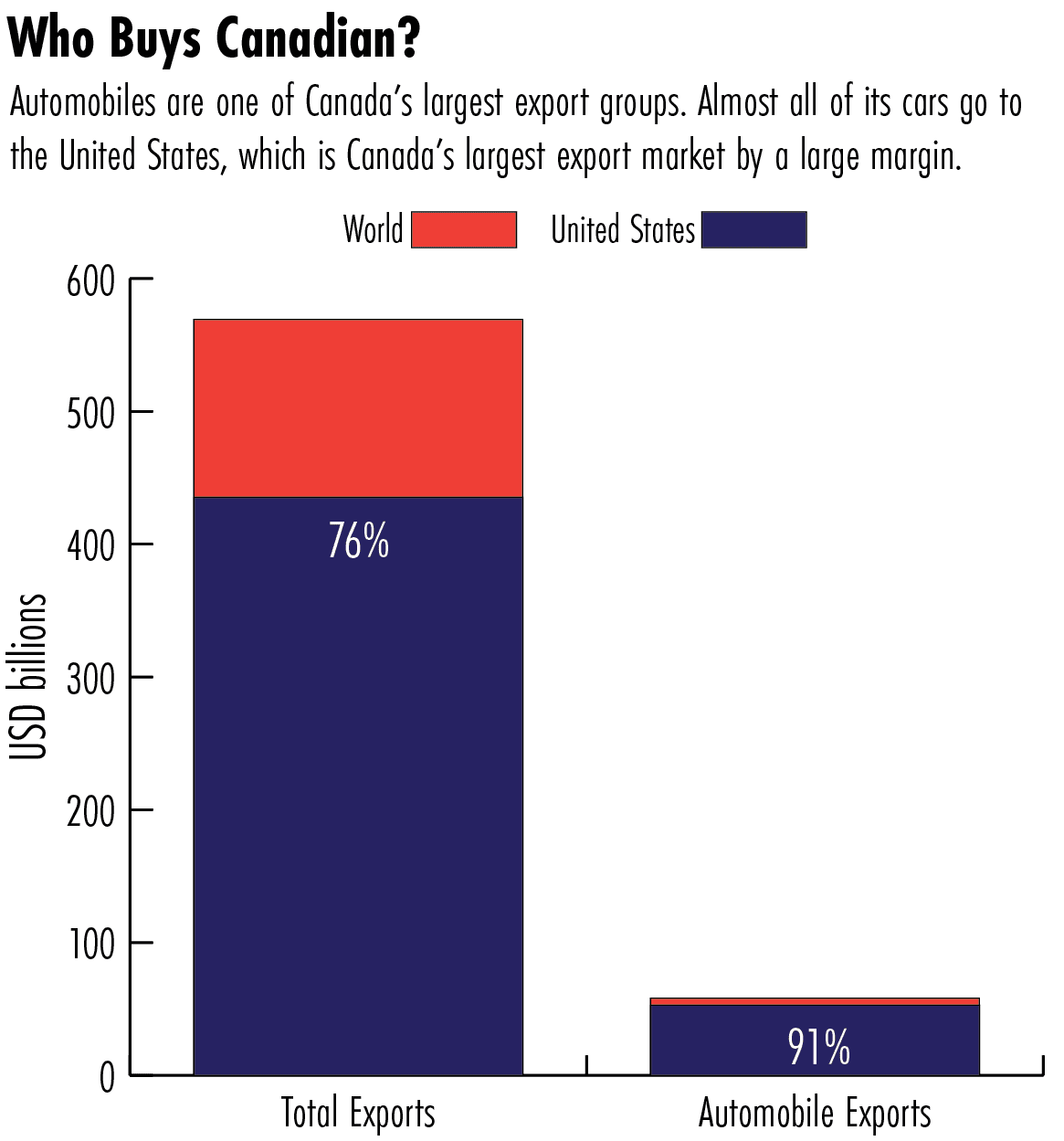
But the Trump administration has upended the U.S.-Canada relationship. It has vowed to renegotiate the U.S.-Mexico-Canada free trade agreement (USMCA), the bedrock for the integrated North American automotive supply chain. A slew of American automakers have in turn announced they will scale back Canadian production, triggering a deepening crisis for the industry, which accounts for 10 percent of Canada’s exports.
Last week alone, GM and Peterbilt announced they would move production from Canada back to the United States. A week before that, Stellantis announced it would shift a production line from Ontario to Illinois — a move that has so angered the Canadian government that it is threatening to sue Stellanis. Honda has delayed its plans to build a large Canadian EV supply chain by two years.
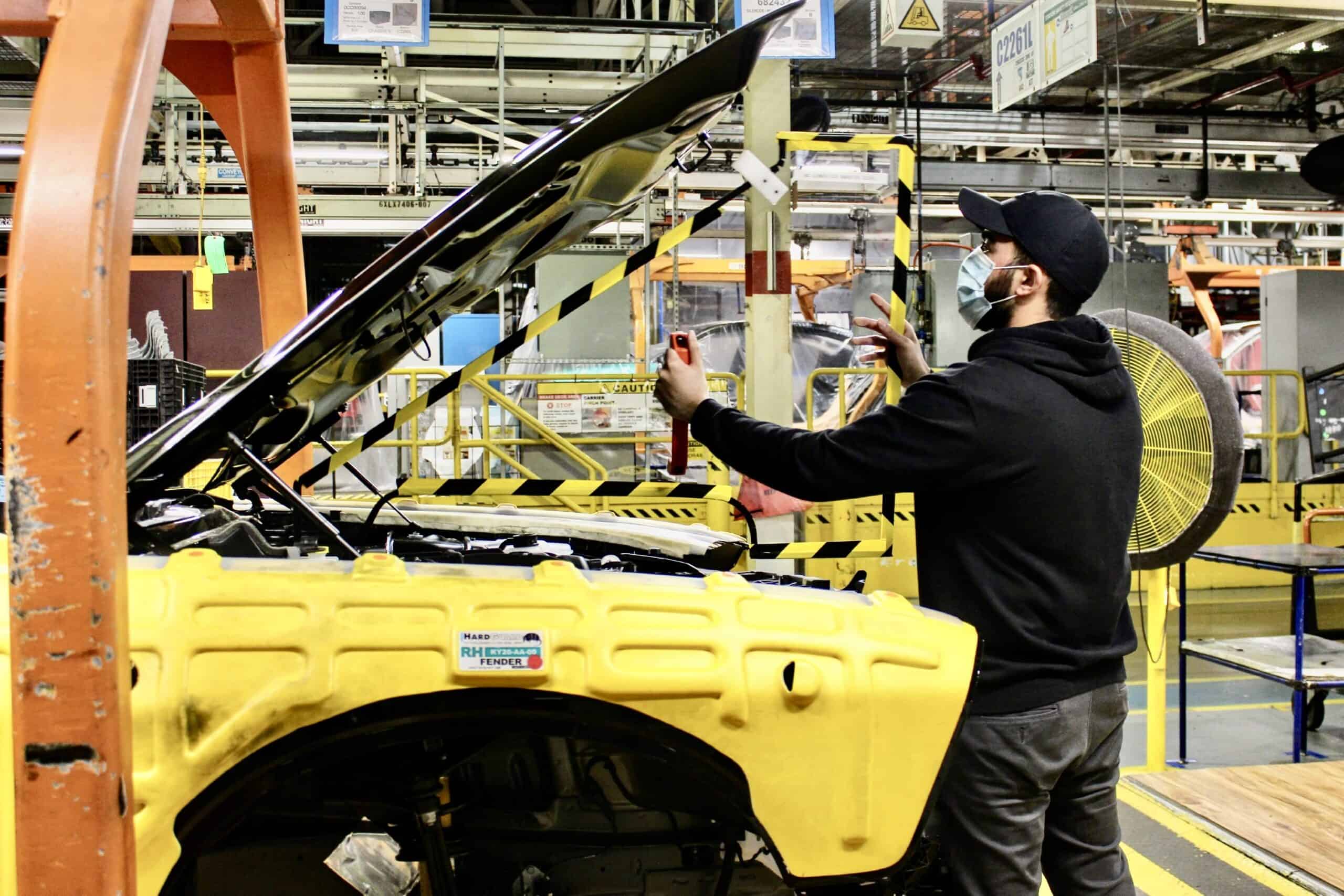
“When the U.S. automakers put plants in Canada, the understanding was that Canada’s two million car-a-year market by itself wouldn’t justify the investment,” says Dunne. With the automakers now withdrawing, “the question for Canada is, do you give up on your auto industry… and become a predominantly import market? Or, do you move in a dramatically different direction and partner with the Chinese?”
Some Canadian car dealerships have already signaled interest in partnering with Chinese brands. A delegation attended the Shanghai Auto Show this year and were effusive about what they saw.
…the U.S. continues to be our biggest trading and security partner. Cozying up to Beijing and looking to it for new trade agreements and trade concessions would not be received well in Washington.
Margaret McCuaig-Johnston, director of the China Strategic Risks Institute
“What the Chinese have accomplished in ten years is truly amazing. Tariffs are no defence for innovation and creative thinking,” said Steve Chipman, chief executive of Manitoba-based Birchwood Automotive Group, one of Canada’s largest automotive dealers, in a statement at the time.

The premier of Canadian province Manitoba — which is also a major canola exporter — penned a letter this month to Prime Minister Mark Carney urging Ottawa to lift the EV tariffs in exchange for Chinese relief on canola and pork.
Washington’s opposition to Chinese EVs stems in part from national security concerns. In December, the Biden administration imposed a sweeping ban on the import of cars containing Chinese software and hardware, citing security risks.
But a poll of Canadians shows that America’s northern neighbor doesn’t necessarily share those concerns. More Canadians opposed tariffs on Chinese EVs than supported it, according to an October survey by Canada’s Nanos Research, a major shift from the same period last year when almost two-thirds of respondents supported the tax.

As EV adoption in Canada has plateaued, some proponents have advocated welcoming cheaper Chinese models to keep up the transition to clean energy vehicles. BYD’s Seagull model, for example, sells for as low as $7,800 in China, a fraction of the $43,000 starting price for a Tesla Model 3 in Canada. (Chinese automakers charge more for the same model overseas, aiming to undercut their closest competitor by about 10 to 15 percent. The same Seagull model in Mexico, where it is branded as the Dolphin Mini, goes for around $20,000, for example.)
Canada is not the only major Western economy that has signalled an openness to Chinese EVs. The UK declined to follow the EU in imposing high tariffs on Chinese EVs last year, citing in part, the country’s lack of a domestic auto sector in need of protection. As of this month, it has become BYD’s largest international market, with sales soaring 880 percent year-on-year.
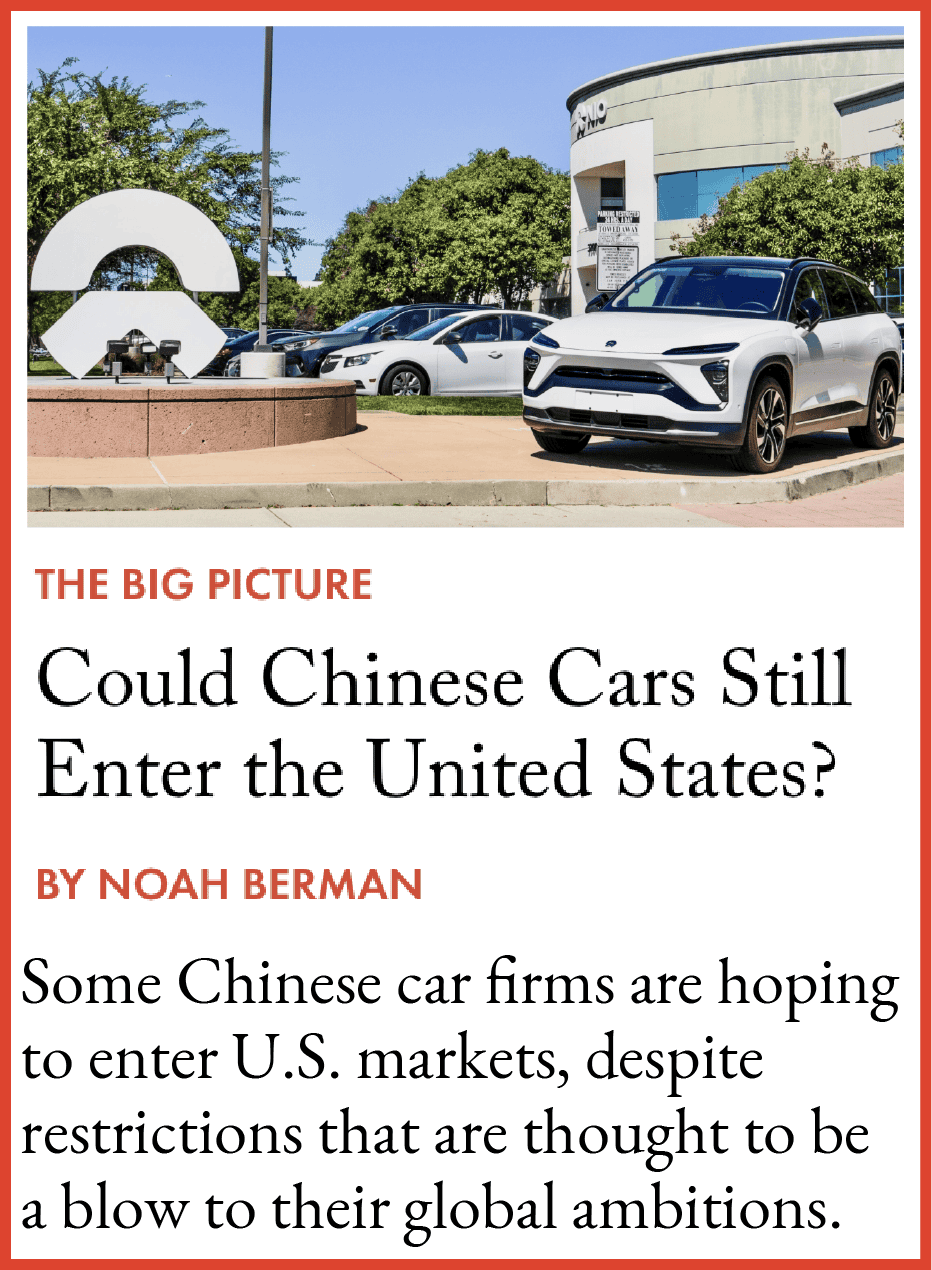
Experts say that the Canadian market, which is roughly the same size as the UK’s, is arguably as lucrative, if not more important, for Chinese automakers.
“Entering North America is a big deal for Chinese automakers,” says Tu Le, managing director at Sino Auto Insights, a Detroit-based consultancy. “Canadian consumers are much closer to American consumers than Germans and Italians are, so there’s a lot to be learned from them.”
Some Canadian critics of the Chinese government emphasize the cost of opening that door.
“We have to realize that all of the reasons for putting that tariff on EVs are still there,” says Margaret McCuaig-Johnston, director of the China Strategic Risks Institute, an Ottawa-based think tank, noting the concerns around Chinese connected vehicle software, as well as allegations of forced labor in the Chinese automotive supply chain.
“Meanwhile, the U.S. continues to be our biggest trading and security partner,” she adds. “Cozying up to Beijing and looking to it for new trade agreements and trade concessions would not be received well in Washington.”

Eliot Chen is a Toronto-based staff writer at The Wire. Previously, he was a researcher at the Center for Strategic and International Studies’ Human Rights Initiative and MacroPolo. @eliotcxchen