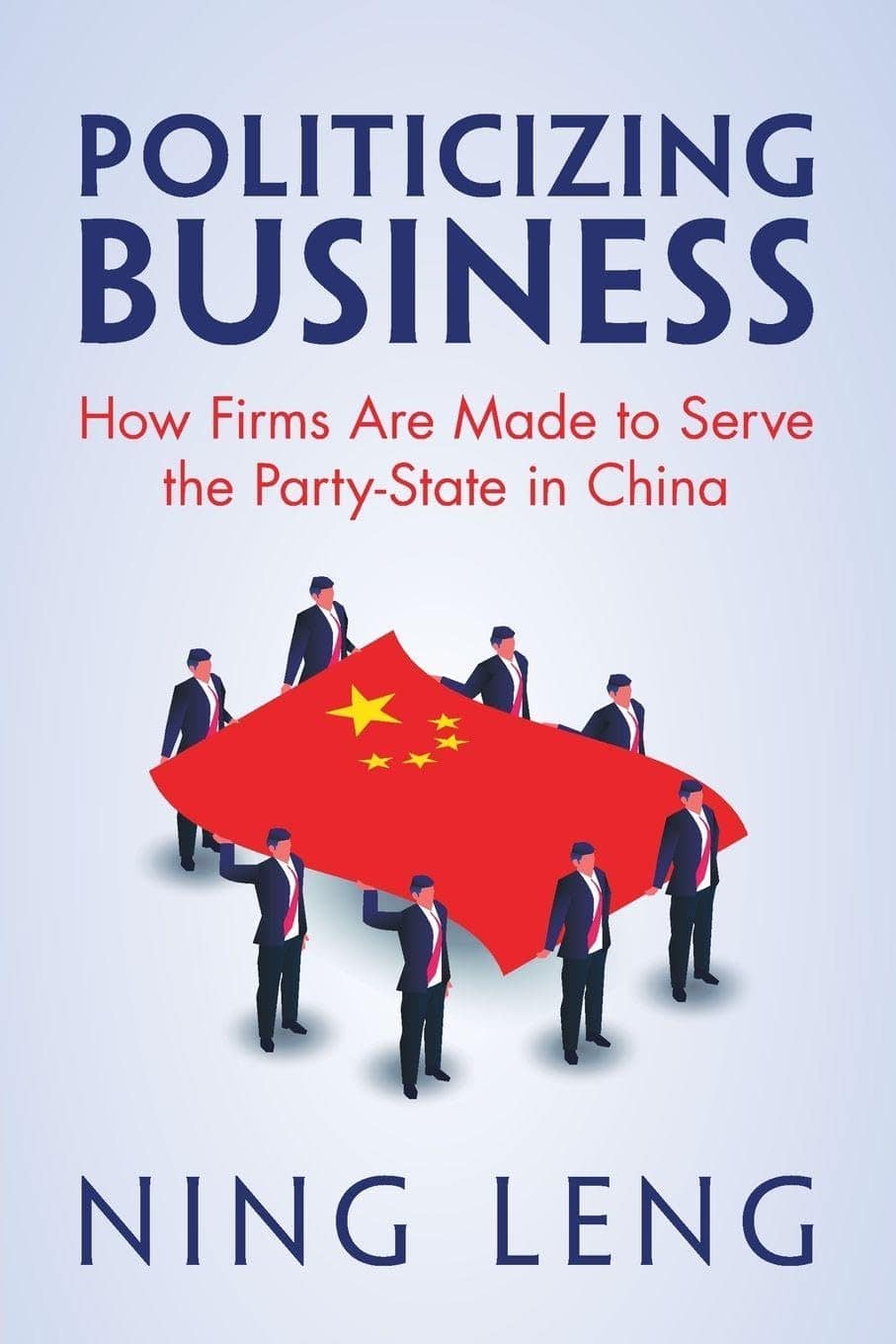
Ning Leng is an assistant professor at the McCourt School of Public Policy of Georgetown University and a Wilson China fellow at Wilson Center, a Washington think tank. She studies China’s political economy and relations between the state and business. Her new book, Politicizing Business: How Firms Are Made to Serve the Party-State in China, draws from original datasets and hundreds of interviews with government officials and executives to understand what the Communist Party demands of Chinese companies, and the services they are expected to perform both openly and away from public view. The following is an edited transcript of a recent conversation.

Illustration by Kate Copeland
Q: Why did you start this book and what new questions are you trying to answer about Chinese government interventions in the economy?
A: I was doing fieldwork in China as a graduate student and noticed a surprising phenomenon: that some cities were de-privatizing their bus sector, which is not your typical target for nationalization. I realized what I was observing was one example of the political costs of doing business in China; and that I had stumbled upon one of the sectors where that cost became so high that private companies lost out to state-owned enterprises and were wiped out by the government.
In the entire study of state-business relations in China, there has been an implicit assumption that the Chinese state tries to find the right degree of intervention in the market. What I observe is that they try to bind their hands somewhat when it comes to economic predation, but not when it comes to political predation. I hope the book will start a new discussion about the political cost of doing business in the country, and how that affects the landscape for companies.
You describe two types of lesser-known political service that Chinese governments demand from companies. One of them is the ‘visibility project’. What is that?
The Chinese state, ever since the era of economic reforms began in 1978, has always viewed firms as an integral part of the political system. And so the government retains the right to politicize firms. There are a lot of political services companies are expected to perform. We are familiar with things like monitoring, surveillance, and generating employment when the economy is suffering.
…some local officials who fail to generate genuine innovation instead turn to launching visibility projects — such as “upgrading” factories to smart ones by merely installing cameras across the factory floor — and then claiming credit for “tech innovation.”
I describe two further services, the first of which is what I call the ‘visibility project’. This is an implicit political service that is very difficult to observe from the outside.
What happens is that Chinese government officials tend to overdo things, thanks to the incentive systems set up for them in China: They turn infrastructure projects or urban planning projects into much bigger ventures that become more costly than necessary. The reason for that is not always corruption: It is often so that officials can show off both their competence and loyalty.
But when this sort of thing happens, they also try to avoid the blame for all the wasteful spending. That’s when they go to companies and say, ‘Why don’t you pay for these projects?’ It’s the equivalent of a campaign contribution in China — only for selectoral campaigns, not electoral campaigns. This is how government officials try to pull ahead in the political system, and how companies effectively become their campaign donors.
The interesting thing here is that companies often do not want to donate to this kind of ‘campaign’. Visibility projects are so costly that the company usually cannot recoup the cost. It’s different from a democracy, where companies typically sponsor government officials in their political campaigns. When a Chinese company sponsors ‘visibility projects’, they often don’t have control over any of its key aspects — the cost, the timing, or who these campaigns benefit.
| MISCELLANEA | |
|---|---|
| RECENT READ | Most recently, I enjoyed An Edible History of Humanity by Tom Standage. |
| FAVORITE FILM | In the past year, definitely Flow, directed by Gints Zilbalodis. |
| FAVORITE MUSIC | Led Zeppelin and Beethoven |
| MOST ADMIRED | I learnt about Temple Grandin in recent years and I admire her! |
So companies often resist when they’re conscripted to provide funds for these ‘campaign donations’ in the form of visibility projects. The extent of their resistance also diverges, depending on the companies’ form of ownership. Private companies have a hard budget constraint. At some point they’re going to say no to the government. But if the government officials in question insist on continuing with this kind of project, they might eventually just deprivatize the private sector — as in the case with the bus sector I mentioned above.
State-owned enterprises, on the other hand, can get bailed out, so they have soft budget constraints. As a result, they have become the most stable, sustainable sponsors for all of these projects.
Can you give me some examples of visibility projects?
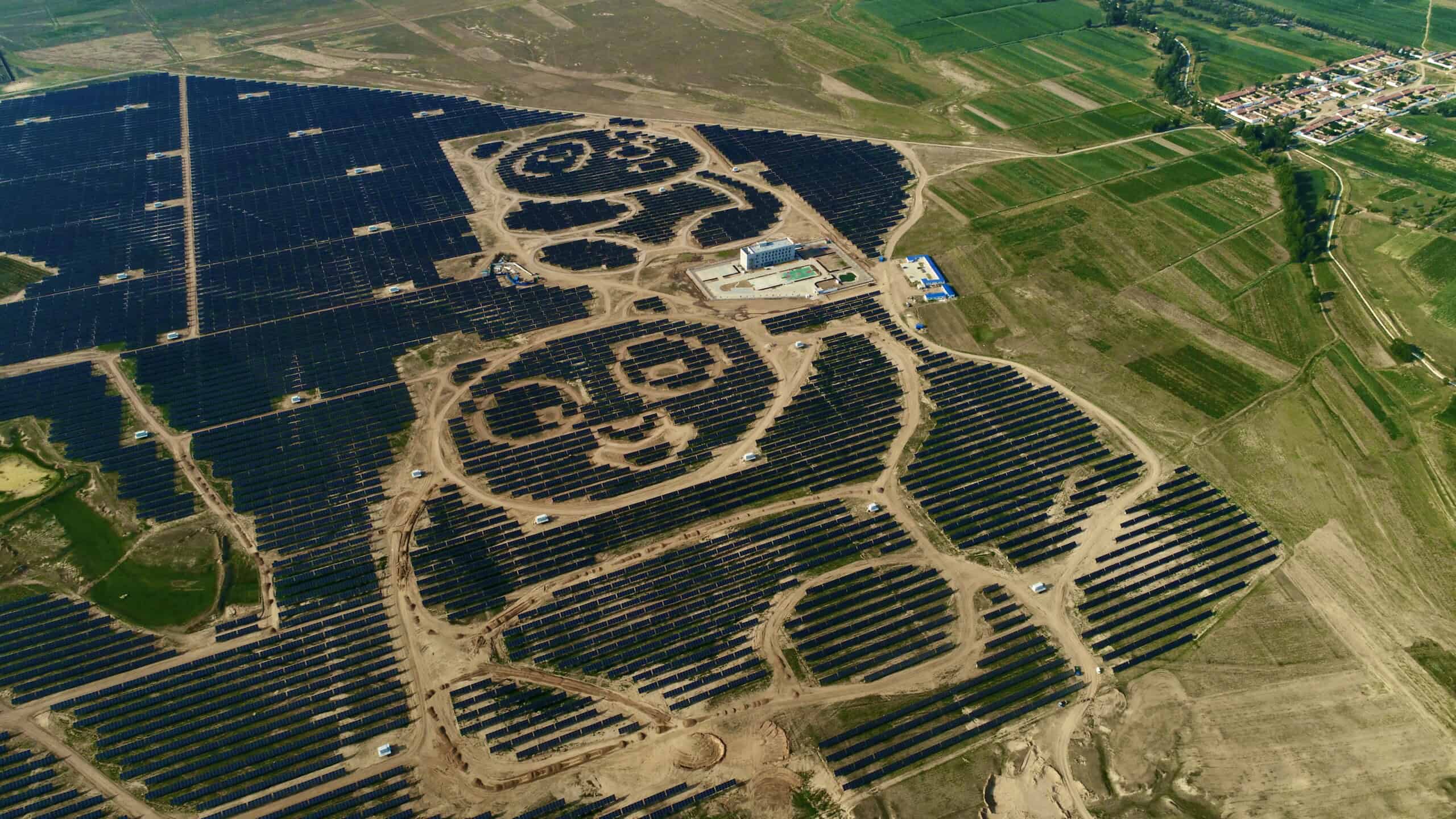
Some examples are more harmless and even entertaining. For example, in 2017, government officials in the northern province of Shanxi said let’s have a big solar farm in the shape of a panda. For this type of project, companies took part because it wasn’t much of an extra cost to them.
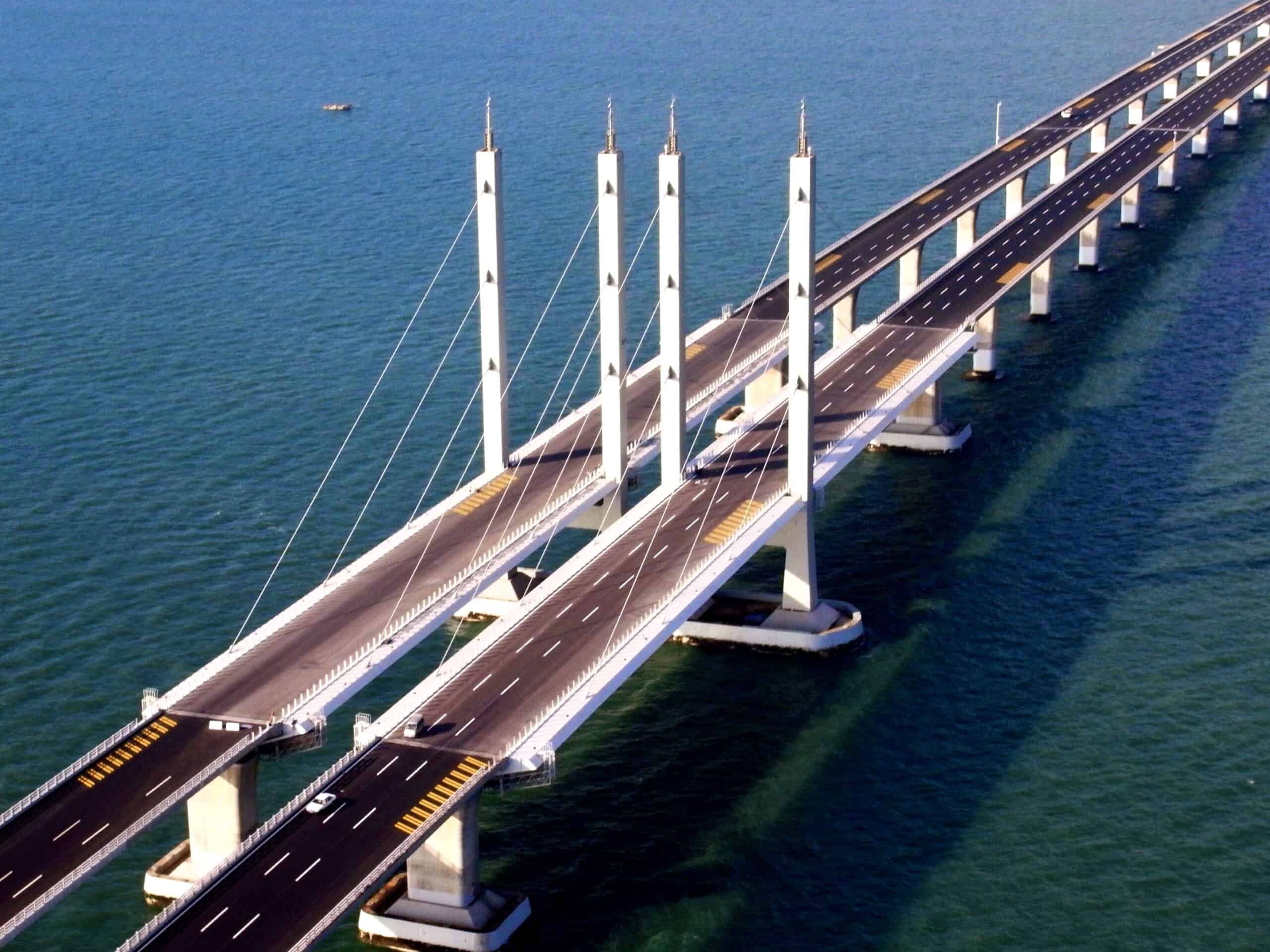
But some visibility projects are less sensible. For example, in the 2000s, Qingdao city tried to connect two points of a bay by road to improve traffic. In this case, building an underwater tunnel would have made the most sense: but that wouldn’t have been visible and wouldn’t have showcased the mayor’s ‘competence’ in urban planning. So the mayor insisted on building a bridge, which was not used that much in the end because of weather hazards, and the tunnel was built after all to supplement the bridge. This type of visibility project is wasteful and business cannot recoup costs from building them.
Visibility projects are not limited to infrastructure. For example, as the Party-state increasingly promotes technological innovation, some local officials who fail to generate genuine innovation instead turn to launching visibility projects — such as “upgrading” factories to smart ones by merely installing cameras across the factory floor — and then claiming credit for “tech innovation.”
Visibility projects are very much an integral part of China’s economic development story.
The second type of political service which companies perform that you discuss is ‘societal control’. What are some examples?
Companies in a lot of sectors encounter NIMBY-type (not in my backyard) protests, including those in areas like chemicals, pharmaceutical manufacturing, paper manufacturing or waste incineration. The Chinese local authorities’ attitude is often that it’s fine to have protests up to a certain scale — as long as they can distance themselves and deflect blame. In these circumstances, the government will ask companies to actively participate in either appeasing or suppressing the protesters — and thus to take much of the blame. The companies will then step in with money and manpower resources to deal with the protests.
The interesting thing here again is that the company’s ownership makes a huge difference. Private companies make for better scapegoats. And so they are often used in appeasement strategies, meaning the government will go to the protesters and say, ‘We are going to punish this company that is bringing on trouble, suspend their operations, and order them to upgrade their facilities or levy a huge fine on them’. Some of the proceeds might even go to the protesters. Private companies are very good scapegoats, because they understand that in this environment, they have much less political capital compared with SOEs and their success depends on the local governments more; and so they cooperate.
SOEs, on the other hand, particularly the national or provincial ones, are not so willing to be scapegoats. In my research, I discovered an interesting power dynamic between large SOEs and local governments. Sometimes the SOE has a dominant position and they can refuse to be punished.
What the SOEs bring to the table is that should the protests get out of hand, and violence and suppression are needed, they can offer political support. They can leverage their parent company or rich political institutional resources, to help local governments get away with carrying out suppression. This is a very interesting implied contract.

In sectors such as waste incineration, local governments thus have to make careful calculations about which company to work with for different types of projects, depending on their expectations of what kind of protests will happen.
We’ve always known that the Chinese government keeps a very tight grip on sectors important to national security, or strategic sectors like education, tech, and telecommunications. In this book, you focus on some rather mundane sectors, such as bus services and solid waste treatment. Why, and what does state encroachment in these sectors tell us?
The fact that politicization of business happens even in these unremarkable sectors tells us how prevalent and widespread politicization is, and that it is not limited to high profile cases. Instead, it is usually quiet and transformative. Politicization can happen everywhere, and it can change the business landscape. This is a system-wide issue, and not just limited to security-related sectors.
What are the broad implications for private companies? Do they actually have any bargaining power in this process?
It depends on the nature of the political services they are providing.
If the political services are being demanded of all of the companies in their sector, or within a small locality, then they are closer in nature to being a form of regulation. The companies must pay the cost, but they cannot differentiate themselves. In such cases, companies don’t have much bargaining power. In fact, if everybody else participates and you’re the one company that refuses to provide a political service, you’ll be punished. This is most obviously the case with internet companies, which are required to carry out censorship and surveillance.
When political services are akin to regulation, they are the least affordable and least welcome for companies. In this case, we sometimes see companies exiting the sector altogether, as the costs become too high.
However, if a company is providing a political service which only one or a few companies can provide, the government is often willing to bargain and say, here’s how we’re going to reciprocate. This sort of service is more of a bribe in nature.
All of this is tied to the incentive structure for Chinese officials. How does it work and how does it affect their behavior?
Societal control, and other political services that we’re more familiar with such as surveillance, serve a simple logic: the Party-state needs legitimacy and it has to be able to deflect blame when its actions are hurting the public, so they have to be able to distance themselves while controlling the public.
But in visibility projects, incentives are rooted in a fundamental dilemma that the Chinese system faces, like many other authoritarian systems. The system does not evaluate government officials according to their competence alone. Instead, it has two standards: competence and loyalty, and it is trying to promote both. These two qualities can often come to be at odds with each other. Competence means officials have to be able to recognize a problem and address it; but the most loyal people are often blind to problems.
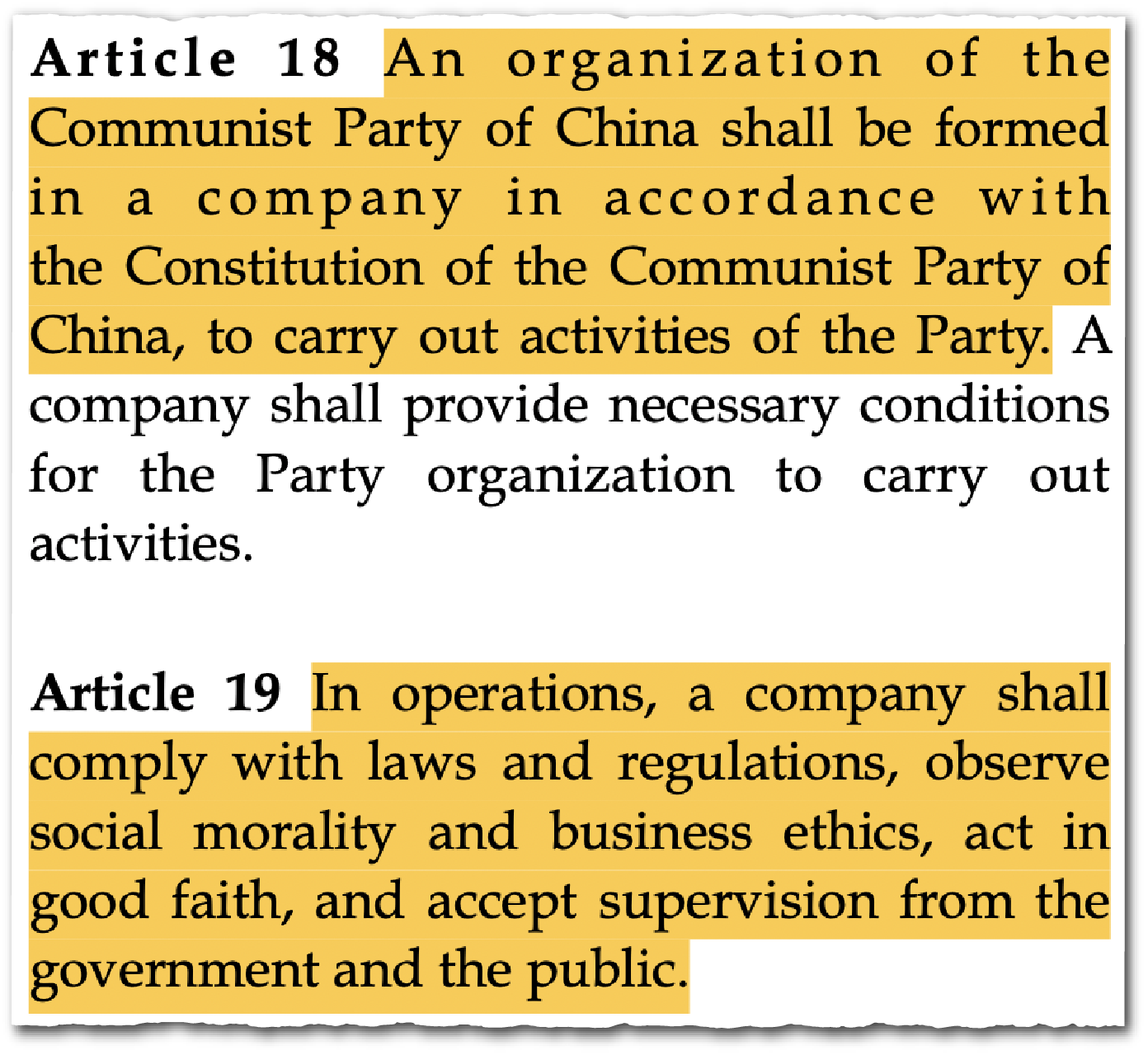
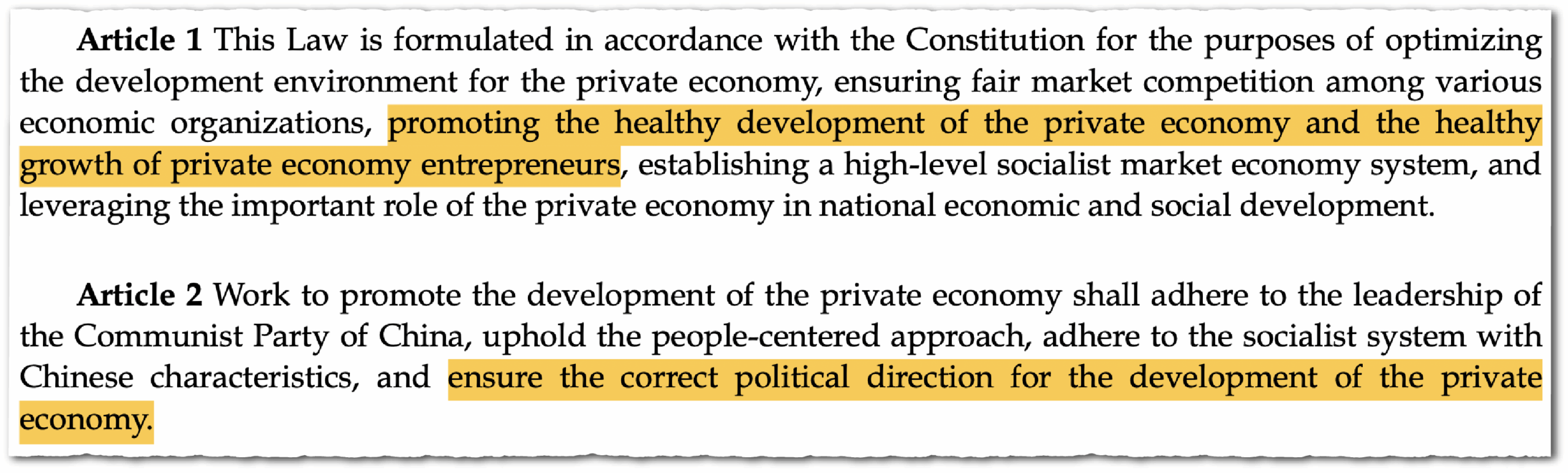
…the government issued a piece of legislation called the law to promote China’s private economy. But it’s the same old story… there’s nothing in the law that actually curbs political predation. In fact, the second clause of this new law says, private companies must follow the ‘correct’ political direction. They cannot deviate from it.
I found that local government officials are very disillusioned with how they’re evaluated. First, it is hard to interpret what “loyalty” means—it often comes down to guessing the Party boss’s preferences. And second, they look at the official evaluation system for competence and say, ‘it’s like an exam to get into college, but it doesn’t guarantee entry to a good college. Rather, we need to do something extra.’ And thus the invention of visibility projects which can both signal loyalty and showcase competence.
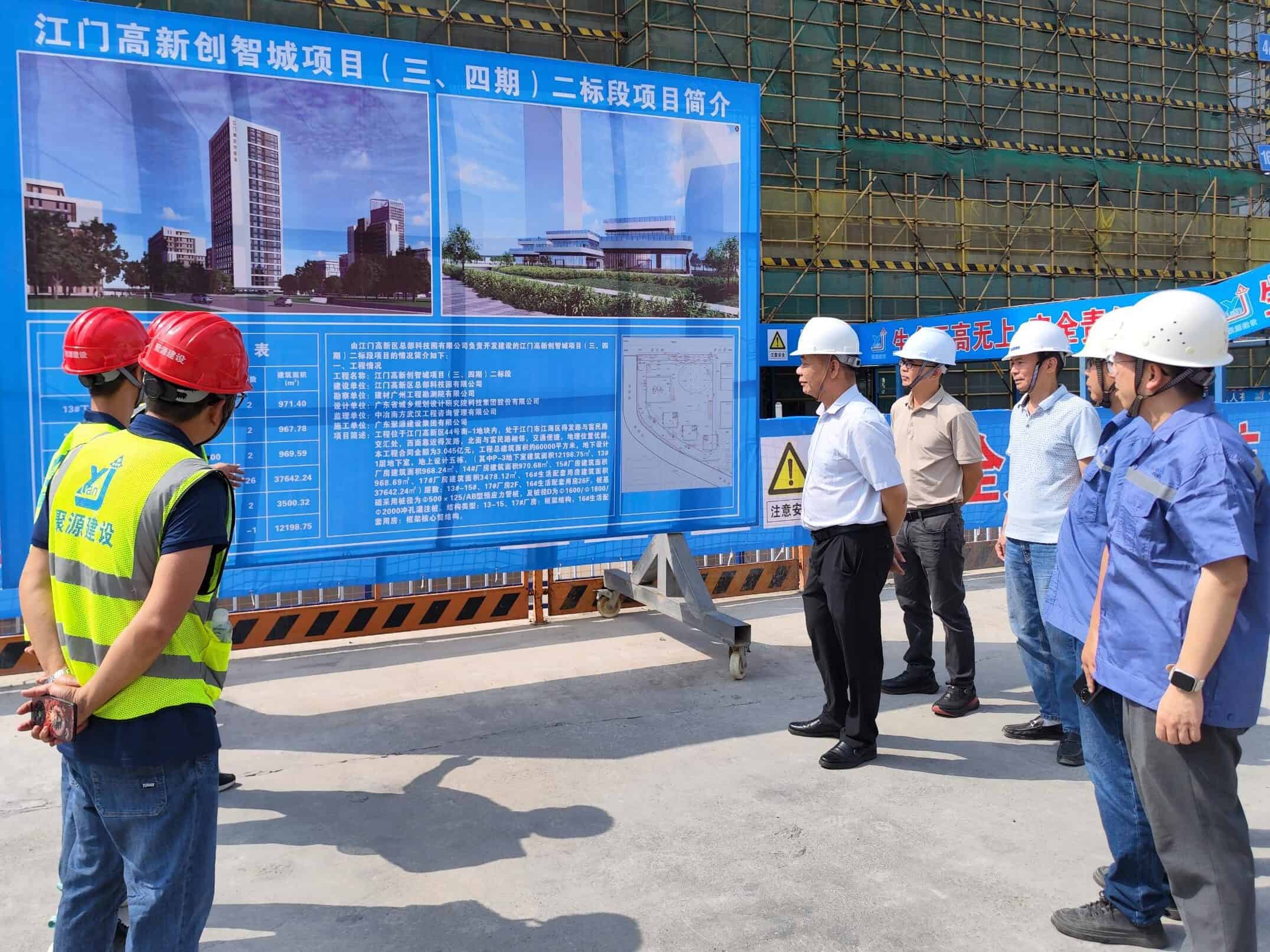
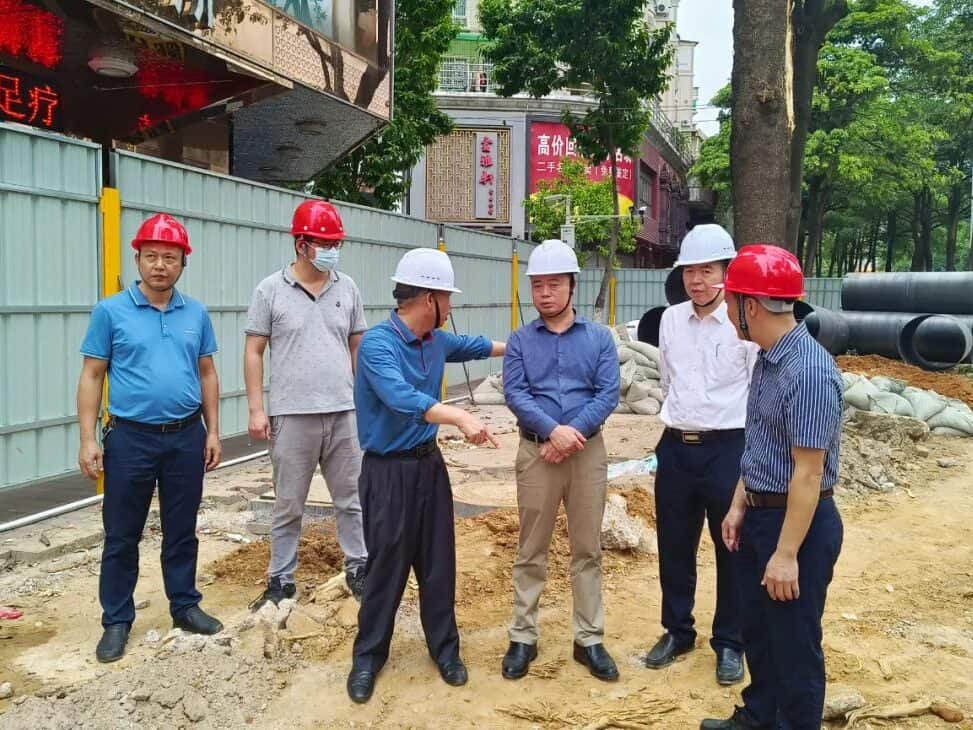
Local officials inspect municipal engineering projects in Jiangmen, Guangdong (left) and Heyuan, Guangdong (right). Credit: Jiangmen Jianghai District People’s Government, Heyuan Municipal People’s Government
Why? Because government officials have a very narrow playground within which to show their competence. It is narrow because they’re required to be loyal, and loyalty by nature means you don’t want to accidentally do the wrong things. What if you step outside of the Party’s red lines? Then you would be asking for trouble. So they have a very narrow lane. You can only do the things that you know the Party will allow: but the result is that you then over-compete within these narrow areas. That’s why the visibility projects I describe become so costly and unnecessarily wasteful.
Over this past year, the Chinese government has been trying to reassure the private sector of its support. There’s been a lot of talk about drawing foreign investment back in too. How effective have these efforts been?

This year, the government issued a piece of legislation called the law to promote China’s private economy. But it’s the same old story, similar to previous speeches by Xi Jinping. For example, it tries to curb the state’s economic predation of companies, saying we’re going to guarantee that private companies have a level playing field with SOEs. But there’s nothing in the law that actually curbs political predation. In fact, the second clause of this new law says, private companies must follow the ‘correct’ political direction. They cannot deviate from it.
The CCP is fundamentally wary of what entrepreneurs can do. They always keep red lines. So while they want to encourage entrepreneurs, as they need their money and investment — particularly today — they have also got to be careful: Because what if the entrepreneurs turn against the regime?
In keeping these red lines, they’re essentially leaving the door open to any government official that wants to politicize business.
Can you tell us more about the research and field work that went into this book. What were the challenges?
I am afraid that the same field work could not be easily replicated today due to politics. The longest leg of my fieldwork was an 18 month period in 2015 and 2016. From 2016 to 2019, I continued making trips and doing Zoom calls. It was difficult to open doors at first. I actually spent the first three months just trying to curate interlocutors. Once I found a middleman, so to speak, they introduced me to government officials and business people. I met with them many times and had long meetings. In some cases, I shadowed them. Eventually they did tell me what’s going on on the ground.
I was a PhD student from an American university — UW Madison — and I realized that that title alone couldn’t open doors. So I became affiliated with two of the best universities in China, one in the north, one in the south. That increased trust with my interviewees. If Chinese academia thinks your research is okay, then it’s okay.
Compared to 2015, when you first did the interviews, how has the business landscape in China changed?
In general, sectors experiencing greater politicization are more likely to see the withdrawal of private capital and the entry of state capital.
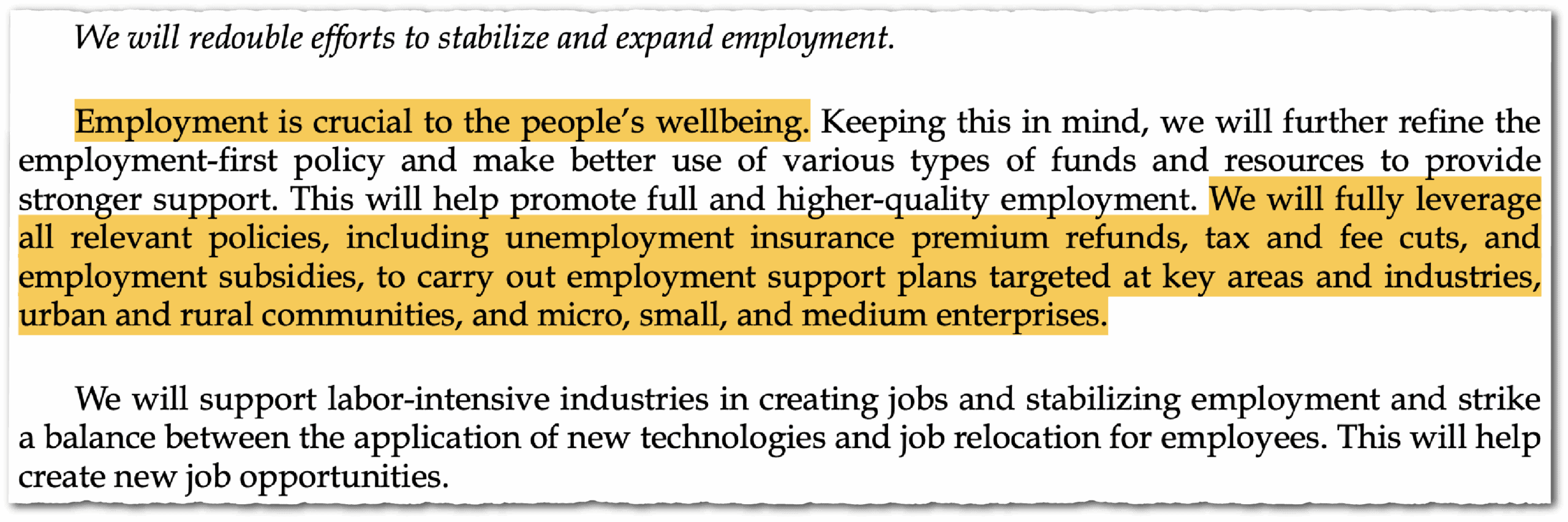
We’re seeing some other political services grabbing a lot of public attention: censorship, surveillance, and using tech to advance the national interest. There’s also another political service that is on the rise, which is to generate employment.
In the past, generating employment meant asking companies to hire more people than they need for social stability, and that responsibility usually fell on only SOEs. But in recent years, the unemployment crisis has become so severe that the government is asking private companies to do the same.
Another topic you spend a lot of time on is China’s relationship with the Global South. What are the factors driving China’s pivot towards this region?
The pivot here is more of a global strategy. First of all, China needs to export right now. Part of the future of the economy depends on whether they can open up more international markets beyond North America. Latin America is a very natural market for them. It has a solid, stable and large middle class population. There’s a high demand there for what China is exporting nowadays, such as EVs, batteries, and the higher value-added products. And Latin America also has a new class of minerals that China needs, such as lithium, copper, and gold. So China is becoming very interested in that region.

I’m currently writing my second book, which looks at what Chinese companies do when they go to Latin America, a totally new environment that is mostly democratic. These are companies that are used to operating in an authoritarian environment: so the question is, how do they adapt to a democratic environment with more rule of law?
I co-authored a survey on opinion towards China in the Global South. The public knows China pretty well, more so than we expected. They could correctly identify, for example, where human rights violations are mostly happening; over half of them selected Xinjiang.
The second thing is they are pragmatic. They’re worried about polarization in global politics and democratic backsliding. And all of these anxieties translate into economic anxiety. China is mostly evaluated through an economic lens, that this is another great economic power that we should engage with, just as we engage with the United States. They do not differentiate between China and the U.S., in this sense. A lot of the countries in the Global South welcome Chinese money. That in turn means that whether China can be successful in such places partly depends on how it handles its domestic economy. If its economy drastically slows down and it doesn’t have the capacity to invest in the Global South, its charms will fade.

Rachel Cheung is a staff writer for The Wire China based in Hong Kong. She previously worked at VICE World News and South China Morning Post, where she won a SOPA Award for Excellence in Arts and Culture Reporting. Her work has appeared in The Washington Post, Los Angeles Times, Columbia Journalism Review and The Atlantic, among other outlets.