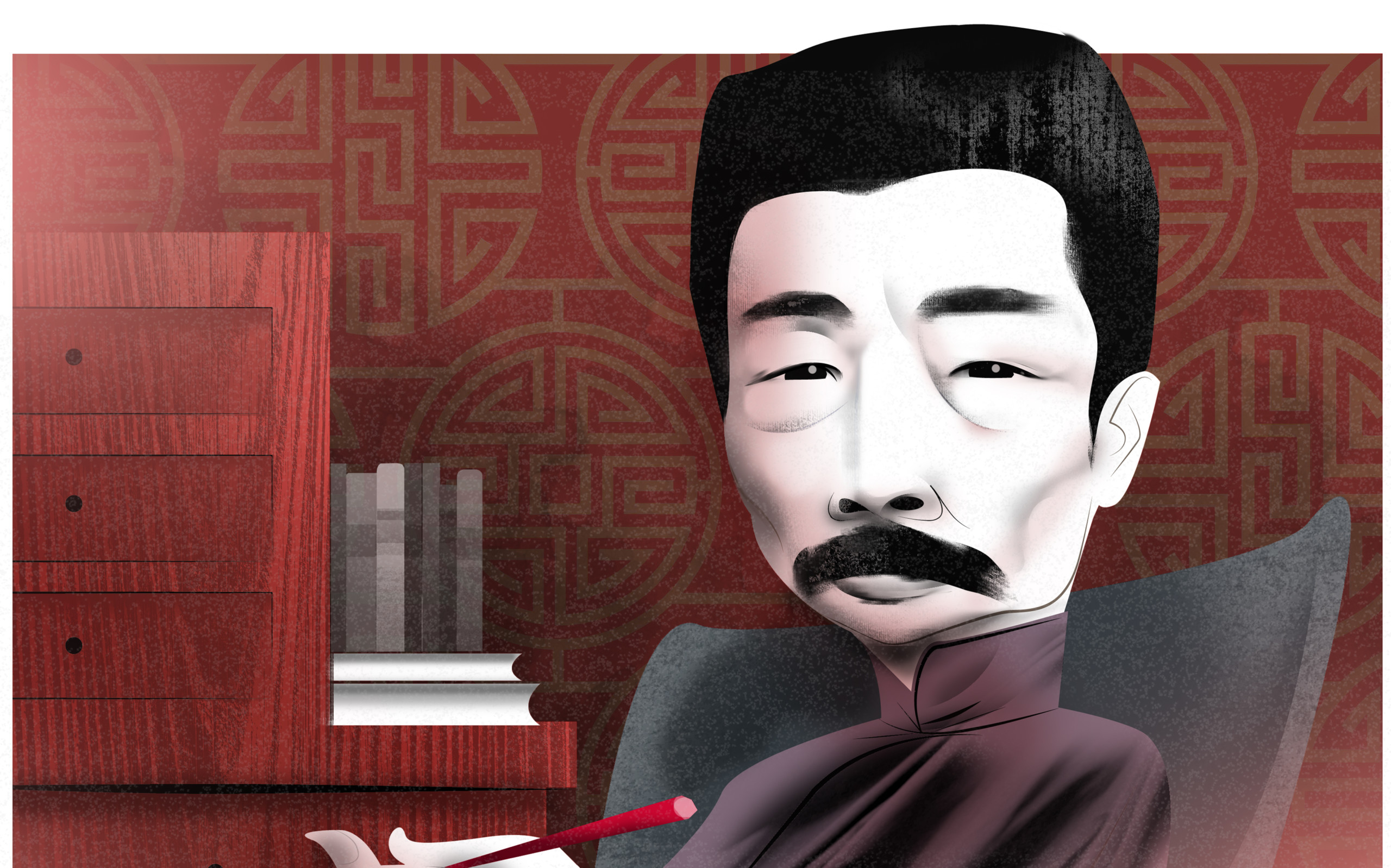
Those looking for China’s national spirit won’t find it in Xi Jinping’s writing. But the works of Lu Xun offer a homegrown example that contemporary Chinese can follow as the country writes a script for its next act.
Illustration by Luis Grañena
Listen to SupChina editor-at-large and Sinica podcast host Kaiser Kuo read this article.
On May 4, 1919, China’s first mass student demonstration took place in front of Tiananmen Gate in Beijing to protest a stinging humiliation: The Versailles Treaty, marking the end of World War I, had just decreed that China was to hand over German concessionary rights in Shandong Province to Imperial Japan even though China had supplied personnel to the Allied Forces in Europe. Furious, marching stu
Exclusive longform investigative journalism, Q&As, news and analysis, and data on Chinese business elites and corporations. We publish China scoops you won't find anywhere else.
A weekly curated reading list on China from Andrew Peaple.
A daily roundup of China finance, business and economics headlines.
We offer discounts for groups, institutions and students. Go to our Subscriptions page for details.
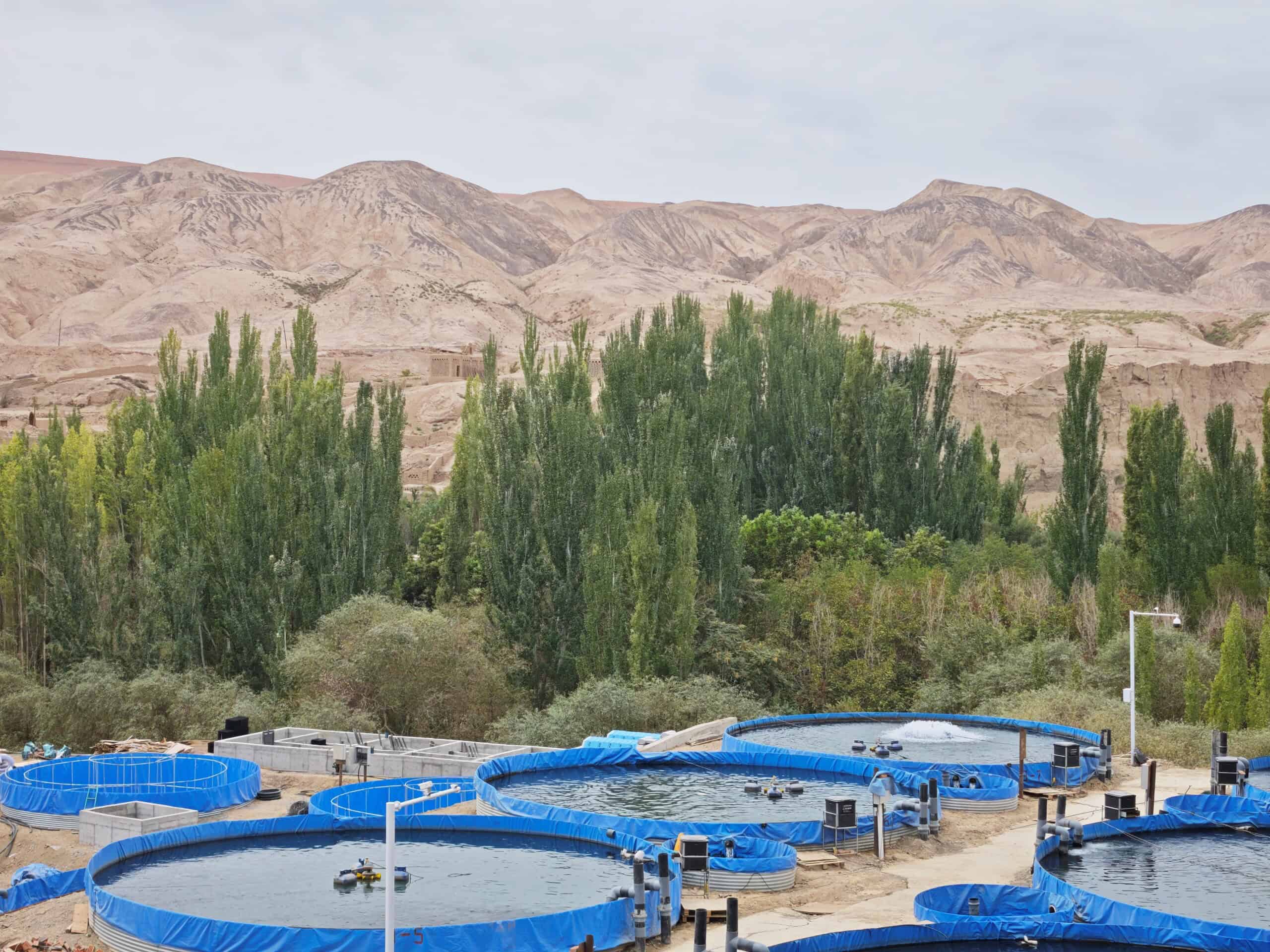
Fish farming in Xinjiang is being sold as proof that technology can overcome geography. The reality is more complicated: a desert seafood boom built on political control, imported feed and a food system that masks its real burdens.
The foreign correspondent describes meeting with the Uyghurs from Xinjiang who played a key role in the Syrian civil war, but who now find themselves potentially stateless.
Corporate Risk Intelligence for National Security, Compliance & Due Diligence
We use cookies to ensure that we give you the best experience on our website. If you continue to use this site we will assume that you are happy with it.