Foreign entities are often placed on the U.S. Entity List. But many of their subsidiaries and affiliates are not. Is that a problem?
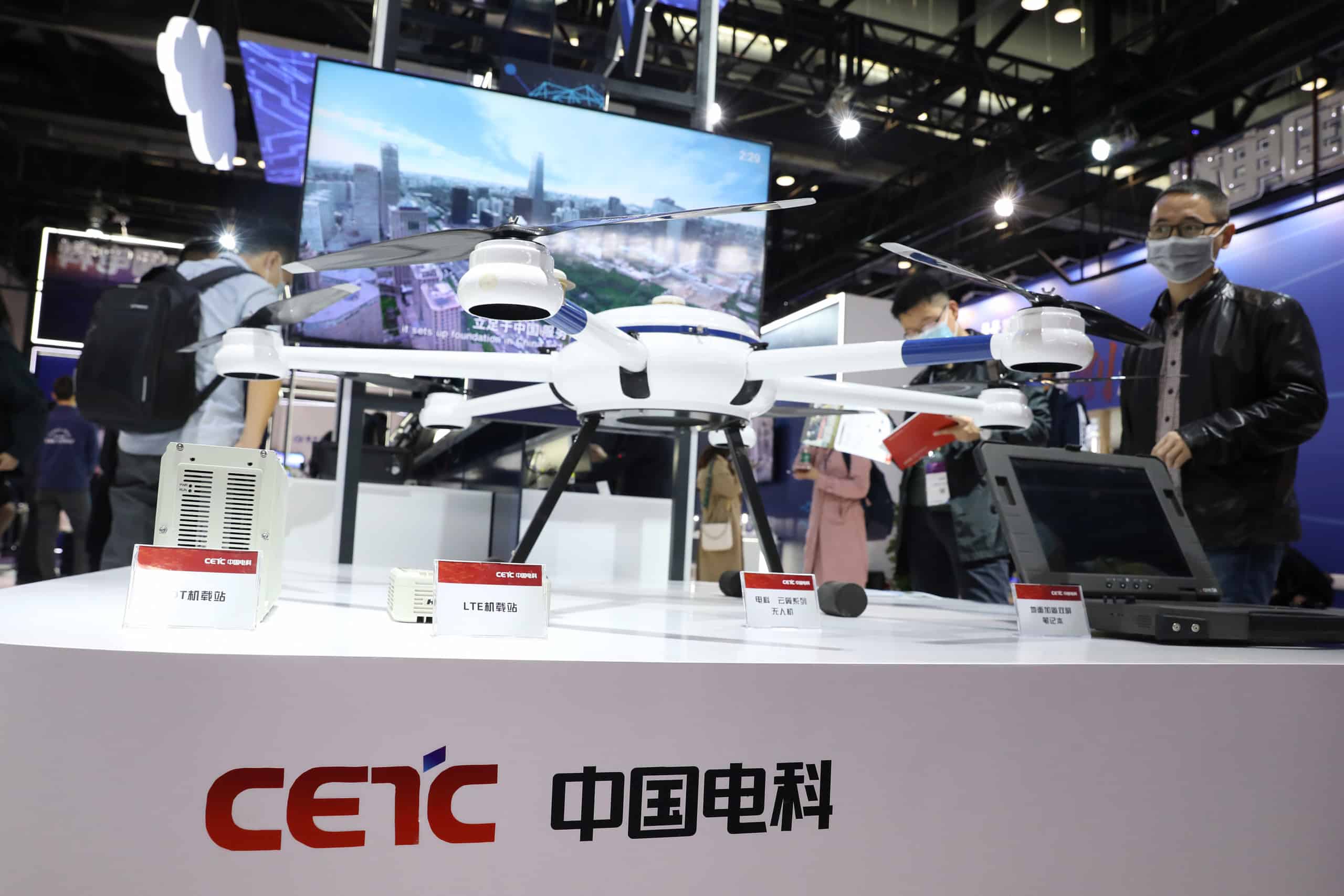
People visit the stand of China Electronic Technology Group Corporation (CETC) during PT Expo China (PTEXPO) at China National Convention Center on October 14, 2020 in Beijing, China. Credit: VCG/VCG via Getty Images
During the past few years, the U.S. government has placed scores of Chinese companies and their subsidiaries on what is known as the U.S. Entity List, which makes it harder for American firms to export certain goods to them.If a company is placed on the Entity List the restrictions only apply to dual use items with military implications that are subject to the government's Export Administration Regulations This economic punishment has been used against the Chinese telecom giant Huawei, as well a
Exclusive longform investigative journalism, Q&As, news and analysis, and data on Chinese business elites and corporations. We publish China scoops you won't find anywhere else.
A weekly curated reading list on China from Andrew Peaple.
A daily roundup of China finance, business and economics headlines.
We offer discounts for groups, institutions and students. Go to our Subscriptions page for details.
Fish farming in Xinjiang is being sold as proof that technology can overcome geography. The reality is more complicated: a desert seafood boom built on political control, imported feed and a food system that masks its real burdens.
The foreign correspondent describes meeting with the Uyghurs from Xinjiang who played a key role in the Syrian civil war, but who now find themselves potentially stateless.
Corporate Risk Intelligence for National Security, Compliance & Due Diligence
We use cookies to ensure that we give you the best experience on our website. If you continue to use this site we will assume that you are happy with it.