Ali Wyne, the senior research and advocacy advisor for U.S.-China relations at the International Crisis Group, has long been skeptical of the idea that U.S. policymakers are united in their approach to China, either across or within the country’s two main parties. In this interview, which has been edited and condensed, he argues that President Trump has now broken any consensus there was — leaving both a messy jumble of political and policy consequences, and also an opportunity for the United States to reset its strategy.

Illustration by Lauren Crow
Q: It’s often said that China is one of the few areas where there is cross-party consensus in Washington. Why do you think that is no longer the case?
A: I began expressing skepticism of this view even during the first Trump administration. There was something approaching a diagnostic consensus: China is emerging as America’s foremost strategic competitor, and that realization necessitates some recalibration on the part of the United States. But it was never clear to me that there was a consensus on prescriptive questions.
How should the United States de-risk [its relationship with] China without triggering a wholesale economic rupture between the two countries in ways that will be very damaging for U.S. consumers and companies? How should the United States maximize its chances of deterring an armed conflict between Washington and Beijing over Taipei? Should it maintain a posture of strategic ambiguity, or should it tiptoe more in the direction of strategic clarity?
While the president has helped expand the Overton window on China policy, he has not supplied a coherent construct to guide it. He seems to proceed on the basis of instinct, and instinct is wholly inadequate as a basis for managing your relationship with your principal competitor, and for stabilizing the world’s most consequential bilateral relationship.
How do you understand Trump’s approach to China?
One of the great ironies of the discourse on China policy, and of the policy itself, is that the second Trump administration is unwinding the alleged consensus that the first Trump administration introduced. Trump is not only far more central to formulating China policy in his current term than he was in his first term, he’s also far more dominant within the Republican Party. So his views, which are quite iconoclastic by DC standards, carry far more weight.
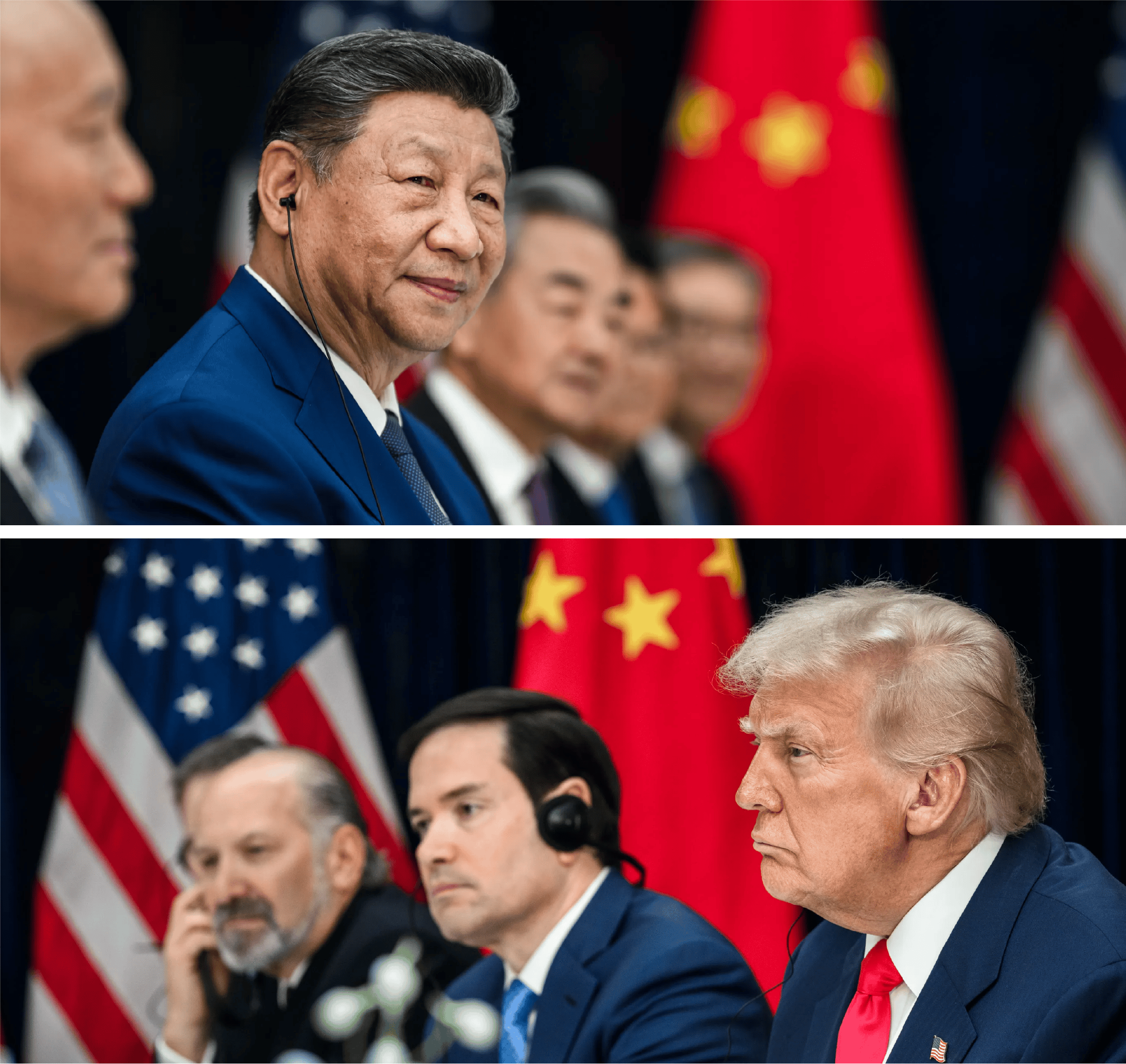
Trump does not subscribe to the view that strategic competition between the United States and China is inexorably zero-sum, fundamentally ideological and potentially existential. He seems to take a far narrower view, with few evident grievances beyond the size of China’s trade surplus and China’s export of fentanyl precursors.

He also seems to have an affinity for Xi Jinping. He regards Xi not so much as an imperial autocrat in thrall to Marxist-Leninist dogma, but more as akin to a business rival with whom he can negotiate and with whom, if he builds an enduring rapport, he can place the bilateral relationship on a more stable footing.
There is also a growing recognition among U.S. officials and among the American public that the United States can only do so much to stymie China’s technological progress and to organize a countervailing coalition of allies and partners.
When Trump retook office, in the run up to ‘Liberation Day’ on April 2, the president and some of his key advisors believed that if they were to unveil high tariffs and ratchet them up, then China, on account of its mounting structural strains, would be unable to resist making economic concessions. China not only didn’t wave the white flag in response to the ensuing tariff barrage. It also retaliated in ways that revealed a capacity for leverage that the Trump administration had underestimated. China has demonstrated in the past year that, especially with its rare earths leverage, it can wreak havoc in a lot of sectors of the U.S. economy.
On the diplomatic front, it was becoming apparent, even as the Biden administration was winding down, that there were limits to America’s capacity to organize a Cold War-style coalition to counterbalance China. But now, because of the way that the Trump administration is conducting its foreign policy, many U.S. allies and partners find themselves on the receiving end of high tariffs, even threats of territorial annexation. As such, they are now concurrently seeking to de-risk from China and the United States. If your allies and partners are looking to de-risk from you, and not only from China, then you have diminished leverage to compete with China.
The combination of the personalistic factor and the structural factor means there’s growing political and analytical room for a fresh conversation on China policy. We need to take advantage of it.
What types of policies do you think are possible now that weren’t previously?
With Trump in office, you should never say that policy X is off the table. He has taken many steps rhetorically and substantively that would have seemed inconceivable in January 2025.
The depletion of our bilateral and multilateral leverage means that while we are unlikely to see a so-called ‘grand bargain,’ we have set ourselves up for asymmetric bargains in which China doesn’t have to give up as much as the United States.
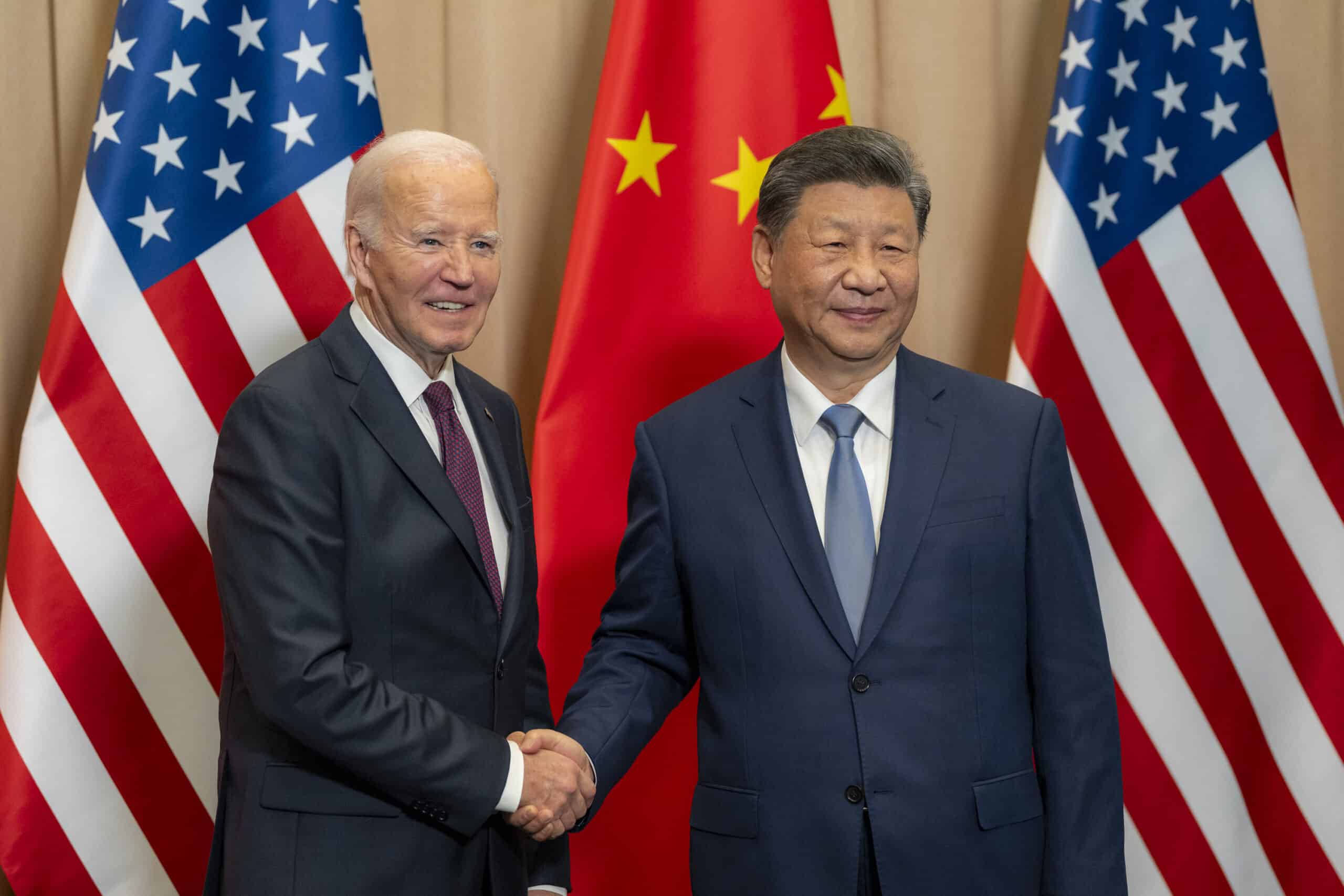
When it comes to China, the most significant outcome of the meeting that Trump had with Xi in South Korea occurred before the meeting even began. He said that the G2 was set to convene shortly. For an American commander in chief to invoke the construct of the G2 favorably would have been inconceivable this time last year.
Trump is going to be visiting Beijing in April. What should [Xi] put on the table? A lot of attention has been paid, rightly, to China’s coercive leverage. I don’t think that Xi will hesitate to dangle that leverage like a Sword of Damocles, to say ‘President Trump, if you don’t express greater openness to negotiating on China’s terms, we could hurt your economy in ways that we demonstrated last year.’
It’s not just the stick that China can brandish, though; there’s also, at least as importantly, the carrot that China can offer, in the form of appealing to Trump’s desire to be seen as a singularly gifted and visionary ‘peacemaker.’
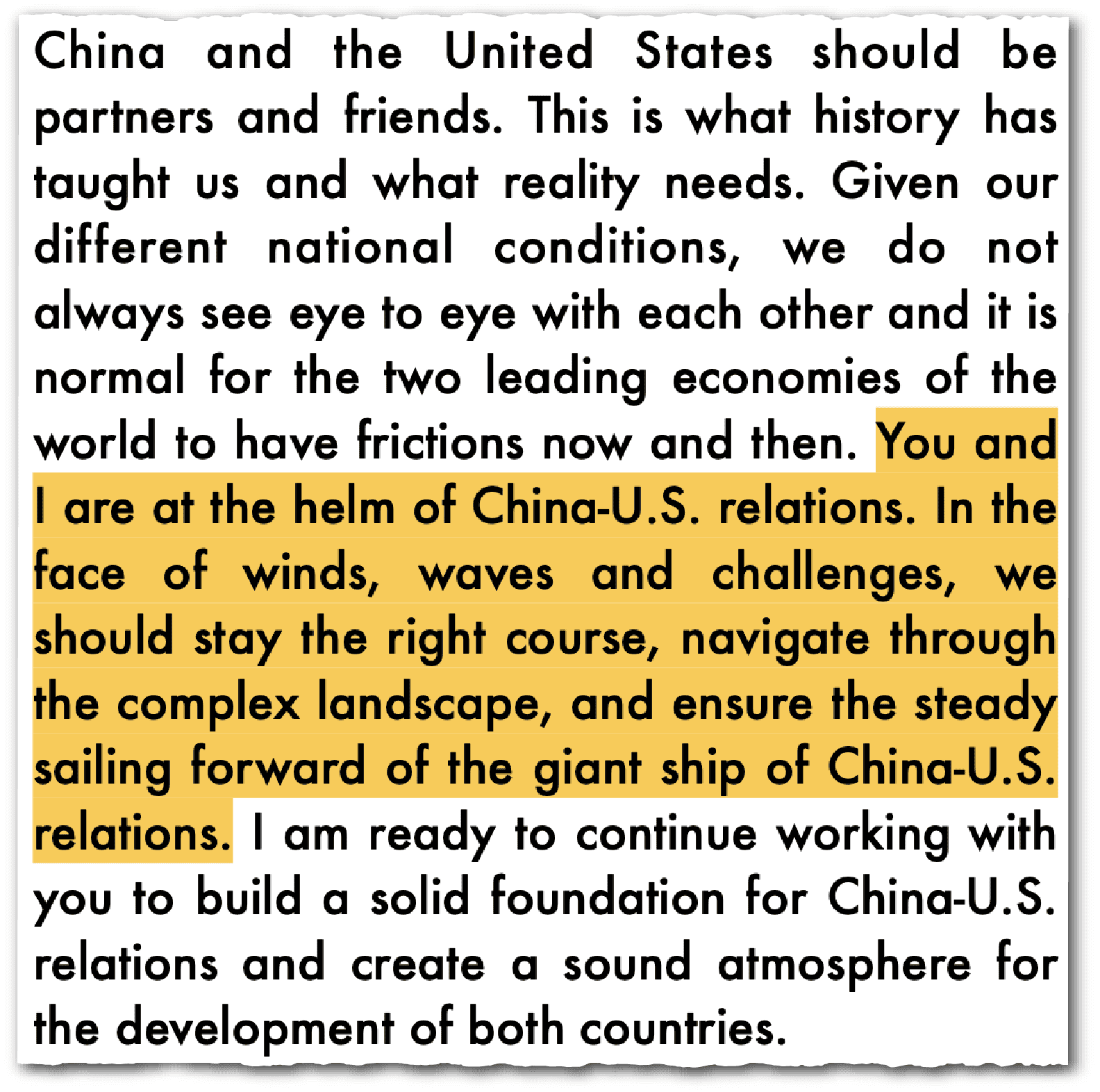
It was notable to me that when the two leaders met in South Korea, Xi, in his opening remarks, said, ‘Mr. President, you care a lot about world peace, and you are very enthusiastic about settling various regional hotspot issues.’ He said shortly after, ‘China and the United States can jointly shoulder our responsibility as major countries and work together to accomplish more great and concrete things for the good of our two countries and the whole world.’ I could imagine a conversation in which Xi puts on the table, and Trump at least countenances, the idea of America’s making certain security concessions. If Xi were to say, ‘Mr. Trump, you have a fleeting window of opportunity to go down in history as the American president who did the most to reduce the prospect of a war over Taiwan’ — I think that kind of rhetoric would be very appealing to Trump, especially as his second term winds down and he becomes more focused on shoring up his legacy.

I’m not convinced that a so-called ‘grand bargain’ is on the table, but I could see Trump potentially scaling back U.S. support for Taiwan, or scaling back certain security arrangements that the United States has in Asia. Trump continues to view Taiwan principally through the lens of its chipmaking capacity. He has evinced little concern for its security. Moreover, Trump has repeatedly maintained that he sees American alliances in Asia more as economic burdens than as strategic assets.
I could also imagine a scenario in which, as China gallops ahead in a growing number of arenas of critical and emerging technology, Trump comes to the conclusion that but for accepting greater Chinese investment, the United States might fall irreversibly behind. I could imagine him trying to prevail upon lawmakers in Congress to overcome their squeamishness about Chinese investment in the American automotive sector or in U.S. battery making plants.
| BIO AT A GLANCE | |
|---|---|
| AGE | 38 |
| BIRTHPLACE | Charlotte, North Carolina |
| CURRENT POSITION | Senior Research and Advocacy Advisor for U.S.-China Relations at the International Crisis Group |
I could see more broadly that Trump helps normalize a view of China that would have seemed inconceivable, again, even a year ago: that China is a near peer. It is a view in which the United States is thinking less about how to achieve a decisive victory over China than about how to articulate, structure, and operationalize a competitive coexistence between the two countries.
So President Trump could be willing to put a whole lot on the table: in exchange for what from Beijing?
The president made a mistake with his opening tariff gambit, which has boomeranged in ways that have given China an enduring upper hand in negotiations with the United States. And by pursuing such aggressive policies against allies and partners, Trump has also undercut the multilateral leverage that the United States can bring to bear in dealing with China.
The depletion of our bilateral and multilateral leverage means that while we are unlikely to see a so-called ‘grand bargain,’ we have set ourselves up for asymmetric bargains in which China doesn’t have to give up as much as the United States.

China doesn’t have to make many significant concessions in order to convince Trump that the bilateral relationship is back on track, that China is cooperating, that China is playing ball, and I think that Xi feels more confident in his negotiating position and can drive a harder bargain.
It sounds like you’re arguing that Trump’s and Xi’s incentives are aligned right now.
There is an alignment. From Trump’s perspective, it’s an alignment borne of necessity. And from Xi’s perspective, it’s an alignment borne of opportunity.
Trump is rightly worried about the midterms. There’s a good chance that the Democrats could retake the House and even the Senate. Trump can ill afford a fresh rupture between the United States and China that could really hurt American consumers and companies once more.
…the United States is going to be in a much more challenged position at home and abroad. It won’t have any choice but to have a more humble, more honest conversation about the limits of unilateral U.S. influence vis-à-vis China…
I don’t want to convey the impression that Trump will reverse every single step that the U.S. interagency takes, or that Congress takes, to push back against China. But he will do what he did in his first term. When it came to China, we saw policies that the president took pursuant to his desire to secure a trade deal with Xi, and then in parallel, there were policies that he either allowed or ignored on the part of his deputies, so long as he felt that those policies wouldn’t jeopardize his trade negotiations with Xi.
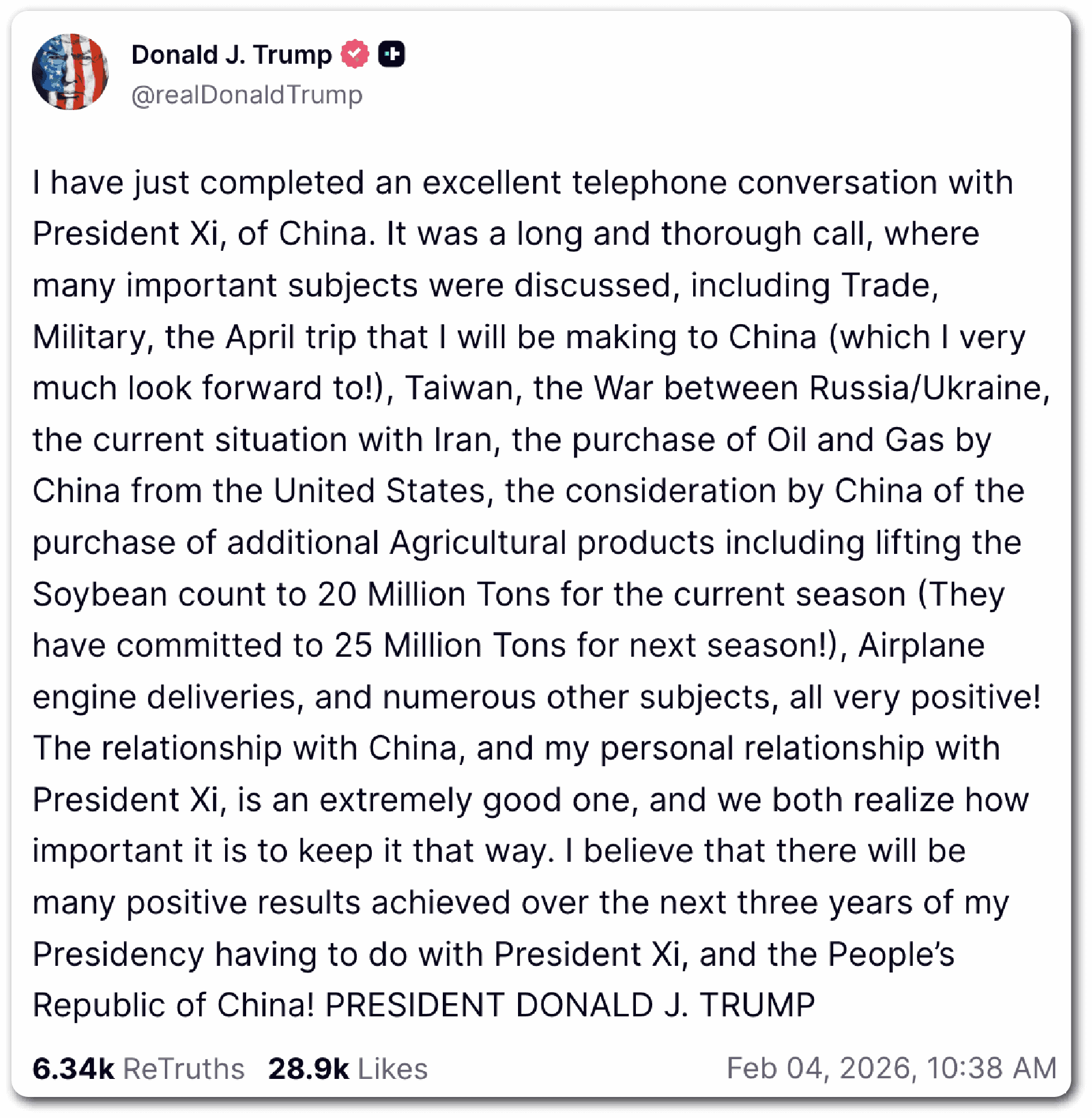
My sense, though, is that unlike in his first term, when Trump empowered influential advisors with deep China expertise who often provided certain guardrails to blunt some of his instincts, there’s far less of that scaffolding now. Trump has around him far fewer advisors with deep China expertise who subscribe to the view that strategic competition is zero-sum, ideological and existential.
When Trump retook office, there was some speculation that his administration was going to be quite forceful against China because of some of the initial appointments. What’s notable is that the individuals who subscribe to the above view either are no longer in the administration, or for purposes of political expediency, have aligned themselves with the president’s views.
Xi, meanwhile, senses a window of opportunity, although he will be wary. He recognizes that Trump could turn on a dime if he feels that Xi has betrayed him for one reason or another, and that he could empower certain advisors in his administration who might prefer to take a more confrontational approach. But I think that he’s cautiously optimistic.
| MOST ADMIRED |
|---|
| It’s difficult to overstate the roles that Jessica Chen Weiss and Ryan Hass have played in advancing a more nuanced, expansive discourse on U.S. policy towards China. Susan Jakes and Kaiser Kuo have cultivated vital spaces in which that discourse can thrive. Neysun Mahboubi is doing yeoman’s work to cultivate enduring relationships between U.S. and Chinese students and scholars. |
Because if you’re Xi, it is difficult to imagine that a future American commander in chief, Republican or Democrat, would tout a supposed G2, would speak of Xi as a friend, would say that the United States and China together can solve all of the problems of the world; or that a future commander in chief would attack allies and partners in the way that Trump has. If you’re Xi, you have three years in which to drive a hard bargain to capitalize on his ego in ways that ease security pressure on China, especially in Asia, and to push the envelope of what is possible.
Trump is not going to be president forever. It’s possible that the next president will be a Democrat, and that the Democrats gain more power in Congress during the midterms, as you said. What are they saying about this?
In much the same way that there are fault lines emerging within the MAGA coalition, there are debates that are playing out among Democrats. My sense is that there is concern about the steps that Trump is taking vis-à-vis U.S. allies and partners.
Some are also pushing for a different discourse on China policy. I think it was very notable that [New Jersey Senator] Andy Kim, shortly after he became Senator, said that there’s ‘still a lot of room for debate’ on how to manage the China challenge. He added that ‘often people talk about some type of consensus on Capitol Hill in terms of our views. That’s not true.’
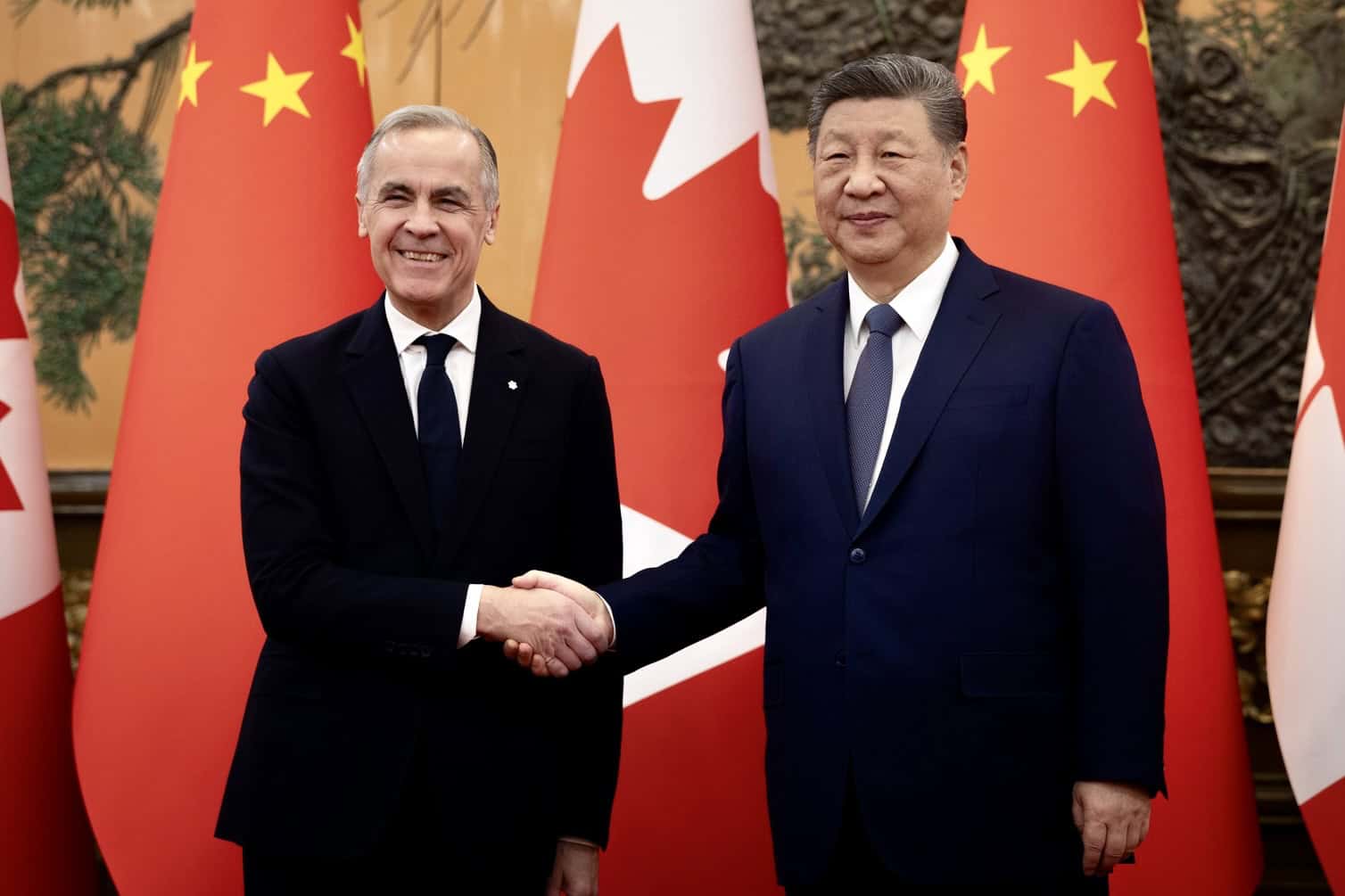
Let’s say that a Democrat retakes the White House in January 2029. He or she will not be able to go to U.S. allies and partners with any measure of credibility and say ‘America is back. We are going to rehabilitate the rules-based international order.’ How can you talk about rehabilitating this alleged rules-based international order when its erstwhile architect has now become its principal enemy, and when perhaps the most damning eulogy for that architecture has been penned by the leader of one of your closest allies, Canada?
By then, China’s technological strides will have gained far more momentum, particularly in the clean energy race from which the United States has for now extricated itself. There’s a good chance that the domestic politics around Chinese investment in the United States will be different come January 2029, not because strategic competition between the United States and China will have abated, but because there will be a growing recognition that the United States will be incapable of pursuing its own clean energy transition without Chinese inputs.
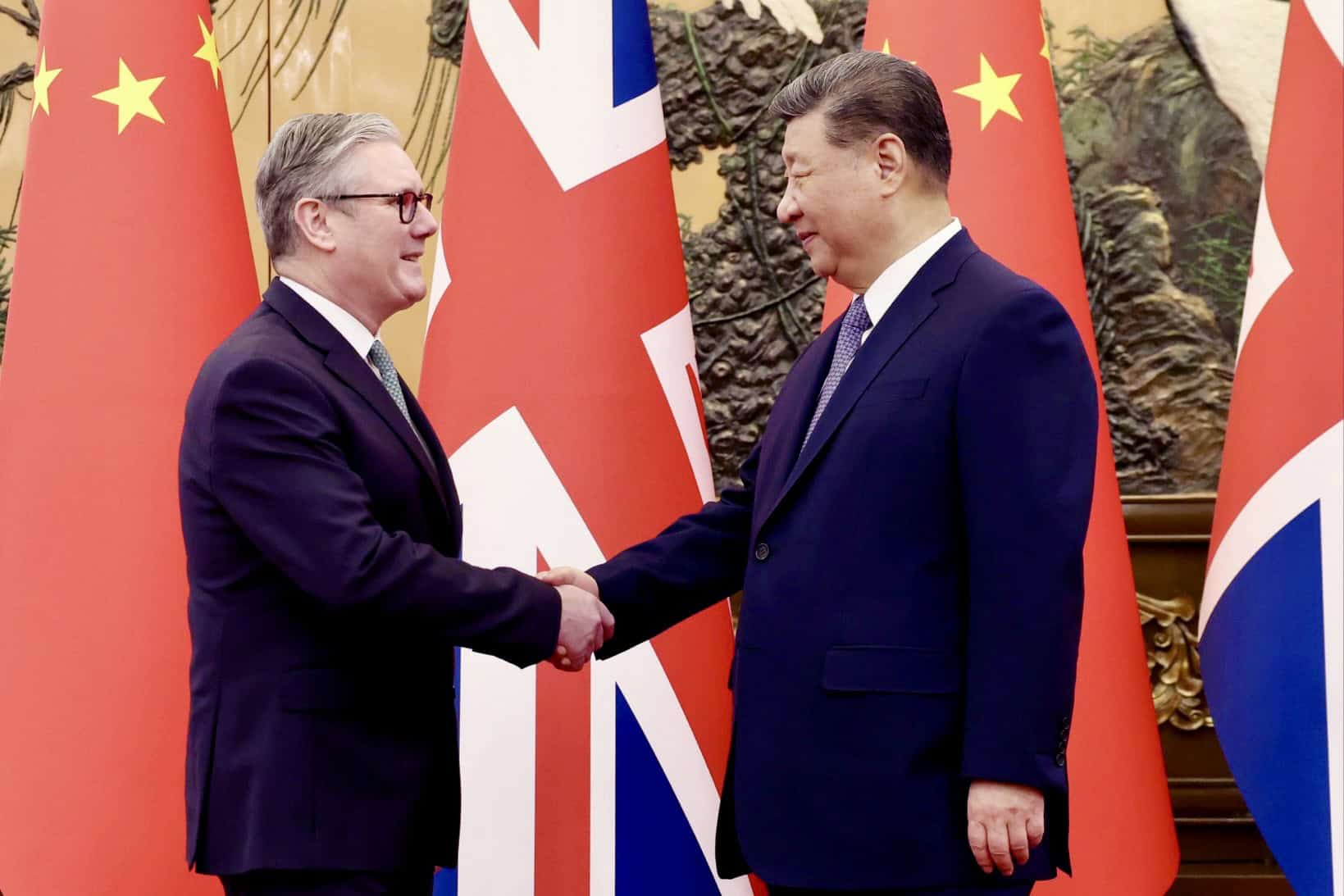
How are other countries viewing the changing U.S. relationship with China? Is this why the leaders of Canada and the United Kingdom are visiting Beijing?
It’s a huge reason. I don’t interpret their visits as evidence that their apprehensions about China have diminished, but instead as evidence that they feel a need to exercise greater agency.
The Trump administration, of its own volition, through a series of economic and security errors that collectively comprise a kind of geopolitical self-sabotage, is driving many allies and partners that have deep reservations about China’s strategic ambitions to engage more with China — not necessarily because they want to, but because they feel that they don’t have any other choice.
Trump has called Canada’s deal with China a “disaster,” and UK Prime Minister Starmer’s pursuit of closer ties with China “dangerous.” But are these foreign leaders really being criticized for doing what the United States is itself doing?
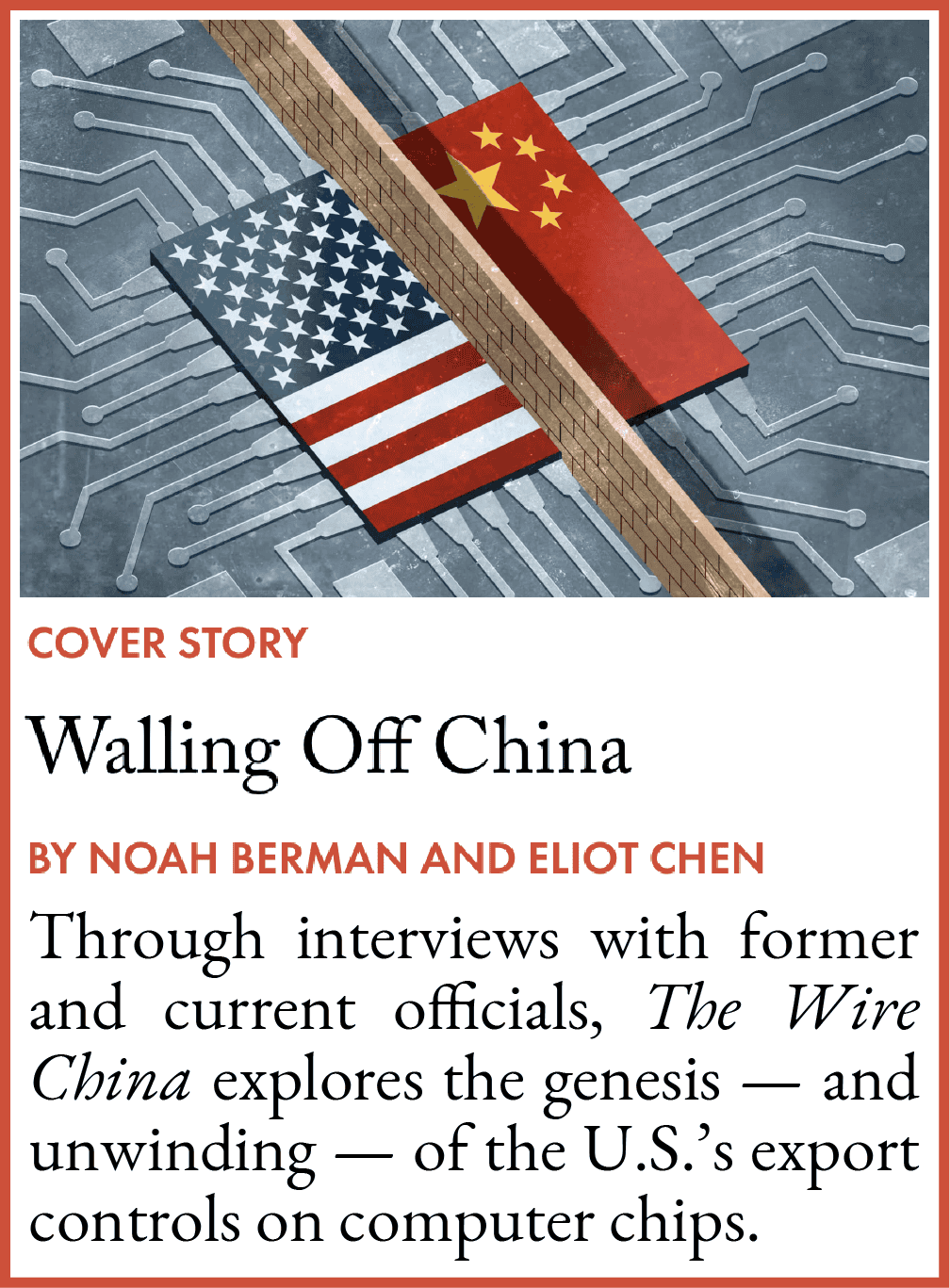
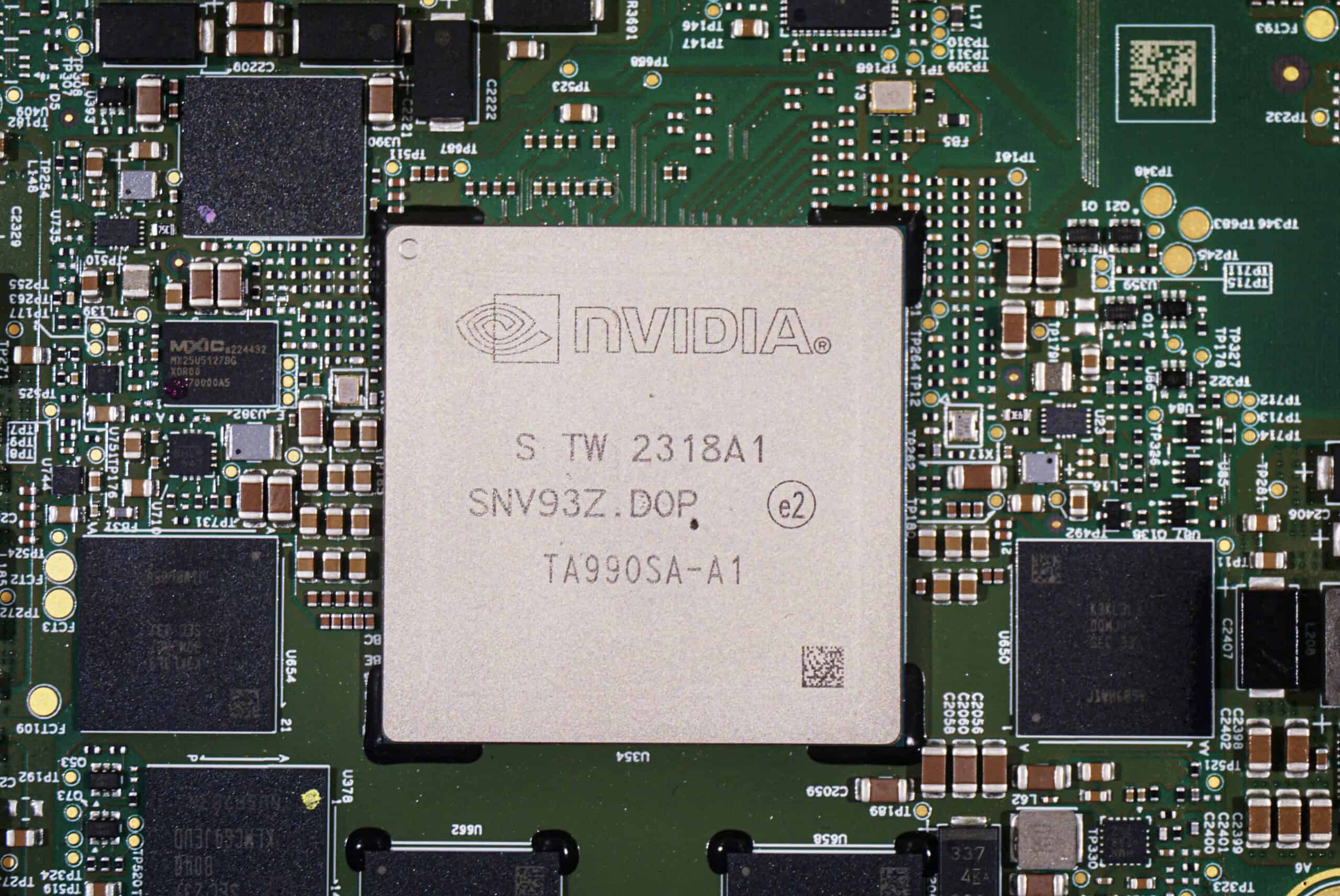
You’re exactly right. I immediately thought of our reversal on export control policies. How can the United States now say to allies and partners, ‘we will benefit economically from selling advanced chips, but we expect you not to sell chipmaking equipment?’ The Biden administration expended an enormous amount of diplomatic energy getting the Japanese and the Dutch across the finish line [on export controls over chipmaking equipment]. But now, by stating that the United States is reversing the policies that it worked over several years to put in place, it will be difficult, if not impossible, to re-erect a multilateral export control regime.
If the United States itself is recalibrating core aspects of its China policy, it can’t credibly ask others not to recalibrate aspects of their own China policies. Many of America’s closest allies and partners are going to conclude that America is unsettled, not only in terms of its China policy, but also in terms of its foreign policy more broadly — and that they can’t afford to wait for the United States to settle on a new policy equilibrium.
Some polls show that American views of China are improving and are at their highest level in almost a decade, particularly among young people who don’t seem as concerned about some of the national security threats that were so widely discussed over the past eight years. Do you think that Trump is responding to the change or creating it?
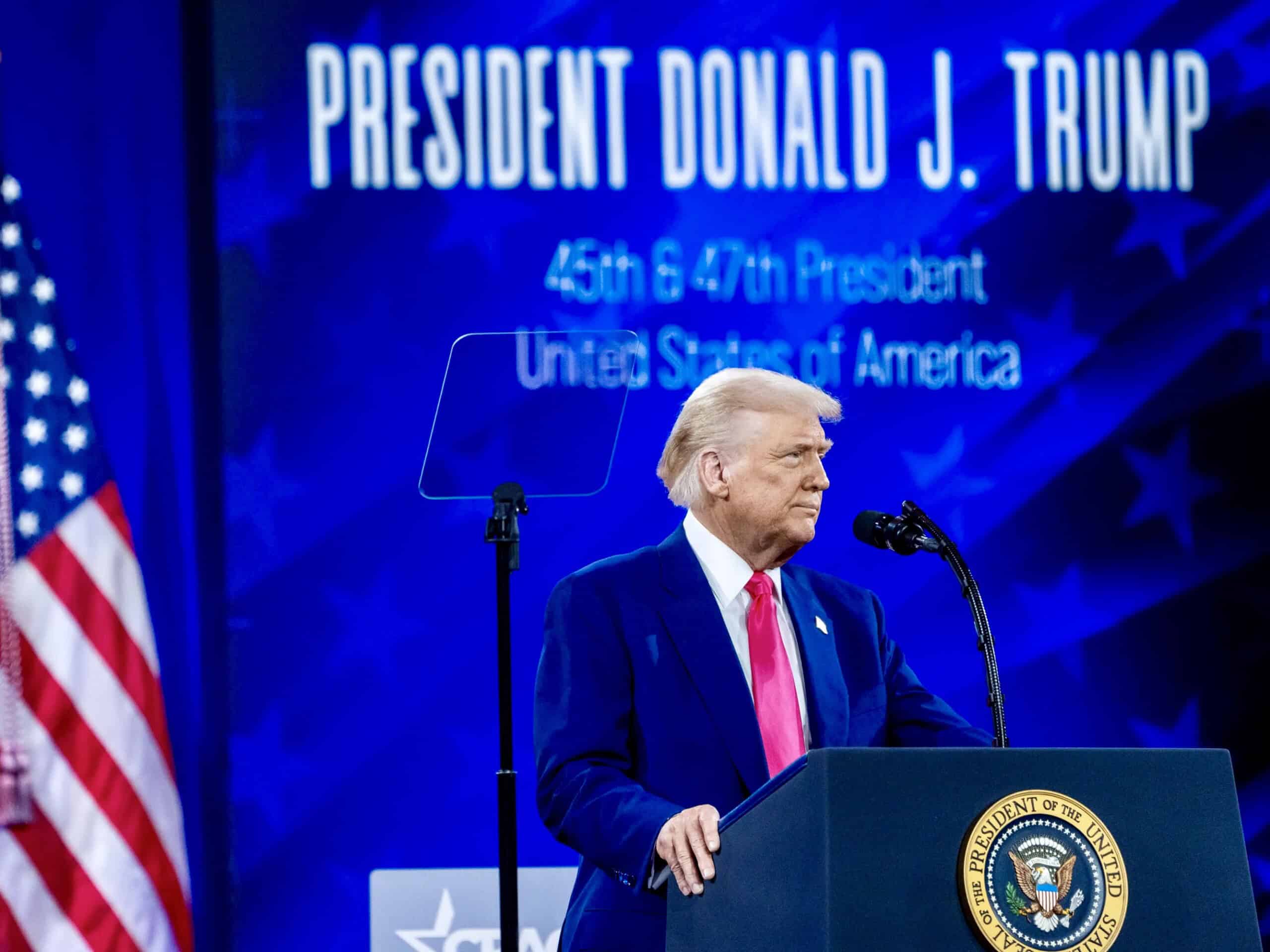
I would say both. I don’t think that you can overstate the impact that the rhetoric and the policies of the commander in chief have. Because of how much more dominant Trump is today in the Republican Party than he was when he first assumed office, his recalibration on China means that the ability of Republicans to criticize him publicly has diminished, and therefore the ability of Democrats to fill the breach and to call for a fresh conversation has grown.
There are also significant generational differences in perceptions of China that are more a function of lived experiences and structural realities than they are of Trump’s rhetoric and policies. Young Americans are much more cognizant of the limits to U.S. influence. They have come of age amid failed U.S. interventions in the Middle East and growing Chinese strength, particularly in technology. Many young Americans look at the track record of American foreign policy in the first quarter of the 21st century and believe that it leaves a lot to be desired.

Today we [also] have the first cohort of young Americans who are not convinced that they will grow up to achieve the same standard of living as their parents. It’s not that they are not cognizant of China’s growing power and growing influence. They are very cognizant. But they are far more animated by concerns that they won’t be able to buy a car or a home, that they will be priced out of the labor market, that the skills that they’ve accrued might be increasingly irrelevant to the jobs of the future. They are far more concerned about their living standards, their ability to achieve the American dream. You have a growing number of young Americans who are losing confidence in democracy, who are losing confidence in the American political system and its capacity to deliver.
There’s also a growing recognition that China’s resurgence isn’t bringing Americans together as some policymakers and commentators had hoped that it would. And so here’s a central question, which gets to why I think that there’s now more breathing room for a different conversation on China: How do we reaffirm the power of America’s domestic example and discipline its foreign policy if the China anchor isn’t going to serve those purposes?
Where do you see the U.S.-China relationship in three years?
The first Trump administration elevated great power competition as an organizing framework for U.S. foreign policy, with a particular emphasis on China. The Biden administration promulgated ‘invest, align, compete.’ There’s now an analytical race underway, and a political race underway, to define what the analogue is for the second Trump administration. It isn’t clear to me that we’ll see a coherent one emerge.
Trump would be perfectly content to continue improvising, to continue seeing where an accumulation of bargains between him and Xi would leave the U.S.-China relationship. As much as he talks about winning, he doesn’t appear to have a vision of where he would like to leave the bilateral relationship at the end of his second term. He’s content to reverse course pretty dramatically on a wide range of issues, depending on the interlocutors with whom he’s engaging, depending on domestic politics, depending on the state of the international order.
| MISCELLANEA | |
|---|---|
| FAVORITE BOOKS | Any books by Maria Popova. |
| FAVORITE FILM | A Beautiful Mind |
| FAVORITE MUSIC | Heavy metal |
Regardless of where the president hopes to leave the bilateral relationship, structurally, the United States is going to be in a much more challenged position at home and abroad. It won’t have any choice but to have a more humble, more honest conversation about the limits of unilateral U.S. influence vis-à-vis China, the limits of America’s capacity to organize allies and partners.
It seems to me that folks in in the China watching community have an opportunity and also an imperative to spend the next three years doing the spade work to say ‘what would a credible China policy look like come January 2029 that would take into account domestic and international constraints that will impinge much more on the freedom of maneuver of the commander in chief, that would demonstrate due humility, that would have a chance of gaining traction with the American public?’
I don’t anticipate that we’re just going to go back to the conversation that we were having four years ago or eight years ago. There will be that instinct, but I think that it will be tempered by the recognition that the confidence of allies and partners in the United States will be far lower in January 2029; and that up and coming generations, Gen Z and Gen Alpha, are not as invested in the prospect of a new Cold War, and are, in fact, much more concerned about its potentially corrosive impacts on their socioeconomic welfare.
America’s principal imperative in dealing with China in the years and decades to come will be temperamental: Can we find a midway disposition between complacency and consternation, conceptualizing China as an enduring but constrained competitor, with the United States focused more on running faster and investing in its unique competitive advantages than trying to out-China China?

Noah Berman is a staff writer for The Wire based in New York. He previously wrote about economics and technology at the Council on Foreign Relations. His work has appeared in the Boston Globe and PBS News. He graduated from Georgetown University.